
Introduction
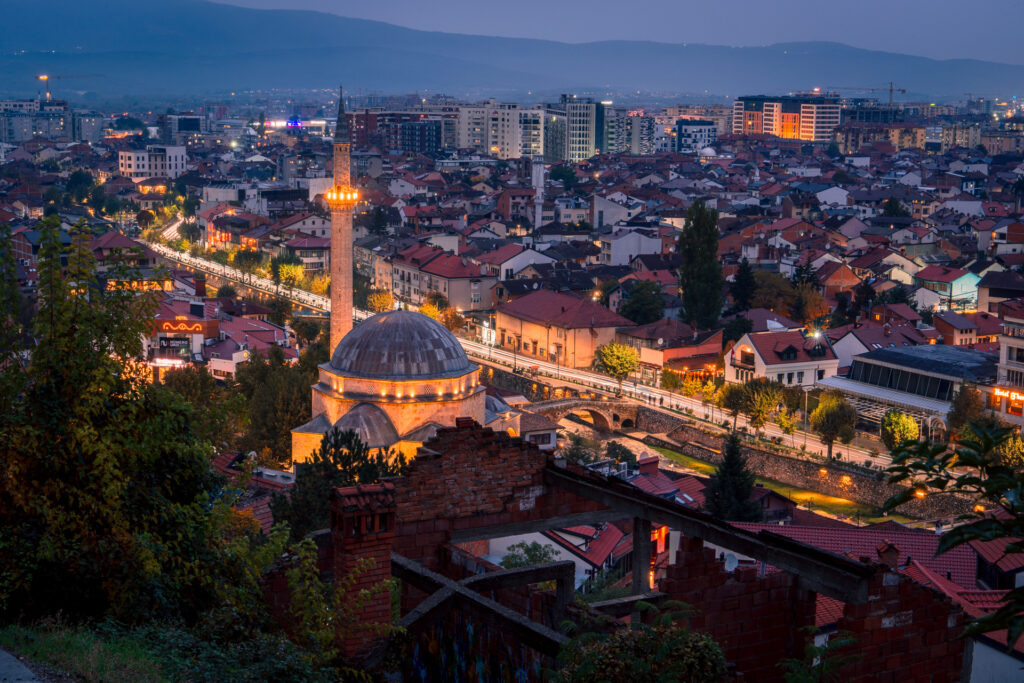
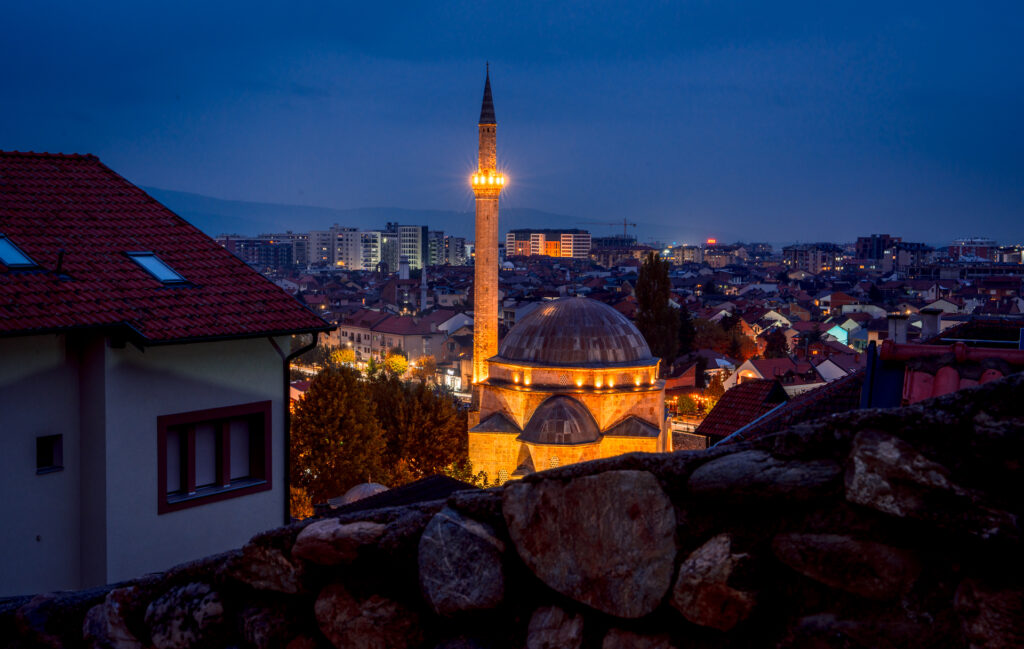
Prizren is a photographer’s dream. With its Ottoman mosques, cobbled streets, medieval fortress, and the Bistrica River cutting through the city, it offers endless opportunities to capture Balkan charm. As a travel photographer, I’ve spent days chasing the light here — from sunrise mist over the mountains to glowing sunset skies above the fortress.
This guide takes you through the best photo spots in Prizren, with tips on what to photograph and when to go for the best light.
Prizren Fortress
What to Photograph: Panoramic city views, winding river, mosques, and rooftops framed by mountains.
When to Go: Sunset is magical. The whole town glows, and the minarets catch the last golden light. Arrive an hour early to capture blue hour as the lights switch on.
The Stone Bridge
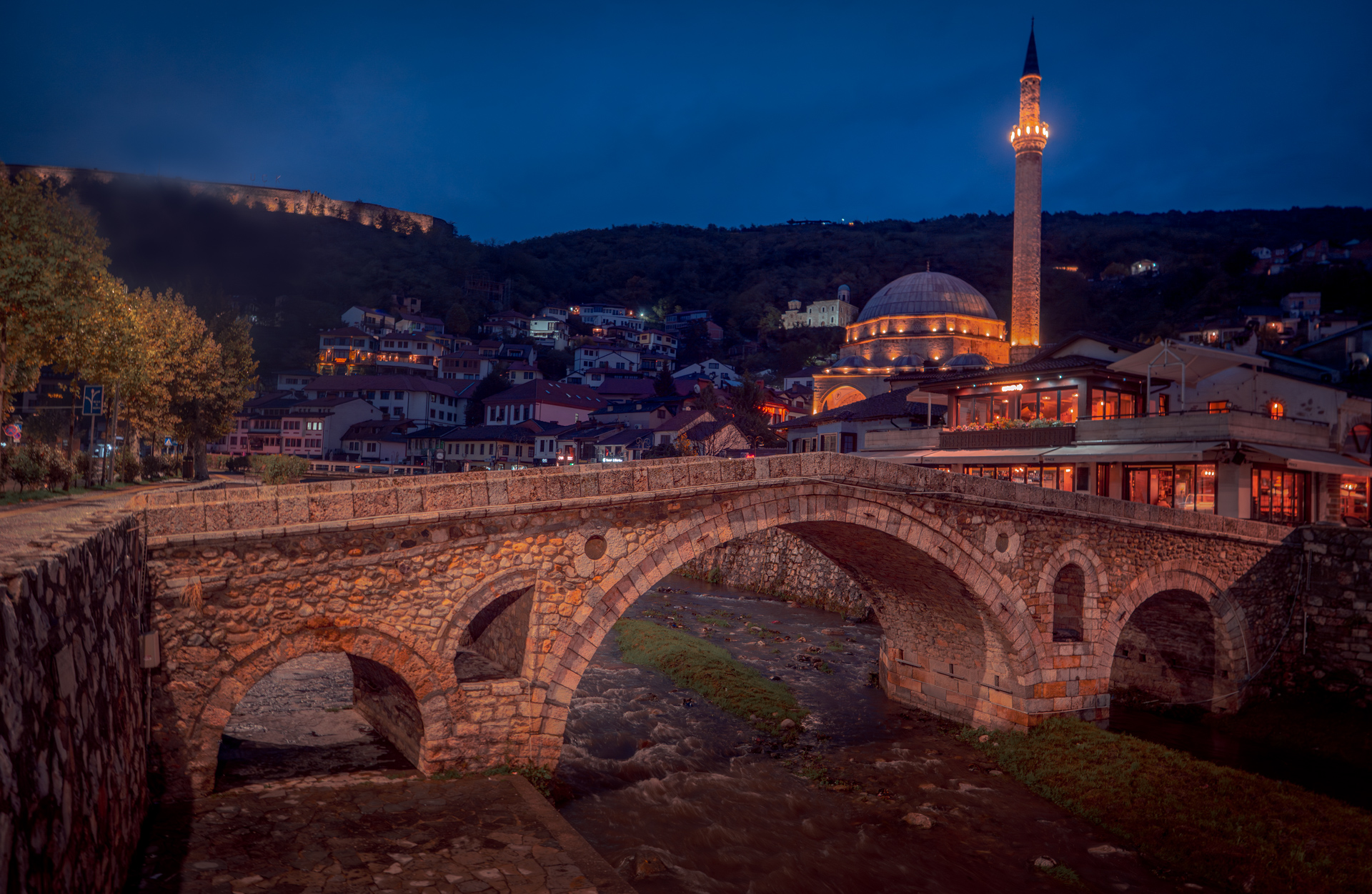
What to Photograph: The classic postcard of Prizren with the Stone Bridge in the foreground and Sinan Pasha Mosque rising behind it.
When to Go: Late afternoon when the light warms the bridge, or at night when the mosque is illuminated.
Sinan Pasha Mosque
What to Photograph: The grand dome, minaret, and detailed Ottoman calligraphy inside. Outside, frame the mosque with the bridge or river.
When to Go: Early morning for soft light and fewer people, or inside at midday when sunlight filters beautifully through the windows.
Bistrica River
What to Photograph: Reflections of the bridge, mosques, and old town houses in the flowing water.
When to Go: Golden hour for warm tones or at night for long exposure shots with reflections of city lights.
Shadervan Square
What to Photograph: Daily life, traditional cafés, and the central fountain surrounded by historic buildings. Great for candid street photography.
When to Go: Morning for quiet shots, evening for lively scenes full of people and lights.
Church of Our Lady of Ljeviš
What to Photograph: The UNESCO-listed medieval Orthodox church, its brick details, and frescoes.
When to Go: Midday for balanced light on the façade. Soft afternoon light is best for atmospheric close-ups.
The Old Bazaar
What to Photograph: Market stalls, filigree jewelry workshops, colorful textiles, and traditional shops.
When to Go: Mid-morning when shops are open but before it gets crowded.
Marashi Park and Bridge
What to Photograph: Riverside park, wooden bridge, and locals relaxing. Perfect for capturing a slower, authentic side of Prizren.
When to Go: Late afternoon for soft light and golden tones on the trees.
Hamam of Gazi Mehmet Pasha
What to Photograph: Historic Ottoman bathhouse, its domes, and brickwork details.
When to Go: Morning light brings out the textures, and fewer visitors mean cleaner shots.
Random Cobblestone Streets
What to Photograph: Old stone houses, colorful doors, cats lounging in the sun, and daily life.
When to Go: Anytime. Overcast days work well for moody black-and-white street shots.
Nearby Mountains
What to Photograph: Prizren framed by mountains, wide landscapes, and village life just outside the city.
When to Go: Sunrise or early morning for misty valleys and dramatic light.
Tips for Photographing Prizren
- Golden Hour Magic: The city is at its best at sunrise and sunset.
- Bring a Wide-Angle Lens: Perfect for mosques, interiors, and fortress panoramas.
- Carry a Tripod: For night shots along the river and fortress.
- Talk to Locals: Street portraits add depth to your Prizren photo collection.
Related Reads
- Ultimate Guide to Visit Prizren
- Best Photo Spots in Sarajevo
- Ultimate Guide to Visit Mostar
- Ultimate Guide to Visit Sarajevo
- Ultimate Guide to Bosnia and Herzegovina in Autumn
Prizren Best Photo Spots – Frequently Asked Questions (FAQ)
Q: When is the best time of day to capture photos in Prizren?
A: The golden hour—about 30 to 60 minutes before sunset—is ideal for warm light over the rooftops and the river. Early morning is also great for soft light and fewer people. For night photography reflections along the river and bridge lights add extra drama. (frewaphoto.com)
Q: What photography gear should I bring to Prizren?
A: A versatile zoom lens (24–70 mm) covers most scenes; a wide-angle lens helps with fortress panoramas and interiors of historic mosques. A travel tripod is useful for low light/reflections. If you plan street work, lightweight gear is key given the cobbled streets and old town layout. (frewaphoto.com)
Q: Are there any permit or photography restrictions in Prizren?
A: For general tourist photography in public areas, no special permit is required. However, in historic interior spaces (mosques, churches) or for commercial/filming use, permissions may apply. Always ask on both the site and local guides if unsure. (xplrverse.com)
Q: How safe is Prizren for a travel photographer?
A: Prizren is considered safe for travelers and photography. Normal precautions apply—watch your gear in crowded spots, be respectful of local customs, and if venturing out after dark use trusted transport.
Q: What are the must-visit photo spots in Prizren?
A: Key spots include:
- The fortress (Prizren Fortress) on the hill for sweeping city views. (xplrverse.com)
- The Stone Bridge (Stone Bridge (Prizren)) over the Bistrica River with the mosque backdrop. (frewaphoto.com)
- The mosque of Sinan Pasha Mosque for architecture and interior details. (Wikipedia)
- Old town alleys, riverside cafés and local life for authentic street and travel shots. (frewaphoto.com)
Q: How many days should I plan for a photography-focused visit to Prizren?
A: For covering the main photo locations in the city, 1-2 full days are sufficient. If you want to shoot surrounding mountains or villages for landscape work, add an extra day. This gives you time for sunrise/sunset light without rushing.
Q: Is the weather or season important for photography in Prizren?
A: Yes. Spring (April–June) and autumn (September–October) tend to provide the best light and comfortable weather for walking the old town and hilltops. Summer can be bright and hot (seek early morning/evening sessions) and winter offers snow scenes but shorter daylight hours.
Q: Do I need a car to access the best photo spots in Prizren?
A: No, many great views and photo spots are within walking distance of the old town centre. But if you plan to explore surrounding viewpoints, mountains or remote villages, renting a car or joining a photo-tour gives you more flexibility.