
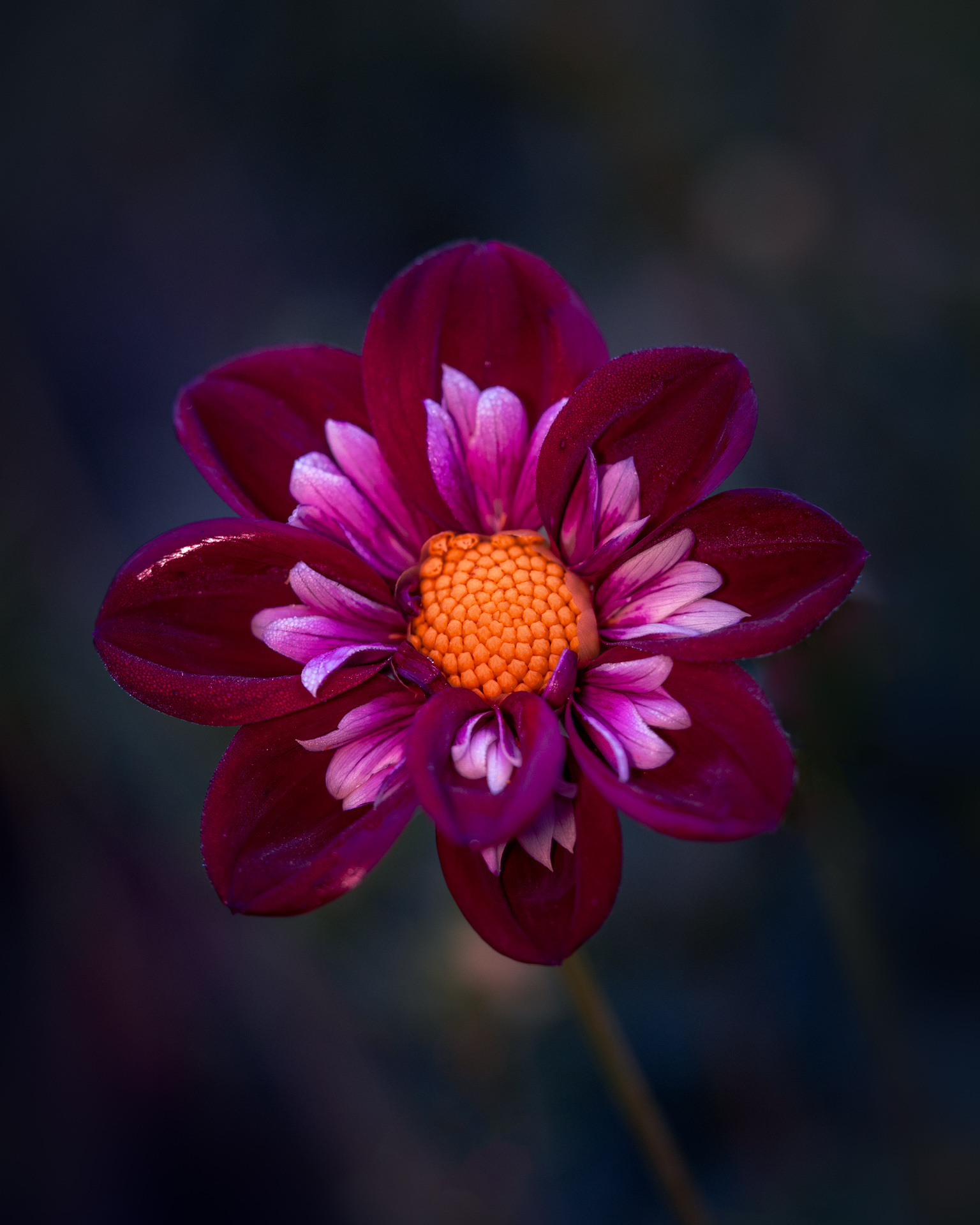
Introduction
Autumn is often associated with golden forests and colorful foliage, but it’s also a fantastic season for flower photography. While many people assume the blooming season ends in summer, autumn gardens are still full of vibrant flowers, dramatic textures, and rich seasonal colors. For photographers, this combination creates unique opportunities that are very different from spring or summer flower photography.
As a travel photographer, I’ve spent countless hours wandering through botanical gardens, countryside estates, and small village gardens during autumn. What makes autumn flower photography so compelling is the contrast: bright blooms surrounded by fading leaves, warm golden light, morning frost, and moody skies.
Flowers like dahlias, chrysanthemums, asters, and late-blooming roses thrive in autumn gardens, offering bold colors that stand out beautifully against earthy backgrounds. Combined with softer sunlight and atmospheric weather, autumn provides ideal conditions for capturing dramatic floral images.
In this autumn flower photography guide, you’ll learn where to find autumn flowers, the best time to photograph them, lighting techniques, composition strategies, and the gear that helps you capture stunning seasonal images.
Why Photograph Autumn Flowers
Autumn flowers have a very different character compared to spring and summer blooms. The season creates unique visual opportunities that many photographers overlook.
Rich Seasonal Colors
Autumn gardens feature deep, saturated colors that photograph beautifully.
Popular autumn flower colors include:
- Deep reds
- Burnt orange
- Golden yellow
- Burgundy
- Purple and violet
These tones pair naturally with autumn foliage, creating harmonious color palettes.
Flowers such as dahlias, chrysanthemums, and zinnias often appear even more vibrant when surrounded by muted autumn backgrounds.
Dramatic Lighting Conditions
Autumn sunlight tends to be softer and lower in the sky.
This produces:
- Long shadows
- Warm golden tones
- Directional light
These conditions add depth and mood to flower photography.
Fewer Crowds
If you enjoy photographing in botanical gardens or parks, autumn often means fewer visitors compared to spring and summer.
This allows you to:
- Take more time composing shots
- Explore angles without distractions
- Photograph popular gardens more peacefully
Atmospheric Weather
Autumn weather adds visual drama.
Photographers may encounter:
- Morning mist
- Frost-covered petals
- Rain droplets
- Moody skies
These elements can transform simple flower photographs into compelling seasonal images.
Where to Photograph Autumn Flowers
You might be surprised how many places offer excellent opportunities for autumn flower photography.
Botanical Gardens
Botanical gardens are among the best places to find autumn flowers.
They typically feature late-season blooms such as:
- Dahlias
- Chrysanthemums
- Asters
- Japanese anemones
- Sedum
Many botanical gardens also design autumn flower displays specifically for seasonal interest.
Historic Estate Gardens
Historic gardens often maintain flower beds that bloom well into autumn.
These gardens frequently include:
- Decorative dahlia gardens
- Formal flower borders
- Seasonal planting displays
Estate gardens also provide architectural elements like pathways and fountains that enhance flower compositions.
Public Parks
Many parks plant late-season flowers to maintain color after summer.
Look for:
- Community flower beds
- City garden displays
- Decorative borders near walkways
These areas can provide surprisingly good flower photography opportunities.
Countryside Gardens and Farms
Small countryside gardens often grow late-season flowers for decoration or local markets.
These settings offer:
- Rustic backgrounds
- Natural garden layouts
- Charming countryside atmosphere
They’re perfect for creating storytelling-style flower photographs.
When to Photograph Autumn Flowers
Timing plays an important role in capturing the best autumn flower images.
Early Autumn
Early autumn still has many flowers in peak condition.
Common subjects include:
- Dahlias
- Zinnias
- Cosmos
- Late roses
These flowers often appear vibrant against early autumn foliage.
Mid-Autumn
During mid-autumn, many gardens shift toward classic seasonal flowers such as:
- Chrysanthemums
- Asters
- Sedum
- Japanese anemones
Colors tend to become deeper and more dramatic.
Late Autumn
Late autumn offers a completely different style of photography.
Flowers may appear:
- Frost-covered
- Slightly faded
- Surrounded by fallen leaves
This stage can produce moody, atmospheric photographs.
Best Weather and Conditions
Autumn weather can create some of the most interesting conditions for flower photography.
Morning Frost
One of the most magical autumn photography moments occurs after a cold night when frost forms on flowers.
Frost adds:
- Sparkling textures
- Crystal-like patterns
- Unique seasonal atmosphere
Early morning light reflecting off frost can create stunning images.
Fog and Mist
Foggy mornings can add depth and mood to flower photography.
Mist creates:
- Soft backgrounds
- Reduced contrast
- Dreamy atmosphere
Flowers emerging from fog can produce very artistic images.
Overcast Days
Cloudy skies provide soft diffused lighting that works extremely well for close-up flower photography.
Benefits include:
- Even lighting
- Rich colors
- No harsh shadows
Many photographers actually prefer overcast conditions for floral photography.
How to Photograph Autumn Flowers
Capturing great autumn flower photographs requires both observation and technique.
Look for Seasonal Context
Autumn flower photos become more interesting when they include seasonal elements.
Try incorporating:
- Fallen leaves
- Autumn foliage
- Frost or dew
- Natural textures like bark or branches
These elements tell a stronger seasonal story.
Simplify the Scene
Autumn gardens can become visually busy because of mixed colors and textures.
To simplify your image:
- Use shallow depth of field
- Move around the subject
- Look for clean backgrounds
Minimalism helps highlight the beauty of the flower.
Experiment with Angles
Different angles can dramatically change the mood of a flower photograph.
Try shooting:
- At ground level
- Through nearby plants
- Directly toward the light
These perspectives often reveal more interesting compositions.
Photography Composition Techniques
Composition is one of the most important skills in flower photography.
Use Color Contrast
Autumn offers fantastic color combinations.
Examples include:
- Purple asters against golden leaves
- Red dahlias against dark green foliage
- Yellow flowers surrounded by orange leaves
Strong color contrast makes images visually striking.
Add Foreground Elements
Foreground blur can create depth and atmosphere.
Try placing:
- Leaves
- Grass
- Other flowers
in front of the lens to create soft framing.
Use Diagonal Composition
Diagonal lines add energy to flower images.
Look for:
- Slanted stems
- Flower beds arranged diagonally
- Curving garden paths
These elements guide the viewer’s eye through the photograph.
Light for Autumn Flower Photography
Light in autumn behaves differently than in summer, and understanding it helps create better images.
Golden Hour Light
Autumn golden hour can be particularly beautiful.
Because the sun sits lower in the sky, golden hour lasts longer and produces:
- Warm color tones
- Long shadows
- Directional light
This light works beautifully for photographing flowers with glowing edges.
Backlighting
Backlighting can create dramatic effects when sunlight shines through petals or leaves.
It highlights:
- Petal translucency
- Flower shapes
- Fine textures
Flowers like cosmos and dahlias look especially beautiful when backlit.
Diffused Light
Cloudy autumn days provide ideal conditions for macro photography.
Diffused light reveals:
- Petal details
- Subtle textures
- Natural colors
It’s perfect for photographing delicate autumn flowers.
Equipment Guide
You don’t need specialized equipment to photograph autumn flowers, but certain tools can help improve results.
Cameras
Any modern camera can capture excellent flower photographs.
Helpful features include:
- Good dynamic range
- High-resolution sensors
- Accurate autofocus
Mirrorless and DSLR cameras both perform very well.
Tripods
Tripods can be extremely useful for:
- Macro photography
- Low-light shooting
- Focus stacking
They help maintain sharp images when working with close-up subjects.
Accessories
Useful accessories for flower photography include:
- Reflectors to bounce light
- Diffusers for harsh sunlight
- Small spray bottles to create water droplets
These simple tools can enhance flower images dramatically.
Best Lenses for Autumn Flower Photography
Choosing the right lens can greatly influence your photography style.
Macro Lenses
Macro lenses are ideal for capturing fine details.
Common macro focal lengths include:
- 90mm
- 100mm
- 105mm
These lenses allow photographers to capture intricate patterns and textures.
Telephoto Lenses
Telephoto lenses are excellent for isolating flowers from the background.
They also produce beautiful background blur.
Popular options include:
- 70–200mm zoom lenses
- 135mm prime lenses
Standard Lenses
Standard lenses like 35mm or 50mm are great for environmental flower photography.
They allow you to capture flowers within the context of the surrounding garden.
Seasonal Photography Opportunities
Autumn gardens change quickly, creating many photographic opportunities.
Early Autumn Blooms
Flowers commonly blooming in early autumn include:
- Dahlias
- Cosmos
- Zinnias
- Late roses
These flowers often appear vibrant against early autumn foliage.
Mid-Season Blooms
Mid-autumn introduces classic seasonal flowers such as:
- Chrysanthemums
- Asters
- Sedum
- Japanese anemones
These flowers thrive in cooler weather.
Late Autumn Scenes
Late autumn photography often focuses on mood and atmosphere rather than vibrant blooms.
Look for:
- Frost-covered flowers
- Fading petals
- Fallen leaves surrounding flowers
These elements create dramatic seasonal images.
Location Guide for Autumn Flower Photography
Some locations are particularly famous for their autumn gardens.
Botanical Gardens
Botanical gardens often design special autumn displays featuring seasonal flowers and foliage.
These gardens provide:
- Diverse plant collections
- Carefully designed flower beds
- Beautiful seasonal compositions
European Gardens
Europe is home to many historic gardens that remain stunning throughout autumn.
Countries known for spectacular autumn gardens include:
- England
- France
- Italy
- Sweden
These gardens often combine flowers with autumn foliage and historic landscapes.
Cottage Gardens
Traditional cottage gardens can be especially photogenic in autumn.
They feature:
- Dense planting
- Natural shapes
- Informal layouts
These characteristics create a romantic atmosphere perfect for photography.
Advanced Photography Techniques
Once you’re comfortable with the fundamentals, exploring advanced techniques can help you capture more compelling autumn flower photography. Autumn’s atmospheric conditions and rich colors are perfect for experimenting with creative approaches.
Macro Photography for Autumn Flowers
Macro photography allows you to capture the intricate textures and structures of autumn flowers. Late-season blooms such as dahlias, chrysanthemums, and asters have complex petal arrangements that look stunning up close.
Tips for macro photography:
- Use a macro lens between 90mm and 105mm
- Choose apertures around f/8 to f/11 for better depth of field
- Focus carefully on the center of the flower
- Use a tripod to maintain stability
Autumn dew, frost, and water droplets can add extra detail to macro images.
Focus Stacking for Maximum Detail
Flowers often have multiple layers of petals that extend beyond a single plane of focus.
Focus stacking solves this problem by combining multiple images taken at different focus points.
How to do it:
- Mount your camera on a tripod
- Take several photos while shifting the focus slightly
- Merge the images in editing software
This technique works especially well for macro flower photography where depth of field is extremely shallow.
Shooting Through Foreground Elements
One technique I use often in gardens is shooting through nearby flowers or leaves.
This approach creates:
- Soft foreground blur
- Natural framing
- Increased depth
By partially obscuring the frame with nearby plants, you can create images that feel immersive and layered.
Using Selective Focus
Selective focus draws attention to a single flower while leaving the rest of the scene softly blurred.
To achieve this effect:
- Use wide apertures such as f/2.8 to f/4
- Focus on the most interesting part of the flower
- Keep the background distant
Selective focus works particularly well for isolating colorful autumn blooms.
Creative Photography Ideas
Autumn gardens offer fantastic opportunities for creativity. Trying new ideas can help your images stand out.
Include Autumn Leaves
Fallen leaves can add texture and seasonal context to flower photographs.
Look for combinations such as:
- Dahlias surrounded by orange leaves
- Asters with golden foliage
- Chrysanthemums against leaf-covered ground
These elements help communicate the autumn season within the image.
Photograph Frost-Covered Flowers
Early frost is one of the most magical conditions for autumn flower photography.
Frost crystals create:
- Sparkling textures
- Unique patterns
- Beautiful contrast with petals
Photograph frost during early morning light for the best results.
Capture Pollinators
Even in autumn, gardens still attract pollinators such as bees and butterflies.
To capture them:
- Use fast shutter speeds (1/1000 or faster)
- Focus on flowers that attract insects like asters or sedum
- Be patient and observe their patterns
Images of pollinators interacting with flowers add energy and storytelling to your photographs.
Backlit Flower Photography
Backlighting is particularly dramatic during autumn because the sunlight sits lower in the sky.
To create glowing petals:
- Position the sun behind the flower
- Slightly underexpose your image
- Use a lens hood to reduce flare
Flowers like cosmos and chrysanthemums look especially beautiful with backlighting.
Common Mistakes to Avoid
Even experienced photographers sometimes struggle with flower photography. Avoiding these common mistakes can significantly improve your results.
Ignoring the Background
One of the biggest issues in flower photography is cluttered backgrounds.
Always check for:
- Bright distractions
- Overlapping plants
- Unwanted objects
Using a wide aperture or adjusting your shooting angle can simplify the background.
Photographing Only Perfect Flowers
Perfect blooms can look beautiful, but slightly imperfect flowers often tell a stronger story.
Look for:
- Fading petals
- Frost-covered blooms
- Flowers surrounded by autumn leaves
These subjects can create more atmospheric images.
Shooting Only at Eye Level
Most people photograph flowers from standing height.
Try experimenting with:
- Ground-level angles
- Side perspectives
- Shooting upward toward the sky
Changing perspective can dramatically improve composition.
Using Too Much Saturation
Autumn colors are already strong. Over-editing can make them look unrealistic.
Instead:
- Adjust vibrance rather than saturation
- Use subtle color corrections
- Maintain natural tones
This keeps your images authentic.
Editing and Post-Processing Tips
Editing can help bring out the natural beauty of autumn flowers while maintaining realistic colors and textures.
Enhance Color Carefully
Autumn flowers already have rich colors.
To improve them without overdoing it:
- Slightly increase vibrance
- Adjust white balance for warmth
- Fine-tune individual color channels
These subtle changes help emphasize seasonal tones.
Add Contrast and Texture
Adding gentle contrast can highlight petal details and textures.
Editing tools to consider:
- Clarity
- Texture adjustments
- Local contrast
Use these sparingly to avoid harsh results.
Crop for Better Composition
Sometimes a simple crop can dramatically improve a flower image.
Cropping can help:
- Remove distractions
- Strengthen composition
- Emphasize the subject
Look for opportunities to tighten the frame around the most important elements.
Remove Small Distractions
Garden scenes often include small imperfections.
Tools such as the healing brush or clone tool can remove:
- Damaged leaves
- Small blemishes
- Distracting elements
Cleaning up minor details helps your subject stand out.
FAQs
What flowers bloom in autumn for photography?
Many flowers bloom well into autumn and make excellent photography subjects. Popular examples include dahlias, chrysanthemums, asters, sedum, and Japanese anemones. These flowers often feature bold colors that contrast beautifully with autumn foliage.
What is the best time of day for autumn flower photography?
Early morning is usually the best time because light is soft and wind conditions are calm. Morning also offers opportunities to photograph dew or frost on petals, which can add beautiful texture and atmosphere.
What camera settings work best for flower photography?
A good starting point is:
- Aperture: f/4–f/8
- ISO: 100–200
- Shutter speed: adjusted depending on light and wind
For macro photography, slightly narrower apertures such as f/8–f/11 provide better depth of field.
How can I create blurred backgrounds in flower photography?
Background blur, also known as bokeh, can be achieved by:
- Using a wide aperture (f/2.8–f/4)
- Choosing longer focal length lenses
- Increasing distance between the subject and background
These techniques help isolate the flower.
Can beginners photograph flowers successfully?
Yes. Flower photography is actually one of the best genres for beginners because subjects are easy to find and don’t move much. By practicing composition, lighting, and focus techniques, beginners can quickly improve their skills.
What lens is best for autumn flower photography?
Macro lenses around 90mm–105mm are ideal for close-up flower photography. Telephoto lenses such as 70–200mm also work well for isolating flowers and creating smooth background blur.
How do I photograph flowers in windy conditions?
Wind can cause motion blur. To reduce this problem:
- Shoot during calmer early mornings
- Use faster shutter speeds
- Shield flowers from wind with your body
A tripod can also help stabilize the camera.
What makes autumn flower photography unique?
Autumn flower photography stands out because it combines vibrant blooms with seasonal elements such as fallen leaves, mist, frost, and warm golden light. These conditions create atmospheric images that are very different from spring or summer flower photography.
Conclusion
Autumn may not be the first season that comes to mind for flower photography, but it offers incredible opportunities for photographers willing to explore late-season gardens. Rich colors, atmospheric weather, and dramatic lighting combine to create scenes that are both beautiful and unique.
By focusing on composition, lighting, and seasonal storytelling, you can capture images that showcase the subtle beauty of autumn flowers. Whether you’re photographing vibrant dahlias in a botanical garden, frost-covered asters in a countryside garden, or chrysanthemums in a city park, autumn provides endless inspiration.
The key is to slow down, observe carefully, and experiment with different perspectives and techniques. With patience and creativity, autumn flower photography can produce some of the most memorable images of the year.
Related Internal Articles
- Summer Garden Flower Photography Guide
- Macro Flower Photography Guide
- Best Lenses for Flower Photography
- How to Photograph Wildflowers in Nature
- Spring Flower Photography Guide
External Resources
- Royal Horticultural Society – Seasonal gardening guides
- National Geographic – Nature and flower photography tips
- Botanical Society of America
- Smithsonian Gardens plant collections
- Audubon Society pollinator guides