
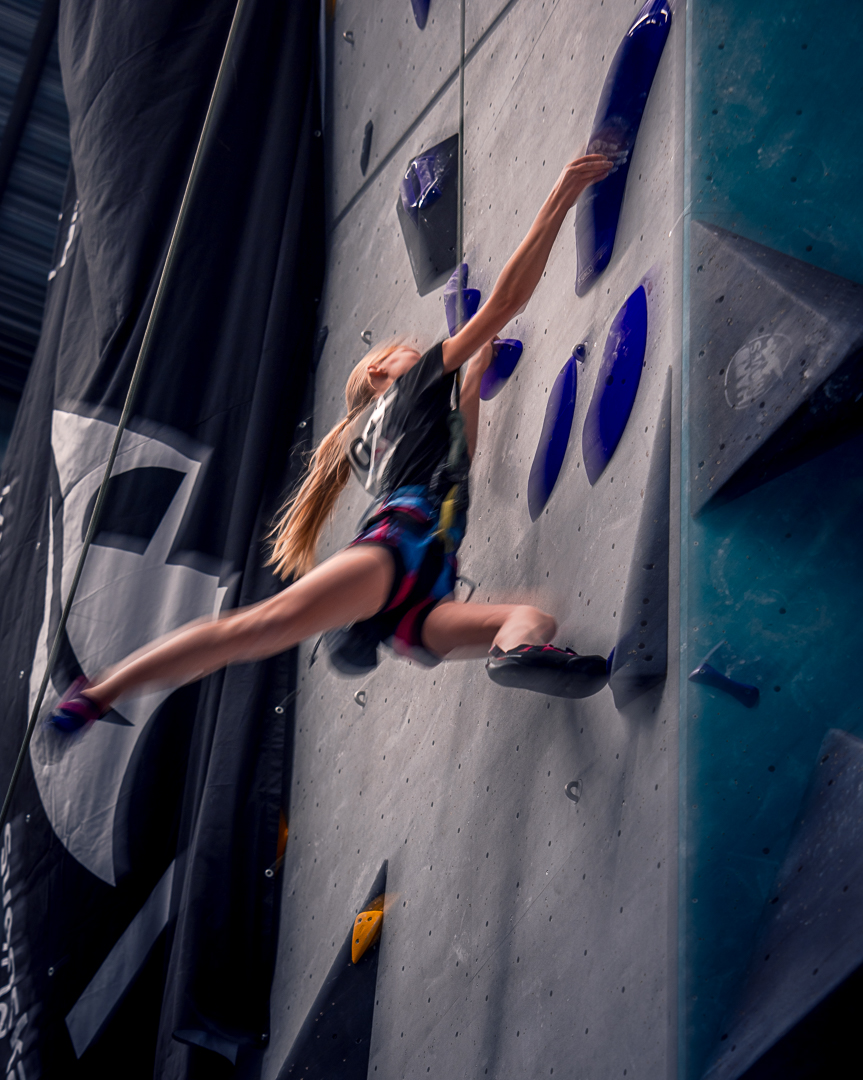
The best climbing gyms in Europe at a glance
If you want to get straight to some of Europe’s most interesting climbing facilities, these are excellent places to start:
| Climbing gym | City and country | Best for |
|---|---|---|
| Kletterzentrum Innsbruck | Innsbruck, Austria | Huge all-round climbing centre |
| Climb Up Aubervilliers | Paris, France | One of Europe’s largest facilities |
| Level24 | Casalecchio di Reno, Italy | Enormous climbing complex |
| Vestveggen | Bergen, Norway | Large modern climbing facility |
| LA SKALA | Žilina, Slovakia | Large rope and bouldering centre |
| BigWall | Prague, Czechia | Large all-round climbing centre |
| The Climbing Works | Sheffield, UK | Dedicated bouldering |
| The Castle Climbing Centre | London, UK | Historic climbing venue |
| Boulderwelt München Ost | Munich, Germany | Bouldering |
| Magic Mountain | Berlin, Germany | Rope climbing and bouldering |
| Blocs & Walls | Copenhagen, Denmark | Bouldering and rope climbing |
| SmíchOFF | Prague, Czechia | Rope climbing and family facilities |
| Climbing District Bastille | Paris, France | Modern urban bouldering |
| Boulderhal Sterk | Utrecht, Netherlands | Bouldering |
| Plezalni center Slovenska Bistrica | Slovenska Bistrica, Slovenia | Large indoor and outdoor centre |
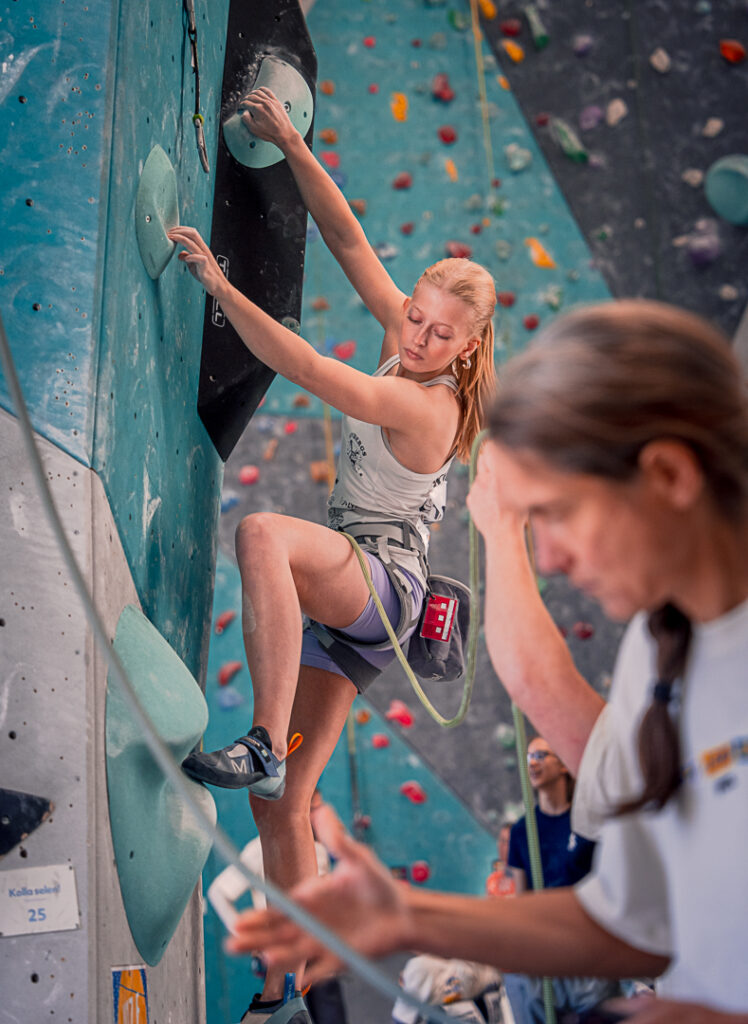
United Kingdom: excellent climbing gyms from London to Scotland
The UK has one of Europe’s strongest indoor climbing scenes. Sheffield is particularly well known among climbers, but London, Bristol, Manchester, Liverpool and Edinburgh also have excellent facilities.
1. The Climbing Works – Sheffield, England
The Climbing Works is one of Britain’s best-known dedicated bouldering centres. It has a strong reputation for route setting and training, and is a particularly interesting destination for climbers who want to focus on bouldering rather than rope climbing.
The centre also has a dedicated family bouldering facility called Mini Works, making it an interesting option for families introducing children to climbing.
Best for: Bouldering, training and families.
Website: https://www.climbingworks.com/
2. The Foundry Climbing Centre – Sheffield, England
The Foundry is another major part of Sheffield’s climbing culture. It offers a different experience from a bouldering-only gym, with rope climbing and facilities for a range of abilities.
Sheffield is an especially good city for a climbing-focused weekend because several established climbing centres are within reach of one another.
Best for: Rope climbing and experienced climbers.
3. The Climbing Hangar – Liverpool, England
The Climbing Hangar is a well-known bouldering brand that began in Liverpool and has expanded to several UK cities. Its gyms are designed around accessible, social bouldering, with climbing problems for different experience levels.
Best for: Social bouldering and casual visits.
4. The Castle Climbing Centre – London, England
The Castle is one of London’s most distinctive climbing venues. It occupies a converted Victorian water pumping station, giving it a very different atmosphere from a modern industrial climbing warehouse.
It offers bouldering, top-rope and lead climbing, making it a good choice for visitors who want several types of climbing under one roof.
Best for: Atmosphere, rope climbing and a memorable climbing experience.
5. Westway Climbing Centre – London, England
Westway is a long-established London climbing centre with a broad range of climbing options. It is a useful choice for climbers who want a traditional climbing-centre experience rather than a bouldering-only venue.
Best for: Rope climbing and a wide range of abilities.
6. Mile End Climbing Wall – London, England
Mile End is another established London venue, with indoor climbing facilities for beginners and regular climbers. Its location makes it convenient for people exploring the east of the city.
Best for: Indoor rope climbing and beginners.
7. The Arch Climbing Wall – London, England
The Arch is a well-known London bouldering operator. Its facilities are aimed at climbers who enjoy shorter, rope-free problems and a social training environment.
Best for: Bouldering and training.
8. VauxWall – London, England
VauxWall has dedicated bouldering centres in London. It is a good option for visitors who want to fit a climbing session into a city break without needing a rope or belay partner.
Best for: Urban bouldering.
9. The Depot – Manchester, England
The Depot is a major name in British bouldering, with a strong focus on indoor bouldering and training. It is worth considering for climbers visiting Manchester.
Best for: Bouldering and regular training.
10. Awesome Walls – Dublin, Ireland
Awesome Walls Dublin is a large indoor climbing centre offering both roped climbing and bouldering. It has structured instruction and youth activities, making it suitable for a wide range of visitors.
Best for: Families, beginners and rope climbing.
11. Eden Rock – Edinburgh, Scotland
Eden Rock is a well-known Scottish climbing brand with a bouldering-focused offering. Its Edinburgh venue is a good option for climbers visiting the Scottish capital.
Best for: Bouldering.
12. The Climbing Academy – Bristol, England
The Climbing Academy operates several climbing centres in the UK. Its Bristol venues are worth investigating for visitors looking for a dedicated climbing experience.
Best for: Bouldering and community-focused climbing.
France: huge climbing centres and creative bouldering gyms
France has a particularly strong climbing culture. Paris and its surrounding region have a large number of indoor venues, while cities such as Lyon, Mulhouse and Nantes also offer impressive facilities.
13. Climb Up Aubervilliers – Paris, France
Climb Up Aubervilliers is one of the largest indoor climbing facilities in Europe, with approximately 5,000 square metres of climbing area listed in European climbing directories.
It offers both bouldering and sport climbing, making it a particularly interesting destination for climbers who want a large facility with plenty of variety.
Best for: Scale, bouldering and rope climbing.
14. Climb Up Paris – Porte d’Italie – Paris, France
Another large Climb Up facility, this centre offers a combination of bouldering and sport climbing. Its size makes it an interesting option for climbers visiting Paris.
Best for: A large all-round climbing centre.
15. Climb World – Paris, France
Climb World is another substantial Paris climbing venue, with a bouldering-focused offering. It is worth considering if you are looking for a modern indoor climbing experience in the French capital.
Best for: Urban bouldering.
16. CMC Climbing Mulhouse Center – Mulhouse, France
CMC Climbing Mulhouse Center is a large climbing facility in eastern France. Its reported climbing area makes it one of the more substantial venues in the country.
Its location also makes it an interesting stop for a climbing trip through Alsace or on a journey between France, Germany and Switzerland.
Best for: A large all-round climbing centre.
17. Arkose Canal – Brussels, Belgium
Although located in Belgium rather than France, Arkose Canal belongs in this section of the European climbing scene because it is part of the wider French-origin Arkose network.
The venue is a substantial bouldering centre in Brussels, offering a modern indoor bouldering experience.
Best for: Bouldering and city-break climbing.
18. Hueco Strasbourg-Zénith – Eckbolsheim, France
Hueco Strasbourg-Zénith is a bouldering-focused facility near Strasbourg. It is a good option for climbers visiting eastern France who prefer climbing without ropes.
Best for: Bouldering.
Germany: some of Europe’s best bouldering gyms
Germany has a strong indoor climbing scene, particularly in Berlin and Munich. The country has several established bouldering brands and large climbing centres.
19. Boulderwelt München Ost – Munich, Germany
Boulderwelt is one of Germany’s best-known bouldering operators. Its Munich East facility is a large venue with a wide range of bouldering problems and training opportunities.
It is a good choice for climbers who want to spend several hours working through different styles and grades.
Best for: Bouldering and training.
20. Boulderwelt München Süd – Munich, Germany
The southern Munich venue gives visitors another option in the Boulderwelt network. It is worth comparing the two locations if you are spending several days in the city.
Best for: Bouldering.
21. Magic Mountain – Berlin, Germany
Magic Mountain is a large indoor climbing facility in Berlin offering rope climbing and bouldering. It is particularly useful for groups with different climbing preferences because it is not limited to one discipline.
Best for: Rope climbing and bouldering.
22. Berta Block – Berlin, Germany
Berta Block is a well-known Berlin bouldering venue. It is a good choice for visitors who want to experience the city’s indoor bouldering culture.
Best for: Bouldering.
23. Boulderklub Kreuzberg – Berlin, Germany
Boulderklub Kreuzberg is another established Berlin bouldering venue. Its location makes it a convenient option for climbers exploring the Kreuzberg area.
Best for: Bouldering.
24. E4 Boulderhalle – Nuremberg, Germany
E4 is a substantial bouldering gym in Nuremberg. It caters to different experience levels and has dedicated training facilities, making it interesting for both recreational climbers and people who train regularly.
Best for: Bouldering, training and families.
25. Stuntwerk – Essen, Germany
Stuntwerk is part of a German indoor activity and climbing concept. Its facilities combine climbing and movement-based activities, making it an interesting alternative to a traditional climbing gym.
Check the individual venue’s current activities before visiting, as the offer varies between locations.
Best for: Climbing and mixed activity sessions.
Austria: climbing in the heart of the Alps
Austria is one of Europe’s most attractive countries for a climbing trip. You can combine impressive indoor facilities with outdoor climbing in the Alps, often within a short drive.
26. Kletterzentrum Innsbruck – Innsbruck, Austria
Kletterzentrum Innsbruck is one of Europe’s standout climbing facilities. It has a very large climbing area, with indoor and outdoor climbing, bouldering and facilities for several climbing disciplines.
The centre has also been associated with international climbing competitions and elite-level training.
For a climbing enthusiast, Innsbruck is an especially good destination because the city is surrounded by mountains and outdoor climbing opportunities.
Best for: Serious climbers, bouldering, lead climbing and a climbing holiday.
27. Kletterzentrum Imst – Imst, Austria
Imst is another major Austrian climbing destination. Its climbing centre offers several disciplines, including bouldering and rope climbing.
The surrounding Tyrol region is also a major attraction for climbers who want to combine indoor training with outdoor routes.
Best for: Rope climbing and an Alpine climbing trip.
28. BLOC House – Graz, Austria
BLOC House is a dedicated bouldering gym in Graz. It has a community-oriented approach, with climbing for different levels and facilities for younger climbers.
Best for: Bouldering and families.
29. Boulderclub Graz – Graz, Austria
Boulderclub is another option for indoor bouldering in Graz. If you are visiting the city for several days, it is worth checking both local bouldering venues.
Best for: Bouldering.
30. Boulderbar – Vienna, Austria
Boulderbar is a major Austrian bouldering brand with several locations in Vienna and other cities. Its venues offer a modern bouldering experience and are convenient for climbers who want to train while visiting the Austrian capital.
Best for: Bouldering and city breaks.
Italy: large indoor centres and climbing culture
Italy is famous for outdoor climbing destinations such as Arco and the Dolomites, but it also has an interesting indoor climbing scene.
31. Level24 – Casalecchio di Reno, Italy
Level24 is one of Europe’s largest climbing facilities, with more than 3,700 square metres of climbing area listed in European climbing directories.
Its scale makes it an especially interesting destination for climbers who want to spend a full day indoors.
Best for: Large-scale climbing and a broad range of climbing activities.
32. Stone Age Climbing Park – Uboldo, Italy
Stone Age Climbing Park is a substantial indoor climbing facility in northern Italy. It is worth considering if you are travelling around Milan and Lombardy.
Best for: Indoor climbing in northern Italy.
33. UP Urban Climbing – Bologna, Italy
UP Urban Climbing is an established climbing venue in Bologna. It is an interesting option for visitors who want to combine a city break with an indoor climbing session.
Best for: Urban climbing.
34. Climbing District – Milan area, Italy
Climbing District has a presence in the Milan area, including a facility in Pero. Its offering includes bouldering, lead and speed climbing.
This makes it a useful option for climbers who want more than just a bouldering session.
Best for: Multiple climbing disciplines.
Netherlands: a strong bouldering scene
The Netherlands has a lively indoor climbing culture, with a particularly good selection of bouldering gyms. Groningen is also home to a famous freestanding climbing tower, although it is an outdoor structure rather than an indoor gym.
35. Klimcentrum Bjoeks – Groningen, Netherlands
Bjoeks is famous for its outdoor climbing tower, Excalibur, which is often described as one of the world’s tallest freestanding climbing structures.
Although it is not an indoor climbing gym in the conventional sense, it deserves a place in a European climbing guide because it is such a distinctive climbing destination.
Best for: A unique outdoor climbing experience.
36. Monk Bouldergym – Rotterdam, Netherlands
Monk is a well-known Dutch bouldering brand. Its Rotterdam venue offers bouldering, training facilities and a social environment with a café and shop.
Best for: Bouldering and training.
37. Beest Boulders – The Hague, Netherlands
Beest Boulders is a bouldering venue in The Hague. It is a good option for climbers visiting the city who want a dedicated indoor bouldering session.
Best for: Bouldering.
38. Boulderhal Sterk – Utrecht, Netherlands
Boulderhal Sterk is a popular name in the Dutch bouldering scene. Its Utrecht locations make it a convenient option for climbers visiting the city.
Best for: Bouldering.
39. Klimmuur – Amsterdam, Netherlands
Klimmuur is an established climbing name in the Netherlands, with climbing facilities in Amsterdam. It is worth checking the current venue offering if you want to combine a visit to the Dutch capital with climbing.
Best for: Indoor climbing in Amsterdam.
Czechia: large climbing walls in Prague and Brno
The Czech Republic has a strong climbing tradition and several substantial indoor facilities. Prague is particularly interesting for visitors.
40. BigWall – Prague, Czechia
BigWall is one of the largest climbing centres in the Czech Republic, with approximately 3,000 square metres of climbing area listed in European directories.
It offers both bouldering and rope climbing, making it a good all-round choice.
Best for: Large-scale indoor climbing.
41. SmíchOFF – Prague, Czechia
SmíchOFF is a major climbing centre in Prague with rope climbing, bouldering and facilities for younger climbers.
Its dedicated children’s climbing area makes it particularly interesting for families.
Best for: Families, rope climbing and bouldering.
42. Hangar – Brno, Czechia
Hangar is a large climbing facility in Brno. It is an interesting option for climbers travelling through the Czech Republic beyond Prague.
Best for: Indoor climbing and bouldering.
Denmark: Copenhagen and beyond
Denmark has a good selection of bouldering gyms, particularly in Copenhagen. The city is a convenient destination for a climbing weekend from Sweden or northern Germany.
43. Blocs & Walls – Copenhagen, Denmark
Blocs & Walls is a large climbing centre offering bouldering and rope climbing. It also has a dedicated children’s bouldering area and outdoor bouldering when conditions allow.
It is one of the more versatile climbing facilities in Copenhagen.
Best for: Families, bouldering and rope climbing.
44. Boulders – Copenhagen, Denmark
Boulders operates several venues in the Copenhagen area, including locations in Valby, Sydhavn and Vanløse.
It is a good option for visitors who prefer dedicated bouldering gyms.
Best for: Bouldering and convenient city locations.
Norway: large facilities and spectacular outdoor climbing nearby
Norway is famous for outdoor climbing, but its indoor facilities are also worth visiting. Bergen and Oslo are particularly good places to look for large climbing centres.
45. Vestveggen – Bergen, Norway
Vestveggen is one of Europe’s largest climbing facilities by reported climbing area, with approximately 3,641 square metres listed in a European climbing directory.
It offers a substantial indoor climbing experience in Bergen.
Best for: Large-scale climbing and training.
46. Oslo Klatresenter – Oslo, Norway
Oslo Klatresenter is a major climbing centre in the Norwegian capital, offering both bouldering and rope climbing.
It is a good option for climbers who want a full climbing session while visiting Oslo.
Best for: Rope climbing and bouldering.
47. Klatreverket Torshov – Oslo, Norway
Klatreverket is a well-known Norwegian climbing operator. Its Torshov venue is one of several climbing options in Oslo.
Best for: Indoor bouldering and training.
48. Grip Leangen – Trondheim, Norway
Grip operates climbing facilities in Trondheim. Leangen is an option for climbers visiting central Norway who want to train indoors.
Best for: Indoor climbing and bouldering.
Sweden: indoor climbing across the country
Sweden has a growing indoor climbing scene, with good facilities in Stockholm, Gothenburg and other cities. Bouldering has become particularly popular, although there are also several full-service climbing centres.
49. Klätterverket Gasverket – Stockholm, Sweden
Klätterverket is one of Stockholm’s established climbing names. Gasverket is a venue worth checking for visitors looking for indoor climbing in the Swedish capital.
Best for: Indoor climbing in Stockholm.
50. Karbin – Stockholm, Sweden
Karbin is another established Stockholm climbing venue. It is a useful option for climbers who want a dedicated climbing session while visiting the city.
Best for: Indoor climbing and training.
51. Klätterdomen – Gothenburg, Sweden
Klätterdomen is a major climbing venue in Gothenburg and one of the city’s established options for indoor climbing.
Best for: Indoor climbing in western Sweden.
Finland: indoor climbing in Helsinki and beyond
Finland has a smaller climbing scene than some of its Nordic neighbours, but there are several interesting indoor facilities.
52. KiipeilyAreena – Helsinki, Finland
KiipeilyAreena is one of the names to look for when planning an indoor climbing session in Helsinki. Check the current venue information for the type of climbing and facilities available.
Best for: Indoor climbing in Helsinki.
53. Ote – Kiipeilykeskus – Joensuu, Finland
Ote is a climbing centre in Joensuu. It is an interesting option for climbers travelling in eastern Finland.
Best for: Indoor climbing outside the Helsinki region.
Poland: a growing climbing destination
Poland has a substantial number of climbing gyms, with particularly strong scenes in cities such as Kraków, Warsaw and Wrocław.
54. Big Wall – Szczecin, Poland
Big Wall is a climbing venue in Szczecin with a substantial climbing area. It is worth considering if you are travelling in northwestern Poland.
Best for: Indoor climbing.
55. Forteca Racławicka – Kraków, Poland
Forteca Racławicka is a major climbing facility in Kraków. The city is a good destination for combining sightseeing with indoor climbing.
Best for: Indoor climbing and bouldering.
56. Bronx Bouldering – Kraków, Poland
Bronx Bouldering is a dedicated bouldering venue in Kraków. It is a good option for visitors who prefer rope-free climbing.
Best for: Bouldering.
57. Centrum Wspinaczkowe Flash – Białystok, Poland
Flash offers bouldering and rope climbing in Białystok. It is an interesting option for climbers travelling in northeastern Poland.
Best for: Multiple climbing disciplines.
Slovakia: some of Europe’s biggest climbing facilities
Slovakia has several impressive indoor climbing centres, including facilities that are among the largest in Europe by climbing area.
58. LA SKALA – Žilina, Slovakia
LA SKALA is a purpose-built climbing centre with a reported climbing area of approximately 3,530 square metres. It combines rope climbing and bouldering, making it one of the most impressive facilities in the country.
Best for: Large-scale rope climbing and bouldering.
59. K2 – Bratislava, Slovakia
K2 is a substantial climbing facility in Bratislava. It is a good option for climbers visiting the Slovak capital.
Best for: Indoor climbing.
Slovenia: climbing centres close to the Alps
Slovenia is an excellent climbing destination because it combines indoor facilities with easy access to outdoor climbing in the Julian Alps, Karst region and other mountainous areas.
60. Plezalni center Slovenska Bistrica – Slovenska Bistrica, Slovenia
This is one of Slovenia’s largest climbing centres, with a reported total climbing area of approximately 3,200 square metres across indoor and outdoor facilities.
It offers lead climbing, top-rope climbing and bouldering, making it an excellent all-round centre.
Best for: Large-scale climbing and multiple disciplines.
61. Plezalni center Ljubljana – Ljubljana, Slovenia
Plezalni center Ljubljana is a useful option for climbers visiting the Slovenian capital. The centre has a bouldering area and training facilities, including a Kilter Board.
Best for: Training and indoor climbing in Ljubljana.
62. Plus Climbing – Koper, Slovenia
Plus Climbing is a substantial climbing facility in Koper, with bouldering, lead and speed climbing. It also has an outdoor competition wall.
Its location makes it an interesting choice for a climbing trip in Slovenian Istria.
Best for: Multiple climbing disciplines and outdoor/indoor climbing.
Bulgaria: large climbing centres in Sofia
Bulgaria has a growing indoor climbing scene, and Sofia has some particularly substantial facilities.
63. Balkan Climbing – Sofia, Bulgaria
Balkan Climbing is one of Europe’s largest climbing facilities by reported climbing area, with approximately 2,730 square metres.
It is an interesting option for climbers visiting Sofia.
Best for: Large-scale indoor climbing.
64. Momentum Indoor Climbing – Sofia, Bulgaria
Momentum is another substantial climbing facility in Sofia. It is worth considering for climbers who want an indoor session in Bulgaria’s capital.
Best for: Indoor climbing and training.
Romania: climbing gyms in Bucharest and Brașov
Romania is a particularly interesting destination for climbers because of its outdoor climbing areas in the Carpathian Mountains. Indoor climbing centres provide a useful alternative when the weather is poor.
65. Natural High – Bucharest, Romania
Natural High is a large indoor climbing centre in Bucharest, with a reported climbing area of approximately 1,200 square metres.
Best for: Indoor climbing in the capital.
66. Natural High – Brașov, Romania
Brașov is an excellent base for exploring the Carpathians, and Natural High gives climbers an indoor option in the city.
Best for: Indoor climbing combined with a mountain trip.
67. Fabrica de Cățărăt – Bucharest, Romania
Fabrica de Cățărăt is another indoor climbing venue in Bucharest. It is worth checking out if you are spending time in the city.
Best for: Indoor climbing.
Belgium: bouldering and rope climbing
Belgium has a strong selection of climbing facilities, including dedicated bouldering gyms and larger centres with rope climbing.
68. Maniak – Nivelles, Belgium
Maniak is a substantial climbing facility in Nivelles, with approximately 1,500 square metres of climbing area listed in European directories.
Best for: Indoor climbing.
69. Stone Age – Woluwe-Saint-Lambert, Belgium
Stone Age is a large climbing centre in the Brussels area. It is worth considering for climbers visiting the Belgian capital.
Best for: Indoor climbing.
70. Top Rock – Liège, Belgium
Top Rock is a climbing facility in Liège, offering another option for indoor climbing in Belgium.
Best for: Indoor climbing.
Spain: indoor climbing in Madrid and beyond
Spain has an excellent outdoor climbing reputation, but its cities also have a growing indoor climbing scene. Madrid, Barcelona and Seville are good places to start looking.
71. Sputnik – Chamberí – Madrid, Spain
Sputnik is a well-known climbing name in Madrid. Its Chamberí venue is a bouldering facility and a good option for visitors who want to climb in the Spanish capital.
Best for: Bouldering.
72. Climbat La Foixarda – Barcelona, Spain
Climbat La Foixarda is a climbing facility in Barcelona. It is an interesting option for climbers who want to include an indoor session in a visit to the city.
Best for: Indoor climbing in Barcelona.
73. Rock & Wall Climbing – Seville, Spain
Rock & Wall is a substantial climbing venue in Seville, with more than 1,000 square metres of climbing area listed in European directories.
Best for: Indoor climbing in southern Spain.
Other European climbing destinations worth exploring
The list above covers many of Europe’s most interesting indoor climbing centres, but it is far from exhaustive. There are excellent local gyms in many other countries.
A few more places worth investigating include:
- PXP Climbing – Thessaloniki, Greece: An indoor climbing option in northern Greece.
- Boulder Bar – Skopje, North Macedonia: A dedicated bouldering venue in the capital.
- Montis Magia Pikas – Vilnius, Lithuania: A substantial indoor climbing facility.
- Ronimisministeerium – Tallinn, Estonia: An indoor climbing venue in Estonia’s capital.
- Bukhta Climbing Gym – Lviv, Ukraine: An indoor climbing facility in western Ukraine.
- Funattic – Tsekh Climbing Gym – Kyiv, Ukraine: An indoor climbing venue in the Ukrainian capital.
For these destinations, check current access and operating conditions before planning a visit.
The biggest indoor climbing gyms in Europe
If size is your main consideration, these facilities stand out in European climbing directories. The figures below refer to reported climbing area, not necessarily the total floor area of the building.
| Climbing centre | Country | Reported climbing area |
|---|---|---|
| Climb Up Aubervilliers | France | 5,000 m² |
| Level24 | Italy | 3,700+ m² |
| Vestveggen | Norway | 3,641 m² |
| LA SKALA | Slovakia | 3,530 m² |
| BigWall | Czechia | 3,000 m² |
| CMC Climbing Mulhouse Center | France | 2,845 m² |
| Balkan Climbing | Bulgaria | 2,730 m² |
| Arkose Canal | Belgium | 2,800 m² |
| Climb Up Paris – Porte d’Italie | France | 4,000 m² |
| Plezalni center Slovenska Bistrica | Slovenia | 3,200 m² |
These figures come from directory listings and should be treated as indicative. Different operators may measure climbing surface and facility size in different ways.
Best European cities for a climbing weekend
Some cities are particularly good choices if you want to visit more than one climbing gym during a weekend.
Sheffield, United Kingdom
Sheffield is one of the most interesting climbing cities in Europe. The Climbing Works, The Foundry and other venues give visitors several different climbing experiences.
The city is also close to the Peak District, making it possible to combine indoor climbing with outdoor routes when the weather is good.
Innsbruck, Austria
Innsbruck is an excellent destination for a climbing holiday. Kletterzentrum Innsbruck is a major facility, and the surrounding mountains offer plenty of opportunities for outdoor climbing.
It is one of the strongest choices if you want a combination of indoor training and Alpine climbing.
Berlin, Germany
Berlin has a large selection of bouldering gyms, including Berta Block, Boulderklub Kreuzberg and Boulderwelt-style facilities in the wider region.
It is a particularly good city for climbers who enjoy bouldering and want to visit different venues during a longer stay.
Paris, France
Paris has several large indoor climbing facilities, including Climb Up and Climbing District venues. The variety makes it possible to combine sightseeing with a climbing session.
Prague, Czechia
Prague has a strong climbing scene, with large facilities such as BigWall and SmíchOFF. It is a good city for a long weekend combining climbing, restaurants and sightseeing.
Copenhagen, Denmark
Copenhagen is a convenient climbing destination for visitors from Sweden and northern Germany. Blocs & Walls and the Boulders venues provide options for both rope climbing and bouldering.
Bergen, Norway
Bergen is an interesting choice for climbers who want a large indoor facility and access to spectacular Norwegian landscapes. Vestveggen is a particularly notable venue.
Munich, Germany
Munich has several bouldering options, including Boulderwelt. The city is also a good base for exploring the Bavarian Alps.
How to choose the right climbing gym
Not every climbing gym offers the same experience. Before choosing a venue, think about what type of climbing you want to do.
Bouldering gyms
Bouldering involves climbing shorter walls without ropes, with thick mats underneath. It is easy to try without a belay partner and is often a good option for beginners.
Bouldering gyms are also convenient when travelling because you generally need less equipment and can often rent climbing shoes.
Rope climbing centres
If you prefer taller walls, look for a gym with lead climbing or top-rope climbing.
Some centres also have auto-belays, which allow you to climb without a partner after completing the venue’s required safety induction.
Check whether the gym requires you to demonstrate belaying skills or complete an induction before using the rope walls.
Gyms with both bouldering and rope climbing
For groups with different interests, a full-service climbing centre is often the best choice.
Facilities such as Kletterzentrum Innsbruck, SmíchOFF and Blocs & Walls offer several climbing disciplines, so everyone can find something suitable.
Climbing gyms for families and teenagers
If you are visiting with children or teenagers, look for facilities with:
- Beginner-friendly climbing areas.
- Children’s climbing walls or dedicated junior sections.
- Auto-belays or supervised climbing sessions.
- Rental shoes and harnesses.
- Introductory lessons.
- Family sessions or youth programmes.
- A café or lounge where non-climbers can relax.
Some venues have minimum age requirements, and children may need to be supervised by an adult. Always check the rules before travelling.
What should you bring to a climbing gym?
Most larger European climbing gyms offer rental equipment, but it is useful to know what you need.
For bouldering, you normally need climbing shoes and optionally a chalk bag. For rope climbing, you may also need a harness and belay equipment, depending on the venue and its rental arrangements.
If you are travelling, check whether the gym rents equipment before packing your own. Also check whether you need to book an induction or register online before your first visit.
Frequently asked questions about climbing gyms in Europe
What is the biggest climbing gym in Europe?
Climb Up Aubervilliers near Paris is listed with approximately 5,000 square metres of climbing area, making it one of Europe’s largest climbing facilities. Other very large centres include Level24 in Italy, Vestveggen in Norway and LA SKALA in Slovakia.
Which European country has the best climbing gyms?
There is no single winner. The UK has a particularly extensive climbing scene, while France, Germany, Austria, Norway and the Netherlands all have excellent indoor facilities.
Austria is especially attractive for combining indoor climbing with outdoor Alpine climbing.
Which European city is best for indoor climbing?
Sheffield, Innsbruck, Berlin, Paris, Prague and Copenhagen are all excellent choices. Sheffield is particularly interesting for its concentration of established climbing centres, while Innsbruck is an outstanding destination for climbers who also enjoy the mountains.
Are climbing gyms in Europe suitable for beginners?
Yes. Most large climbing centres have routes or bouldering problems for beginners, and many offer introductory lessons. Some also provide auto-belays, which can make it easier to try climbing without a belay partner.
Check the venue’s induction requirements before visiting.
Can you rent climbing shoes in European climbing gyms?
Many larger commercial climbing gyms rent shoes and other equipment. However, availability varies, so check the venue’s website before travelling.
Do you need to book a climbing gym in advance?
Many gyms accept walk-in visitors, particularly for ordinary bouldering sessions. However, some require advance registration, an induction or a booking for lessons and group sessions.
Are bouldering gyms suitable for teenagers?
Yes. Bouldering can be an excellent activity for teenagers because it combines strength, coordination, problem-solving and physical challenges. However, each gym has its own minimum age and supervision rules.
Can you visit several climbing gyms in one European city?
Absolutely. Sheffield, Berlin, Paris, London and Copenhagen are particularly good choices for visiting multiple climbing venues during a weekend.
Is bouldering easier to try than rope climbing?
Bouldering is often easier to try for the first time because it does not require ropes, harnesses or a belay partner. However, it still requires attention to safe falling, landing zones and the gym’s rules.
What is the difference between a climbing gym and a bouldering gym?
A climbing gym may offer tall walls with ropes, bouldering or both. A bouldering gym focuses on shorter walls that are climbed without ropes, with protective mats underneath.
Final thoughts: the best climbing gyms in Europe
Europe has an impressive range of indoor climbing facilities. Whether you want to train at a huge centre such as Kletterzentrum Innsbruck, explore the bouldering culture of Berlin, or visit a historic venue such as The Castle in London, there are plenty of excellent options.
For a dedicated climbing trip, I would start with Innsbruck, Sheffield, Berlin or Paris. For a family weekend with teenagers, I would look particularly closely at centres with bouldering, beginner-friendly walls and several climbing disciplines under one roof.
The best choice ultimately depends on what you want to climb, how experienced you are and whether you want to combine the gym with a wider city break or outdoor adventure.