
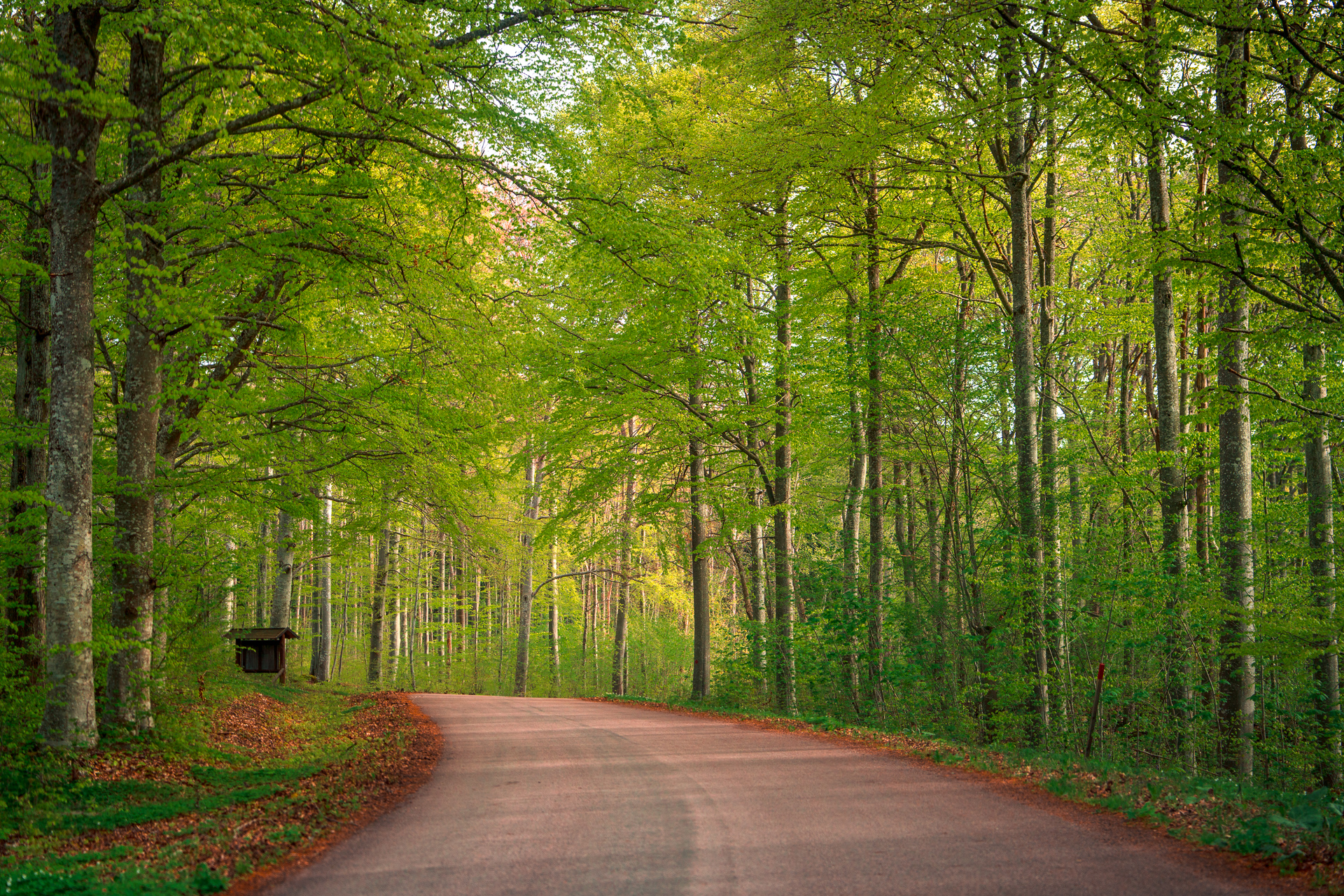
March is one of the most underrated months for nature travel in Europe. While much of mainland Europe still waits for spring, many regions begin to awaken early — offering fresh greenery, flowing rivers, migratory wildlife, blooming flowers, and soft light that photographers love.
For hikers, photographers, and slow travelers, March delivers fewer crowds, lower prices, dramatic weather, and the first real signs of spring.
This guide highlights the best national parks, nature reserves, and forests in Europe to visit in March, with a strong focus on why this month is special and what to experience and photograph.
Why March Is a Great Month for Nature Travel in Europe
• Spring arrives earlier in southern and coastal regions
• Snowmelt fills rivers and waterfalls
• Migratory birds return
• Fresh greens appear before summer dryness
• Light is soft and directional
• Fewer tourists than April–May
For photographers, March is often better than peak spring.
Best Nature Reserves, National Parks & Forests in Europe in March
Doñana National Park – Spain
Type: National Park
Region: Andalusia
One of Europe’s most important wetlands, Doñana comes alive in March as migratory birds arrive from Africa.
Why visit in March:
• Peak bird migration
• Wetlands at their fullest
• Mild temperatures
What to photograph:
• Flamingos
• Marsh landscapes
• Wild horses
• Early spring vegetation
Official site:
https://www.donanavisit.com
Cinque Terre National Park – Italy
Type: National Park
Region: Liguria
Before summer crowds arrive, March offers quiet trails and fresh coastal greens.
Why visit in March:
• Wildflowers begin blooming
• Cooler hiking conditions
• Clear coastal light
What to photograph:
• Terraced vineyards
• Coastal cliffs
• Colorful villages framed by nature
Official site:
https://www.parconazionale5terre.it
Białowieża Forest – Poland
Type: National Park & UNESCO site
One of Europe’s last primeval forests, Białowieża transitions from winter to spring in March.
Why visit in March:
• Snow patches create contrast
• Bison are active
• Few visitors
What to photograph:
• European bison
• Ancient trees
• Forest mist
Official site:
https://bpn.com.pl
Plitvice Lakes National Park – Croatia
Type: National Park
March is one of the best months to see Plitvice’s waterfalls at full force.
Why visit in March:
• Snowmelt boosts waterfalls
• Minimal crowds
• Soft light
What to photograph:
• Cascading waterfalls
• Turquoise lakes
• Bare trees with water textures
Official site:
https://np-plitvicka-jezera.hr
Calanques National Park – France
Type: National Park
Region: Provence
A mix of limestone cliffs, turquoise water, and Mediterranean forest.
Why visit in March:
• Cool hiking temperatures
• Early spring light
• Calm seas
What to photograph:
• White cliffs
• Coastal forests
• Sea-and-rock contrasts
Official site:
https://www.calanques-parcnational.fr
Alentejo Natural Park – Portugal
Type: Natural Park
Rolling landscapes and cork oak forests turn green after winter rains.
Why visit in March:
• Wildflowers begin
• Clear skies
• Quiet countryside
What to photograph:
• Cork oak forests
• Open plains
• Traditional rural scenes
Official site:
https://natural.pt
New Forest National Park – England
Type: National Park
March brings early greenery and wildlife movement.
Why visit in March:
• Early spring growth
• Ponies and deer active
• Soft English light
What to photograph:
• Ancient woodland
• Heathlands
• Wildlife
Official site:
https://www.newforestnpa.gov.uk
Sierra de Grazalema Natural Park – Spain
Type: Natural Park
One of Spain’s greenest regions, especially in early spring.
Why visit in March:
• Peak greenery
• Dramatic clouds
• Wild rivers
What to photograph:
• Limestone peaks
• White villages
• Flowering valleys
Official site:
https://www.juntadeandalucia.es
Saxon Switzerland National Park – Germany
Type: National Park
Sandstone formations and forested valleys shine in early spring.
Why visit in March:
• Fewer hikers
• Morning mist
• Strong rock contrast
What to photograph:
• Rock towers
• Forest paths
• River valleys
Official site:
https://www.saechsische-schweiz.de
Killarney National Park – Ireland
Type: National Park
Ireland’s mild climate brings early green landscapes.
Why visit in March:
• Lush scenery
• Dramatic skies
• Fewer visitors
What to photograph:
• Lakes and mountains
• Ancient woodlands
• Weather-driven light
Official site:
https://www.killarneynationalpark.ie
Garajonay National Park – La Gomera, Canary Islands
Type: National Park
A prehistoric laurel forest with constant mist and soft light.
Why visit in March:
• Spring freshness
• Stable temperatures
• No crowds
What to photograph:
• Moss-covered trees
• Foggy forest scenes
• Ancient vegetation
Official site:
https://www.gobiernodecanarias.org
Danube Delta Biosphere Reserve – Romania
Type: Biosphere Reserve
Europe’s largest wetland ecosystem begins to wake up in March.
Why visit in March:
• Migratory birds return
• Water levels rise
• Calm atmosphere
What to photograph:
• Birdlife
• Channels and reeds
• Reflections
Official site:
https://ddbra.ro
Fulufjället National Park – Sweden
Type: National Park
A mix of winter and early spring conditions.
Why visit in March:
• Snow and flowing water
• Dramatic light
• Quiet trails
What to photograph:
• Njupeskär waterfall
• Forest textures
• Snow patterns
Official site:
https://www.sverigesnationalparker.se
Best Types of Nature Photography in March
• Early spring landscapes
• Waterfalls and rivers
• Wildlife and birds
• Forest details and macro
• Atmospheric weather scenes
Photography Tips for March in Europe
• Be flexible with weather
• Pack waterproof gear
• Use polarizers for water and foliage
• Shoot between storms
• Embrace mist and clouds
Related travel blog posts
• Best Destinations to Visit in March for Photography
https://frewaphoto.com/best-destinations-march-photography/
• Best Winter Nature Photography Destinations
https://frewaphoto.com/winter-photography-destinations/
• Nordic Light Photography Guide
https://frewaphoto.com/nordic-light-photography/
• Early Spring Garden Photography in Europe
https://frewaphoto.com/early-spring-garden-photography-europe/
FAQ — Visiting Nature Reserves in Europe in March
1. Is March a good time to visit national parks in Europe?
Yes, especially for fewer crowds and early spring scenery.
2. Are trails open in March?
Most low-elevation trails are open; mountains may still have snow.
3. Is wildlife active in March?
Yes — especially birds and large mammals.
4. What should I pack?
Layers, waterproofs, hiking boots, and weather protection.
5. Is March good for photography?
Excellent — soft light and dramatic conditions.
6. Are parks crowded?
Usually not, except during Easter.
7. Is March safe for hiking?
Yes, but weather awareness is essential.
8. Are waterfalls best in March?
Yes, due to snowmelt and rainfall.
9. Can I combine nature with city travel?
Yes — March is ideal for mixed itineraries.
10. Is March better than April?
Often yes for photographers due to fewer crowds.
Conclusion
March is one of Europe’s most rewarding months for nature travel. From wetlands filled with migrating birds to forests waking from winter and waterfalls at full power, the continent feels raw, fresh, and alive. If you value atmosphere, light, and space over peak-season perfection, March may be the best time of all.