
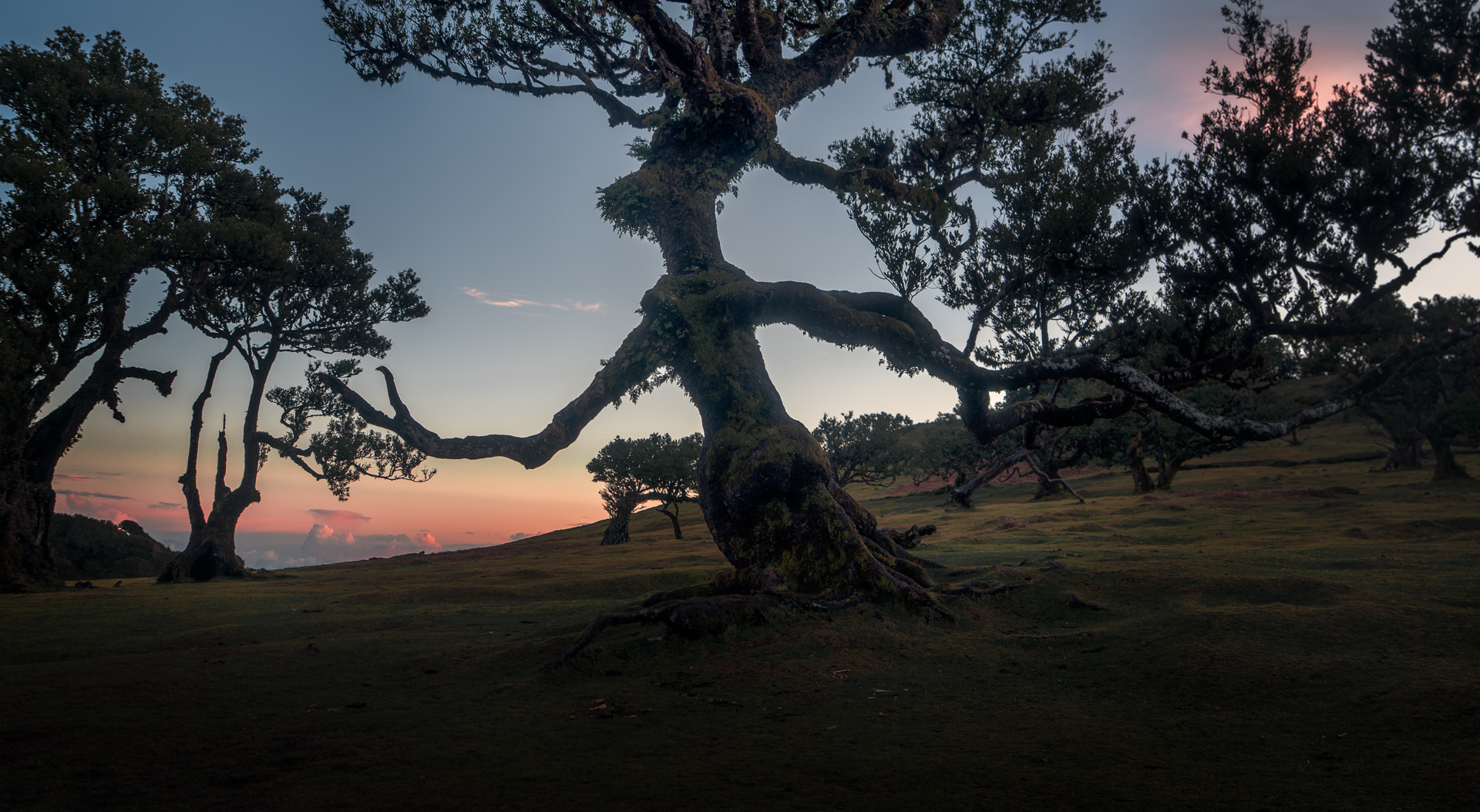
Fanal Forest is one of Madeira’s most atmospheric natural areas — a moss-draped woodland full of ancient trees, soft mist, and quiet trails that feel almost enchanted. For photographers, it’s a dream destination for moody light, textures, and near-magical forest compositions.
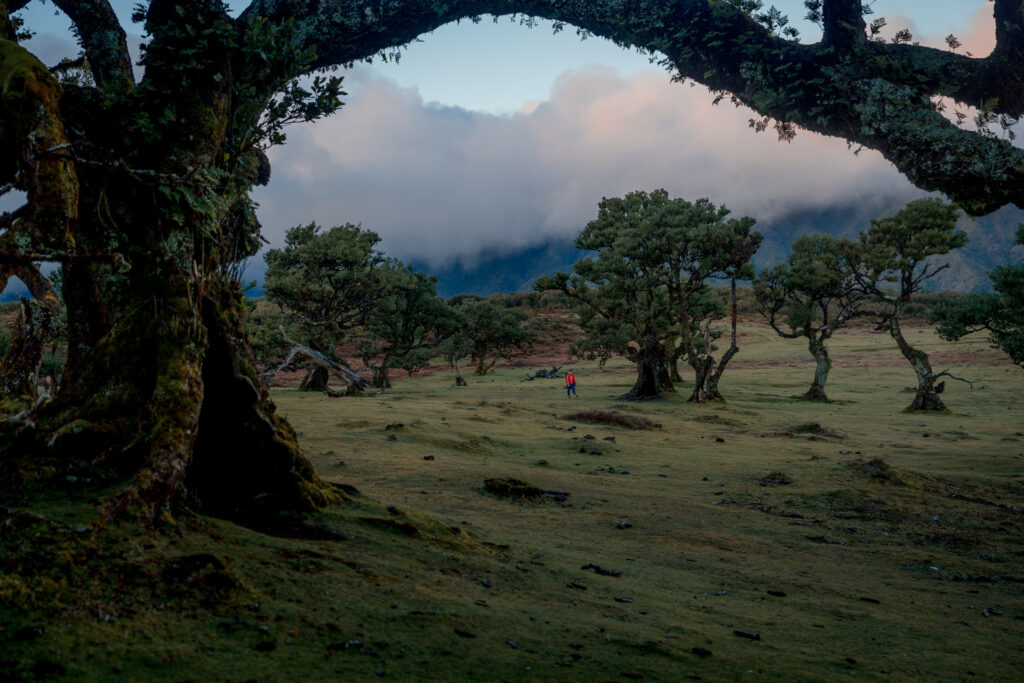
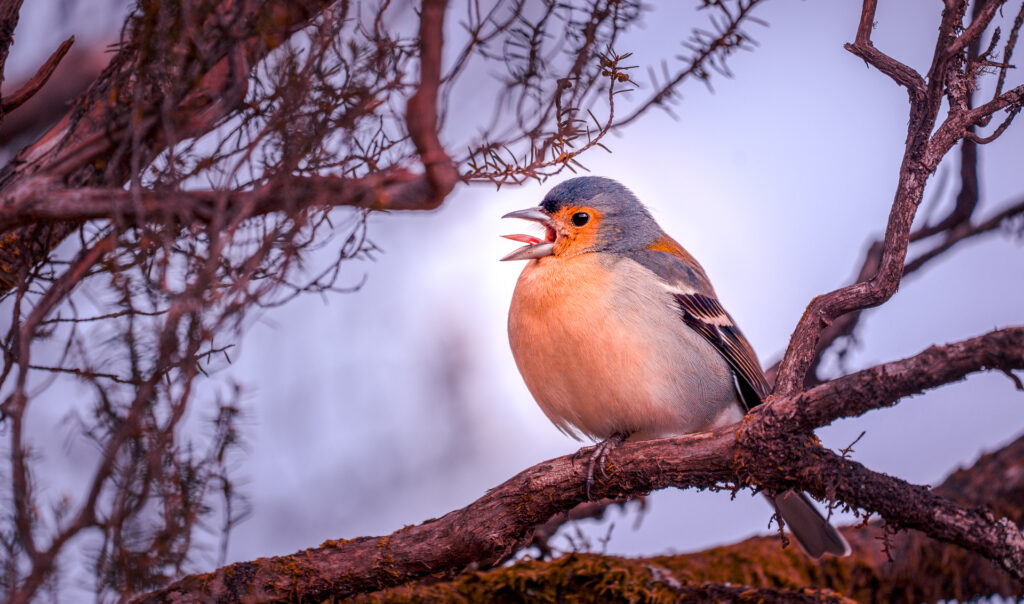
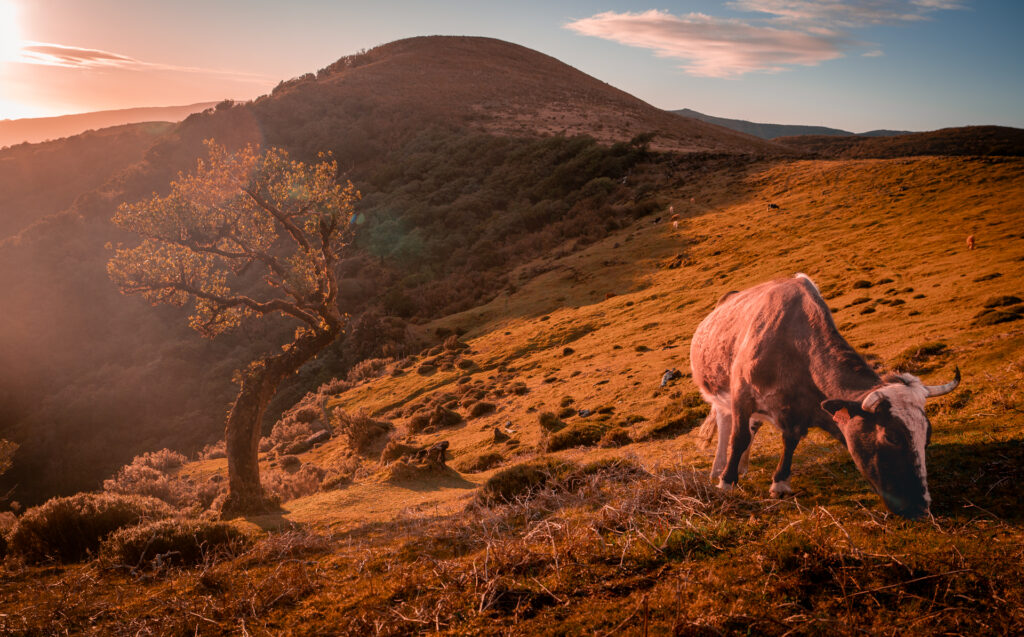
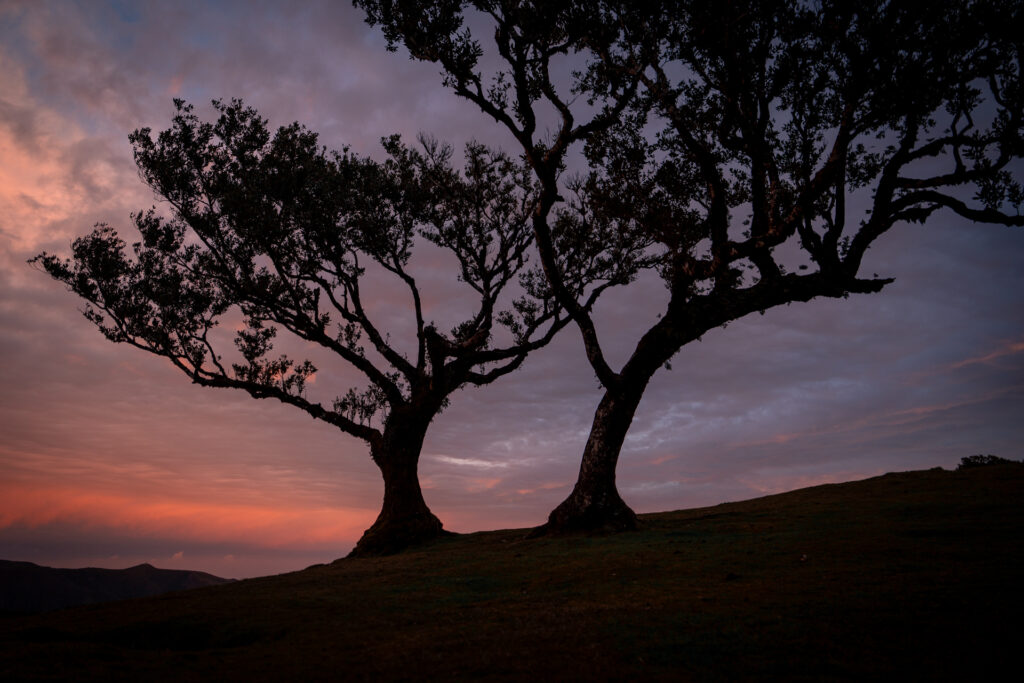
In this ultimate guide, you’ll find the best photo spots in Fanal Forest, how to capture them, tips on timing and lighting, recommended lenses, and how to make the most of your camera once you’re surrounded by this mossy wonderland.
Why Fanal Forest Is a Photographer’s Paradise
Fanal stands out because:
- Ancient trees with gnarled trunks
- Moss, lichen, and forest textures
- Frequent mist and atmospheric conditions
- Quiet trails with little visual clutter
- Beautiful light filtering through the canopy
It’s one of the best places in Madeira for moody, almost fairytale-like photos — especially in boggy or misty conditions.
Best Time of Day to Photograph Fanal Forest
Early Morning (Best Overall)
- Light filters softly through trees
- Mist and low clouds often linger
- Minimal visitors = fewer footprints
Late Afternoon
- Warm light enhances texture
- Deep shadows add depth
Overcast & Misty Days
Ironically, cloudy conditions can be ideal — reducing contrast and adding a mystical vibe.
Essential Gear for Fanal Forest Photography
- Wide-angle lens (16–35 mm): For forest scenes and depth
- Standard zoom (24–70 mm): Versatile mid-range
- Macro lens (50–100 mm): For details (moss, leaves, fungi)
- Tripod: Long exposures under the canopy
- Polarizer: Reduces glare on wet leaves
1. Central Fanal Grove – Moss Masters
📍 Google Maps
https://maps.google.com/?q=Fanal+Forest+Central+Grove
This is the most famous photo spot in Fanal, with old laurel and chestnut trees wrapped in moss.
Why it’s iconic
- Thick moss blankets
- Strong vertical lines
- Fantasy forest feel
Photography tips
- Use a wide-angle lens for depth
- Low vantage points emphasize roots and patterns
- Shoot vertical and horizontal frames
Best times: Early morning and after rain
2. Curved Tree Corridor
📍 Google Maps
https://maps.google.com/?q=Fanal+Forest+Tree+Corridor
Some sections of the trail bend inward, creating natural archways of foliage.
Why it’s great
- Natural framing
- Strong leading lines
- Perfect for atmospheric shots
Photography tips
- Center the path for symmetry
- Use shallow depth (f/2.8–f/4) to isolate details
- Wait for soft light on the leaves
Best light: Late morning through afternoon
3. Moss and Raindrop Details
📍 Google Maps
https://maps.google.com/?q=Fanal+Forest+Moss+Details
The forest floor is rich with textures — mosses, lichens, and droplets.
Why it’s special
- Macro opportunities
- Natural textures and patterns
- Close-up storytelling
Photography tips
- Use a macro lens
- Focus stack for sharp detail
- Shoot after rain for droplets
Best conditions: Misty or wet weather
4. Fanal Forest Mist Layers
📍 Google Maps
https://maps.google.com/?q=Fanal+Forest+Mist+Point
When mist rolls in, Fanal looks otherworldly.
Why it’s worth waiting for
- Soft light
- Depth layers disappear and reappear
- Dreamlike mood
Photography tips
- Shoot wide to show depth
- Underexpose slightly for richer tones
- Be patient — mist evolves fast
Best time: Early morning and after rain
5. Fallen Log Textures
📍 Google Maps
https://maps.google.com/?q=Fanal+Forest+Fallen+Logs
Logs and fallen wood offer unique compositions.
Why photographers love it
- Strong foreground interest
- Texture contrast with moss
- Great leading lines
Photography tips
- Low tripod angles
- Include background forest blur
- Shoot vertical and horizontal
Best time: Any soft light
6. Rainforest Canopy Patterns
📍 Google Maps
https://maps.google.com/?q=Fanal+Forest+Canopy
The upper foliage creates beautiful patterns.
Why it’s good
- Texture against sky
- Strong graphic impact
- Works in color or black-and-white
Photography tips
- Use a polarizer to deepen greens
- Expose for highlights carefully
- Try minimal tree silhouettes
7. Forest Paths & Leading Lines
📍 Google Maps
https://maps.google.com/?q=Fanal+Forest+Trail
The trails themselves are photogenic.
Why it’s great
- Natural lines guide the viewer
- Works with mist
- Depth emphasis
Photography tips
- Center composition for symmetry
- Capture footprints for narrative
- Include rails or roots as foreground
8. Water Pockets & Reflections
📍 Google Maps
https://maps.google.com/?q=Fanal+Forest+Water+Reflection
Puddles and small pools occasionally form on trails.
Why it’s interesting
- Reflective compositions
- Sky & trees folded into one frame
- Great for long exposures
Photography tips
- Use ND filters
- Shoot low to emphasize reflection
- Wait for still conditions
9. Black-and-White Forest Mood Shots
While color is rich, Fanal also works beautifully in black & white.
Why try B&W
- Enhances texture and shape
- Emphasizes light contrasts
- Cinematic forest mood
Photography tips
- Shoot RAW for best B&W conversion
- Look for strong shadows and light pockets
- Try square crops
10. Hidden Nooks & Tight Compositions
📍 Google Maps
https://maps.google.com/?q=Fanal+Forest+Hidden+Nook
Some of the best images come from less obvious spots — close frames of intertwined roots, leaf patterns, and subtle light breaks.
Photography tips
- Slow down
- Look for repetition and contrasts
- Experiment with focus
Best Lens Suggestions
| Scene | Best Lens |
|---|---|
| Forest panoramas | 16–35 mm |
| Standard scenes | 24–70 mm |
| Texture & details | 50–100 mm Macro |
| Reflections | 24–70 mm |
Polarizers help control airy glare and deepen foliage tones.
Best Seasons for Fanal Photo Shoots
- Spring: Fresh, vibrant greens
- Summer: Thickest moss and shade
- Autumn: Golden accents and calm air
- Winter: Mist and dramatic mood
Spring and autumn often have the most tactile light for forest scenes.
Composition Tips for Fanal Forest
- Use layers of trees to convey depth
- Look for leading lines from trail and roots
- Include foreground for three-dimensional feel
- Embrace mist and overcast light
- Try minimalist shots with strong contrasts
Don’t fight the light — let it reveal the story.
Internal Links (Related Madeira Photography Guides)
- Best Sunrise Photo Spots at Ponta de São Lourenço
https://www.frewaphoto.com/best-sunrise-photo-spots-ponta-de-sao-lourenco - Best Photo Spots at Pico do Arieiro
https://www.frewaphoto.com/best-photo-spots-pico-do-arieiro - Best Photo Spots at Pico Ruivo
https://www.frewaphoto.com/best-photo-spots-pico-ruivo - Madeira Waterfall Photo Guide
https://www.frewaphoto.com/madeira-waterfall-photo-guide
External Resources
- Visit Madeira – Fanal Forest
https://visitmadeira.com - Madeira Hiking Info
https://www.alltrails.com - Madeira Weather Forecast
https://www.ipma.pt - Laurisilva Forest UNESCO Info
https://whc.unesco.org
FAQs – Best Photo Spots in Fanal Forest
Is Fanal Forest good for photography?
Yes — excellent mood, texture, and light.
What time of day is best?
Early morning and golden hour.
Is it safe to shoot after rain?
Yes, trails can be slippery — wear good shoes.
Do I need a tripod?
Helpful for low-light and mist shots.
Are there guided tours?
Some exist, but self-guided works well.
Can I shoot macro?
Yes — moss and leaves make great subjects.
Is it stroller-friendly?
Some paths are uneven — carry kids if needed.
Is drone use allowed?
Drone rules apply — check regulations.
Can you shoot at night?
Forest is dark, stick to trails and safety.
Is there parking nearby?
Yes — trailheads have lots.
Are dogs allowed?
Yes, on leash.
Is there signage?
Yes, marked trails.
Is Fanal Forest busy?
Mostly calm; mornings are quietest.
Can you combine with other hikes?
Yes — also close to Levada walks.
Is it free to enter?
Yes.
Best season?
Spring and autumn for color and mood.
Is it crowded?
Not typically.
Is mobile signal good?
Spotty under canopy.
Can you picnic?
Yes in designated areas.
What clothing is best?
Layers and waterproof jacket.
Conclusion
Fanal Forest is one of Madeira’s most characterful and atmospheric locations for photography. Whether you’re chasing mist, exploring moss-covered paths, or capturing dramatic light filtering through ancient trees, the forest is rich with visual potential.
Take your time, explore both well-known and quiet spots, and let the textures, layers, and mood guide your compositions — because in Fanal Forest, the light often tells the story.