
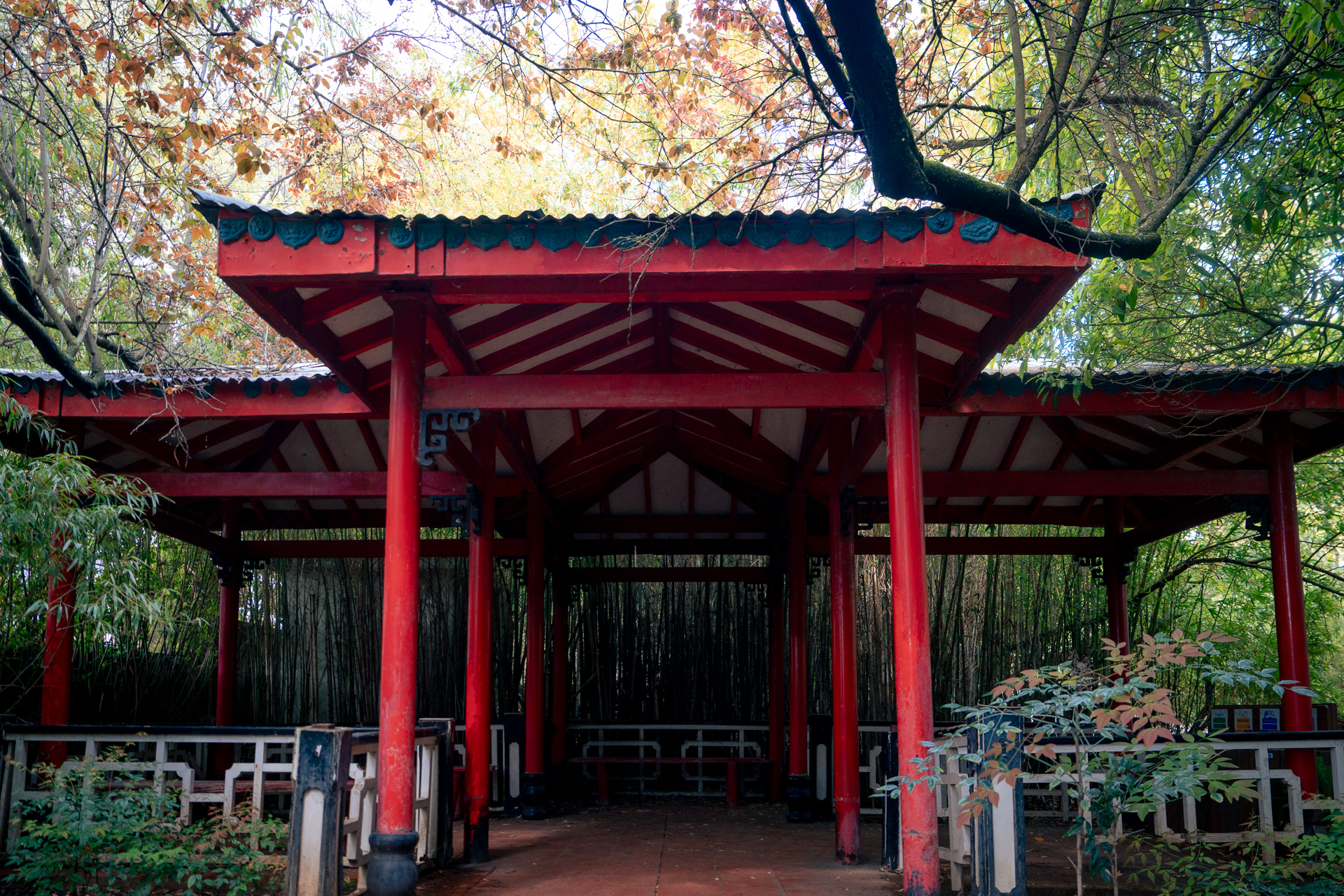
If you’re looking for one of the most underrated photography locations in Lisbon, Jardim Botânico Tropical should be high on your list. Tucked away in Belém, right next to Mosteiro dos Jerónimos, this historic tropical garden is a dream for photographers who love texture, symmetry, exotic plants, and quiet corners without the typical Lisbon crowds.
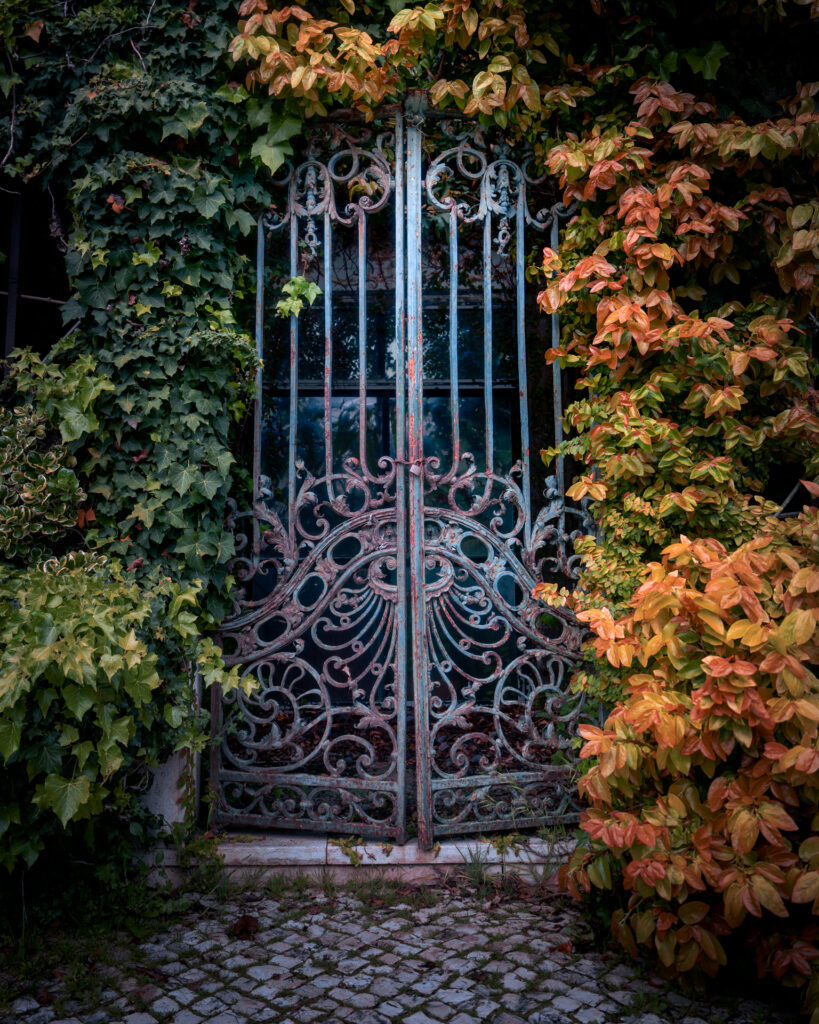
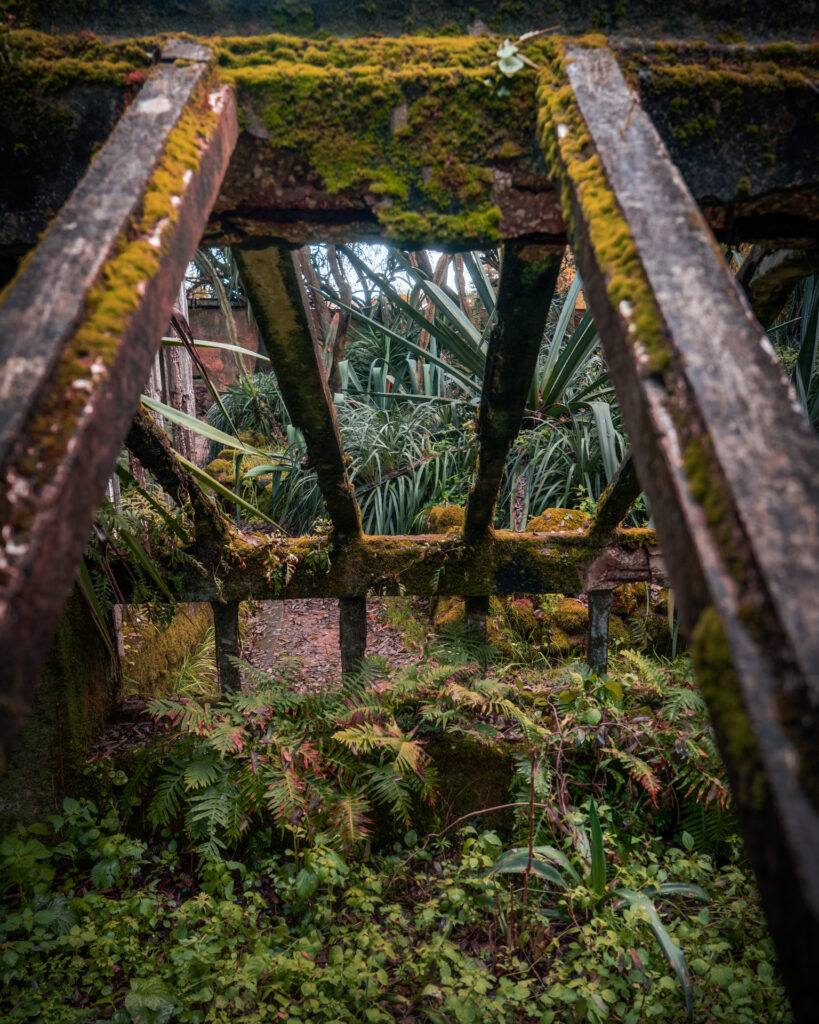

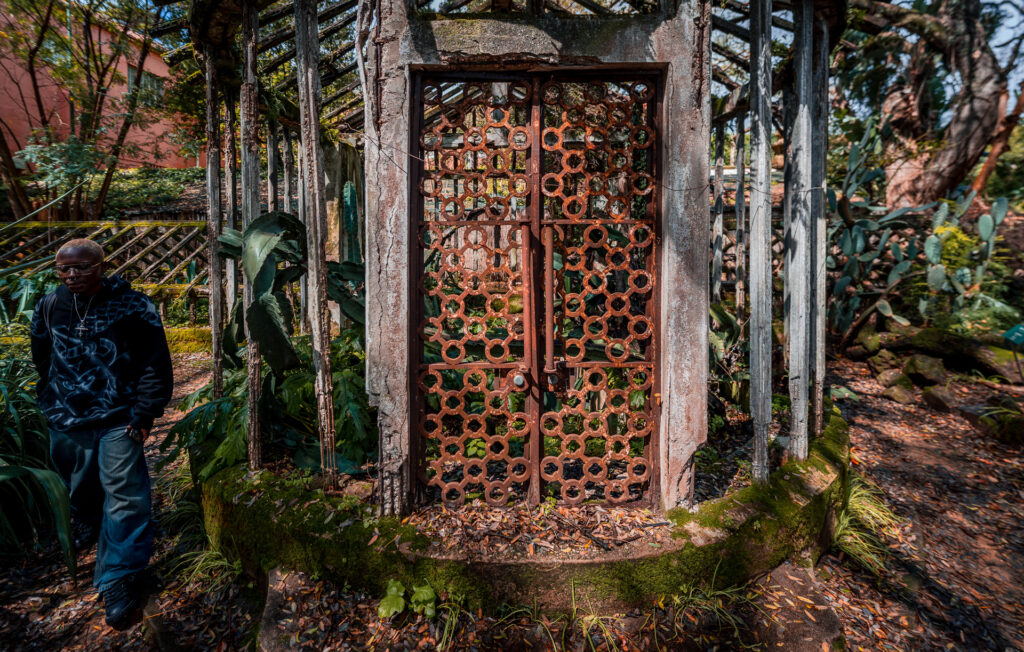
As a travel photographer, I love places where you can experiment with light, depth, and storytelling. Jardim Botânico Tropical gives you layered compositions, dramatic palms, hidden statues, and architectural details that feel almost cinematic. In this guide, I’ll walk you through the best photo spots, when to shoot them, and how to get the most out of your visit.
Why Photograph Jardim Botânico Tropical?
Unlike the more polished city parks in Lisbon, this garden feels slightly wild and atmospheric. There’s a mix of:
- Towering palm trees
- Colonial-era statues
- Exotic tropical plants
- Azulejo details
- Quiet gravel paths
- Peacocks roaming freely
It’s less curated and more organic, which makes your images feel natural and layered rather than staged.
If you’re already photographing Belém icons like Torre de Belém or the monumental architecture of Jerónimos, this garden offers a softer, greener contrast to your Lisbon portfolio.
1. The Grand Palm Avenue
The most iconic photo location inside the garden is the long avenue lined with towering palm trees.
Why It’s Special
The palms create a natural leading line, perfect for:
- Symmetrical compositions
- Portrait photography
- Wide-angle depth shots
On slightly overcast days, the soft light enhances the green tones and reduces harsh shadows.
How to Shoot It
- Use a wide lens (16–24mm equivalent) to exaggerate height.
- Center yourself for perfect symmetry.
- For portraits, position your subject slightly off-center for a more dynamic frame.
Best time: Early morning for soft light and fewer visitors.
2. The Hidden Stone Staircases
Scattered throughout the garden are small, moss-covered staircases that feel almost forgotten by time.
Why It Works
The texture here is incredible:
- Weathered stone
- Soft green moss
- Dappled sunlight
These are perfect for storytelling shots or moody compositions.
Photography Tip
Underexpose slightly to preserve texture in highlights when sunlight filters through trees.
3. The Exotic Cactus Garden
One of my favorite sections is the cactus and succulent area.
Why It’s Unique
It feels completely different from the rest of Lisbon:
- Bold shapes
- Spiky silhouettes
- Dramatic shadows
It works especially well in harsh midday light when shadows become graphic and strong.
Best Lens
A 50mm or short telephoto works beautifully to isolate shapes.
4. The Statues and Colonial Sculptures
You’ll find statues hidden between greenery, sometimes partially covered by vines.
Why Photograph Them?
They add:
- Historical atmosphere
- Depth and layering
- A sense of mystery
Try framing them through leaves for a natural vignette effect.
5. The Peacocks
Yes — there are peacocks wandering freely.
How to Capture Them
- Use a telephoto lens (85mm+).
- Focus on feather detail.
- Shoot when they’re backlit for glowing edges.
Be patient. Wildlife-style patience pays off here.
6. The Pond Reflections
There’s a small pond area that becomes magical when still.
What to Look For
- Reflections of palms
- Layered greenery
- Soft afternoon light
Get low to maximize reflection symmetry.
7. The Azulejo Details
While the garden is mostly natural, you’ll find beautiful tile details in corners and structures.
How to Shoot Tiles
- Use side light to emphasize texture.
- Frame tightly for abstract compositions.
- Combine tiles with plants for contrast.
8. The Tropical Canopy Light
Midday light can be harsh in Lisbon — but inside this garden, the canopy filters it beautifully.
Photography Opportunity
- Look for beams of light breaking through leaves.
- Expose for highlights to create dramatic rays.
- Use people walking through for scale.
9. The Large Banyan-Like Trees
Some of the older trees have wide, sculptural trunks with spreading branches.
These are ideal for:
- Environmental portraits
- Black-and-white conversions
- High-contrast detail shots
10. The Quiet Gravel Paths
Sometimes it’s not about a specific landmark — it’s about atmosphere.
The winding gravel paths framed by tropical plants create depth and mood.
Composition Tip
- Place a subject walking away for a sense of exploration.
- Shoot low for more dramatic leading lines.
When Is the Best Time to Photograph?
Morning (Best Overall)
- Fewer people
- Soft, directional light
- Calm atmosphere
Late Afternoon
- Warmer tones
- Better light for portraits
- Slightly more visitors
Avoid
Midday on bright summer days unless you’re focusing on:
- Shadow play
- High contrast
- Close-up textures
Camera Gear Recommendations
You don’t need heavy gear here.
Ideal setup:
- Wide lens (16–35mm equivalent)
- 50mm prime
- Light telephoto (85–135mm)
- Polarizer for reducing glare on leaves
Tripods are generally unnecessary unless you’re doing long exposures.
How Long Do You Need?
For photography purposes:
- Quick visit: 45–60 minutes
- Dedicated photo session: 1.5–2 hours
If you combine it with Belém landmarks, you can easily spend half a day in the area.
Practical Information
Location: Belém district, Lisbon
Nearby landmarks:
- Jerónimos Monastery
- Belém Tower
- MAAT Museum
The garden is easy to reach by tram 15E from central Lisbon.
Is It Worth Visiting for Photography?
Absolutely — especially if you:
- Want fewer crowds
- Love botanical photography
- Enjoy texture and atmosphere
- Need a break from Lisbon’s busy viewpoints
It’s not dramatic like a cliff or monument. It’s subtle. And subtle locations often produce the most interesting portfolios.
Final Thoughts
Jardim Botânico Tropical is one of those places that rewards slow photography. It’s not about rushing from spot to spot. It’s about observing light, watching how shadows move, and noticing the small details others walk past.
If you’re building a Lisbon photography guide or creating content that goes beyond the typical postcard spots, this garden offers depth, mood, and variety — all within walking distance of Belém’s most famous landmarks.
Take your time. Explore the corners. And let the light guide your compositions.