

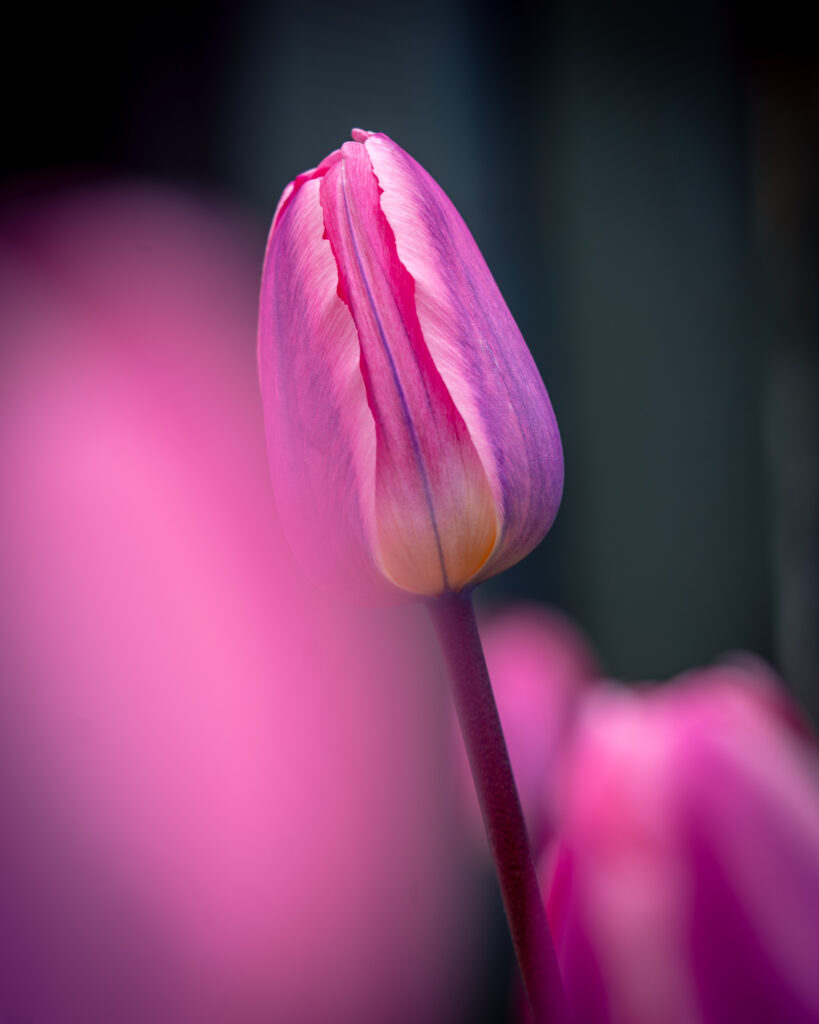
Tulip fields are among the most spectacular sights in spring. Endless rows of colorful flowers stretching across the landscape create patterns, textures, and vibrant colors that are perfect for photography. For many photographers, capturing tulip fields is one of the most rewarding spring photography experiences.
What makes tulip fields so visually striking is the combination of bold colors, repeating lines, and large-scale landscapes. The geometric rows planted by farmers naturally guide the viewer’s eye through the frame, creating powerful compositions.
From the famous fields of the Netherlands to hidden locations in North America and Asia, tulip fields appear in many parts of the world. Each destination offers unique scenery, lighting conditions, and photographic opportunities.
In this guide, you will discover some of the best tulip fields in the world to photograph and learn what makes each location special for photographers.
Why Tulip Fields Are Perfect for Photography
Tulip fields are ideal photography subjects because they combine vibrant color, natural patterns, and dramatic scale.
One of the most striking features of tulip fields is the rows of flowers planted in long parallel lines. These lines create natural leading lines that draw the viewer’s eye through the image.
Another reason tulip fields photograph so well is the wide range of colors available. Fields may contain:
- Bright red tulips
- Deep purple varieties
- Yellow and orange blooms
- Soft pink and white flowers
- Multicolored varieties
When large sections of these colors appear together, they create stunning visual contrast.
Tulip fields also provide opportunities for multiple photography styles, including:
- Landscape photography
- Drone photography
- Close-up flower photography
- Pattern and abstract photography
Because of this variety, photographers can spend hours exploring a single field and still discover new compositions.
When Tulip Fields Bloom Around the World
Tulip blooming seasons vary depending on the location and climate.
In most regions, tulips bloom between March and May, with peak bloom lasting only a few weeks.
Typical bloom periods include:
- Late March to April in warmer regions
- April to early May in Europe
- Mid-April to May in cooler northern regions
Because the blooming window is short, planning ahead is important when visiting famous tulip destinations.
Weather also plays a role in bloom timing. Warmer springs can cause earlier blooming, while cooler temperatures may delay the flowers.
Photographers often monitor local bloom forecasts to determine the best time to visit.
What Makes a Great Tulip Field Photography Location
Not every tulip field offers the same photographic potential. Certain characteristics make some locations especially appealing for photographers.
Large Colorful Fields
The most photogenic locations usually feature large fields with multiple colors planted in long rows.
These wide fields allow photographers to capture dramatic compositions that emphasize the scale and beauty of the flowers.
Scenic Surroundings
Tulip fields that include interesting backgrounds often produce the most memorable images.
These backgrounds may include:
- Traditional windmills
- Mountains
- Farmhouses
- Rivers or canals
- Rolling countryside
Combining colorful flowers with scenic landscapes adds depth and storytelling to the photographs.
Good Accessibility
The best tulip photography locations allow photographers to safely walk along paths or designated areas without damaging the flowers.
Access points, viewing platforms, and nearby roads can make it easier to explore different perspectives.
Clear Views of the Horizon
Fields that stretch toward the horizon create powerful landscape compositions.
Open views allow photographers to capture long rows of tulips disappearing into the distance, which creates strong visual depth.
Essential Equipment for Photographing Tulip Fields
Tulip fields can be photographed with many different types of equipment, but certain lenses and tools work particularly well.
Wide-Angle Lens
A wide-angle lens such as 16–35mm or 24mm is excellent for capturing large fields of tulips.
Wide lenses allow you to include:
- Long rows of flowers
- Dramatic foreground elements
- Expansive landscapes
They also emphasize the depth and scale of the tulip fields.
Standard Zoom Lens
A 24–70mm lens is one of the most versatile options for tulip photography.
This lens allows you to photograph:
- Mid-range scenes of flower rows
- Groups of tulips
- Landscapes with surrounding scenery
It is often the most useful lens for exploring a tulip field.
Telephoto Lens
A 70–200mm telephoto lens helps compress the rows of tulips and create powerful patterns.
Telephoto lenses are perfect for:
- Isolating color patterns
- Capturing repeating rows
- Creating abstract compositions
They can also help remove distracting elements from the frame.
Drone (Where Allowed)
Drone photography can reveal stunning aerial views of tulip fields.
From above, the rows of flowers form colorful stripes across the landscape, creating graphic and abstract images.
However, drone use may be restricted in some areas, so always check local regulations before flying.
Polarizing Filter
A circular polarizing filter can improve tulip field photos by:
- Reducing glare on petals
- Enhancing color saturation
- Deepening blue skies
This simple accessory can make the colors of tulip fields appear even more vibrant.
Planning a Tulip Field Photography Trip
Because tulip fields attract many visitors, planning ahead can make a big difference.
Photographers often try to arrive early in the morning to avoid crowds and capture the best light.
Early morning also provides:
- Soft golden light
- Calm wind conditions
- Dew on the flowers
Researching the location beforehand can also help identify interesting viewpoints, roads, or scenic backdrops.
Spending time exploring the area allows you to discover unique compositions rather than photographing only the most obvious views.
Best Tulip Fields in the World to Photograph
Across the world, several regions have become famous for their spectacular tulip displays. These destinations attract photographers every spring because of their massive fields, vibrant colors, and beautiful landscapes.
Here are some of the most breathtaking tulip fields to photograph.
Lisse and the Bollenstreek, Netherlands
The tulip fields around the town of Lisse in the Dutch flower region known as the Bollenstreek are arguably the most famous tulip fields in the world.
This region between Haarlem and Leiden features endless rows of brightly colored tulips that stretch across the landscape.
One of the most popular photography locations here is Keukenhof Gardens, a world-famous garden displaying millions of tulips in carefully designed landscapes.
Photographers visiting this region can capture:
- Colorful striped fields
- Traditional Dutch windmills
- Flower farms and canals
- Endless rows of blooming tulips
Early morning visits are especially rewarding because the light is soft and the fields are less crowded.
Skagit Valley, Washington, USA
The tulip fields of Skagit Valley are among the most famous flower photography locations in North America.
Each spring the region hosts the Skagit Valley Tulip Festival, which celebrates the blooming season with fields filled with vibrant tulips.
Photographers love this location because the fields often sit against a dramatic backdrop of mountains and farmland.
The area provides beautiful opportunities for:
- Wide landscape photos of tulip rows
- Close-up flower photography
- Sunset and sunrise images
- Drone photography where permitted
Peak bloom typically occurs between late March and mid-April.
Canadian Tulip Festival, Ottawa, Canada
Every spring the city of Ottawa celebrates tulip season with the famous Canadian Tulip Festival.
Thousands of tulips bloom throughout parks and gardens, particularly around Commissioners Park along the Rideau Canal.
Unlike large agricultural fields, this festival offers beautifully designed garden displays that are ideal for close-up photography and colorful compositions.
Photographers visiting Ottawa can capture:
- Flower beds filled with vibrant tulips
- Scenic waterfront views
- Tulips with historic buildings in the background
- Spring festival atmosphere
Peak bloom usually occurs in early to mid-May.
Flevoland Tulip Fields, Netherlands
Another spectacular tulip photography location in the Netherlands is the province of Flevoland.
This region contains some of the largest tulip fields in the country, often stretching for kilometers across the flat Dutch landscape.
The famous Tulip Festival Noordoostpolder showcases these vast fields during peak bloom.
Photographers visiting Flevoland often capture:
- Colorful striped landscapes
- Long perspective lines across fields
- Sunrise light illuminating the flowers
- Drone images showing geometric patterns
Because the region is less crowded than the Bollenstreek, it can offer a quieter photography experience.
Kashmir Tulip Garden, India
The Indira Gandhi Memorial Tulip Garden is the largest tulip garden in Asia and a spectacular place to photograph spring flowers.
Located in Srinagar near the famous Dal Lake, the garden features thousands of colorful tulips with the Himalayas rising in the background.
This location offers unique photographic opportunities such as:
- Tulips against mountain landscapes
- Terraced flower gardens
- Vibrant patterns of color
- Spring scenery in the Kashmir Valley
The tulip bloom usually occurs between late March and early April.
Best Lighting for Tulip Field Photography
Lighting plays a major role in capturing the beauty of tulip fields.
Sunrise
Sunrise is often the best time to photograph tulip fields. The low angle of the sun creates long shadows that emphasize the rows of flowers.
Morning photography also provides:
- Soft golden light
- Dew on the flowers
- Fewer visitors in the fields
Golden Hour
The warm tones of sunset add richness to the vibrant colors of tulips.
Golden hour works particularly well when photographing fields with scenic backgrounds such as windmills or mountains.
Overcast Conditions
Cloudy days can also produce excellent tulip photographs. Diffused light prevents harsh shadows and enhances the natural colors of the flowers.
Composition Tips for Tulip Field Photography
Tulip fields offer many creative composition opportunities.
Use Leading Lines
The rows of tulips naturally create strong leading lines that guide the viewer’s eye through the image.
Positioning your camera so the rows extend into the distance can create powerful depth.
Get Low to the Ground
Shooting from a low angle allows the tulips in the foreground to appear larger while the rows stretch toward the horizon.
This technique enhances the sense of scale.
Focus on Color Patterns
Tulip farmers often plant different colors in separate rows. These patterns can create striking graphic images.
Using a telephoto lens can compress the rows and emphasize the color stripes.
Include the Landscape
Adding elements such as mountains, windmills, or farmhouses can create more storytelling in your images.
Combining tulips with landscapes often produces the most memorable photographs.
Common Tulip Field Photography Mistakes
Avoiding a few common mistakes can greatly improve your tulip photographs.
Shooting Only From Eye Level
Experimenting with low or high perspectives often produces more interesting compositions.
Ignoring Background Elements
Power lines, buildings, or crowds can distract from the beauty of the flowers.
Always check the background before taking the photo.
Arriving Too Late
Popular tulip locations become crowded during the day. Early morning visits usually provide better conditions.
Walking Into the Fields
Many tulip farms prohibit walking between rows because it damages the flowers.
Always follow local rules and stay on designated paths.
FAQs About Tulip Field Photography
When is the best time to photograph tulip fields?
Most tulip fields bloom between late March and early May, depending on the location and climate.
What lens is best for tulip field photography?
Wide-angle lenses are great for landscapes, while telephoto lenses help capture color patterns and repeating rows.
Are tulip fields good for drone photography?
Yes, aerial views can reveal stunning patterns, but always check local drone regulations before flying.
What time of day is best for photographing tulips?
Early morning and golden hour provide the most flattering light and fewer crowds.
Can I photograph tulips with a smartphone?
Yes. Modern smartphones can capture beautiful tulip photos, especially when shooting close to the flowers.
Conclusion: Capturing the Beauty of Tulip Fields
Tulip fields are among the most colorful and visually striking landscapes a photographer can experience. The endless rows of flowers, vibrant colors, and repeating patterns create scenes that feel almost surreal.
Each tulip destination offers something unique. Some locations feature traditional windmills and canals, while others provide mountain backdrops or beautifully designed gardens. Exploring different regions allows photographers to capture a wide variety of compositions.
Successful tulip field photography often comes down to timing and patience. Visiting during peak bloom, arriving early in the morning, and observing how the light interacts with the flowers can significantly improve the final images.
Experimenting with different perspectives is also important. Wide landscape shots capture the scale of the fields, while close-up images reveal the delicate textures of individual tulips.
Perhaps the most rewarding part of photographing tulip fields is the sense of immersion in color and nature. Standing among thousands of blooming flowers is an unforgettable experience that inspires creativity and appreciation for the beauty of spring.
With thoughtful composition, attention to light, and respect for the farms and flowers, photographers can create images that truly capture the magic of tulip season.
Related Internal Pages
https://frewaphoto.com/ultimate-guide-to-photograph-tulips/
https://frewaphoto.com/spring-flower-photography-guide/
https://frewaphoto.com/macro-flower-photography-guide/
https://frewaphoto.com/ultimate-guide-to-photograph-daffodils/
https://frewaphoto.com/nature-photography-tips/
External Links With More Information
https://keukenhof.nl
https://tulipfestival.org
https://www.nationalgeographic.com/travel/article/tulip-fields
https://digital-photography-school.com/flower-photography-tips/