
Europe is home to some of the most breathtaking wildflower landscapes in the world. Every spring and summer, meadows, mountains, and countryside regions burst into color as countless wildflowers bloom across the continent.
For photographers and nature lovers, wildflower season offers endless opportunities to capture vibrant colors, diverse plant species, and stunning natural scenery. Unlike cultivated flower fields, wildflower landscapes often feel more natural and untamed, which can create especially beautiful and authentic images.
From alpine meadows filled with colorful blooms to rolling hills covered in poppies and daisies, Europe provides a remarkable variety of wildflower photography locations.
In this guide, you will discover some of the best places in Europe to photograph wildflowers and learn what makes each location special during bloom season.
Why Wildflower Locations Are Perfect for Photography
Wildflower landscapes offer unique photography opportunities because they combine natural beauty, seasonal colors, and dramatic scenery.
One of the most appealing aspects of wildflower photography is the diversity of flowers that bloom together. Meadows often contain dozens of species growing side by side, creating vibrant layers of color and texture.
These landscapes can include flowers such as:
- Poppies
- Cornflowers
- Daisies
- Buttercups
- Alpine flowers
- Orchids
This natural mix of species creates organic patterns that feel less structured than farmed flower fields.
Wildflower locations also tend to be found in beautiful natural environments, such as mountains, valleys, coastal cliffs, and rolling countryside. These settings allow photographers to combine flowers with dramatic landscapes.
Because wildflower seasons change throughout the year, photographers can visit different regions of Europe at different times and still find spectacular blooms.
When Wildflowers Bloom in Europe
Wildflower seasons vary widely across Europe depending on the climate, altitude, and location.
In general, wildflowers bloom between April and August, with different regions reaching peak bloom at different times.
Typical blooming periods include:
- April to May in southern Europe
- May to June in central Europe
- June to July in alpine regions
- July to August in high mountain areas
This variation allows photographers to follow the wildflower season as it moves northward or higher into the mountains.
Spring often brings colorful meadows in lower elevations, while summer reveals spectacular flower displays in alpine environments.
Weather conditions also play an important role. Rainy winters and mild spring temperatures usually lead to more abundant wildflower blooms.
What Makes a Great Wildflower Photography Location
Not every meadow or countryside location produces dramatic wildflower photography opportunities. Certain characteristics make some locations particularly special.
Large Flower Meadows
Wide meadows filled with flowers create beautiful landscape scenes. Large open areas allow photographers to capture sweeping views of color stretching across the countryside.
These wide fields often provide the most dramatic photography opportunities.
Diverse Flower Species
Locations with many different flower species tend to produce richer colors and more interesting compositions.
Mixed flowers also create natural patterns that look beautiful when photographed from different angles.
Scenic Landscapes
Wildflower meadows are especially photogenic when they appear alongside dramatic landscapes.
Some of the best photography locations combine flowers with:
- Mountains
- Hills and valleys
- Lakes or rivers
- Coastal cliffs
- Historic villages
These elements add depth and storytelling to the images.
Accessible Trails and Viewpoints
Some of the most beautiful wildflower meadows are located in national parks or protected landscapes.
Locations with hiking trails and viewpoints allow photographers to safely explore the area while protecting the natural environment.
Essential Equipment for Wildflower Photography
Wildflower landscapes can be photographed using many different lenses and accessories. The right equipment allows photographers to capture both wide scenes and close-up details.
Wide-Angle Lens
A wide-angle lens such as 16–35mm is ideal for photographing large meadows and landscapes filled with flowers.
Wide lenses allow photographers to include:
- Flower-filled foregrounds
- Expansive landscapes
- Dramatic skies
- Mountain scenery
This lens is essential for landscape-style wildflower photography.
Standard Zoom Lens
A 24–70mm lens is one of the most versatile lenses for photographing wildflowers.
This focal range allows photographers to capture:
- Mid-range scenes of flower fields
- Landscape compositions
- Groups of flowers within their environment
It provides flexibility when exploring different compositions.
Telephoto Lens
A telephoto lens such as 70–200mm is useful for isolating sections of wildflowers or compressing layers of flowers across a meadow.
Telephoto lenses can help highlight patterns, colors, and textures within large flower fields.
They are also useful when photographing wildlife or distant mountain scenery alongside the flowers.
Macro Lens
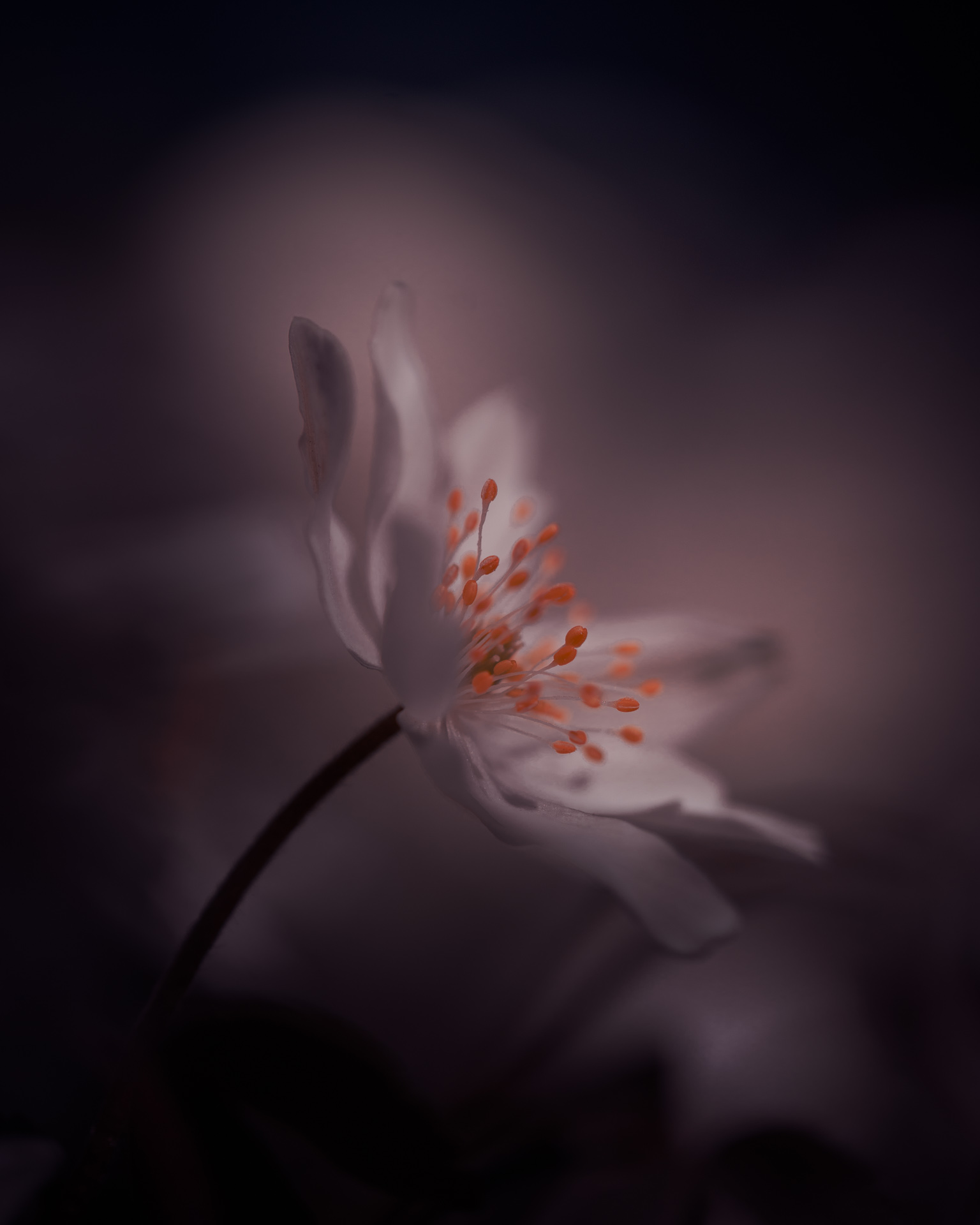
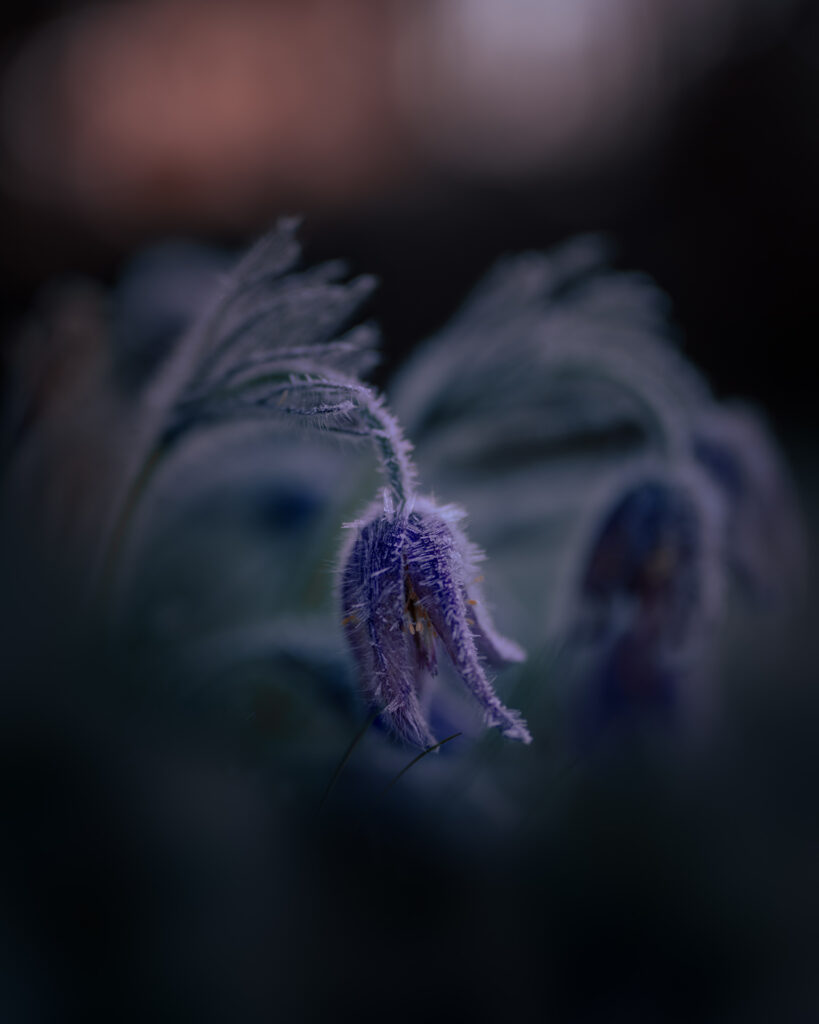
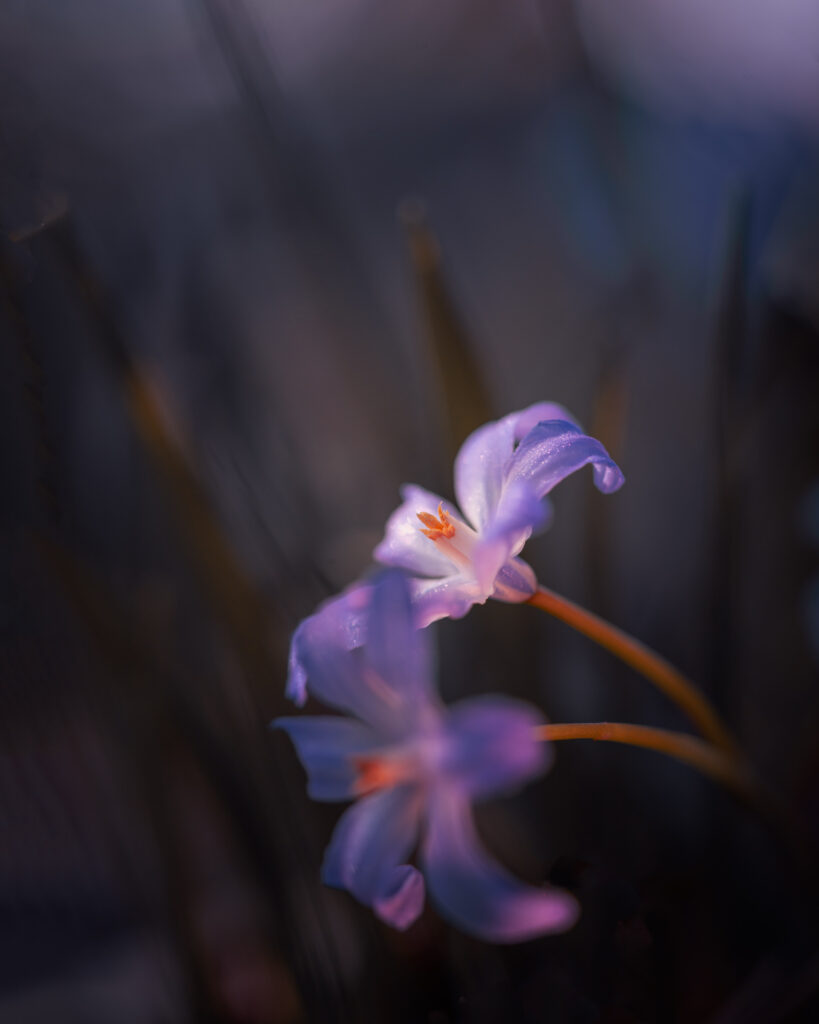
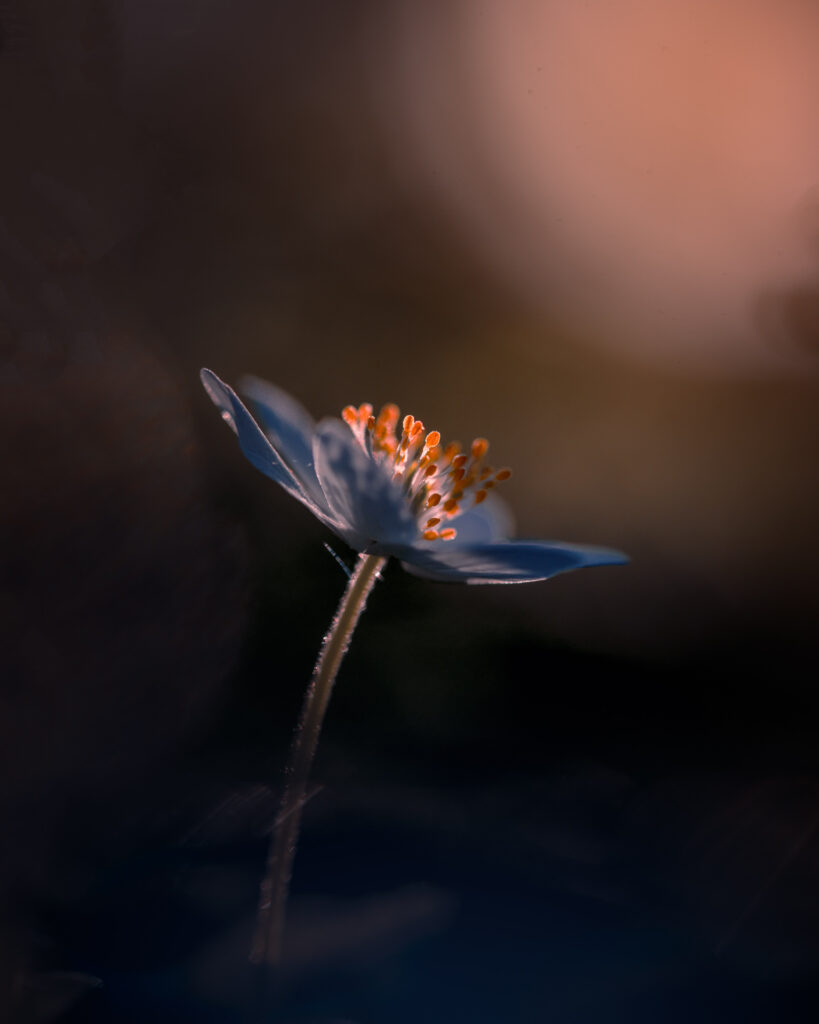
Wildflower meadows often contain small and delicate flowers that are perfect for macro photography.
A macro lens allows photographers to capture:
- Individual wildflowers
- Flower centers and pollen
- Water droplets after rain
- Insects visiting flowers
Combining macro photography with wide landscapes creates a diverse portfolio from a single location.
Tripod
A tripod can be useful for wildflower photography, especially when shooting in low light during sunrise or sunset.
Tripods allow photographers to:
- Use slower shutter speeds
- Maintain sharp images
- Carefully compose landscape shots
They are particularly helpful when photographing flowers in calm conditions.
Planning a Wildflower Photography Trip
Wildflower photography often requires a bit of planning, especially when visiting remote natural landscapes.
Researching bloom seasons and weather patterns can help determine the best time to visit a particular location.
Early morning is usually the best time for photographing wildflowers because the light is soft and wind conditions are often calmer.
Morning shoots may also reveal dew-covered flowers, which add sparkle and texture to macro photographs.
Exploring the area slowly and paying attention to how the flowers interact with the landscape can lead to more creative compositions.
Wildflower photography rewards patience and curiosity, allowing photographers to discover beautiful scenes that may not be obvious at first glance.
Best Wildflower Locations in Europe
Europe offers a wide variety of landscapes where wildflowers bloom in spectacular displays each year. From alpine meadows to coastal cliffs, these locations provide some of the most beautiful and photogenic flower landscapes on the continent.
Below are some of the best places in Europe to photograph wildflowers during peak bloom season.
Alpine Meadows in The Alps
The alpine meadows of The Alps are among the most spectacular wildflower photography locations in Europe. During early summer, snow melts across the mountains, revealing vibrant meadows filled with colorful alpine flowers.
Some of the most photogenic areas include:
- Dolomites in Italy
- Swiss Alps in Switzerland
- Hohe Tauern National Park in Austria
These alpine regions often bloom between June and July, when the mountains are covered in flowers such as gentians, alpine asters, and edelweiss.
Photographers can capture wildflower meadows with dramatic mountain backdrops, making these areas perfect for landscape photography.
Poppy Fields in Castelluccio di Norcia
One of the most famous wildflower displays in Europe occurs near the village of Castelluccio di Norcia.
Each summer, the plains of Piano Grande transform into a vibrant patchwork of flowers during the annual bloom known as the Fioritura.
The fields are filled with:
- Red poppies
- Purple cornflowers
- Yellow mustard flowers
- White daisies
The blooming season usually peaks between late June and early July, creating an incredible natural spectacle.
Rolling hills and colorful fields create beautiful compositions that are ideal for both wide landscape shots and telephoto photography.
Wildflower Meadows in Lake District National Park
The countryside of the Lake District National Park offers charming wildflower meadows surrounded by lakes, hills, and historic villages.
Spring and early summer bring colorful blooms across traditional English meadows, including:
- Bluebells
- Buttercups
- Oxeye daisies
- Red campion
These flower-filled landscapes appear alongside stone walls, historic farms, and dramatic hills, creating classic rural scenes.
Wildflowers usually peak between May and June in this region.
Coastal Wildflowers in Isle of Skye
The rugged landscapes of Isle of Skye offer a unique setting for wildflower photography.
Cliffside meadows and coastal hillsides burst into bloom during spring and early summer, often accompanied by dramatic ocean views.
Wildflowers commonly found here include:
- Sea thrift
- Bluebells
- Primroses
- Wild orchids
The combination of colorful flowers, rugged cliffs, and moody skies creates powerful compositions for landscape photographers.
Peak bloom typically occurs between May and June.
Lavender and Wildflower Landscapes in Provence
Although best known for lavender fields, the countryside of Provence also features beautiful wildflower landscapes during late spring and early summer.
Rolling hills, vineyards, and rural roads are often surrounded by wildflowers such as:
- Poppies
- Cornflowers
- Wild irises
- Daisies
These flowers often bloom just before the famous lavender season begins.
Late May through June is usually the best time to photograph wildflowers in this region.
Best Lighting for Wildflower Photography
Lighting plays a major role in capturing beautiful wildflower images.
Sunrise
Sunrise is often the best time to photograph wildflowers because the light is soft and warm.
Morning conditions often include:
- Calm wind
- Morning dew on flowers
- Soft golden light
Dew droplets can add sparkle and detail to close-up flower photographs.
Golden Hour
The hour before sunset, known as the golden hour, also provides excellent lighting for wildflower photography.
Warm light enhances flower colors and creates beautiful highlights across fields and meadows.
Long shadows can also add depth and texture to landscape compositions.
Overcast Conditions
Cloudy weather can actually be excellent for photographing flowers.
Soft diffused light helps reduce harsh shadows and makes flower colors appear richer and more saturated.
These conditions are especially helpful when shooting macro images.
Wildflower Photography Composition Tips
Wildflower landscapes offer many creative composition opportunities.
Use Flowers as a Foreground Element
Placing flowers in the foreground can create depth in landscape photos.
This technique works particularly well when photographing mountains, lakes, or hills behind the flowers.
Focus on Patterns and Color
Large fields of flowers often create natural patterns.
Using a telephoto lens can help isolate repeating shapes and colors across the landscape.
Look for Leading Lines
Paths, hillsides, or flower rows can guide the viewer’s eye through the image.
Leading lines help create stronger and more engaging compositions.
Capture Both Wide and Close-Up Images
When photographing wildflowers, try capturing both wide landscapes and macro details.
This approach tells a more complete visual story of the location.
FAQs About Wildflower Photography in Europe
When is the best time to photograph wildflowers in Europe?
Wildflowers typically bloom between April and August, depending on the region and altitude. Alpine areas bloom later in summer, while southern regions bloom earlier in spring.
Where are the most colorful wildflower landscapes in Europe?
Some of the most colorful locations include the alpine meadows of the The Alps, the fields near Castelluccio di Norcia, and the countryside of Provence.
What lens is best for photographing wildflowers?
Wide-angle lenses work best for landscape scenes, while macro lenses are ideal for capturing small flower details.
Conclusion
Europe offers an incredible variety of wildflower photography locations, ranging from alpine meadows to coastal landscapes and countryside fields.
Places like the The Alps, Castelluccio di Norcia, the Lake District National Park, and Provence provide some of the most beautiful wildflower scenery in the world.
With careful planning and the right timing, photographers can capture stunning images filled with vibrant colors, dramatic landscapes, and delicate natural details.
Wildflower season in Europe is a wonderful opportunity to explore nature and experience some of the continent’s most beautiful landscapes.