
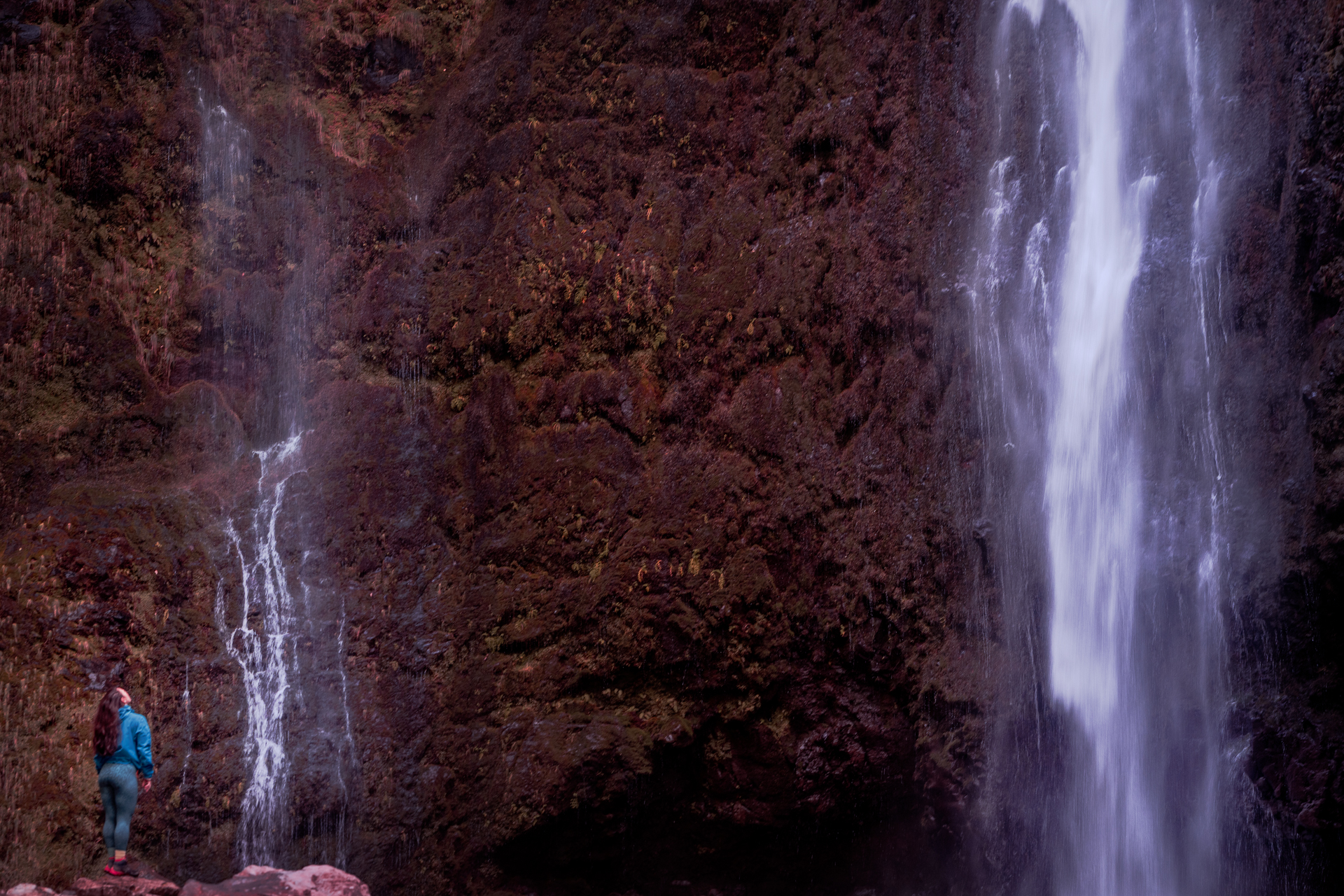
Discover Madeira’s Stunning Waterfalls Through Your Lens
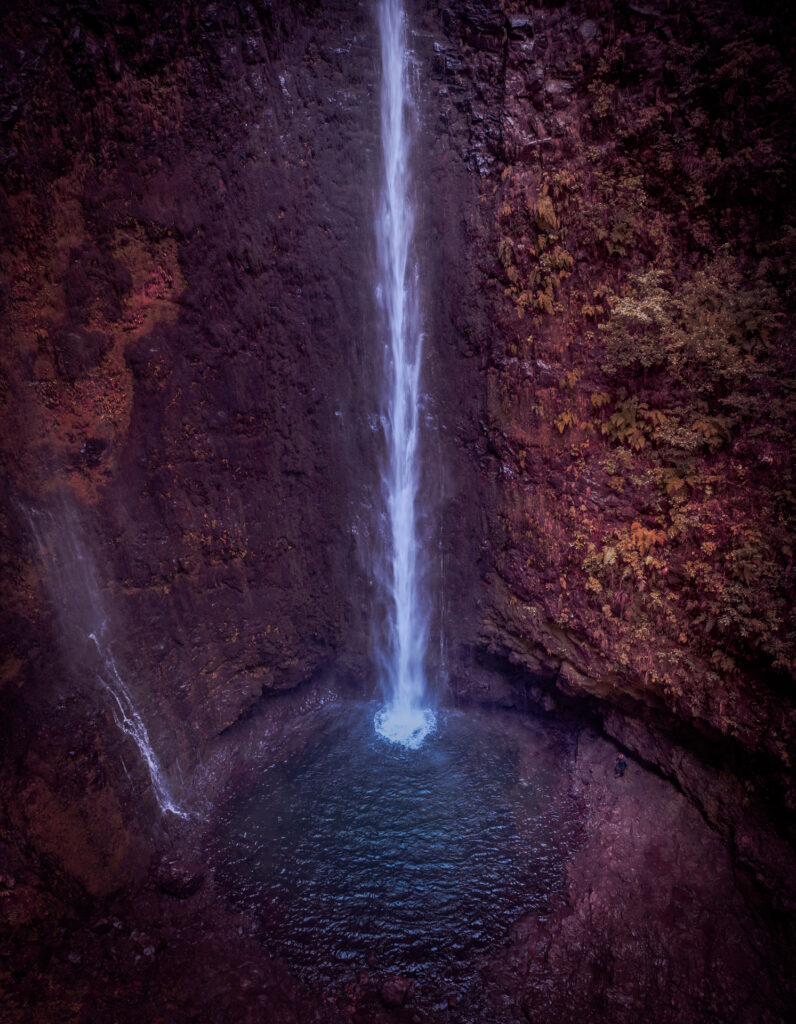
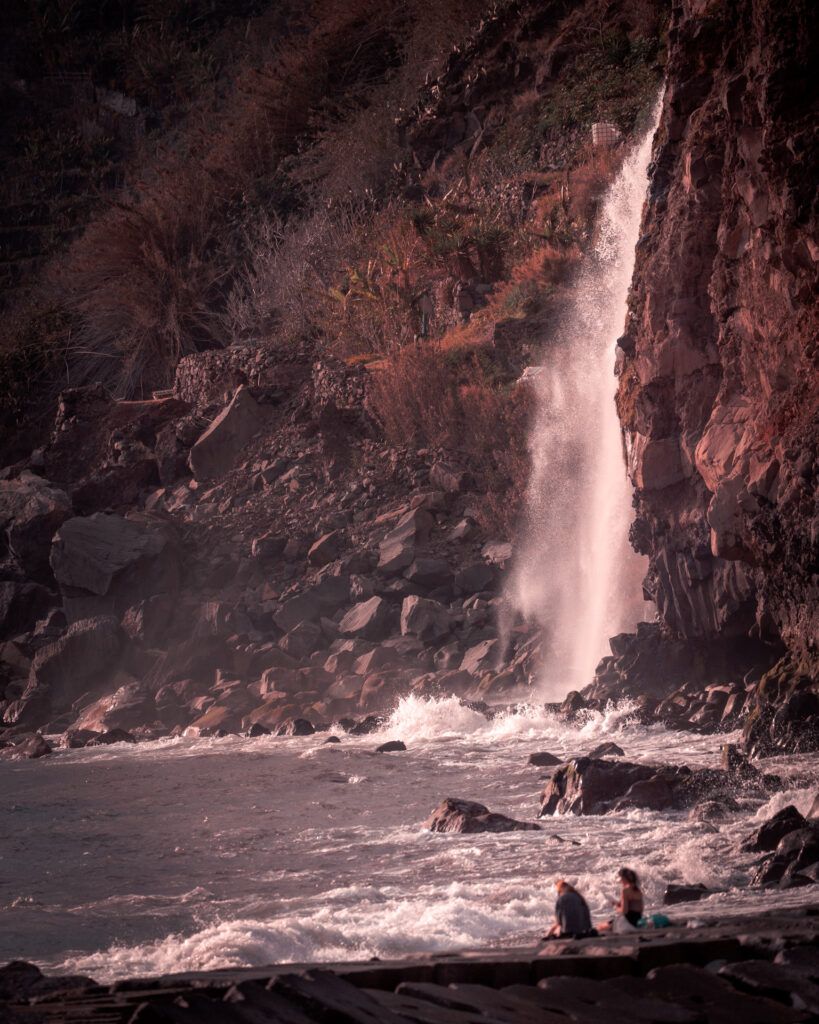
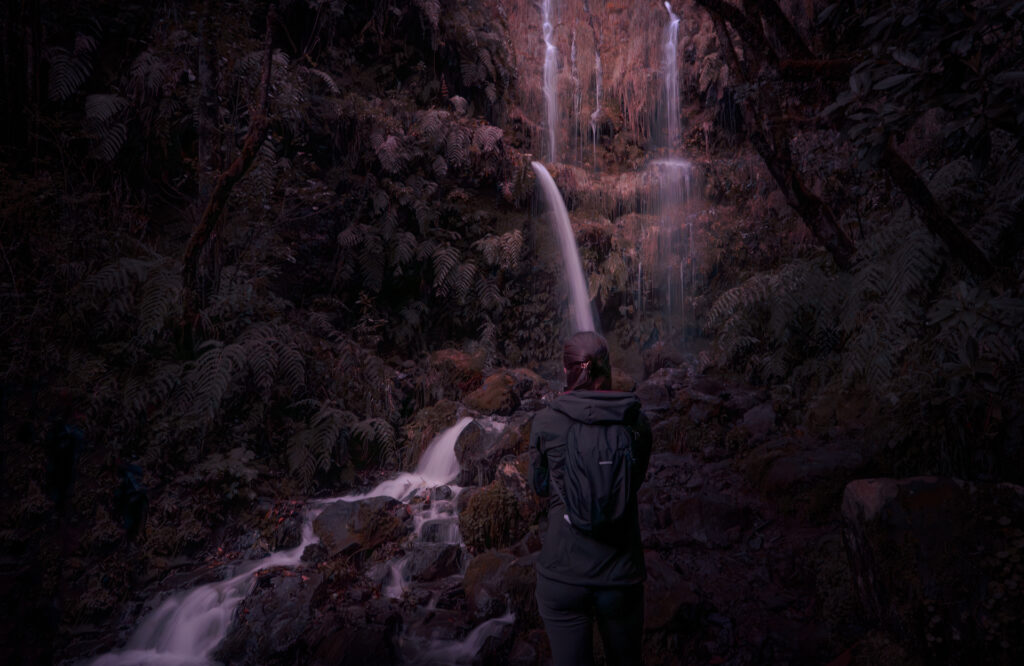
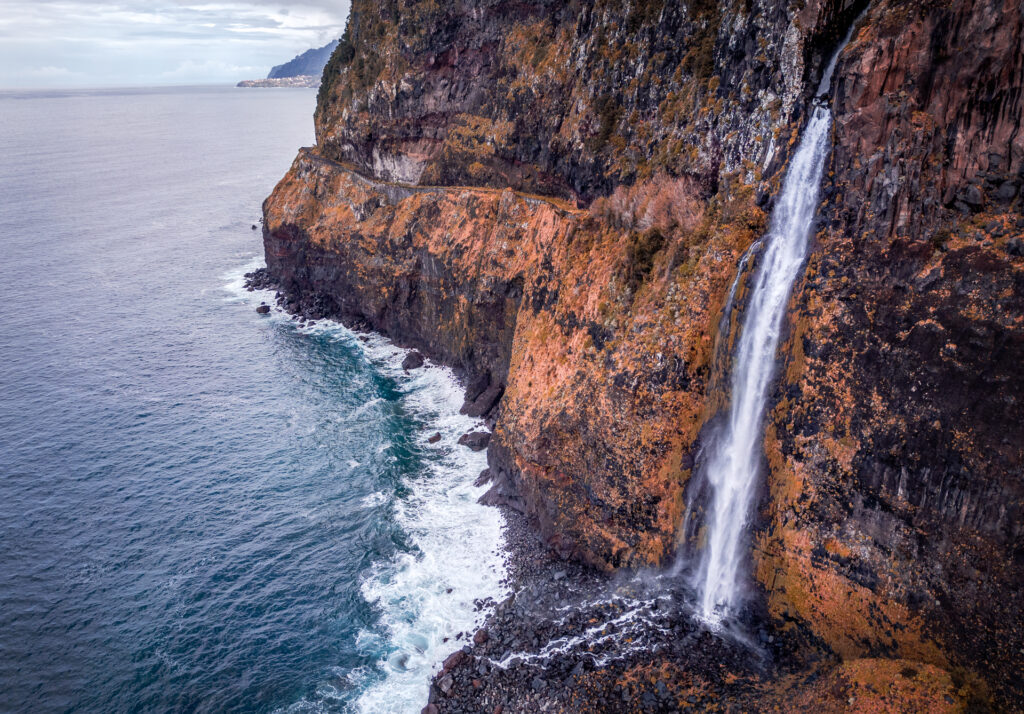
Madeira is a paradise for nature photographers, and its waterfalls are among the most breathtaking features of the island. From cascading rivers plunging into deep valleys to delicate streams hidden in lush laurel forests, Madeira offers a wealth of photo opportunities for both landscape and long-exposure photography. In this guide, I’ll show you where to shoot Madeira waterfalls, the best times of day and year for photography, gear recommendations, and expert tips to help you capture your perfect shot.
Whether you’re chasing the soft mist of levada waterfalls or dramatic high drops over cliffs, this guide is designed to help you get the most out of your photography adventure in Madeira. (visitmadeira.com)
Introduction: Why Photograph Madeira Waterfalls
Madeira is often called the “Island of Eternal Spring,” and it’s easy to see why. Its rugged volcanic landscape, steep valleys, and abundant rainfall create hundreds of stunning waterfalls. Waterfalls in Madeira range from easy-to-reach tourist spots to hidden gems that require a hike.
Photographing waterfalls here is rewarding because of:
- Unique landscapes: Lush vegetation and dramatic cliffs provide natural frames.
- Variety of waterfalls: Tall plunges, wide cascades, hidden forest streams.
- Dynamic lighting: Mist, reflections, and seasonal sunlight create opportunities for artistic photography.
Planning Your Waterfall Photography Shoot
Best Time of Year
- Spring (March–May): Lush vegetation, flowing waterfalls, and mild weather.
- Autumn (September–November): Rich colors in the forest, less tourist traffic.
- Winter (December–February): Strong waterfalls after heavy rain but some trails may be slippery.
- Summer (June–August): Some waterfalls dry up; morning fog can add mood.
Best Time of Day
- Morning: Soft light and fewer tourists. Perfect for long-exposure shots with mist.
- Golden hour (late afternoon): Warm light adds magic to cliffs and foliage.
- Avoid mid-day: Harsh light can flatten the scene and blow out highlights in water.
Essential Gear for Waterfall Photography
- Camera: Full-frame preferred, but APS-C or mirrorless works well.
- Lens: Wide-angle (16–35mm) for landscapes, telephoto (70–200mm) for details.
- Tripod: Essential for long-exposure shots.
- ND Filter: Allows longer exposures even in daylight for silky water effects.
- Waterproof backpack & lens cloths: Mist from waterfalls can quickly cover lenses.
- Hiking gear: Comfortable shoes for slippery terrain, water bottle, snacks.
Best Waterfalls to Photograph in Madeira
1. Risco Waterfall (25 Fontes)
- Location: Levada do Risco, near Rabaçal.
- Height: ~100 meters.
- Why it’s great: Iconic, tall vertical drop surrounded by lush laurel forests.
- Tips: Shoot early to avoid crowds. Use a wide-angle lens and a tripod for long exposure. (visitmadeira.com)
2. Veu da Noiva (Bride’s Veil)
- Location: Near Santana, easily accessible from the main road.
- Height: ~110 meters.
- Why it’s great: Tall and dramatic, with a pedestrian viewpoint for easy framing.
- Tips: Use a polarizer to reduce glare and enhance the surrounding greenery. Early morning light works best.
3. Cascata do Poço do Bacalhau
- Location: Porto Moniz area, hike required.
- Height: ~90 meters.
- Why it’s great: A hidden gem with a deep pool perfect for reflections.
- Tips: Capture reflections by shooting at lower angles. Long exposure highlights water movement.
4. Ribeira dos Caldeirões
- Location: São Jorge, Nordeste region.
- Height: Multiple small falls along a river in a protected park.
- Why it’s great: Combines waterfalls with mills, bridges, and forest paths.
- Tips: Look for compositions using natural arches and bridges. Macro shots of mossy rocks add variety. (montepalacemadeira.com)
5. Cascata da Fajã dos Padres
- Location: Fajã dos Padres, accessible by cable car or boat.
- Height: Moderate drop, tropical vegetation surroundings.
- Why it’s great: Less crowded, tropical plants frame the falls beautifully.
- Tips: Shoot wide and include foliage as a natural frame. Afternoon light enhances colors.
Waterfall Photography Techniques
- Long Exposure: 1–5 seconds for smooth, silky water. Use ND filter in bright light.
- Short Exposure: 1/250 sec or faster to freeze splashes or flowing streams.
- Composition: Use leading lines (levada paths, streams), natural frames (trees, rocks), and foreground elements (rocks, flowers) for depth.
- Reflections: Shoot calm pools for mirrored effects, best in the morning.
- HDR Photography: Combine exposures to capture both bright sky and shaded forest details.
Safety Tips for Waterfall Photography
- Always wear sturdy shoes with grip for wet and slippery rocks.
- Avoid standing directly under waterfalls — falling rocks or strong currents can be dangerous.
- Use a waterproof camera bag for equipment.
- Respect nature and stay on marked trails to preserve the environment.
Related Photography Guides on FrewaPhoto
- Best Photo Spots in Monte Palace Madeira — combine waterfalls with botanical gardens for full-day shoots.
- Madeira Travel Photography: A Complete Itinerary — plan your waterfall routes alongside other landscapes.
- How to Photograph Sunset in Madeira: Top Locations & Tips — capture golden light on waterfall cliffs.
FAQs for Madeira Waterfall Photo Guide: Where to Shoot & When
- What is the best season to photograph Madeira waterfalls?
— Spring and autumn offer lush greenery and flowing waterfalls. - Do I need a car to reach most waterfalls?
— Some are accessible by road, but Rabaçal and Poço do Bacalhau require hikes. - Can I shoot waterfalls at night?
— Limited options; use a tripod and long exposure for creative effects. - Is it safe to hike to waterfalls in winter?
— Trails can be slippery after rain; proper shoes and caution are essential. - What lenses are best for waterfall photography?
— Wide-angle for full cascades, telephoto for details, macro for moss and foliage. - Should I use filters for waterfall photography?
— ND filters for long exposure, polarizers to reduce glare and enhance colors. - Are drones allowed near waterfalls in Madeira?
— Drone use is regulated; check local authorities before flying. - Can I photograph waterfalls with a smartphone?
— Yes — use tripod apps or manual exposure for long-exposure effects. - How long should I plan for each waterfall shoot?
— 1–3 hours per location depending on hikes and angles. - Do waterfalls in Madeira have entry fees?
— Most are free, though some parks (Rabaçal, Ribeira dos Caldeirões) may charge small fees.
Useful Resources & More Info
- Visit Madeira – Nature & Parks (visitmadeira.com)
- Madeira Hiking & Waterfall Trails (madwalks.com)
- Monte Palace Madeira Garden (montepalacemadeira.com)
- Discover Portugal – Madeira Waterfalls (discover-portugal.com)
- Madeira Amazing – Travel & Nature Guide (madeiramazing.com)
Conclusion
Madeira is a true paradise for waterfall photographers, offering everything from towering, iconic cascades to hidden forest gems. By planning your trip around the best season, time of day, and key locations, and using the right gear and photography techniques, you can create a stunning portfolio of waterfall images that capture the island’s magic.
Remember to explore responsibly, respect nature, and look beyond the obvious viewpoints — sometimes the most striking shots are just off the main path. Whether you’re capturing Risco’s towering drop, the serene Poço do Bacalhau, or the charming Ribeira dos Caldeirões, Madeira waterfalls offer endless inspiration for your photography adventures.