
Introduction
May is arguably the most rewarding month of the year for flower photography. As spring reaches its peak, landscapes explode with color, density, and variety—offering endless opportunities for both artistic and technical growth. From my experience as a travel photographer, May delivers a rare combination of consistent blooms, longer golden hours, and dynamic shooting conditions that can elevate your portfolio quickly.
Whether you’re capturing endless tulip fields, wildflower meadows, or intricate macro details, May provides a richness that’s hard to match. It’s also the perfect time to experiment—light is more forgiving than summer, and subjects are abundant.
In this guide, you’ll learn exactly how to photograph flowers in May—from choosing the right locations and timing to mastering composition, lighting, and gear. I’ll also include practical tips I’ve learned in the field, along with internal resources from frewaphoto.com to help you go deeper.
Why Photograph Flowers in May
May represents peak bloom season in many parts of the world. Unlike April, where timing can be unpredictable, May offers more consistency and variety.
What makes May special:
- Dense flower fields with vibrant colors
- A wider range of species blooming simultaneously
- More stable weather conditions
- Longer days for extended shooting sessions
From a photography perspective, this means more opportunities to experiment with:
- Layered compositions
- Color contrast
- Environmental storytelling
If you’re building a portfolio or planning a photography trip, May gives you the highest return for your effort.
For more seasonal insights, check out this guide on spring shooting conditions:
https://frewaphoto.com/spring-photography-tips/
Where to Find Flowers in May
Location choice becomes even more exciting in May thanks to the sheer abundance of blooms.
Iconic Destinations
- Tulip fields in the Netherlands
- Wildflower blooms in California
- Alpine meadows in Europe
- Cherry blossoms in northern regions
Local Opportunities
Don’t underestimate nearby locations:
- Public parks and botanical gardens
- Nature reserves
- Countryside roads and fields
Pro Tip
Search for lesser-known spots instead of famous locations. You’ll often get cleaner compositions and fewer crowds.
For inspiration on finding unique photography spots:
https://frewaphoto.com/how-to-find-hidden-photo-locations/
When to Photograph Flowers in May
Timing in May is more forgiving—but still critical.
Best Times of Day
- Early morning: Calm air, soft light, dew
- Golden hour (evening): Warm tones, long shadows
- Blue hour: Subtle, moody tones
Bloom Timing
- Early May: Late spring blossoms, early wildflowers
- Mid-May: Peak bloom in most regions
- Late May: Transition into summer flowers
Tracking Bloom Conditions
Use tools like:
- Local park websites
- Royal Horticultural Society bloom reports
- National Geographic seasonal guides
External resource for bloom tracking:
https://www.rhs.org.uk/plants/seasonal-plants
Best Weather and Conditions
May offers a mix of stable and dynamic weather—both useful for photography.
Ideal Conditions
- Light cloud cover for diffused lighting
- Calm mornings for sharp macro shots
- Warm golden hour light
Creative Conditions
- Rain for reflections and texture
- Wind for motion blur effects
- Fog for atmospheric depth
Expert Tip
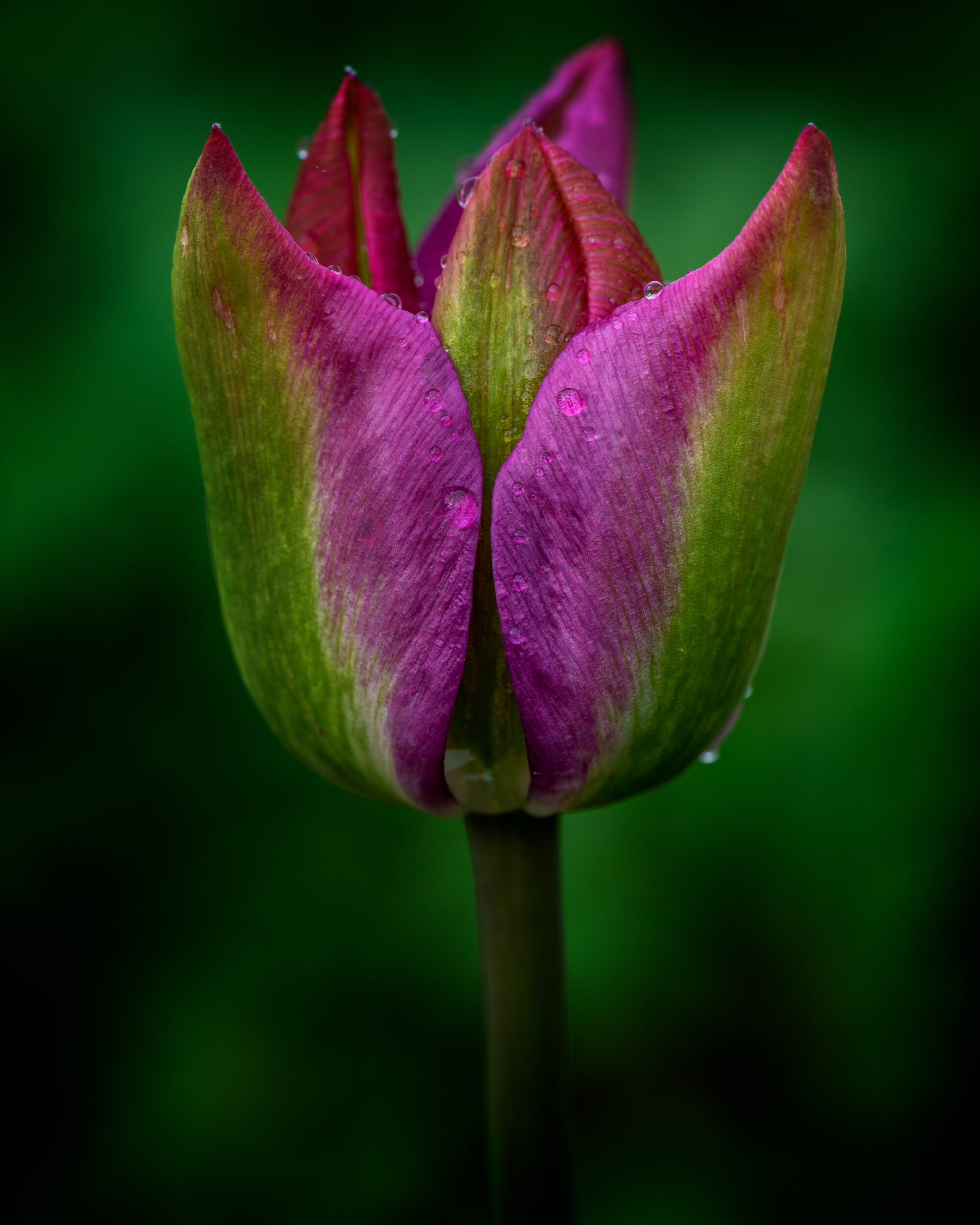
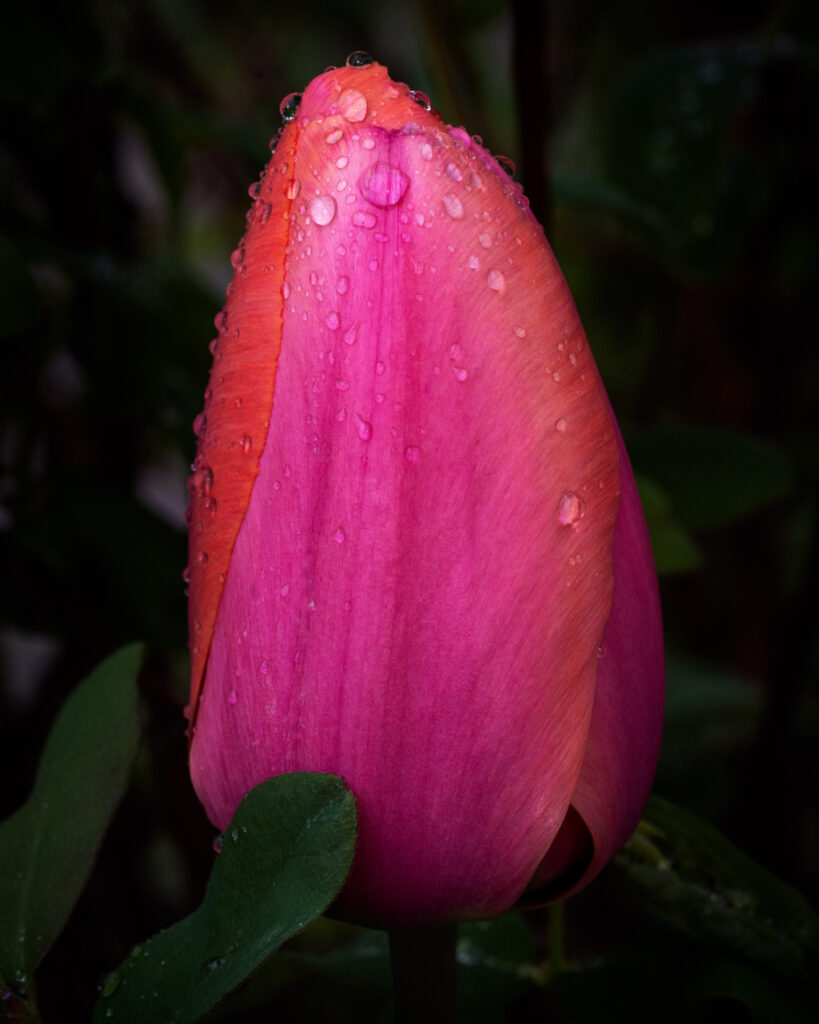
Shoot right after rain—colors become richer, and water droplets add visual interest.
For more lighting techniques, see:
https://frewaphoto.com/golden-hour-photography-guide/
How to Photograph Flowers in May
Let’s break down a reliable shooting workflow.
Step-by-Step Method
- Find a strong subject
- Simplify the background
- Choose your angle (get low!)
- Adjust aperture for depth of field
- Focus precisely on key details
Recommended Settings
- Aperture: f/2–f/5.6
- ISO: 100–400
- Shutter speed: Adjust for wind
Pro Insight
In May, scenes can get visually busy. Your job is to simplify—focus on one story, not everything at once.
For a deeper breakdown of settings:
https://frewaphoto.com/camera-settings-guide/
Photography Composition Techniques
Composition becomes even more important when scenes are dense with flowers.
Techniques to Master
- Layering: Foreground + subject + background
- Leading lines: Use rows of flowers
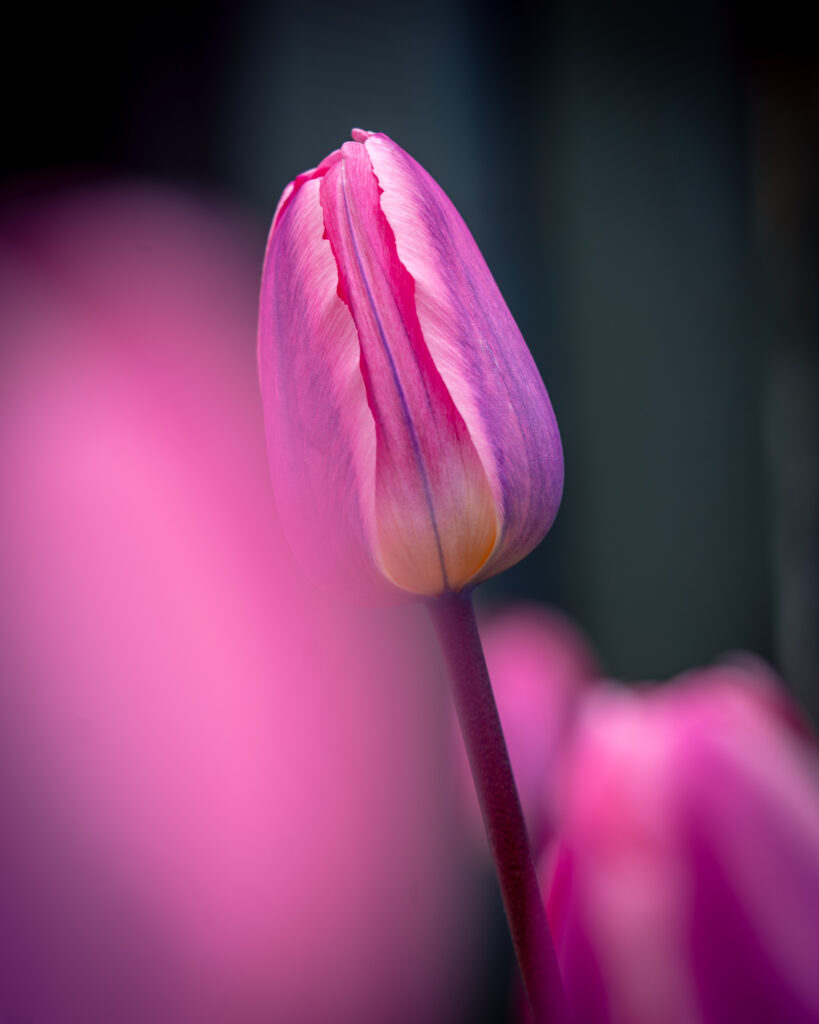
- Framing: Shoot through other blooms
- Patterns and repetition
- Negative space for minimalism
Creative Tip
Use a wide aperture and shoot through flowers to create a soft, blurred foreground—it adds depth instantly.
Related composition guide:
https://frewaphoto.com/photography-composition-tips/
Light for Flower Photography
Light in May is more intense than April, but still manageable.
Best Lighting Types
- Golden hour for warmth
- Backlighting for glowing petals
- Diffused light for accurate colors
Techniques to Try
- Backlit petals for transparency
- Side lighting for texture
- Silhouettes at sunset
External Resource
For deeper lighting theory:
https://www.nationalgeographic.com/photography/article/lighting-tips
Equipment Guide
You don’t need high-end gear—but the right setup helps.
Essentials
- Mirrorless or DSLR camera
- Prime lens (50mm or 85mm)
- Macro lens (90–105mm)
- Tripod
Helpful Extras
- Reflector
- Diffuser
- Spray bottle for water effects
Gear recommendations:
https://frewaphoto.com/best-photography-gear-travel/
Best Lenses for Flower Photography
Different lenses create very different results.
Macro Lens
- Best for detail and textures
Prime Lens (50mm / 85mm)
- Beautiful background blur
- Natural perspective
Telephoto (70–200mm)
- Compresses scenes
- Isolates subjects
Wide-Angle
- Great for environmental shots
Pro Tip
Switch lenses often—don’t shoot everything the same way.
Seasonal Photography Opportunities
May offers peak diversity in subjects.
Early May
- Softer colors
- Fewer crowds
Mid-May
- Maximum bloom density
- Ideal for landscapes
Late May
- Stronger sunlight
- More vibrant tones
This progression allows you to build a varied and dynamic portfolio over just a few weeks.
Location Guide for May Flower Photography
Different environments offer different creative possibilities.
Flower Fields
- Perfect for patterns and leading lines
Forests
- Unique light and mood
Mountains
- Late blooms and dramatic backdrops
Coastal Areas
- Flowers + seascapes
Pro Tip
Combine locations in one trip to maximize variety.
For travel inspiration:
https://frewaphoto.com/best-photography-locations-europe/
Advanced Photography Techniques
Once you’ve explored the basics, May is the perfect time to push your creative boundaries. With more abundant blooms and denser scenes, advanced techniques can help you stand out.
Focus Stacking for Sharp Detail
When shooting macro, depth of field is extremely shallow. Focus stacking allows you to create a fully sharp image:
- Take multiple images at different focus points
- Blend them in post-processing
- Ideal for flowers with intricate structures
Intentional Camera Movement (ICM)
Add an artistic feel by introducing motion:
- Use a slower shutter speed (1/5–1 sec)
- Gently move your camera vertically or horizontally
- Works beautifully in tulip fields or wildflower meadows
Double Exposure
Create layered storytelling:
- Combine two images in-camera or in editing
- Blend textures, shapes, and colors
- Perfect for abstract floral art
Shooting Through Elements
Use foreground elements creatively:
- Shoot through petals or leaves
- Create soft bokeh layers
- Add depth and dimension
For editing techniques like focus stacking:
https://frewaphoto.com/focus-stacking-guide/
Creative Photography Ideas
With so many flowers in bloom, creativity becomes your biggest advantage.
Play with Perspective
- Shoot from ground level for dramatic angles
- Capture flowers against the sky
- Try top-down compositions for patterns
Include a Subject
Add storytelling elements:
- A person walking through flowers
- A hand interacting with petals
- Wildlife like bees or butterflies
Use Color Creatively
- Contrast complementary colors
- Look for gradients in flower fields
- Focus on monochromatic scenes
Minimalist Approach
Even in busy environments:
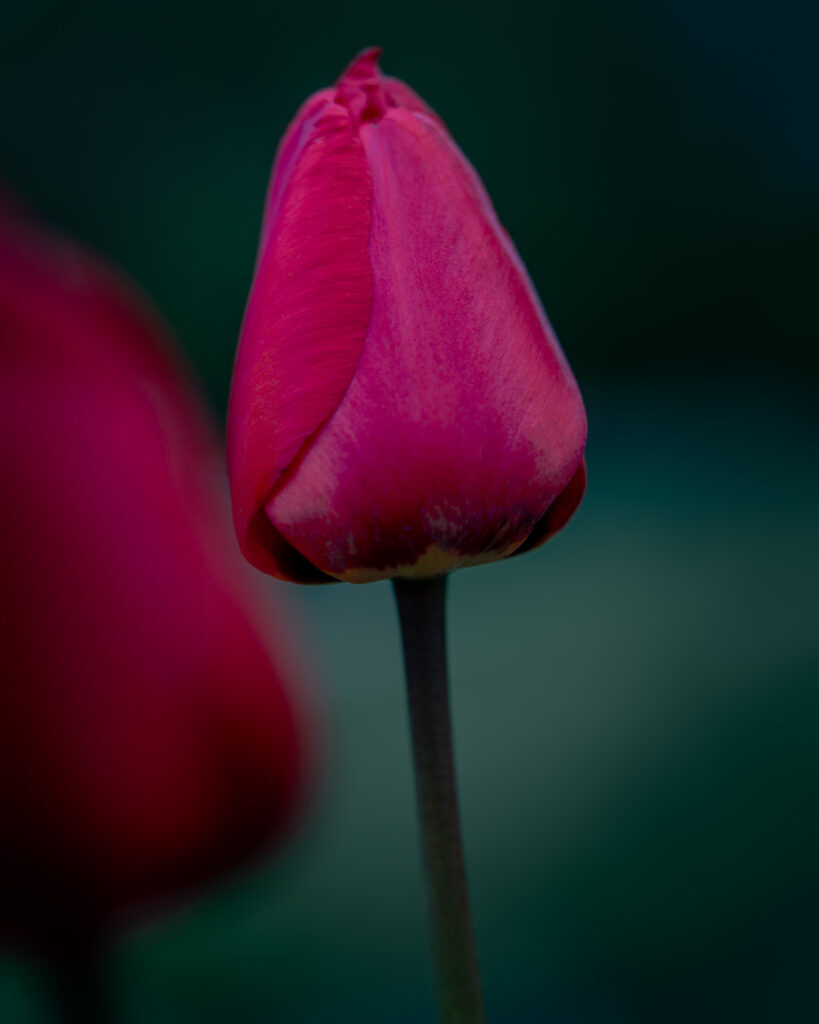
- Isolate a single flower
- Use wide apertures for clean backgrounds
- Focus on simplicity
After Rain Opportunities
- Capture water droplets
- Use reflections in puddles
- Shoot moody, atmospheric scenes
Creative inspiration:
https://frewaphoto.com/creative-photography-ideas/
Common Mistakes to Avoid
Even experienced photographers make these mistakes in May.
Overcrowded Compositions
Too many flowers can overwhelm the image.
Fix:
Simplify your frame and isolate your subject.
Ignoring Light Direction
Shooting without considering light leads to flat images.
Fix:
Move around your subject and test different angles.
Not Adjusting for Wind
Flowers move more than you think.
Fix:
Use faster shutter speeds or time your shots carefully.
Overediting Colors
Spring colors are already vibrant.
Fix:
Use subtle adjustments—avoid oversaturation.
Shooting Everything the Same Way
Repeating the same angle limits creativity.
Fix:
Change lenses, perspectives, and compositions often.
Editing and Post-Processing Tips
Editing should enhance your image—not overpower it.
Start with the Basics
- Adjust exposure and contrast
- Correct white balance
- Fine-tune highlights and shadows
Enhance Colors Naturally
- Increase vibrance slightly
- Adjust individual color channels
- Avoid heavy saturation
Sharpen with Care
- Apply selective sharpening
- Keep textures natural
Clean Up the Frame
- Remove distractions
- Smooth backgrounds if needed
Advanced Techniques
- Focus stacking for macro shots
- Dodging and burning for depth
- Gradient filters for light control
For a full workflow:
https://frewaphoto.com/photo-editing-workflow/
FAQs
What are the best flowers to photograph in May?
May offers tulips, peonies, bluebells, wildflowers, and late cherry blossoms in northern regions. The variety makes it one of the best months for flower photography worldwide.
What time of day is best for photographing flowers in May?
Early morning is ideal due to soft light and calm conditions. Evening golden hour also provides warm tones and beautiful shadows for more dramatic images.
What camera settings should I use for flower photography?
Use a wide aperture (f/2–f/5.6) for background blur, keep ISO low (100–400), and adjust shutter speed depending on wind. Always focus on the most important detail of the flower.
Do I need a macro lens for flower photography?
A macro lens helps capture fine details, but it’s not required. Prime lenses like 50mm or 85mm are great alternatives for beautiful background blur.
How do I deal with wind when shooting flowers?
Increase your shutter speed, shoot during calmer parts of the day, or find sheltered areas. Patience is key—wait for moments when the wind drops.
Is May better than April for flower photography?
May generally offers more variety and stability, with denser blooms and better weather. However, April can provide softer light and unique early blooms.
How can I make my flower photos look more professional?
Focus on composition, clean backgrounds, and lighting. Use depth creatively and experiment with angles to create more visually engaging images.
Can I take good flower photos with a smartphone?
Yes—modern smartphones are very capable. Use portrait mode, shoot in good light, and pay attention to composition and background.
Conclusion
May is one of the most rewarding months for flower photography, offering unmatched variety, color, and creative potential. Whether you’re shooting vast landscapes filled with blooms or focusing on delicate macro details, the opportunities are endless.
The key is to stay intentional—pay attention to light, simplify your compositions, and experiment with different techniques. Some of the best images come from unexpected moments: a break in the clouds, a passing rain shower, or a quiet morning in a flower field.
Approach May with curiosity and creativity, and you won’t just capture flowers—you’ll capture the essence of spring at its peak.
Related Internal Articles
- April Flower Photography Guide
- Macro Flower Photography Guide
- Golden Hour Photography Tips
- Best Lenses for Travel Photography
- Landscape Photography Composition Guide
External Resources
- Royal Horticultural Society – Seasonal bloom guides
- National Geographic – Photography tips and inspiration
- BBC Gardening – Plant and flower guides
- Digital Photography School – Tutorials and tips
- Lonely Planet – Travel inspiration