
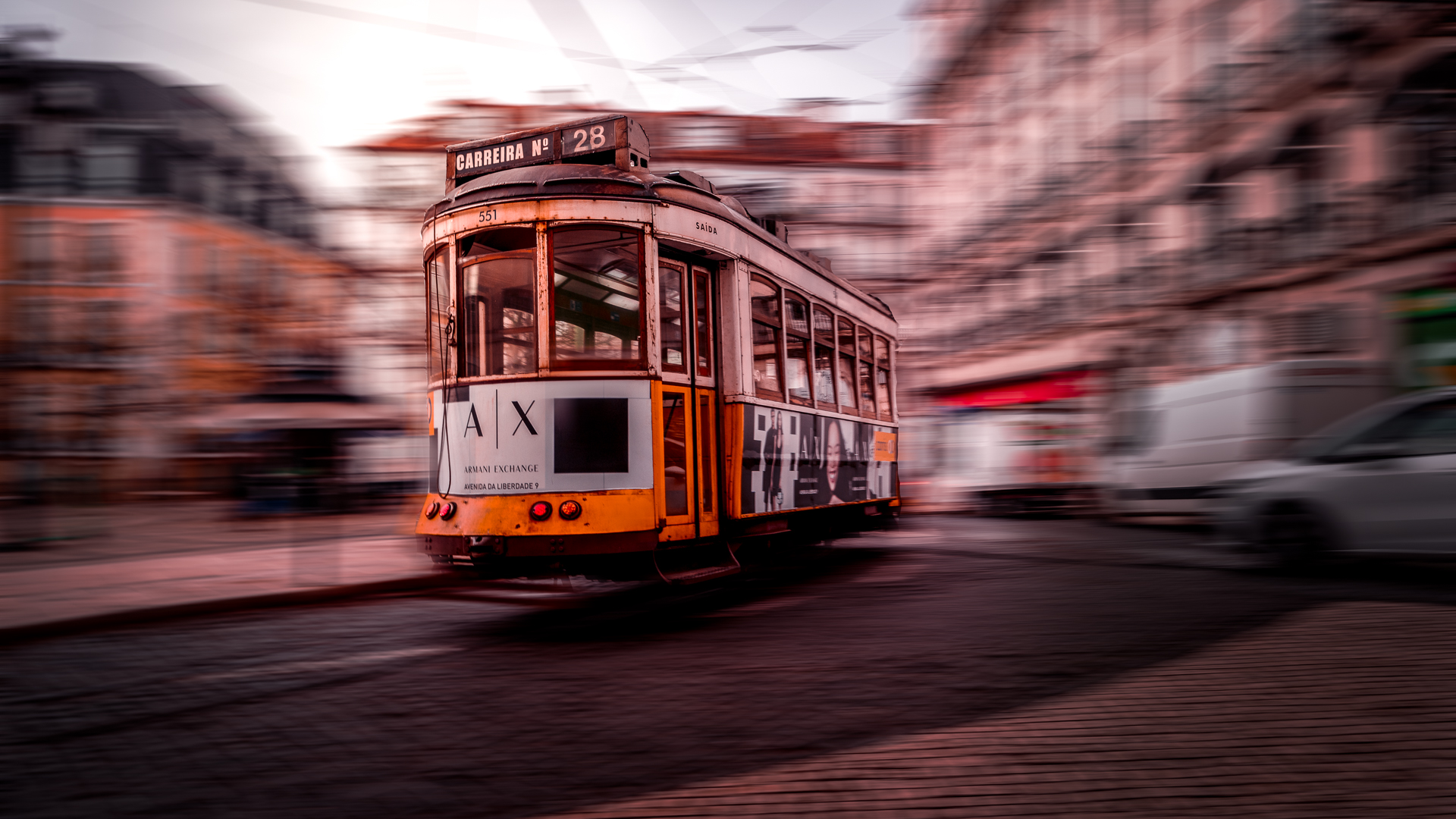
Lisbon’s Tram 28 is not just a mode of transport — it’s one of the city’s most iconic visual symbols. Its mustard-yellow cars curl through narrow historic streets, climb steep hills, and pass azulejo-clad façades, making it a dream subject for photographers of all levels.
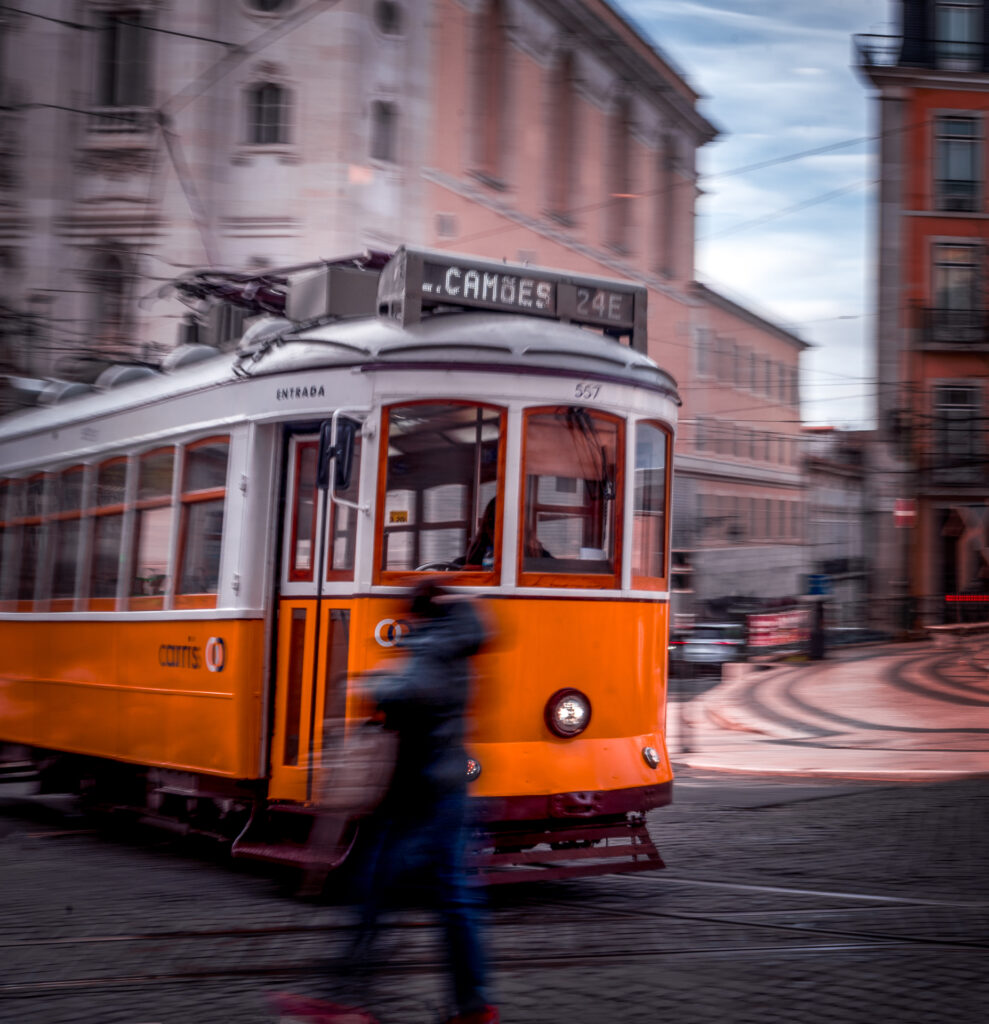
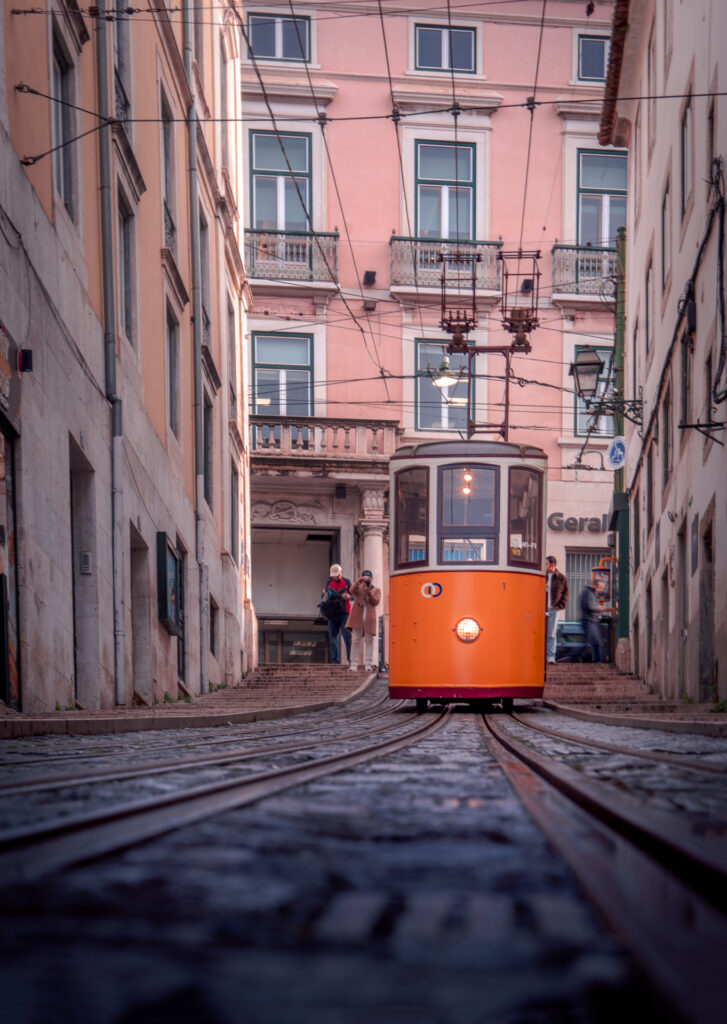
But photographing Tram 28 isn’t as simple as pointing and shooting. Timing, light, angles, routes, and patience all matter if you want standout images rather than snapshots.
This ultimate guide packs everything you need — locations with Google Maps links, best times of day, lens and composition advice, seasonal tips, safety info, creative ideas, and a dozen FAQs to help you plan a strong Tram 28 photography session in Lisbon.
Why Tram 28 Is a Must-Photograph Lisbon Subject
- Classic historic tram design
- Routes through picturesque districts
- Great interaction with architecture
- Combines movement, lines, and color
- Works in almost any light condition
If you want classic Lisbon photos, capturing Tram 28 well is a must.
📍 How Tram 28 Works
Tram 28 runs from Martim Moniz to Prazeres, traversing:
- Martim Moniz
- Alfama
- Graça
- Bairro Alto
- Estrela
- Campo de Ourique
- Prazeres
It climbs steep hills and winds through tight alleys — providing endless photo opportunities.
You can see the route here:
Google Maps route overview:
https://maps.google.com/?q=Tram+28+route+Lisbon
📍 Top Tram 28 Photography Locations (with Maps)
Below are the most photographic and accessible spots along the route with exact Google Maps links and shooting tips.
1) Martim Moniz
📍 Google Maps: https://maps.google.com/?q=Martim+Moniz+Lisbon
Why this spot is great:
- Busy square before the historic climb
- Colorful tiles and shops
- Tram arrives from flat terrain
Photography tips:
- Shoot wide to include the square’s energy
- Capture the tram entering the frame
- Best in morning light
2) Largo das Portas do Sol (First Major View)
📍 Google Maps: https://maps.google.com/?q=Largo+das+Portas+do+Sol+Lisbon
Why shoot here:
- Elevated terrace view
- River and Alfama backdrop
- Tram moving uphill
How to photograph:
- Use telephoto for compression
- Include cityscape as backdrop
- Golden hour gives warm tones
Best time: Late afternoon to sunset
3) Alfama Alley Corners (Historic Textures)
📍 Google Maps: https://maps.google.com/?q=Alfama+streets+Lisbon
Why:
- Cobblestone texture
- Colorful façades
- Intimate setting
Tip:
- Use shallow depth (f/2.8–f/4) for subject isolation
- Track the tram movement
Best time: Morning or golden hour
4) Graça Church Curve
📍 Google Maps: https://maps.google.com/?q=Graça+Church+Lisbon
Why:
- Curved road and tram angle
- Church in the background
- Steep uphill gives dramatic look
How to shoot:
- Show tram leaning into the curve
- Use lines to guide viewers
Best time: Early afternoon
5) Miradouro da Senhora do Monte (Panoramic)
📍 Google Maps: https://maps.google.com/?q=Miradouro+da+Senhora+do+Monte
Why stop here:
- Panoramic city + tram lines viewpoint
- Before/after tram climb
- Great for sequence shots
Tip:
- Use wide angle for city + tram
- Best at sunrise or golden hour
6) Bairro Alto Streets
📍 Google Maps: https://maps.google.com/?q=Bairro+Alto+Lisbon
Why shoot here:
- Hip and narrow lanes
- Urban contrast of tram and street vibe
How:
- Shoot tram in context with cafés/doors
- Capture local life with tram
Best time: Afternoon
7) Praça Luís de Camões Stop
📍 Google Maps: https://maps.google.com/?q=Praça+Luís+de+Camões+Lisbon
Why it’s good:
- Classic Lisbon square
- Sidewalk café life mixed with tram
Photo tip:
- Use foreground café life with tram background
- Wide angles work well
8) Campo de Ourique (End Section)
📍 Google Maps: https://maps.google.com/?q=Campo+de+Ourique+Lisbon
Why:
- Quieter part of route
- Less tourist traffic
How:
- Photograph tram arriving/departing terminus
- Include neighborhood vibe
9) Cemitério da Estrela & Estrela Churches
📍 Google Maps: https://maps.google.com/?q=Estrela+Lisbon
Why:
- Frames tram next to landmark architecture
- Dramatic hills and shadows
Photo tip:
- Use telephoto to isolate structural elements
- Best golden hour
📅 Best Times to Photograph Tram 28
Understanding light changes everything.
Early Morning
- Fewer people
- Clean shots
- Cool light
Great for:
- Alfama alley work
- Historic façades
Midday
- Strong light
- Harsh shadows
Better for:
- High contrast architectural shots
- Black & white textures
Golden Hour / Sunset
- Warm glow
- Dramatic skies
- Urban mood
Best for:
- Wide city + tram scenes
- Portraits with atmospheric light
Blue Hour (Twilight)
- Tram lights + city lights
- Long exposures
Settings:
- ISO 100–200
- f/8–f/11
- Tripod useful
📸 Photography Gear & Settings
Lenses
- Wide (16–35mm): Full street and close tram angles
- Standard Zoom (24–70mm): Most versatile
- Telephoto (70–200mm): Compression and detail
- Prime 50mm: Portraits and shallow depth scenes
Filters
- Polarizer: Cuts reflections on tiles/metal
- ND Filter: For motion blur on tram tracks
Common Settings
- Fast shutter (1/500–1/1000): Freeze motion
- Slower shutter (1/15–1/60): Intentional blur for movement
- ISO 100–400: Clean images
🎨 Composition Tips That Work Every Time
1) Leading Lines
Tram tracks form natural leading lines. Use them to guide the eye.
2) Frame Within Frame
Doors, arches, windows — place the tram within architectural frames.
3) Street Life Layers
Combine people, cafés, and tram for storytelling.
4) Repetition & Rhythm
Shoot sequences — trams arriving, departing, or multiple appearances.
5) Motion Blur
Long exposures show dynamic movement — just avoid overdoing.
📈 How to Avoid Tourist Shots
Most visitors shoot Tram 28 head-on or at crowded Corners.
Instead:
- Shoot ahead of or behind the tram
- Wait for local life interaction
- Prefer golden hour light
- Use foreground objects creatively
🗺️ Sample Photo Routes
📸 Route A — Historical Heart
- Martim Moniz
- Alfama alleys
- Graça Church Curve
- Senhora do Monte
- Blue Hour sequence
Great for: sunrise focused story
📸 Route B — Urban Lifestyle
- Praça Luís de Camões café frames
- Bairro Alto streets
- Estrela scenes
- Campo de Ourique
Great for: street + tram narrative
📸 Route C — Sunset & Blue Hour
- Belém transit points
- Riverside waiting area
- Estrela Church backdrop
- Blue Hour long exposures
🏙 Seasonal Considerations
Spring
- Comfortable temperatures
- Balanced light
- Occasional blossoms
Summer
- Long days
- Strong contrast
- Great golden hours
Autumn
- Rich sky tones
- Cooler evenings
Winter
- Moody clouds
- Crisp contrast
All seasons work — each offers its own mood.
📌 Safety and Etiquette
- Lisbon is generally safe — but watch gear in crowds
- Yield to passengers boarding/exiting tram
- Respect traffic lights and signs
- Avoid blocking sidewalks
📹 Drone Photography Considerations
Drone use is restricted in Lisbon’s central urban zones. Always check local regulations before flight to avoid fines or safety issues.
🧠 Tips for Shooting Video
- Slow pans from foreground to tram centre
- Use motion tracking when tram moves toward you
- Combine time-lapse of sunset with tram motions
📊 Mistakes to Avoid
- Shooting midday without contrast control
- Ignoring foreground elements
- Shooting only head-on without context
- Forgetting crowd control techniques
📅 Planning Tools
- Google Maps: Plan routes and stops
- Weather apps: Find cloudy/golden hour windows
- Tram schedule apps: Time arrivals
25 FAQs – Photographing Tram 28
1. Do I need a ticket to photograph Tram 28?
No — street photography is free.
2. Best lens for tram faces?
24–70mm or 50mm prime.
3. Should I avoid midday?
Only if harsh shadows distract from lines.
4. Where are the most iconic tram angles?
Alfama, Praça Luís de Camões, Senhora do Monte.
5. Is it safe to photograph at night?
Yes, but stay aware in crowded spots.
6. Can I shoot from inside tram?
Yes — shoot windows and motion.
7. Should I shoot video too?
Absolutely — motion enhances story.
8. Do clouds matter?
Yes — clouds add mood.
9. Is tripod useful?
Great for blue hour.
10. Can I shoot handheld at sunset?
Yes, but higher ISO may be needed.
11. Should I wait for people?
People make shots stronger.
12. Is street art worth including?
Yes — context and color.
13. Are Sundays quieter?
Usually — fewer tourists but more locals.
14. What time is golden hour?
About 1 hour before sunset.
15. Can twilight shots work?
Excellent — city lights + tram lights.
16. Is Lisbon friendly to photographers?
Yes — locals are used to street shooting.
17. Can I print these photos?
Yes — Lisbon archives beautifully.
18. Should I shoot black and white?
Great for high contrast scenes.
19. Are reflections possible?
Yes — especially after rain.
20. Should I include architecture around tram?
Always — it frames the story.
21. Are there tram workshops or depots to photograph?
Yes — ask locally for access.
22. Can I shoot rain scenes?
Rain adds mood and reflections.
23. How many days do I need?
2–4 days for varied shots.
24. Is Lisbon tram family-friendly?
Yes, great for travel photos.
25. Do I need permits?
No permits for public street photography.
🛠 Official & External Resources
- Visit Lisboa (Official Tourism):
https://www.visitlisboa.com - Carris (Tram Operator):
https://www.carris.pt - Lisbon Transport Info:
https://www.metrolisboa.pt - Tram 28 Route Map (Unofficial):
https://maps.google.com/?q=Tram+28+route+Lisbon
📸 Lisbon’s Tram 28 is more than a tram — it’s a visual story that encapsulates the city’s soul. With the right planning, lenses, light, and composition ideas, you can turn ordinary tram shots into lasting photographic memories.