


Introduction
Mostar, Bosnia and Herzegovina’s jewel of the Herzegovina region, is one of the most photogenic cities in Europe. With its world-famous Stari Most bridge, cobbled Ottoman streets, bustling bazaars, and riverside cafés, it’s a destination that blends history, culture, and natural beauty.
As a travel photographer, I can promise you this: Mostar is more than just a stopover. It’s a city where every corner tells a story — and every story is worth capturing. In this ultimate guide, I’ll share everything you need to know to visit Mostar, from when to go and what to pack, to the best tours, food, and Instagram spots that will make your trip unforgettable.
What to Know Before You Go
Mostar is safe, welcoming, and compact — easy to explore in a day but rewarding if you stay longer. English is spoken in tourist areas, but you’ll hear Bosnian, Croatian, and Serbian in daily life.
Orientation
Mostar is divided by the emerald-green Neretva River. The historic Old Town, including the Stari Most, lies on both sides, connected by the iconic bridge. West of the river, you’ll find more modern neighborhoods, while the east retains a more Ottoman character.
Language
The local language is Bosnian/Croatian/Serbian (BCS). Most younger people in the hospitality industry speak English. A simple “Hvala” (thank you) goes a long way.
Currency and Payment
The currency is the Bosnian Convertible Mark (BAM). Euros are often accepted, especially in tourist areas, but bring BAM for smaller shops and cafés. Cards work in hotels and restaurants, but cash is king in markets.
What to Pack
- Lightweight clothes for summer, layers for cooler evenings
- Comfortable walking shoes for cobbled streets
- A scarf or cover-up for religious sites
- Camera and wide-angle lens for bridge shots
- Reusable water bottle — tap water is safe to drink
When to Go
- Spring (April–June): Perfect weather, blooming landscapes
- Summer (July–August): Lively atmosphere, but hot and crowded
- Autumn (September–October): Warm, colorful, fewer tourists
- Winter (November–March): Quiet, budget-friendly, but some sites close early
How Long to Stay
Mostar can be seen in a day trip, but staying 2–3 days allows you to enjoy sunsets, slow mornings, and excursions to nearby waterfalls and villages.
How to Get There
- By air: Sarajevo Airport is 2 hours away, Dubrovnik 3 hours.
- By train: Scenic routes connect Mostar with Sarajevo.
- By bus: Regular buses link Mostar with Sarajevo, Dubrovnik, and Split.
- By car: Driving gives you flexibility to explore Herzegovina’s countryside.
What to Do
- Walk across the Stari Most and watch local divers
- Wander the cobblestone alleys of the Old Bazaar (Kujundžiluk)
- Visit the Koski Mehmed Pasha Mosque for panoramic views
- Explore the War Photo Exhibition for history and context
- Take a day trip to Kravice Waterfalls
Best Tours
- Walking tour of Mostar Old Town with local guide
- Day trip to Blagaj Tekke and Počitelj
- Kravice Waterfalls and wine tour
- Photography tour of Mostar — capture hidden angles with a pro
What to Eat and Drink
- Ćevapi: Grilled minced meat served with flatbread
- Burek: Flaky pastry with meat or cheese filling
- Dolma: Stuffed vegetables, Ottoman influence
- Baklava: Sweet dessert with nuts and honey
- Bosnian coffee: Strong, served in a traditional copper pot
Where to Eat
- Šadrvan: Traditional Bosnian dishes in a charming courtyard
- Hindin Han: Riverside restaurant with Stari Most views
- Tima-Irma: Small eatery famous for its grilled meats
Where to Drink
- Café de Alma: Great for coffee and people-watching
- OKC Abrasevic: Youth cultural center with live music
- Sky Lounge Rooftop Bar: Panoramic city views at sunset
Where to Stay
- Luxury: Hotel Mepas (modern and elegant)
- Boutique: Hotel-Restaurant Kriva Ćuprija, near Old Bridge
- Budget: Hostel Miran — family-run and friendly
How to Get Around
Walking
The Old Town is compact and best explored on foot.
Public Transport
Limited options — most visitors rely on walking or taxis.
Taxi
Affordable and easy to find; always agree on the fare beforehand.
Rent a Car
Great for exploring Kravice, Blagaj, and countryside.
Bike
Possible, but cobbled streets make it challenging in the Old Town.
What to Buy
- Copper coffee sets from the Old Bazaar
- Handmade jewelry and carpets
- Locally produced wine and rakija
- Traditional Bosnian ceramics
Best Photo Spots
- Stari Most at sunrise and sunset
- Koski Mehmed Pasha Mosque minaret
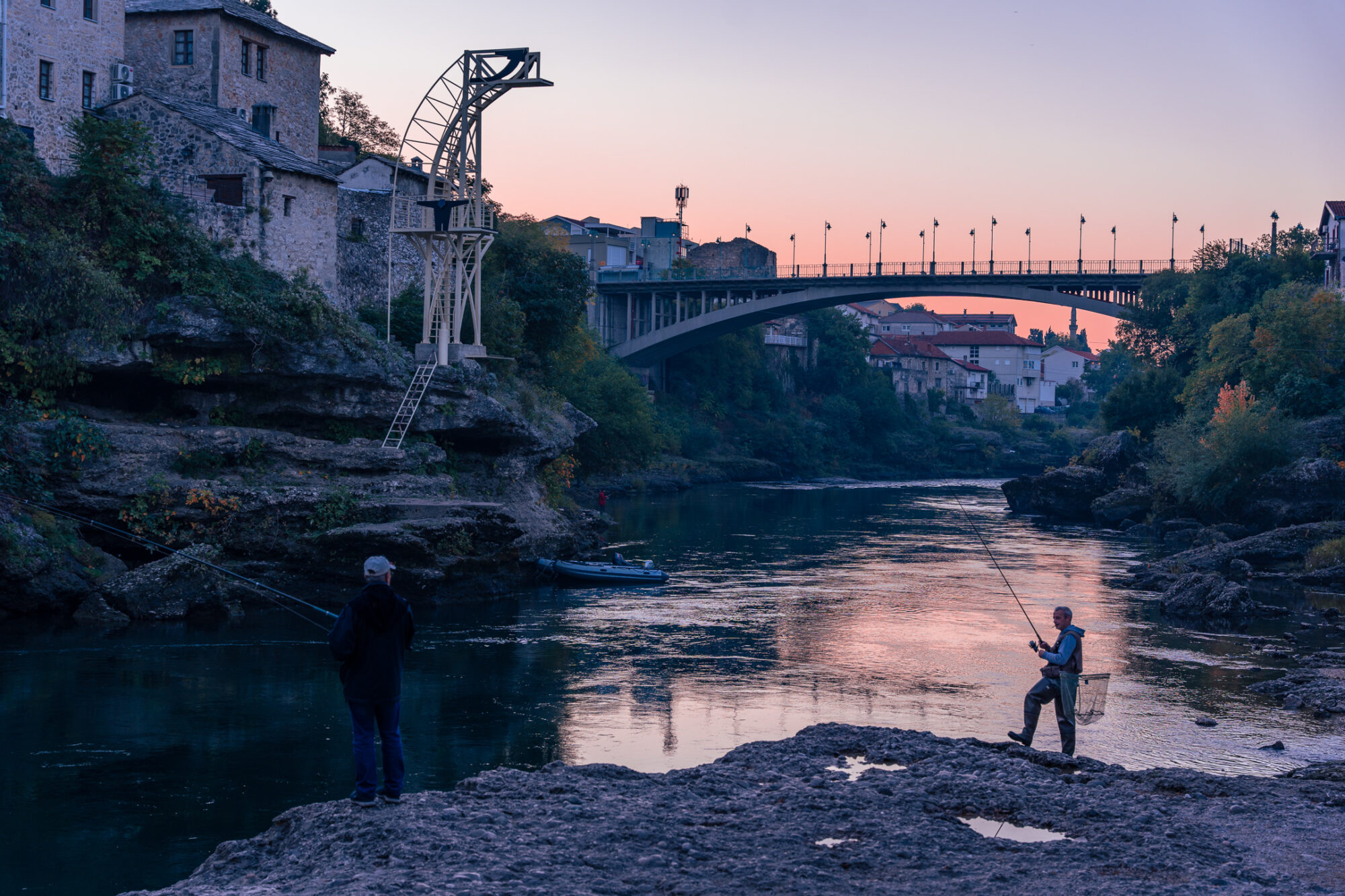
- Neretva Riverbanks for bridge reflections
- Blagaj Tekke Monastery by the spring of the Buna River
- Kravice Waterfalls for natural beauty shots
Types of Trip
Girls Weekends
Perfect mix of shopping, food, and Instagrammable cafés.
Couple Getaways
Romantic river views, sunset shots, and cozy dinners by candlelight.
Family Trips
Great for exploring markets, tasting local food, and short day trips.
How Much Does It Cost?
Getting There
Bus Sarajevo–Mostar: €10–15. From Dubrovnik: ~€20.
Sleeping
Budget hostels: €15–30. Mid-range hotels: €50–80. Luxury: €120+.
Activities
Most attractions €5–10. Day tours €30–50.
Getting Around
Taxis within town: €2–5. Car rental: €30–50/day.
Eating and Drinking
Meals €5–15. Coffee €1–2. Splurge dinner €25–30.
What a Trip Here Will Give You
- A taste of Balkan history and culture
- A chance to photograph one of Europe’s most iconic bridges
- Warm hospitality and local traditions
- Delicious food and coffee culture
Should You Go? Why Go?
Absolutely. Mostar combines beauty, history, and affordability. It’s a photographer’s paradise and a traveler’s delight. Whether you’re here for a day or a week, it will leave you with powerful impressions and images to treasure.
FAQs for Ultimate Guide to Visit Mostar
1. Can I visit Mostar as a day trip from Dubrovnik?
Yes, it’s popular, but staying overnight lets you enjoy the evening ambiance.
2. Is Mostar safe for tourists?
Yes, it’s very safe, especially in the Old Town.
3. What’s the most famous thing to do in Mostar?
Crossing the Stari Most bridge and watching the divers.
4. Do I need a visa to visit Bosnia and Herzegovina?
Most EU and US visitors don’t need a visa for short stays.
5. Can I use euros in Mostar?
Yes, but you’ll get better value paying in Bosnian marks.
More Info
- Mostar Tourism Official
- Visit Bosnia & Herzegovina
- Kravice Waterfalls Info
- Blagaj Tekke Monastery
- Sarajevo–Mostar Train Info
Related Reads
- Best Instagram Spots in Budapest
- Ultimate Travel Guide to Trosa, Sweden
- How to Photograph the Amalfi Coast
- Hidden Gems of Gellért Hill, Budapest