
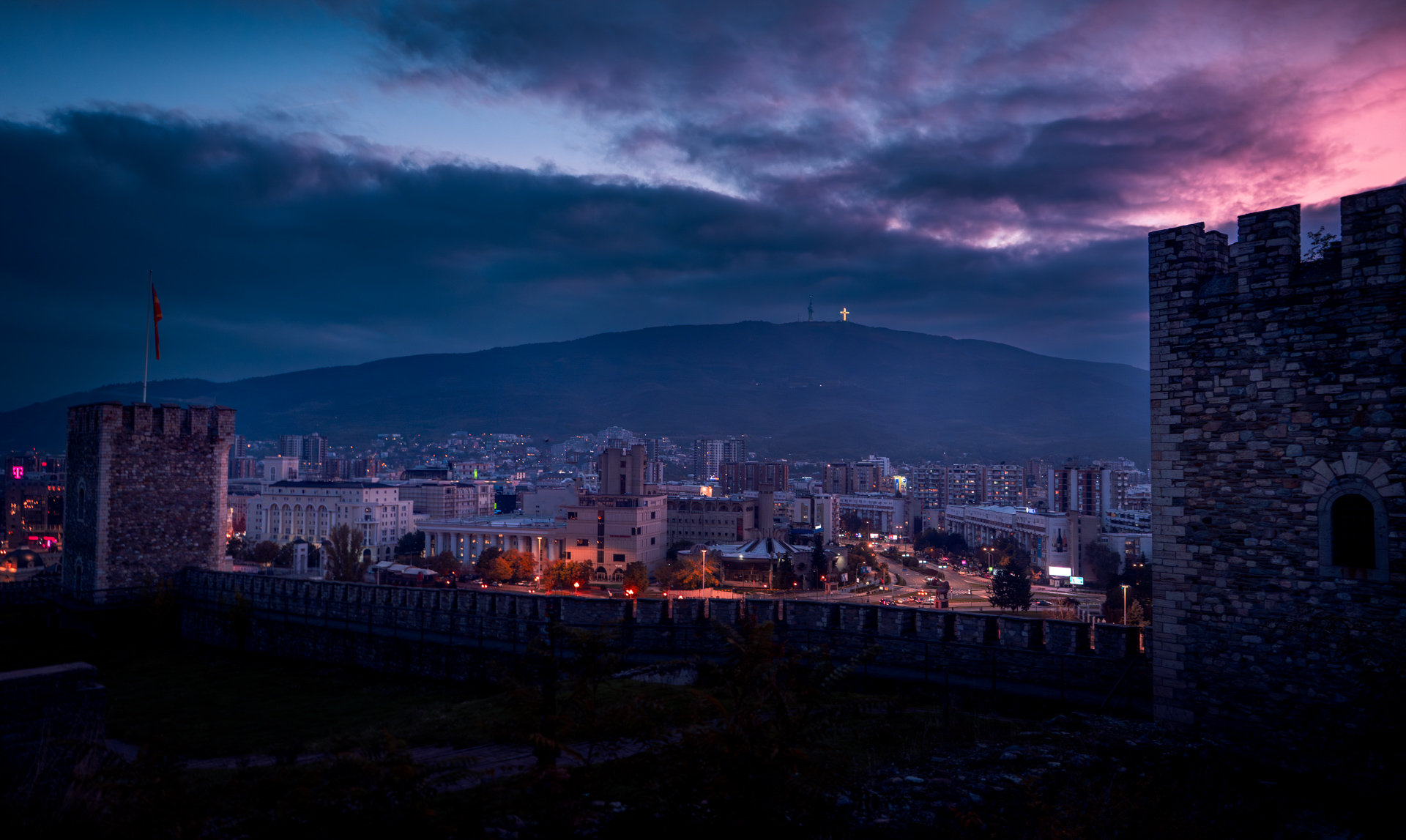
North Macedonia is small but staggering: high alpine ridges, two ancient lakes, Ottoman bazaars, dramatic canyons, prehistoric observatories, and villages where traditions stay alive. It’s easy to hop between wild nature and centuries-old culture — and every stop rewards photographers and curious travellers alike.
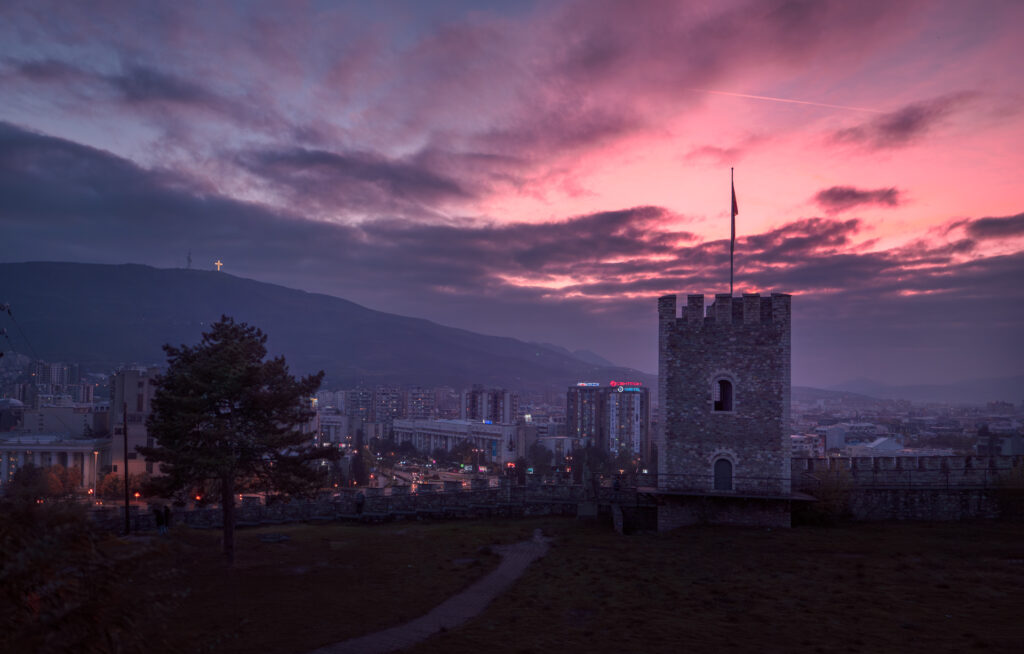
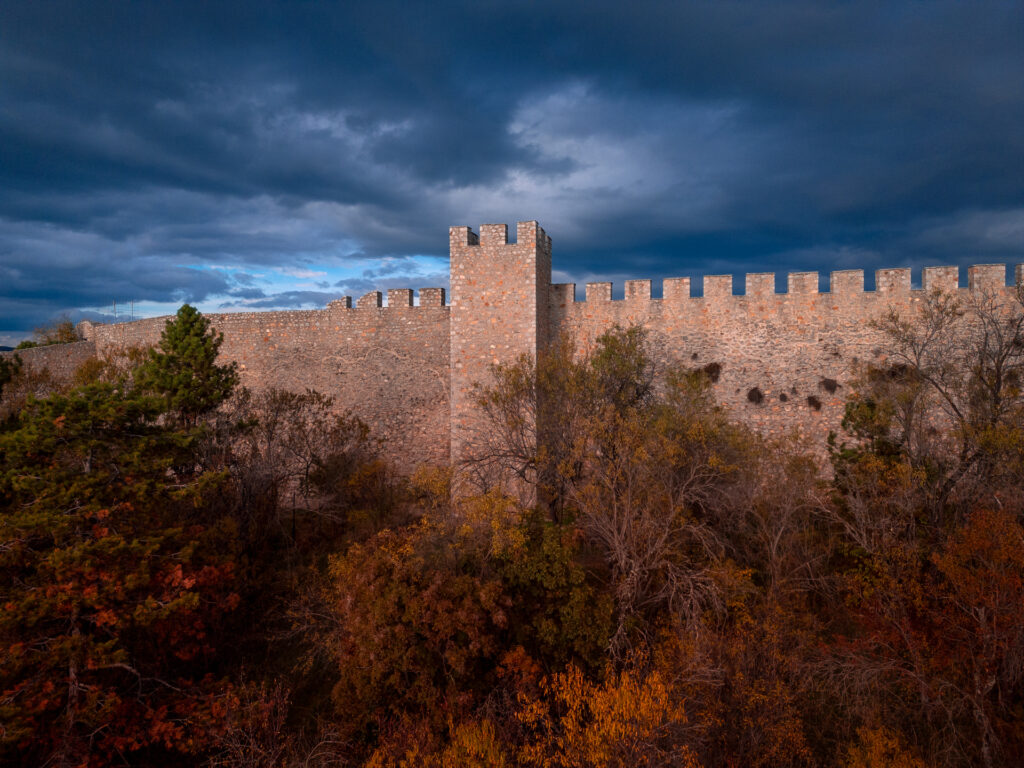
This ultimate guide gives you everything you need to plan a trip: practical info, transport tips, the best time to go, and 21 hand-picked places with what to see, how long to stay, why they matter, and exact, on-the-ground tips so your visit is smooth and memorable.
Quick essentials (what to know before you go)
- Language: Macedonian (Cyrillic). English widely spoken in tourist areas.
- Currency: Macedonian Denar (MKD). Cash is widely used outside major towns.
- When to go: Late spring (May–June) and early autumn (Sept–Oct) for pleasant weather and light; summer for lakes; winter for skiing.
- Transport: Rent a car for maximum freedom — national roads are good; mountain roads can be narrow. Buses connect main towns.
- Safety: Very safe for travellers; usual common-sense precautions apply.
- Plug / voltage: 230V, European two-pin plugs.
- Visa: Check your nationality; many Western countries have visa-free travel.
The 21 Must-Visit Places
1. Skopje — the vibrant capital
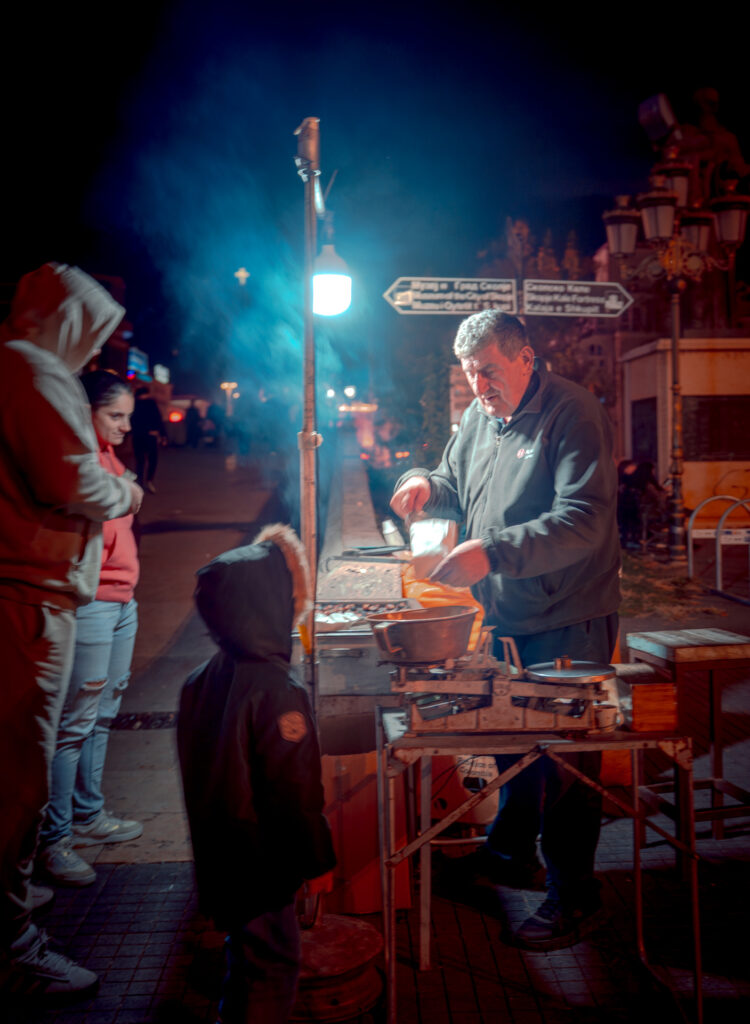
What: A city of contrasts: Ottoman Old Bazaar, the colossal monuments of Macedonia Square, the Stone Bridge, and the riverside promenade.
Why go: A cultural primer — it shows the country’s recent history, religious variety, and lively café culture.
How long: 1–2 days.
How to get there: International flights or bus from regional hubs.
Best time & tips: Golden hour on the Stone Bridge and HDR-friendly architecture in the evening when monuments are lit. Walk the Old Bazaar for street photography and local craft shops.
Don’t-miss: Old Bazaar, Kale Fortress (city views), and Matka Canyon close by for nature.
2. Lake Ohrid & Ohrid Old Town (UNESCO)
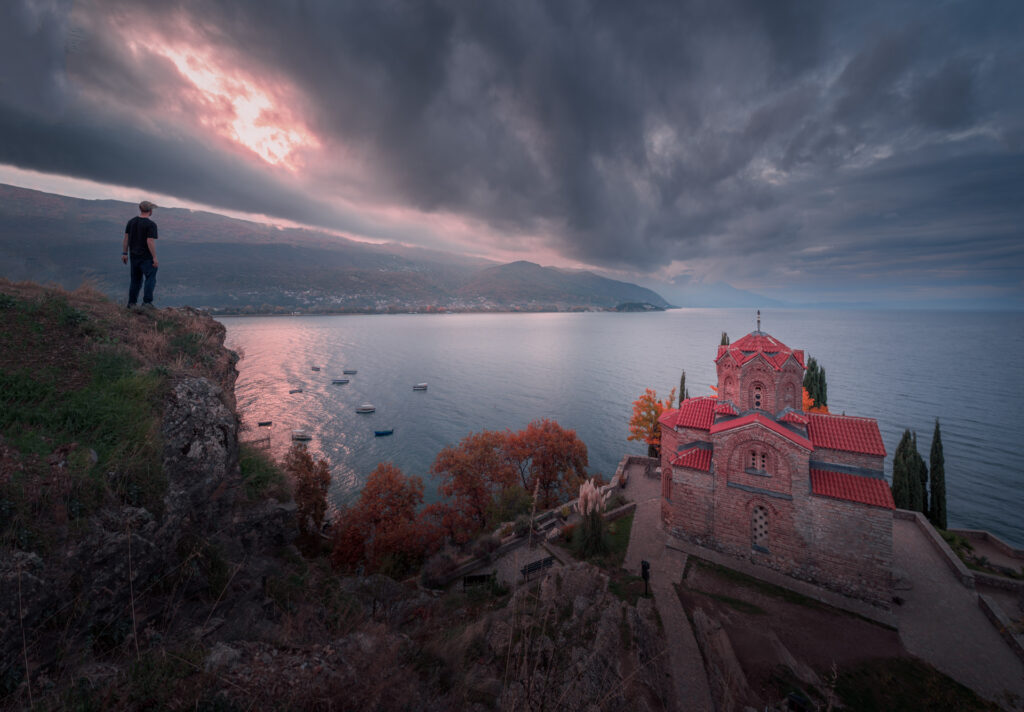
What: One of Europe’s oldest lakes and a perfectly preserved medieval town perched on its shore.
Why go: Beaches, Byzantine churches, ancient architecture, and crystal-clear water — an unbeatable cultural+lake combo.
How long: 2–3 days.
How to get there: Bus or drive from Skopje (approx. 3 hrs).
Best time & tips: Sunrise from the eastern shore for calm water reflections; sunset from the Ohrid fortress. Rent a boat to access St Naum and secluded coves.
Don’t-miss: Church of St. John at Kaneo, Ohrid Old Town alleys, and the amphitheatre.
3. St. Naum Monastery & springs
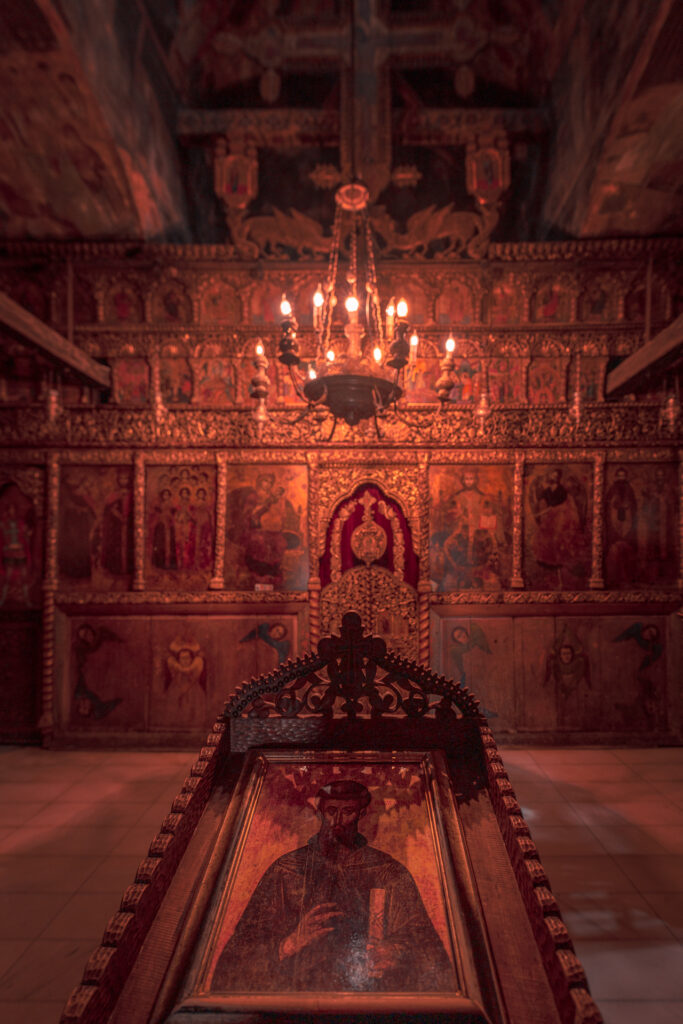
What: A 9th-century monastery by dramatic lakeshore cliffs and natural springs.
Why go: Spiritual atmosphere, boat trips from Ohrid, and excellent sunrise shots.
How long: Half day.
How to get there: Boat or drive 30–40 minutes from Ohrid.
Best time & tips: Early morning light and calm water; watch for kingfishers and waterfowl.
4. Galicica National Park
What: Ridge between Lake Ohrid and Lake Prespa with panoramas of both lakes from the same viewpoint.
Why go: Short hikes, alpine meadows, and one of the most dramatic place-to-place views in the Balkans.
How long: 1 day trip from Ohrid or include in multi-day plans.
Best time & tips: Autumn for color and crisp air; Magaro summit for twin-lake panoramas; bring layers.
Don’t-miss: Magaro Peak sunrise.
5. Lake Prespa & Wetlands
What: The quieter, higher-altitude neighbor of Ohrid: reedbeds, islands, and traditional lakeside life.
Why go: Birdwatching (Dalmatian pelicans), calm reflections, and wild landscapes.
How long: 1 day (overnight recommended for sunrise).
How to get there: Drive from Ohrid (about 1.5 hr).
Best time & tips: Spring migration and early morning are best; arrange a local boat to Golem Grad (Snake Island).
6. Mavrovo National Park & Lake Mavrovo
What: The country’s largest national park: forests, alpine pasture, and the half-submerged church of St. Nicholas.
Why go: Variety — hiking, winter sports, and spectacular lake vistas. The sunken church is an iconic photograph.
How long: 1–2 days.
How to get there: Drive from Skopje or Ohrid (2–3 hours).
Best time & tips: Autumn for color; arrive at sunrise for reflections on the lake; combine with nearby Galichnik village.
7. Pelister National Park & Pelister Eyes
What: Baba massif with ancient Molika (Balkan pine) forests and two glacial tarns: the Pelister Eyes.
Why go: Unique flora, panoramic viewpoints and old-growth pine forests you won’t find elsewhere in the Balkans.
How long: 1 day.
How to get there: Based in Bitola (short drive).
Best time & tips: Spring wildflowers; autumn for warm light and needles; try both lake reflections and forest details.
8. Šar Mountains National Park (Šar Planina)
What: Rugged high-mountain range along the northwest border — glacial lakes, high pastures and remote villages.
Why go: Raw alpine scenery, starry skies, and authentic shepherding culture. Great for adventurous hikers.
How long: 2–3 days for hikes; one night possible for sunrise/sunset runs.
How to get there: Popova Šapka region via Tetovo.
Best time & tips: Summer for wildflowers; winter for ski shots and snowy ridgelines; respect conservation rules.
9. Bitola & Heraclea Lyncestis
What: Bitola is a historic town with Ottoman architecture; nearby is the ancient Macedonian city of Heraclea.
Why go: Walkable streets, café life, and a major archaeological site with well-preserved mosaics.
How long: Half day to a day.
How to get there: Drive or bus from Ohrid/Skopje.
Best time & tips: Golden hour over the Shirok Sokak promenade; pair with Pelister.
10. Kruševo & Makedonium
What: High-altitude town with independence memorials and Makedonium monument.
Why go: Panoramic views, historical museums, and the highest town in the Balkans with interesting vernacular architecture.
How long: Half day.
How to get there: Drive from Bitola (approx. 1 hr).
Best time & tips: Sunrise over the valley; sample local cuisine (cheese and traditional pies).
11. Tetovo & Šarena Džamija (Painted Mosque)
What: A cultural crossroads near the Šar massif — home to the stunning colourful Painted Mosque (Šarena Džamija).
Why go: Fine Ottoman architecture and an energetic market scene. Great for cultural portraiture.
How long: Half day.
How to get there: Short drive from Skopje.
Best time & tips: Visit early to avoid crowds and capture detail shots of tilework.
12. Prilep & Marko’s Towers (Markovi Kuli)
What: Prilep is a tobacco and marble town surrounded by limestone peaks; nearby are medieval fortifications and monuments.
Why go: Rugged karst landscapes, fortress ruins, and dramatic panoramas.
How long: Half day.
How to get there: Drive from Bitola or Skopje.
Best time & tips: Late afternoon light sculpts the towers beautifully.
13. Stobi Archaeological Park
What: The largest ancient archaeological site in North Macedonia — Roman mosaics, early-Christian basilicas, and urban ruins.
Why go: A window into Macedonia’s Roman / early-Christian past with photogenic mosaics and columns.
How long: Half day.
How to get there: Close to Gradsko on the main highway between Skopje and Gevgelija.
Best time & tips: Mid-morning to avoid harsh midday sun on mosaics; bring a polarizer for reflective surfaces.
14. Kokino Megalithic Observatory
What: A Bronze-Age megalithic site with stone alignments that have been interpreted as an ancient observatory.
Why go: One of the most intriguing prehistoric sites in the Balkans with dramatic viewpoints over the countryside.
How long: 1–2 hours.
How to get there: North-east of Kumanovo; a short hike to the stone plateau.
Best time & tips: Sunrise for mystical rim-light on stones.
15. Matka Canyon
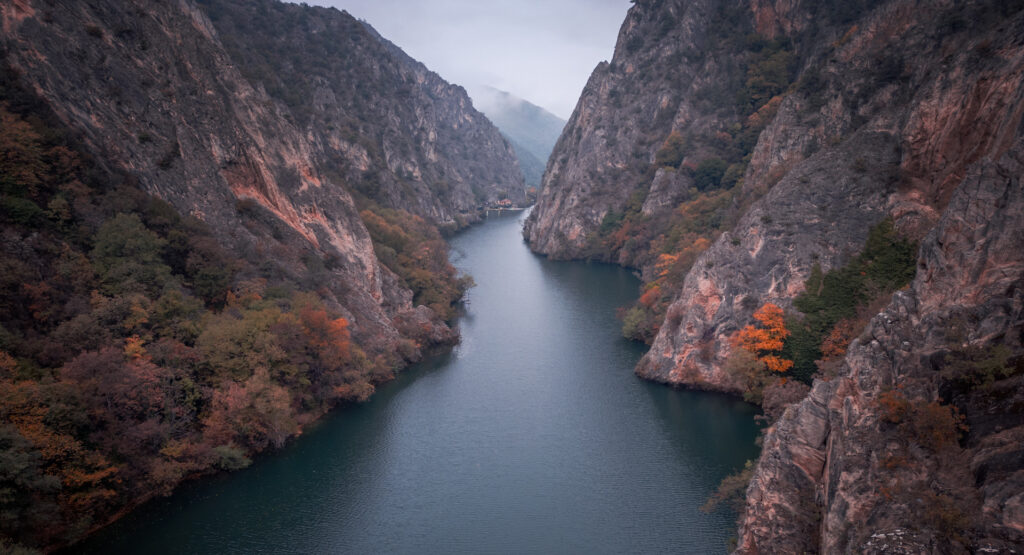
What: A deep canyon carved by the Treska River just west of Skopje with caves, medieval monasteries and emerald water.
Why go: Boat trips into caves, cliff-top viewpoints and easy access from Skopje — a favourite for photographers.
How long: Half day.
How to get there: 30–45 minutes drive from Skopje.
Best time & tips: Early morning for mist over the water; rent a kayak or take a boat to the caves.
16. Galičnik & the Galičnik Wedding Tradition
What: A mountain village famous for its annual traditional wedding festival and preserved stone houses.
Why go: Tradition-rich cultural photography and alpine village architecture. If you time it for the wedding festival (usually July), you’ll see folk costumes and rituals.
How long: Half day to a day.
How to get there: In the Mavrovo region; best with a car.
Best time & tips: Visit during the festival for cultural immersion; otherwise enjoy architecture and mountain walks.
17. Vevčani Springs & Carnival
What: A picturesque cluster of springs and a colorful carnival (Vevčani Carnival) with ancient pagan roots.
Why go: Autumn/winter carnival is unique; springs are photogenic year-round.
How long: Half day.
How to get there: Near Ohrid; drive from Struga or Ohrid.
Best time & tips: If you’re interested in traditional festivals, check the carnival date (usually New Year according to the old calendar).
18. Tikveš Wine Region
What: Macedonia’s largest wine region — rolling vineyards, tasting rooms and cellar tours.
Why go: Wine tourism, sunset vineyard panoramas and local gastronomy.
How long: Half day to a day.
How to get there: Near Kavadarci, accessible from Skopje or Bitola.
Best time & tips: Harvest time (Sept–Oct) is atmospheric; book tastings ahead.
19. Demir Kapija Gorge & Vardar Valley
What: A dramatic river gorge cutting through limestone with vineyards and raptor migration corridors.
Why go: Classic landscapes, rock-climbing, and spectacular eagle-watching in migration season.
How long: Half day.
How to get there: South of Vardar corridor, accessible by road.
Best time & tips: Autumn raptor migration for birders / photographers.
20. St. John Bigorski Monastery (near Debar)
What: A beautifully carved Orthodox monastery in a peaceful wooded valley.
Why go: Exceptional woodcarving, serene setting and cultural depth.
How long: Half day.
How to get there: West of Mavrovo; drive via Debar.
Best time & tips: Quiet mornings for interior detail shots; be respectful of worship.
21. Ohrid Bay of Bones & Pile-dwelling Museum
What: A reconstructed prehistoric pile-dwelling village on Lake Ohrid, with an evocative museum.
Why go: Combines archaeology with lakeshore vistas — great for family-friendly visits and unique photo angles.
How long: 1–2 hours.
How to get there: On the Ohrid lakeshore between the city and Struga.
Best time & tips: Late afternoon for warm light on wooden structures.
Sample itineraries
- Long weekend (4 days): Skopje → Matka Canyon (half day) → Ohrid (2 days: Old Town & St. Naum) → Galicica overlook → return.
- One-week highlights: Skopje → Šar Mountains → Mavrovo → Bitola & Pelister → Ohrid → Prespa → return to Skopje.
- Photography focus (10 days): Mavrovo (2) → Šar Mountains (2) → Pelister (2) → Ohrid & St. Naum (2) → Prespa (2).
Practical travel tips & logistics
- Car hire: Highly recommended — gives access to mountain passes and small villages. Diesel is widely available.
- Accommodation: Guesthouses (family-run) are warm and affordable; hotels in Ohrid and Skopje offer more comfort. Book summer and festival dates early.
- Food: Hearty Balkan cuisine — grilled meats, stews, shopska salad, dairy and local rakija. Try local trout by lakes.
- Photography tips: Sunrise and sunset are golden — plan key viewpoints for those times. Bring layers and waterproofs; mountain weather is changeable.
- Respect: Ask permission before photographing people in rural areas, and follow signs in protected areas.
Why North Macedonia?
It packs diverse landscapes and cultures into a small area: two UNESCO lakes, ancient archaeological sites, dramatic canyons, and living traditions — all cheaper and quieter than better-known European destinations. You can be watching pelicans at sunrise on Lake Prespa and shooting Ottoman streets in Skopje that afternoon. That accessibility, combined with stunning light and authentic people, makes it a photographer’s and traveler’s delight.