
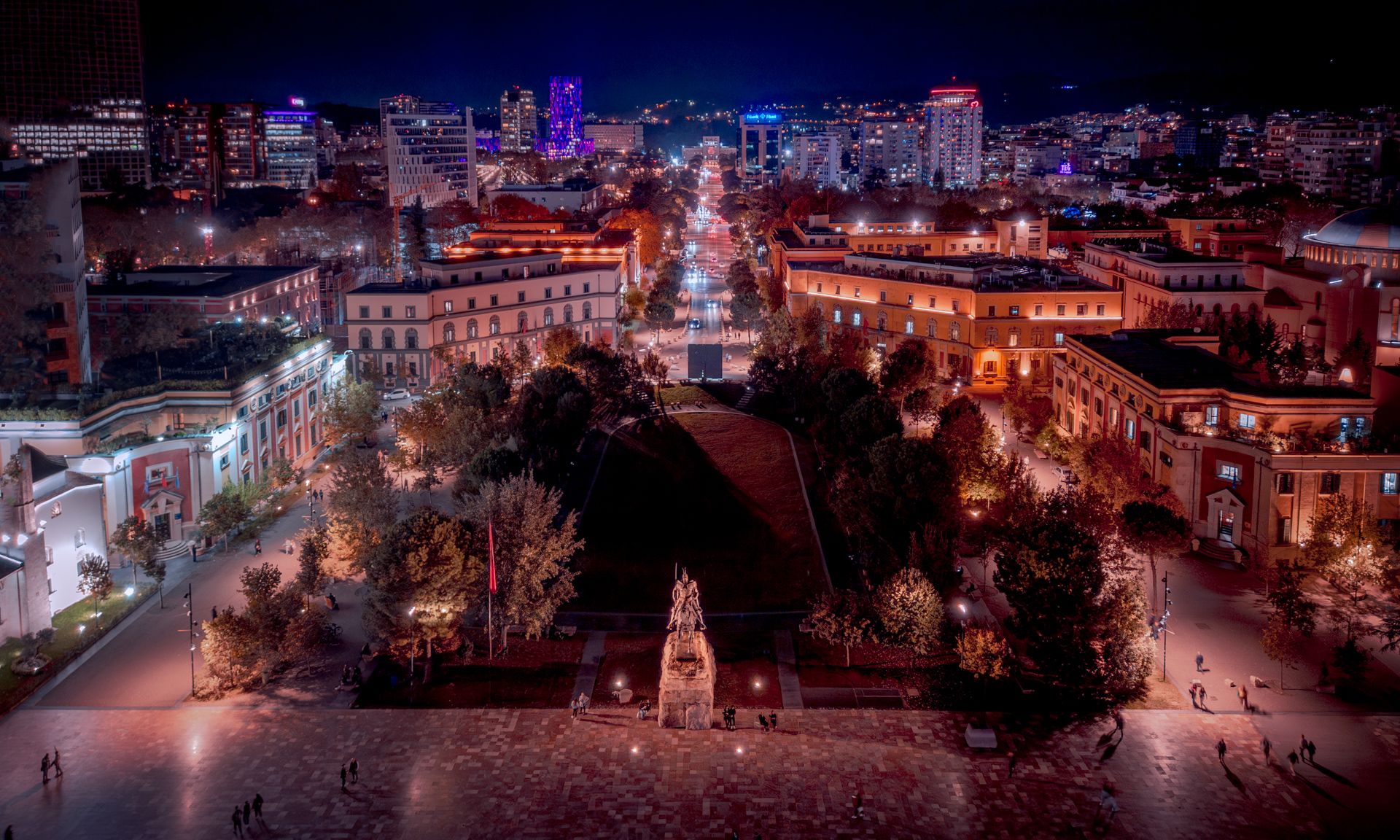
Tirana, the capital of Albania, is a city full of contrasts — a mix of Ottoman heritage, communist-era history, and modern creativity. Once a gray and closed-off city, today Tirana bursts with color, life, and a youthful energy that makes it one of the most exciting destinations in the Balkans. Whether you’re drawn to street art and photography, traditional Albanian food, or mountain landscapes just outside the city, Tirana has something for everyone. In this ultimate guide, I’ll walk you through everything you need to know for your trip, including practical travel tips, what to see and do, where to eat and stay, and, of course, the best places to capture unforgettable photos.
What to Know Before You Go
- Language: Albanian (Shqip), though English is widely spoken in cafes, hotels, and among younger people.
- Currency: Albanian Lek (ALL). Always carry cash, as smaller shops and taxis rarely accept cards.
- Power plugs: Type C and F (like most of Europe).
- Safety: Very safe city, including for solo travelers.
- Vibe: A colorful, buzzing, and very affordable city that mixes Mediterranean charm with Balkan culture.
When to Visit Tirana
The best time to visit Tirana depends on your travel style. Spring (April–June) brings warm weather and blooming parks, making it perfect for outdoor photography. Summer (July–August) can be hot, with temperatures over 30°C, but this is also when the city comes alive with nightlife, street cafes, and festivals. Autumn (September–October) is arguably the best season for photographers, with mild temperatures, fewer tourists, and golden leaves in the city parks. Winter (November–March) is quieter, cooler, and a great time if you want to combine Tirana with skiing in the nearby Dajti Mountains.
How to Get There
Tirana International Airport (Nënë Tereza) is just 17 km from the city center, making arrivals straightforward. From the airport, you can take a shuttle bus, taxi, or private transfer. If you’re traveling within the Balkans, Tirana is well connected by bus to Berat, Shkodër, Durrës, Ohrid (North Macedonia), and Pristina (Kosovo). Renting a car is a fantastic option if you plan to explore Albania beyond Tirana — the roads have improved significantly in recent years.
What to Do in Tirana
Skanderbeg Square
Skanderbeg Square is the beating heart of Tirana and the city’s main gathering point. Named after Albania’s national hero, Gjergj Kastrioti Skanderbeg, the vast square is framed by some of the city’s most important buildings, including the National History Museum, the Opera House, and the Et’hem Bej Mosque. It’s the perfect place to start your exploration of Tirana because it sets the tone of the city: a mix of old and new, tradition and transformation. The square is especially photogenic at night when the fountains light up and locals gather to stroll. For photographers, wide-angle shots work best here, especially if you want to capture the iconic mosaic façade “The Albanians” on the National History Museum.
Et’hem Bej Mosque
The Et’hem Bej Mosque, located right on Skanderbeg Square, is one of Tirana’s oldest and most beautiful landmarks. Built in the 18th century, it’s famous for its delicate frescoes, which depict trees, waterfalls, and bridges — unusual motifs for Islamic art. The mosque is small but richly decorated, making it a favorite for both history lovers and photographers who enjoy capturing intricate details. Visit early in the morning for quiet moments and soft light streaming through the windows. Even if you’re not particularly religious or interested in architecture, stepping inside feels like entering a time capsule from Ottoman Albania.
Tirana National History Museum
Tirana’s National History Museum is not only the largest museum in Albania but also one of the best ways to understand the country’s complex past. From ancient Illyrian artifacts to exhibits on Ottoman rule, communist-era struggles, and Albania’s path to democracy, the museum gives you a complete picture of Albanian identity. Outside, the mosaic “The Albanians” dominates the façade — one of the most photographed landmarks in Tirana. Inside, you’ll find exhibits ranging from medieval armor to folk costumes, making it a great spot for educational travel photography. Allow at least 1–2 hours to explore, especially if you want to capture both the exterior and interior highlights.
Bunk’Art 1 & 2
No trip to Tirana is complete without visiting at least one of the Bunk’Art museums. Albania was once dotted with hundreds of thousands of bunkers built during Enver Hoxha’s dictatorship, and these museums turn that dark history into something both educational and artistic. Bunk’Art 1 is a massive underground bunker on the outskirts of the city, filled with immersive exhibitions about Albania’s Cold War years. Bunk’Art 2, located near Skanderbeg Square, focuses on the political police and the repression of everyday life under communism. For photographers, both sites provide atmospheric shots: dimly lit tunnels, stark concrete walls, and haunting installations.
Blloku Neighborhood
Once an exclusive district reserved for the communist elite, Blloku is now the trendiest part of Tirana. Today, this lively neighborhood is filled with hip cafes, cocktail bars, boutique shops, and street art. For many visitors, Blloku is the heart of modern Tirana — vibrant, stylish, and buzzing late into the night. As a photographer, Blloku offers endless opportunities, from colorful murals to café culture shots. Come in the daytime to capture the bright urban vibe, then return in the evening when the neighborhood transforms into Tirana’s nightlife hub.
Mount Dajti and the Cable Car
Just outside Tirana lies Mount Dajti National Park, easily accessible by the Dajti Ekspres cable car. The 15-minute ride up the mountain is one of the most scenic experiences in Tirana, offering sweeping views over the city and surrounding landscapes. At the top, you’ll find restaurants, hiking trails, and even a rotating panoramic bar. For photographers, sunrise and sunset from Mount Dajti are spectacular — you’ll capture the city bathed in golden light with the mountains in the background. If you’re visiting in winter, the mountain is often covered in snow, giving you completely different shooting conditions compared to the city below.
But for me the view of the city is too far away and the direction makes it only good for sunset so I passed on this. But if you have time for it, to not miss Bunk art 1 which is right next to the cable car station.
Grand Park of Tirana (Parku i Madh)
The Grand Park of Tirana is a local favorite for jogging, strolling, and relaxing. The park includes an artificial lake, shaded walking paths, and the Presidential Palace. It’s especially beautiful in autumn, when the trees turn golden and reflect on the water. This is one of the best places in Tirana to unwind after sightseeing, and it’s perfect for candid photography of locals enjoying daily life. If you’re traveling with kids, the park has playgrounds, while couples will enjoy the lakeside cafés. For golden-hour photography, aim to be here in late afternoon when the soft light illuminates the trees.
New Bazaar (Pazari i Ri)
The New Bazaar is one of Tirana’s most colorful and vibrant areas, recently renovated but still full of authentic energy. Here you’ll find fresh produce, spices, cheeses, and handicrafts, as well as cafés and restaurants. It’s the best place to photograph daily life — locals bargaining, vendors arranging colorful displays, and the general bustle of the market. For foodies, it’s also a must-visit spot to sample traditional Albanian snacks and drinks. Early morning is best for photography, when the market is at its busiest and the light is softer.
Street Art in Tirana
One of the most surprising aspects of Tirana is its street art. After the fall of communism, the city transformed its once-drab buildings into canvases of color. Entire apartment blocks are painted in bold patterns, while murals by local and international artists cover walls across the city. Wandering with your camera in hand, you’ll find striking backdrops perfect for urban photography. The best areas to explore include Blloku and the streets near the New Bazaar. Street art is constantly changing, so each visit to Tirana reveals something new.
Best Tours
- Walking tour of Tirana’s highlights
- Food tour of Blloku & New Bazaar
- Day trip to Krujë Castle & Bazaar
- Cable car and hiking in Mount Dajti National Park
- Communist history and bunker tour
What to Eat and Drink
Albanian food is hearty and Mediterranean-inspired.
- Tavë kosi: Baked lamb with yogurt.
- Fërgesë: Peppers, tomatoes, and cheese baked in clay pots.
- Byrek: Savory pastry filled with cheese, spinach, or meat.
- Baklava: Sweet pastry with nuts and syrup.
- Raki: Traditional strong spirit, often homemade.
- Local wine: Albania has excellent underrated wines.
Where to Eat
- Era Restaurant: Traditional Albanian dishes.
- Mullixhiu: Farm-to-table with a modern twist.
- Padam: Upscale dining in a villa.
- Oda: Cozy traditional setting.
Where to Drink
- Komiteti Kafe-Muzeum: Vintage café with raki tasting.
- Radio Bar: Retro vibe with creative cocktails.
- New Bazaar cafes: Lively and local.
Where to Stay
- Budget: Trip’n Hostel (fun, social vibe).
- Mid-range: The Rooms Hotel (Blloku area).
- Luxury: Plaza Tirana (modern and central).
How to Get Around
- Walking: Best for central Tirana.
- Public Transport: Buses are cheap but routes can be confusing.
- Taxi: Affordable, but agree on the price beforehand.
- Car Rental: Not needed for Tirana itself, but great for day trips.
- Bike: Increasingly popular, but traffic can be chaotic.
What to Buy
- Handmade rugs and textiles
- Olive oil and wine
- Traditional ceramics
- Painted icons
- Raki (for a true Albanian souvenir!)
Best Photo Spots
- Skanderbeg Square at night – the mosaic and fountains lit up.
- Et’hem Bej Mosque interiors – ornate frescoes.
- Blloku street art – colorful urban backdrops.
- New Bazaar – perfect for food and daily life shots.
- Mount Dajti viewpoint – sweeping panoramas of Tirana and beyond.
Types of Trips
- Girls’ Weekend: Cafes, shopping, nightlife in Blloku.
- Couple’s Getaway: Romantic sunsets at Mount Dajti, fine dining.
- Family Trip: Parks, cable car rides, and museums.
How Much Does It Cost?
- Getting there: Flights to Tirana vary but can be affordable from Europe.
- Sleeping: Hostels from €10, mid-range hotels €40–60, luxury €100+.
- Activities: Most attractions under €5; cable car ~€6 return.
- Getting around: Taxi rides €2–5 within city.
- Eating and drinking: Meals €5–15, coffee €1, local wine bottle €10–15.
What a Trip Here Will Give You
- A taste of Balkan culture with Mediterranean warmth.
- Unique history, from Ottoman mosques to communist bunkers.
- Amazing photography opportunities — from street life to mountain landscapes.
- A lively, welcoming city that feels both European and distinctly Albanian.
Should You Go?
Absolutely. Tirana is one of Europe’s most surprising capitals — colorful, affordable, friendly, and full of stories. Whether you’re into history, food, nightlife, or photography, Tirana will exceed expectations.