
Sweden’s protected nature is vast and diverse — from Arctic birch- and pine-forests to southern deciduous woodlands and coastal forests. Below is a detailed guide to many of the country’s best forest and woodland destinations, sorted roughly by region (North, Central, South). For each area you get a quick overview, what’s special, and links/maps or official info to help you plan.
🌲 Why Explore Sweden’s Forests & Natural Areas
- Sweden has 30+ national parks and over 5,000 nature reserves covering a wide variety of forest types, wetlands, mountains, coastal woodland and wild nature. (Naturvårdsverket)
- Forests range from ancient “urskog” (old-growth) in the south and central Sweden to vast boreal and taiga forests in the north — offering enormous variety in landscapes, flora, fauna, seasons, and moods.
- Many areas remain wild and remote — ideal for hiking, backpacking, wildlife, solitude, and photography; while others are accessible and suitable for short trips or family visits.
🧭 Great Forest & Nature Destinations by Region
Northern Sweden & Lapland — Wilderness, Taiga & Mountain Forests
Pieljekaise National Park (Lappland)
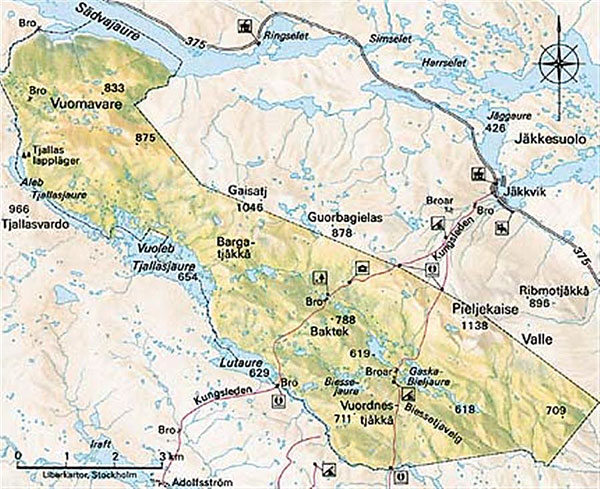
- Covers ~153 km² of birch and conifer forest. (Wikipedia)
- Traversed by the famous hiking trail Kungsleden — so it’s ideal for longer treks or connecting to larger fjäll-wilderness areas. (Wikipedia)
- Wild, remote, quiet — great for solitude, northern-wildlife, and experiencing northern Sweden’s forest-fjäll transitions.
Muddus National Park (Lappland / UNESCO Laponia area)
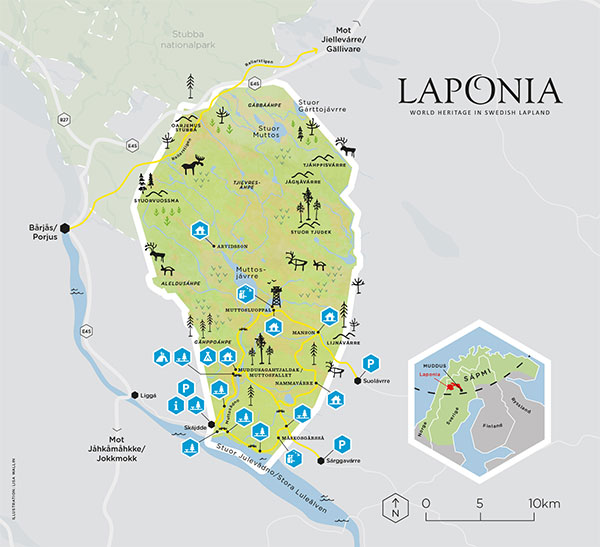
- Ancient old-growth forest, large bogs, deep ravines — part of the UNESCO-listed Laponia area. (Wikipedia)
- Historically and ecologically rich: holds Sweden’s oldest known pine that survived a 15th-century wildfire. (Wikipedia)
- Ideal for multi-day wilderness hikes, nature photography, solitude and exploring boreal forest + wetland combinations.
Björnlandet National Park (Västerbotten, Northern Sweden)

- Small but dramatic — steep ravines, cliffs and primeval boreal forest. Remote wilderness feel. (Wikipedia)
- Excellent for experienced hikers seeking solitude and rugged forest terrain far from crowds.
Abisko National Park & nearby woodland-forest zones (Beyond just mountains)
Although often visited for fjäll, valleys and forest zones near Abisko offer scenic forest + mountain transitions. Plenty of forested lower slopes and river valleys for mixed landscape exploration. (Listed among Sweden’s national parks) (Visit Sweden)
Central Sweden — Mixed Forests, Wilderness & Easily Accessible Nature
Tiveden National Park (Between Vänern & Vättern)
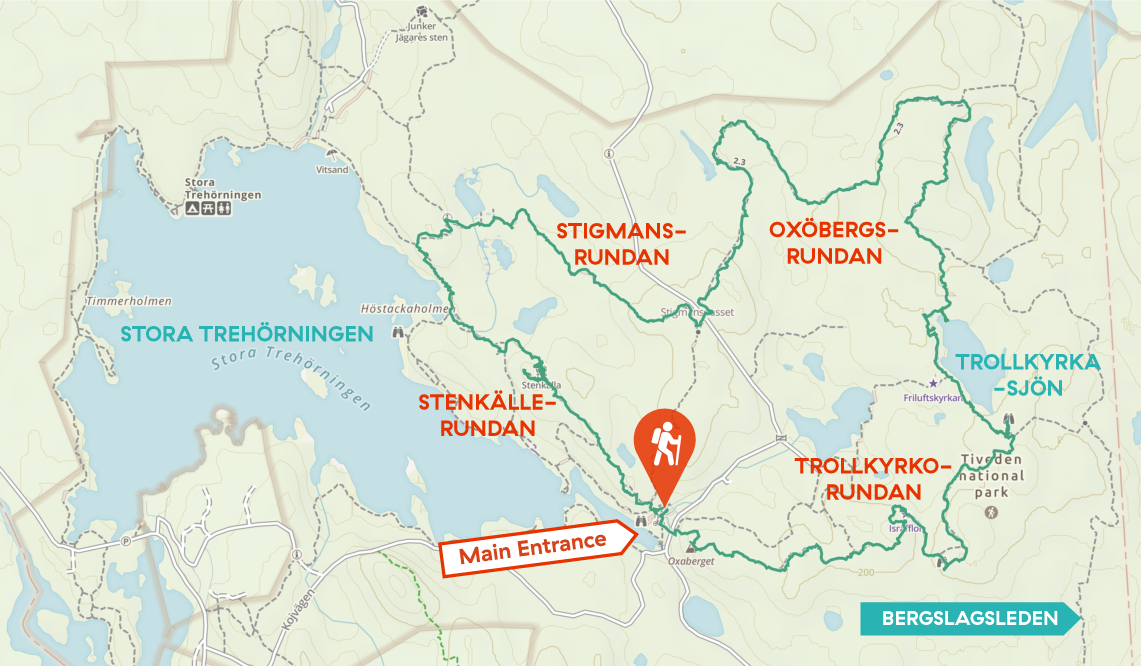
- Wild forest over rugged terrain, with boulders, ancient pine and spruce — dramatic forest-rock-water combinations. (Wikipedia)
- Great for adventurous hikes, rock-forest photography, and forest camping or cabin stays nearby.
Fulufjället National Park (Dalarna / near border with Norway)
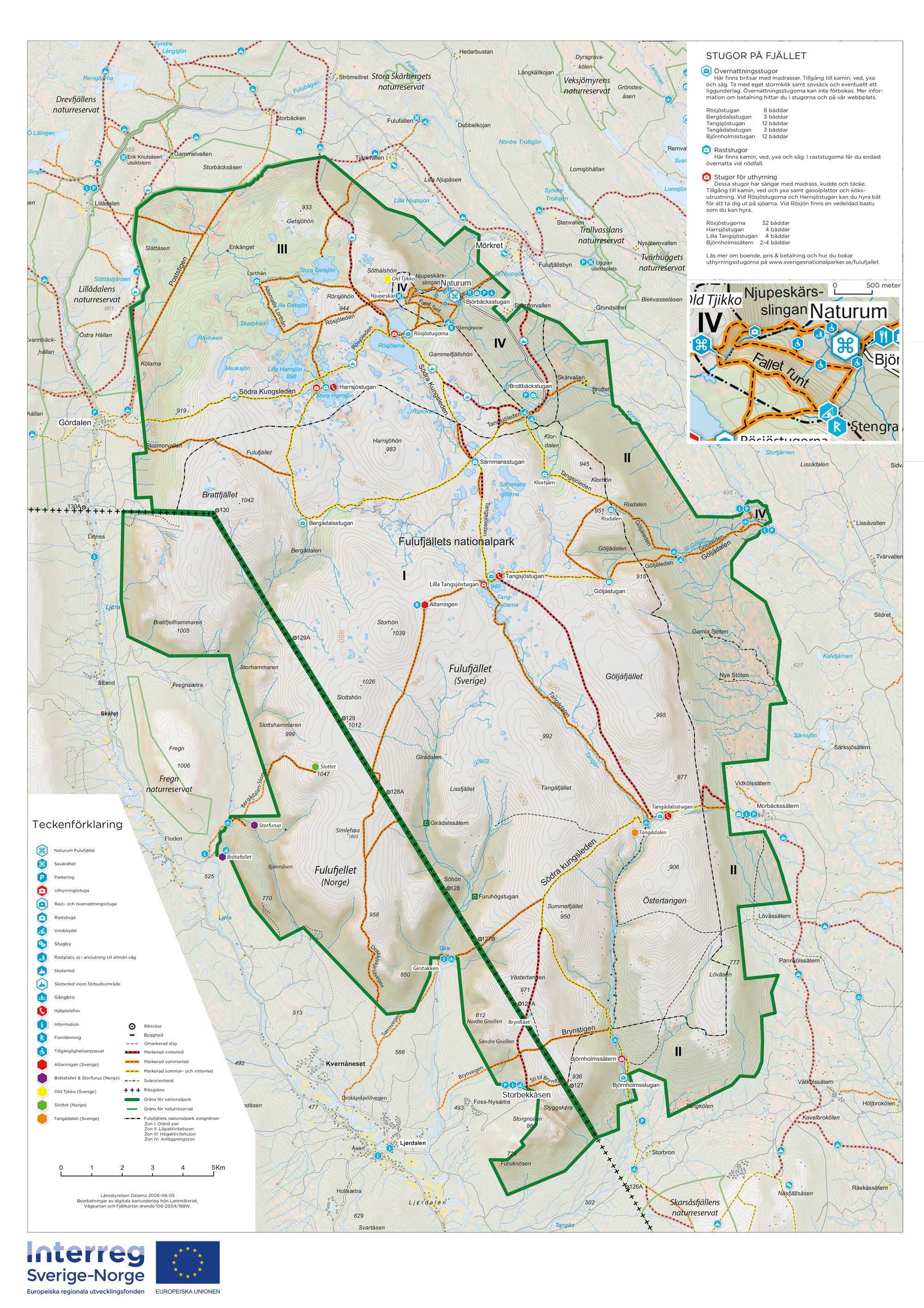

- Fjäll + forest: home to Sweden’s highest waterfall, the legendary waterfall Njupeskär, and to an ancient spruce tree said to be among the oldest living trees in the world (via root cloning), known as Old Tjikko. (Visit Sweden)
- Landscapes vary from dense forest valleys to open mountain moorland — a great mix for photographers and hikers wanting both forest and mountain terrain.
Tresticklan National Park (Dalsland / western Sweden)
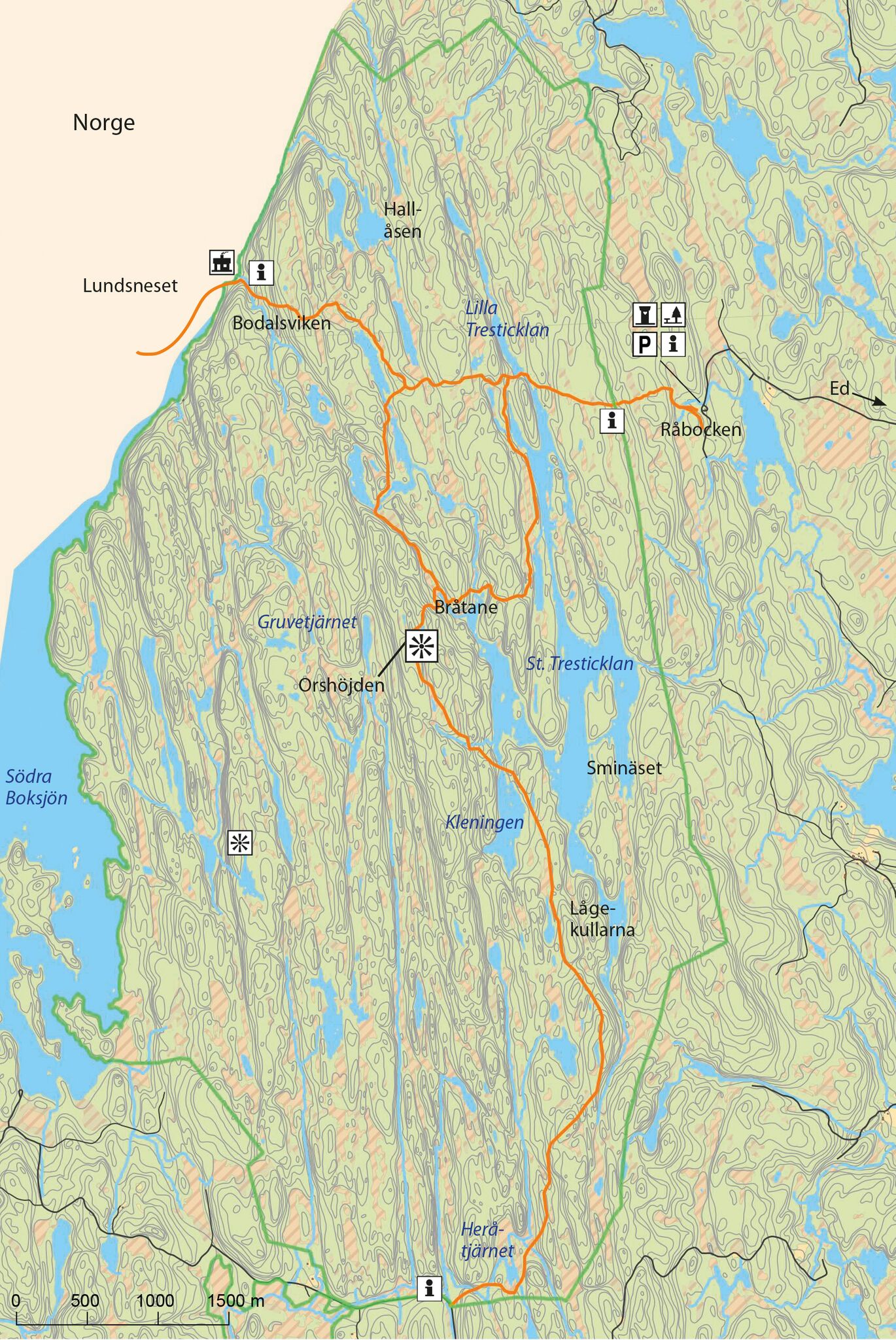

- One of the few remaining old-growth forest areas in southern Scandinavia, with pine ridges beside lakes, ideal for canoeing, hiking and forest immersion. (Wikipedia)
- Great for a quieter, less-touristed forest experience compared to more famous national parks.
Skuleskogen National Park & the High Coast woodlands (Västernorrland)
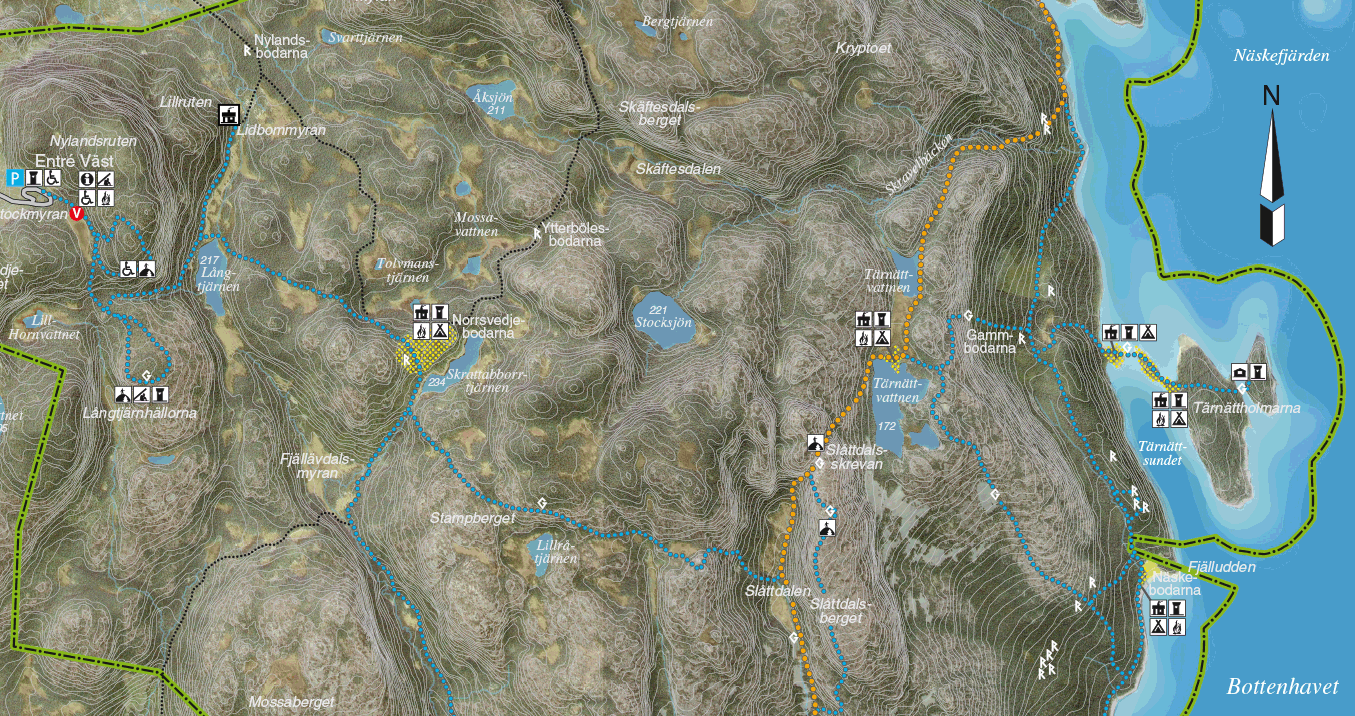
- Coastal forest meeting sea — with rocky hills rising straight from the Baltic Sea, deep coastal woodland, caves, crevices and unique geology. (Wikipedia)
- Combines forest hiking, sea views and dramatic terrain — excellent for adventurous walkers or landscape photographers.
Mixed Forest & Wetland Combo — Store Mosse National Park (Småland / Southern-Central Sweden)
- Combines marsh, bogland, wetlands and surrounding pine/deciduous forest. Great for birdwatching, quiet walks and wetland-forest contrast photography. (Visit Sweden)
- Boardwalk trails make it accessible and family-friendly, while still offering serious nature immersion.
Southern Sweden & Götaland — Deciduous Forests, accessible woods & varied landscapes
Söderåsen National Park (Skåne region)
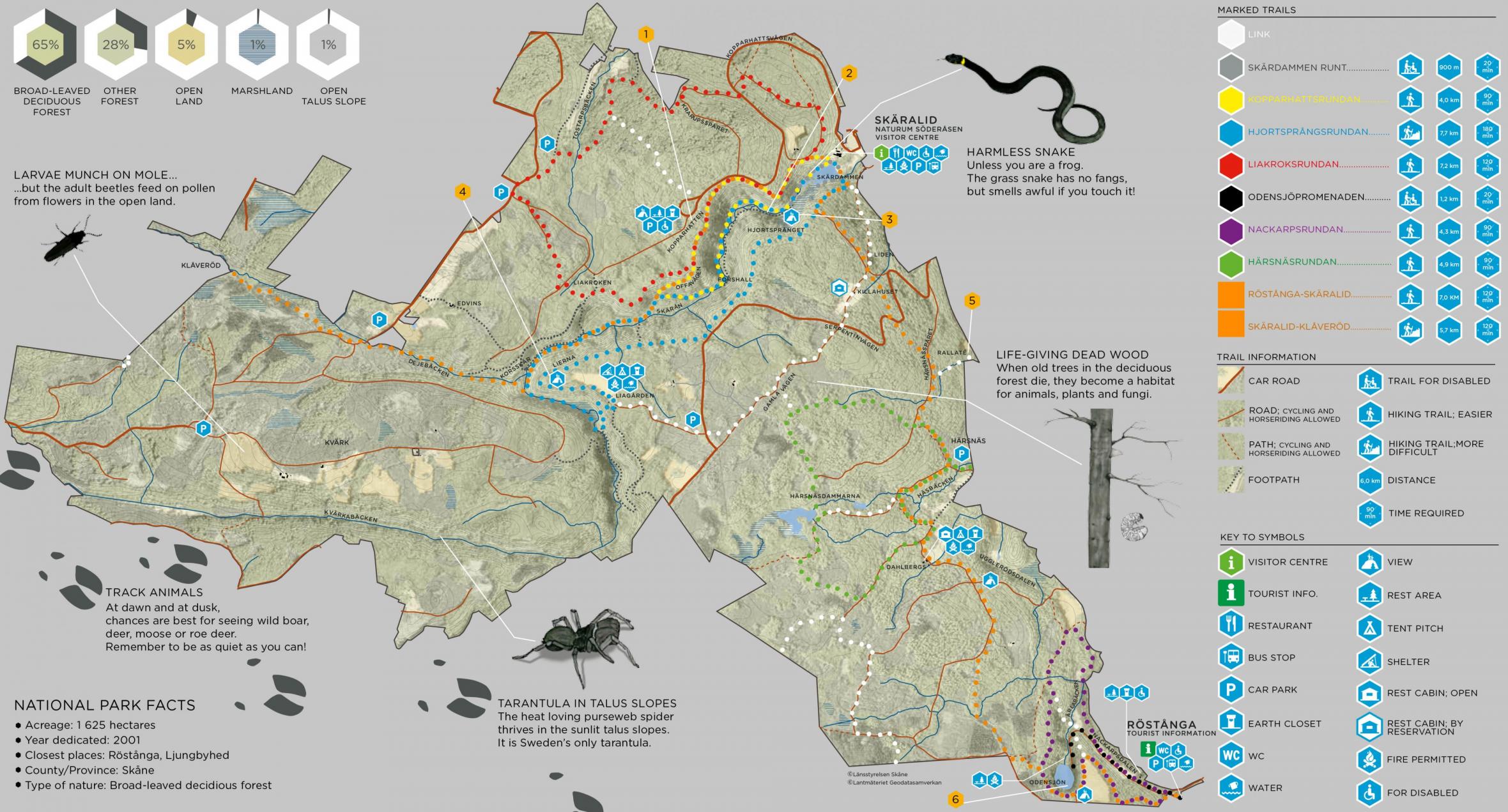
- One of northern Europe’s largest beech- and deciduous forest areas, with steep valleys carved by rivers, old forests, and rich flora and fauna. (lonelyplanet.com)
- Easy access from southern Sweden, ideal for day trips or short forest weekends.
Dalby Söderskog National Park (Skåne / near Lund)

- Smallest national park in Sweden but a beautiful deciduous woodland — perfect for a quick nature escape, spring wildflowers or mellow autumn walks. (Visit Sweden)
- Great as a relaxed forest visit if you are traveling in southern Sweden and want something accessible.
Toresticklan National Park is already listed; another southern option: Garphyttan National Park, which preserves traditional meadows and forest patches — interesting for biodiversity and historical landscape. (International Parks)
✅ Planning & Practical Advice (Improved)
- Maps & Info: Use the official national-parks portal “Choose Park” to get maps, visitor info and regulations. (Sveriges Nationalparker)
- Access: Many parks (especially southern or central) are reachable by public transport + short drives. Northern parks or remote areas often require a car.
- Respect Nature: Even inside protected areas, follow rules: no littering, stay on marked trails, use designated campsites, respect wildlife.
- Seasons: Spring and autumn for colours and photos; summer for long daylight; winter for snow landscapes — but always check weather and accessibility.
- Use Resources: The app/website Naturkartan is very helpful for finding trails, huts, entrances, and maps across Sweden.
🔎 Bonus: Nationwide Nature Protection & How to Explore More
- Sweden has hundreds of nature reserves beyond the national parks — over 5,000 in total, many with beautiful woodland and forested landscapes. (Naturvårdsverket)
- Check local county administrative boards (Länsstyrelsen) for regional nature reserves — many are lesser-known gems with forest walks, wetlands or coastal woodland.
- Stay flexible — sometimes smaller reserves offer a more intimate nature experience than busy national parks.
📅 Sample Forest & Nature Travel Ideas (Itineraries)
- “Lapland Wild Forest Loop” — Muddus → Pieljekaise → Abisko — a remote northern forest and mountain journey.
- “Central Forest & Waterfall Tour” — Fulufjället → Tiveden → combined with Lake Vänern or Vättern region.
- “Southern Sweden Forest Weekend” — Söderåsen → Dalby Söderskog → coastal forest + farmland or reserve around Skåne.
- “Mixed Forest + Wetland Escape” — Store Mosse + Garphyttan or coastal wetland area — ideal for birdwatching + easy hiking.
🌿 Long-Term Value — Why These Areas Matter
Protecting forests via national parks, reserves and eco-parks ensures biodiversity, preserves old-growth forest, provides habitat for rare species, and allows sustainable recreation. According to official figures, a large portion of Sweden’s protected land is forested. (Naturvårdsverket)
Whether you visit for a single afternoon or a multi-day trek — these woodlands are living heritage.
FAQ: Visiting Forests in Sweden
- Is it legal to hike anywhere in Swedish forests?
Yes, thanks to Allemansrätten, as long as you respect nature and private property. - Are the trails well marked?
National parks are marked; remote areas may require maps or GPS. - Can I see wildlife?
Yes — moose, deer, birds, reindeer and in some areas lynx and bears. - What is the best season for photography?
Autumn and early summer. - Are forests accessible for children?
Many reserves have family-friendly boardwalks and short loops. - Do I need to pay entrance fees?
No, national parks in Sweden are free. - Can I light a campfire?
Only in designated fire pits and depending on fire bans. - Are dogs allowed?
Yes, always on a leash in protected areas. - How cold does it get in winter?
In the north often below -20°C; dress in layers. - How do I travel without a car?
Buses and trains reach many parks, especially near major cities, but remote areas may require a guide or rental car. - Can I see Northern Lights in the forests?
Yes, mainly in northern Sweden from September to March.