
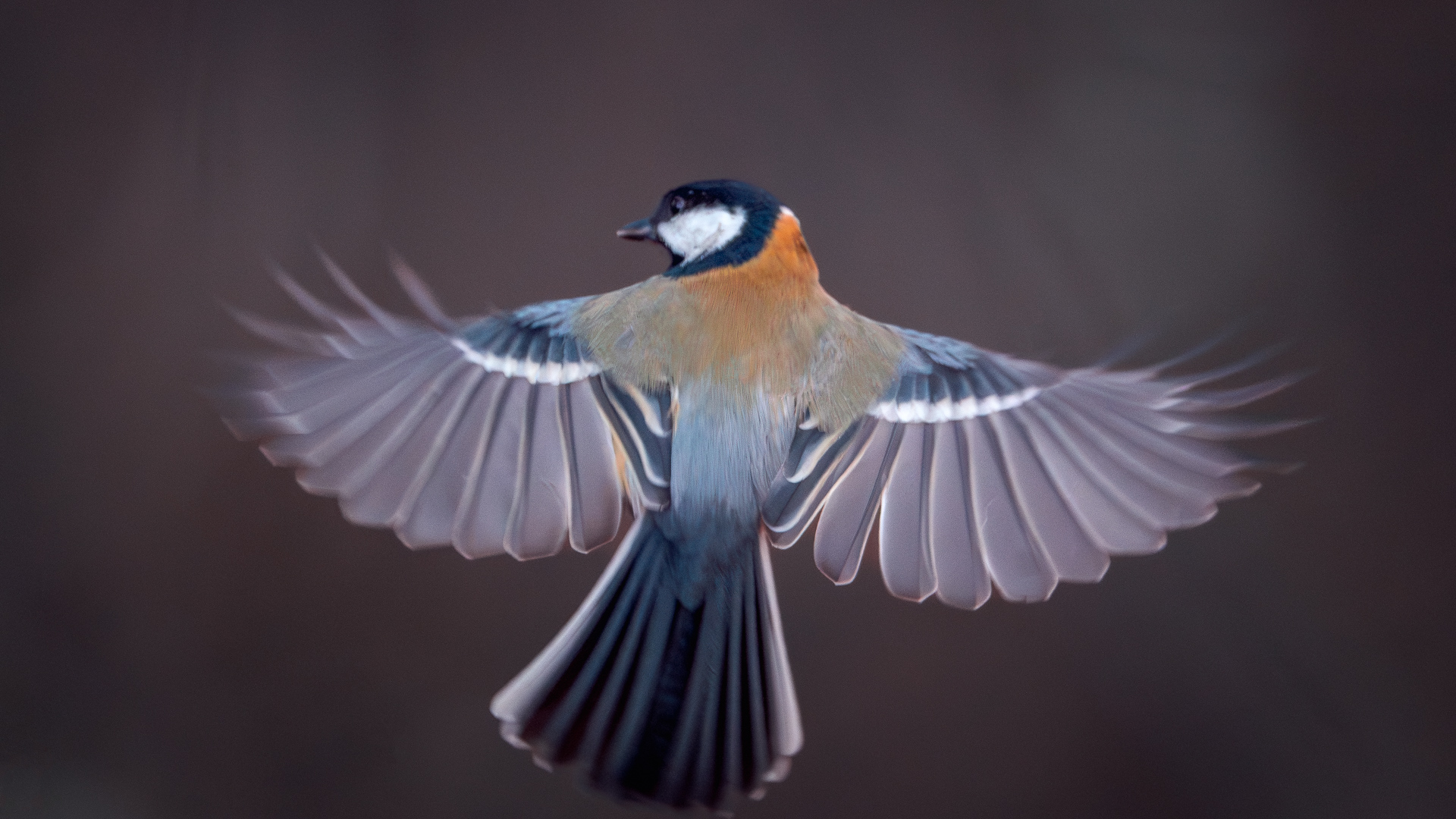
If you’re exploring Uppsala or looking for a scenic, wildlife-rich spot to photograph and unwind, Årike Fyris Naturreservat is a must-visit. Nestled along the Fyris River, just minutes from the city center, it’s a haven for birds, cyclists, and photographers. With diverse landscapes ranging from lush wetlands to open fields, and a rich tapestry of flora and fauna, it’s one of Uppsala’s best outdoor gems. Whether you’re here for a peaceful stroll, an afternoon bike ride, or golden hour photography, you’ll find plenty to explore.
Where is Årike Fyris Naturreservat?
This nature reserve lies southwest of central Uppsala, running along the banks of the Fyrisån river. It starts near the Flottsund Bridge and stretches northward toward the city. The location is easily accessible by foot, bike, or public transport. Despite its proximity to Uppsala University and the city bustle, Årike Fyris offers tranquil nature just a few minutes away from town—making it a favorite for locals and visitors alike.
Why Visit Årike Fyris?
Årike Fyris offers a blend of ecological, recreational, and photographic value:
- Easily accessible from Uppsala city – just a short bike ride or bus trip away
- Scenic trails perfect for walking and biking – mostly flat and well-maintained
- Rich biodiversity including rare birds and native plants – a hotspot for birdwatchers
- Cultural heritage with visible farming history – old field patterns and historic paths remain
- Perfect for nature photography – every season brings something unique to capture
It’s also a calm, rejuvenating space for mindfulness, sketching, and even landscape painting. If you’re seeking a slower travel experience or simply a break from sightseeing, this is your spot.
Nature Photography Tips
As a travel photographer, here’s how I get the most out of a visit:
- Dawn or dusk – The golden hour provides dreamy light over the water and fields, especially in autumn and spring.
- Telephoto lens – Useful for photographing birdlife near the reeds or shy mammals in the distance.
- Wide-angle lens – Capture the vastness of open fields, the winding river, and sky reflections.
- Tripod or monopod – Helps stabilize low-light landscape shots during sunrise or sunset.
- Weather apps – Foggy mornings often yield dramatic photos, especially in colder months.
- Visit in all seasons – Snowy paths in winter, green meadows in summer, and golden reeds in autumn offer varied visual narratives.
Don’t forget a dry cloth or lens wipes—dew and moisture are common here.
Best Trails
The reserve features a network of scenic, mostly flat trails suitable for all fitness levels:
- Riverbank Trail (5 km) – Follows the Fyrisån with uninterrupted river views, passing by birdwatching points and small docks.
- Wetland Loop (2.5 km) – Wooden boardwalk through reedy marshes and ponds, great for spotting swans, ducks, and frogs.
- Cultural Landscape Path – Walk through pastoral fields and traces of traditional agriculture. Some trails offer interpretive signs on historical land use.
These trails connect to Uppsala’s larger cycling network, making it easy to plan a loop or extended day trip.
What to Bring
Make the most of your visit by packing thoughtfully:
- Binoculars – Essential for birdwatching, especially near wetlands and river edges
- Refillable water bottle – No fountains on site, so come prepared
- Comfortable walking shoes or a bike – Trails are mostly gravel or grass but can get muddy
- Insect repellent – Particularly helpful from May to August
- Camera gear with extra batteries and memory cards – You’ll find more subjects than you expect!
- Field guide or mobile app – For identifying birds, insects, or plants
- Snacks or picnic supplies – Benches and grassy areas make for lovely break spots
Amenities & Access
- Free entry, open year-round – Nature here is available every day and season
- No restrooms on-site – Closest public toilets are in Ultuna or Uppsala Science Park
- Bike paths connect directly from Uppsala city – Rent an e-bike or standard bicycle for a relaxing ride
- Maps available at the start of major trails – Some include QR codes for interactive maps
- Parking at Flottsund and Ultuna entrances – Limited, so arrive early on sunny weekends
- Public transportation – Bus lines from Uppsala central station stop near Flottsund
Seasonal Highlights
Årike Fyris transforms dramatically with the seasons:
- Spring (April–May): Bird migration is in full swing, wildflowers bloom along trails, and the landscape becomes vibrantly green.
- Summer (June–August): Long daylight hours for golden-hour photography, buzzing insect life, butterflies, and occasional roe deer.
- Autumn (Sept–Oct): The fields turn golden, trees shift into reds and oranges, and early morning mist adds drama to riverside photos.
- Winter (Dec–Feb): Peaceful snow-covered landscapes and frosty reed beds—perfect for minimalist winter photography and tranquil walks.
Wildlife You May See
Årike Fyris is rich in biodiversity. Keep an eye out for:
- Birds: Grey herons, marsh harriers, mute swans, common cranes during migration, mallards, and various warblers.
- Mammals: Roe deer, hares, red foxes, and the occasional beaver near secluded stretches of the river.
- Insects: Dragonflies, damselflies, and butterflies like the painted lady or brimstone.
- Reptiles and amphibians: Frogs and toads around the wetland boardwalk.
Many species are most active early in the morning or just before dusk.
FAQs About Visiting Årike Fyris Naturreservat
Is it suitable for children?
Yes! The flat paths, open fields, and presence of birds and butterflies make it a great spot for a family nature walk.
Can I cycle through the reserve?
Yes, it’s a favorite for local cyclists. Just be mindful of walkers and birdwatchers.
Are dogs allowed?
Yes, but dogs must be leashed at all times to protect nesting birds and small mammals.
Is swimming allowed in Fyrisån?
No designated swimming areas exist in this section of the river. Water access is mostly for birds and observation.
Are guided tours available?
Occasionally, especially during spring and autumn, through local environmental groups or universities.
Is it crowded?
Rarely. Weekday mornings are especially quiet, while weekends see more visitors.
Is the reserve open all year?
Yes. Come back each season to experience its dramatic changes!
Helpful Resources for Your Visit
- Uppsala Kommun Nature Reserves – Official site with local maps and reserve policies
- Länsstyrelsen Uppsala Län – Regional environmental authority
- BirdLife Sverige – Great for identifying seasonal birds
- SLU Artdatabanken – Biodiversity research and species data in Sweden
- Google Maps Location – Navigate directly to Flottsund or Ultuna entrances