
Africa in January offers some of the world’s most extraordinary photography conditions. Warm weather, dramatic landscapes, wildlife migrations, golden light, and cultural richness make it one of the best continents for winter sun photography. January is also the dry season in many regions, which means clear skies, accessible roads, and intense photographic contrast.
This guide gives you the best destinations across Africa for photography in January, each section covering:
- Why you should go
- What to photograph
- Three of the greatest photo spots
- Why January is the ideal month
- A reliable external link for more information
1. Namibia — Desert, Storms & Surreal Landscapes
Why Go
January brings dramatic thunderstorms, warm desert light, and lush green scenery. Namibia is ideal for photographers who enjoy isolated landscapes and unique textures.
What to Photograph
- Red dunes of Sossusvlei
- Fog and shipwrecks along the Skeleton Coast
- Etosha wildlife
- Himba villages
Three Greatest Photo Spots
- Deadvlei
- Kolmanskop Ghost Town
- Spitzkoppe Rock Formations
Why It’s Great in January
Rain brings photogenic storm clouds, green plains, and high-contrast skies.
More info: https://namibia.travel/
2. South Africa — Coastlines, Wildlife & Golden Light
Why Go
January is peak summer in the Cape region. Expect long golden hours, crisp air, and reliable light.
What to Photograph
- Penguins at Boulders Beach
- Cape coastline
- Cape Winelands
- Wildlife in national parks
Three Greatest Photo Spots
- Chapman’s Peak Drive
- Table Mountain (sunset)
- Camps Bay
Why It’s Great in January
Clear skies, long days, and warm temperatures create ideal shooting conditions.
More info: https://www.southafrica.net/
3. Tanzania — Safari, Migration & Coastal Sunlight
Why Go
January is calving season in Serengeti, making it one of the most dramatic wildlife periods of the year.
What to Photograph
- Wildebeest migration calving
- Lions, cheetahs, hyenas
- Mount Kilimanjaro
- Zanzibar’s turquoise beaches
Three Greatest Photo Spots
- Serengeti (Ndutu Region)
- Ngorongoro Crater
- Zanzibar’s Nungwi Beach
Why It’s Great in January
Warm, dry weather and incredible wildlife density.
More info: https://www.tanzaniatourism.go.tz/
4. Kenya — Big Cats & Coastal Warmth
Why Go
January is warm and dry, perfect for safari and coastal photography.
What to Photograph
- Big cats in Masai Mara
- Elephants in Amboseli
- Arab-influenced architecture in Lamu
- Kenyan coastlines
Three Greatest Photo Spots
- Masai Mara sunrise plains
- Amboseli with Mount Kilimanjaro
- Lamu Old Town
Why It’s Great in January
Dry season concentrates wildlife and provides golden, dusty light.
More info: https://www.magicalkenya.com/
5. Morocco — Desert Sun & Ancient Cities
Why Go
January offers mild temperatures and clear desert light—perfect for cultural and landscape photography.
What to Photograph
- Sahara dunes
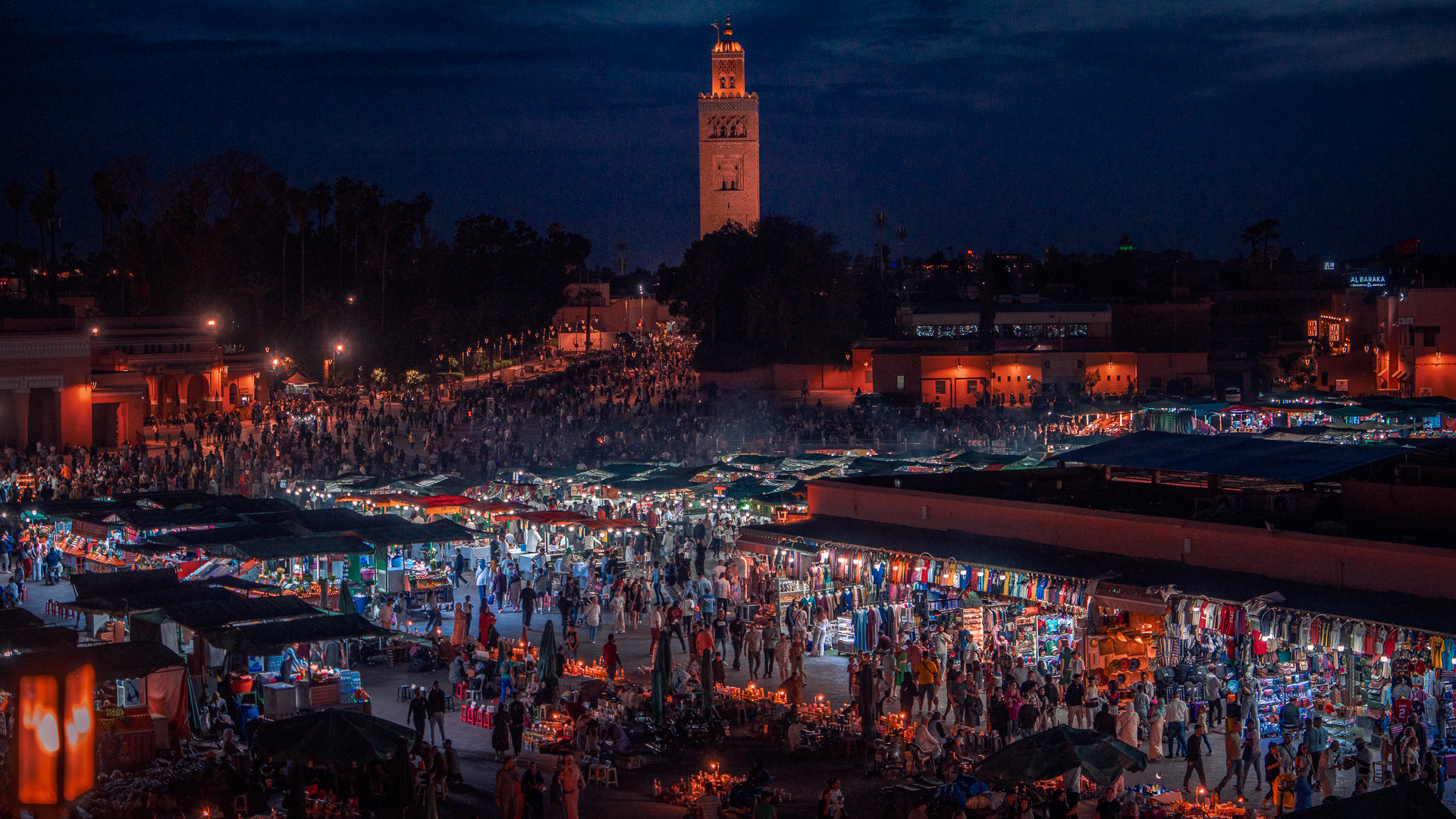
- Marrakech markets
- Atlas Mountains
- Blue city of Chefchaouen
Three Greatest Photo Spots
- Erg Chebbi dunes
- Jemaa el-Fnaa (sunset)
- Chefchaouen old town
Why It’s Great in January
Not too hot, not too crowded, and excellent long shadows for desert work.
More info: https://www.visitmorocco.com/
6. Egypt — Sun, History & Golden Desert Light
Why Go
January is cooler than summer but still warm, with crystal clear skies.
What to Photograph
- Pyramids of Giza
- Nile scenery
- Luxor temples
- Red Sea coastline
Three Greatest Photo Spots
- Giza Plateau
- Karnak Temple
- Dahab Blue Hole
Why It’s Great in January
Comfortable temperatures make long photo sessions possible.
More info: https://egypt.travel/
7. Senegal — Coastal Culture & Vibrant Sunlight
Why Go
Warm weather, cultural vibrancy, and photogenic coastlines.
What to Photograph
- Colorful fishing villages
- Island of Gorée
- Dakar street photography
- African Atlantic sunsets
Three Greatest Photo Spots
- Pink Lake (Lac Rose)
- Ngor Island
- Ouakam cliffs
Why It’s Great in January
Dry conditions and clean air make coastal colors stand out.
More info: https://www.discoversenegal.com/
8. Mauritius — Tropical Beaches & Clear Water
Why Go
January is warm, lush, and perfect for tropical photography.
What to Photograph
- Coral lagoons
- Waterfalls
- Mountain peaks
- Sugarcane fields
Three Greatest Photo Spots
- Le Morne Brabant
- Chamarel Waterfall
- Île aux Cerfs
Why It’s Great in January
Stormy skies and green landscapes add drama to tropical scenes.
More info: https://www.mauritiusnow.com/
9. Seychelles — Island Perfection & Dreamlike Light
Why Go
One of the most photogenic island groups on earth.
What to Photograph
- Granite rock beaches
- Turquoise lagoons
- Tropical sunsets
- Jungle interiors
Three Greatest Photo Spots
- Anse Source d’Argent
- La Digue viewpoints
- Anse Lazio
Why It’s Great in January
Warm water, pristine beaches, and soft early-morning light.
More info: https://www.seychelles.travel/
10. Ghana — Warm Culture, Coastlines & History
Why Go
Dry season means clear blue skies and excellent coastal visuals.
What to Photograph
- Cape Coast Castle
- Colorful fishing towns
- Accra street scenes
- Lush forest trails
Three Greatest Photo Spots
- Kakum National Park
- Cape Coast shoreline
- Jamestown architecture
Why It’s Great in January
Dry, warm, and reliable for outdoor photography.
More info: https://visitghana.com/
FAQ — Winter Sun Photography in Africa (January)
1. What is the warmest African destination in January?
Mauritius, Seychelles, Kenya’s coast, and Zanzibar consistently reach warm tropical temperatures.
2. Which African country is best for wildlife photography in January?
Tanzania (Serengeti calving season) and Kenya (dry season big cats) are top choices.
3. Is Africa safe for photographers?
Overall yes, with normal travel awareness. National parks and tourism areas are well-managed.
4. What lens setup works best for African photography?
A 70–200mm or 100–400mm for wildlife, 16–35mm for landscapes, and a fast prime for low light.
5. Are drones allowed in African destinations?
Some countries require permits; others ban drones near wildlife. Check local regulations before flying.
6. What weather can I expect in Africa in January?
Northern Africa: mild and dry.
Eastern Africa: warm dry season.
Southern Africa: hot with possible storms.
Island nations: humid, tropical weather.
7. Is January expensive for travel in Africa?
Safari destinations can be more expensive, but North Africa and Mauritius often have good deals.
8. What colors dominate African photography in January?
Golden tones, desert reds, deep blues, lush greens depending on region.
9. Is it a good time for coastal photography?
Yes—Senegal, Kenya, Tanzania, Mauritius, and Seychelles all offer ideal coastal light.
10. Do I need special filters?
A polarizer for sky/water and ND filters for long exposure coastlines are highly recommended.
Related Content on Frewaphoto.com (Internal Links)
- Ultimate Guide to Winter Macro Photography
https://frewaphoto.com/winter-macro-photography-guide/ - Ultimate Guide to Winter Photography in Sweden
https://frewaphoto.com/ultimate-guide-to-winter-photography-sweden/ - Stockholm Archipelago Photography Guide
https://frewaphoto.com/stockholm-archipelago-guide/ - Swedish Lapland Photography Guide
https://frewaphoto.com/swedish-lapland-photography-guide/ - Best Ski Resorts for Families in Sweden
https://frewaphoto.com/best-ski-resorts-families-sweden/