
Introduction
Few places offer better opportunities for flower photography than botanical gardens. These carefully designed landscapes bring together rare plants, seasonal blooms, and beautifully curated environments that photographers simply can’t find in the wild. Whether you’re capturing delicate macro details or sweeping compositions filled with color, botanical gardens provide an incredible variety of photographic possibilities.
As a travel photographer, I often recommend botanical gardens as one of the best places to improve flower photography skills. They offer controlled environments, labeled plants, and thoughtfully arranged displays that make it easier to study light, experiment with composition, and practice new techniques.
Another advantage is seasonal diversity. Throughout the year, botanical gardens transform dramatically—tulips and cherry blossoms in spring, roses and lilies in summer, fiery foliage in autumn, and tropical blooms in warm conservatories during winter.
In this guide, we’ll explore some of the best botanical gardens for flower photography around the world, along with practical tips on how to photograph them beautifully. From iconic gardens in Europe to spectacular collections in Asia and North America, these locations are paradise for photographers who love flowers.
Why Botanical Gardens Are Perfect for Flower Photography
Botanical gardens offer something that natural landscapes often cannot: predictability combined with diversity. For flower photographers, that combination is incredibly valuable.
Unlike wildflower locations that depend heavily on weather and seasonal timing, botanical gardens are curated to ensure blooms appear throughout the year. Professional horticulturists carefully plan plantings so that something is always flowering.
There are several reasons botanical gardens are ideal for photography:
1. Incredible variety of flowers
You can photograph thousands of species in one location, including:
- Rare orchids
- Exotic tropical flowers
- Seasonal bulbs like tulips and daffodils
- Roses and flowering shrubs
- Alpine plants and succulents
This variety allows photographers to experiment with different subjects and styles.
2. Beautifully designed landscapes
Most botanical gardens are designed with aesthetics in mind. Expect:
- Curved pathways
- Reflecting ponds
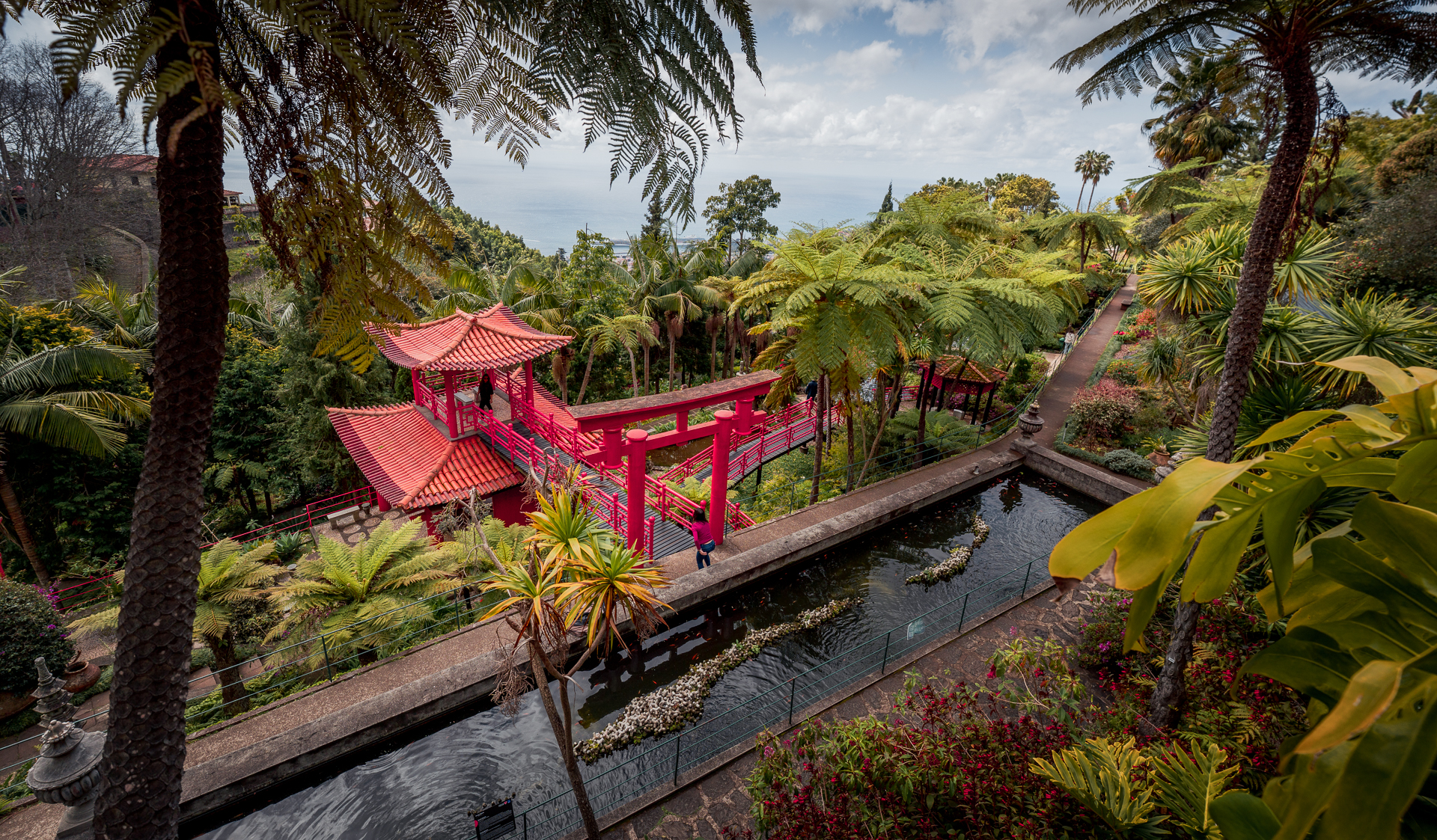
- Bridges and pavilions
- Color-coordinated flower beds
These elements create natural compositions that enhance flower photography.
3. Ideal macro photography opportunities
Because plants are accessible and labeled, botanical gardens are excellent places to practice:
- macro photography
- close-up flower photography
- botanical documentation
- abstract floral images
4. Controlled environments
Many botanical gardens include greenhouses and conservatories where lighting conditions are consistent and tropical flowers bloom year-round.
For photographers looking to build a strong portfolio of floral images, botanical gardens are among the most reliable locations on Earth.
Where to Find the Best Botanical Gardens for Flower Photography
The world’s best botanical gardens are scattered across nearly every continent, each offering unique photographic opportunities.
Here are some regions that consistently deliver stunning flower photography locations.
Europe
Europe is home to some of the oldest and most historically significant botanical gardens.
Top destinations include:
- Kew Gardens, London – One of the world’s most famous botanical gardens
- Keukenhof Gardens, Netherlands – Legendary tulip photography location
- Jardin des Plantes, Paris – Beautiful seasonal displays and greenhouses
- Villa Taranto Botanical Gardens, Italy – Terraced gardens overlooking Lake Maggiore
Many European gardens combine historic architecture with beautifully curated plant collections, which creates dramatic backgrounds for photography.
North America
North America has some of the most diverse botanical gardens, especially in the United States.
Top locations include:
- Longwood Gardens, Pennsylvania
- Brooklyn Botanic Garden, New York
- Butchart Gardens, Canada
- Desert Botanical Garden, Arizona
These gardens often include themed areas like Japanese gardens, rose gardens, and tropical conservatories.
Asia
Asia offers extraordinary botanical gardens with unique plant species and striking architecture.
Highlights include:
- Singapore Botanic Gardens
- Shinjuku Gyoen, Tokyo
- Nong Nooch Tropical Garden, Thailand
Tropical flowers, orchids, and lush landscapes make these gardens incredible places for vibrant photography.
Australia and New Zealand
Photographers will find unique native species in these regions.
Top gardens include:
- Royal Botanic Garden Sydney
- Melbourne Gardens
- Christchurch Botanic Gardens
Many feature spectacular coastal settings that add drama to floral images.
When to Photograph Botanical Gardens
Timing plays a huge role in flower photography. Even in botanical gardens, certain seasons offer dramatically different visual opportunities.
Spring
Spring is widely considered the best season for botanical garden photography.
This is when you’ll find:
- cherry blossoms
- tulips
- magnolias
- daffodils
- hyacinths
Many gardens design large spring displays that attract photographers from around the world.
Summer
Summer offers the most vibrant color variety.
Expect:
- roses
- lilies
- dahlias
- peonies
- wildflower meadows
The challenge during summer is harsher sunlight, so early morning photography becomes more important.
Autumn
Autumn is underrated for botanical photography.
While flower numbers decline, gardens still offer:
- chrysanthemums
- late-blooming dahlias
- ornamental grasses
- colorful foliage
The softer autumn light is also fantastic for photography.
Winter
Many botanical gardens have indoor conservatories that keep photography opportunities alive during winter.
These spaces feature:
- tropical flowers
- orchids
- rainforest plants
- desert succulents
The humidity and diffused light inside greenhouses can create beautiful photographic conditions.
Best Weather and Conditions for Flower Photography
Weather dramatically affects flower photography results.
Understanding how conditions influence light and color can help photographers create stronger images.
Overcast days
Cloudy conditions are often ideal.
Benefits include:
- soft diffused light
- reduced shadows
- more accurate flower colors
- easier macro photography
This type of light works especially well for close-up shots.
Morning light
Early morning is the best time to photograph botanical gardens.
Advantages include:
- fewer visitors
- fresh flowers before heat damage
- calm wind conditions
- beautiful soft light
Morning dew can also add sparkle to macro images.
After rain
Rain can dramatically enhance flower photography.
Look for:
- water droplets on petals
- reflective surfaces
- deeper colors
- moody atmosphere
Just bring a lens cloth to wipe off moisture.
Golden hour
Late afternoon golden hour creates:
- warm tones
- glowing petals
- dramatic shadows
Backlighting flowers during golden hour can produce stunning translucent effects.
How to Photograph Flowers in Botanical Gardens
Photographing flowers well requires patience and careful observation.
Here are some proven techniques I often use when shooting in botanical gardens.
Slow down and observe
Instead of photographing everything quickly, spend time studying:
- flower shapes
- light direction
- backgrounds
- color combinations
Great images often come from careful observation rather than rapid shooting.
Isolate your subject
Busy gardens can create cluttered backgrounds.
Try to isolate flowers by:
- using wide apertures
- changing your shooting angle
- moving closer to the subject
Use shallow depth of field
Wide apertures help create soft backgrounds.
Typical flower photography apertures include:
- f/2.8
- f/3.5
- f/4
This technique draws attention directly to the flower.
Experiment with angles
Don’t always shoot flowers from above.
Try:
- shooting at flower level
- photographing from below
- capturing side profiles
- shooting through other flowers
These perspectives often create more interesting compositions.
Photography Composition Techniques for Flowers
Strong composition is what separates average flower photos from striking images.
Use leading lines
Garden paths, stems, and curved branches can guide the viewer’s eye toward your subject.
Frame your subject
Look for natural frames such as:
- leaves
- branches
- arches
- greenhouse windows
Framing adds depth and visual interest.
Apply the rule of thirds
Place the flower slightly off-center to create a more dynamic composition.
Use foreground blur
Shooting through nearby flowers can create dreamy foreground blur.
This technique adds layers and depth to your images.
Light for Flower Photography
Light is one of the most important factors in botanical photography.
Backlighting
Backlighting flowers can create glowing petals and beautiful rim light.
Transparent petals like poppies and tulips work particularly well.
Side lighting
Side lighting emphasizes texture and detail in petals and leaves.
This is excellent for macro photography.
Diffused light
Soft light from clouds or greenhouse glass creates gentle shadows and even exposure.
Many professional flower photographers prefer this type of light.
Dramatic light
Occasionally harsh sunlight can produce bold contrasts that work well for artistic images.
Equipment Guide for Flower Photography
You don’t need expensive gear to photograph flowers well, but certain tools make the process easier.
Recommended cameras
Almost any modern camera works well, including:
- mirrorless cameras
- DSLR cameras
- advanced smartphones
However, cameras with larger sensors provide better background blur and image quality.
Helpful accessories
Consider bringing:
- tripod for macro photography
- macro focusing rail
- reflector for light control
- lens cloth for moisture
These tools can significantly improve results.
Best Lenses for Flower Photography
Lens choice dramatically influences flower photography style.
Macro lenses
Macro lenses allow you to capture extremely fine details.
Common focal lengths include:
- 90mm
- 100mm
- 105mm
These lenses are ideal for close-up botanical photography.
Telephoto lenses
Telephoto lenses help isolate flowers from busy backgrounds.
Good options include:
- 70–200mm
- 100–400mm
They also allow you to photograph flowers without disturbing them.
Standard prime lenses
A 50mm lens can produce beautiful natural-looking flower images.
Wide apertures help create creamy backgrounds.
Seasonal Photography Opportunities in Botanical Gardens
Each season provides unique photographic opportunities.
Spring brings delicate pastel colors and iconic blooms.
Summer delivers bold colors and abundant flowers.
Autumn introduces dramatic foliage and soft lighting.
Winter photography often focuses on:
- greenhouse flowers
- frost-covered plants
- minimalistic compositions
Returning to the same botanical garden across seasons can produce an incredibly diverse photo portfolio.
Advanced Flower Photography Techniques
Once you’re comfortable with the basics, botanical gardens are the perfect place to experiment with more advanced flower photography techniques. These approaches can elevate your images from simple documentation to truly artistic photographs.
Focus stacking for extreme detail
Macro photography often suffers from shallow depth of field. Even at smaller apertures, only a small portion of the flower may appear sharp.
Focus stacking solves this problem.
The process involves:
- Taking multiple photos with slightly different focus points
- Keeping the camera perfectly still (usually with a tripod)
- Combining the images in editing software
The result is an image where the entire flower appears sharp while the background remains beautifully blurred.
This technique is particularly useful for photographing:
- orchids
- roses
- small alpine flowers
- highly detailed petals
Intentional camera movement (ICM)
Botanical gardens can also be great places to experiment with abstract photography.
Intentional camera movement involves slightly moving the camera during exposure to create painterly effects. When photographing colorful flower beds, this technique can transform ordinary scenes into impressionistic artwork.
Tips for trying ICM:
- Use slower shutter speeds (1/10–1 second)
- Move the camera vertically or horizontally
- Experiment with gentle rotations
Multiple exposure photography
Some cameras allow multiple exposures directly in-camera.
This technique allows you to combine several flower images into a single creative composition, producing layered botanical images that feel almost dreamlike.
Macro with water drops
Water droplets dramatically enhance flower photography.
You can:
- Photograph flowers right after rain
- Use a spray bottle to add droplets
- Capture reflections inside droplets
These tiny details often become the most compelling part of the image.
Creative Flower Photography Ideas
Botanical gardens are wonderful places to push your creativity and try new photographic approaches.
Photograph through flowers
Instead of photographing a single flower directly, shoot through nearby plants.
This technique creates:
- soft foreground blur
- dreamy colors
- a sense of depth
It works particularly well with telephoto lenses.
Capture pollinators
Flowers attract bees, butterflies, and other pollinators.
These small creatures add life and storytelling to your images. Try using burst mode to capture insects landing on flowers.
Create minimalistic compositions
Not every photo needs to be full of color and detail.
Look for:
- a single flower against a clean background
- a simple stem with soft light
- isolated blooms with negative space
Minimalist flower photography can be incredibly elegant.
Use reflections
Some botanical gardens include ponds or water features.
Reflections can add an entirely new dimension to flower photography.
Look for:
- flowers reflected in water
- symmetrical compositions
- mirrored garden scenes
Common Mistakes to Avoid in Flower Photography
Even experienced photographers occasionally make mistakes when photographing flowers.
Avoiding these common issues can dramatically improve your results.
Shooting in harsh midday sunlight
Bright sunlight creates harsh shadows and blown highlights on petals.
Whenever possible, photograph flowers:
- early in the morning
- late in the afternoon
- on cloudy days
Ignoring the background
A beautiful flower can be ruined by a distracting background.
Always check for:
- bright spots
- messy foliage
- distracting colors
Adjust your angle or aperture to simplify the scene.
Not getting close enough
Many beginners stand too far away from their subject.
Flowers often look best when photographed close up. Filling the frame helps emphasize texture, detail, and color.
Forgetting about wind
Wind is one of the biggest challenges in flower photography.
Even slight movement can ruin macro shots.
Solutions include:
- shooting early morning when wind is calm
- increasing shutter speed
- stabilizing stems gently
Overediting images
Flowers already have beautiful natural colors.
Heavy editing can make images look unnatural.
Instead, aim for subtle adjustments that enhance the scene without overpowering it.
Editing and Post-Processing Tips for Flower Photos
Post-processing helps refine flower images and bring out their natural beauty.
Adjust white balance
Accurate colors are crucial in flower photography.
Slightly adjusting white balance can ensure petals appear natural and vibrant.
Enhance contrast carefully
Adding small amounts of contrast can help define textures in petals and leaves.
However, avoid excessive contrast which can create harsh edges.
Boost color selectively
Instead of increasing global saturation, try enhancing specific colors.
This allows flowers to stand out while maintaining realistic tones.
Remove distractions
Small distractions such as dust, stray leaves, or background blemishes can easily be removed with healing tools.
This keeps the viewer focused on the subject.
Sharpen for detail
Macro images benefit from gentle sharpening to highlight fine textures.
Be careful not to over-sharpen delicate petals.
FAQs About Botanical Garden Flower Photography
What are the best botanical gardens for flower photography?
Some of the most famous botanical gardens for photographers include Kew Gardens in London, Keukenhof in the Netherlands, Longwood Gardens in the United States, and Singapore Botanic Gardens. These locations offer diverse plant collections, seasonal displays, and beautiful landscapes designed specifically to showcase flowers.
What is the best time of day to photograph flowers?
Early morning is typically the best time for flower photography. The light is soft, wind conditions are calmer, and flowers often look fresher before the heat of the day. Morning dew can also add beautiful details to macro photos.
What lens is best for flower photography?
Macro lenses between 90mm and 105mm are widely considered ideal for flower photography because they allow you to capture fine details while maintaining comfortable working distance. Telephoto lenses like 70–200mm are also excellent for isolating flowers against soft backgrounds.
Do I need a tripod for flower photography?
A tripod is very helpful for macro photography, especially when shooting at small apertures or performing focus stacking. However, many photographers shoot handheld when using faster shutter speeds or photographing flowers in brighter conditions.
How do you avoid busy backgrounds when photographing flowers?
You can avoid distracting backgrounds by using wide apertures, changing your shooting angle, or moving closer to the subject. Telephoto lenses also help compress the background and create smoother bokeh.
Are botanical gardens good for beginner photographers?
Yes, botanical gardens are one of the best places for beginners to practice photography. They offer a wide range of subjects in a controlled environment, and the curated layouts make it easier to find interesting compositions.
Can you do macro photography in botanical gardens?
Absolutely. Botanical gardens are excellent for macro photography because flowers are easily accessible and there is a huge variety of species to photograph. Many photographers specifically visit botanical gardens to practice close-up photography.
What weather is best for flower photography?
Overcast conditions are often ideal because clouds create soft, diffused light that reduces harsh shadows. After rain can also be excellent because water droplets add visual interest and deepen flower colors.
Conclusion
Botanical gardens are among the best places in the world for flower photography. They combine incredible plant diversity with beautifully designed landscapes, giving photographers endless opportunities to experiment with composition, lighting, and creative techniques.
Whether you’re capturing delicate macro details or vibrant garden scenes, botanical gardens offer the perfect environment to improve your photography skills. The curated layouts make it easier to find interesting subjects, while seasonal displays ensure that every visit brings new inspiration.
For travel photographers especially, botanical gardens are hidden gems. They allow you to photograph rare flowers from around the world in a single location, often with spectacular architecture and landscapes as backdrops.
If you’re passionate about floral photography, make a habit of visiting botanical gardens throughout the year. Each season brings new colors, new textures, and new creative possibilities waiting to be captured through your lens.
Related Internal Articles
- Best Places to Photograph Tulip Fields in the World
- Cherry Blossom Photography Guide for Stunning Spring Photos
- Macro Flower Photography Tips for Beginners
- How to Photograph Wildflowers in Nature
- Best Lenses for Nature and Flower Photography
External Resources
- Royal Botanic Gardens Kew — https://www.kew.org
- Singapore Botanic Gardens — https://www.nparks.gov.sg/sbg
- Longwood Gardens — https://longwoodgardens.org
- American Public Gardens Association — https://www.publicgardens.org
- Botanic Gardens Conservation International — https://www.bgci.org
Pingback:Best Gardens to Visit in the UK for Great Shots