
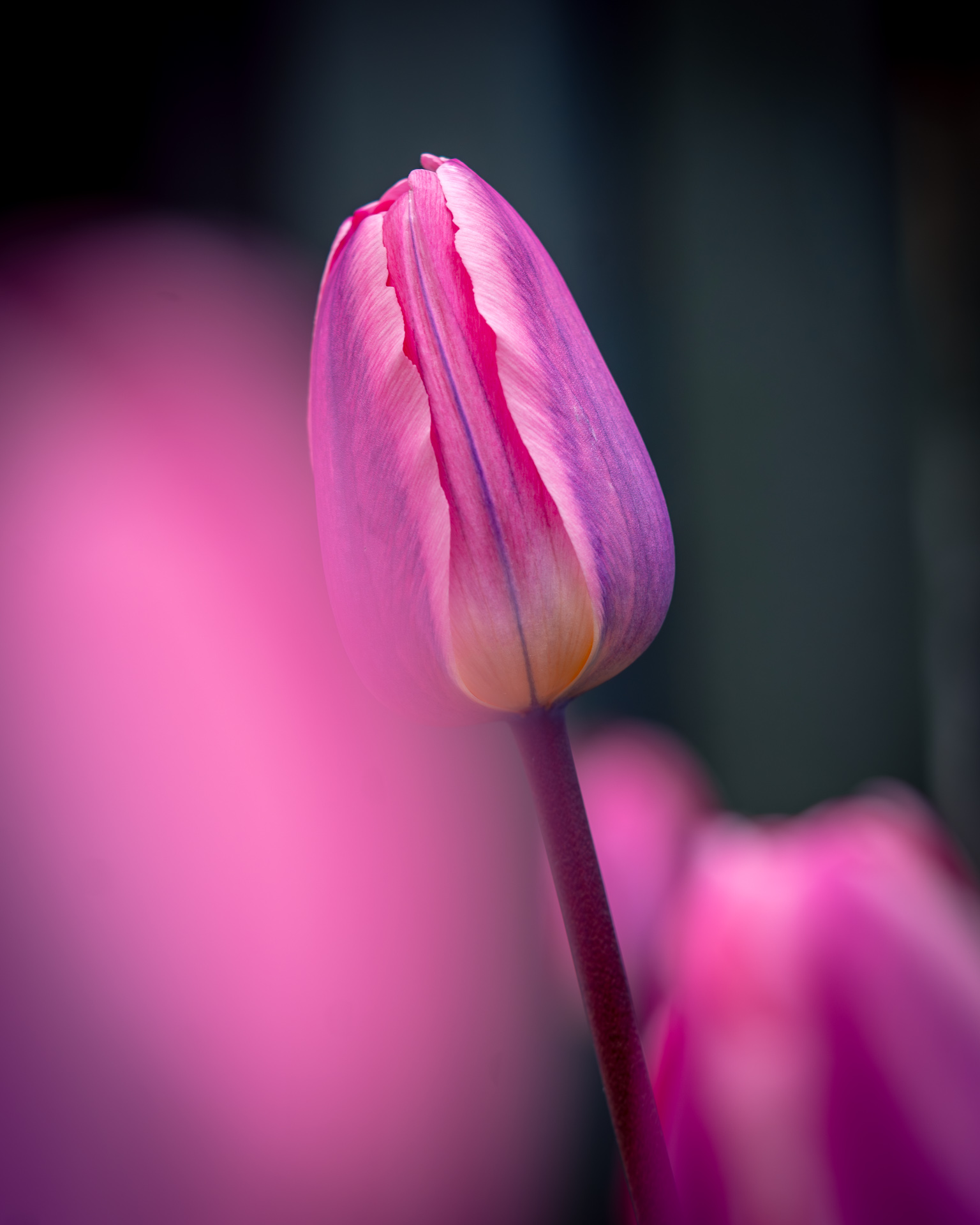
Macro flower photography reveals a fascinating world that often goes unnoticed. When you look closely at a flower, you begin to see intricate textures, delicate patterns, and tiny details that transform an ordinary bloom into a work of art. From the fine hairs on a stem to the sparkling droplets of morning dew, macro photography allows photographers to capture the beauty of flowers in extraordinary ways.
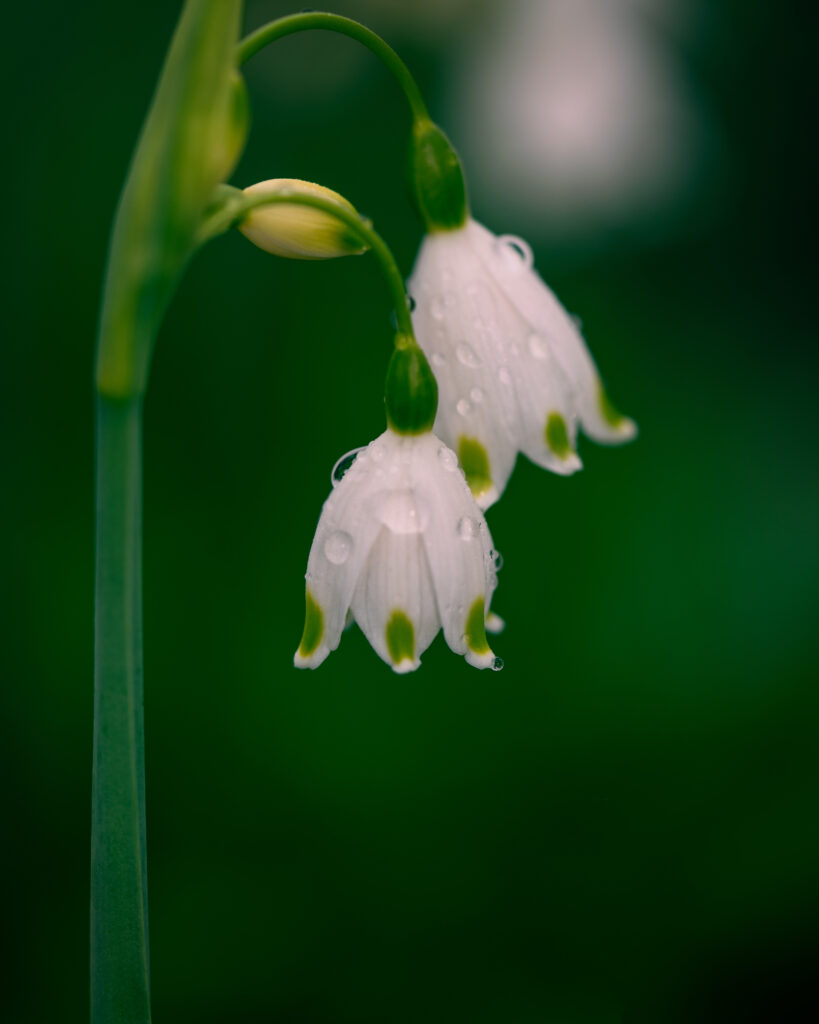
Whether you are photographing flowers in a garden, a forest, or a wild meadow, macro photography gives you the ability to isolate details and create striking compositions. With the right techniques and a bit of patience, you can produce images that feel intimate, colorful, and full of life.
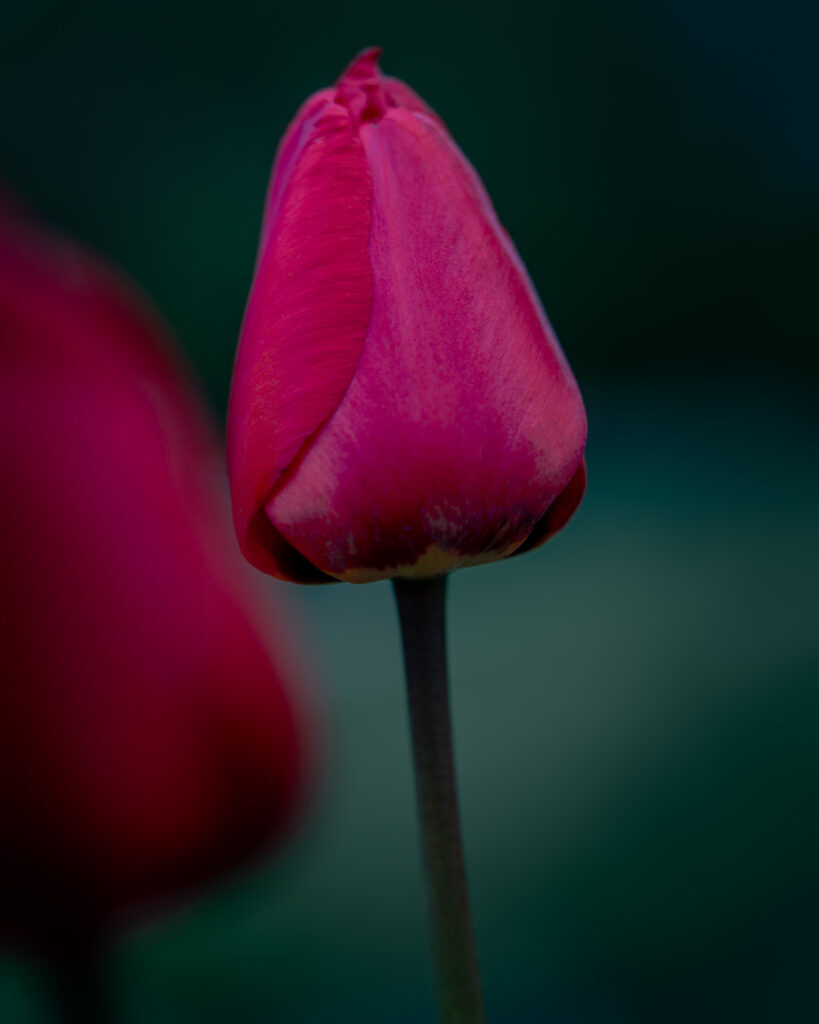
In this guide, you will learn how to photograph flowers up close, what equipment works best, and how to use light, composition, and camera settings to create stunning macro images.
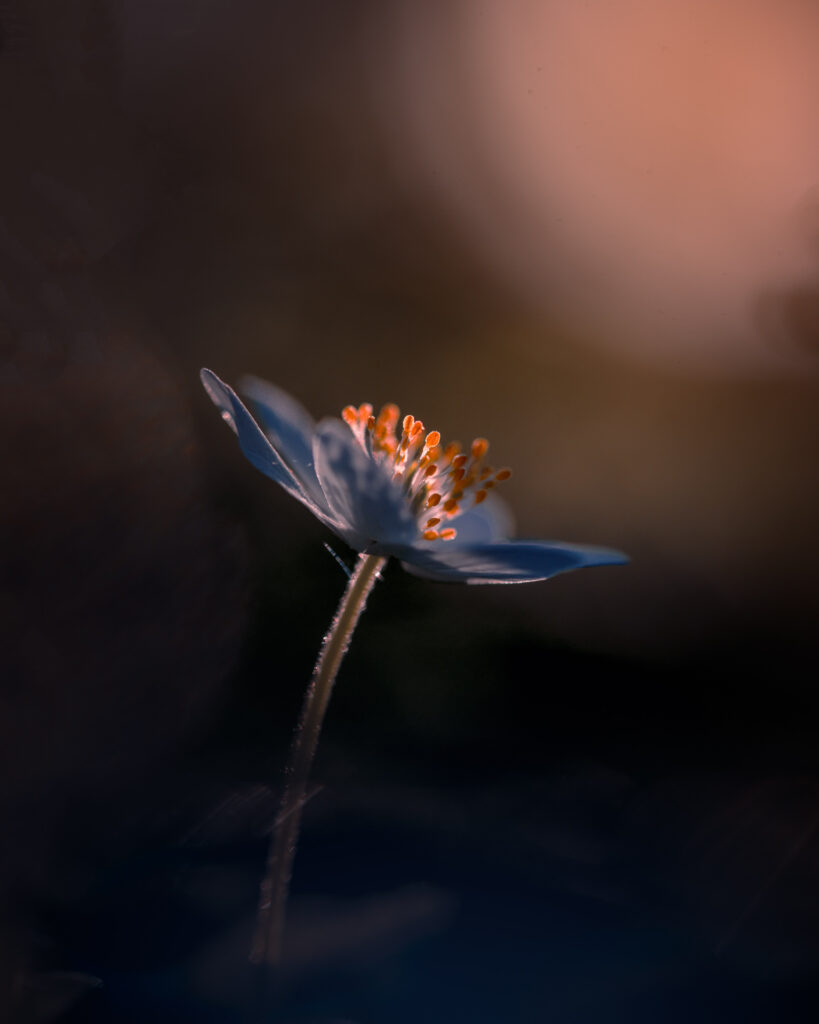
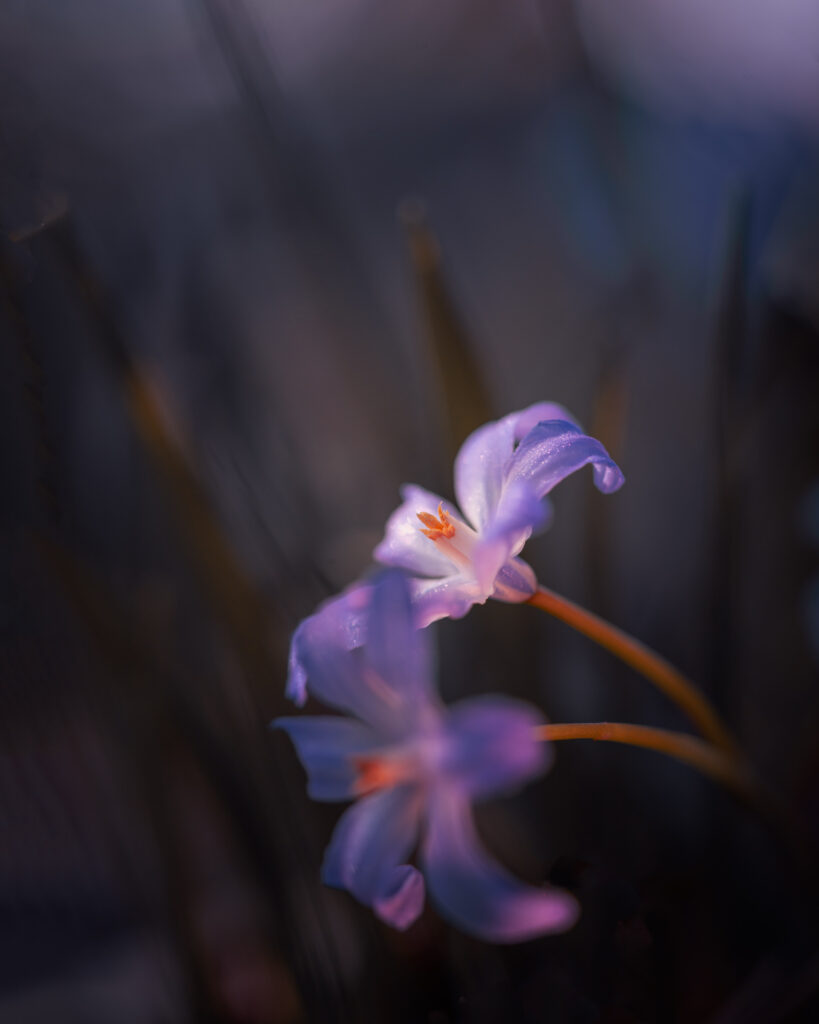
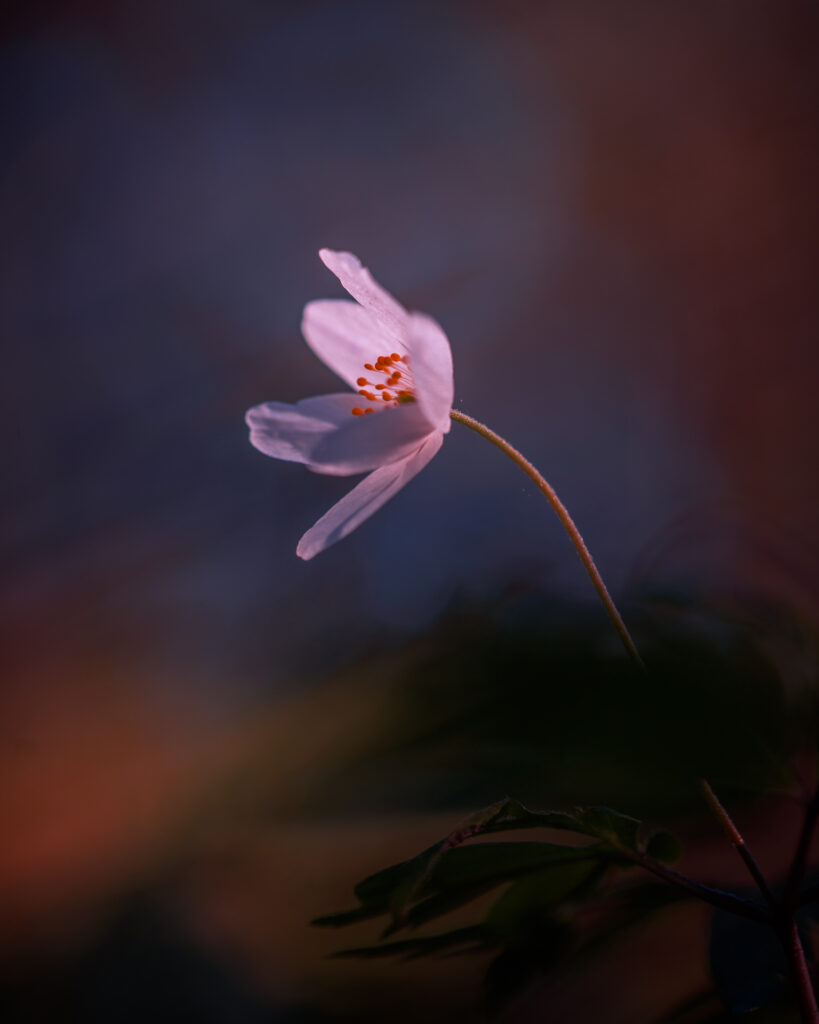
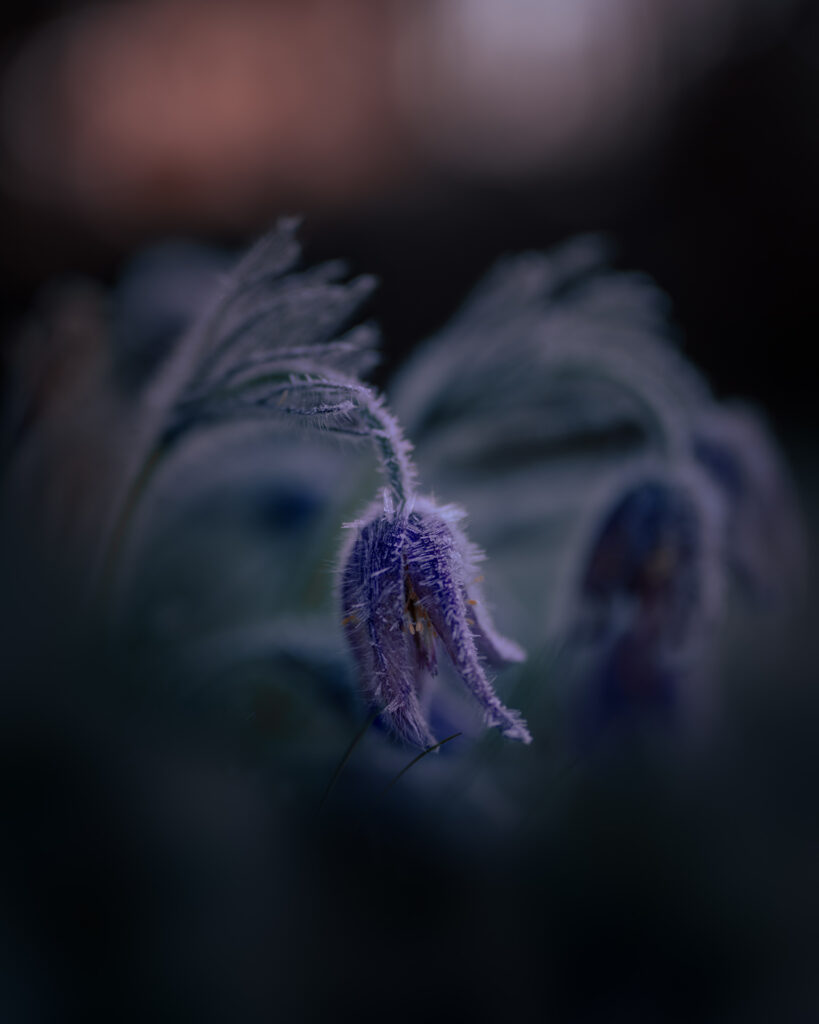
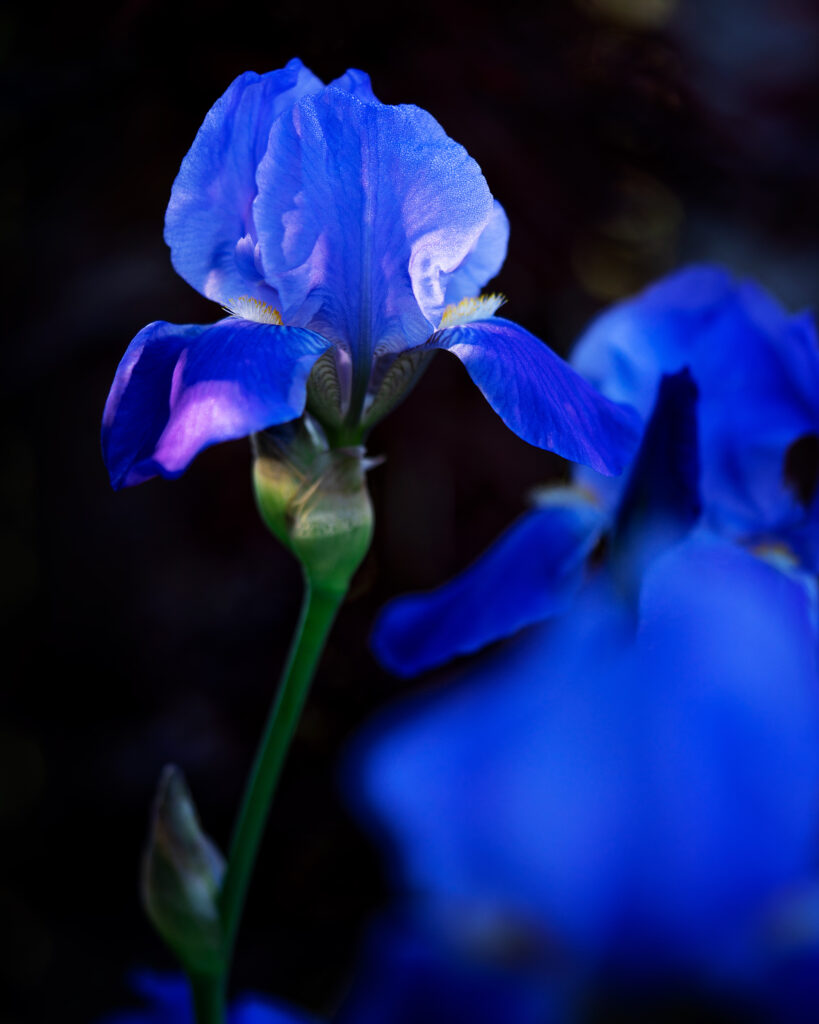
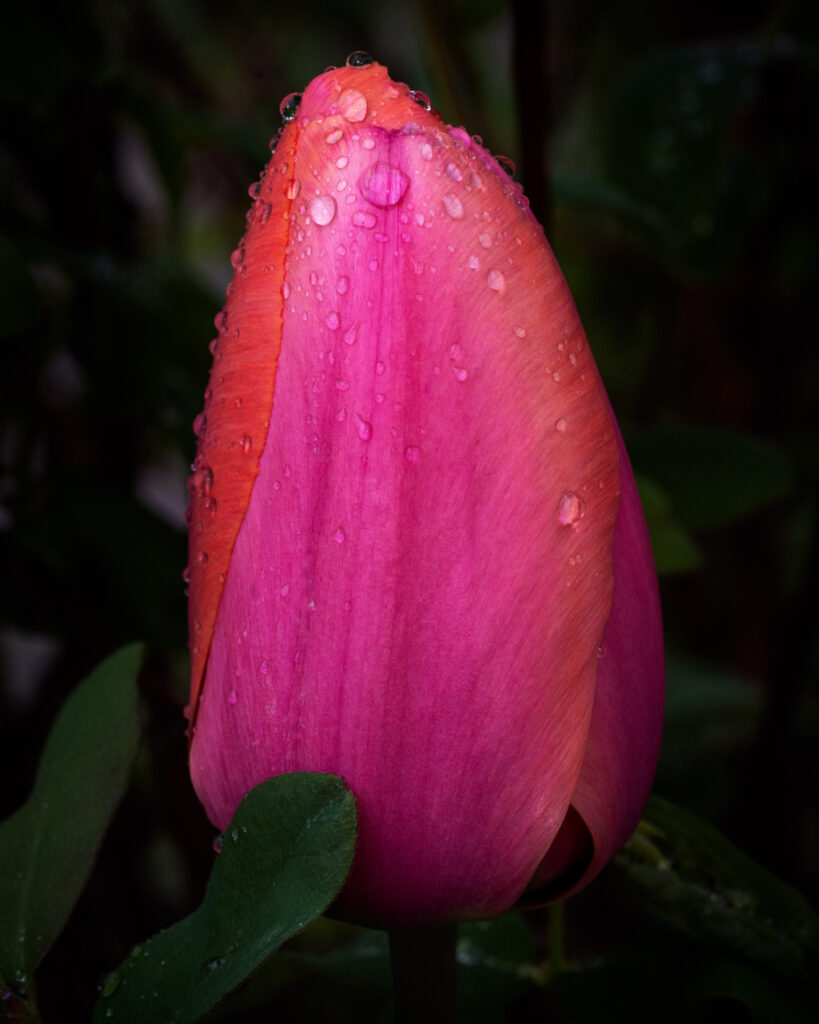
What Is Macro Flower Photography?
Macro photography focuses on capturing extremely small subjects at close range while preserving fine detail. In flower photography, this often means photographing individual petals, stamens, pollen, or water droplets.
True macro photography usually involves a 1:1 magnification ratio, meaning the subject appears on the camera sensor at life-size scale. This level of detail allows photographers to reveal textures and structures that are difficult to see with the naked eye.
Flowers are perfect macro subjects because they offer endless variation in color, shape, and texture. Each flower species provides unique patterns and forms, making every macro session an opportunity to discover something new.
Why Flowers Are Perfect for Macro Photography
Flowers are among the most popular subjects in macro photography, and for good reason. They are widely available, visually stunning, and constantly changing with the seasons.
One of the most appealing aspects of photographing flowers up close is the incredible detail you can capture. The tiny veins running through petals, the grains of pollen, and the subtle color gradients all become prominent features in macro images.
Flowers also provide strong visual contrast. Bright petals often stand out beautifully against darker backgrounds, creating images that naturally draw the viewer’s attention.
Another advantage is the variety of compositions you can create. Some photographers prefer close-up portraits of a single bloom, while others focus on abstract details that highlight patterns and textures.
Best Flowers for Macro Photography
Almost any flower can work well as a macro subject, but certain flowers are particularly rewarding because of their intricate structures and vivid colors.
Popular macro flower subjects include:
- Tulips
- Daffodils
- Crocus
- Bluebells
- Snowdrops
- Orchids
- Roses
- Lavender
- Sunflowers
- Iris flowers
Each of these flowers offers unique textures and shapes that become especially striking when photographed at close distances.
For example, the layered petals of roses create beautiful patterns, while the delicate bell shapes of bluebells produce elegant compositions when shot from below.
Essential Equipment for Macro Flower Photography
While macro photography can be done with a variety of cameras, certain pieces of equipment make it much easier to capture sharp and detailed images.
Macro Lens
A dedicated macro lens is one of the most useful tools for flower photography. These lenses are designed to focus at extremely close distances while maintaining high levels of detail.
Common focal lengths for macro lenses include:
- 60mm macro lenses – lightweight and versatile
- 90mm to 105mm macro lenses – excellent for flowers and insects
- 150mm to 200mm macro lenses – ideal for working from greater distances
A longer focal length often helps create smoother backgrounds and prevents casting shadows on the subject.
Tripod
A tripod is extremely helpful in macro photography because even small movements can cause blur at close focusing distances.
Using a tripod allows you to:
- Maintain precise focus
- Use slower shutter speeds in low light
- Carefully compose your images
Tripods are particularly useful when photographing flowers in shaded gardens or forests.
Macro Focusing Rail (Optional)
A focusing rail allows extremely precise forward and backward adjustments when shooting macro photos. This is especially helpful for photographers who want to experiment with focus stacking, a technique used to increase depth of field.
While not essential for beginners, a focusing rail can significantly improve accuracy when working at very high magnification.
Lighting Equipment for Macro Flower Photography
Lighting plays a crucial role in macro flower photography because small subjects react strongly to even subtle changes in light. While natural light is often ideal, additional lighting tools can help you control shadows, highlight textures, and shoot in challenging conditions.
Here are some useful lighting options for macro flower photography.
Natural Light
Natural light is the most commonly used light source for flower photography. Soft daylight reveals the true colors of petals and creates gentle shadows that enhance texture.
The best natural lighting conditions usually occur:
- Early in the morning
- Late in the afternoon
- On lightly overcast days
Cloud cover works like a giant softbox, spreading light evenly across the flower and preventing harsh highlights.
Many photographers prefer natural light because it produces the most realistic and pleasing results.
Reflectors
Reflectors are simple but powerful tools for controlling natural light.
They work by bouncing sunlight back onto the flower, filling in shadows and adding subtle highlights.
Small reflectors are especially useful when photographing flowers that are partially shaded.
Common reflector colors include:
- White – soft and natural light
- Silver – stronger reflections and brighter highlights
- Gold – warmer tones in evening light
Compact folding reflectors are easy to carry and can dramatically improve macro images.
Diffusers
Diffusers soften harsh sunlight before it reaches the subject.
When photographing flowers under direct sun, petals can easily become overexposed or create strong shadows. A diffuser spreads the light and produces a softer, more balanced look.
Portable diffusers are lightweight and often collapse into small discs that fit easily into a camera bag.
Even simple materials such as translucent fabric or paper can act as effective diffusers.
Macro Flash
Macro flash units are designed specifically for close-up photography.
They provide controlled bursts of light that illuminate small subjects evenly. This is particularly useful when shooting in darker environments such as forests or shaded gardens.
Macro flashes are often mounted directly around the lens, allowing them to light the subject without casting strong shadows.
They are useful for:
- Freezing movement from wind
- Increasing depth of field with smaller apertures
- Capturing extremely sharp macro details
However, flash lighting should be used carefully to avoid making flowers look unnatural.
Ring Flash
A ring flash attaches to the front of a macro lens and produces evenly distributed light around the subject.
This lighting style reduces shadows and allows photographers to capture very detailed macro images.
Ring flashes are commonly used for:
- Extreme close-up photography
- Scientific or botanical documentation
- Focus stacking photography
While the lighting can appear somewhat flat, it is extremely effective for capturing fine detail.
LED Macro Lights
Small LED lights are becoming increasingly popular for macro photography.
Unlike flash, LED lights provide continuous illumination, allowing photographers to see exactly how the light falls on the subject before taking the photo.
Advantages include:
- Easy light positioning
- Adjustable brightness
- Lightweight and portable
LED lighting is particularly helpful for creative macro photography where precise lighting control is needed.
Portable Light Panels
Portable LED light panels provide stronger continuous lighting than small macro lights. These are useful when photographing flowers in shaded forests or during early morning shoots.
Many modern light panels offer adjustable brightness and color temperature, making it easier to match natural daylight.
Because they provide a larger light source, they often create softer illumination than small point lights.
When to Use Artificial Lighting
Artificial lighting becomes especially useful in situations such as:
- Dense forests with limited sunlight
- Early morning or evening photography
- Windy conditions where faster shutter speeds are needed
- Focus stacking setups requiring consistent lighting
Even with artificial lights, many photographers aim to keep the lighting subtle so the final image still feels natural.
Best Camera Settings for Macro Flower Photography
Macro photography requires careful control of camera settings because depth of field becomes extremely shallow at close distances.
Aperture
Aperture controls how much of the flower remains in focus.
Common choices include:
- f/2.8 – f/4 for dreamy background blur
- f/5.6 – f/8 for balanced sharpness
- f/11 – f/16 for maximum depth of field
Many macro photographers prefer apertures around f/5.6 to f/8, which keep key details sharp while still creating soft backgrounds.
Shutter Speed
Flowers often move slightly in the wind, so shutter speed is important.
Typical starting points:
- 1/200 or faster when shooting handheld
- 1/60 or slower when using a tripod
If the wind is strong, increasing shutter speed helps prevent motion blur.
ISO
For the cleanest images, keep ISO as low as possible.
Typical settings:
- ISO 100–200 in bright daylight
- ISO 200–400 in shaded environments
Higher ISO values may be necessary when shooting handheld in low light.
Understanding Depth of Field in Macro Photography
One of the biggest challenges in macro photography is managing depth of field.
At very close focusing distances, even small aperture changes dramatically affect how much of the flower appears sharp.
For example:
- At f/2.8, only a tiny portion of the flower may be in focus.
- At f/11, much more of the flower becomes sharp.
This is why careful focusing is critical when photographing flowers up close.
Many photographers choose to focus on the most visually important part of the flower, such as the center or the stamen.
Getting Close Without Disturbing the Scene
One of the most exciting parts of macro photography is getting close enough to reveal hidden details. However, approaching flowers too quickly can disturb insects or cast unwanted shadows.
To avoid this, move slowly and observe the scene before taking the shot.
Try different angles and distances to find the most interesting perspective. Sometimes stepping back slightly creates a stronger composition while still highlighting macro details.
Being patient and attentive allows you to capture natural scenes without disrupting them.
Lighting Techniques for Macro Flower Photography
Light is one of the most important elements in macro flower photography. Because you are working at very close distances, even small changes in lighting can dramatically affect the final image.
Soft Natural Light
Soft natural light is often the best lighting for photographing flowers. Cloudy days work particularly well because the clouds act like a giant diffuser, spreading light evenly across the petals.
This soft lighting helps reveal the delicate textures of flowers without creating harsh shadows.
Early morning and late afternoon are also excellent times to shoot. The low angle of the sun produces warm tones and gentle contrast that can make flowers appear more vibrant.
Backlighting Flowers
Backlighting occurs when the sun is positioned behind the flower. This technique can create beautiful glowing petals and highlight the thin, translucent structure of many flowers.
When using backlighting:
- Position the flower between the camera and the sun
- Slightly underexpose the image to protect highlights
- Use a wide aperture for dreamy background blur
Backlit macro flower photos often feel more dramatic and artistic.
Diffused Light
If the sunlight is too harsh, a small diffuser can soften the light before it reaches the flower. Diffusers reduce strong shadows and prevent overexposed petals.
Even something simple like a thin piece of white fabric or paper can act as a portable diffuser when photographing flowers outdoors.
Composition Tips for Macro Flower Photography
Great macro flower photographs rely heavily on thoughtful composition. Because you are isolating small details, the way you frame the subject becomes even more important.
Focus on the Most Important Detail
In macro photography, only a small portion of the image may be sharp. Choose the most visually interesting part of the flower and focus on that area.
This might include:
- The center of the flower
- The stamen or pollen
- A droplet of water on a petal
- The edge of a petal catching the light
Selecting a clear focal point helps guide the viewer’s attention.
Use Clean Backgrounds
Backgrounds can easily become distracting in macro photography. Look for simple backgrounds that help the flower stand out.
Dark foliage, distant plants, or shaded areas often work well because they create strong contrast with colorful petals.
A wide aperture will also blur the background and create smooth bokeh.
Experiment With Angles
Many beginner photographers shoot flowers from above, but macro photography allows you to explore more creative perspectives.
Try shooting:
- At eye level with the flower
- From below the flower
- From the side to highlight texture
- Extremely close to capture abstract patterns
Changing angles can completely transform the mood and composition of your image.
Use Negative Space
Negative space refers to the empty areas around your subject. Leaving space around a flower can create a minimalist and elegant composition.
This technique works particularly well when the flower is isolated against a soft background.
Photographing Flowers After Rain
Rain can dramatically enhance macro flower photography. Water droplets add texture, reflections, and sparkle that bring images to life.
After rainfall, flowers often look fresher and more vibrant, making them excellent subjects.
Dew and raindrops can create:
- Tiny reflections
- Natural highlights
- Interesting shapes on petals
Using a macro lens allows you to capture these droplets in stunning detail.
Early morning after rain is often the best time because droplets are still intact and the light is soft.
Creative Ideas for Macro Flower Photography
Once you understand the basics, experimenting with creative techniques can help you produce unique images.
Abstract Flower Details
Instead of photographing the entire flower, focus on small sections that reveal interesting shapes or textures.
Petal curves, color gradients, and repeating patterns can create abstract images that look almost like paintings.
Shoot Through Other Flowers
Placing flowers in the foreground can create soft blurred layers that frame your main subject.
This technique adds depth and atmosphere to macro photographs.
Use Color Contrast
Look for flowers that stand out strongly from their surroundings.
For example:
- Yellow flowers against dark green foliage
- Purple flowers against light backgrounds
- White flowers against shadowed areas
Strong color contrast makes images more visually striking.
Capture Insects on Flowers
Flowers often attract bees, butterflies, and other insects. These small visitors can add life and storytelling to macro images.
Patience is key when photographing insects, but the results can be incredibly rewarding.
Advanced Technique: Focus Stacking
One challenge in macro photography is that depth of field is extremely shallow. Sometimes only a tiny portion of the flower appears sharp.
Focus stacking solves this problem by combining multiple photos taken at different focus points.
The process works like this:
- Take several photos while slightly adjusting focus each time
- Ensure each photo focuses on a different part of the flower
- Combine the images using editing software
The final result is an image where much more of the flower appears sharp.
This technique is often used in professional macro photography to reveal incredible detail.
Common Macro Flower Photography Mistakes
Many photographers encounter similar challenges when starting with macro photography. Being aware of these mistakes can help improve your results.
Shooting in Strong Wind
Even gentle wind can cause flowers to move enough to blur macro images.
Try photographing flowers in sheltered areas or early in the morning when wind is minimal.
Ignoring Backgrounds
Because macro photography isolates small details, distracting backgrounds can quickly ruin an otherwise beautiful image.
Always check the background before taking the shot.
Using Apertures That Are Too Wide
Extremely wide apertures can sometimes leave too little of the flower in focus.
If important parts of the flower appear blurry, try using a slightly smaller aperture such as f/5.6 or f/8.
Rushing the Shot
Macro photography rewards patience. Taking time to observe the flower, adjust your composition, and wait for good light will usually produce better images.
FAQs About Macro Flower Photography
What is the best lens for macro flower photography?
A dedicated macro lens between 90mm and 105mm is often considered ideal because it allows close focusing while maintaining comfortable working distance.
What aperture should I use for macro flower photography?
Many photographers use f/5.6 to f/8 for a balance between sharpness and background blur.
Do I need a tripod for macro photography?
A tripod is helpful for achieving sharp images, especially when using smaller apertures or photographing in low light.
Can I shoot macro flower photos with a smartphone?
Yes. Many modern smartphones have excellent close-up capabilities. Getting close to the subject and using natural light can produce impressive results.
How do I get sharp focus in macro photography?
Use single-point autofocus or manual focus and carefully select the most important part of the flower to keep sharp.
What weather is best for macro flower photography?
Overcast conditions and calm mornings are ideal because they provide soft light and minimal wind.
Conclusion: Discovering the Hidden Beauty of Flowers
Macro flower photography opens the door to a hidden world of color, texture, and intricate detail. By looking closely at flowers, photographers can reveal patterns and structures that are rarely noticed in everyday life.
One of the most exciting aspects of macro photography is how it transforms ordinary subjects into extraordinary images. A simple garden flower can become a dramatic portrait filled with rich color, delicate shapes, and fascinating textures.
Success in macro photography often comes from slowing down and paying attention to small details. Observing how light interacts with petals, noticing the patterns within the flower, and experimenting with different angles can all lead to more compelling photographs.
Patience also plays a key role. Waiting for the right light, calm wind, or a perfect bloom can make a significant difference in the final image. Some of the most beautiful macro photographs happen when photographers take the time to explore a scene from multiple perspectives.
While specialized equipment like macro lenses and tripods can help, the most important tools are curiosity and creativity. Even with basic gear, photographers can produce stunning macro images by focusing on composition, lighting, and detail.
Flowers provide endless opportunities for experimentation. From colorful gardens to wild meadows and forest floors, there are always new subjects waiting to be discovered.
With practice and attention to detail, macro flower photography becomes more than just taking pictures. It becomes a way to explore nature up close and appreciate the delicate beauty that exists in even the smallest parts of the natural world.
Related Internal Pages
https://frewaphoto.com/ultimate-guide-to-photograph-snowdrops/
https://frewaphoto.com/ultimate-guide-to-photograph-crocus/
https://frewaphoto.com/ultimate-guide-to-photograph-daffodils/
https://frewaphoto.com/spring-flower-photography-guide/
https://frewaphoto.com/nature-photography-tips/
External Links With More Information
https://digital-photography-school.com/macro-flower-photography/
https://www.nationalgeographic.com/photography/photo-tips/
https://www.rhs.org.uk/plants/types/perennials
https://www.gardenersworld.com/how-to/grow-plants/flowers/
Pingback:Best Botanical Gardens for Flower Photography in the World