
Introduction
Skopje is a city of contrasts, where Ottoman mosques, Byzantine churches, Socialist-era monuments, and modern architecture exist side by side. For photographers, it’s a dream: every street, square, and hill offers a new perspective.
From sunrise over the fortress to blue-hour reflections along the Vardar River, this guide covers the best photo spots in Skopje, with tips on what to photograph and when to go.
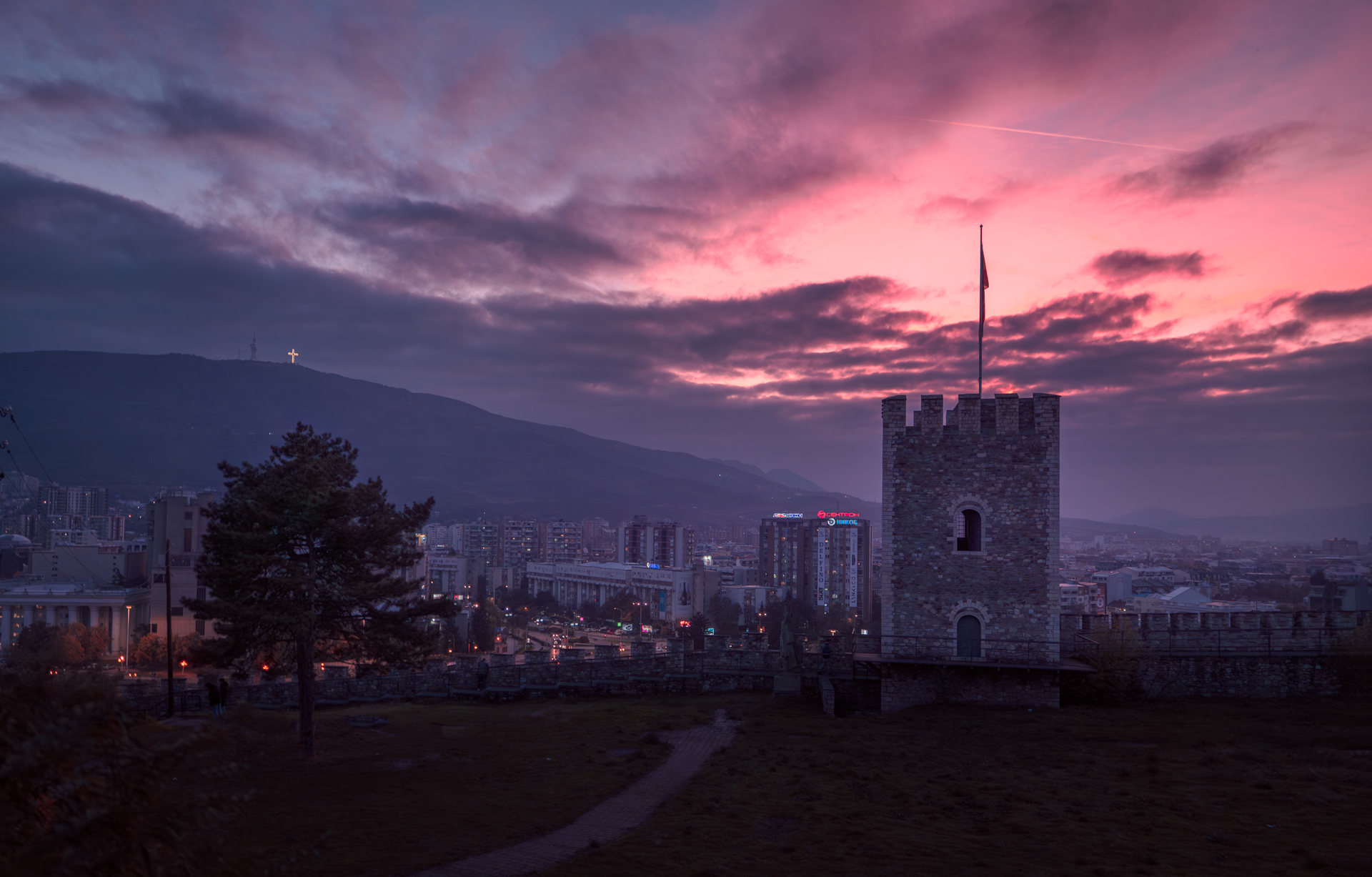
Skopje Fortress (Kale)
What to Photograph: Panoramic city views, Vardar River, Old Bazaar rooftops, and distant mountains. Capture the city’s contrasts from above.
When to Go: Sunset for golden light and warm tones. Early morning is great for empty streets and soft light on the fortress walls.
Stone Bridge
What to Photograph: The iconic bridge connecting the Old Bazaar to the modern city center. Look for reflections in the river, pedestrians crossing, and mosque spires in the background.
When to Go: Early morning for calm reflections; evening for illuminated bridge shots.
Macedonia Square
What to Photograph: Statues, fountains, and people enjoying the square. Great for wide-angle shots and capturing the city’s dynamic energy.
When to Go: Blue hour or sunset for dramatic lighting on monuments.
Old Bazaar (Stara Čaršija)
What to Photograph: Cobblestone streets, artisan workshops, colorful shops, and Ottoman-era architecture. Candid shots of locals add authenticity.
When to Go: Morning for quiet streets, afternoon for bustling market activity.
Stone Bridge from Fortress View
What to Photograph: Panoramic view of Stone Bridge, Vardar River, and cityscape framed by fortress walls. Perfect for wide-angle cityscapes.
When to Go: Sunrise or sunset for soft light and long shadows.
Matka Canyon
What to Photograph: Dramatic canyon cliffs, turquoise lake reflections, kayaking action, and the St. Andrew monastery.
When to Go: Early morning for misty landscapes; sunset for golden light on cliffs.
Church of St. Panteleimon
What to Photograph: Byzantine frescoes, church façade, and interior details. Use wide-angle lens for interior architecture.
When to Go: Midday for balanced light inside; late afternoon for warm exterior light.
Debar Maalo Neighborhood
What to Photograph: Street art, colorful cafés, locals enjoying outdoor seating, and urban lifestyle shots.
When to Go: Late afternoon for soft light and lively street activity.
Vardar River Promenade
What to Photograph: Reflections of bridges and buildings, street lamps, and sunset silhouettes. Long exposures work beautifully here.
When to Go: Golden hour and blue hour for the best reflections and light.
Kale Fortress Sunset Panorama
What to Photograph: City panorama including Stone Bridge, Macedonia Square, and the Vardar River from the highest point.
When to Go: Sunset; arrive early to set up and capture the changing light.
Tips for Photographing Skopje
- Golden Hour: Sunrise and sunset provide soft, flattering light and fewer tourists.
- Wide-Angle Lens: Essential for capturing mosques, bridges, and full city panoramas.
- Tripod: Needed for long exposures along rivers, at monuments, and during blue hour.
- Engage Locals: Street portraits add depth and storytelling to your photography.
Related Reads
- Ultimate Guide to Visit Skopje
- Ultimate Guide to Visit Prizren
- Best Photo Spots in Sarajevo
- Ultimate Guide to Visit Mostar
- One Week from Tirana to Dubrovnik
Skopje Great Photo Spots – Frequently Asked Questions (FAQ)
Q: When is the best time of day to take Instagram-worthy photos in Skopje?
A: The golden hour—about an hour after sunrise or an hour before sunset—provides soft, warm light and fewer crowds, perfect for capturing iconic landmarks like the Skopje Fortress or the Old Bazaar (Skopje). For dramatic city-night shots, blue hour (just after sunset) works especially well along the Vardar River. (TourismAttractions)
Q: What camera gear should I bring for Instagram-friendly photos in Skopje?
A: A wide-angle lens helps capture the expansive architecture and cityscapes (for example the Stone Bridge and Fortress views). A standard zoom (24–70 mm) covers most street scenes, and a lightweight travel tripod is especially useful for low-light or river-reflection shots during blue hour. (frewaphoto.com)
Q: Are there any restrictions or etiquette I should know when photographing in Skopje?
A: Public landmarks like squares, bridges and the Old Bazaar are generally free to photograph. However, always be respectful when photographing people (especially inside markets or religious places), ask permission for close-up portraits, and check for signage at historic interiors or restricted zones. (travpa.com)
Q: What are the top Instagram-friendly photo spots in Skopje?
A: Some of the most recommended places include:
- The Skopje Fortress (Kale) – panoramic city view. (Sofia Adventures)
- The Stone Bridge & Vardar River promenade – reflections, architecture and river scenes. (xplrverse.com)
- The Old Bazaar – narrow alleys, historic texture and local culture. (Sofia Adventures)
- Macedonia Square – dramatic monuments and square scenes for wide-angle shots. (xplrverse.com)
Q: How many days should I plan if photography is my main focus in Skopje?
A: For the major Instagram-friendly locations within the city centre, 1–2 days will cover most of the highlights. If you also want to explore surrounding viewpoints (e.g., hills overlooking the city, sunset vantage points) then consider staying 2–3 days to allow for varied light and less rushed shooting.
Q: Can I capture good Instagram photos without a car in Skopje?
A: Yes. Many of the key spots are located close together in the city centre and are easily reachable by foot, tram or taxi. If you plan to go further out for scenic viewpoints or hillside panoramas, then a car—or guided transport—gives extra flexibility.
Q: Which season offers the best Instagram photography opportunities in Skopje?
A: Spring (April–June) and autumn (September–October) generally provide more comfortable weather, softer light and interesting colour in the city. Summer offers long daylight hours but harsher midday light. Winter can be atmospheric (snow, crisp air) but has shorter days and fewer hours of usable light.