
When to Visit, What to See, How to Get There & Best Photo Spots
Östergötland is one of Sweden’s most underrated nature regions. From dramatic lake shores and ancient oak landscapes to deep forests and coastal archipelagos, the county offers remarkable variety within short distances. For photographers, Östergötland combines strong seasonal light, accessible viewpoints, and diverse ecosystems.
This guide highlights the best nature destinations in Östergötland, focusing on scenic value, photography potential, and practical travel advice.
1. Tåkern Nature Reserve
Where:
South-west of Linköping
What makes it special:
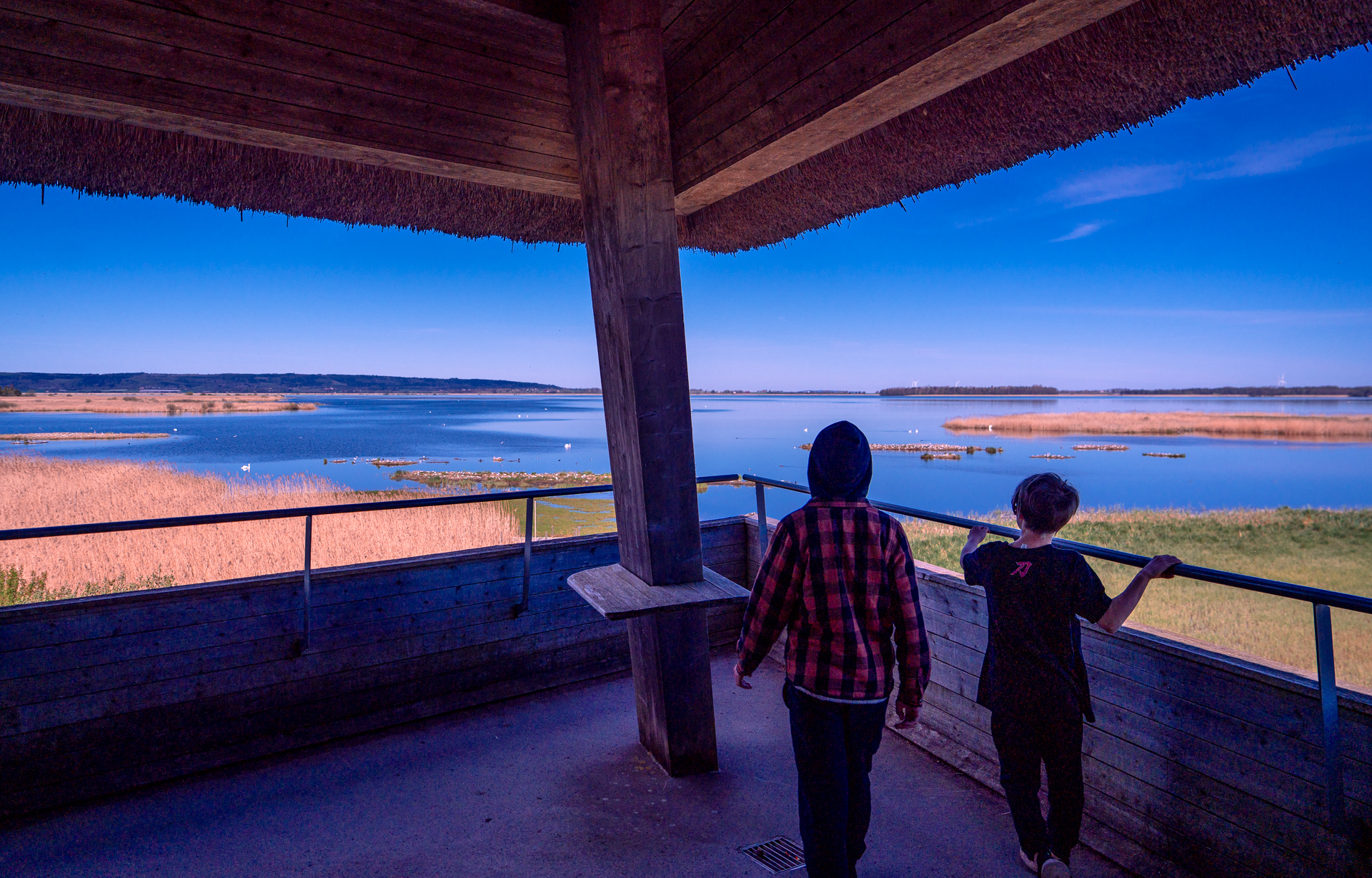
One of northern Europe’s most important bird lakes, surrounded by wetlands, reed beds, and open farmland.
When to visit:
- April–May: peak bird migration
- June: breeding season activity
- Early autumn: warm light and calmer atmosphere
How to experience it:
Walk the well-maintained trails and bird observation paths around the lake.
Best photo spot:
Observation platforms overlooking the reed beds during sunrise.
2. Omberg Ecopark
Where:
Eastern shore of Lake Vättern
What makes it special:
Dramatic forested hills rising directly from Lake Vättern, with cliffs, old-growth forest, and panoramic viewpoints.
When to visit:
- May–June: fresh greenery
- September–October: autumn colors
- Winter: frozen shoreline and dramatic light
How to experience it:
Hike the trails connecting viewpoints, forests, and shoreline.
Best photo spot:
Hjässatorget viewpoint overlooking Lake Vättern.
3. Stora Ålö Nature Reserve
Where:
Near Valdemarsvik, eastern Östergötland
What makes it special:
A coastal nature reserve with open meadows, rocky shores, and Baltic Sea views.
When to visit:
- Late spring: wildflowers
- Summer: calm coastal light
- Autumn: minimalistic seascapes
How to experience it:
Easy walking trails across open coastal landscapes.
Best photo spot:
Rocky shoreline with open sea horizon at sunset.
4. Kindabygden Lake District
Where:
Southern Östergötland
What makes it special:
A classic Swedish lake landscape with forests, rolling hills, and small villages.
When to visit:
- Summer: calm water and reflections
- Autumn: misty mornings and fall color
How to experience it:
Explore lakeside roads and short forest walks.
Best photo spot:
Small forest lakes at sunrise with mist rising from the water.
5. Ycke Urschog Nature Reserve
Where:
Between Linköping and Norrköping
What makes it special:
One of Östergötland’s finest old-growth forests with ancient pines and moss-covered ground.
When to visit:
- Spring: fresh greens and light
- Autumn: deep forest atmosphere
How to experience it:
Short walking trails through untouched forest.
Best photo spot:
Dense pine forest interior with filtered light.
6. Bråviken Archipelago
Where:
Between Norrköping and the Baltic Sea
What makes it special:
Sheltered coastal waters with rocky islands, forested shores, and calm conditions.
When to visit:
- Summer: kayaking and reflections
- Early autumn: soft light and fewer visitors
How to experience it:
Explore by kayak or walk coastal paths.
Best photo spot:
Low rocky shores with islands layered into the distance.
7. Svensksundsviken Nature Reserve
Where:
Near Norrköping
What makes it special:
Shallow coastal bay rich in birdlife, with reeds, open water, and coastal forest.
When to visit:
- Spring: migrating birds
- Autumn: atmospheric coastal scenes
How to experience it:
Follow shoreline paths and observation areas.
Best photo spot:
Reed-lined shoreline at sunrise.
8. Borgarmon Nature Reserve
Where:
Northern Östergötland
What makes it special:
Dramatic forested ravines, streams, and old deciduous woodland.
When to visit:
- Spring: flowing water and fresh leaves
- Autumn: strong color contrast
How to experience it:
Hiking trails through the ravine system.
Best photo spot:
Stream sections framed by steep forested slopes.
9. Roxen Lake Shoreline
Where:
North of Linköping
What makes it special:
Wide-open lake views, wetlands, and birdlife with changing seasonal character.
When to visit:
- Spring: bird activity
- Winter: frozen lake patterns
How to experience it:
Walk accessible shoreline areas and wetlands.
Best photo spot:
Open lake views with reeds and low winter sun.
10. Trollegater Nature Reserve
Where:
Southern Östergötland
What makes it special:
A hidden gorge with steep rock walls, caves, and dense forest.
When to visit:
- Late spring: greenery and light
- Autumn: dramatic forest colors
How to experience it:
Short hikes through the gorge and surrounding forest.
Best photo spot:
Rock formations inside the gorge with vertical composition.
Photography Tips for Östergötland
- Sunrise offers the calmest light at lakes and coast
- Autumn provides the strongest color contrast
- Winter creates graphic minimalism along lakes and coast
- Use wide-angle lenses for landscapes, telephoto for birds
Related Travel Guides
- Best Nature Destinations in Sweden
https://frewaphoto.com/best-nature-destinations-sweden/ - Visit Östergötland – Complete Guide
https://frewaphoto.com/visit-ostergotland/ - Best Photo Spots in Sweden
https://frewaphoto.com/best-photo-spots-sweden/ - Swedish Lake Photography Guide
https://frewaphoto.com/swedish-lake-photography/
FAQ – Nature Destinations in Östergötland
What is the best time to visit Östergötland for nature?
Spring and autumn offer the best light and variety.
Is Östergötland good for bird photography?
Yes, especially around Tåkern, Roxen, and coastal bays.
Do I need a car to explore these places?
Some are accessible by public transport, but a car provides flexibility.
Are these destinations family-friendly?
Yes, many have easy trails and facilities.
Is winter worth visiting?
Yes, frozen lakes and coastal light create unique scenes.
Are hiking trails well maintained?
Most reserves have clearly marked paths.
Conclusion
Östergötland offers a rare mix of inland lakes, old forests, dramatic hills, and Baltic coastline. Its accessibility, combined with strong seasonal variation, makes it one of Sweden’s most rewarding regions for nature lovers and photographers alike. Whether you visit in spring bloom or autumn color, the landscapes here reward slow exploration.