
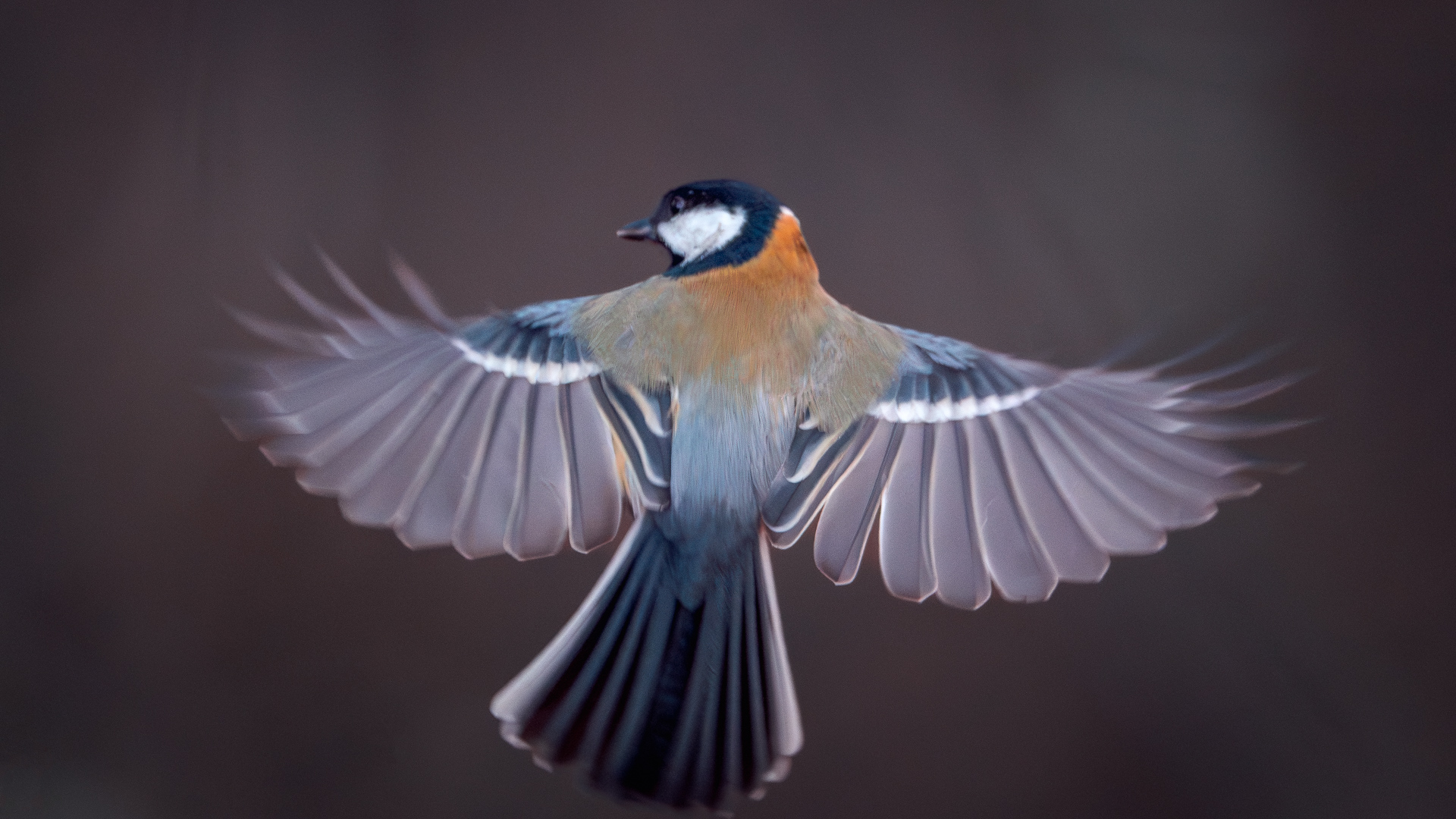
By an expert travel photographer who knows the magic of capturing wildlife, even in your own backyard.
🐦 Introduction: Bring the Wild to Your Window
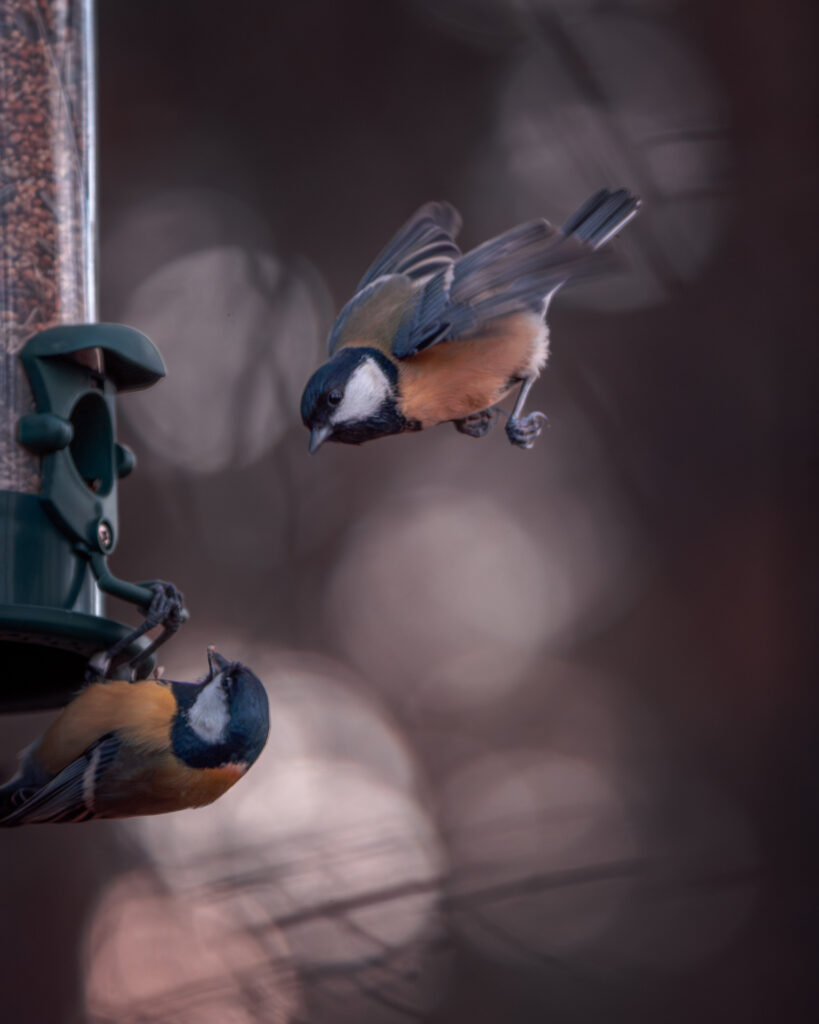
There’s something special about photographing birds right at home — no long hikes, no heavy gear on your back, just you, your camera, and the little feathered visitors who drop by. With simple setups and the right techniques, you can turn your backyard or balcony into a mini bird sanctuary and a stunning photo studio.
In this ultimate guide, I’ll walk you through everything you need to feed, attract, and photograph birds at home like a pro.
🪴 Quick Overview
- Best ways to attract birds
- Choosing feeders, food, and placement
- Creating a photo-friendly setup
- Camera gear & beginner-friendly settings
- Tips for sharp, beautiful bird photos
- Seasonal strategies
- Common mistakes to avoid
- FAQs & resources
🌾 1. How to Attract Birds to Your Home
Choose the Right Food
Different birds prefer different snacks. A few reliable options:
- Black oil sunflower seeds: Goldfinches, chickadees, sparrows
- Nyjer (thistle): Finches
- Peanuts (unsalted): Jays, woodpeckers
- Suet blocks: Winter-friendly, great for woodpeckers
- Fruit (apple slices, berries): Thrushes, orioles
Use Appropriate Feeders
- Tube feeders: Great for small songbirds
- Hopper feeders: Versatile and easy to maintain
- Suet cages: Winter winners
- Platform feeders: Bring in a wide variety
Placement Matters
- Put feeders near natural cover like shrubs or trees.
- Keep feeders not too close to windows to prevent collisions.
- Add bird-friendly plants like sunflowers, lavender, or berry bushes.
📸 2. Build a Photo-Optimized Setup
This is where the magic happens.
Create a Clean, Soft Background
Place your feeder 3–5 meters in front of bushes or trees so the background blurs beautifully.
Use Natural Perches
Birds love to hop onto branches before heading to the feeder. Use:
- Broken branches
- Mossy logs
- Curved twigs
- Stones
Place these 20–30 cm above or beside the feeder for natural-looking shots.
Control the Light
- Face your setup away from harsh midday sun.
- Early morning and late afternoon give you dreamy, soft light.
- Avoid placing feeders in shadow/sun patch mixes.
📷 3. Camera Gear & Easy Settings
You don’t need expensive gear — but the right choices help.
Gear Recommendations
- Camera: Any DSLR or mirrorless
- Lens: 200–600mm for wildlife; 55–250mm works for beginners
- Tripod or monopod: Helps with stability
- Remote shutter: Useful for skittish birds
Beginner Settings
- Shutter speed: 1/1000s or faster
- Aperture: f/5.6–f/8
- ISO: 400–1600 depending on light
- Focus mode: Continuous AF (AI-Servo/AF-C)
- Burst mode: Always ON
💡 4. Pro Tips for Stunning Bird Photos
- Pre-focus on the perch, not the feeder.
- Keep backgrounds simple — greens and browns work beautifully.
- Watch for catchlight in the eyes.
- Clean feeders often for better hygiene and better photos.
- Be patient — birds reward stillness.
🌦️ 5. Seasonal Strategy
- Winter: Suet, high-energy seeds; great for woodpeckers.
- Spring: Migratory birds show up; try fruit.
- Summer: Add water sources; use shallow baths.
- Autumn: Switch to seeds; capture warm golden light.
⚠️ Common Mistakes to Avoid
- Feeding bread or salted foods (bad for birds)
- Overcrowding too many feeders
- Letting feeders get moldy
- Shooting directly into the sun
- Staying too close and scaring birds
❓ FAQs
How long does it take to attract birds?
Usually 3–10 days, but it varies by season and food type.
What’s the best time to photograph birds?
Early mornings — active birds + dreamy light.
Do I need a huge lens?
No. A 200–300mm lens is enough for backyard photography.