
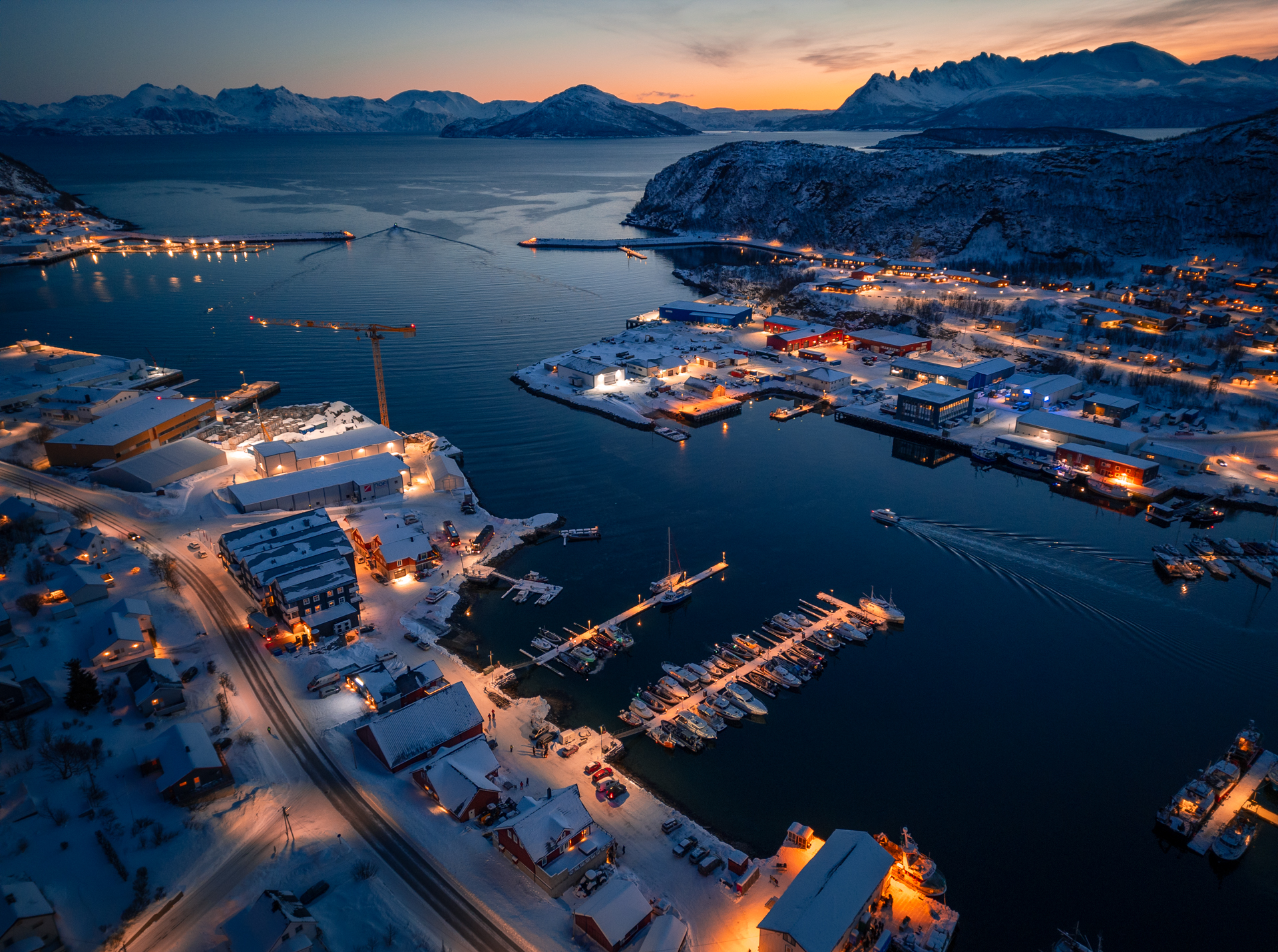
A complete guide to flying drones legally, safely, and creatively in the Arctic
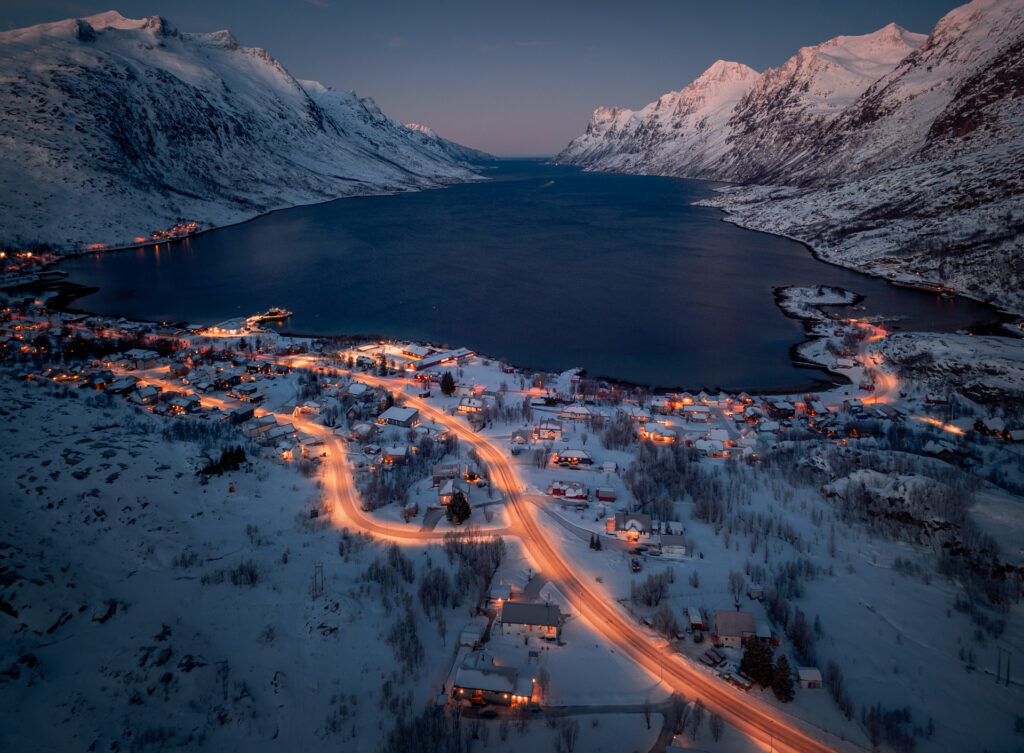
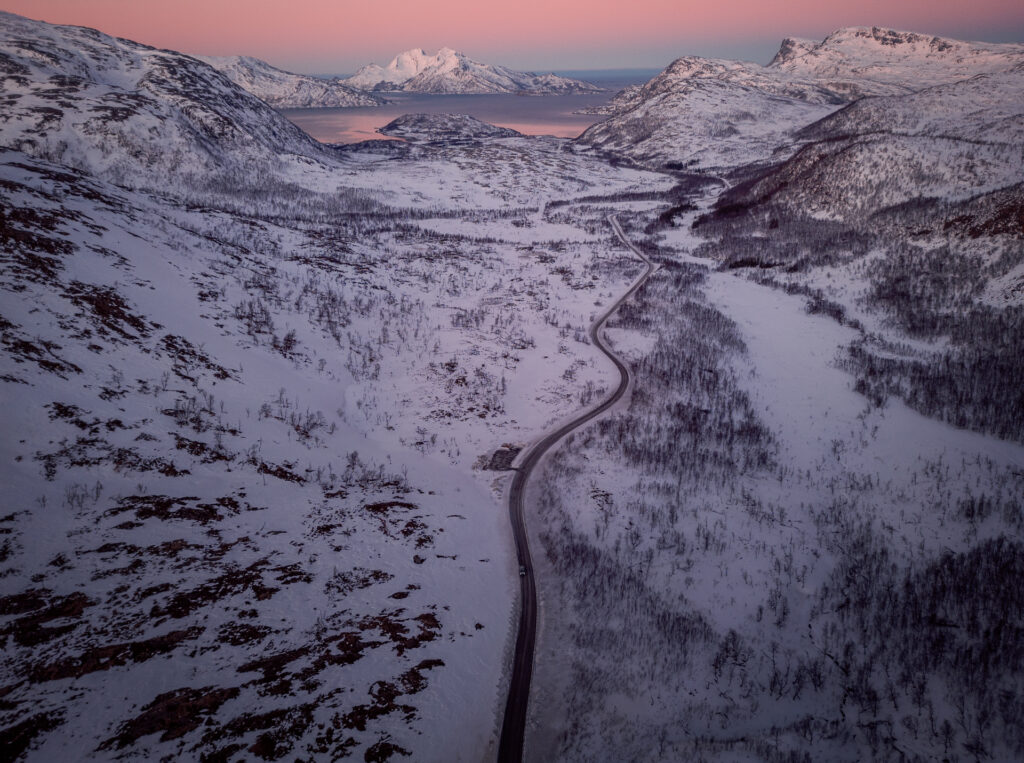
Tromsø is one of the most visually striking places in the world for drone photography. Surrounded by fjords, islands, mountains, Arctic beaches, and dramatic seasonal light, it offers endless opportunities for aerial storytelling. From winter auroras and snow-covered peaks to summer midnight sun and turquoise coastal waters, Tromsø rewards drone pilots who plan carefully and fly responsibly.
This guide is written for travel and landscape photographers who want to capture Tromsø from the air while staying within Norwegian drone regulations and respecting fragile Arctic environments.
Why Tromsø Is Exceptional for Drone Photography
Tromsø stands out for drone work because it combines:
- Deep fjords with steep vertical relief
- Isolated islands and bridges
- Minimal development outside the city
- Strong seasonal contrast (snow, darkness, midnight sun)
- Clear separation between urban and wilderness zones
Unlike many popular destinations, Tromsø still offers large areas with minimal visual clutter, making it ideal for clean compositions from above.
Drone Regulations in Norway (Critical to Know)
Before flying in Tromsø, you must understand Norwegian drone laws. Norway enforces drone rules strictly, especially in Arctic and wildlife-rich areas.
Key Rules You Must Follow
- Maximum altitude: 120 meters
- Always maintain visual line of sight
- Keep at least 150 meters away from people, buildings, and vehicles
- No flying over crowds
- No flying near airports or heliports
- Respect wildlife protection laws
- Follow EASA (EU) drone categories
Tromsø Airport has a large no-fly zone, which affects much of Tromsøya island.
Registration & Insurance
If your drone:
- Has a camera
- Weighs more than 250g
You must:
- Register as a drone operator in the EU system
- Carry valid liability insurance
Even recreational pilots are expected to comply.
Where You Should Not Fly a Drone in Tromsø
- Tromsø city center
- Near Tromsø Airport
- Over residential neighborhoods
- Near harbors with ship traffic
- Around wildlife colonies
- Over reindeer herds
- National parks and protected reserves without permission
Flying illegally in Norway can result in heavy fines and confiscation of equipment.
Best Types of Drone Landscapes Around Tromsø
Instead of naming exact coordinates, focus on landscape types that consistently produce strong results.
Fjord Systems
Fjords are Tromsø’s strongest aerial feature.
What works well:
- Vertical top-down shots showing fjord edges
- Side-lit mountain ridges
- Ice or snow patterns on water
- Reflections during calm conditions
Best seasons:
- Winter for graphic contrast
- Summer for deep blues and greens
Islands & Bridges
Islands around Tromsø create natural leading lines and scale references.
Drone compositions to try:
- Bridges cutting across water
- Island clusters with repeating shapes
- Shoreline curves and sandbars
- Mountains rising behind low islands
These shots work exceptionally well during golden hour or blue hour.
Arctic Beaches
White sand beaches near Tromsø are rare at this latitude and photograph beautifully from the air.
What to capture:
- Turquoise shallows in summer
- Snow-dusted sand in winter
- Wave patterns and textures
- Minimalist compositions
Top-down angles work especially well here.
Mountain Plateaus & Ridge Lines
Higher elevation areas provide dramatic topography without needing extreme altitude.
Best aerial compositions:
- Ridge lines separating valleys
- Snow patterns and wind-sculpted textures
- Long shadows during low sun angles
- Fog layers filling valleys
These locations are ideal for abstract landscape photography.
Seasonal Drone Photography in Tromsø
Winter (November–March)
Winter drone photography is challenging but extremely rewarding.
Visual strengths:
- Snow-covered mountains
- Frozen shorelines
- Long blue hours
- Strong contrast between land and sea
Challenges:
- Cold batteries (carry spares inside your jacket)
- Wind exposure
- Short daylight windows
Tip: Fly short, controlled flights and land early to avoid battery drops.
Spring (April–May)
Spring offers:
- Melting snow patterns
- Ice breakup textures
- Increasing daylight
- Less tourist traffic
This is one of the best seasons for top-down compositions of fjords and shorelines.
Summer (June–August)
Summer provides:
- Midnight sun
- Long shooting windows
- Vibrant colors
- Safer flying conditions
Best for:
- Coastal and island photography
- Long shadows at night
- Clean compositions without snow clutter
Midnight sun allows multiple flights at different light angles in a single “day”.
Autumn (September–October)
Autumn is underrated for drone photography.
Visual highlights:
- Golden tundra colors
- Early snow on peaks
- Dramatic cloud systems
- First aurora nights (no flying during aurora due to darkness and orientation loss)
Perfect for cinematic landscape work.
Aurora & Drones: Important Safety Note
Flying drones during Northern Lights is not recommended.
Reasons:
- Loss of orientation in darkness
- Cold battery failure
- Risk of flyaways
- Difficulty maintaining line of sight
Aurora drone footage is also legally complex and often misleading online. Focus on ground-based aurora photography instead.
Composition Tips for Drone Photography in Tromsø
Use Scale Intentionally
Include:
- Small boats
- Bridges
- Cabins
- Roads
This helps communicate the vastness of the Arctic landscape.
Look for Patterns
Top-down drone shots are powerful in Tromsø.
Look for:
- Snowdrift textures
- Shoreline curves
- Ice cracks
- Tundra vegetation patterns
These images work well for editorial and fine art use.
Respect Negative Space
Tromsø landscapes shine when kept simple.
Avoid:
- Overcrowded frames
- Excessive altitude
- Too many elements
Minimalist compositions often outperform complex ones.
Gear Recommendations for Arctic Drone Flying
- Drone with strong wind resistance
- Multiple batteries
- Battery hand warmers
- ND filters for summer
- Landing pad for snow or sand
- Gloves with touchscreen compatibility
Always calibrate compass and sensors after temperature changes.
Ethical Drone Photography in the Arctic
Responsible flying is essential in Tromsø.
Always:
- Avoid wildlife
- Land immediately if animals react
- Respect local communities
- Avoid flying near homes or cabins
- Keep flights short and purposeful
Arctic ecosystems are fragile, and disturbance can have lasting effects.
Common Mistakes to Avoid
- Flying too close to mountains in wind
- Launching with cold batteries
- Flying without checking airspace restrictions
- Chasing dramatic shots beyond safe limits
- Ignoring changing weather
Conservative flying produces better long-term results.
Related Travel Guides
- Tromsø Winter Photography Guide
https://frewaphoto.com/tromso-winter-photography-guide/ - Best Photo Spots in Kvaløya and Sommarøy
https://frewaphoto.com/best-photo-spots-kvaloya-sommaroy/ - Best Aurora Photography Spots near Tromsø
https://frewaphoto.com/best-aurora-spots-tromso/ - Ultimate Guide to Visit Senja
https://frewaphoto.com/ultimate-guide-visit-senja/
FAQ – Drone Photography in Tromsø
Is drone photography allowed in Tromsø?
Yes, but with strict rules and large no-fly zones near the city and airport.
Do I need a license?
You must register as a drone operator and follow EU EASA rules.
Can I fly over fjords?
Yes, if you maintain distance from people, boats, and wildlife.
Is winter flying safe?
Yes, with preparation. Battery management is critical.
Can I fly at night?
Night flying is legally complex and not recommended in Arctic conditions.
Are drones allowed in national parks?
Generally no, without special permission.
What is the biggest risk?
Wind and cold-related battery failure.
Is Tromsø good for beginners?
Only if you fly conservatively and outside urban zones.
Do locals accept drones?
Yes, when flown respectfully and away from homes.
What’s the best season for drone photography?
Late spring and summer offer the safest conditions.
Conclusion
Tromsø is one of the most rewarding places in the world for drone photography—if approached with respect, planning, and restraint. Its fjords, islands, and Arctic light create compositions that are both powerful and timeless. By understanding the regulations, choosing the right conditions, and prioritizing ethical flying, you can produce aerial images that truly reflect the scale and beauty of Northern Norway.
Done right, drone photography in Tromsø is not about spectacle—it’s about perspective.