
Introduction
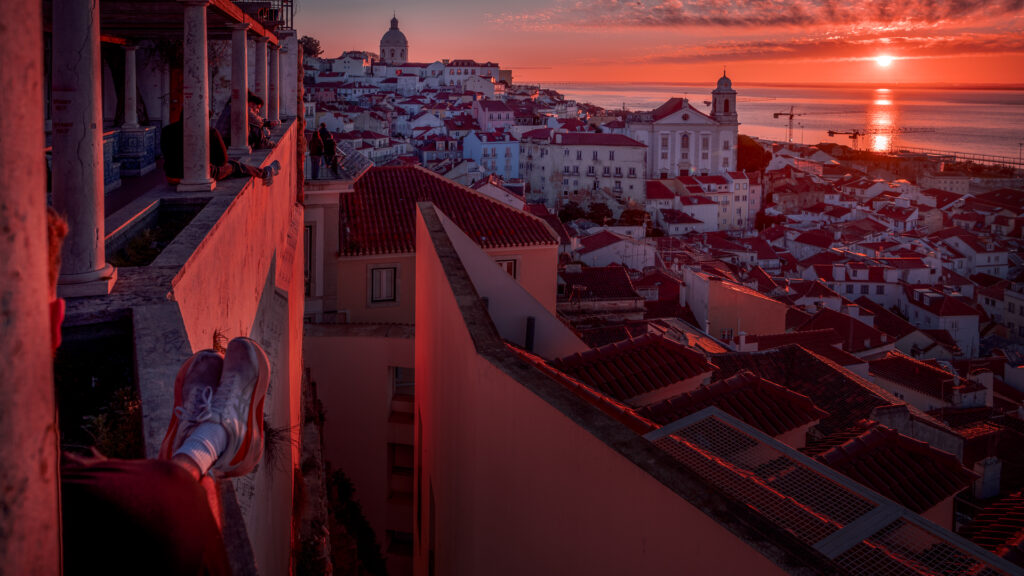
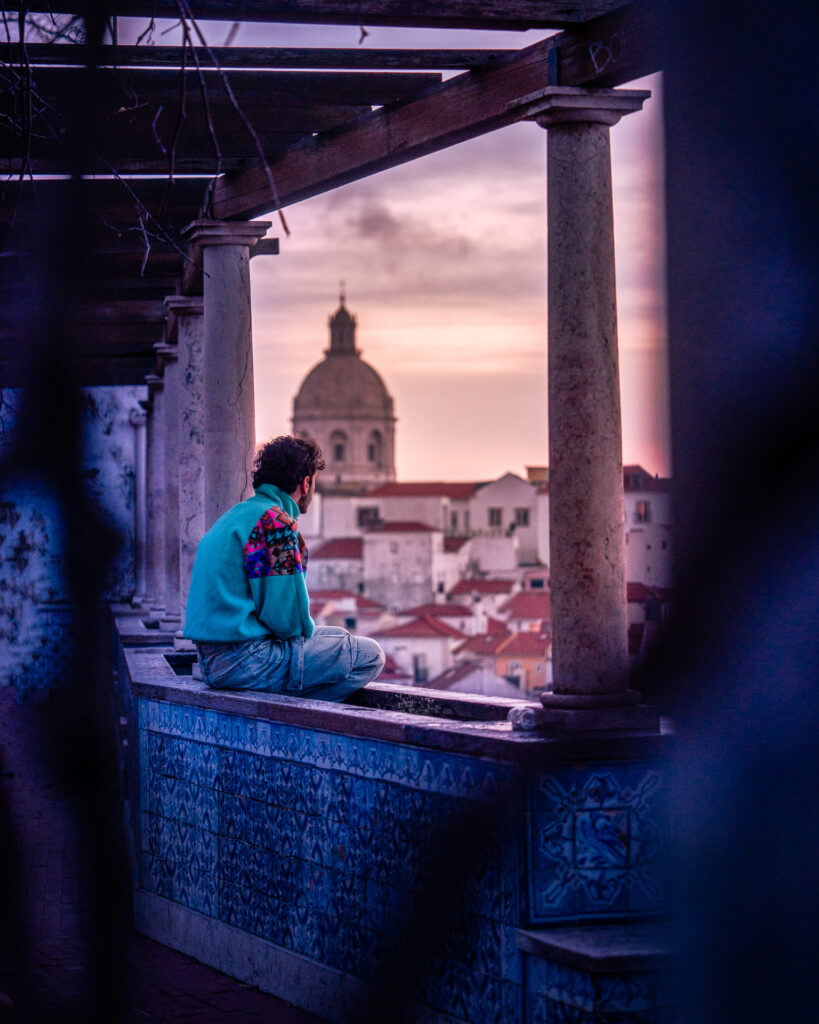
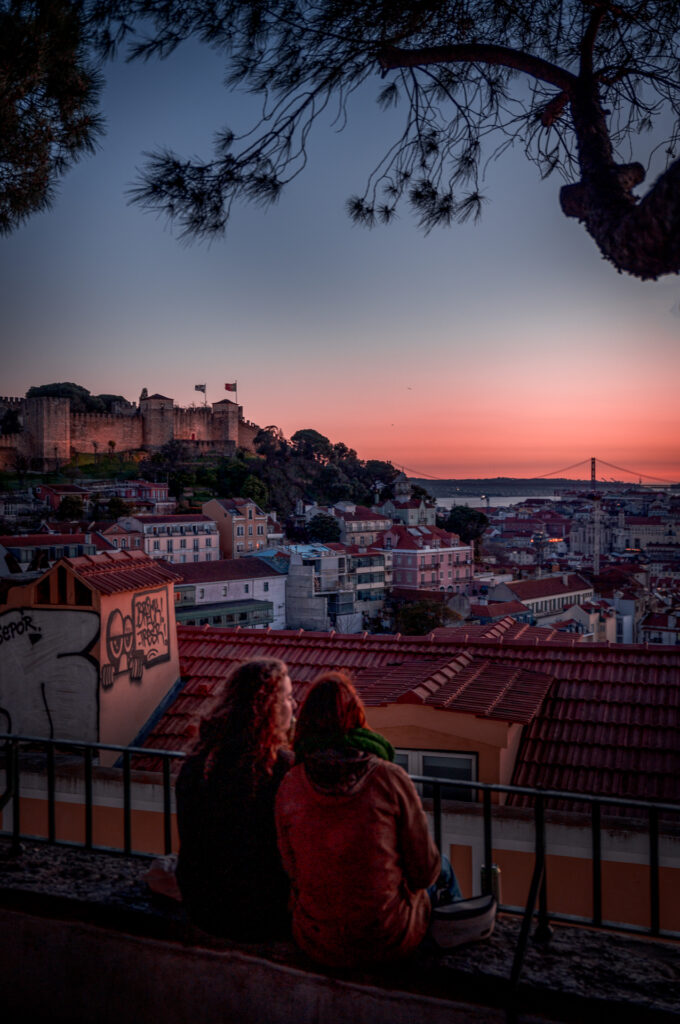
Few places in Europe are as photogenic as Alfama, the oldest neighborhood in Lisbon. With its steep cobblestone streets, colorful tiled buildings, and iconic yellow trams winding through narrow alleys, Alfama offers some of the most atmospheric street photography opportunities in the city.
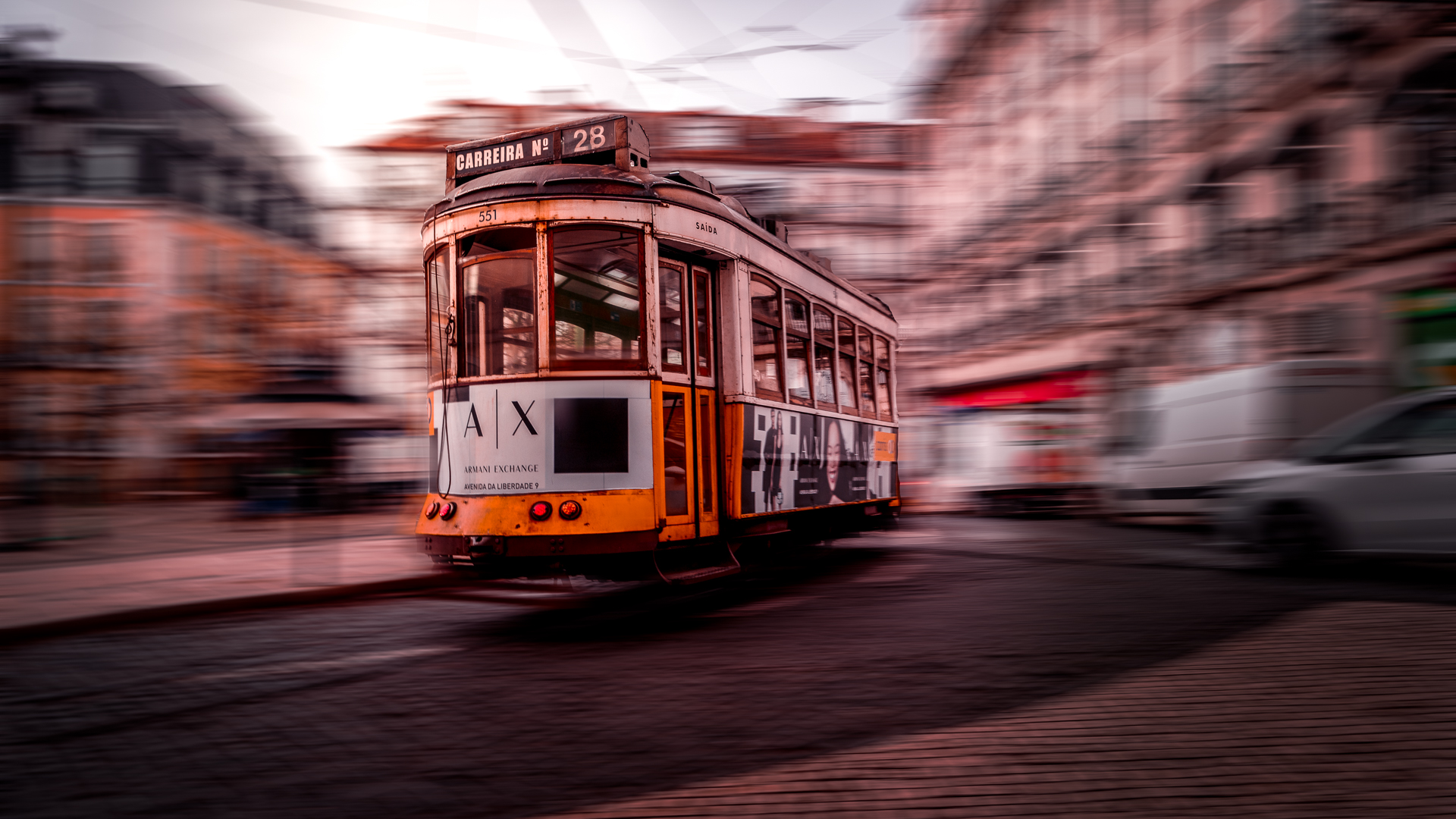
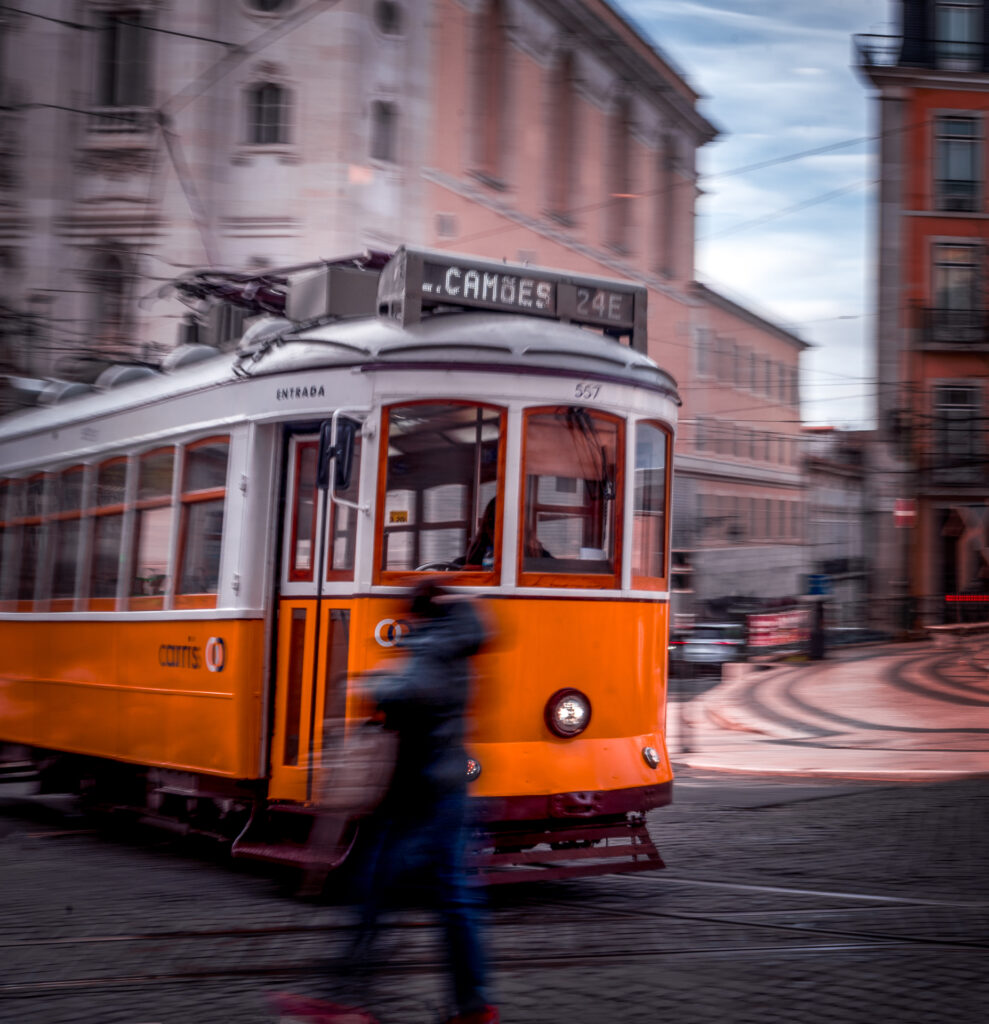
One of the most recognizable symbols of Lisbon is the classic yellow tram, especially Lisbon Tram 28, which travels through Alfama’s maze-like streets. For photographers, capturing these trams moving through historic streets, framed by pastel buildings and traditional Portuguese tiles, can create unforgettable images.
What makes tram photography in Alfama so unique is the combination of historic architecture, vibrant street life, and constantly changing light. Every corner offers a new perspective—whether it’s a tram turning around a tight corner, locals walking past tiled walls, or sunlight filtering through narrow streets.
In this Lisbon tram and Alfama photography guide, you’ll discover the best locations to photograph trams, the best times of day for light, and practical tips for capturing dynamic street scenes in this historic district.
If you enjoy photographing historic European cities, you might also enjoy this related guide:
https://frewaphoto.com/street-photography-in-paris-guide/
Why Alfama Is Perfect for Tram Photography
The historic district of Alfama is one of the most visually interesting places to photograph trams in Lisbon.
Historic Streets and Architecture
Alfama survived the devastating 1755 Lisbon Earthquake, which means its streets still follow a medieval layout.
For photographers, this means:
- Narrow winding alleys
- Steep staircases
- Historic buildings covered in tiles
- Dramatic viewpoints overlooking the river
These features create incredibly dynamic compositions when a tram appears in the frame.
The Famous Yellow Trams
Lisbon’s traditional trams are among the city’s most iconic photography subjects.
The most famous route is Lisbon Tram 28, which passes through many of Alfama’s most photogenic streets.
Photographers love these trams because they:
- Add movement to street scenes
- Provide a strong focal point
- Contrast beautifully with pastel buildings
When a tram moves through a narrow street, it creates a classic Lisbon travel image.
Steep Streets and Dramatic Perspectives
Alfama’s hills create fantastic photographic angles.
You can capture:
- Trams climbing steep streets
- Long leading lines from tram tracks
- Dramatic perspectives looking downhill toward the river
These natural perspectives make tram photography in Alfama especially dynamic.
Best Tram Photography Locations in Alfama
Miradouro de Santa Luzia
Google Maps:
https://maps.google.com/?q=Miradouro+de+Santa+Luzia+Lisbon
One of the most beautiful viewpoints in Alfama is Miradouro de Santa Luzia, famous for its tiled walls, bougainvillea flowers, and sweeping views across the neighborhood.
Why It’s Great for Photography
This location offers:
- Elevated views over Alfama rooftops
- Traditional Portuguese tiles
- Photogenic architecture
While trams are not directly visible from the viewpoint, this spot is perfect for capturing the atmosphere of the neighborhood before exploring nearby tram streets.
Photography Tips
- Visit early morning for soft light
- Include the azulejo tile murals in compositions
- Use a wide-angle lens to capture rooftops and river views
This is one of the most picturesque places in Alfama.
Rua de São Tomé
Google Maps:
https://maps.google.com/?q=Rua+de+Sao+Tome+Lisbon
Rua de São Tomé is one of the best streets for photographing trams in Alfama.
This narrow street features dramatic curves where trams pass very close to buildings.
What Makes It Special
Photographers can capture:
- Trams turning through tight corners
- Leading lines from tram tracks
- Historic facades and balconies
The curve of the street makes compositions more dynamic.
Photography Tips
- Wait for the tram to enter the curve
- Use the street walls to frame the tram
- Shoot from a low angle for dramatic perspective
Patience is key here because trams pass every few minutes.
Largo das Portas do Sol
Google Maps:
https://maps.google.com/?q=Largo+das+Portas+do+Sol+Lisbon
Another spectacular viewpoint in Alfama is Largo das Portas do Sol.
This location offers panoramic views over the rooftops of Alfama and the Tagus River.
Why Photographers Love It
The viewpoint provides:
- Stunning cityscape views
- Beautiful light at sunrise and sunset
- Easy access to nearby tram streets
Trams frequently pass nearby streets, making it easy to combine viewpoints and tram photography.
Photography Tips
- Shoot at sunrise for golden light
- Capture silhouettes of rooftops
- Use telephoto lenses to compress city layers
This location is perfect for scenic Lisbon images.
Rua da Bica de Duarte Belo
Google Maps:
https://maps.google.com/?q=Rua+da+Bica+de+Duarte+Belo+Lisbon
Although technically located just outside Alfama, this famous street is one of the most recognizable tram photography locations in Lisbon.
Here you can photograph the historic Bica Funicular climbing a steep hill.
Why It’s Famous
This location features:
- A steep street with tram tracks
- Colorful buildings on both sides
- Long leading lines
The composition naturally draws the viewer’s eye toward the tram.
Photography Tips
- Stand near the bottom of the hill
- Use symmetry to frame the tram
- Capture the tram moving up the hill
This street creates a classic Lisbon photograph.
Lisbon Cathedral
Google Maps:
https://maps.google.com/?q=Lisbon+Cathedral
The historic Lisbon Cathedral is one of the most iconic landmarks along the route of Lisbon Tram 28.
Why It’s a Great Photo Spot
Here you can photograph:
- Trams passing directly in front of the cathedral
- Historic architecture with tram tracks
- Dramatic light hitting the cathedral facade
This combination creates a powerful storytelling image.
Photography Tips
- Use the cathedral as a background
- Wait for the tram to enter the frame
- Capture people interacting with the scene
This location perfectly combines architecture and tram photography.
When to Photograph Trams in Alfama
Timing can dramatically affect your photography results.
Early Morning
Early morning is one of the best times to photograph Alfama because:
- Streets are quieter
- Soft light hits buildings
- Trams are less crowded
This makes it easier to capture clean compositions.
Golden Hour
Late afternoon and sunset create warm light that enhances Alfama’s colorful buildings.
Golden hour produces:
- Warm tones on tiled facades
- Long shadows across streets
- Atmospheric street scenes
This is one of the most photogenic times to shoot.
Blue Hour
Blue hour occurs just after sunset and creates dramatic lighting conditions.
You can capture:
- Glowing street lamps
- Trams illuminated by headlights
- Deep blue skies above historic buildings
These conditions are perfect for cinematic street photography.
Best Weather for Tram Photography
Weather can dramatically change the mood of your images.
Sunny Days
Bright sunshine enhances Lisbon’s colorful architecture.
Strong sunlight also creates dramatic shadows along narrow streets.
Cloudy Conditions
Cloudy days soften the light and reduce harsh shadows.
This can make it easier to photograph details and textures.
After Rain
Rain can create some of the most atmospheric photography conditions.
Look for:
- Reflections on cobblestone streets
- Dramatic skies
- Glowing street lights
Wet streets can add depth and mood to your images.
Advanced Tram Photography Techniques in Alfama
Once you’ve explored the iconic streets and viewpoints of Alfama, you can elevate your photography with advanced techniques that bring out the charm, movement, and atmosphere of Lisbon’s trams.
Capture Motion for Dynamic Shots
Trams in Alfama are constantly moving, and incorporating motion can make your photos feel alive.
- Slow Shutter Blur: Use shutter speeds between 1/15 – 1/60 seconds to create motion blur while keeping the background sharp. This emphasizes movement through narrow streets.
- Panning: Track the tram with your camera as it moves. A shutter speed around 1/30 seconds keeps the tram in focus while blurring the background, creating a sense of speed.
- Foreground Motion: Include pedestrians or street vendors with slight motion blur to add storytelling elements.
Use Leading Lines
Tram tracks naturally form leading lines, guiding the viewer’s eye through the image.
- Look for curved tracks on Rua de São Tomé or Rua da Bica de Duarte Belo to emphasize depth.
- Position yourself at the start of a track and capture the tram approaching.
- Use the lines of balconies, staircases, or building facades to frame the tram for added structure.
Leading lines are particularly effective in Alfama’s narrow streets, creating dramatic and cinematic compositions.
Frame the Scene with Architecture
Alfama’s colorful buildings, tiled facades, and balconies are perfect for framing.
- Use doorways or arches to frame trams for added context.
- Capture the contrast of bright yellow trams against pastel or tiled walls.
- Combine vertical and diagonal lines from buildings and street lamps to create dynamic geometric compositions.
Capture Light and Shadows
Light plays a critical role in tram photography. Pay attention to:
- Golden Hour: Warm light accentuates the colors of the buildings and tram.
- Blue Hour: Street lamps illuminate streets while the sky turns deep blue, perfect for moody evening shots.
- Midday Light: Strong sunlight creates sharp shadows and contrast, adding texture to cobblestone streets.
Look for natural light streaming down narrow streets to create dramatic contrasts or patterns.
Camera Settings for Tram Photography
Aperture
- f/8 – f/11: Ideal for street photography to keep both the tram and surrounding architecture in focus.
- f/2.8 – f/4: Useful if you want to isolate the tram and create a shallow depth-of-field with blurred backgrounds.
Shutter Speed
- 1/60 – 1/250 seconds: Freeze tram movement in bright light.
- 1/15 – 1/60 seconds: Capture motion blur for dynamic effects.
- Always use a tripod or stable surface for slower shutter speeds.
ISO
- ISO 100–400 in daylight for clean images.
- Increase to ISO 800–1600 during blue hour or low-light conditions to maintain detail.
Best Lenses for Tram Photography
Wide-Angle Lenses
- 14–24mm: Capture the entire street scene, including trams, buildings, and the sky.
- Perfect for photographing curved streets or elevated viewpoints like Miradouro de Santa Luzia.
Standard Zoom Lenses
- 24–70mm: Versatile lens for capturing both wide street scenes and closer details.
- Allows quick framing adjustments for dynamic tram movement.
Telephoto Lenses
- 70–200mm: Ideal for compressing perspective and isolating trams against architectural details or city rooftops.
- Great for shooting from viewpoints like Largo das Portas do Sol or Lisbon Cathedral.
Creative Photography Ideas
Reflections on Wet Streets
After rain, tram tracks and cobblestone streets reflect lights and colors beautifully.
- Capture reflections of trams and buildings for doubled visual impact.
- Use low-angle shots for dramatic perspectives.
Silhouettes
- Shoot trams against sunset or sunrise light for silhouette effects.
- Include pedestrians or cyclists to add storytelling elements.
Capture Daily Life
- Photograph trams interacting with locals, street vendors, or Fado musicians.
- Storytelling images help convey the unique culture and charm of Alfama.
Common Mistakes to Avoid
- Arriving Late: Narrow streets fill quickly; getting the best angle often requires patience.
- Ignoring Foreground Elements: Including walls, balconies, or street lamps adds depth.
- Overexposing Yellow Trams: Yellow can easily blow out; check your histogram or underexpose slightly.
- Skipping Multiple Angles: Experiment with low, high, and side views for variety.
FAQs
What is the best tram to photograph in Alfama?
The historic Lisbon Tram 28 is the most photographed tram and passes through Alfama’s most iconic streets.
When is the best time to photograph trams?
Early morning and late afternoon (golden hour) offer soft light, while blue hour provides moody, illuminated street scenes.
Do I need a tripod?
A tripod is recommended for long exposures during golden or blue hour but is optional for daytime shots.
Can beginners photograph trams?
Yes. Start with stationary shots of approaching trams, then experiment with motion blur as you gain confidence.
Which lens is best?
Wide-angle (14–24mm) for streets and viewpoints, standard zoom (24–70mm) for flexibility, and telephoto (70–200mm) for details and compressed perspectives.
Conclusion
Photographing trams in Alfama combines movement, architecture, and vibrant street life into unforgettable images. By exploring viewpoints like Miradouro de Santa Luzia or streets like Rua de São Tomé, photographers can capture Lisbon’s charm at any time of day.
With careful attention to light, motion, and composition, your tram photography will highlight the magic of Alfama’s steep streets, colorful buildings, and iconic yellow trams.
Related Internal Articles
- https://frewaphoto.com/street-photography-in-paris-guide/
- https://frewaphoto.com/macro-photography-in-paris-guide/
- https://frewaphoto.com/sunrise-photography-in-paris-guide/
- https://frewaphoto.com/best-wildlife-photography-in-paris/
- https://frewaphoto.com/night-photography-in-paris-guide/
External Resources
- https://www.visitlisboa.com
- https://www.timeout.com/lisbon
- https://photographylife.com
- https://www.lonelyplanet.com/portugal/lisbon
- https://www.nationalgeographic.com/photography