
Introduction
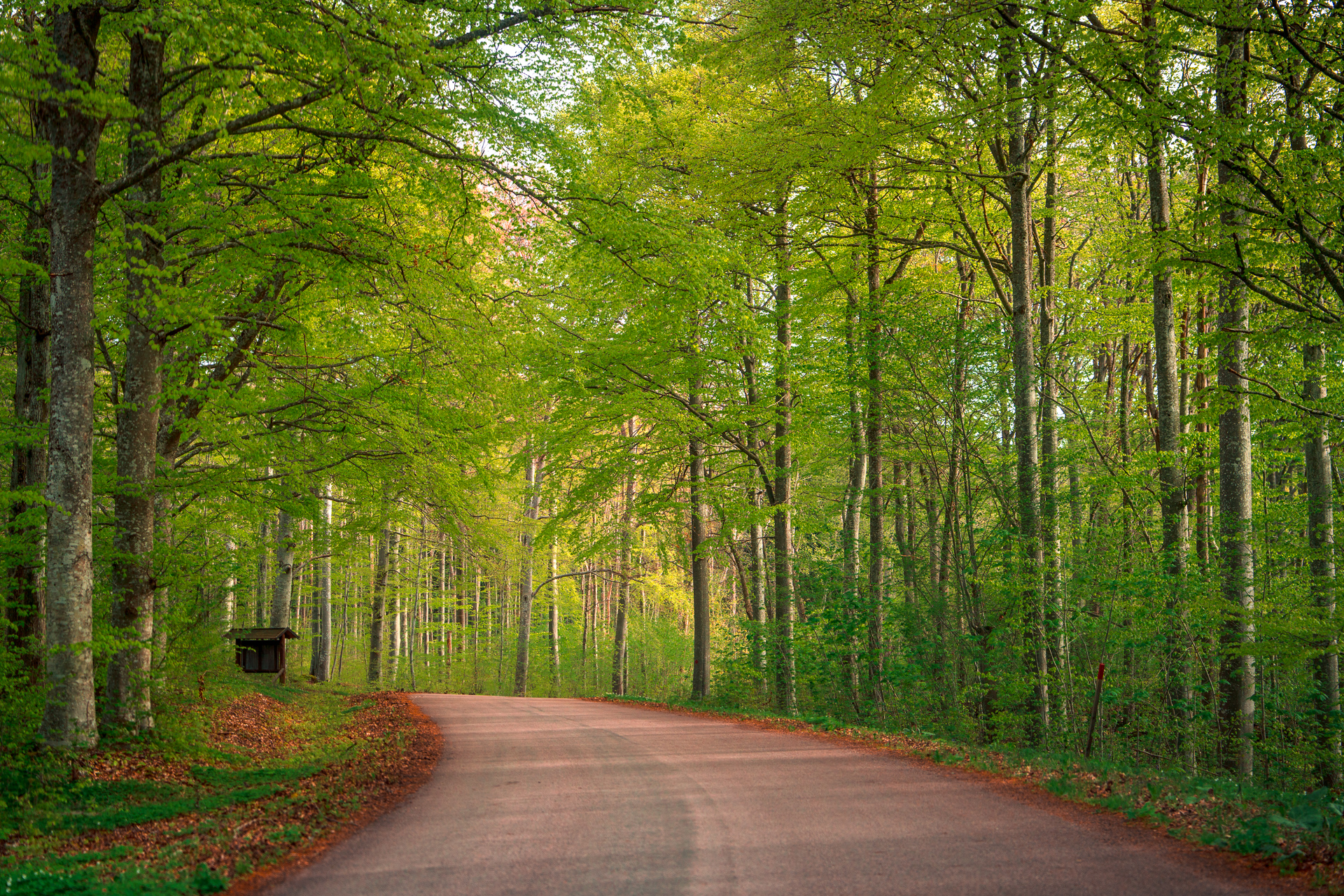
Peaceful woodlands, wild ponies, open heathland, and charming villages—New Forest National Park is one of the most versatile photography destinations in southern England. Unlike dramatic coastal or mountainous regions, the New Forest is all about subtle beauty, atmosphere, and storytelling.
For photographers, this is a place where you slow down. You’re not chasing one iconic viewpoint—you’re exploring light through trees, wildlife moments, misty mornings, and quiet landscapes.
What makes the New Forest especially appealing is how accessible everything is. Within a short drive, you can move between ancient woodland, open heathland, reflective ponds, and picturesque villages, making it ideal for building a varied portfolio in a single trip.
This guide focuses on exactly that: the best locations and Instagram-worthy spots, with practical tips on what to shoot and where to stand.
Why Photograph the New Forest
What Makes It Special
- Ancient woodland with unique tree formations
- Free-roaming ponies, deer, and cattle
- Open heathland with big skies
- Quiet, atmospheric landscapes
What This Means for Photography
- Strong opportunities for wildlife photography
- Soft, natural compositions
- Excellent conditions for mist and mood
- Variety without needing long travel distances
Best Photography Locations & Instagram Spots
Bolderwood Deer Sanctuary
Google Maps
https://maps.google.com/?q=Bolderwood+Deer+Sanctuary
Why Shoot Here
One of the best places in the New Forest to reliably photograph deer.
What to Photograph
- Deer in woodland clearings
- Natural forest backgrounds
- Wildlife behavior and interaction
Concrete Shooting Tips
- Visit early morning for best light and activity
- Use a telephoto lens (200mm+)
- Stay quiet and keep distance for natural shots
Blackwater Arboretum
Google Maps
https://maps.google.com/?q=Blackwater+Arboretum
Why Shoot Here
One of the most photogenic woodland areas, especially in autumn.
What to Photograph
- Tree-lined paths
- Seasonal colors
- Symmetry and leading lines
Concrete Shooting Tips
- Shoot from the center of paths for symmetry
- Visit in autumn for peak color
- Use a telephoto lens to compress trees
Rhinefield Ornamental Drive
Google Maps
https://maps.google.com/?q=Rhinefield+Ornamental+Drive
Why Shoot Here
Famous for its tall trees and tunnel-like road.
What to Photograph
- Tree canopy forming natural tunnels
- Roads leading through forest
- Light beams filtering through trees
Concrete Shooting Tips
- Shoot early morning for mist and light rays
- Position yourself in the middle of the road for leading lines
- Use a wide-angle lens (16–24mm)
Hatchet Pond
Google Maps
https://maps.google.com/?q=Hatchet+Pond
Why Shoot Here
One of the largest ponds in the New Forest with open views.
What to Photograph
- Reflections in still water
- Ponies grazing nearby
- Minimalist landscapes
Concrete Shooting Tips
- Shoot at sunrise for calm water reflections
- Use a long lens to isolate subjects
- Look for mist over the water
Wilverley Plain
Google Maps
https://maps.google.com/?q=Wilverley+Plain
Why Shoot Here
Open heathland with wild ponies and big skies.
What to Photograph
- Ponies in natural habitat
- Wide, open landscapes
- Sunset silhouettes
Concrete Shooting Tips
- Best at sunset for warm tones
- Use a telephoto lens for subject isolation
- Include sky for dramatic compositions
Lyndhurst
Google Maps
https://maps.google.com/?q=Lyndhurst+New+Forest
Why Shoot Here
A classic New Forest village with charm and character.
What to Photograph
- Traditional cottages
- Streets with forest backdrop
- Lifestyle and travel scenes
Concrete Shooting Tips
- Shoot early morning to avoid crowds
- Use a standard lens (35–70mm)
- Look for details like shopfronts and textures
Brockenhurst
Google Maps
https://maps.google.com/?q=Brockenhurst
Why Shoot Here
A village where ponies roam freely.
What to Photograph
- Ponies walking through streets
- Village + wildlife combinations
- Unique storytelling scenes
Concrete Shooting Tips
- Keep your camera ready—wildlife moves unpredictably
- Use a fast shutter speed for movement
- Combine human and animal elements
Ober Water
Google Maps
https://maps.google.com/?q=Ober+Water
Why Shoot Here
A quiet stream surrounded by woodland.
What to Photograph
- Flowing water
- Reflections and textures
- Forest detail shots
Concrete Shooting Tips
- Use a tripod + slow shutter (1–2 seconds)
- Frame rocks and branches as foreground
- Best in soft, diffused light
Beaulieu River
Google Maps
https://maps.google.com/?q=Beaulieu+River
Why Shoot Here
A peaceful river setting with classic English scenery.
What to Photograph
- Boats and reflections
- River landscapes
- Soft, natural compositions
Concrete Shooting Tips
- Shoot at golden hour for warm reflections
- Use a polarizer to control glare
- Look for leading lines in the water
When to Photograph the New Forest
Best Time of Day
- Early morning: Mist, wildlife, soft light
- Late afternoon/evening: Warm tones and long shadows
Best Seasons
Spring
- Fresh greens and wildlife activity
Summer
- Dense foliage and long days
Autumn
- Peak colors and best photography season
Winter
- Minimalism, fog, and atmospheric scenes
Best Weather and Conditions
Ideal Conditions
- Mist and fog for atmosphere
- Overcast skies for soft light
- Calm conditions for reflections
Creative Conditions
- Frost for winter detail
- Rain for texture and mood
- Light beams through trees
How to Plan a Shoot in the New Forest
Practical Route Example
- Sunrise: Hatchet Pond
- Midday: Blackwater Arboretum
- Sunset: Wilverley Plain
Key Insight
The New Forest is about patience and observation—great shots often appear unexpectedly.
Location Strategy Tips
- Drive between locations but walk to explore properly
- Revisit spots in different conditions
- Keep your camera ready for wildlife
- Focus on light, not just location
Where to Stay in the New Forest
Choosing the right base makes a big difference, especially since many of the best photography spots are spread out.
Rhinefield House Hotel
Why stay here:
Right inside the forest and close to Rhinefield Ornamental Drive.
Photography advantage:
- Early access to misty woodland scenes
- Wildlife often appears around the grounds
- Perfect for sunrise shoots without driving
The Pig
Why stay here:
A stylish countryside hotel with strong food focus.
Photography advantage:
- Close to central forest locations
- Great base for Beaulieu River and surrounding areas
- Beautiful interiors for lifestyle photography
Careys Manor Hotel & SenSpa
Why stay here:
Comfortable and centrally located.
Photography advantage:
- Easy access to multiple locations
- Good for multi-day shoots across the forest
Montagu Arms Hotel
Why stay here:
Perfect for photographing the Beaulieu area.
Photography advantage:
- Close to Beaulieu River
- Ideal for sunrise river shots
Where to Eat (Photographer-Friendly Stops)
The Oak Inn
Why go:
Classic New Forest pub surrounded by woodland.
Best for photographers:
- Great stop after shooting Blackwater Arboretum
- Rustic interiors and outdoor seating
The Snakecatcher
Why go:
Popular local pub with relaxed atmosphere.
Best for photographers:
- Central location between multiple shooting spots
- Easy stop between sunrise and sunset sessions
The Master Builder’s House
Why go:
Located right on the river.
Best for photographers:
- Combine with a shoot at Beaulieu River
- Great for sunset dining with views
Peggy Mays Cafe
Why go:
Casual café perfect for breakfast.
Best for photographers:
- Ideal before early shoots
- Quick and convenient
How to Get Around
By Car (Best Option)
- The most efficient way to explore
- Distances are short but locations are spread out
- Parking available at most key spots
Key tip:
- Arrive early at places like Blackwater Arboretum to secure parking
By Bike
- The New Forest is very bike-friendly
- Great for exploring areas like Wilverley Plain
Best for:
- Slower, more immersive photography
- Stopping frequently for shots
By Train
- Main stations:
- Brockenhurst
- Lyndhurst
Tip:
Combine train travel with bike rental for flexibility.
How to Plan a Photography Day
Sunrise Plan
- Start at Hatchet Pond
- Look for mist and reflections
- Watch for ponies near water
Midday Plan
- Move to Rhinefield Ornamental Drive
- Then explore Blackwater Arboretum
- Focus on woodland compositions
Sunset Plan
- Head to Wilverley Plain
- Capture silhouettes and open landscapes
Practical Travel Tips for Photographers
Wildlife Awareness
- Ponies and deer roam freely
- Keep a respectful distance
- Never feed or approach animals
Parking & Access
- Many car parks are small
- Early arrival is key
- Some areas require short walks
Weather Strategy
- Misty mornings = best conditions
- Overcast skies work well in woodland
- Rain enhances color and atmosphere
What to Bring
- Waterproof footwear (often muddy)
- Lightweight gear for walking
- Snacks and water (limited options in remote areas)
Nearby Locations to Combine
Lymington
- Coastal town with harbor views
- Great for sunset and lifestyle shots
Milford on Sea
- Coastal photography option
- Combine forest + sea in one trip
FAQs
Is the New Forest good for photography?
Yes—it’s ideal for wildlife, woodland, and atmospheric photography, especially in misty conditions.
Where are the best Instagram spots in the New Forest?
Rhinefield Ornamental Drive, Hatchet Pond, and Wilverley Plain are among the most popular.
When is the best time to visit?
Autumn is the most photogenic season, followed by spring for fresh greens.
Can I visit without a car?
Yes, but a car gives you far more flexibility.
How many days do I need?
2–3 days is ideal to explore multiple locations and conditions.
Is it crowded?
Some areas can be busy, but the forest is large enough to find quiet spots.
Conclusion
New Forest National Park is less about iconic landmarks and more about moments, light, and atmosphere. It rewards photographers who slow down, explore, and stay patient.
With the right planning—choosing a good base, timing your locations, and understanding how to move between spots—you can create a diverse portfolio ranging from wildlife to woodland to open landscapes.
Related Internal Articles
- Dorset National Landscape Photography Guide
- Dartmoor National Park Photography Guide
- Pembrokeshire Coast Photography Guide
- Best Gardens to Visit in England
- Trebah Garden Photography Guide
External Resources
- New Forest National Park Authority – Official maps and info
- Visit Hampshire – Travel planning
- Forestry England – Trails and access
- Met Office – Weather forecasts
- Ordnance Survey – Navigation tools