
Introduction
Stockholm at winter’s twilight is already magical — but when the city becomes a canvas for light art, it transforms into something extraordinary. Enter Nobel Week Lights 2025, a free, public festival that lights up Stockholm in early December with large-scale installations inspired by pioneering work of Nobel laureates. As a travel photographer, I’ve witnessed how this festival re-frames familiar streets, landmarks and winter skies — giving you new perspectives, vibrant compositions and unforgettable nights of shooting.
In this guide you’ll find everything you need to plan your visit: the dates, locations, standout artworks, photo tips, travel logistics and how to make the most of this luminous experience.
What Is Nobel Week Lights?
The festival is organized by the Nobel Prize Museum and takes place each December in Stockholm. The premise: invite designers, artists and students to create public light installations that interpret the discoveries, literature and peace efforts of Nobel laureates. (Nobel Prize Museum)
For 2025 the festival runs from 6 – 14 December and features 19 installations spanning the city centre and the suburb of Tensta. (Nobel Prize Museum) The installations are outdoors, free to visit, and set in public spaces, making them accessible and perfect for evening exploration.
When & Where: Festival Details for 2025
- Dates: 6 December – 14 December 2025. (Nobel Prize Museum)
- Opening Hours: Installations lit daily from 16:00 – 22:00. (Nobel Prize Museum)
- Locations: Two main zones — Stockholm City Centre and Tensta in the northwest suburbs. (SVT Nyheter)
- Admission: Free for all visitors. (Nobel Prize Museum)
Map to Noble Week Lights 2025
Why Visit: Light, Art & Photography
● A unique intersection of art and science
Each installation is directly or indirectly inspired by a Nobel laureate’s discovery — making the festival not just visually spectacular but conceptually rich. (NobelPrize.org)
● Short winter days, long glorious evenings
Stockholm’s December light is limited — the 16:00–22:00 window means you’ll capture golden hour, twilight and artificial light all in one outing.
● Stunning photo opportunities
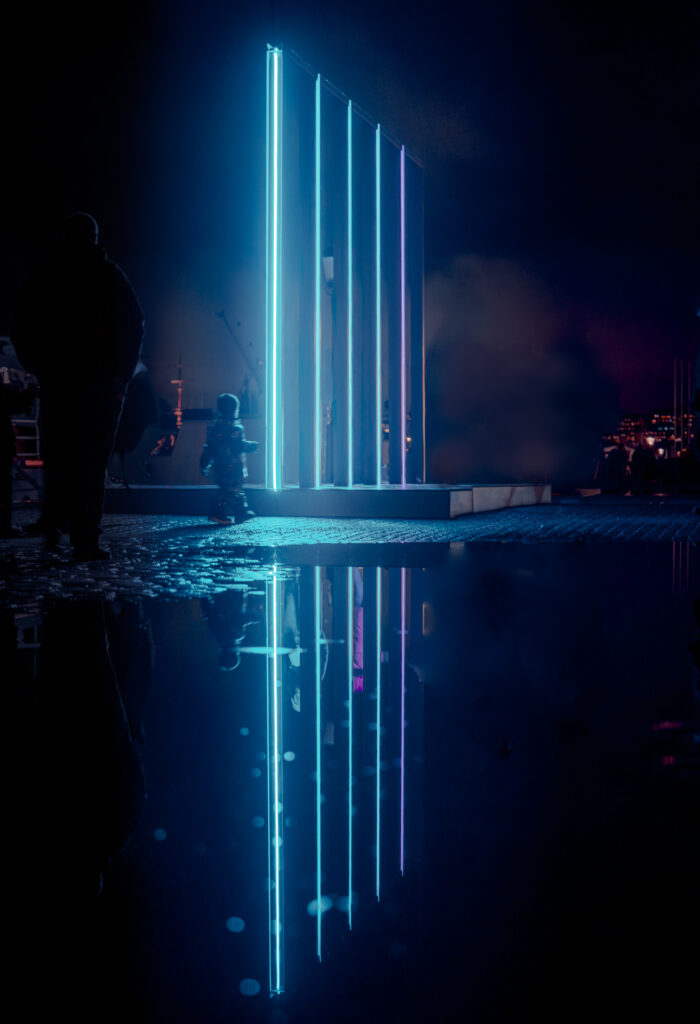
Glowing façades, interactive installations, reflections in water and cityscapes at dusk — for a travel photographer, this is gold.
● Free and walkable
No entry fee, no heavy crowds — you can wander at your pace, linger where you want and revisit favourite spots.
How to Get There & Navigate the Route
- By train: From Stockholm Central Station take the metro or commuter train to central stops like T-Centralen or Rådhuset. The city-centre zone is very walkable.
- By car: Parking in central Stockholm can be tricky in winter — use reliable parking apps and aim for garages near city hall or major stations.
- In Tensta: Metro green line to Tensta station; the installations are in the suburb’s public spaces.
- Route tips: Start around 16:00 as lights switch on. Bring a map (festival map downloadable from the site) and plan a loop so you capture both major centre-pieces and quieter sub-zones.
- Time required: 2–3 hours suffice for highlights; 4–5 hours for a relaxed shoot stop-and-shoot schedule.
Highlighted Artworks & Best Photo Spots
Below are some standout installations for 2025 (based on previews) — plan to visit them for strong compositions.
● City Hall façade, Stockholm
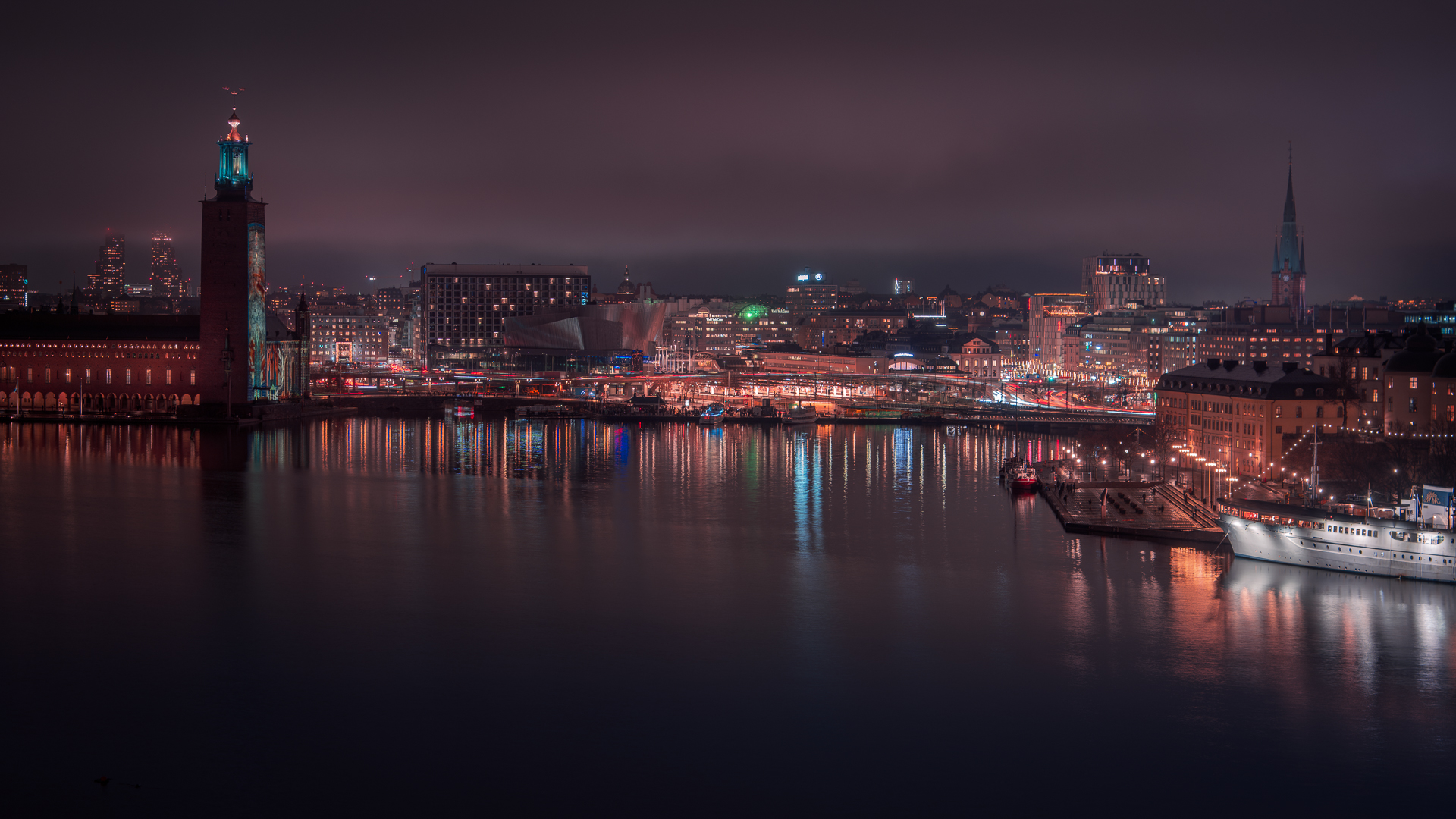
A large-scale projection on the iconic building, merging architecture and light. Excellent for wide-angle and reflection shots.
● “Pro Pace” by Yann Nguema (in Tensta)
A design exploring peace-prize laureates, using doorway motifs and interactive spectacle. (SVT Nyheter)
● Tunnel of light hexagons in central square
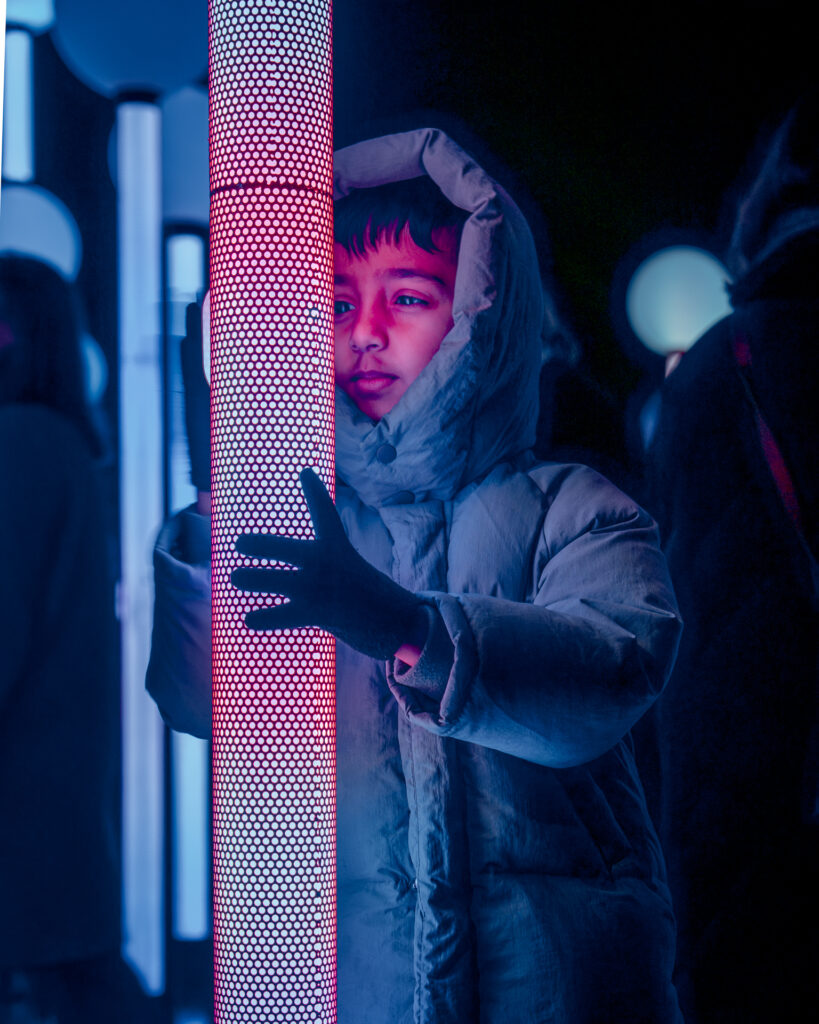
Interactive archway flooding visitors with changing colour — great for silhouette shots and deep perspective. (upplev.stockholm)
● Riverside light sculpture along Norrström
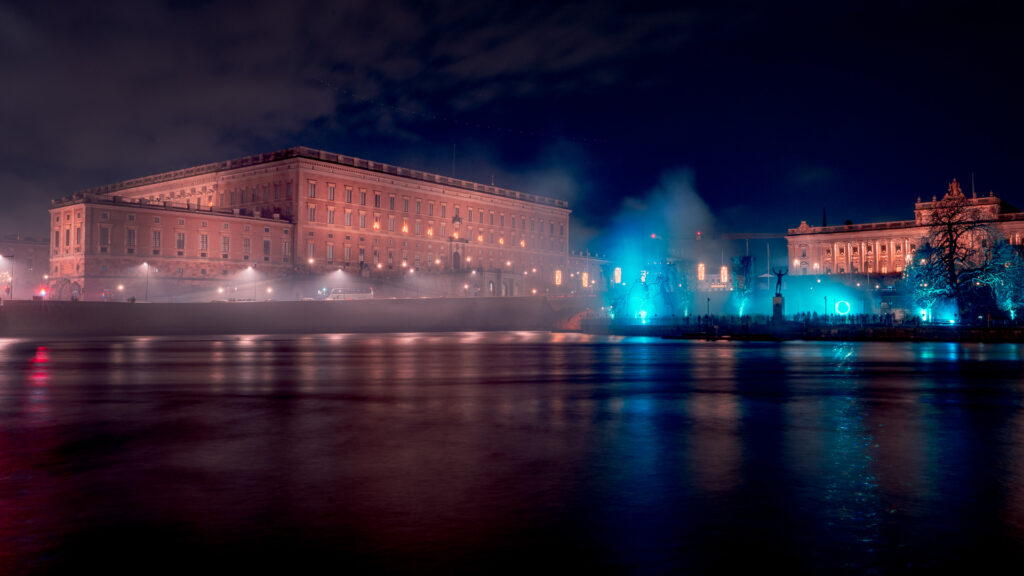
Wind your way along water’s edge for reflections and skyscraper-light contrasts.
● Tensta square installations
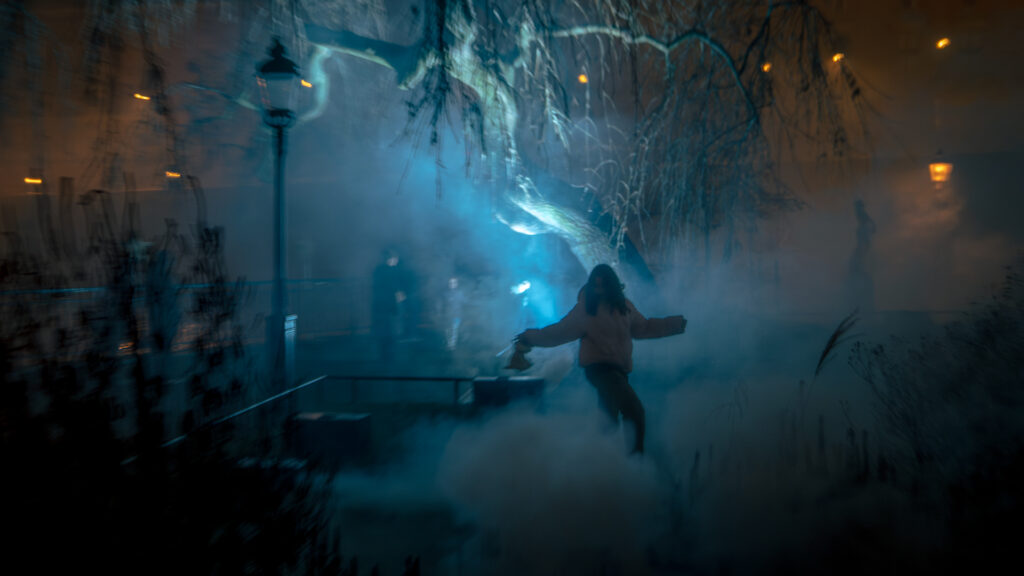
Less crowded, more creative lighting pieces in a residential setting — perfect for more experimental photography.
Photography Tips for Capturing Nobel Week Lights
- Use a tripod – essential for slower shutter speeds (2–10 sec) in low light.
- Shoot RAW – retain full dynamic range from the bright installations to dark skies.
- Balance ambient and artificial light – around 16–17:30 is ideal.
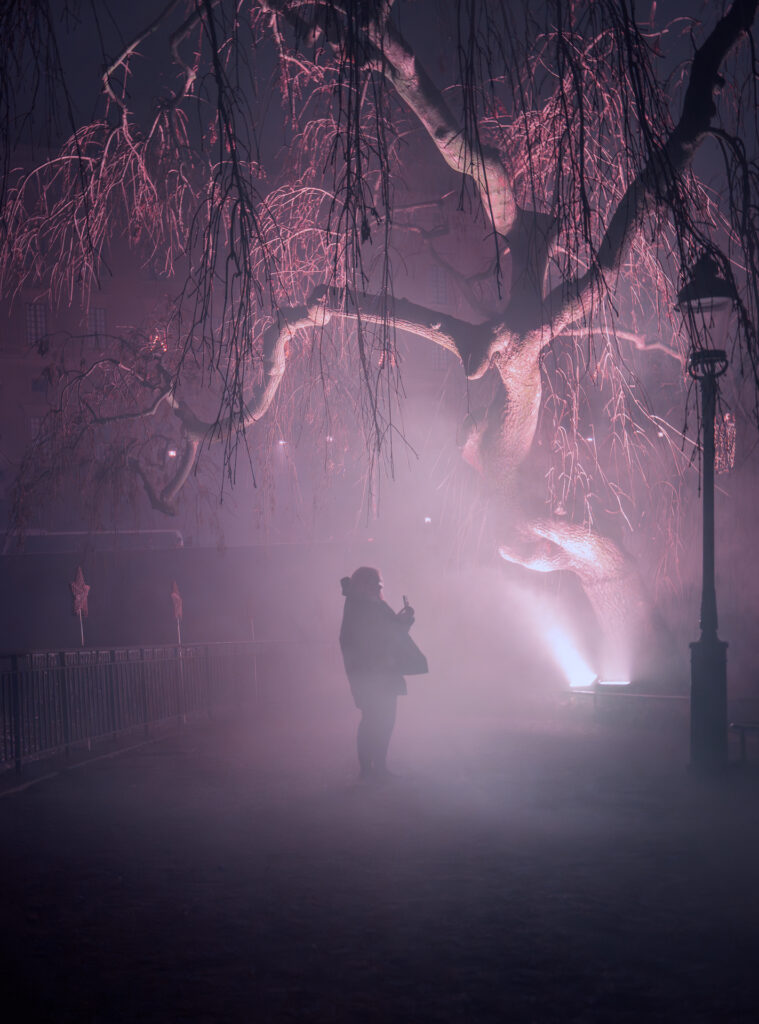
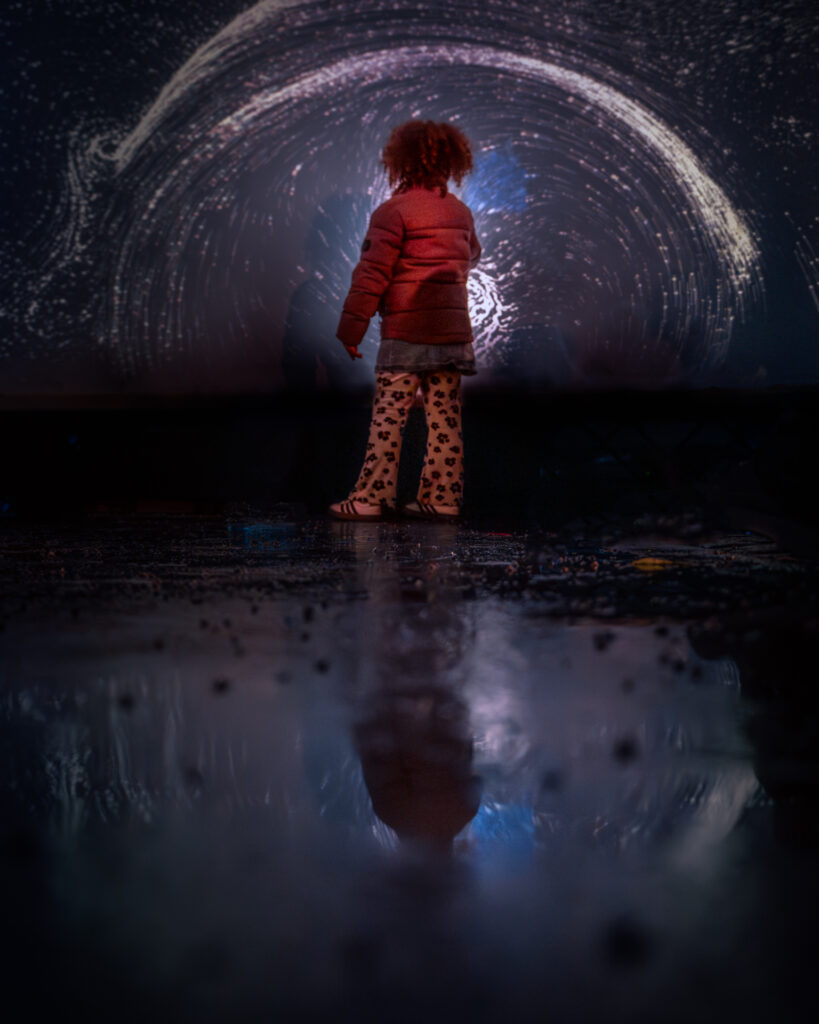
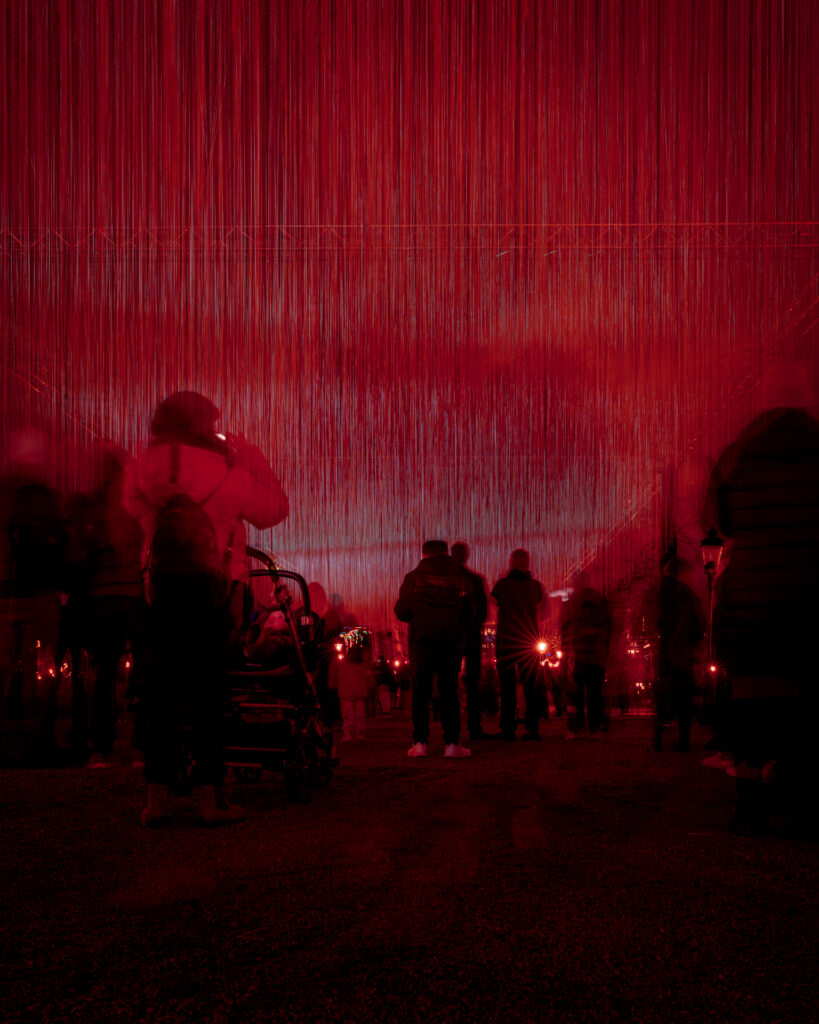
- Include people – silhouettes of visitors add scale and emotion.
- Reflections amplify impact – water, windows, puddles all double the visual effect.
- Weather gear matters – in December you’ll face cold, maybe snow or rain — bring lens cloths and keep gear warm.
Practical Travel Tips
- Dress warmly: Layers, insulated boots, gloves with touchscreen fingertips.
- Food & warming stops: Many cafés stay open late in the city centre; bring a thermos if you venture into Tensta.
- Transport: Night trains and metros run but check timetables for late evening returns.
- Crowd-planning: Centre is busier after ~18:00; Tensta is calmer and easier to shoot.
- Battery life: Cold drains batteries — bring spares and keep them in inner pockets.
Related Attractions & Extend Your Visit
- Visit the Nobel Prize Museum in Gamla Stan to complement your light-art experience.
- Explore other winter lighting events like light festivals in Scandinavia.
- Combine with a visit to Stockholm’s Christmas markets, such as those in Gamla Stan and near the water.
Internal link: Best Christmas Markets in Stockholm (2025)
FAQs: Visit Nobel Week Lights — Stockholm 2025
- When does Nobel Week Lights take place in 2025?
6–14 December. (Visit Stockholm) - What time are the installations lit each day?
Between 16:00 and 22:00. (Nobel Prize Museum) - Where are the installations located?
In Stockholm city centre and the suburb Tensta. (upplev.stockholm) - Is entry free?
Yes — all artworks are free to visit. (Nobel Prize Museum) - Can I use a tripod?
Yes — photography equipment is welcomed. - Are guided tours available?
Yes — free guided tours in multiple languages are offered. (NobelPrize.org) - Is outdoor clothing required?
Yes — temperatures in early December can be below zero. - Is this suitable for families?
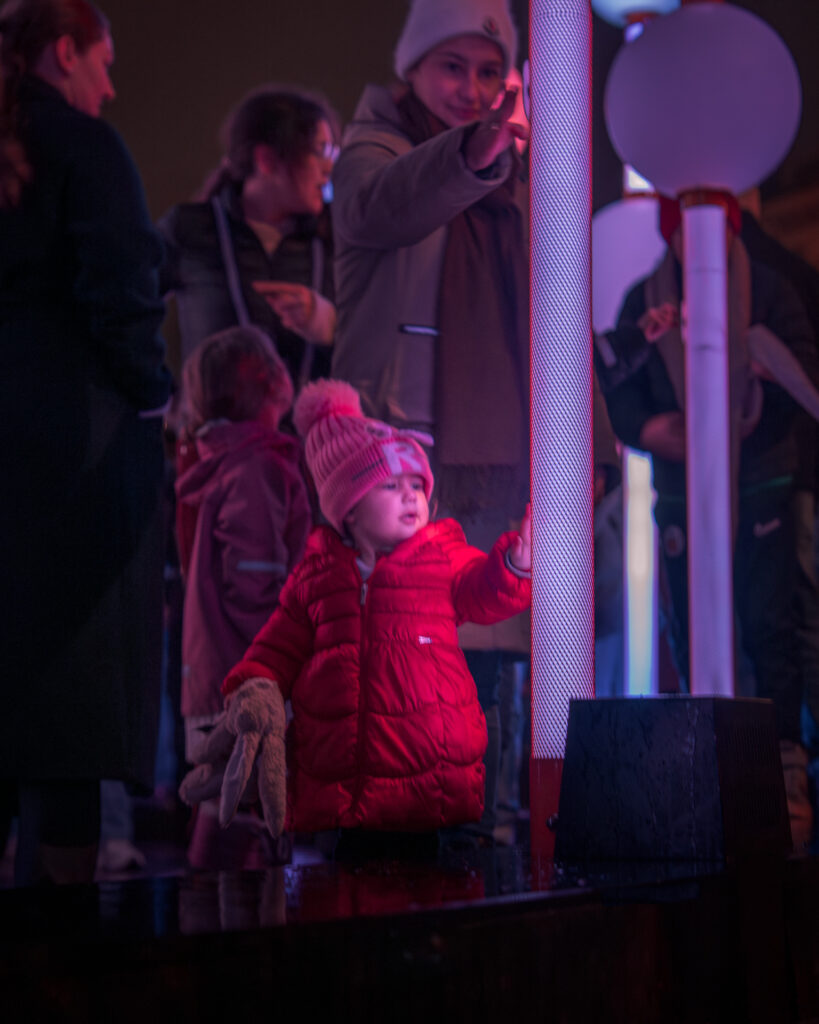
Absolutely — many installations are interactive and accessible. - When is the best time for photography?
At dusk, around 16:00–18:00 when ambient and installed light merge. - How long should I plan for the visit?
At least 2 hours; for a full leisurely route allow 4 hours.
External Resources
- Nobel Prize Museum — Nobel Week Lights (Nobel Prize Museum)
- Visit Stockholm – Nobel Week Lights Event Page (Visit Stockholm)
- Fagerhult – Inspiration Behind Nobel Week Lights (Fagerhult)
- SVT News – Opening Doors Between City & Tensta (SVT Nyheter)
- Article on Installations 2025 (Upplev Stockholm) (upplev.stockholm)
Related Reads on FrewaPhoto
- Most Photogenic Christmas Markets in Sweden
- The Ultimate Guide to Christmas Markets in Sweden
- How to Photograph Winter Light in Scandinavia
- Best Christmas Markets in Stockholm (2025)
- Gothenburg’s Magical Christmas Markets