
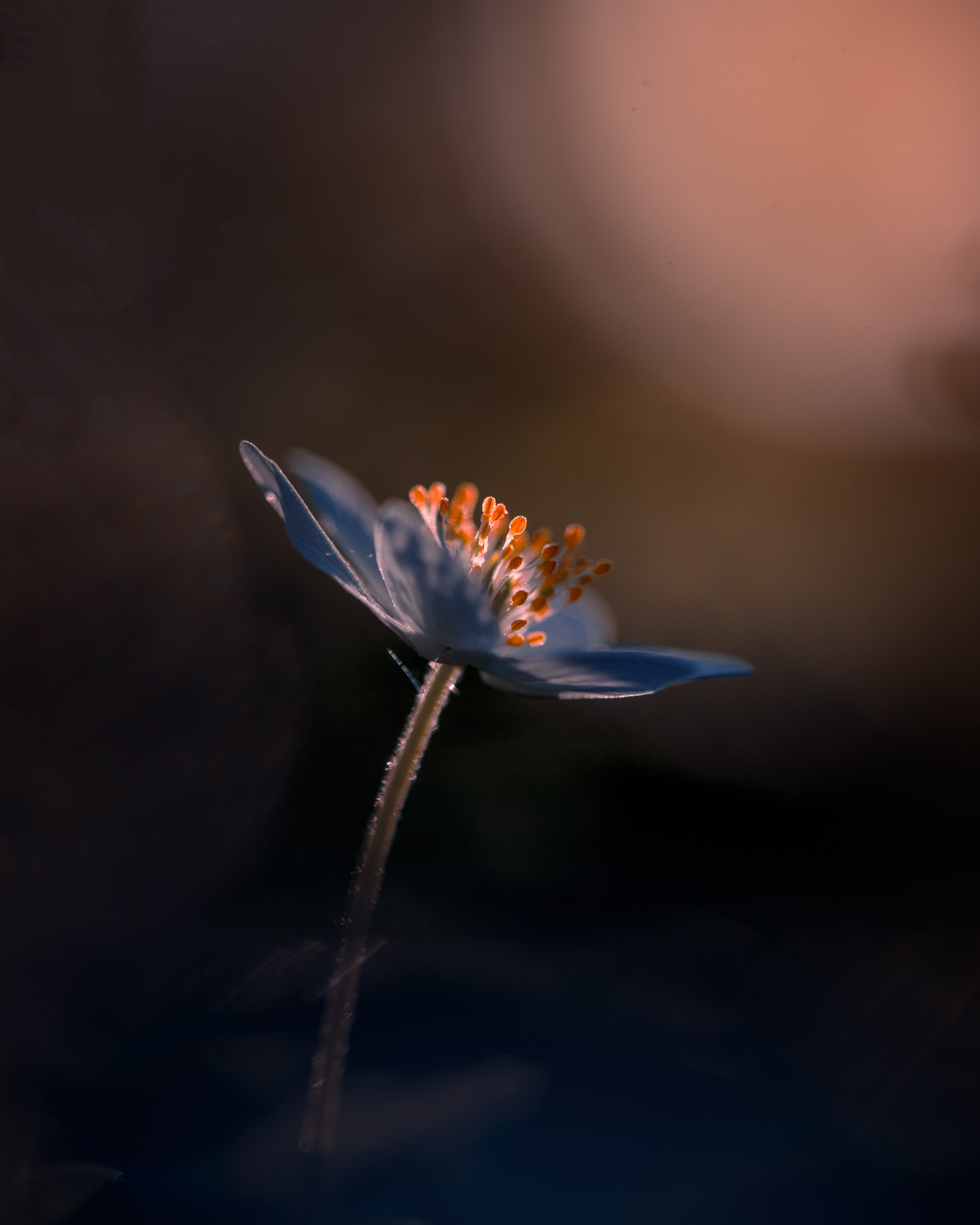
Introduction
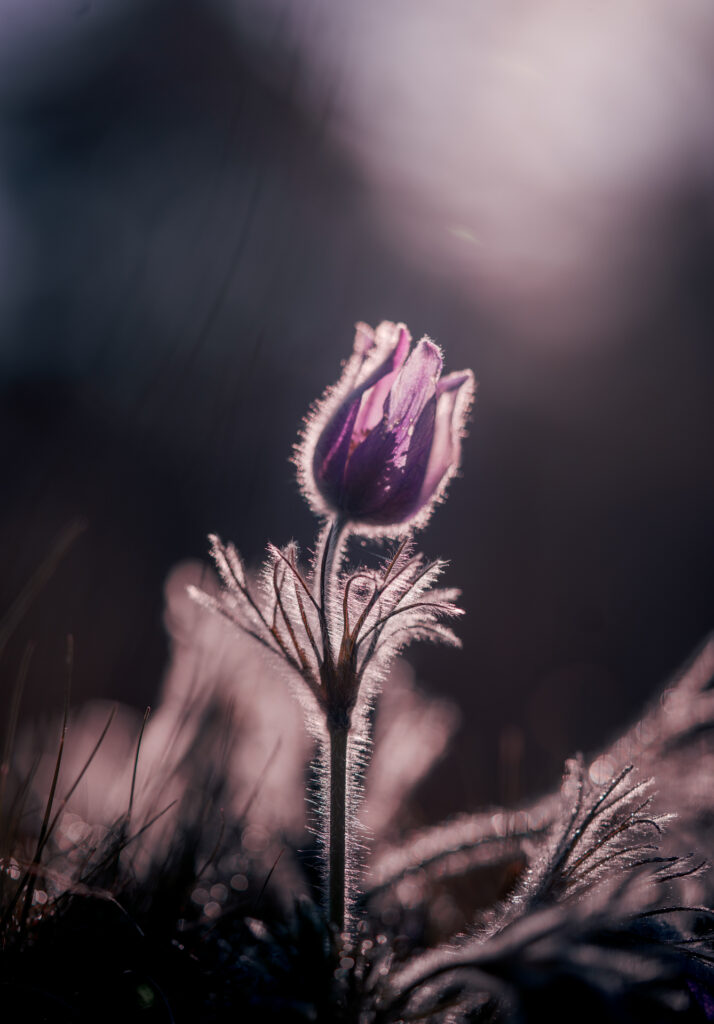
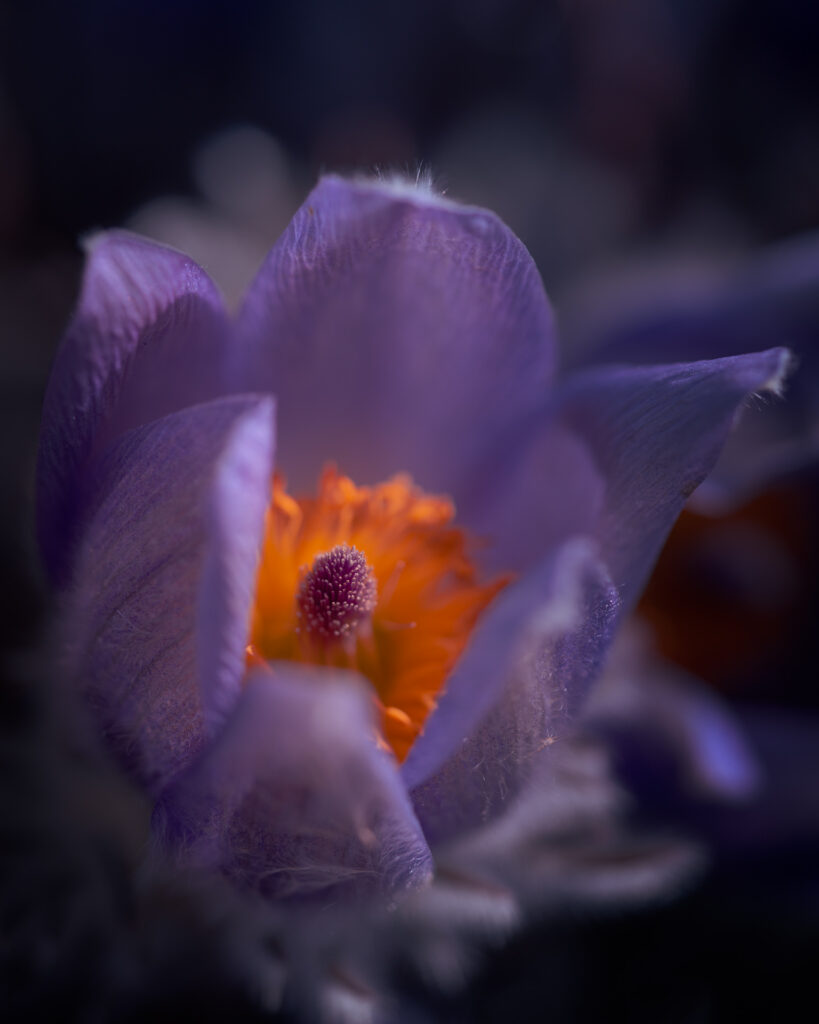
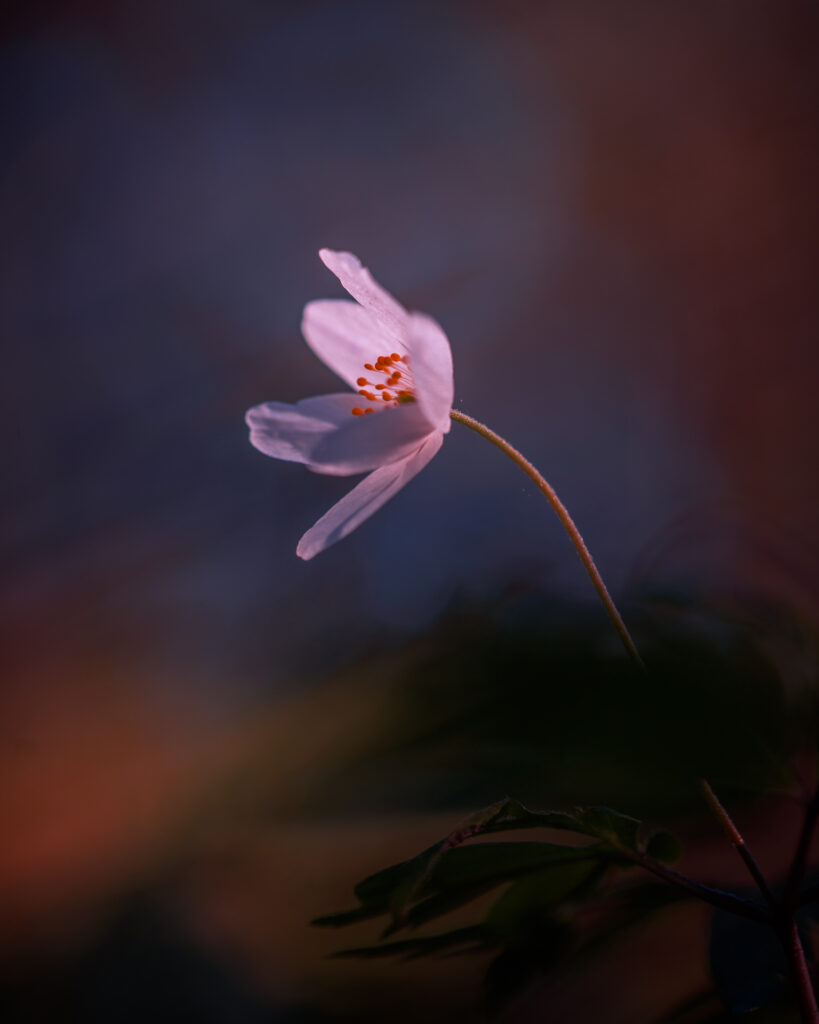
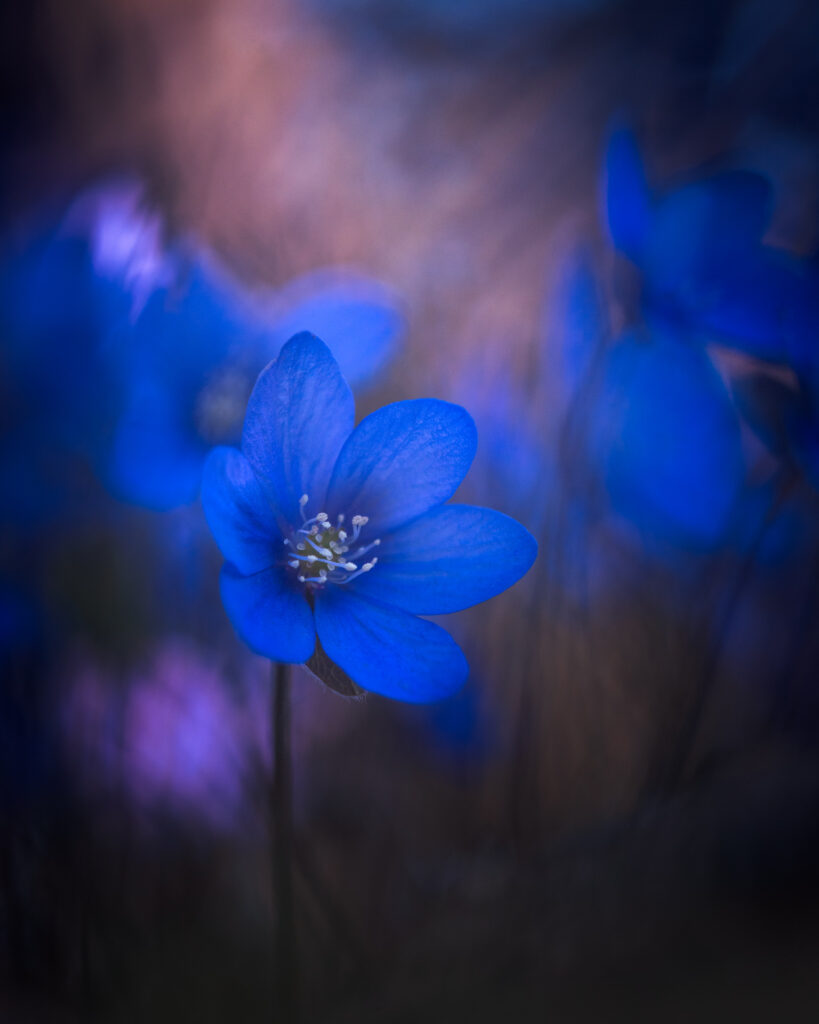
April is one of the most exciting months of the year for flower photography. After a long winter, landscapes burst back to life with color, texture, and endless creative opportunities. As a travel photographer, I’ve learned that April offers a unique balance—fresh blooms, softer light, and fewer crowds compared to peak summer months.
Whether you’re shooting cherry blossoms in full bloom, wildflowers in open fields, or delicate macro details in your backyard, April is a goldmine for both beginners and experienced photographers. The variety alone makes it one of the best months to build a diverse and compelling portfolio.
In this guide, I’ll walk you through exactly how to photograph flowers in April—from timing and lighting to composition, gear, and creative techniques. You’ll also learn how to adapt to unpredictable spring weather and make the most of fleeting bloom windows.
Why Photograph Flowers in April
April stands out because it marks a transitional period in nature. Flowers emerge rapidly, creating scenes that change almost daily. This gives you access to:
- Fresh, vibrant colors not yet faded by harsh sunlight
- Unique seasonal blooms like cherry blossoms, tulips, magnolias, and daffodils
- Dynamic weather conditions that add mood and atmosphere
- Softer, more diffused light compared to summer
From an SEO and storytelling perspective, April flower photography also allows you to capture a wide range of visual narratives—from minimalistic macro shots to expansive landscapes filled with color.
Another advantage? The unpredictability. While it can be frustrating, it often leads to the most memorable images—misty mornings, rain-covered petals, or dramatic skies.
Where to Find Flowers in April
Finding the right location is half the battle. In April, you have several excellent options depending on your style.
Urban Locations
Cities come alive with spring blooms:
- Parks and botanical gardens
- Tree-lined streets with cherry blossoms
- Public squares with seasonal plantings
Nature and Countryside
If you want more natural compositions:
- Meadows filled with wildflowers
- Forest floors covered in early blooms
- Mountain valleys (especially at lower elevations early in the month)
Iconic Flower Destinations
For travel photography, consider:
- Tulip fields in the Netherlands
- Cherry blossoms in Japan or Europe
- Lavender (late April in warmer regions)
Hidden Gems
Don’t overlook:
- Roadside flowers
- Local hiking trails
- Your own garden
The best locations are often the least obvious.
When to Photograph Flowers in April
Timing is everything in flower photography—especially in April when blooms are short-lived.
Time of Day
- Early morning: Soft light, dew on petals, fewer people
- Golden hour (evening): Warm tones and long shadows
- Overcast midday: Ideal for macro and color accuracy
Bloom Timing
Different flowers peak at different times:
- Early April: crocuses, daffodils
- Mid-April: cherry blossoms, magnolias
- Late April: tulips, wildflowers
Bloom Window Tip
Most flowers peak for only 5–10 days, so check:
- Local bloom reports
- Weather forecasts
- Social media updates
Being flexible is key.
Best Weather and Conditions
April weather can be unpredictable—but that’s actually a strength.
Ideal Conditions
- Overcast skies for soft, even lighting
- Light rain for reflections and water droplets
- Calm winds for sharp macro shots
Challenging Conditions (and how to use them)
- Wind: Use faster shutter speeds or embrace motion blur
- Rain: Capture moody, cinematic shots
- Fog: Add depth and atmosphere
One of my favorite tricks is shooting right after rain—the colors pop, and reflections create a more dynamic image.
How to Photograph Flowers in April
Let’s get practical. Here’s how to consistently capture strong images.
Step-by-Step Approach
- Scout your subject – Look for clean backgrounds
- Choose your angle – Shoot at eye level with the flower
- Control your depth of field – Use wide apertures (f/1.8–f/4) for blur
- Focus precisely – Usually on the closest petal or center
- Check your background – Avoid distractions
Key Camera Settings
- Aperture: f/2–f/5.6 for subject isolation
- Shutter speed: Adjust depending on wind
- ISO: Keep low (100–400) for clean images
The biggest mistake I see? Rushing. Slow down and really study your subject.
Photography Composition Techniques
Composition is what separates a snapshot from a compelling photograph.
Techniques to Use
- Rule of thirds: Place the flower off-center
- Leading lines: Use stems or paths to guide the viewer
- Framing: Shoot through branches or other flowers
- Minimalism: Isolate a single bloom
- Layering: Add depth with foreground and background elements
Pro Tip
Try shooting through flowers to create a soft, dreamy foreground blur—it instantly adds depth and atmosphere.
Light for Flower Photography
Light is everything—especially in April.
Best Lighting Conditions
- Golden hour: Warm, soft, directional light
- Backlighting: Makes petals glow
- Diffused light: Perfect for color accuracy
Creative Lighting Ideas
- Shoot directly into the sun for flare
- Use shadows for contrast
- Capture silhouettes at sunset
April’s softer sun makes it easier to experiment without harsh highlights.
Equipment Guide
You don’t need expensive gear—but the right tools help.
Recommended Gear
- DSLR or mirrorless camera
- Prime lens (50mm or 85mm)
- Macro lens (90–105mm)
- Tripod for stability
- Reflector for light control
Optional Accessories
- Spray bottle (to mimic dew)
- Diffuser for harsh light
- Macro rails for precision
Best Lenses for Flower Photography
Your lens choice defines your style.
Macro Lenses
- Best for close-up detail
- Capture textures and patterns
Prime Lenses (50mm / 85mm)
- Great for soft backgrounds
- Natural perspective
Telephoto Lenses (70–200mm)
- Compress backgrounds beautifully
- Ideal for isolating flowers in busy scenes
Wide-Angle Lenses
- Perfect for environmental shots
- Show flowers in landscapes
If I had to pick one? A macro lens—it opens up a completely different world.
Seasonal Photography Opportunities
April isn’t just one look—it evolves throughout the month.
Early April
- Frosty mornings
- Minimal blooms
- Moody tones
Mid-April
- Peak blossom season
- Soft pastel colors
Late April
- Vibrant fields
- Dense compositions
- Warmer light
This progression allows you to create a diverse portfolio without traveling far.
Location Guide for April Flower Photography
Let’s break down environments where April truly shines.
Gardens and Parks
- Controlled environments
- Wide variety of species
- Easy access
Forests
- Unique light filtering
- Natural compositions
Open Fields
- Endless patterns
- Great for wide-angle shots
Coastal Areas
- Flowers combined with dramatic landscapes
Each location offers a different storytelling angle—mix them to build a stronger portfolio.
Advanced Photography Techniques
Once you’ve mastered the basics, April flower photography becomes a playground for experimentation. This is where you can elevate your images from good to truly memorable.
Focus Stacking for Maximum Detail
When shooting macro, depth of field is extremely shallow. Focus stacking solves this:
- Take multiple shots at different focus points
- Blend them in post-processing
- Result: a fully sharp flower from front to back
Intentional Camera Movement (ICM)
Introduce motion for an artistic look:
- Use a slow shutter speed
- Gently move the camera while shooting
- Works especially well in flower fields
Double Exposure
Create layered, dreamy compositions:
- Combine two flower images
- Blend textures and colors
- Tell a more abstract story
Shooting Through Elements
Add depth by:
- Shooting through other flowers
- Using branches or leaves as foreground blur
This technique creates that soft, professional look you often see in high-end portfolios.
Creative Photography Ideas
If you want your images to stand out, creativity is key.
Unique Angles
- Shoot from ground level looking up
- Capture flowers against the sky
- Try top-down compositions for patterns
Storytelling Shots
Instead of just photographing a flower, show context:
- A path through a flower field
- A person interacting with nature
- Bees or insects adding life
Use Color Contrast
Look for:
- Complementary colors (purple + yellow)
- Bold vs soft tones
- Light vs dark backgrounds
Minimalist Photography
Less is more:
- One flower
- Clean background
- Strong subject isolation
Reflections and Water
After rain:
- Capture reflections in puddles
- Focus on water droplets on petals
Creativity often comes from slowing down and observing small details.
Common Mistakes to Avoid
Avoiding mistakes is just as important as learning techniques.
Shooting in Harsh Light
Midday sun creates:
- Harsh shadows
- Washed-out colors
Fix: Shoot early, late, or on cloudy days.
Ignoring the Background
A busy background ruins a great subject.
Fix:
- Change angle
- Use a wider aperture
- Simplify the scene
Not Checking the Wind
Wind causes motion blur in flowers.
Fix:
- Increase shutter speed
- Use a tripod
- Shield the flower if possible
Overediting
Too much saturation or clarity makes images look unnatural.
Fix:
- Keep edits subtle
- Focus on realism
Standing and Shooting
Most beginners shoot from above.
Fix:
- Get low
- Change perspective
This one change alone can dramatically improve your photos.
Editing and Post-Processing Tips
Editing is where your images come to life—but it should enhance, not overpower.
Basic Adjustments
Start with:
- Exposure
- Contrast
- White balance
Color Enhancement
- Slightly boost vibrance (not saturation)
- Adjust individual colors for accuracy
Sharpening and Clarity
- Apply selectively
- Avoid making petals look crunchy
Background Cleanup
- Remove distractions
- Soften overly busy areas
Advanced Edits
- Focus stacking (for macro)
- Gradient filters for light control
- Dodging and burning for depth
Pro Tip
Always zoom out and review your image as a whole—details matter, but so does the overall feel.
FAQs
What are the best flowers to photograph in April?
April offers a wide range of subjects including cherry blossoms, tulips, daffodils, magnolias, and early wildflowers. The best choice depends on your location, but focusing on seasonal blooms ensures fresh, vibrant images.
What time of day is best for flower photography?
Early morning is ideal due to soft light, dew on petals, and calm conditions. Evening golden hour is also excellent for warm tones and dramatic lighting.
What camera settings should I use for flower photography?
Use a wide aperture (f/2–f/5.6) for background blur, keep ISO low (100–400), and adjust shutter speed based on wind conditions. Focus precisely on the most important part of the flower.
Do I need a macro lens for flower photography?
A macro lens is highly recommended for close-up detail, but not required. Prime lenses like 50mm or 85mm can still produce beautiful results with good background blur.
How do I deal with wind when photographing flowers?
Use a faster shutter speed, shoot in sheltered areas, or time your shots between gusts. A tripod can help stabilize your camera, but it won’t stop subject movement.
Is cloudy weather good for flower photography?
Yes—overcast skies act like a natural softbox, reducing harsh shadows and enhancing color accuracy. It’s one of the best conditions for shooting flowers.
How can I make my flower photos look more professional?
Focus on composition, clean backgrounds, and lighting. Shooting from unique angles and using depth (foreground and background blur) will instantly elevate your images.
Can I take good flower photos with a smartphone?
Absolutely. Use portrait mode for depth, tap to focus carefully, and shoot in good light. Many modern smartphones are capable of stunning flower photography.
Conclusion
Photographing flowers in April is one of the most rewarding experiences you can have as a photographer. The variety, colors, and ever-changing conditions make it a perfect time to experiment, learn, and build a strong portfolio.
The key is to combine technical knowledge with creativity—understanding light, composition, and timing while staying open to unexpected moments. Some of your best shots will come from unplanned conditions: a sudden rain shower, a break in the clouds, or a quiet morning with dew-covered petals.
If you approach April with patience and curiosity, you won’t just capture flowers—you’ll capture the feeling of spring itself.
Related Internal Articles
- Cherry Blossom Photography Guide
- Macro Flower Photography Tips
- Best Cameras for Travel Photography
- How to Shoot in Golden Hour
- Landscape Photography Composition Guide
External Resources
- Royal Horticultural Society (plant and bloom guides)
- National Geographic Photography Tips
- BBC Gardening Guides
- Lonely Planet Travel Inspiration
- Digital Photography School (flower photography tutorials)