
Albania, Kosovo & North Macedonia Photography Itinerary
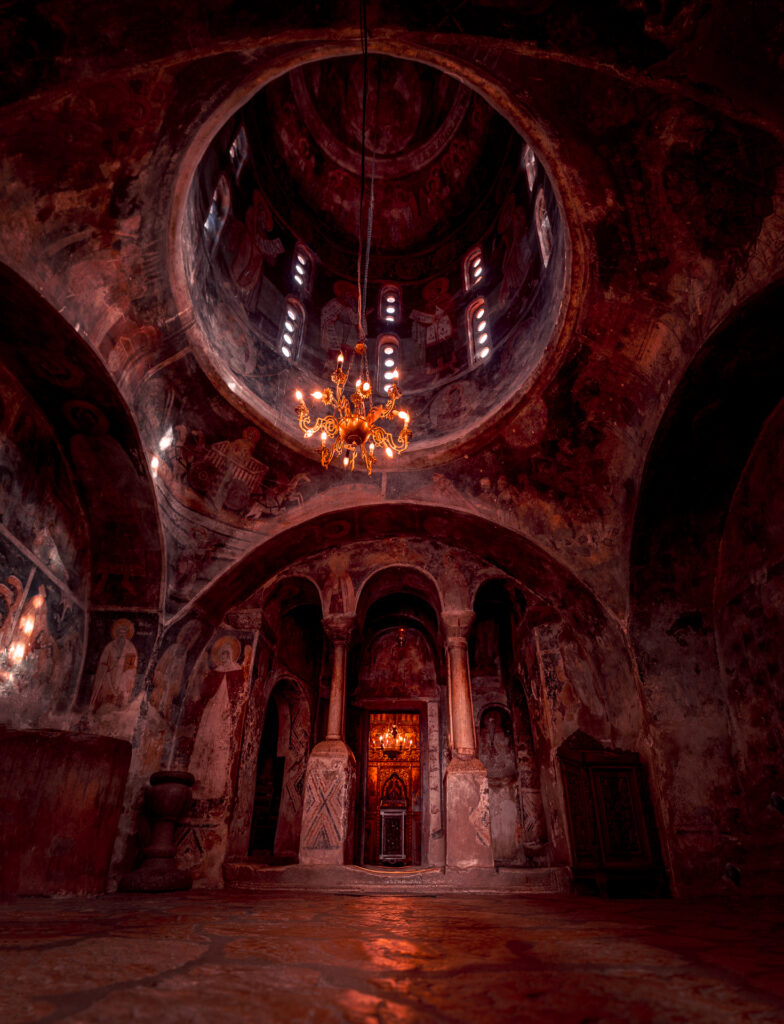
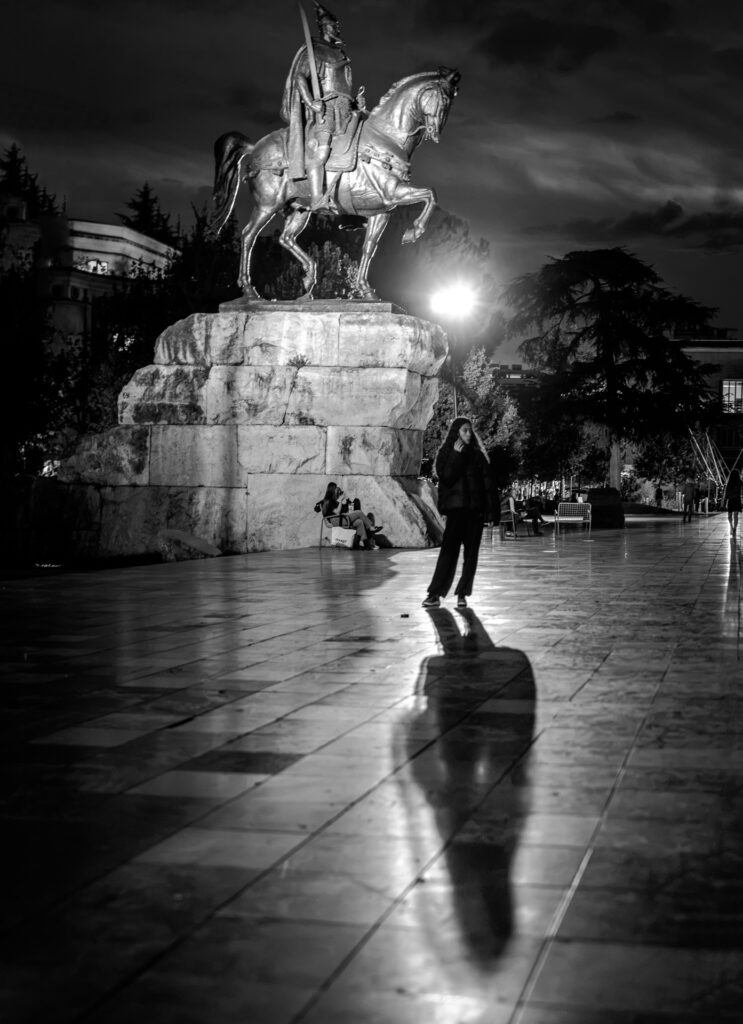
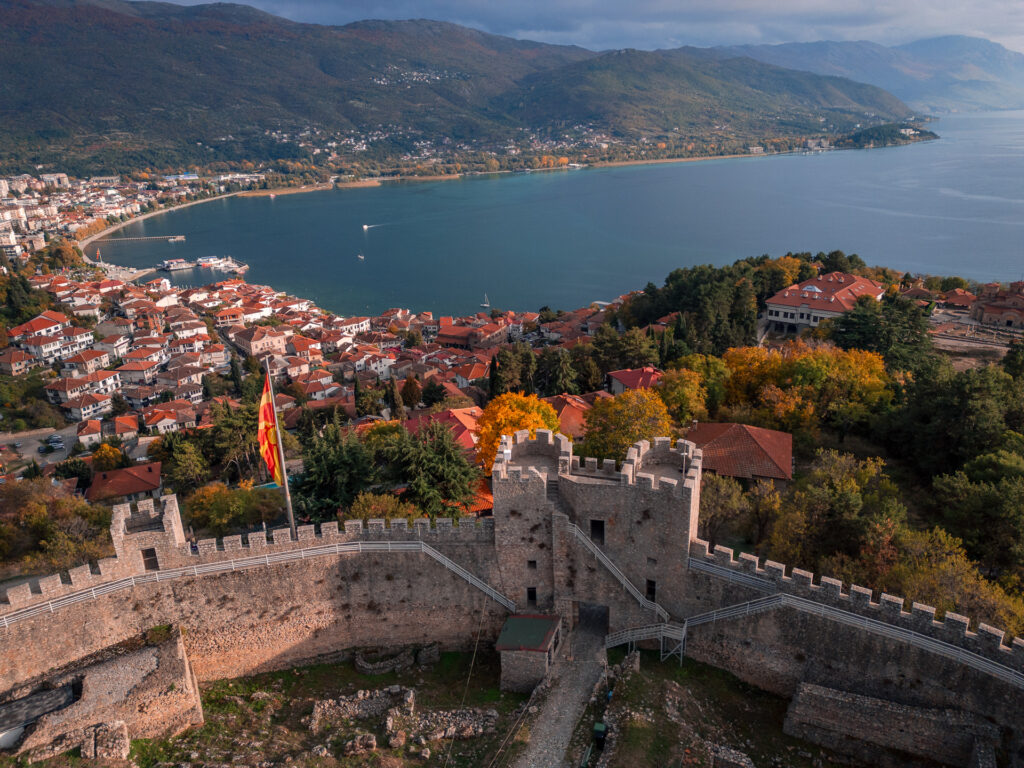
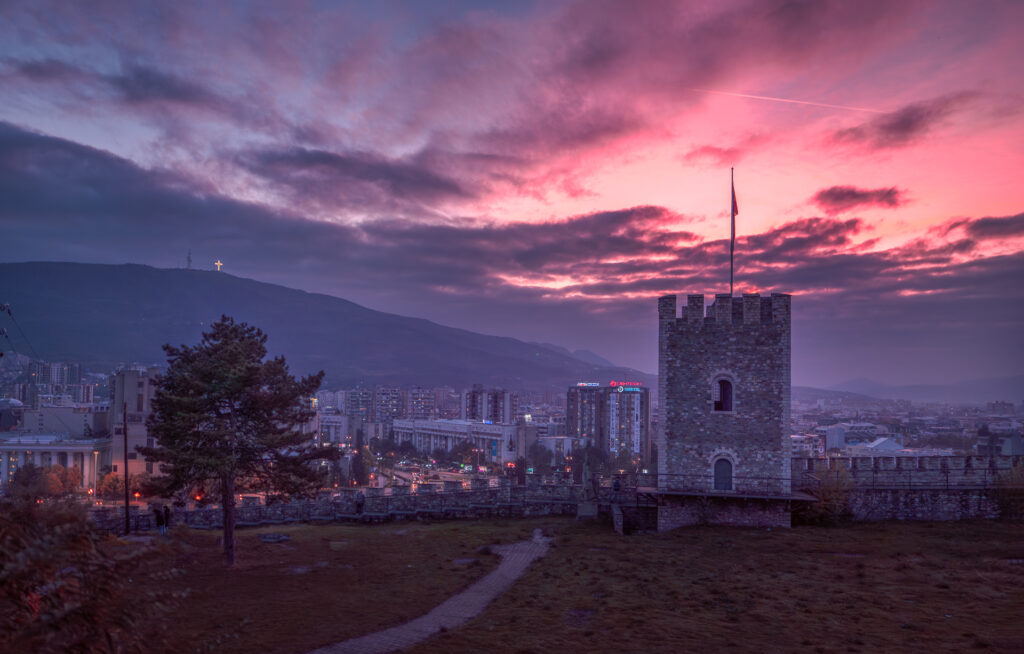
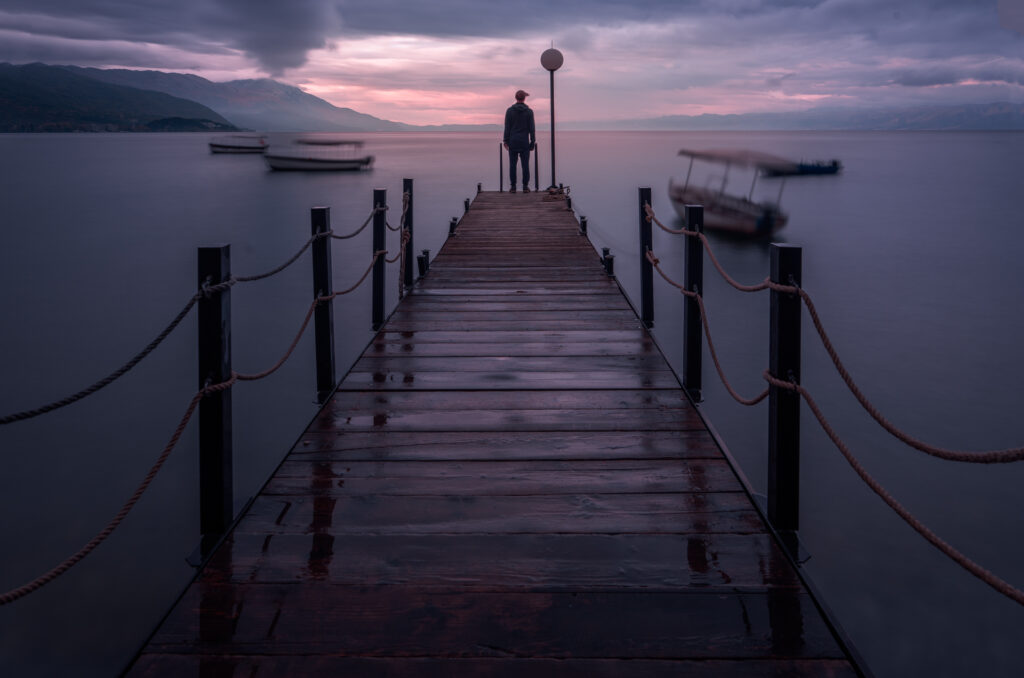
The Balkans remain one of Europe’s best-kept secrets for travel photographers. While destinations like Iceland, Tuscany and the Dolomites are packed with visitors, countries such as Albania, Kosovo and North Macedonia still offer spectacular landscapes, UNESCO World Heritage sites, Ottoman architecture and dramatic mountain scenery without the crowds.
This itinerary is designed for photographers. Instead of rushing through the highlights, you’ll spend time in the best light, stay close to sunrise locations and drive one of the most scenic routes in southeastern Europe.
The route combines alpine valleys, medieval towns, dramatic canyons, mountain lakes and lively cities across three countries in just one unforgettable road trip.
Countries visited
- Albania
- Kosovo
- North Macedonia
Length
8 days
Best for
- Travel photography
- Landscape photography
- Drone photography
- Architecture
- Street photography
- Road trips
Why This Balkan Road Trip?
Most visitors fly into Croatia or Montenegro and never venture inland. That means they miss some of the Balkans’ most photogenic places.
On this itinerary you’ll experience:
- The Albanian Alps
- Crystal-clear mountain rivers
- Medieval Ottoman towns
- UNESCO World Heritage Sites
- Mountain monasteries
- Beautiful lakes
- Deep canyons
- Vibrant street photography
- Fantastic local food
- Excellent value for money
The route has been planned to maximize photography opportunities rather than simply ticking off attractions.
Route Overview
Day 1
Tirana → Valbona Valley
Day 2
Valbona Valley → Prizren
Day 3
Prizren → Pristina → Gračanica → Skopje
Day 4
Skopje → Matka Canyon → Mavrovo → Prespa
Day 5
Prespa National Park → Trpejca → Bay of Bones → Ohrid
Day 6
Ohrid → Berat
Day 7
Berat → Bogovë Waterfall → Osumi Canyon → Tirana
Day 8
Fly home
When to Visit
Travelling in October is almost ideal.
Advantages include:
- Autumn colours in the Albanian Alps
- Comfortable temperatures
- Lower accommodation prices
- Fewer tourists
- Beautiful golden evening light
- Better conditions for hiking
Expect daytime temperatures between 12–22°C depending on altitude.
Fly into Tirana
At the time of planning there were no suitable direct flights from Stockholm to either Skopje or Pristina, making Tirana the best starting point.
Advantages include:
- Excellent flight prices
- Large rental car selection
- Easy airport access
- Logical circular road trip
Renting a Car
A rental car is essential.
Public transport doesn’t reach many of the locations photographers want to visit, especially:
- Valbona Valley
- Osumi Canyon
- Prespa
- Bogovë Waterfall
- Mavrovo National Park
When booking, make sure your rental agreement explicitly allows travel into Kosovo and North Macedonia, as some companies charge an extra cross-border fee or require advance permission.
Driving in the Balkans
Driving is generally straightforward, but there are a few things to know:
- Mountain roads can be narrow and winding.
- Fuel stations are common around larger towns but sparse in remote areas like Valbona.
- Border crossings are usually quick if you have the required documents.
- Download offline Google Maps before leaving Tirana, as mobile coverage can be patchy in the mountains.
Photography Gear to Pack
For this trip I’d recommend:
Wide-angle lens
Perfect for:
- Mountains
- Lakes
- Waterfalls
- Architecture
Standard zoom
Ideal for:
- Streets
- Villages
- Travel photography
- Restaurants
Telephoto
Useful for:
- Mountain layers
- Compressed landscapes
- Wildlife
Drone
This route includes some spectacular drone locations, especially around:
- Valbona Valley
- Prespa National Park
- Lake Ohrid
- Osumi Canyon
Always check local restrictions before flying, particularly around monasteries, national parks and city centres.
Day 1 – Tirana to Valbona Valley
Driving time: approximately 4 hours 15 minutes
Today’s drive takes you from Albania’s bustling capital into the heart of the Albanian Alps. As the roads climb into the mountains, the scenery changes dramatically from busy highways to winding roads framed by towering limestone peaks.
Try to arrive in Valbona before sunset to enjoy the evening light on the surrounding mountains.
Stop: Valbona Valley
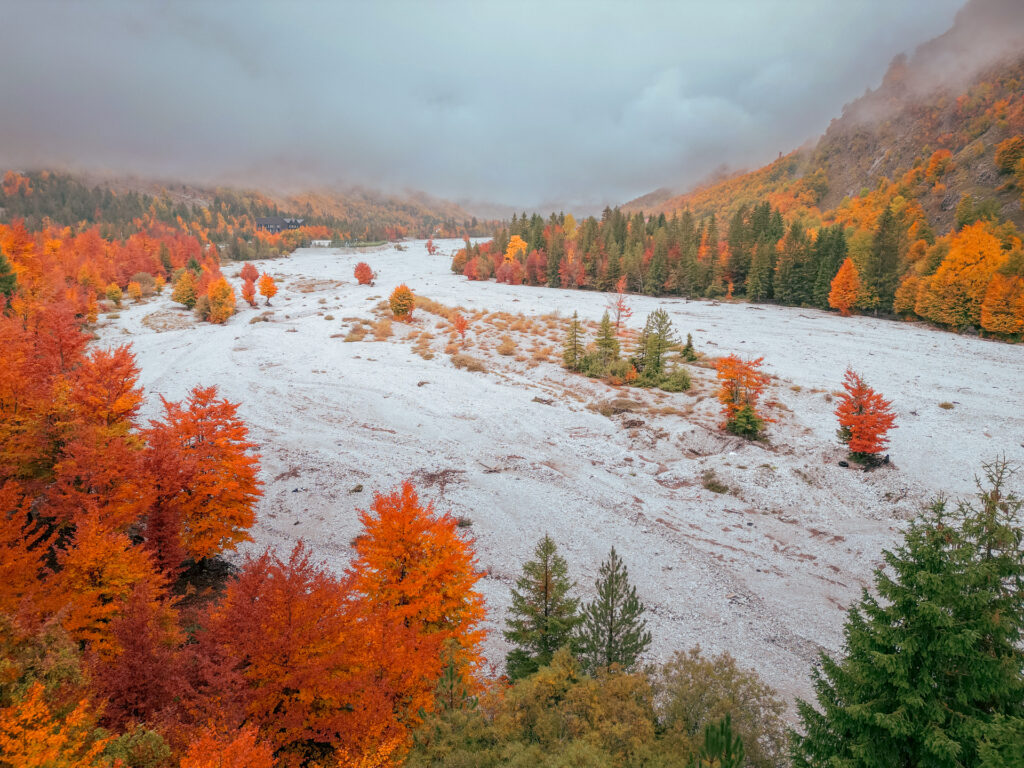
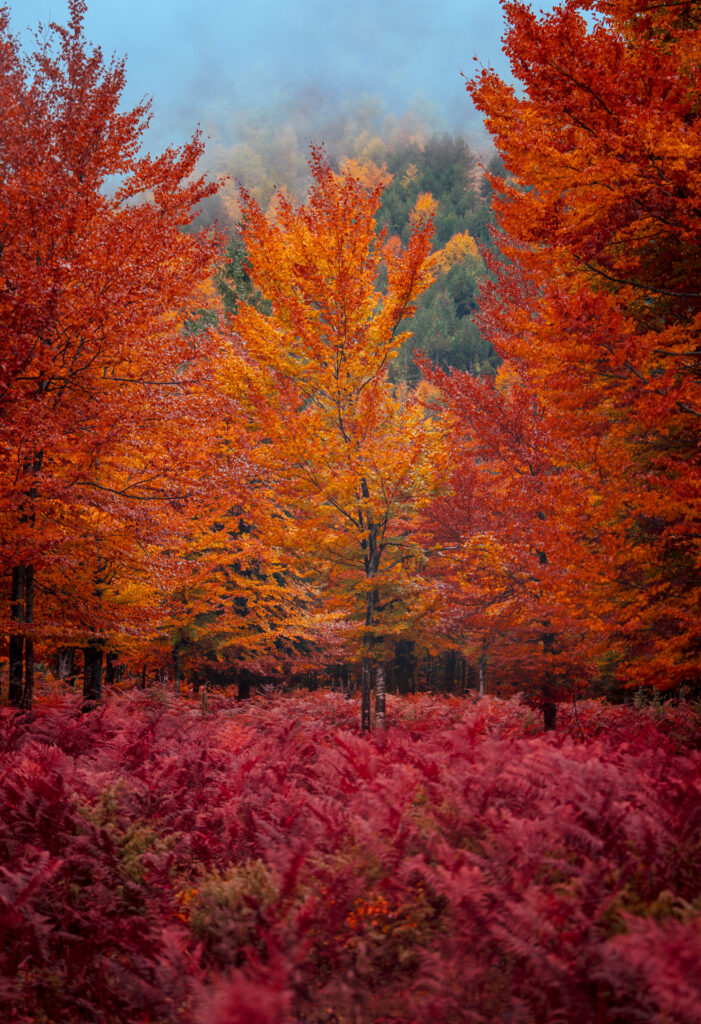
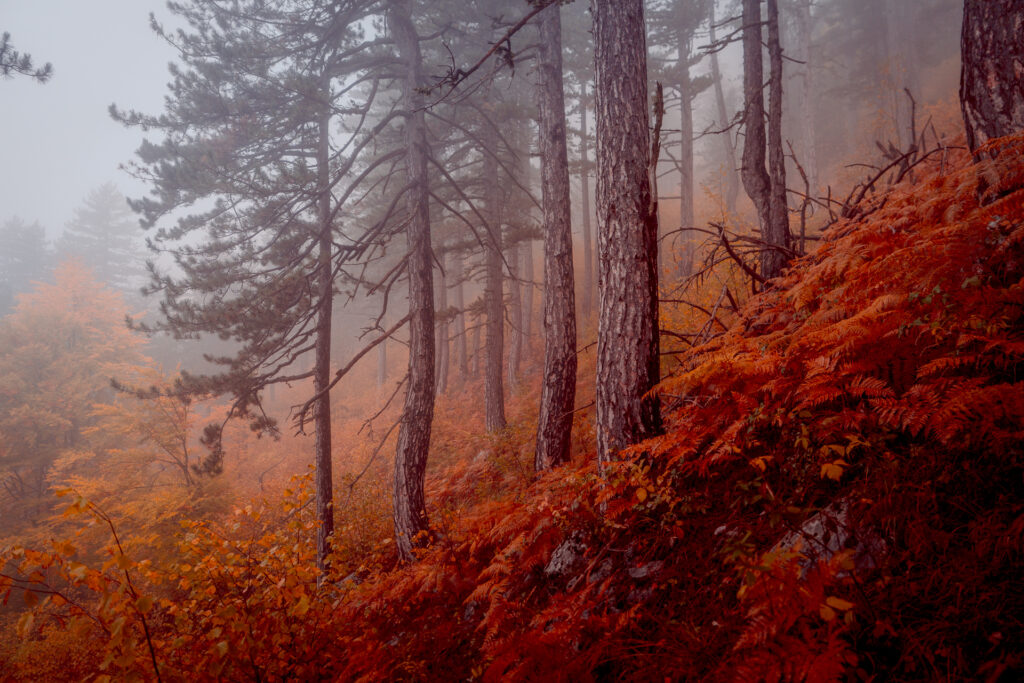
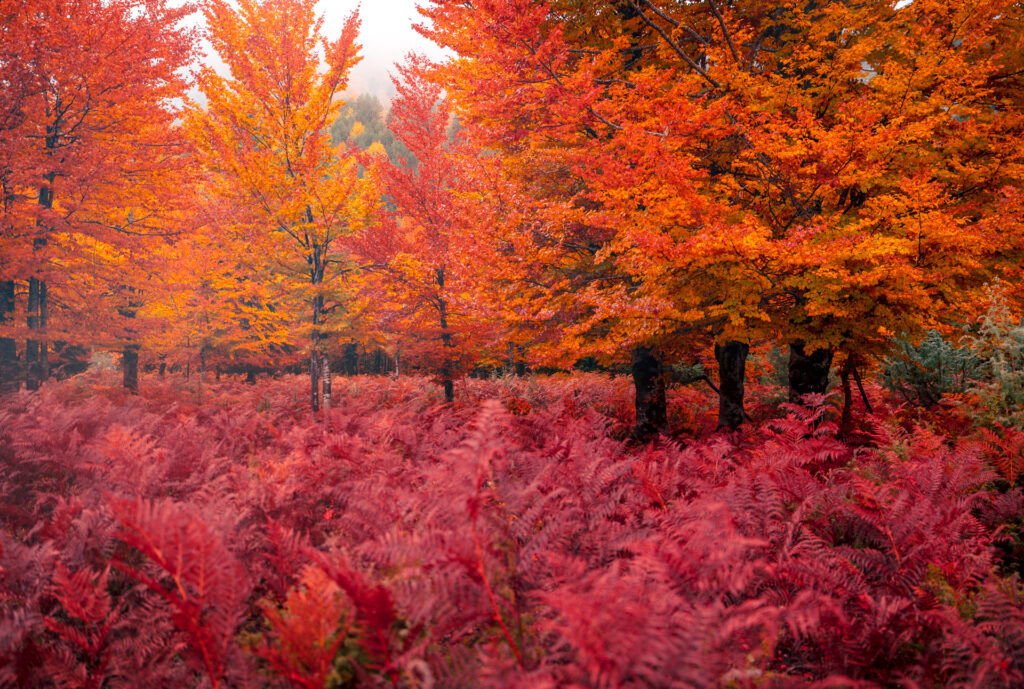
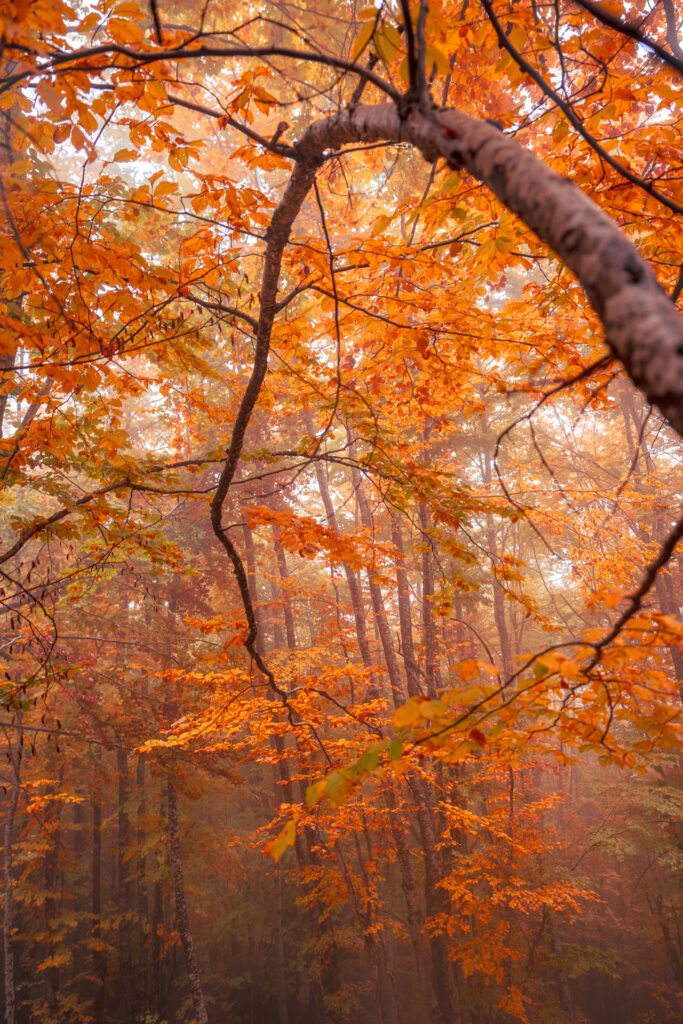
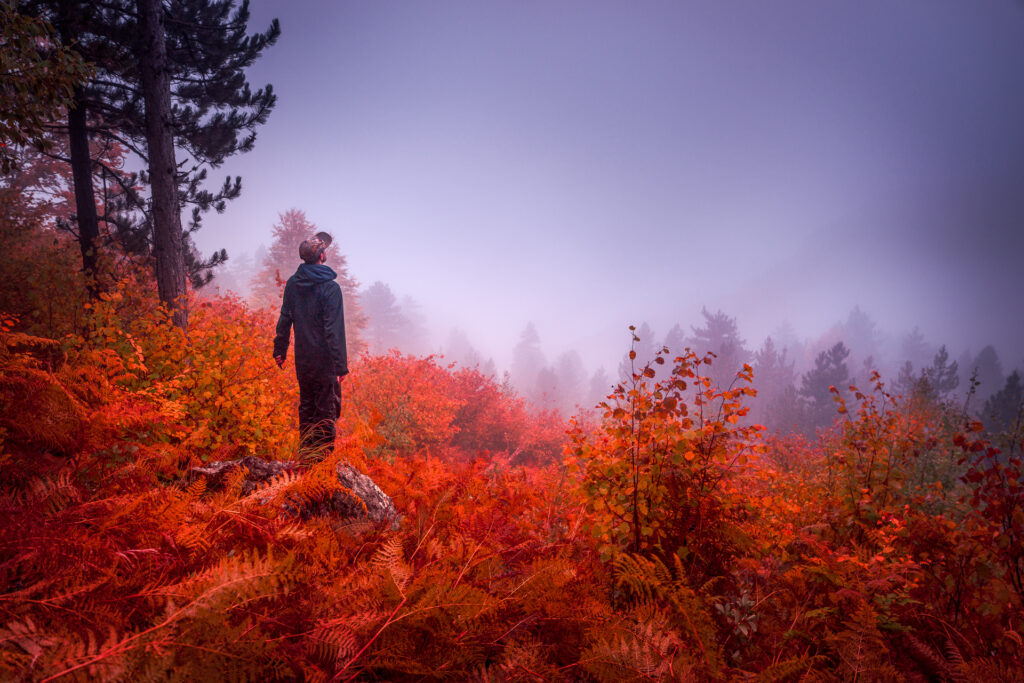
Valbona Valley is one of Albania’s most spectacular natural areas and a dream destination for landscape photographers.
Steep mountain walls, turquoise rivers and traditional guesthouses create a setting that feels untouched by mass tourism.
Photography Highlights
- Dramatic mountain scenery
- Wooden cabins
- Crystal-clear rivers
- Sunrise over the valley
- Evening light on the peaks
If you have time after checking in, take a short walk along the river. The changing light during the last hour before sunset often creates the best conditions for photography.
Where to Stay
Rosi Peak Guesthouse
A convenient base surrounded by mountains, allowing you to be close to sunrise locations without additional driving.
Sunrise in Valbona
Wake early.
Sunrise is the reason to stay here.
The first light slowly reaches the valley floor while the mountain peaks glow orange, creating a beautiful contrast with the cool blue shadows below.
Recommended lenses:
- 16–35 mm for landscapes
- 24–70 mm for wider compositions
- 70–200 mm for isolating mountain layers
Day 2 – Valbona to Prizren
Driving time: approximately 2 hours 15 minutes
Today combines spectacular mountain scenery with one of the Balkans’ most beautiful historic towns.
Before leaving Valbona, spend time photographing the valley in the soft morning light.
Stop: Valbona River
The Valbona River is famous for its vivid turquoise water.
Look for:
- Boulder-filled riverbeds
- Mountain reflections
- Small rapids
- Autumn colours along the banks
A polarising filter is especially useful here to reduce reflections and reveal the colour of the water.
Stop: Ura e Shtrejtit
Before crossing into Kosovo, stop at Ura e Shtrejtit, a picturesque bridge surrounded by dramatic mountain scenery.
This is a great place for:
- Long exposures
- Drone photography (where permitted)
- River compositions
- Detail shots of the surrounding landscape
Arriving in Prizren
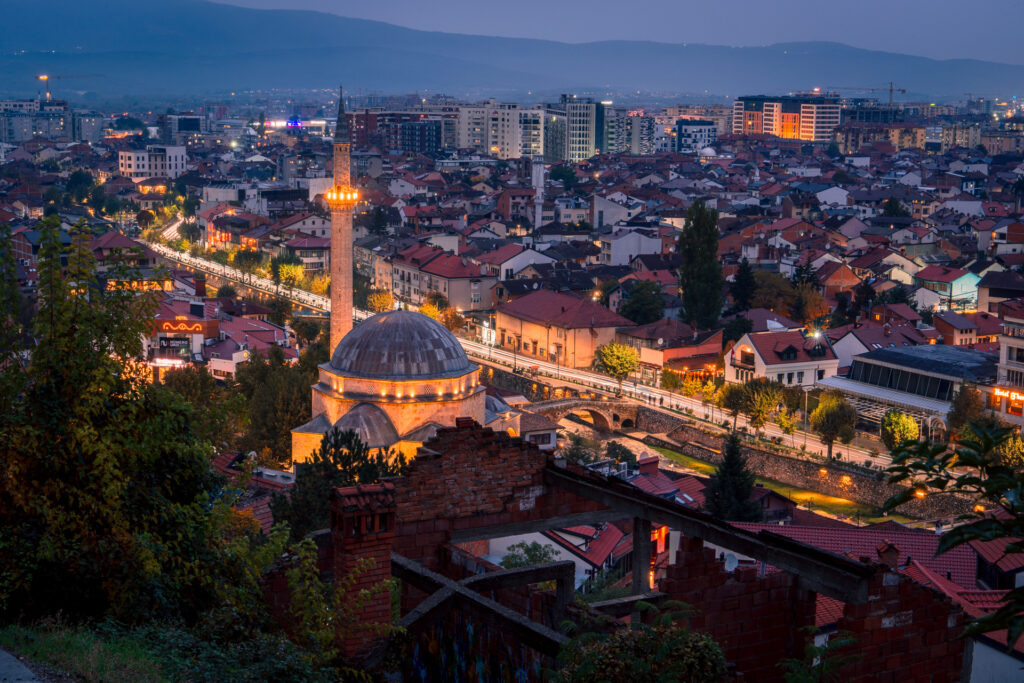
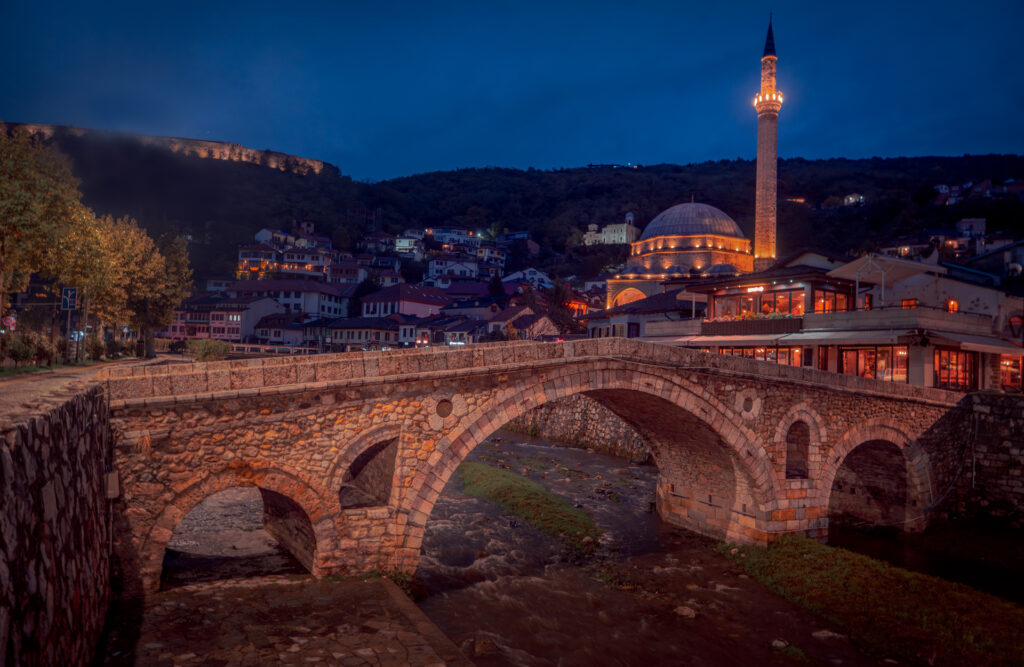
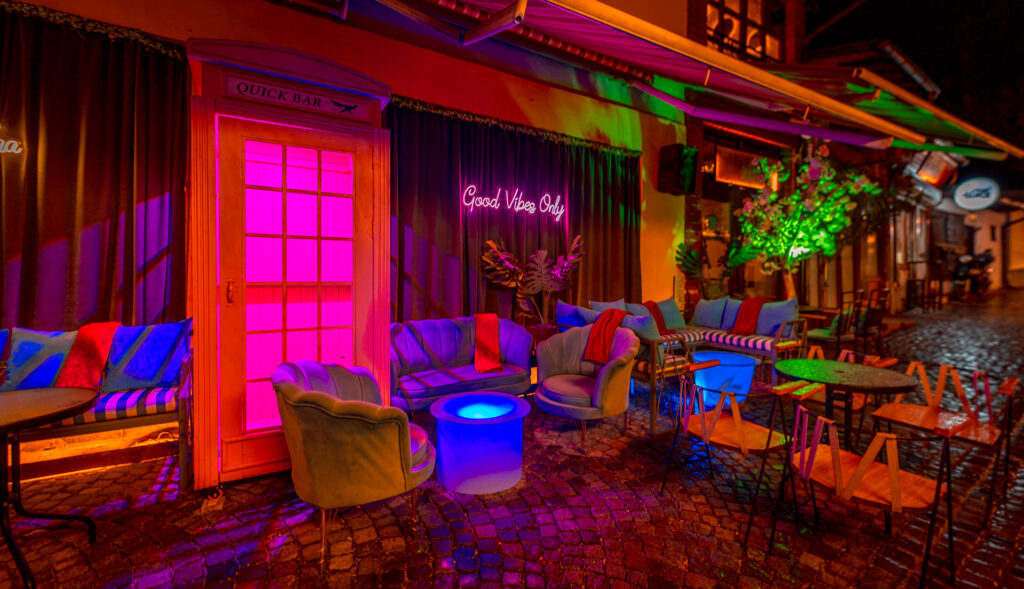
Many travellers consider Prizren the most beautiful city in Kosovo, and after walking its old town it’s easy to understand why.
Unlike the modern capital, Pristina, Prizren has preserved its Ottoman atmosphere with cobbled streets, historic mosques, stone bridges and hillside viewpoints.
Spend the afternoon exploring on foot.
Walking Route Through Prizren
Your planned route covers the city’s highlights in a logical order:
- Archaeological Museum
- Our Lady of Ljeviš (UNESCO World Heritage Site)
- Emin Pasha Mosque
- Arasta Mosque
- Old Stone Bridge
- Sinan Pasha Mosque
- Panorama viewpoint
- Prizren Fortress
This route lets you experience both the historic centre and the elevated viewpoints before sunset.
Sunset at Prizren Fortress
Time your visit so that you reach the fortress about an hour before sunset.
The climb is relatively short, and the reward is one of the finest city panoramas in the Balkans.
From here you can photograph:
- The red rooftops of Prizren
- Sinan Pasha Mosque
- The Old Stone Bridge
- Mountains surrounding the city
Bring a telephoto lens to compress the rooftops and minarets against the mountains.
Evening Photography in the Old Town
After sunset, return to the historic centre.
Blue hour transforms Prizren into one of the most photogenic cities on this itinerary.
Don’t miss:
- Reflections around the Stone Bridge
- Illuminated mosques
- Street cafés
- Ottoman architecture
- Night street photography
Where to Stay
L’Hotel Prizren
This hotel offers:
- Free parking
- Breakfast included
- Excellent walking distance to the old town
Making it an ideal base for photographers wanting to explore before sunrise the following morning.
Where to Eat in Prizren
Based on your planning notes:
Merak – Known for its meat burek.
Gazza – A good stop for smoothies, waffles and a light breakfast.
DANTE Bistro & Café – Great coffee and grilled dishes.
Arasta Coffee & Sweets – A perfect place to try traditional Ottoman coffee and local desserts in the heart of the old town.
Photography Tips for Days 1–2
- Stay in accommodation close to your sunrise locations to minimise driving in the dark.
- Use a polarising filter for the Valbona River.
- Visit Prizren Fortress before sunset, then return to the Stone Bridge for blue hour.
- Carry a lightweight tripod for evening photography.
- Wear sturdy shoes—the climb to the fortress is short but uneven.
- Keep your camera accessible during the drive between Tirana and Valbona, as several mountain viewpoints are worth spontaneous stops.
In Part 1, we drove from Tirana through the Albanian Alps to Valbona before crossing into Kosovo and spending the evening exploring beautiful Prizren.
This section covers one of the most varied days of the itinerary, combining medieval architecture, UNESCO heritage, vibrant street photography and one of Europe’s most underrated capitals before continuing into North Macedonia.
Day 3 – Prizren to Skopje
Driving time: Approximately 3.5–4 hours (excluding sightseeing)
Today’s route includes:
- Sunrise in Prizren
- Pristina
- Gračanica Monastery
- Border crossing into North Macedonia
- Skopje Old Bazaar
- Macedonia Square
- Stone Bridge
- Kale Fortress
Although there is more driving than the previous day, every stop offers completely different photographic opportunities.
Sunrise in Prizren
If you only photograph Prizren once, make it at sunrise.
Most visitors arrive during the afternoon when the streets are busy with tourists and day-trippers. Early morning offers a completely different atmosphere.
The Old Town is almost empty, cafés are just opening, and soft light fills the valley before reaching the fortress.
Spend the first hour of daylight walking through the historic centre.
Recommended locations include:
- Stone Bridge
- Sinan Pasha Mosque
- Shadervan Square
- Bistrica River
- Small side streets around the bazaar
Morning is also the best time for street photography, as local shopkeepers begin opening their businesses.
Prizren Fortress Revisited
If the weather was disappointing the previous evening, consider making the short climb again after sunrise.
Morning light illuminates the old town from a different angle and often creates softer colours than sunset.
Bring a telephoto lens to isolate:
- Mosque domes
- Ottoman rooftops
- The Stone Bridge
- Mountain backdrops
Drive to Pristina
Leaving Prizren, the landscape gradually changes from mountains to rolling countryside before reaching Kosovo’s capital.
Unlike Prizren, Pristina is modern, energetic and constantly evolving.
It isn’t a city filled with postcard landmarks, but it offers fantastic opportunities for documentary and street photography.
Allow two to three hours to explore.
Things to Photograph in Pristina
Newborn Monument
Perhaps Kosovo’s most famous landmark.
Installed to celebrate the country’s declaration of independence, the sculpture is repainted regularly, making every visit slightly different.
Photography tips:
- Shoot straight on with a wide-angle lens.
- Capture people interacting with the monument.
- Visit both during the day and at blue hour if your schedule allows.
Mother Teresa Boulevard
This pedestrian street is the heart of Pristina.
Here you’ll find:
- Street musicians
- Outdoor cafés
- Local life
- Colourful shopfronts
- Excellent people-watching
Spend some time simply walking without a plan.
Street photography works best when you’re patient.
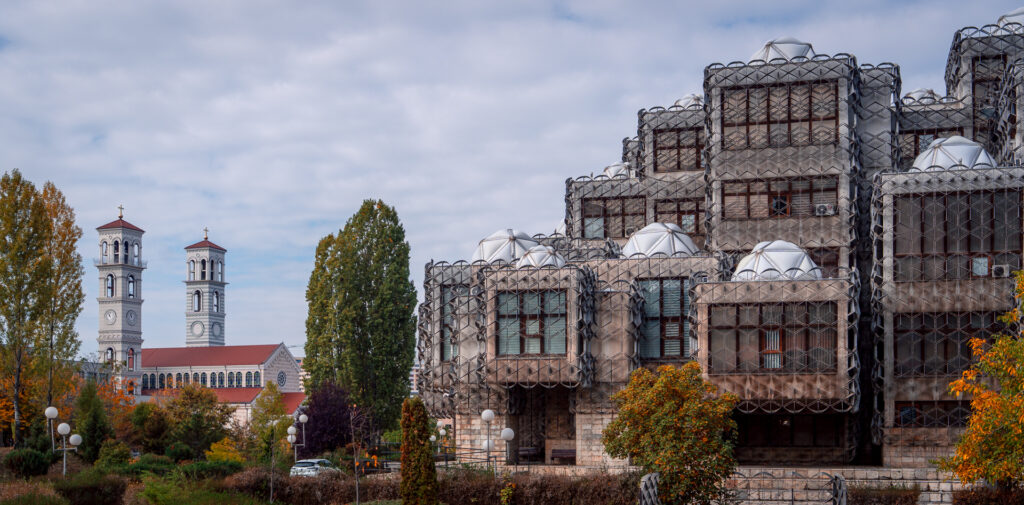
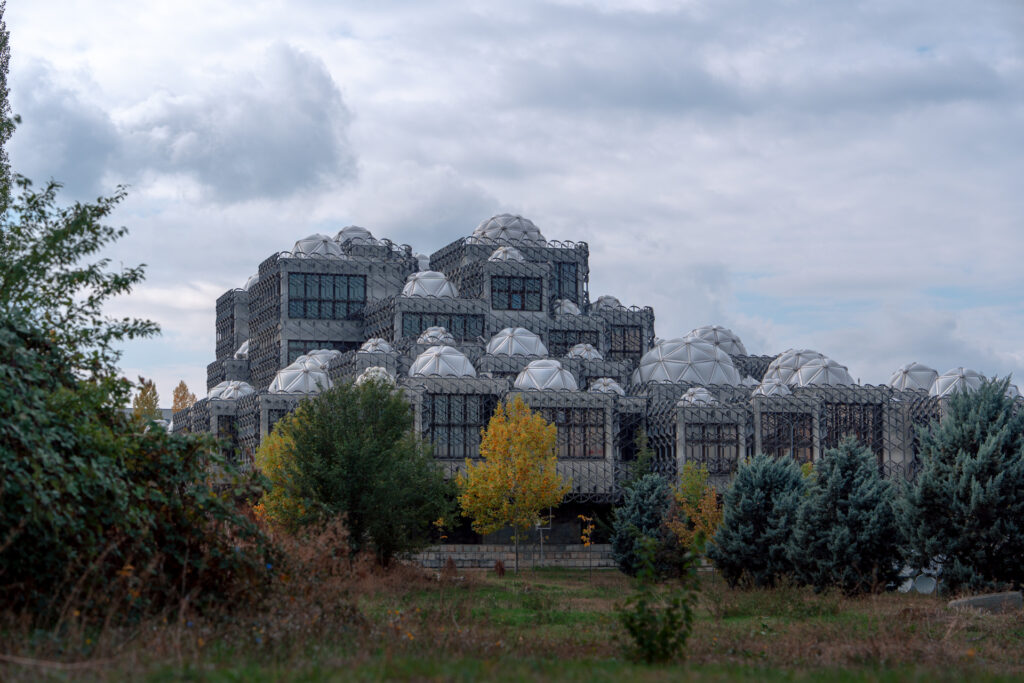
National Library of Kosovo
One of Europe’s most unusual buildings.
Its geometric concrete structure covered by metal domes creates endless abstract compositions.
Some visitors love it.
Others hate it.
Photographers usually find it fascinating.
Ideas for compositions:
- Symmetry
- Architectural details
- Black and white photography
- Ultra-wide perspectives
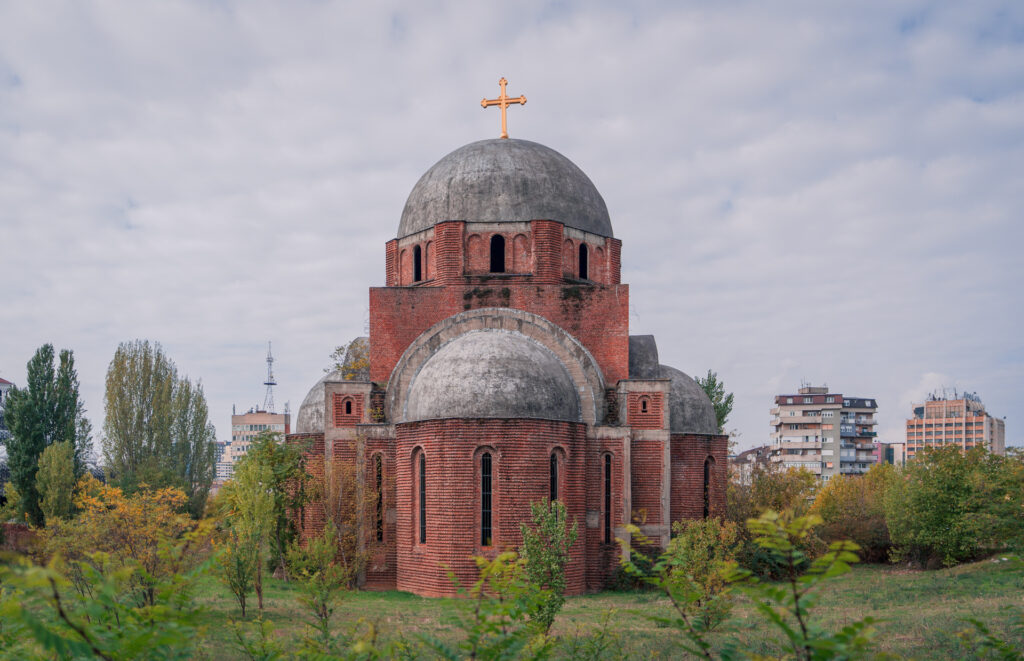
Cathedral of Saint Mother Teresa
Only a short walk away is one of Kosovo’s newest landmarks.
The cathedral provides a striking contrast to the Ottoman architecture seen earlier in Prizren.
If the viewing tower is open, it offers one of the best panoramic views over the city.
Lunch in Pristina
According to your planning notes, this is a good place to enjoy a relaxed lunch before continuing into North Macedonia.
Popular choices include:
- Traditional grilled meat dishes
- Fresh salads
- Homemade burek
- Turkish coffee
Kosovo offers excellent food at very reasonable prices compared with Western Europe.
Gračanica Monastery
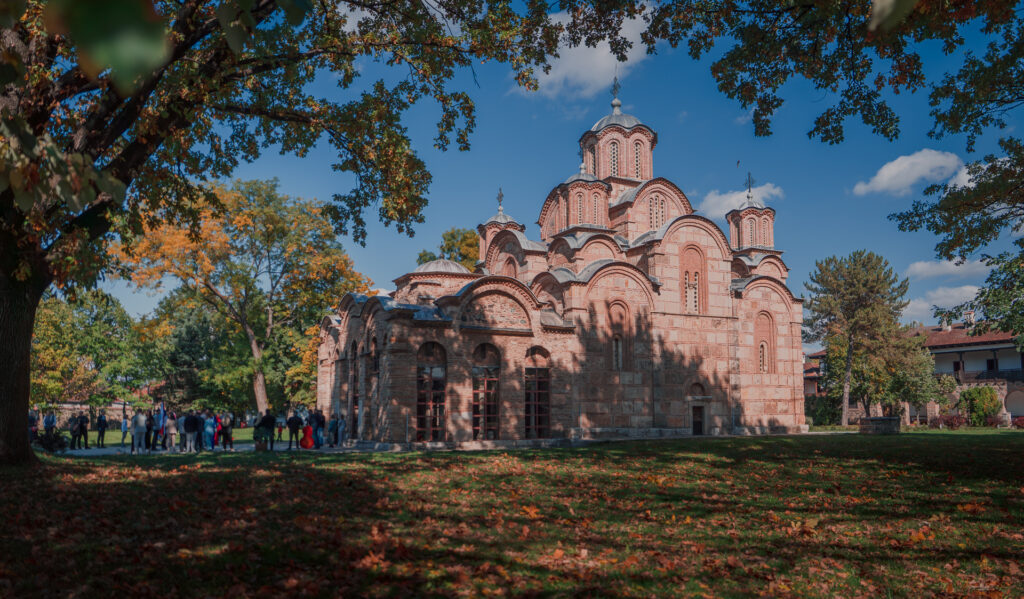
Leaving Pristina, the next stop is one of Kosovo’s UNESCO World Heritage Sites.
Gračanica Monastery dates back to the 14th century and is regarded as one of the finest examples of medieval Serbian architecture.
Unlike the busy streets of Pristina, the monastery grounds feel peaceful and contemplative.
Allow at least one hour for your visit.
When I visited there was a wedding with singing and dancing. It was really nice to see but the church was closed for visitor.
Photography Tips
The monastery is an active religious site.
Dress respectfully and always check whether photography is permitted inside the church.
Outside, look for:
- Stone details
- Fresco entrances
- Framing through trees
- Reflections after rain
Morning and late afternoon generally provide the softest light.
Border Crossing into North Macedonia
The drive from Kosovo into North Macedonia is usually straightforward.
Carry:
- Passport
- Driving licence
- Vehicle registration documents
- Green card insurance if required by your rental company
Border waiting times vary but are often relatively short outside holiday periods.
Welcome to Skopje
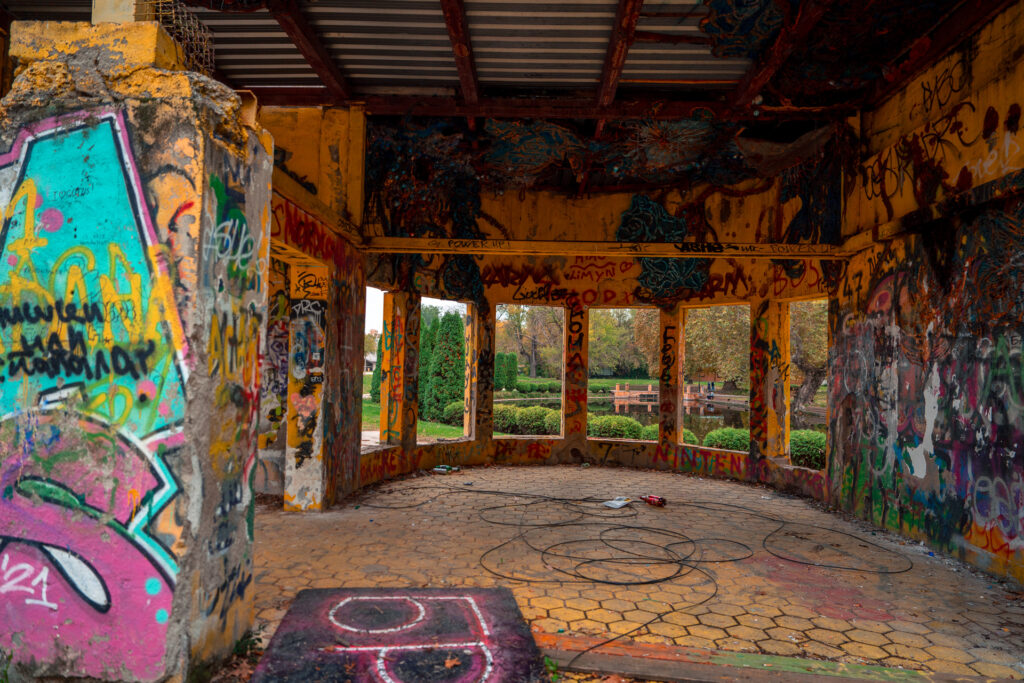
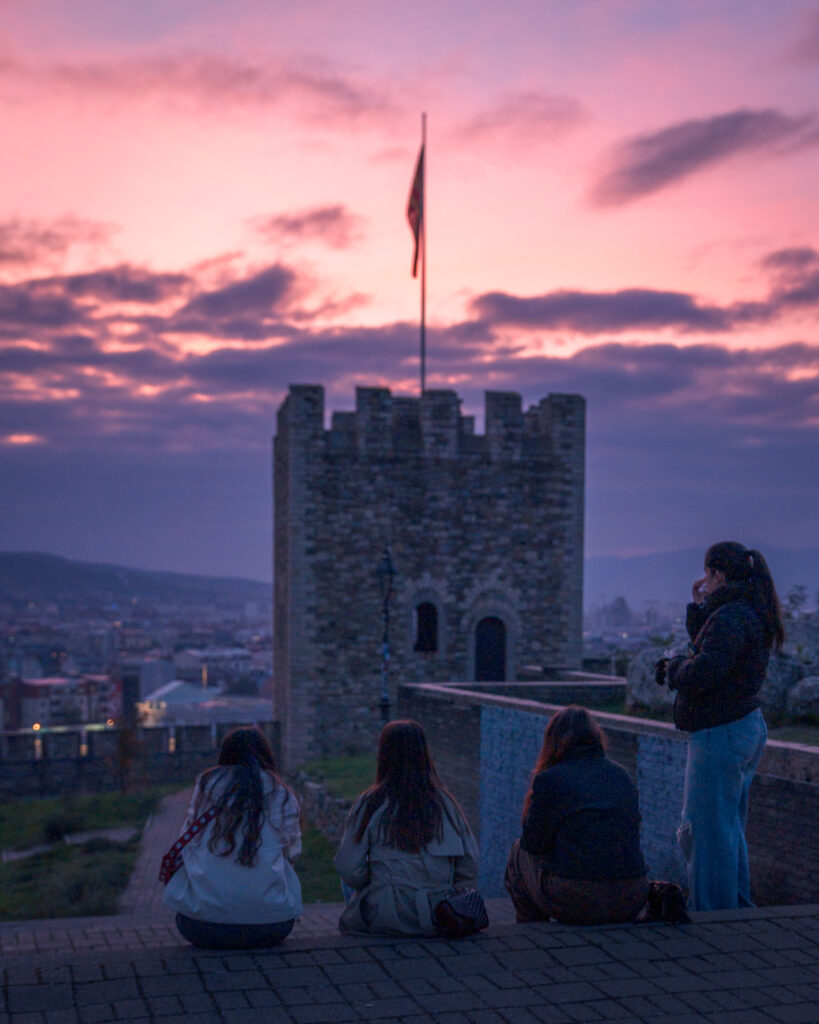
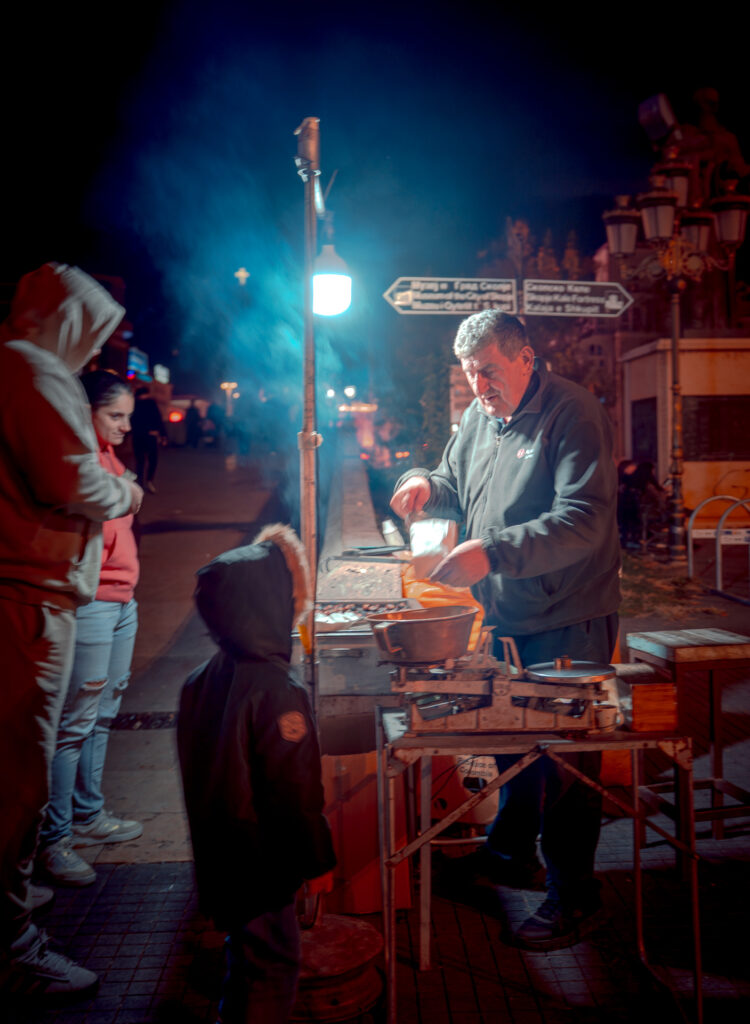

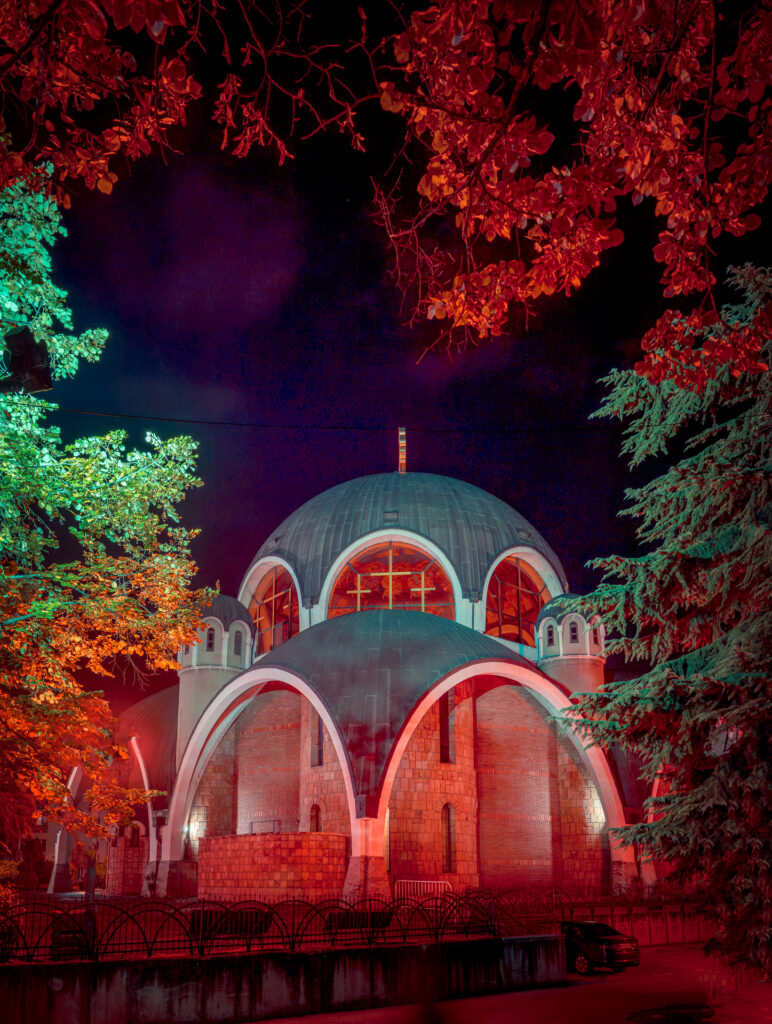
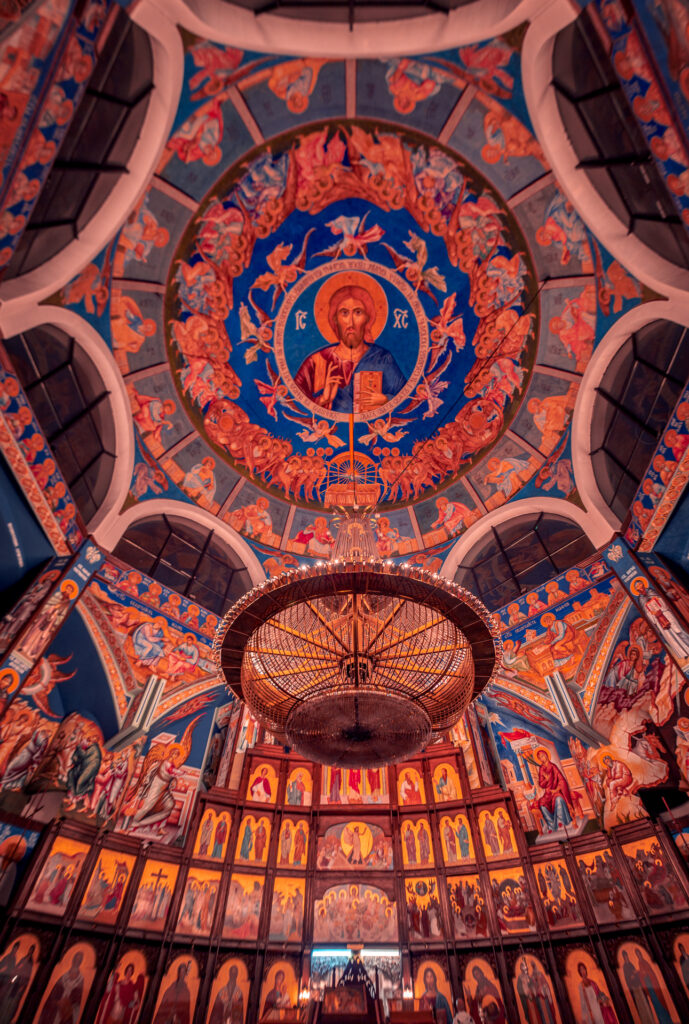
Skopje surprises almost everyone.
The city combines Ottoman streets, brutalist architecture, enormous neoclassical monuments and lively cafés into one of Europe’s most unusual capitals.
Some travellers love it immediately.
Others need time to appreciate its unique character.
Photographers rarely leave disappointed.
Spend the afternoon and evening exploring on foot.
Macedonia Square
Begin your walk in Macedonia Square.
This enormous public space is dominated by the massive “Warrior on a Horse” monument and surrounded by grand buildings, fountains and bridges.
Photography ideas:
- Wide cityscapes
- Night photography
- Reflections after rain
- Long exposures
Blue hour is particularly rewarding.
Stone Bridge
Connecting the modern city with the Old Bazaar, the Stone Bridge has stood here for centuries.
It is Skopje’s most important historic landmark.
Photograph it:
- Early morning
- Blue hour
- From both riverbanks
Try using leading lines to guide viewers into the old town.
Old Bazaar
This is one of the largest and best-preserved Ottoman bazaars in the Balkans.
Unlike many historic districts that have become tourist attractions, Skopje’s bazaar remains a working neighbourhood.
Expect:
- Tea houses
- Mosques
- Cobbled streets
- Traditional craftsmen
- Jewellery shops
- Bakeries
Street photographers could easily spend several hours here.
Must-See Places in the Old Bazaar
Mustafa Pasha Mosque
One of the city’s finest Ottoman buildings.
Beautiful both inside and out.
Kuršumli Han
A restored Ottoman caravanserai that once welcomed travelling merchants.
Today it provides wonderful architectural photography opportunities.
Suli Han
Another beautifully restored historic building now housing cultural institutions.
The courtyards are especially photogenic.
Kale Fortress
Walk uphill from the Old Bazaar to Skopje Fortress.
The fortress offers panoramic views across:
- Macedonia Square
- The Vardar River
- The Old Bazaar
- Modern Skopje
Sunset is usually the best time to visit.
Bring:
- Wide-angle lens
- Telephoto for city details
- Tripod for blue hour afterwards
Street Photography in Skopje
Unlike many European capitals, Skopje still feels wonderfully authentic.
Look for:
- Elderly men playing chess
- Tea houses
- Market vendors
- Colourful fruit stalls
- Local cafés
- Street musicians
The Old Bazaar is especially rewarding during late afternoon when locals gather after work.
Evening Photography
As darkness falls, Skopje changes dramatically.
Many monuments become illuminated, creating excellent opportunities for long-exposure photography.
Best locations include:
- Stone Bridge
- Macedonia Square
- Vardar River
- Archaeological Museum
- The riverside promenade
A lightweight travel tripod is well worth carrying.
Where to Stay
Based on your itinerary, staying near the city centre allows you to explore both the Old Bazaar and Macedonia Square on foot.
Look for accommodation with:
- Secure parking
- Walking distance to major sights
- Breakfast included
Where to Eat
Your planning notes include several excellent options around the Old Bazaar and city centre.
Try traditional Macedonian dishes such as:
- Tavče gravče
- Shopska salad
- Kebapi
- Ajvar
- Freshly baked bread
Finish with strong Turkish coffee or local desserts while watching city life unfold.
Photography Tips for Day 3
- Arrive at Stone Bridge shortly after sunrise in Prizren.
- Spend longer in Pristina than most guidebooks recommend—it rewards street photographers.
- Use a polarising filter around Gračanica to reduce glare on stone surfaces.
- Visit Kale Fortress before sunset.
- Return to Macedonia Square after dark for blue-hour photography.
- The Old Bazaar is best photographed in late afternoon when shops are busiest.
Day 4 – Skopje to Prespa National Park
Driving time: Approximately 5 hours (excluding sightseeing)
Today’s route includes:
- Matka Canyon
- Mavrovo National Park
- Bigorski Monastery
- Mountain roads through western North Macedonia
- Prespa National Park
Although you’ll spend several hours in the car, every section of the drive is incredibly scenic.
Leave Skopje early to make the most of the day.
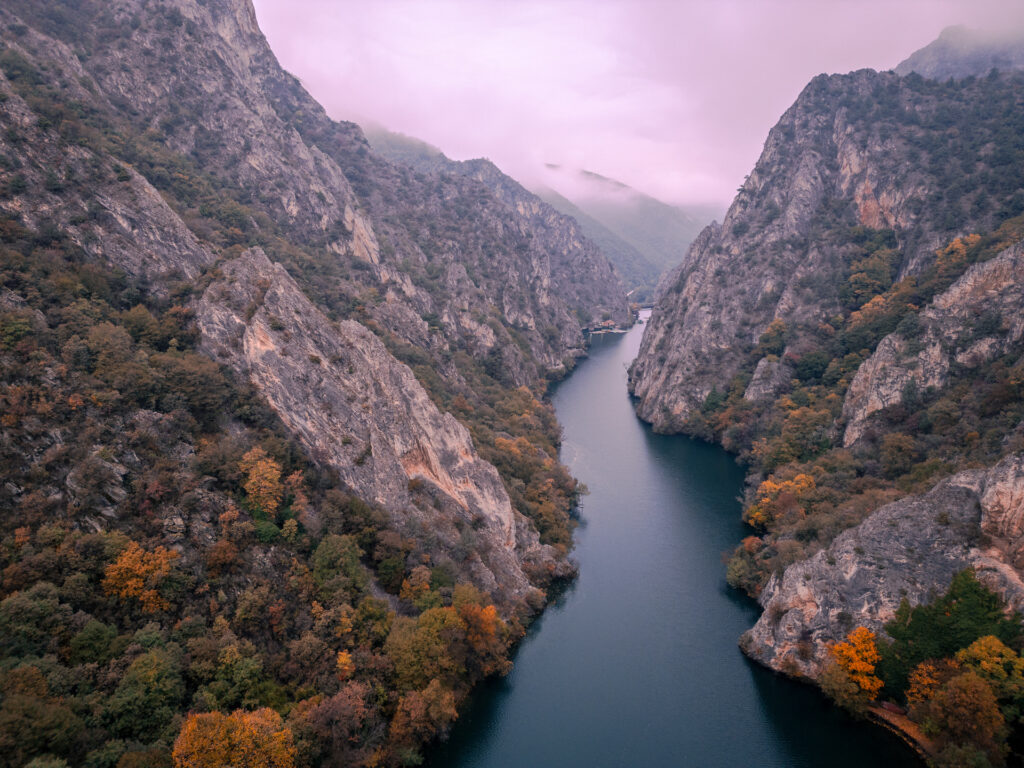
Matka Canyon
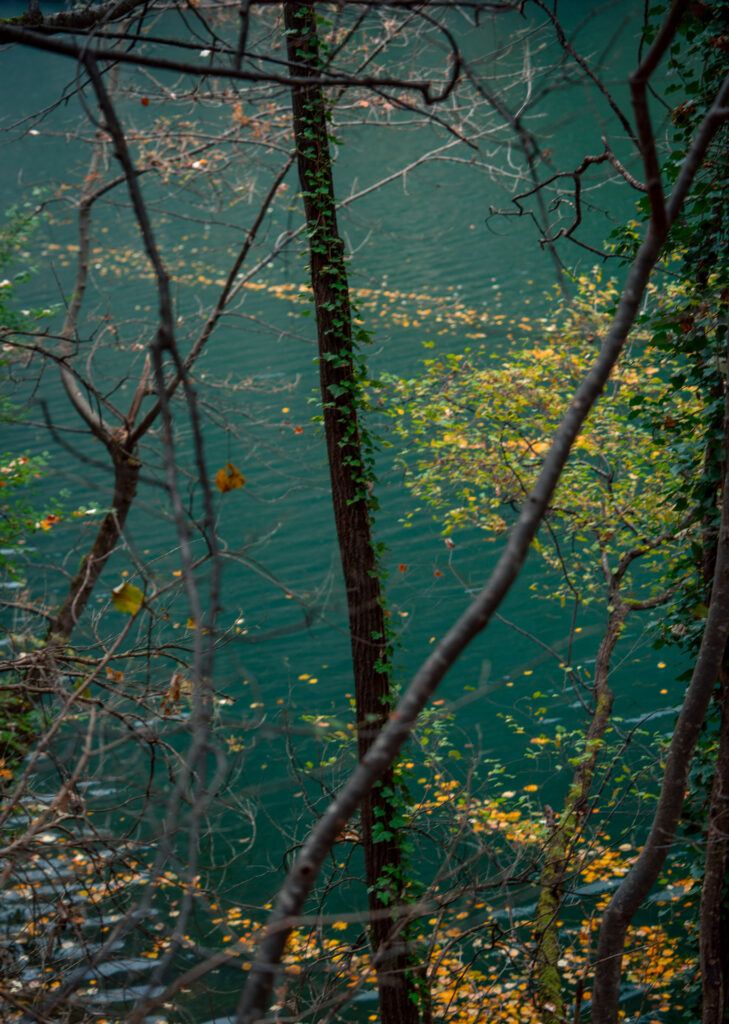
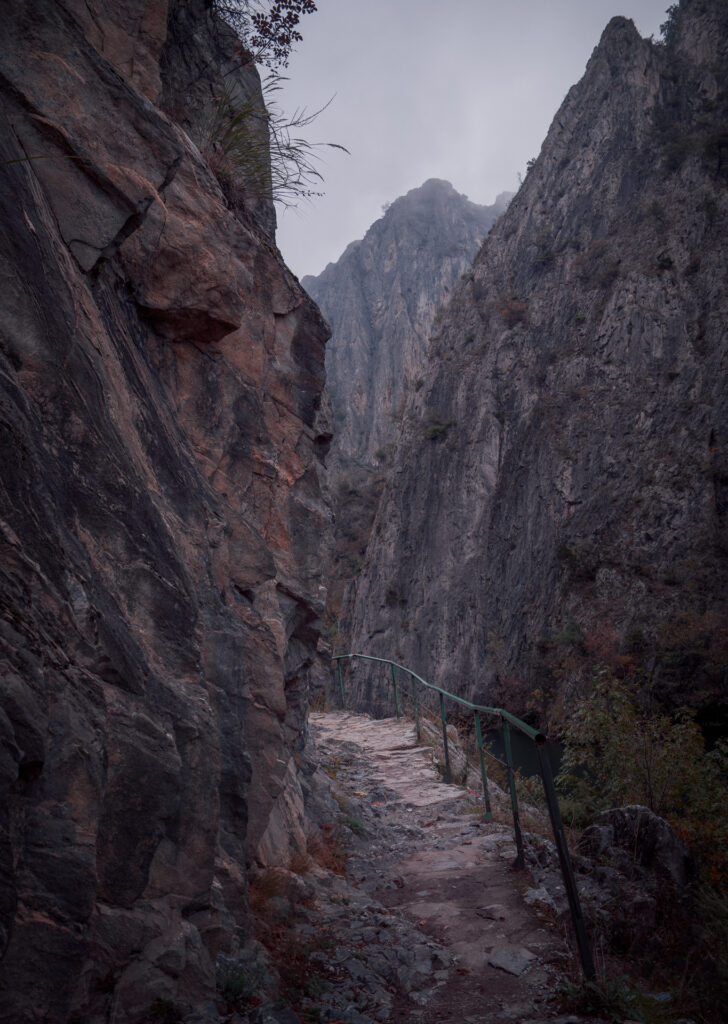
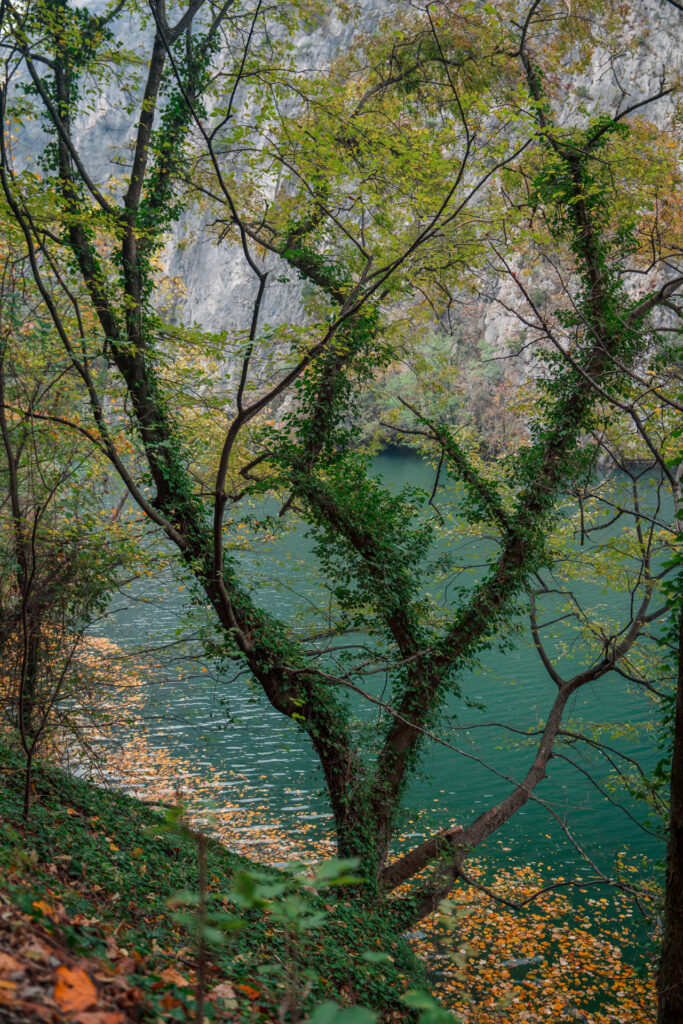
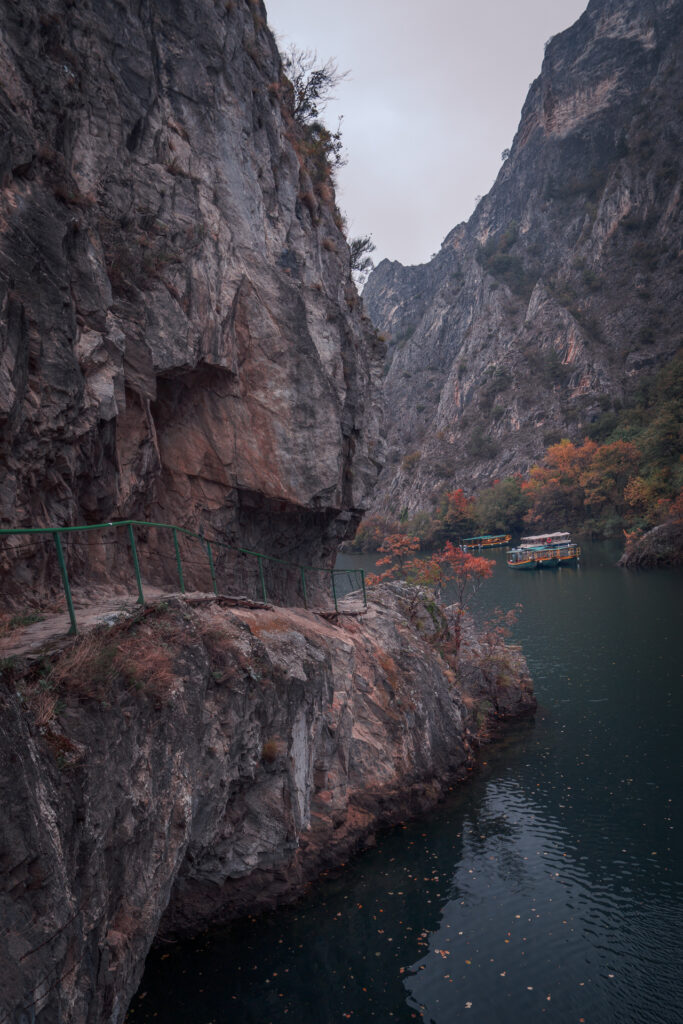
Located less than 30 minutes from Skopje, Matka Canyon is one of North Macedonia’s most visited natural attractions—and for good reason.
The canyon stretches for around 5,000 hectares along the Treska River and is famous for its steep limestone cliffs, emerald-green water and numerous caves.
Despite its popularity, it’s still possible to enjoy peaceful moments if you arrive shortly after sunrise.
What to Do at Matka Canyon
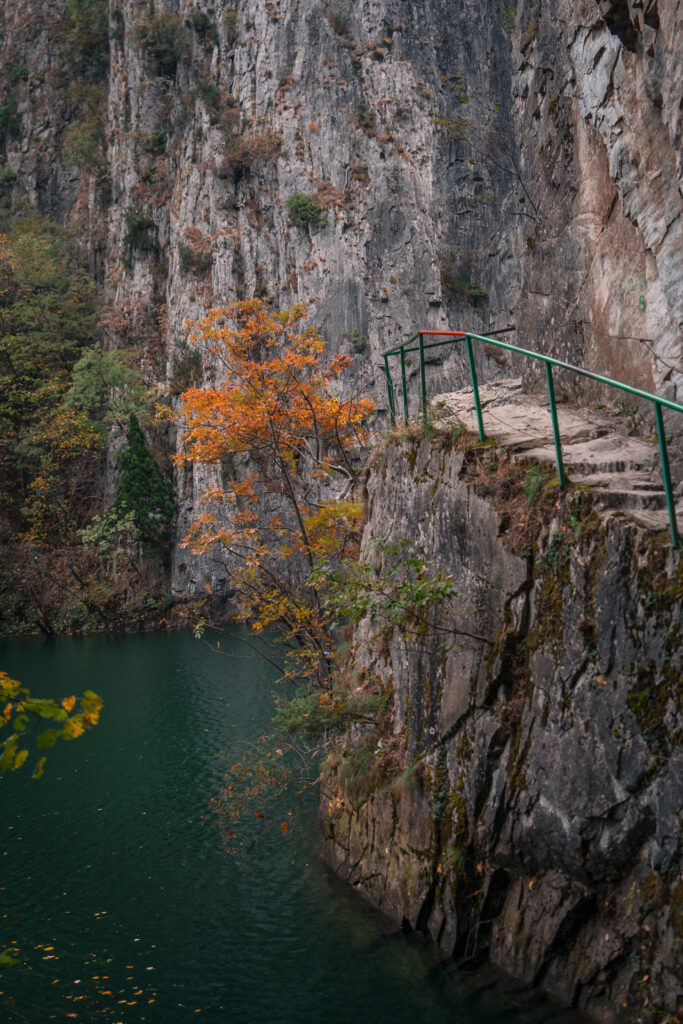
The main walking path follows the canyon wall and offers stunning views at almost every turn.
Popular activities include:
- Walking along the boardwalk
- Boat trips to Vrelo Cave
- Kayaking
- Hiking to viewpoints
- Wildlife spotting
Even if you don’t take a boat tour, the shoreline alone provides excellent photography opportunities.
Photography Tips
Bring:
- Wide-angle lens
- Polarising filter
- Telephoto lens for compressing canyon walls
Best photographs include:
- Reflections in calm water
- Boats crossing the emerald river
- Early morning light entering the canyon
- Long exposures from the boardwalk
Drone flights are generally restricted around the canyon, so always check current regulations before flying.
Continue to Mavrovo National Park
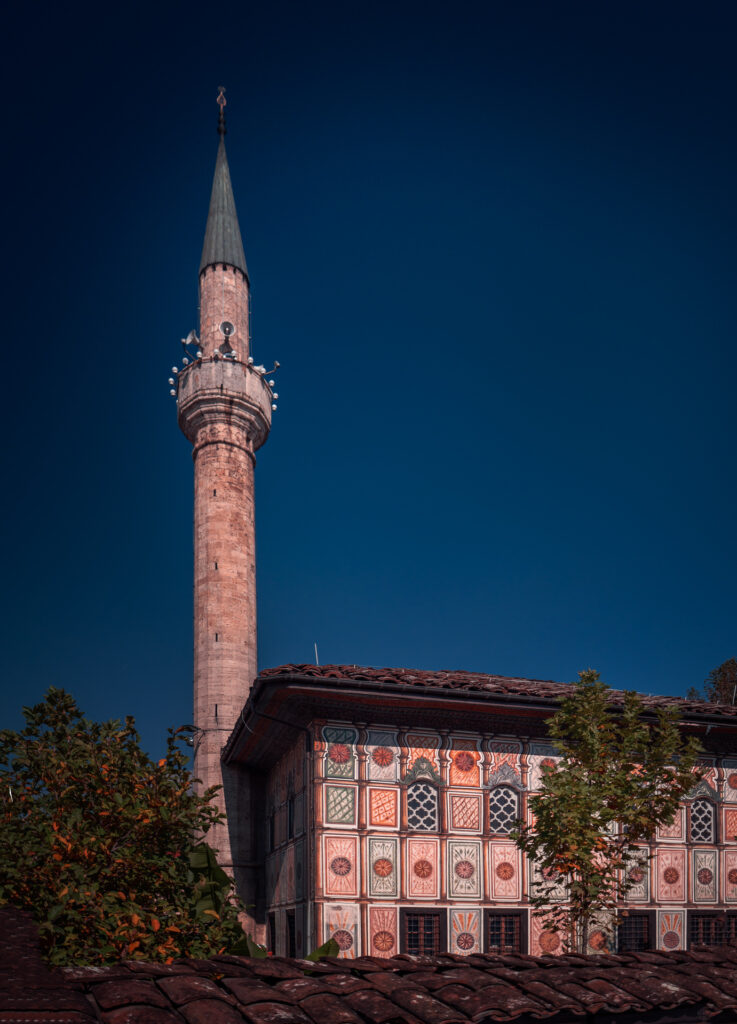
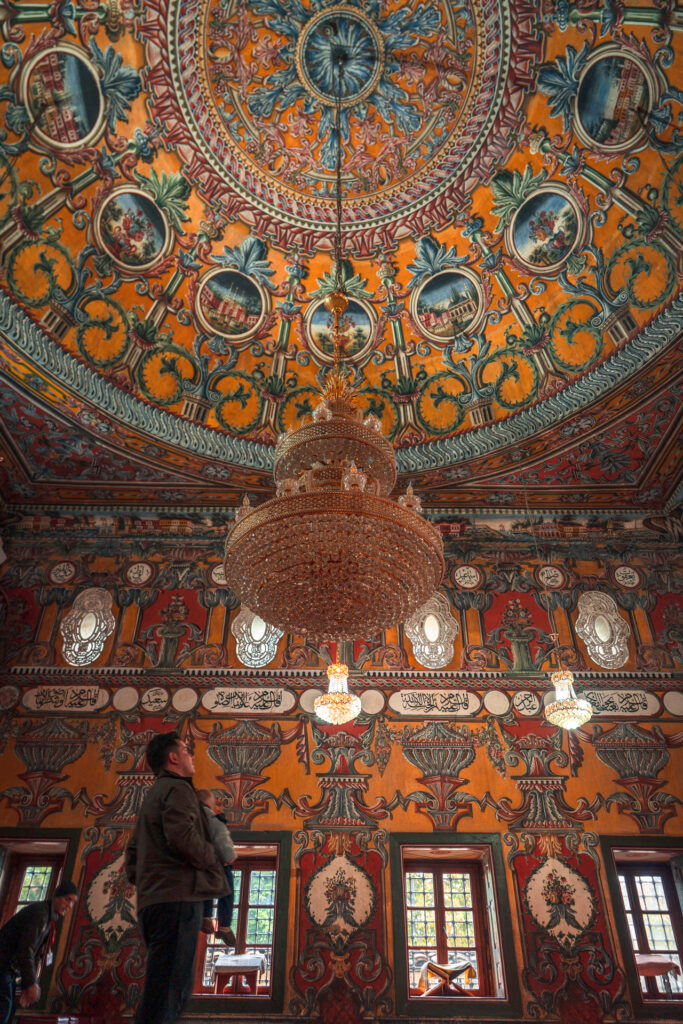
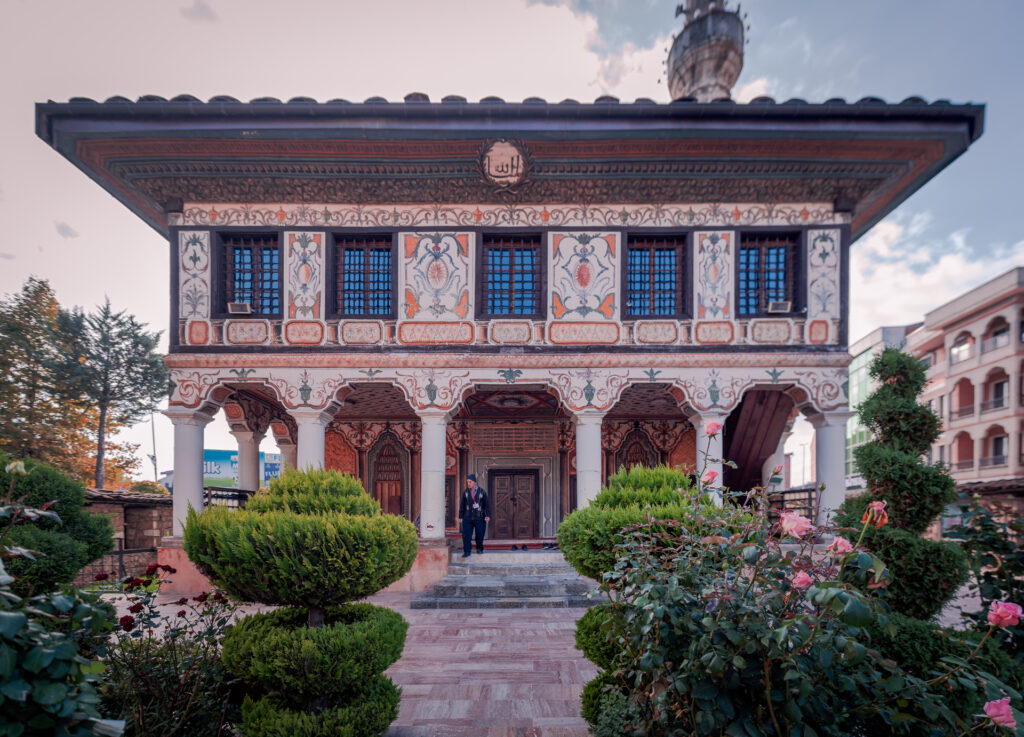
Leaving Matka, the road climbs steadily into one of North Macedonia’s largest protected areas.
Mavrovo National Park covers more than 730 square kilometres of forests, mountains, rivers and alpine meadows.
Unlike many European national parks, tourism here remains relatively low, making it an ideal destination for photographers seeking quieter landscapes.
Scenic Drive Through the Mountains
The drive itself is one of the highlights.
Expect:
- Dense pine forests
- Mountain villages
- Traditional stone houses
- Panoramic viewpoints
- Sheep grazing on open hillsides
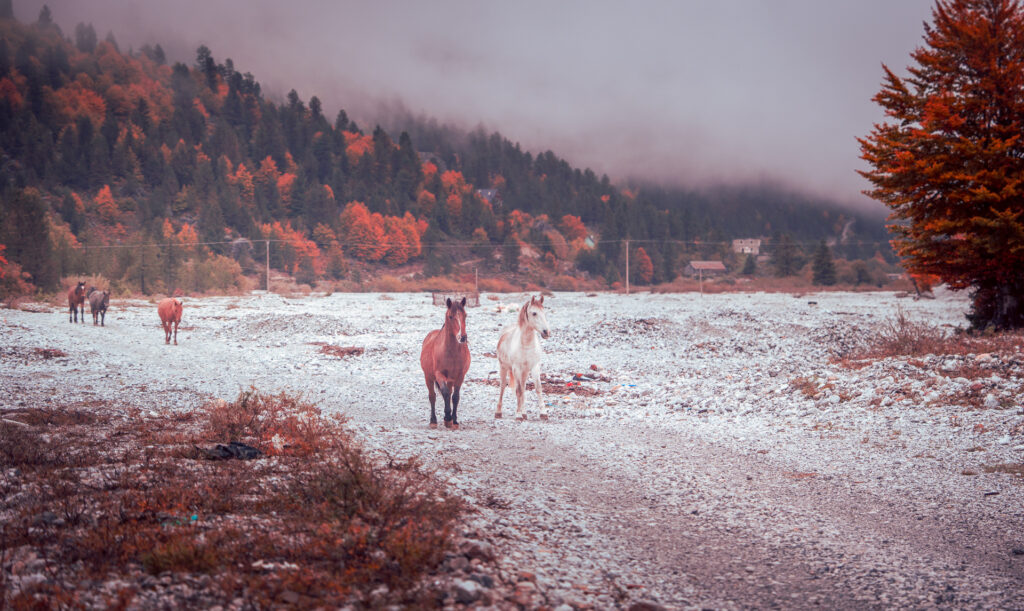
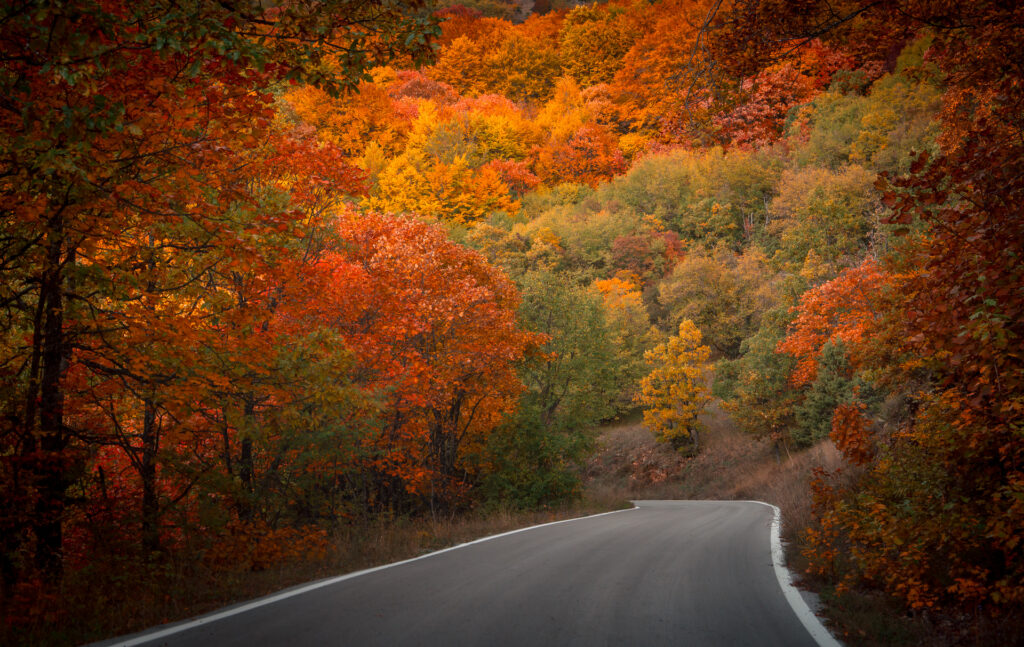
During autumn, the forests become a spectacular mix of gold, orange and deep red.
Allow extra time for spontaneous photo stops.
Mavrovo Lake
One of the park’s most iconic landmarks is Mavrovo Lake.
The lake reflects the surrounding mountains and provides beautiful compositions throughout the day.
Photographers should look for:
- Reflections
- Small boats
- Morning mist
- Mountain backdrops
The area is especially beautiful during calm weather.
The Sunken Church
Perhaps the most famous landmark in Mavrovo is the partially submerged Church of St. Nicholas.
Water levels vary throughout the year, meaning the church sometimes stands completely surrounded by water while at other times it sits on dry ground.
Either way, it makes a fascinating photography subject.
Recommended lenses:
- 24–70 mm
- 70–200 mm
- Drone (where permitted)
Bigorski Monastery
Continuing through the national park, you’ll reach one of North Macedonia’s most important monasteries.
Founded more than 1,000 years ago, Bigorski Monastery is famous for:
- Intricately carved wooden iconostasis
- Peaceful courtyards
- Mountain surroundings
- Traditional architecture
Unlike many tourist attractions, the monastery remains an active religious community.
Photography Tips
Respect local rules regarding photography inside the church.
Outside, photograph:
- Stone archways
- Flower-filled courtyards
- Mountain scenery
- Architectural details
Late afternoon often provides beautiful warm light.
Drive to Prespa National Park
The final part of today’s drive takes you through quiet mountain roads toward Prespa National Park.
This region receives only a fraction of the visitors seen at nearby Lake Ohrid.
That is precisely what makes it special.
Staying Near Prespa
Your itinerary places you close to Prespa National Park, allowing an early start the following morning.
Accommodation around Prespa tends to be:
- Quiet
- Family-run
- Affordable
- Close to nature
Spend the evening photographing sunset over the lake if conditions allow.
Day 5 – Prespa National Park to Ohrid
Today’s drive is shorter, allowing plenty of time for photography and sightseeing.
Highlights include:
- Prespa National Park
- Lake Prespa
- Trpejca
- Bay of Bones Museum
- Lake Ohrid
- Ohrid Old Town
- Church of St. John at Kaneo
Prespa National Park
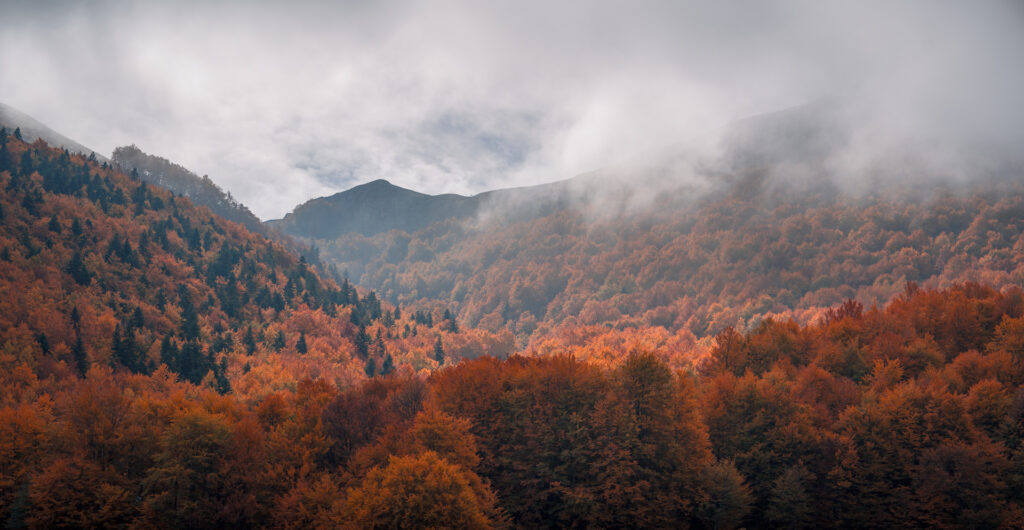
Prespa is one of Europe’s least-known national parks.
Shared between North Macedonia, Albania and Greece, the area is internationally important for wildlife and birdlife.
Unlike many famous European lakes, Prespa still feels wonderfully untouched.
Why Visit Prespa?
The landscape combines:
- Wetlands
- Orchards
- Traditional villages
- Mountain scenery
- Crystal-clear water
It’s particularly rewarding for photographers interested in slower travel and peaceful landscapes.
Bird Photography
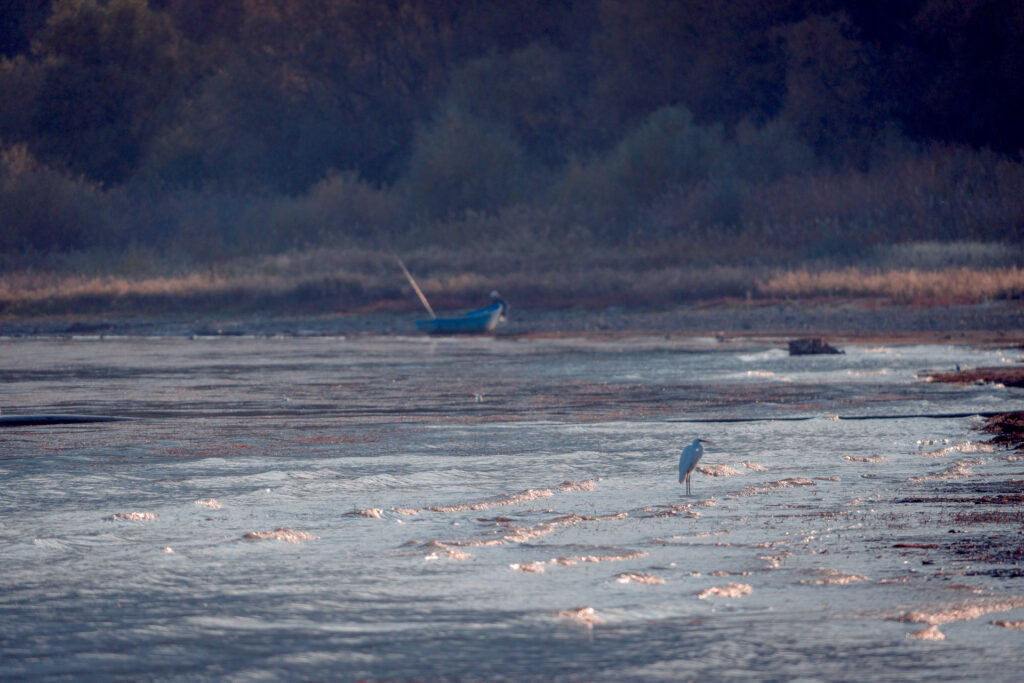
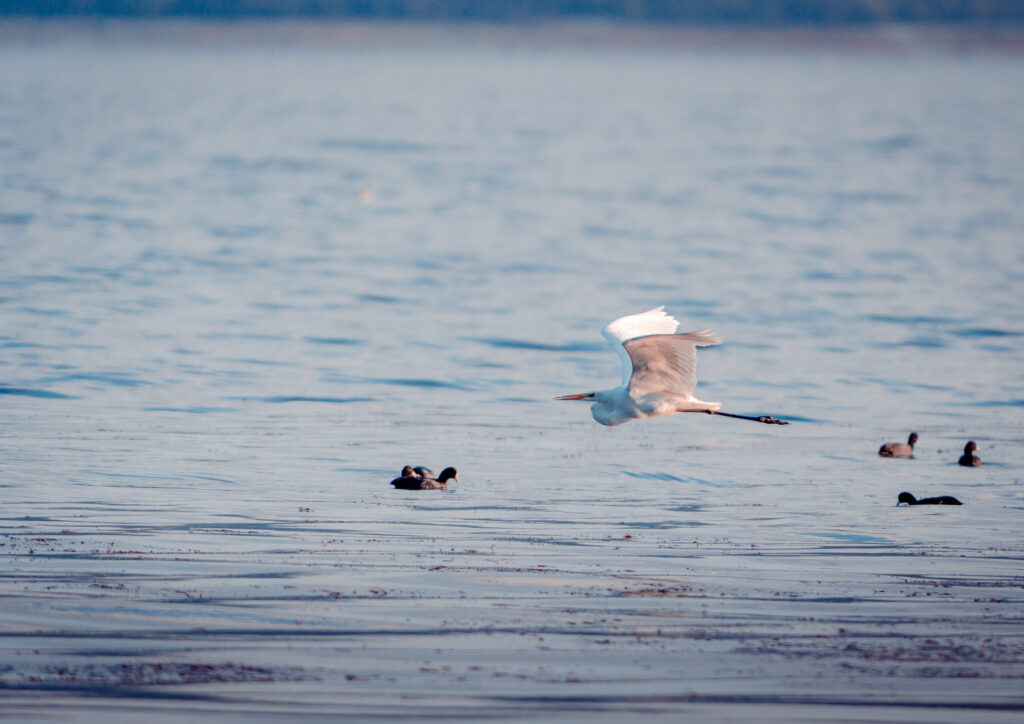
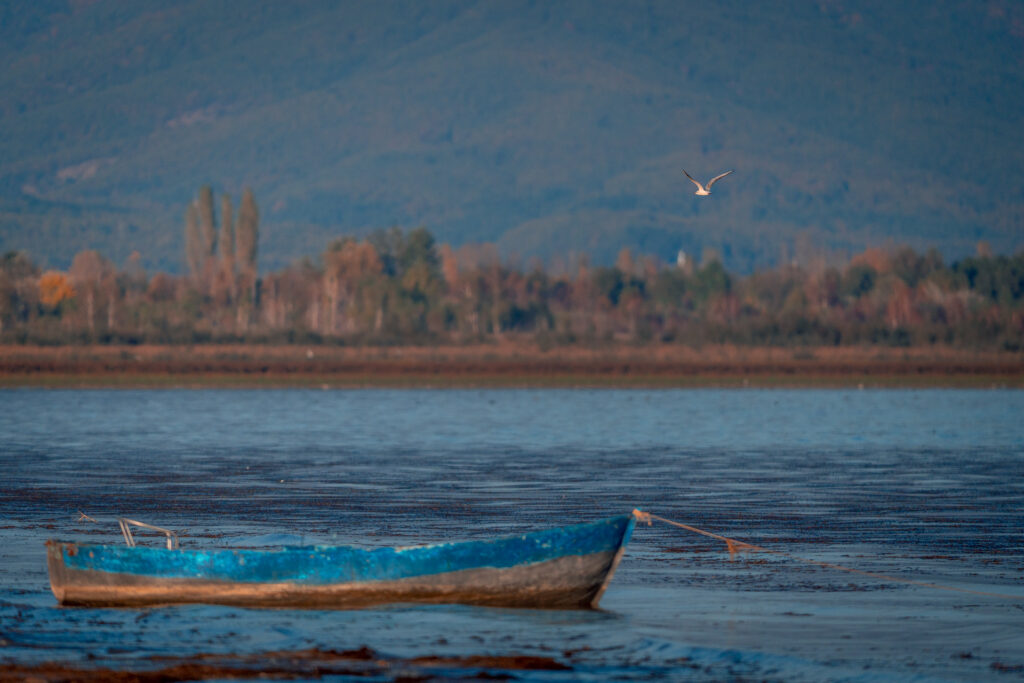
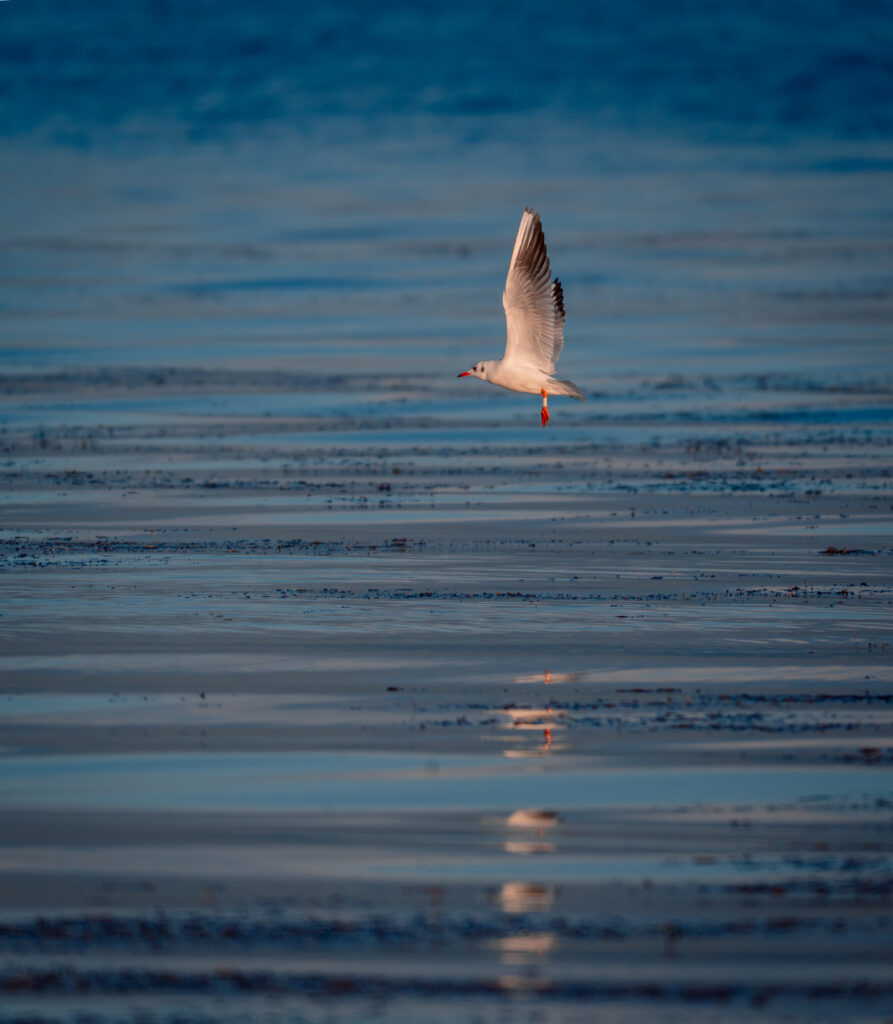
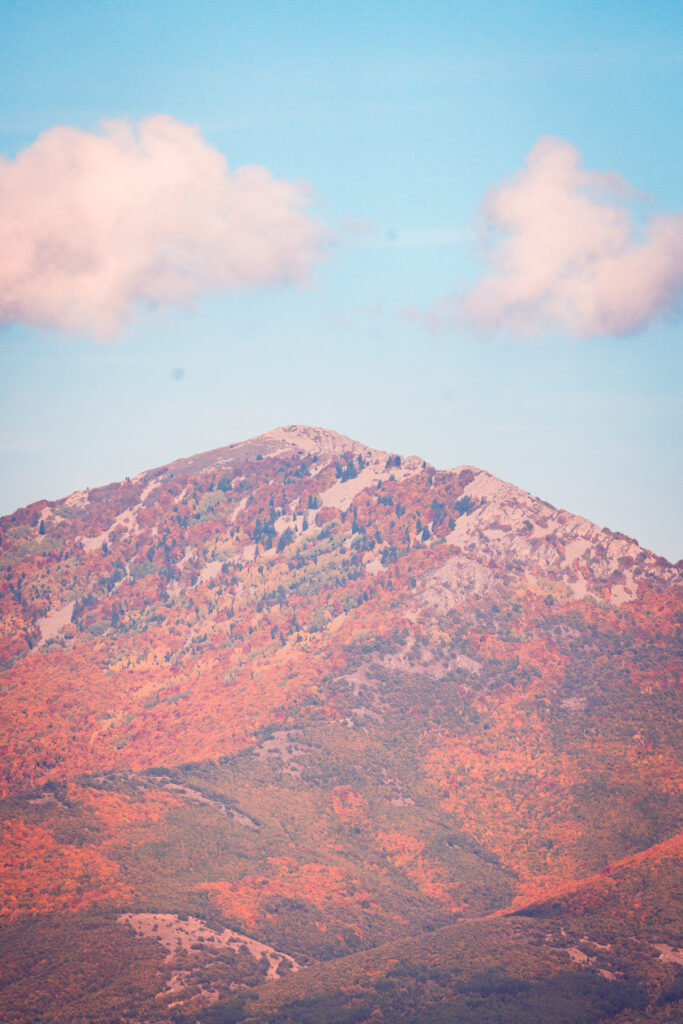
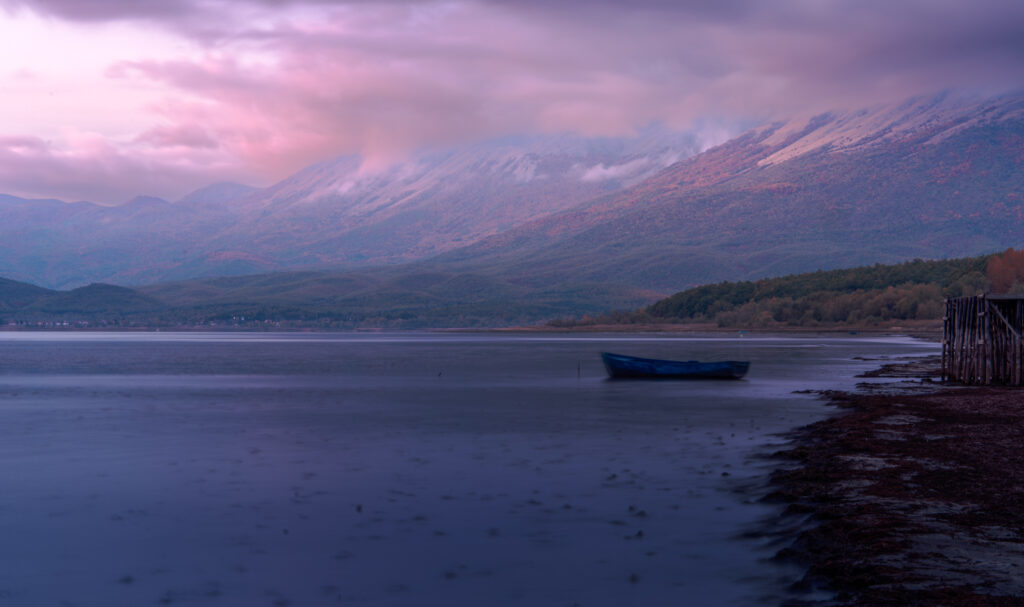
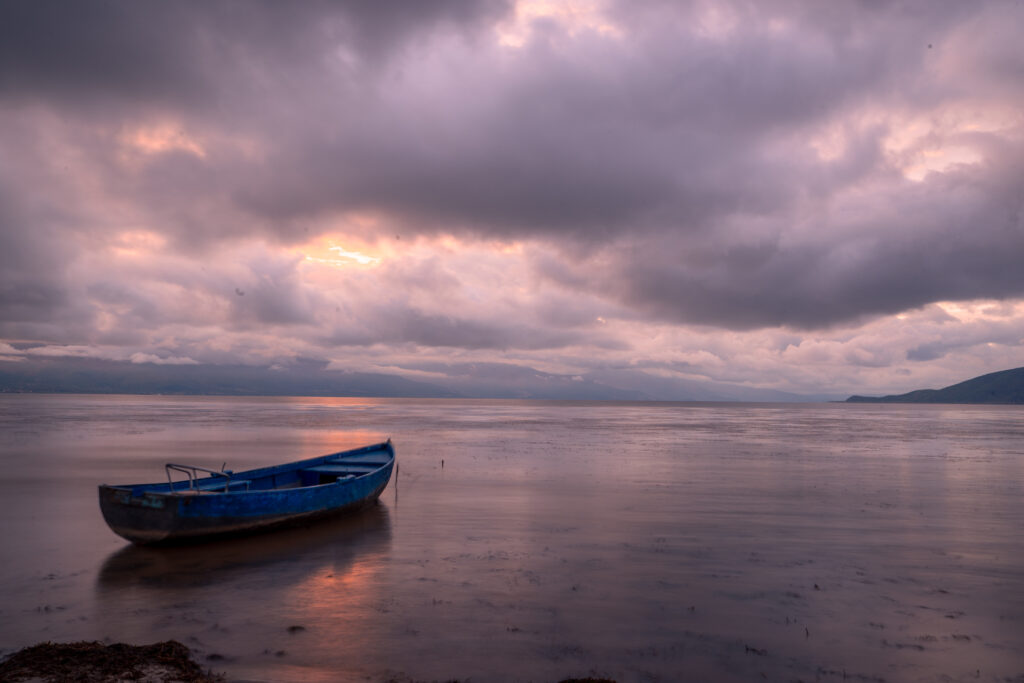
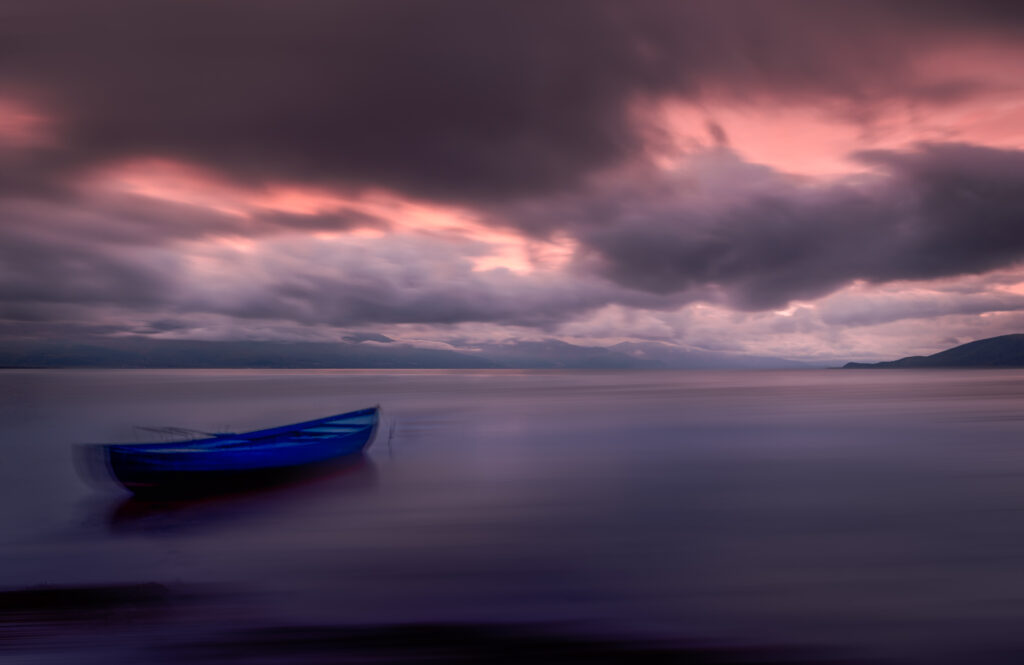
Lake Prespa is internationally recognised for its birdlife.
Species include:
- Dalmatian pelican
- Great white pelican
- Grey heron
- Cormorants
- Numerous migratory species
If you’re interested in bird photography, visit early in the morning when activity is highest.
For more inspiration, you can also read:
Drive Along Lake Ohrid
The road from Prespa toward Ohrid is incredibly scenic.
Several viewpoints overlook one of Europe’s oldest lakes.
Allow time to stop whenever the light looks promising.
Trpejca
Often called the “Saint-Tropez of Macedonia,” Trpejca is a tiny fishing village perched on the shores of Lake Ohrid.
Unlike the busy old town of Ohrid, Trpejca remains peaceful and authentic.
Photography Highlights
- Wooden fishing boats
- Pebble beaches
- Crystal-clear water
- Colourful lakeside houses
- Mountain backdrop
Morning light usually works best.
Saint Naum Monastery Building
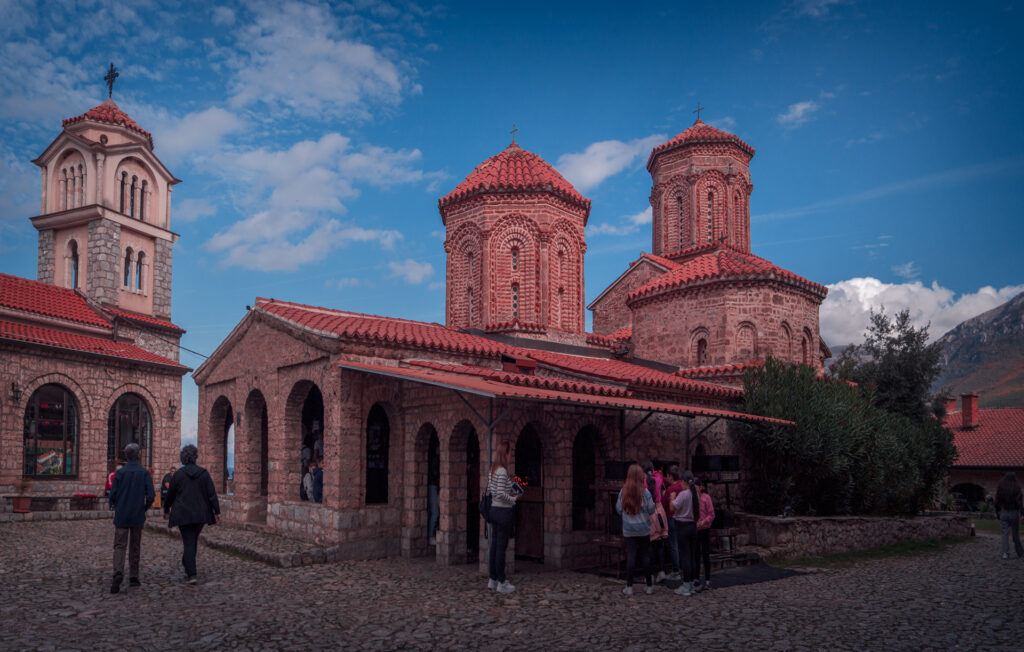
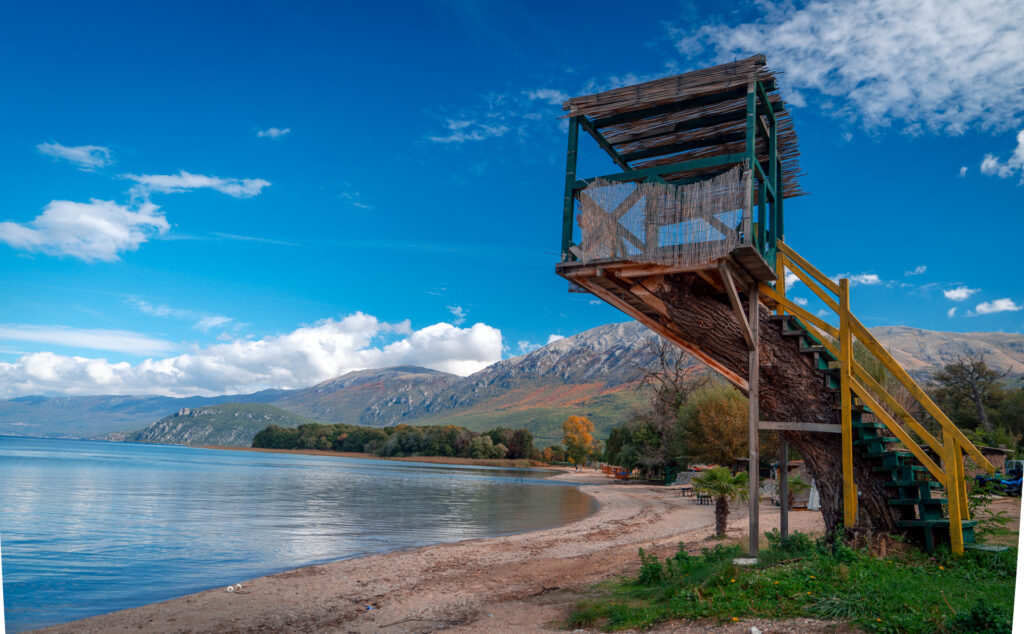
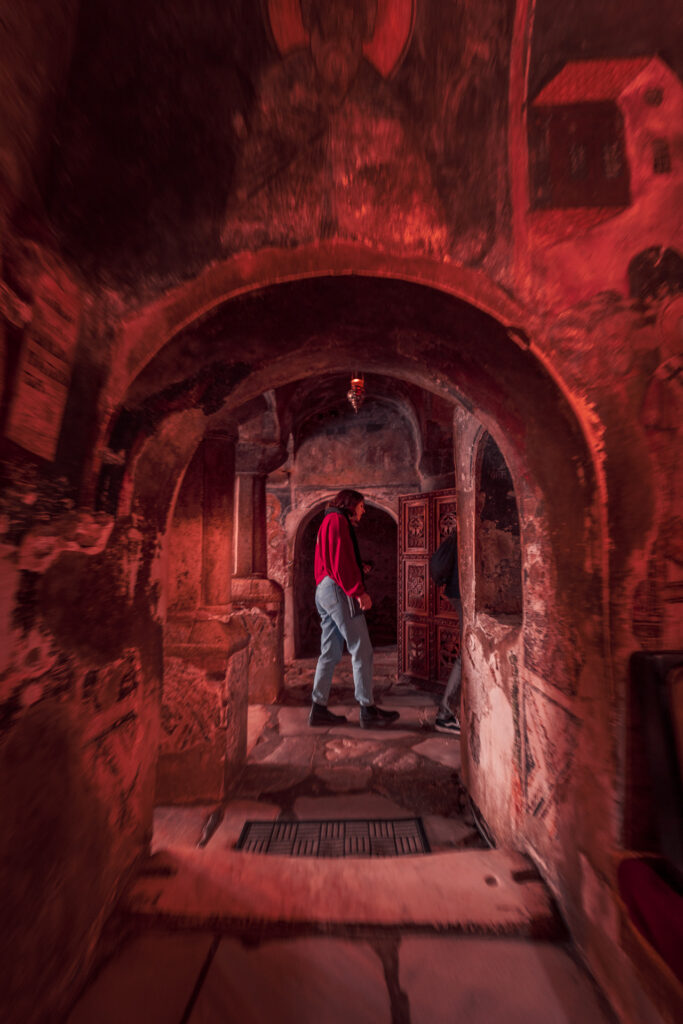
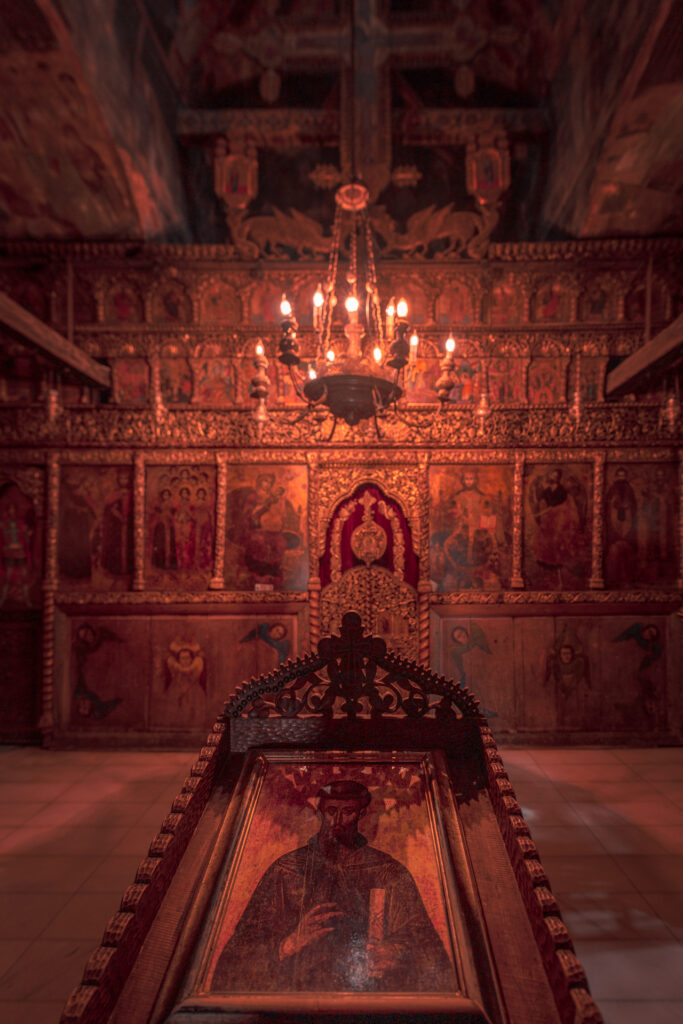
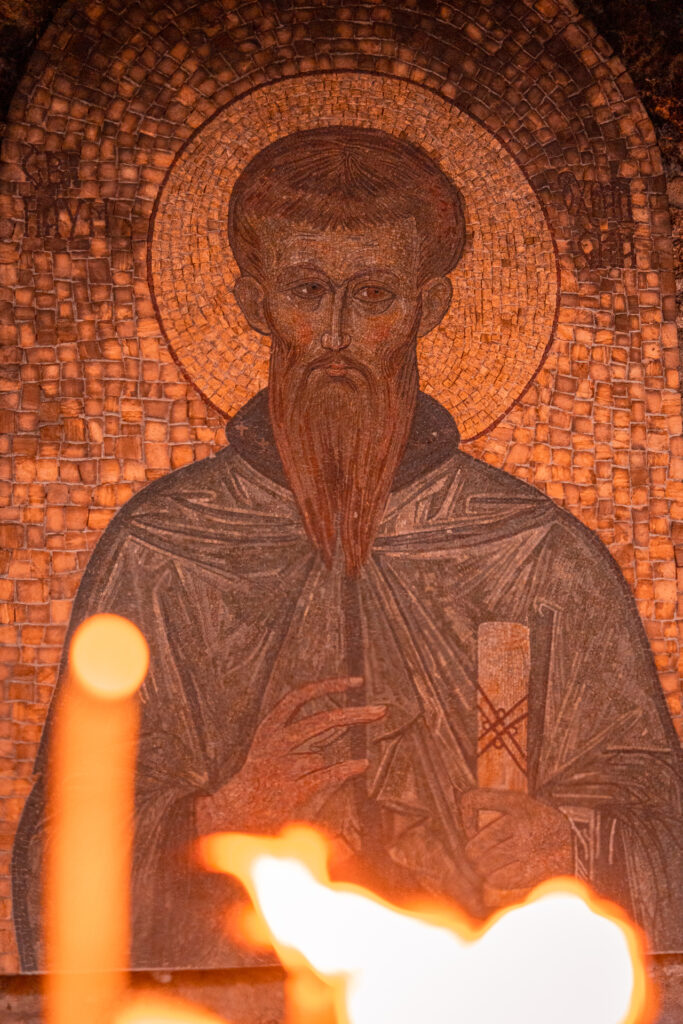
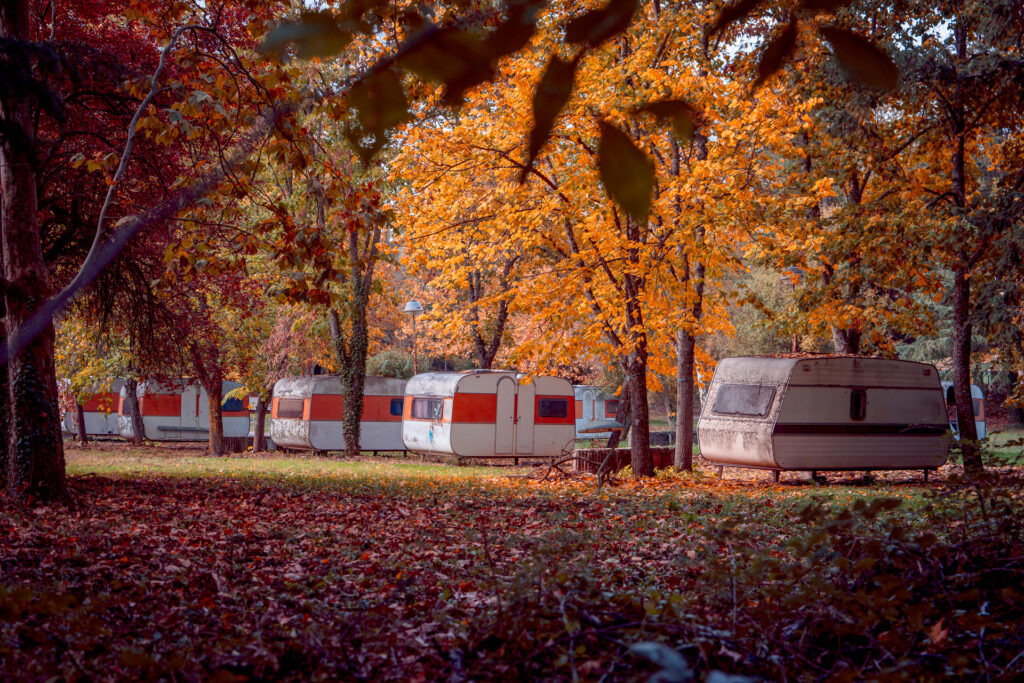
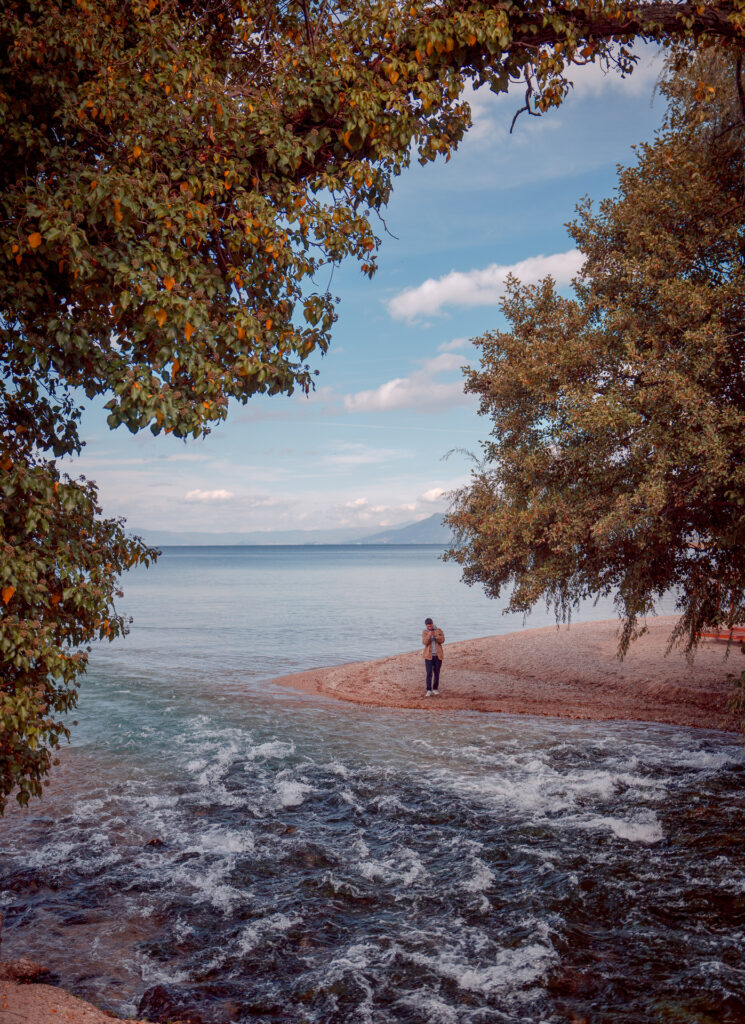
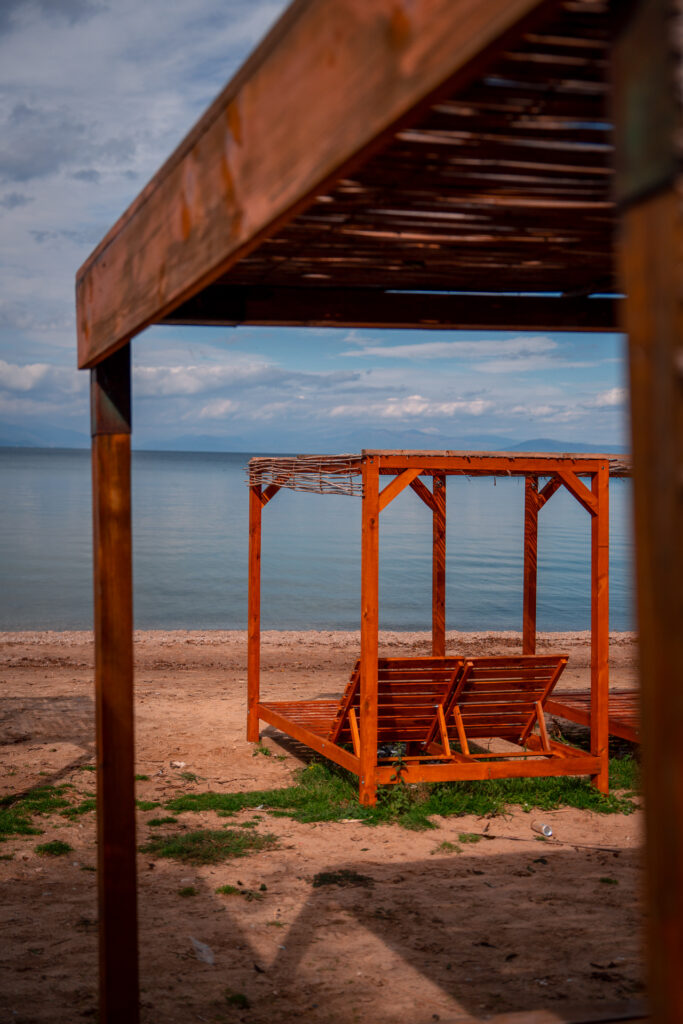
An impressive Monastery from 9th century with nice surroundings and beach.
Bay of Bones Museum
One of North Macedonia’s most unusual attractions is the Bay of Bones Museum.
This reconstructed prehistoric settlement stands above Lake Ohrid on wooden platforms.
The site recreates a Bronze Age village discovered beneath the lake.
Photography Tips
Best compositions include:
- Elevated drone views (where permitted)
- Wooden walkways
- Reflections
- Wide-angle lake panoramas
The museum is particularly photogenic during golden hour.
Arriving in Ohrid
Ohrid is one of the oldest continuously inhabited cities in Europe and a UNESCO World Heritage Site.
It combines:
- Ancient churches
- Cobbled streets
- Ottoman houses
- Lakeside promenades
- Fantastic restaurants
Many visitors consider it the highlight of North Macedonia.
Spend at least one full afternoon and evening exploring.
Walk Through Ohrid Old Town
Lose yourself among narrow stone streets lined with:
- Traditional houses
- Small churches
- Artisan shops
- Hidden viewpoints
Unlike larger European cities, Ohrid still feels intimate and relaxed.
Church of St. John at Kaneo
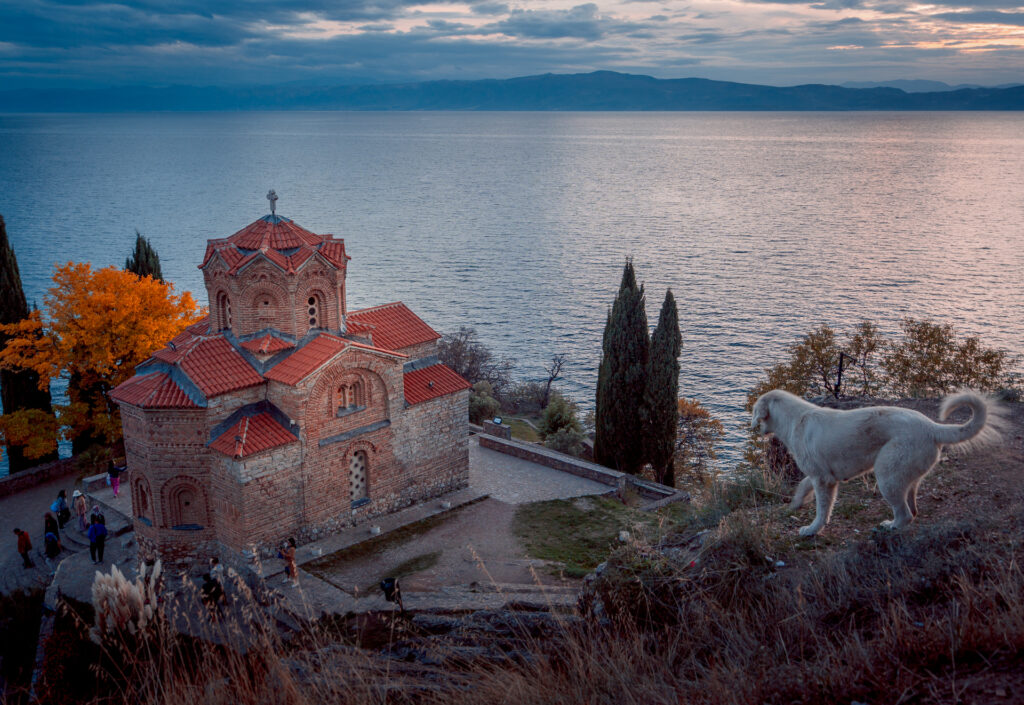
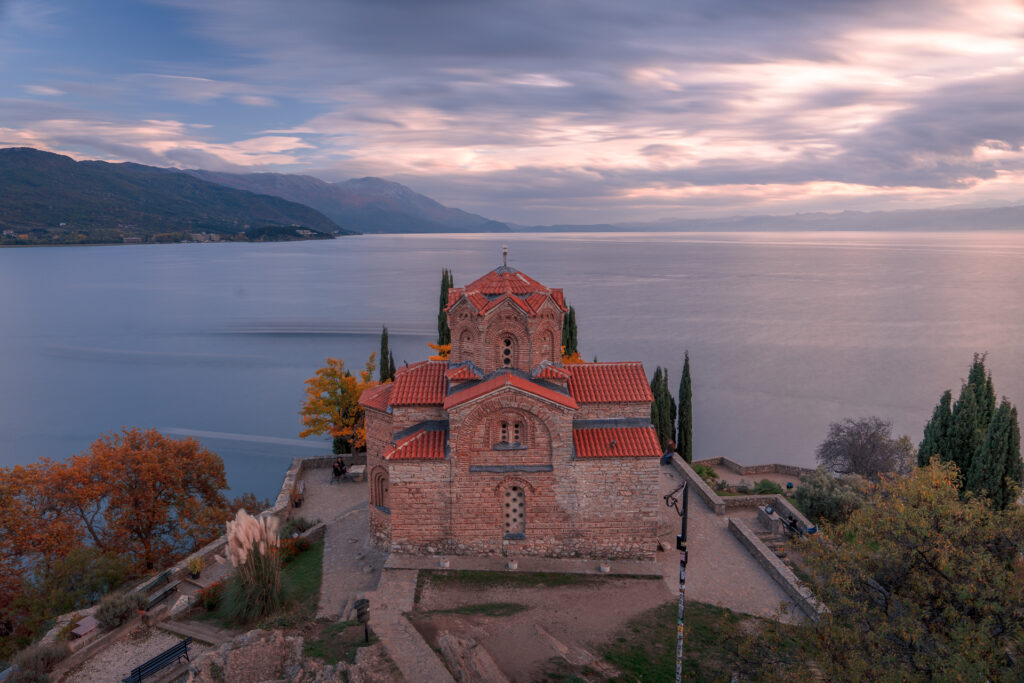
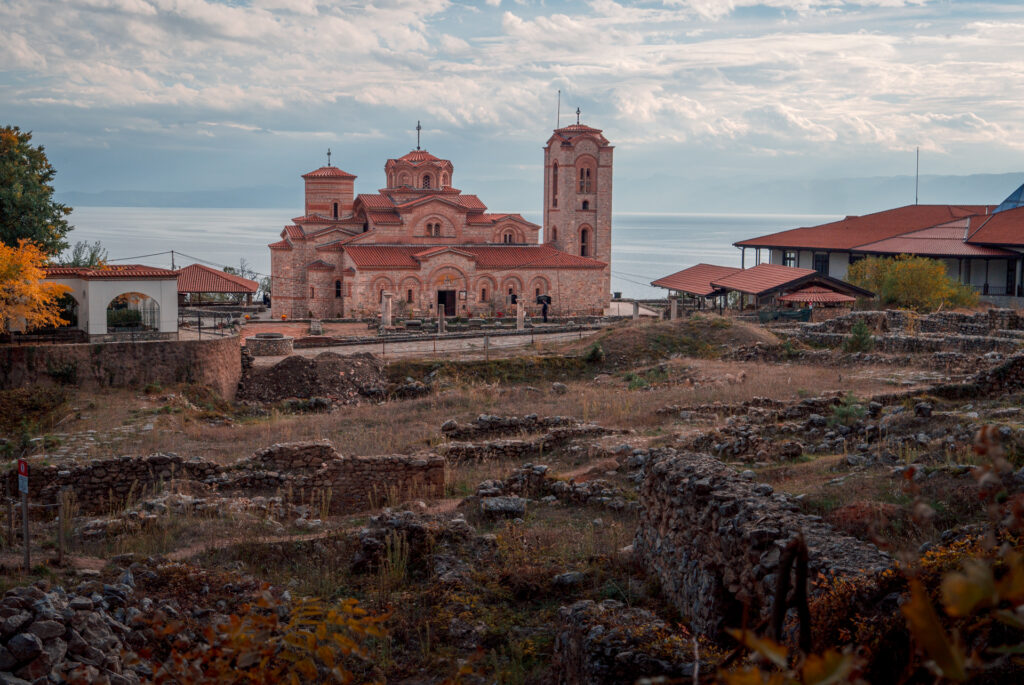
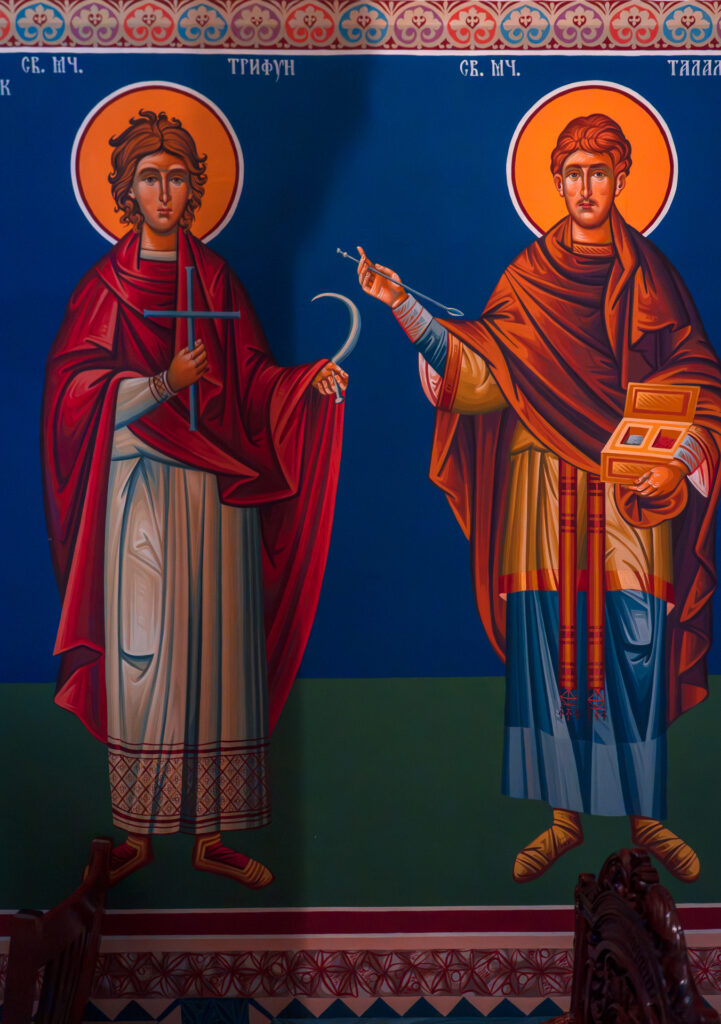
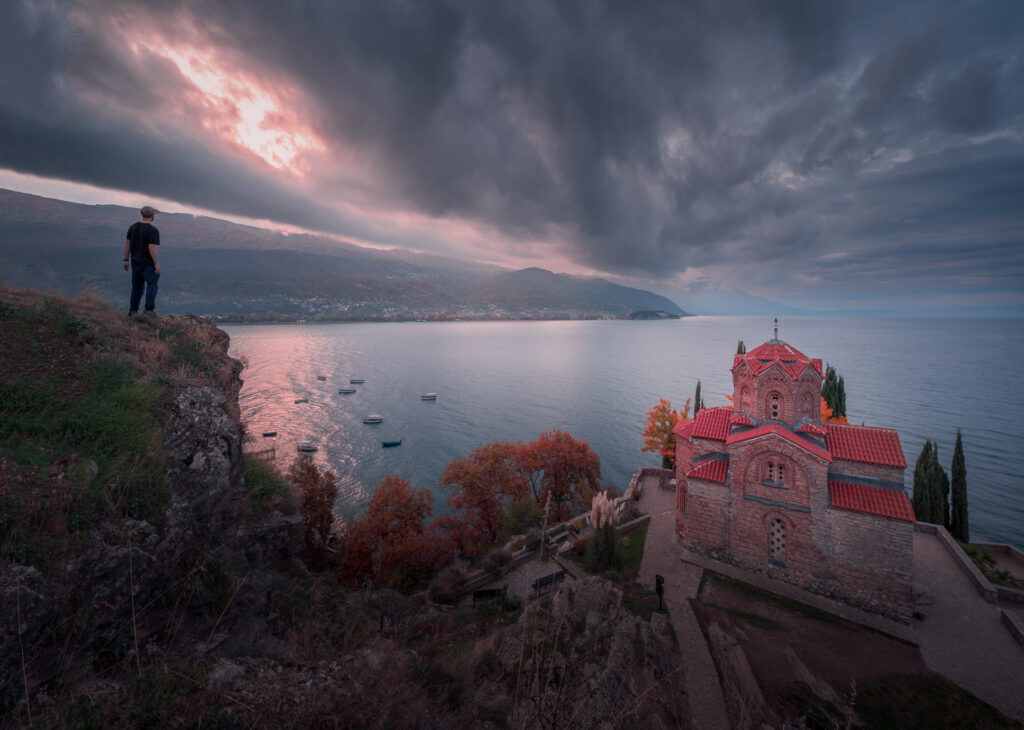
No landmark is photographed more often than St. John at Kaneo.
Perched dramatically above Lake Ohrid, it has become one of the defining images of North Macedonia.
Best Time to Visit
Sunset is by far the best time.
Golden light illuminates:
- The church
- The cliffs
- The lake
- Surrounding mountains
Arrive at least one hour before sunset to secure a good viewpoint.
Sunset Photography at Kaneo
Bring:
- Wide-angle lens
- Telephoto
- Tripod
Photograph:
- Boats crossing the lake
- Silhouettes
- Long exposures after sunset
- Blue hour over Ohrid
Stay after the crowds leave—the light often improves significantly during blue hour.
Evening in Ohrid
Finish the day with dinner along the lakeside promenade.
The atmosphere changes completely after dark.
Street musicians, illuminated churches and waterfront cafés create excellent opportunities for evening photography.
Where to Stay
Your itinerary places you in Ohrid overnight, making it easy to explore both sunrise and sunset without additional driving.
Choose accommodation within walking distance of the Old Town.
Photography Tips for Days 4–5
- Arrive at Matka Canyon as early as possible.
- Allow extra time through Mavrovo National Park for scenic stops.
- Visit Bigorski Monastery respectfully and avoid photographing worshippers.
- Photograph Trpejca before reaching Ohrid.
- Arrive at St. John at Kaneo at least an hour before sunset.
- Stay for blue hour—many visitors leave too early.
Absolutely—I won’t include any “Part 4”, “Coming next”, or references to previous/next sections anymore. The text below is written so you can paste it directly after the previous sections as one continuous article.
Day 6 – Ohrid to Berat
Driving time: Approximately 4.5–5 hours
Today’s drive crosses back into Albania and heads towards one of the country’s greatest architectural treasures. While the journey is longer than previous days, the changing scenery—from lakes and mountains to rolling hills and fertile valleys—makes it one of the most enjoyable drives of the trip.
Leave Ohrid shortly after sunrise if you want time to explore Berat in the afternoon and photograph the city during golden hour.
Sunrise at Lake Ohrid
If you stayed in Ohrid’s Old Town, take advantage of the peaceful early morning atmosphere before leaving.
The lakeside promenade is almost empty, fishermen prepare their boats, and the soft light creates beautiful reflections across the calm water.
Excellent sunrise locations include:
- Church of St. John at Kaneo
- Ohrid Harbour
- Ancient Theatre viewpoint
- Lakeside promenade
- Small wooden piers
Morning is also an excellent time for drone photography where permitted.
Crossing into Albania
The border crossing between North Macedonia and Albania is generally straightforward.
Before arriving, make sure you have:
- Passport
- Driving licence
- Rental agreement permitting border crossings
- Insurance documents if required
After crossing the border, the scenery gradually changes as the road winds through small villages and fertile valleys before reaching central Albania.
Berat – The City of a Thousand Windows
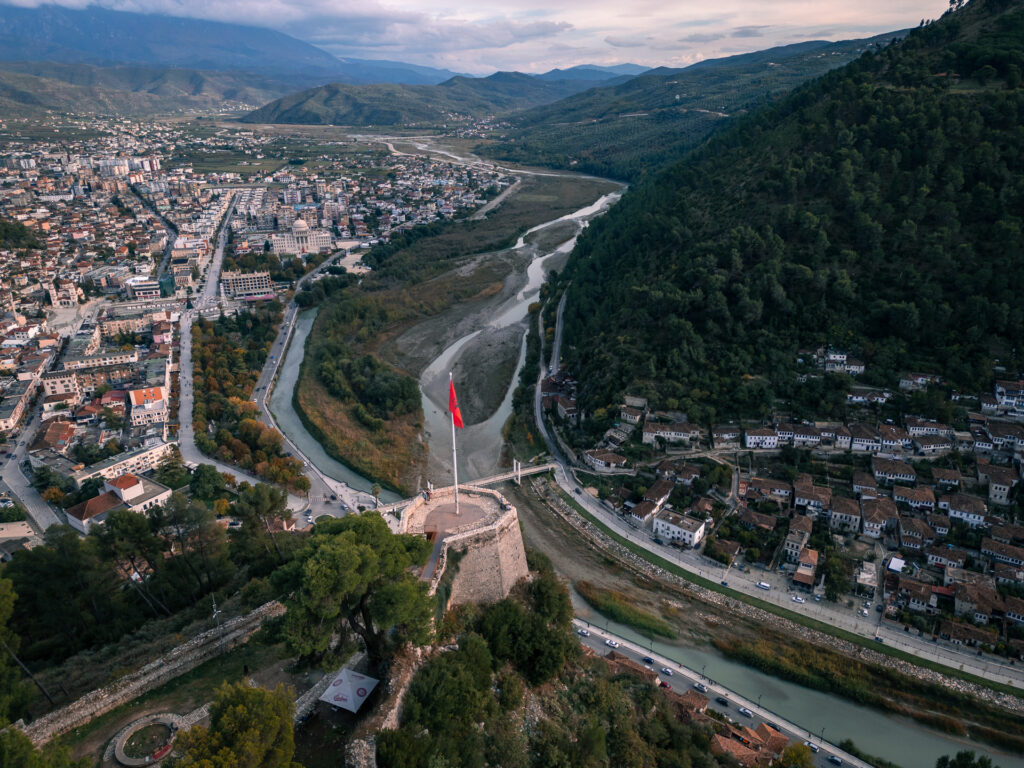
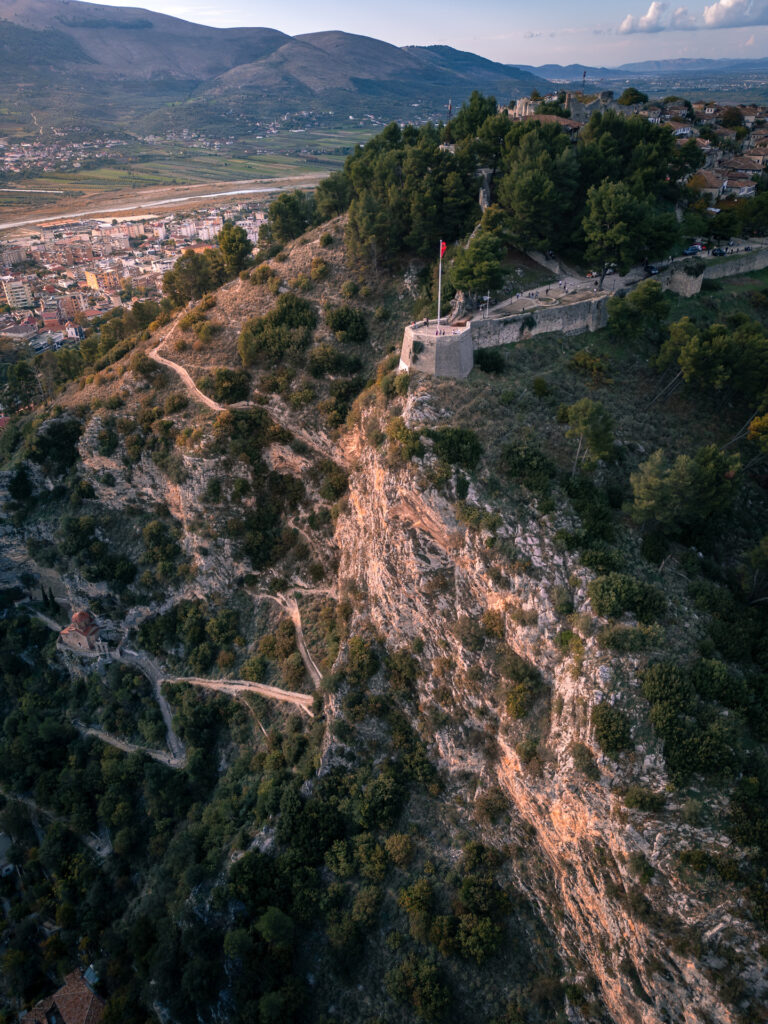
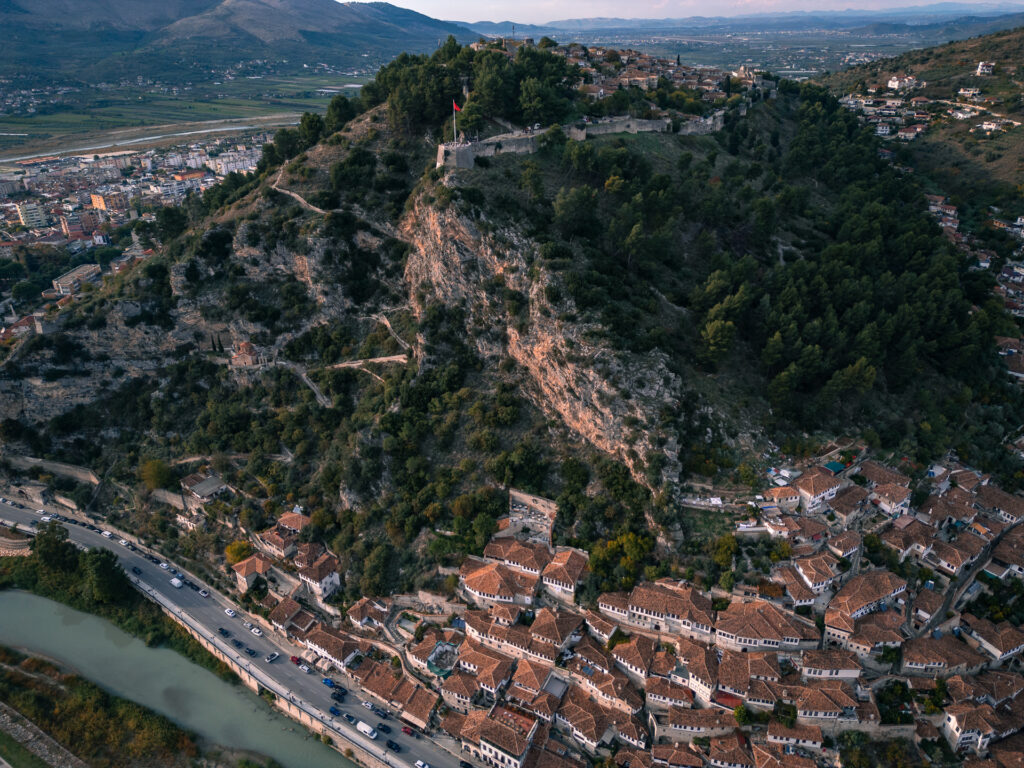
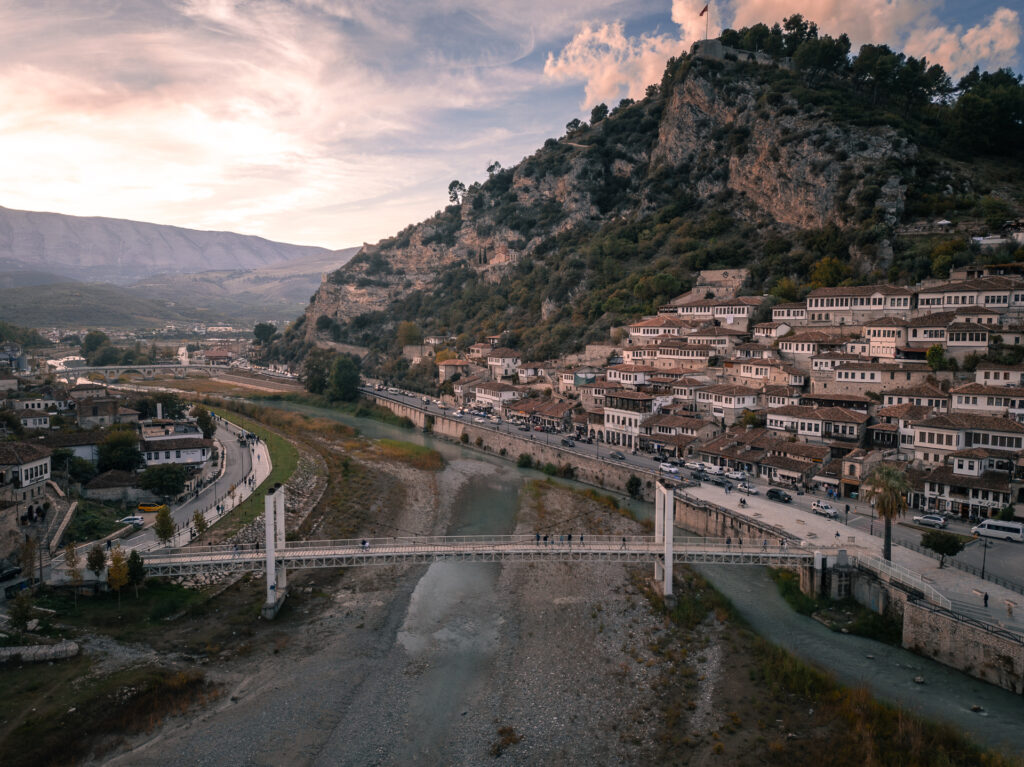
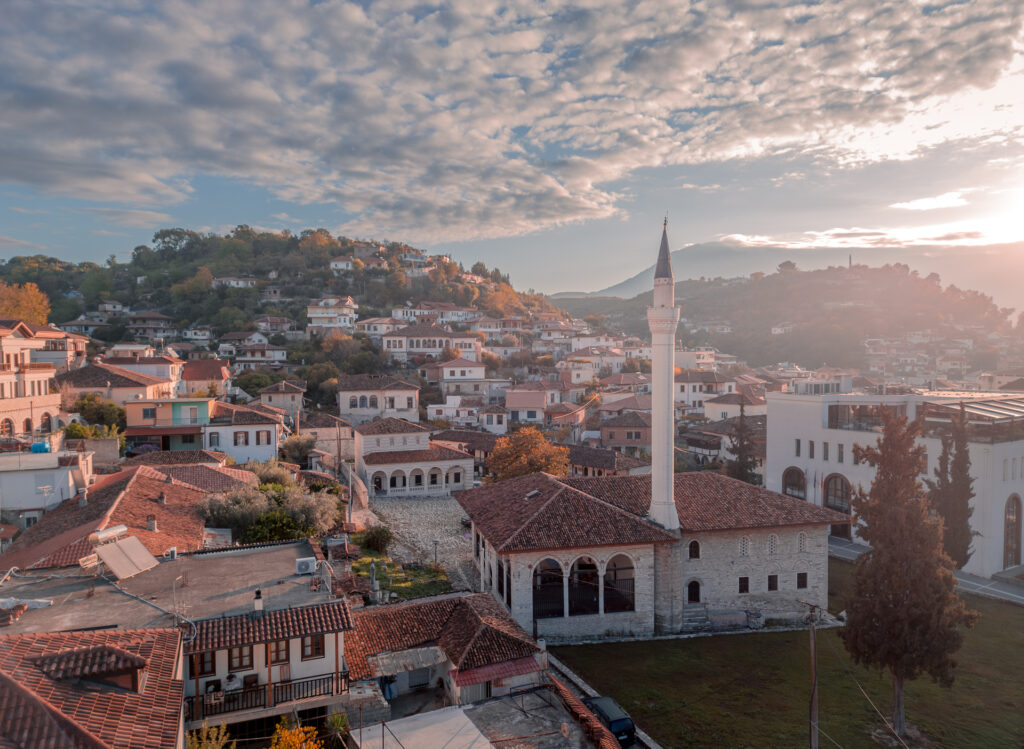
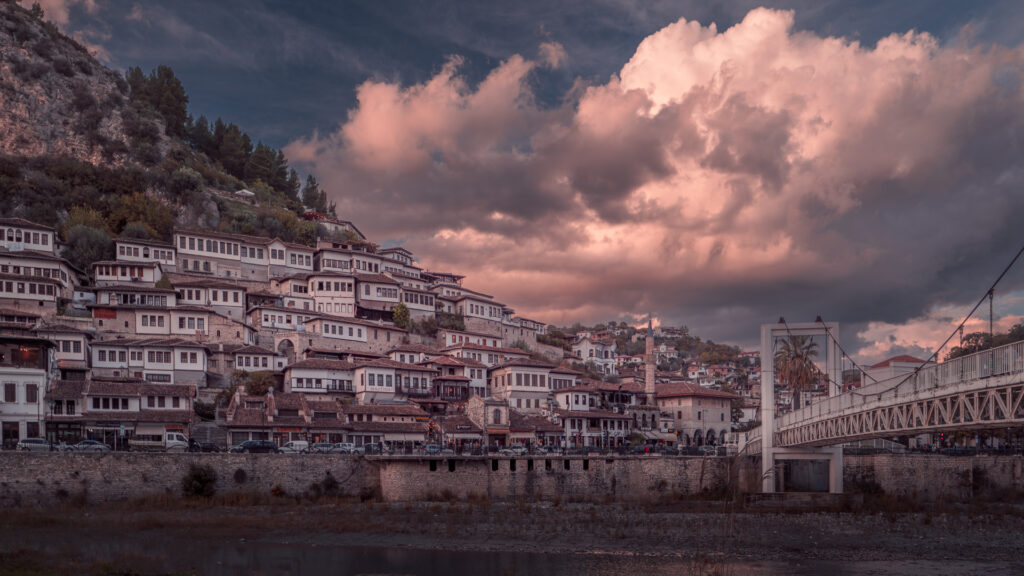
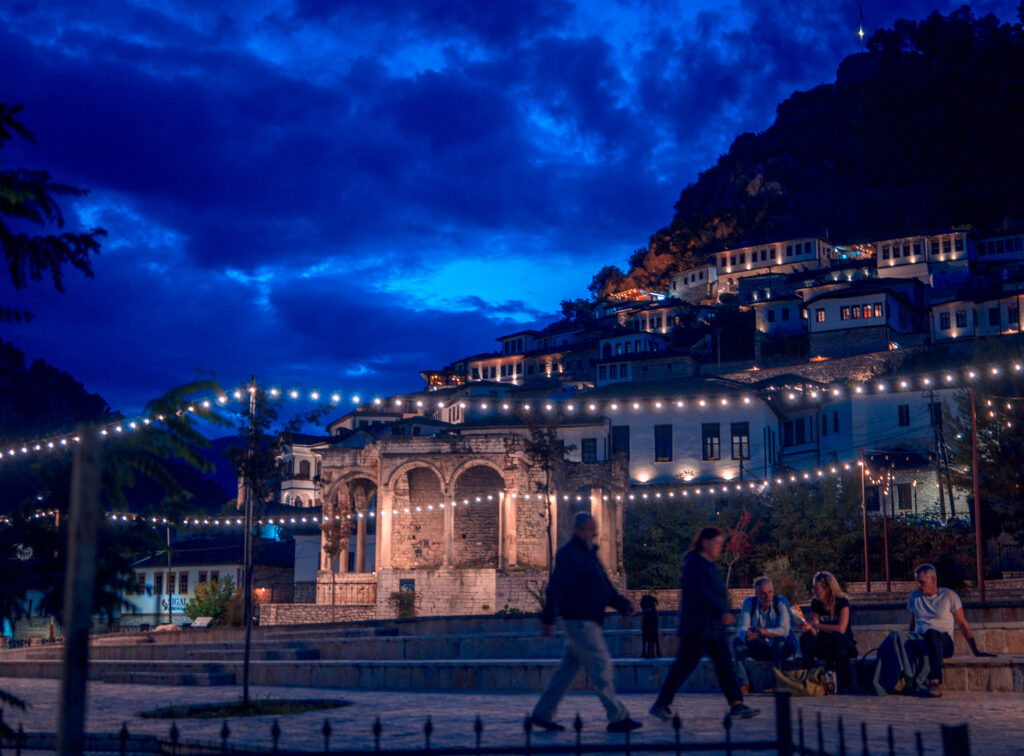
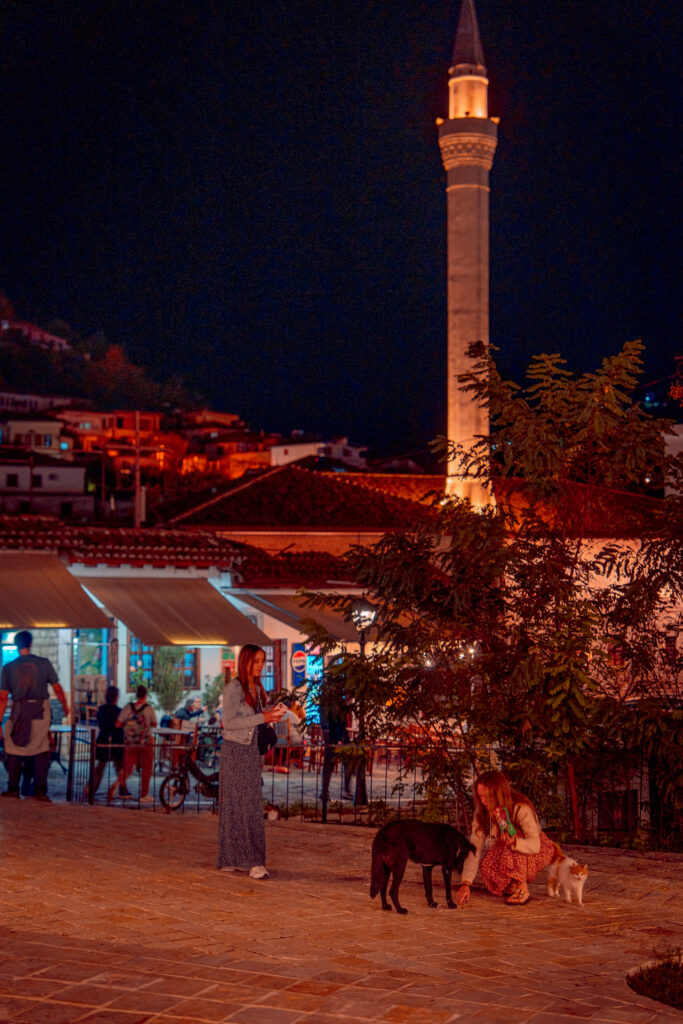
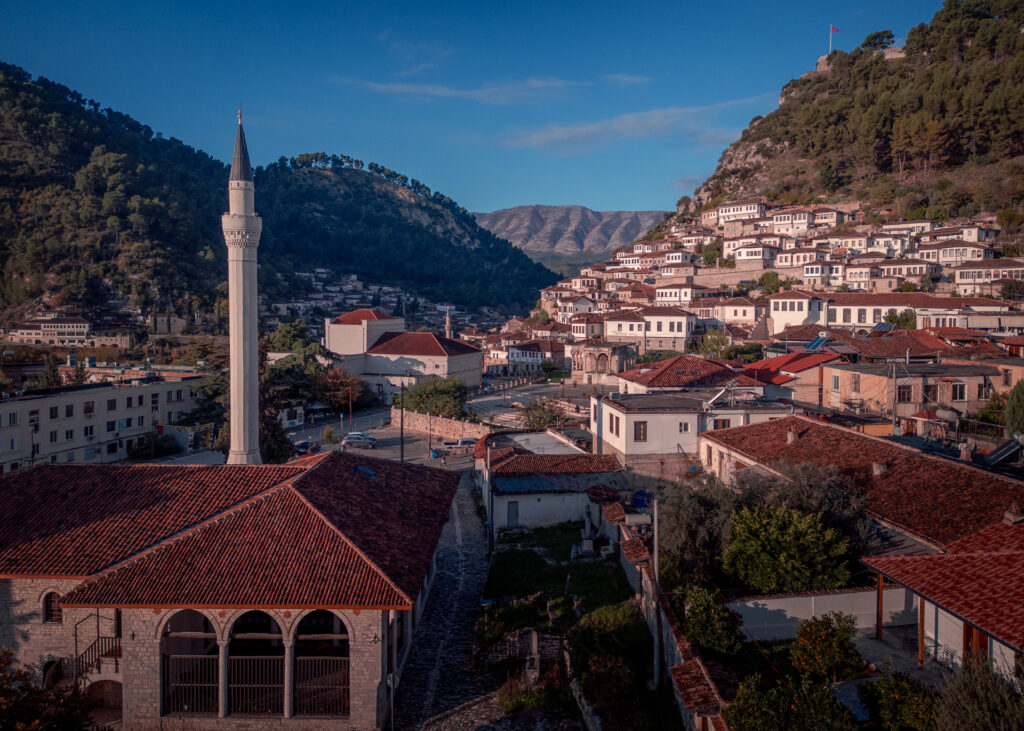
Berat is one of Albania’s most beautiful destinations and a UNESCO World Heritage Site.
Its white Ottoman houses climb the hillside beneath Berat Castle, creating one of the country’s most recognisable views.
Unlike many historic cities that have become overly commercialised, Berat still feels authentic and lived in.
Allow at least half a day to explore.
Why Visit Berat?
Berat combines history, architecture and culture in one compact destination.
Highlights include:
- Ottoman architecture
- Berat Castle
- Stone streets
- Traditional houses
- Historic churches
- Mosques
- Riverside promenade
- Excellent restaurants
Photographers will appreciate how walkable the city is, with new viewpoints around almost every corner.
Walk Through Mangalem Quarter
Begin your visit in Mangalem, Berat’s famous historic neighbourhood.
The tightly packed white houses, stacked on the hillside, have earned Berat its nickname, “The City of a Thousand Windows.”
Spend time wandering the narrow alleys rather than following the busiest streets.
Look for:
- Stone staircases
- Colourful wooden doors
- Traditional balconies
- Hidden courtyards
- Local residents going about their daily lives
Morning and late afternoon provide the most attractive light.
Cross Gorica Bridge
The historic Gorica Bridge connects the two oldest neighbourhoods of Berat.
It is one of the best places to photograph:
- Osum River
- Ottoman houses
- Castle hill
- Reflections
Blue hour is particularly beautiful when the city lights begin to illuminate the hillside.
Explore Berat Castle
Unlike many European castles, Berat Castle is still home to residents.
Within its ancient walls you’ll find:
- Small cafés
- Churches
- Homes
- Artisan workshops
- Quiet streets
Walking through the castle feels more like exploring a small village than visiting a historic monument.
Allow at least two hours.
Best Photography Locations in Berat Castle
Don’t miss:
Holy Trinity Church
Perhaps the most photographed church in Berat.
Its elevated position provides excellent views across the valley.
Castle Walls
Perfect for panoramic photographs over the city.
Stone Streets
Excellent for travel photography and architectural details.
Hidden Alleys
Some of the best images are found away from the main tourist routes.
Sunset in Berat
The classic sunset viewpoint looks across the Osum River toward the Mangalem Quarter.
Bring:
- Wide-angle lens
- Telephoto
- Tripod
Blue hour often provides even better conditions than sunset itself.
Stay until the lights appear throughout the old town.
Where to Eat in Berat
Based on your itinerary and highly regarded local favourites, consider:
Homemade Food Lili – Traditional Albanian cuisine served in a family-run setting.
Restaurant Antigoni – Local dishes with views over the historic neighbourhood.
Temi Restaurant – A popular choice inside Berat Castle with beautiful terrace views.
Try local specialities such as:
- Tavë Kosi
- Fërgesë
- Grilled lamb
- Fresh mountain trout
- Byrek
Where to Stay
A hotel within or close to the historic centre allows you to explore both sunrise and sunset on foot.
Look for:
- Private parking
- Breakfast included
- Walking distance to Berat Castle
Day 7 – Berat to Tirana
Driving time: Approximately 4 hours (excluding sightseeing)
This final full day combines waterfalls, dramatic canyon scenery and Albania’s lively capital.
Bogovë Waterfall
Located south of Berat, Bogovë Waterfall is one of Albania’s most attractive natural attractions.
The waterfall is reached by an easy walk through woodland alongside a clear stream.
Hiking Information
Distance:
Approximately 2 km each way
Difficulty:
Easy
Time:
Around 45 minutes each direction
The trail is suitable for most visitors and offers several pleasant viewpoints along the way.
Photography Tips
Visit early in the morning if possible.
Bring:
- Tripod
- Polarising filter
- Wide-angle lens
Long exposures work especially well here.
After rainfall, the waterfall becomes even more impressive.
Osumi Canyon
Often called Albania’s Grand Canyon, Osumi Canyon is one of the country’s most spectacular natural landscapes.
Stretching for approximately 26 kilometres, the canyon features towering limestone cliffs, narrow gorges and emerald-green water.
Several viewpoints are accessible directly by car.
Best Viewpoints
Spend time stopping at several overlooks rather than just one.
Different sections reveal:
- Vertical cliffs
- Meandering river bends
- Rock formations
- Deep gorges
Late afternoon usually provides the most dramatic light.
Adventure Activities
Depending on the season, visitors can also enjoy:
- Rafting
- Hiking
- Swimming
- Guided canyon tours
Spring offers the highest water levels, while summer often allows visitors to walk sections of the canyon.
Drive to Tirana
The final drive returns you to Albania’s energetic capital.
Traffic becomes noticeably busier as you approach the city, so allow additional travel time during rush hour.
Explore Tirana
Tirana has changed dramatically over the last two decades.
Colourful buildings, vibrant cafés and lively public squares have transformed it into one of Europe’s most interesting emerging capitals.
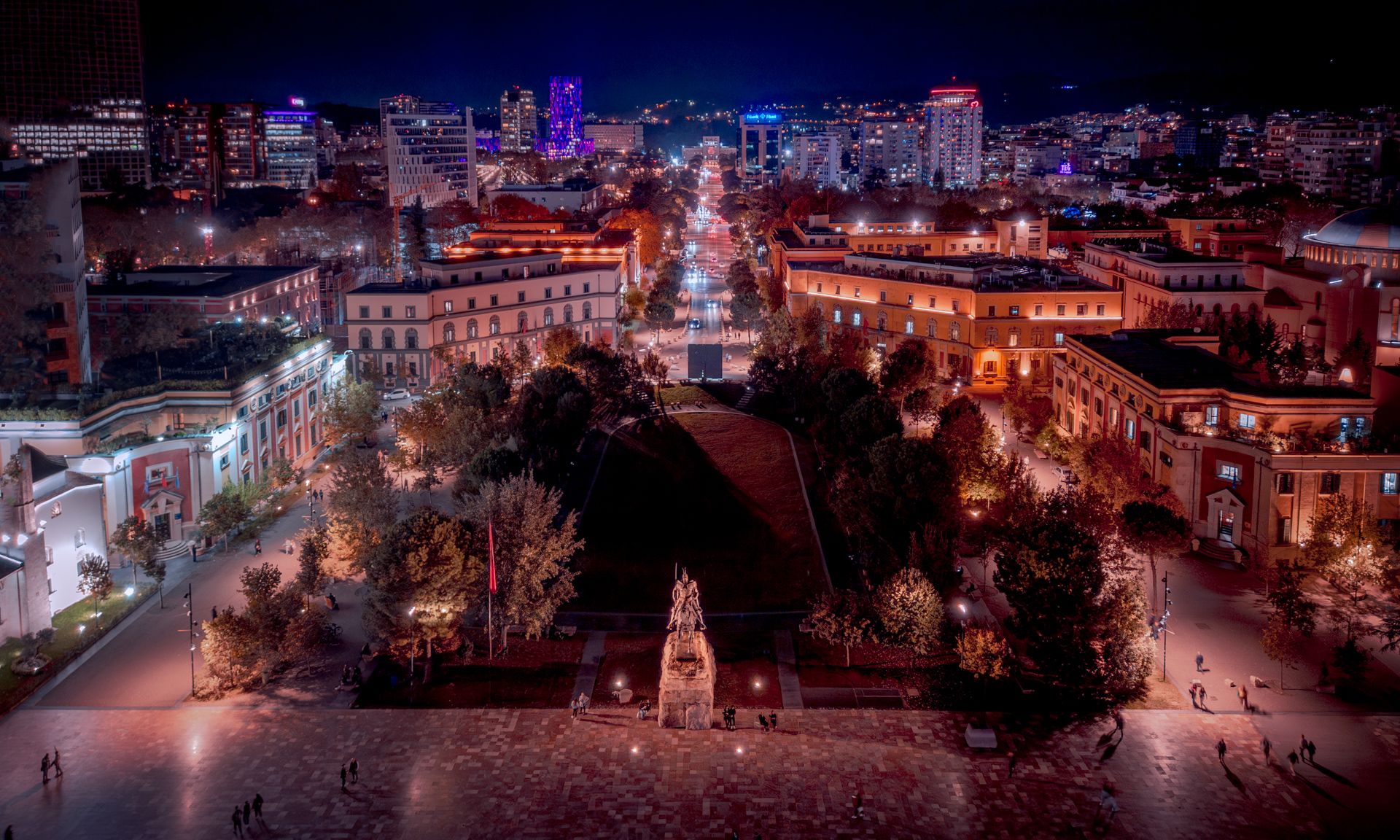
Skanderbeg Square
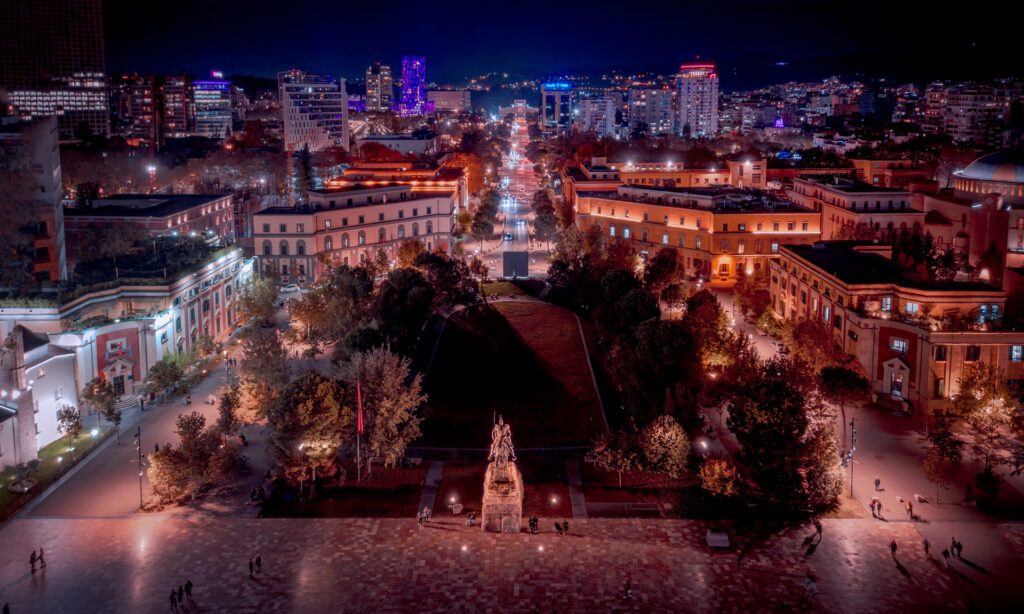
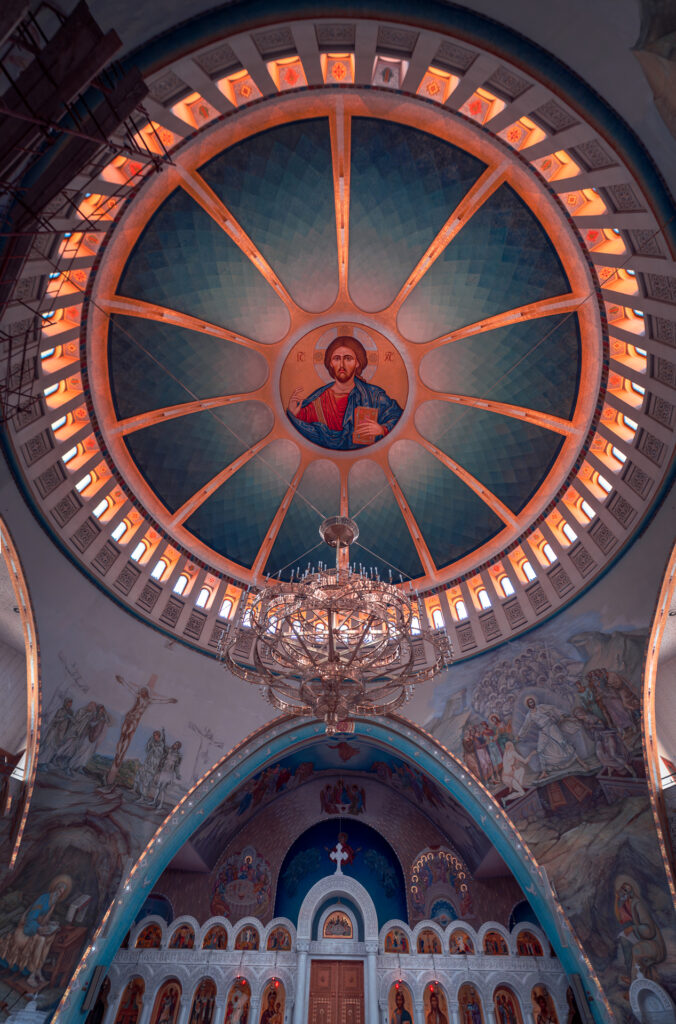
The city’s central square is the obvious place to begin.
Surrounded by important landmarks, it offers excellent opportunities for architectural and street photography.
Nearby attractions include:
- National History Museum
- Et’hem Bey Mosque
- Opera House
- Clock Tower
Blloku District
Once reserved exclusively for Communist Party officials, Blloku is now Tirana’s trendiest neighbourhood.
Today it is filled with:
- Boutique cafés
- Restaurants
- Cocktail bars
- Street art
- Independent shops
This is one of the city’s best areas for street photography.
Pyramid of Tirana
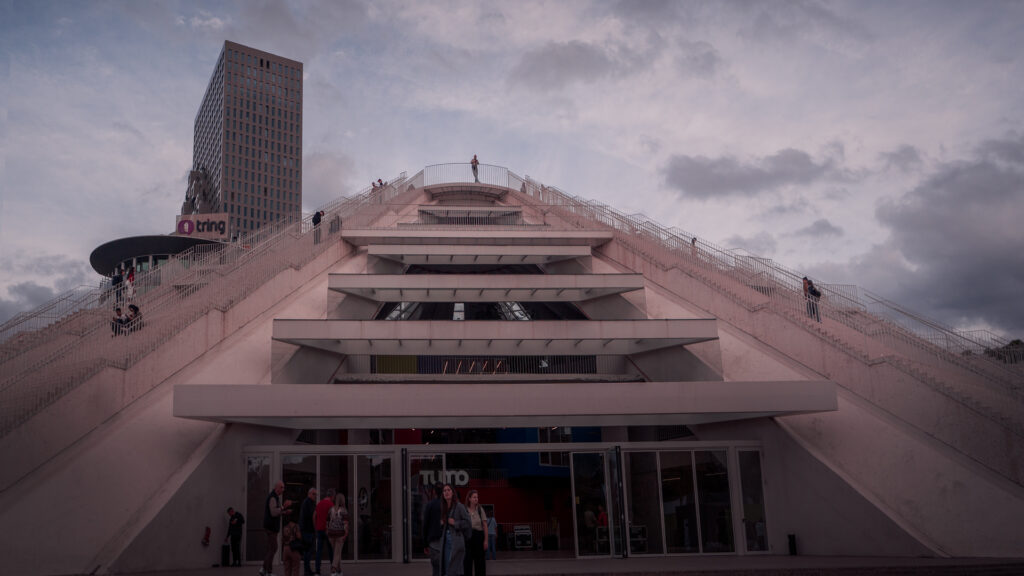
Originally built as a museum dedicated to Enver Hoxha, the Pyramid has been transformed into one of Tirana’s most interesting modern landmarks.
Visitors can climb to the top for panoramic views over the city.
Sunset is an excellent time to visit.
New Bazaar (Pazari i Ri)
The New Bazaar combines colourful architecture with fresh produce, cafés and local restaurants.
It is particularly lively during the morning.
Photographers should look for:
- Fruit stalls
- Colourful umbrellas
- Local traders
- Everyday city life
Final Evening
Finish your Balkan adventure with a relaxed dinner in Tirana.
Popular Albanian dishes to try include:
- Tavë Kosi
- Slow-cooked lamb
- Fresh seafood
- Stuffed peppers
- Baklava
Budget
Although prices continue to increase, Albania, Kosovo and North Macedonia remain among Europe’s best-value travel destinations.
Approximate daily costs per person:
| Expense | Budget | Mid-range |
|---|---|---|
| Accommodation | €35–70 | €80–140 |
| Meals | €15–30 | €35–60 |
| Fuel | €15–25 | €15–25 |
| Attractions | €10–25 | €20–40 |
A comfortable one-week road trip is still significantly cheaper than travelling through many Western European countries.
Photography Packing List
Recommended camera equipment:
- Wide-angle lens (14–24 mm or 16–35 mm)
- Standard zoom (24–70 mm)
- Telephoto (70–200 mm or longer) 400-800 in my case
- Drone
- Travel tripod
- Polarising filter
- ND filter
- Spare batteries
- Lens cloth
- Power bank
- Waterproof backpack
Driving Tips
- Download offline Google Maps before leaving.
- Keep some cash for small cafés and rural businesses.
- Fuel stations become less frequent in mountain areas.
- Drive cautiously on winding mountain roads.
- Allow extra time for photography stops—they are frequent on this route.
Best Photography Locations of the Trip
If you’re limited on time, these are the absolute highlights:
- Valbona Valley
- Prizren Fortress
- Matka Canyon
- Mavrovo National Park
- Lake Prespa
- Lake Ohrid
- Church of St. John at Kaneo
- Berat Castle
- Mangalem Quarter
- Osumi Canyon
Frequently Asked Questions
Is this road trip suitable for beginner photographers?
Yes. Most locations are easily accessible, and many of the best viewpoints require only short walks.
How many days do I need?
Eight days is ideal for this itinerary, but adding two or three extra days allows more time in Valbona, Ohrid and Berat.
Is it safe to drive in the Balkans?
Yes. Roads continue to improve every year. Drive carefully on mountain roads and allow extra time for scenic stops.
When is the best time to visit?
Late September and October offer the best combination of pleasant temperatures, autumn colours, fewer crowds and excellent photography conditions.
Can I fly a drone?
Drone regulations differ between Albania, Kosovo and North Macedonia. Always check the latest local rules before flying, especially near national parks, historic monuments and populated areas.
Is this itinerary suitable for families?
Yes. Most attractions are accessible by car and require only short walks, making the route suitable for families with older children who enjoy sightseeing and nature.
Related Guides on Frewaphoto
Use only links to articles that already exist on your website, for example:
Pingback:Ultimate Guide to Visit St. Clement of Ohrid Cathedral in Skopje
Pingback:Ultimate Guide to Visiting the Colourful Mosque in Tetovo - Epic Travel Guides & Photography Inspiration