
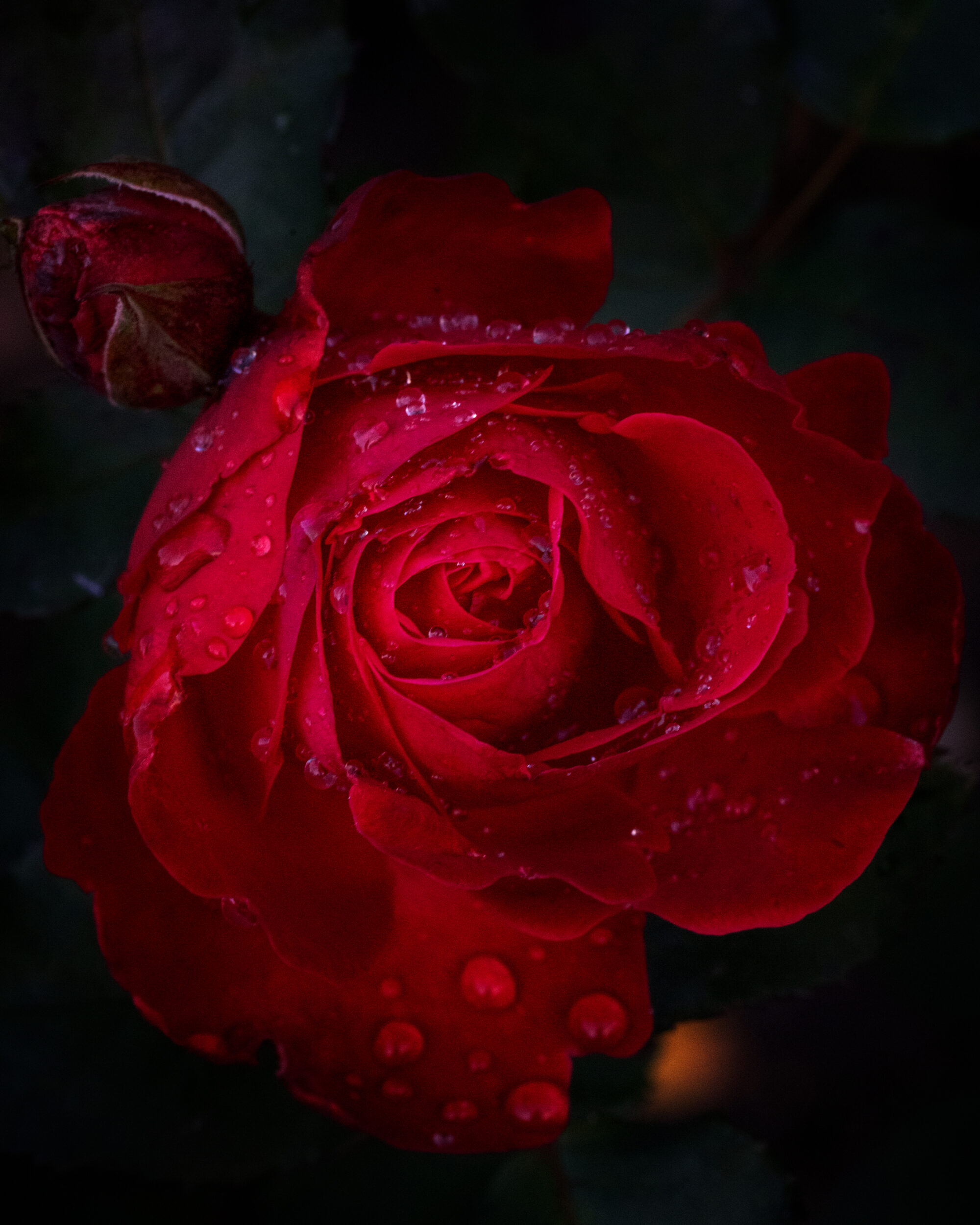
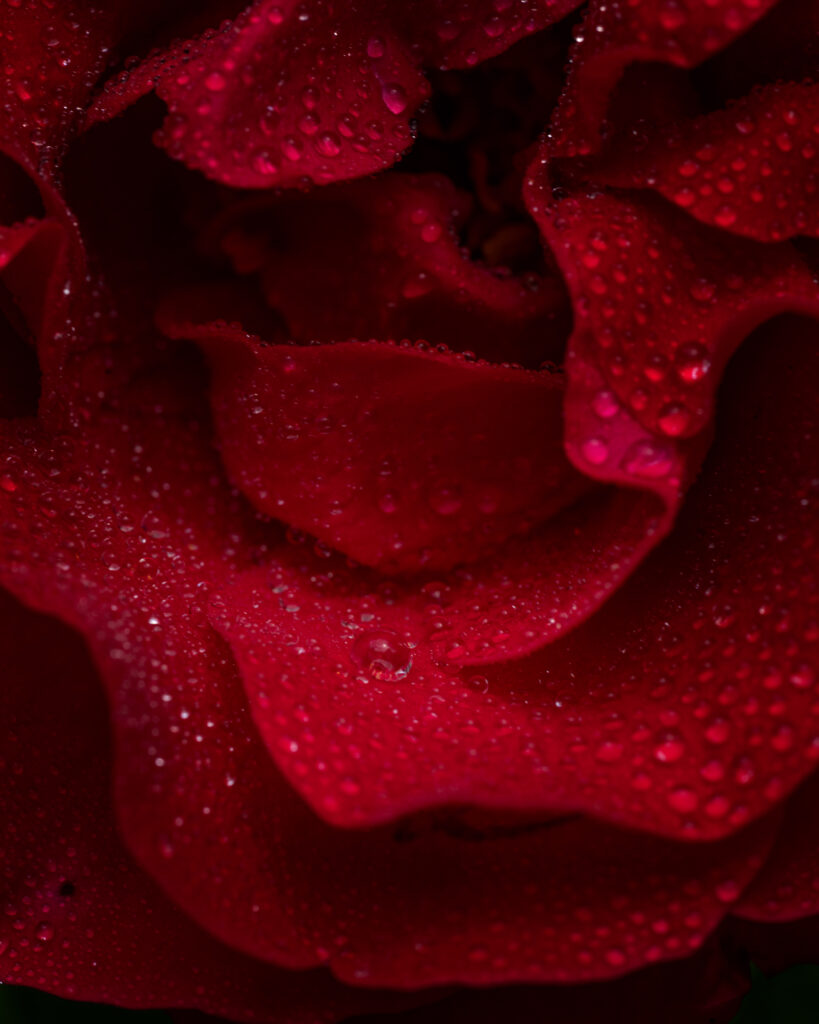
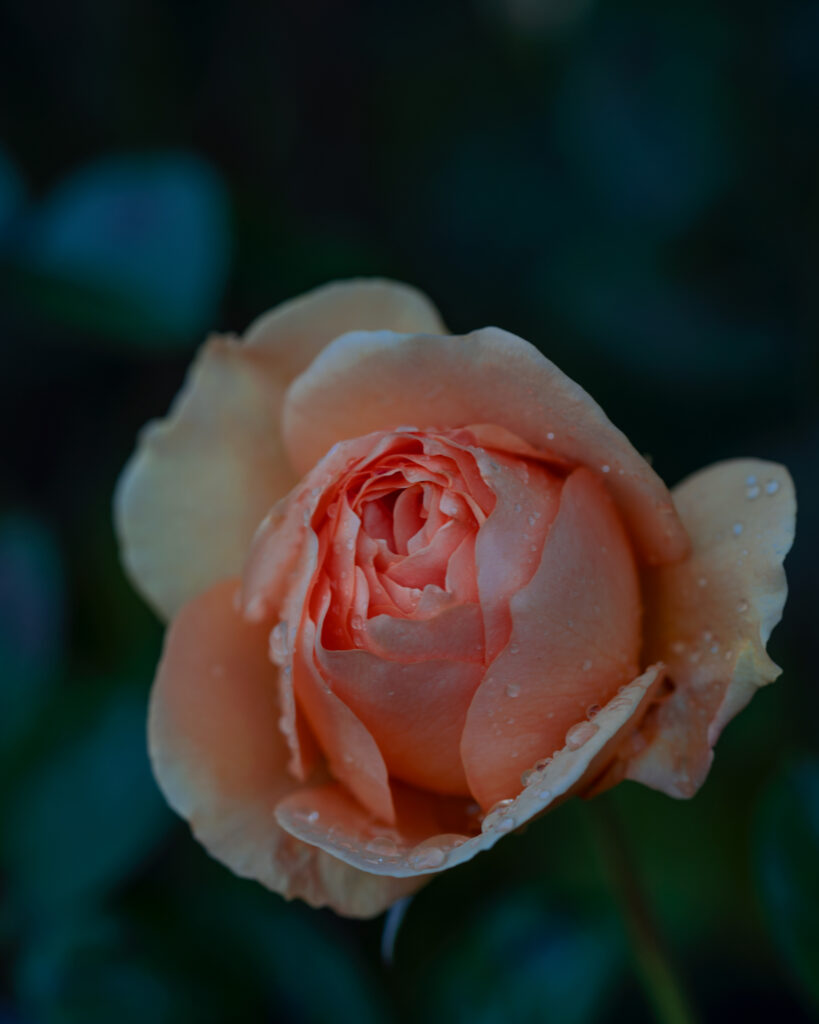
Roses are among the most iconic and widely photographed flowers in the world. Known for their elegant petals, rich colors, and timeless symbolism, roses provide endless creative opportunities for photographers.
From classic red roses to delicate pastel varieties, these flowers are perfect for both macro photography and artistic floral photography. Their layered petals, soft textures, and natural symmetry make them ideal subjects for capturing detail, color, and mood.
Roses can be photographed in many different environments, including gardens, botanical parks, flower markets, and even indoor studio setups. With the right techniques and lighting, photographers can create beautiful images that highlight the delicate beauty of these flowers.
In this guide, you will learn how to photograph roses, what equipment works best, and how to capture stunning rose images in a variety of settings.
Why Roses Are Perfect for Photography
Roses are particularly appealing photography subjects because of their distinctive shape and layered petals.
Each rose bloom forms a spiral pattern that naturally draws the viewer’s eye toward the center of the flower. This pattern creates strong visual compositions that work well in close-up photography.
Roses also come in a wide range of colors, including:
- Deep red
- Soft pink
- Bright yellow
- White
- Orange
- Lavender
These colors can dramatically influence the mood of a photograph.
Another advantage of photographing roses is their availability. Roses grow in gardens and parks all around the world, making them easy to access for photographers of all skill levels.
Many varieties also bloom for long periods during the growing season, giving photographers plenty of time to experiment with different lighting and compositions.
Popular Rose Varieties for Photography
Different rose varieties have unique shapes, colors, and textures that can create very different photographic styles.
Hybrid Tea Rose
The Hybrid Tea Rose is one of the most classic rose varieties.
These roses feature large, elegant blooms with a high-centered shape that is perfect for close-up photography.
They are commonly grown in gardens and are especially popular for:
- Floral portraits
- Macro photography
- Romantic flower imagery
Their symmetrical form makes them easy to photograph from many angles.
English Rose
The English Rose is known for its soft, romantic appearance.
These roses often feature densely packed petals that create a full, rounded bloom.
Their delicate pastel colors and lush texture make them excellent subjects for artistic and vintage-style photography.
Climbing Rose
The Climbing Rose produces long stems that grow across walls, fences, and garden arches.
These roses are ideal for environmental photography because they can be captured alongside garden structures, historic buildings, or trellises.
Photographing climbing roses often allows photographers to create storytelling images that include both flowers and architectural elements.
Miniature Rose
The Miniature Rose produces small and delicate blooms that are ideal for macro photography.
Because these roses are tiny, they allow photographers to focus on intricate details such as:
- Petal textures
- Water droplets
- Flower centers
They are also popular subjects for indoor photography setups.
Best Equipment for Rose Photography
While roses can be photographed with almost any camera, certain equipment can help capture their beauty more effectively.
Macro Lens
A macro lens is one of the best tools for photographing roses.
Macro lenses allow photographers to capture fine details such as:
- Petal textures
- Water droplets
- Flower centers
- Subtle color gradients
Popular macro focal lengths include 90mm, 100mm, and 105mm, which provide excellent detail while maintaining comfortable working distance.
Standard Lens
A standard lens such as 50mm or 24–70mm works well for photographing roses within their surroundings.
These lenses are great for capturing roses in:
- Gardens
- Flower beds
- Botanical parks
Environmental shots can add context and create more storytelling images.
Telephoto Lens
A telephoto lens such as 70–200mm can help isolate roses from busy garden backgrounds.
The longer focal length compresses the scene and produces a pleasing background blur that helps the flower stand out.
This lens is especially useful in large gardens where flowers may be difficult to approach closely.
Tripod
A tripod can be helpful when photographing roses in low light conditions, such as early morning or late evening.
Tripods also help maintain sharpness when shooting macro images where even small movements can affect focus.
Best Places to Photograph Roses
Roses grow in many locations around the world, but certain places offer particularly beautiful settings for rose photography.
Botanical Gardens
Botanical gardens often maintain large collections of rose varieties, making them excellent photography locations.
Some famous rose gardens include:
- Queen Mary’s Gardens
- Europa-Rosarium
These gardens feature thousands of roses in carefully designed landscapes.
Public Rose Gardens
Many cities maintain public rose gardens where photographers can capture flowers in landscaped environments.
These gardens often include decorative elements such as fountains, pathways, and arches that enhance photography compositions.
Private Gardens
Private gardens can sometimes offer the most unique rose photography opportunities.
Home gardeners often grow rare varieties or unusual colors that may not appear in larger public gardens.
Flower Markets
Flower markets can also be interesting locations for rose photography.
Markets often feature large displays of roses arranged in bundles or bouquets, creating vibrant color patterns.
These environments can produce more artistic or documentary-style flower images.
Preparing for a Rose Photography Session
Preparation can greatly improve your chances of capturing beautiful rose photographs.
Before shooting, take time to observe the flower and study its shape.
Roses often look best when photographed from the angle that highlights their spiral structure.
Early morning is often the ideal time to photograph roses because the light is soft and flowers may still be covered with dew.
Dew droplets can add sparkle and texture to macro photographs.
It’s also helpful to pay attention to the background. Moving slightly to one side or adjusting the camera angle can make a big difference in eliminating distracting elements.
Patience and experimentation are key to creating compelling rose images.
Part 2 will cover:
- Lighting techniques for rose photography
- Macro composition tips for roses
- Background control and bokeh
- Recommended camera settings
- Common mistakes to avoid
- FAQs and conclusion.
Lighting Techniques for Rose Photography
Lighting is one of the most important factors when photographing roses. Because rose petals have soft textures and subtle color gradients, the right lighting can enhance their beauty while harsh light can hide important details.
Soft Natural Light
Soft natural light is usually the best lighting for rose photography.
Early morning or late afternoon provides gentle light that reveals the textures of the petals without creating harsh shadows.
Morning light is particularly beautiful because roses may still be covered with dew, which adds sparkle and visual interest to macro photographs.
Overcast Conditions
Cloudy days can actually produce excellent lighting for photographing roses.
The clouds act as a natural diffuser, spreading light evenly across the flower. This helps prevent strong highlights and deep shadows that might otherwise distract from the delicate structure of the petals.
Overcast lighting also enhances color saturation, making rose colors appear richer and more vibrant.
Backlighting
Backlighting can create a beautiful glow when photographing roses.
By positioning the sun behind the flower, light can pass through the petals and make them appear slightly translucent. This effect works especially well with lighter roses such as pink or white varieties.
Backlighting can also create soft highlights around the edges of the petals, adding depth and dimension to the image.
Macro Composition Tips for Roses
Roses are ideal subjects for macro photography because of their layered petals and spiral structure.
Careful composition helps emphasize these unique shapes and patterns.
Focus on the Spiral Center
One of the most visually striking features of a rose is the spiral pattern formed by its petals.
Photographing the flower from directly above can highlight this pattern and create a naturally balanced composition.
This technique works particularly well with varieties such as the Hybrid Tea Rose.
Use Diagonal Angles
Instead of photographing the rose straight-on, try capturing the flower from a slight diagonal angle.
Diagonal compositions can reveal the layers of petals and create a sense of depth within the image.
This approach often produces more dynamic and visually interesting photographs.
Capture Petal Details
Rose petals often have delicate textures and subtle color gradients.
Zooming in closely with a macro lens can reveal intricate details that may not be visible from a distance.
This technique works beautifully with densely layered varieties like the English Rose.
Controlling Backgrounds and Bokeh
A clean background helps ensure that the rose remains the main focus of the photograph.
Busy or distracting backgrounds can pull attention away from the flower.
Use a Wide Aperture
Using a wide aperture such as f/2.8 to f/5.6 helps blur the background and create a soft bokeh effect.
This technique isolates the rose and makes it stand out clearly from the surrounding environment.
Increase Background Distance
The farther the background is from the rose, the smoother and more pleasing the blur will appear.
If possible, position the flower so that there is significant distance between the subject and background elements.
This technique works especially well when photographing roses in large gardens.
Use Natural Background Colors
Green foliage or shaded areas often create ideal backgrounds for rose photography.
These natural tones complement the colors of the flower while keeping the overall image balanced and visually pleasing.
Recommended Camera Settings
The best camera settings for rose photography depend on lighting conditions, but several general guidelines can help produce sharp and detailed images.
Aperture
For macro photography, an aperture between f/5.6 and f/11 often provides a good balance between background blur and sufficient depth of field.
This ensures that important parts of the flower remain in focus.
Shutter Speed
When photographing handheld, use a shutter speed fast enough to prevent motion blur.
If you are using a tripod, slower shutter speeds can be used safely without sacrificing sharpness.
ISO
Keeping ISO as low as possible helps maintain image quality and color accuracy.
ISO 100 or 200 is usually ideal when sufficient light is available.
Manual Focus
Manual focus can be very helpful when photographing roses up close.
Autofocus systems may struggle with small details or complex petal structures, so manually adjusting focus allows you to place sharpness exactly where it is needed.
Common Mistakes to Avoid
Even simple flower photography can be challenging without careful attention to technique.
Avoiding these common mistakes can greatly improve your rose images.
Harsh Midday Sunlight
Strong sunlight can create bright highlights and harsh shadows that hide the delicate textures of the petals.
Photographing roses during softer lighting conditions usually produces better results.
Distracting Backgrounds
Busy backgrounds can draw attention away from the rose.
Adjusting your shooting angle or using a wider aperture can help simplify the scene.
Too Little Depth of Field
Extremely shallow depth of field may result in only a small portion of the rose being in focus.
Slightly narrowing the aperture can ensure that more of the flower remains sharp.
Ignoring Imperfections
Roses in gardens may have blemishes, damaged petals, or insects.
Taking a moment to inspect the flower and choose the best bloom can make a big difference in the final image.
FAQs About Rose Photography
What is the best lens for photographing roses?
Macro lenses around 90–105mm are ideal because they allow photographers to capture fine details while maintaining comfortable working distance.
When is the best time to photograph roses?
Early morning is often the best time because the light is soft and roses may still be covered in dew.
Can roses be photographed indoors?
Yes. Roses can be photographed indoors using natural window light or soft artificial lighting setups.
Small varieties such as the Miniature Rose are particularly suitable for indoor photography.
Conclusion
Roses are among the most beautiful and rewarding flowers to photograph. Their layered petals, elegant shapes, and rich colors provide endless opportunities for creative floral photography.
Whether capturing macro details, artistic compositions, or garden scenes, roses offer photographers a wide range of creative possibilities.
By using soft lighting, thoughtful composition, and careful focus, you can create stunning images that highlight the delicate beauty of these timeless flowers.
With patience and practice, rose photography can become a deeply rewarding way to explore the art of flower photography.