
Introduction
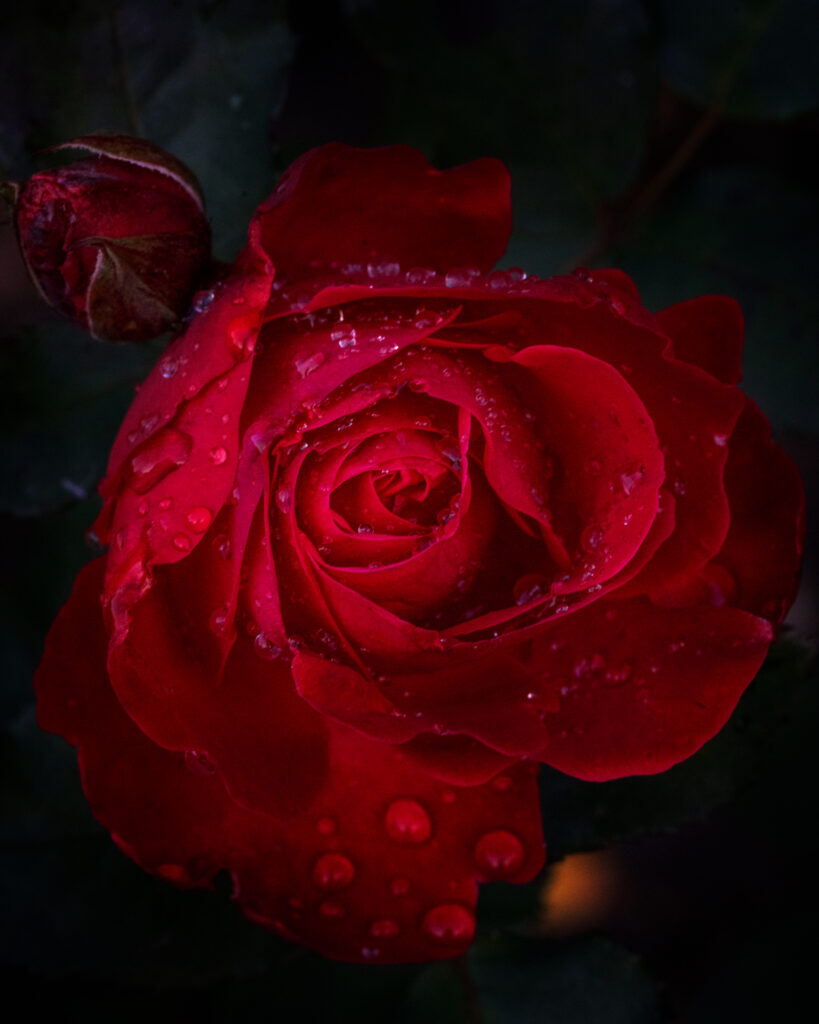
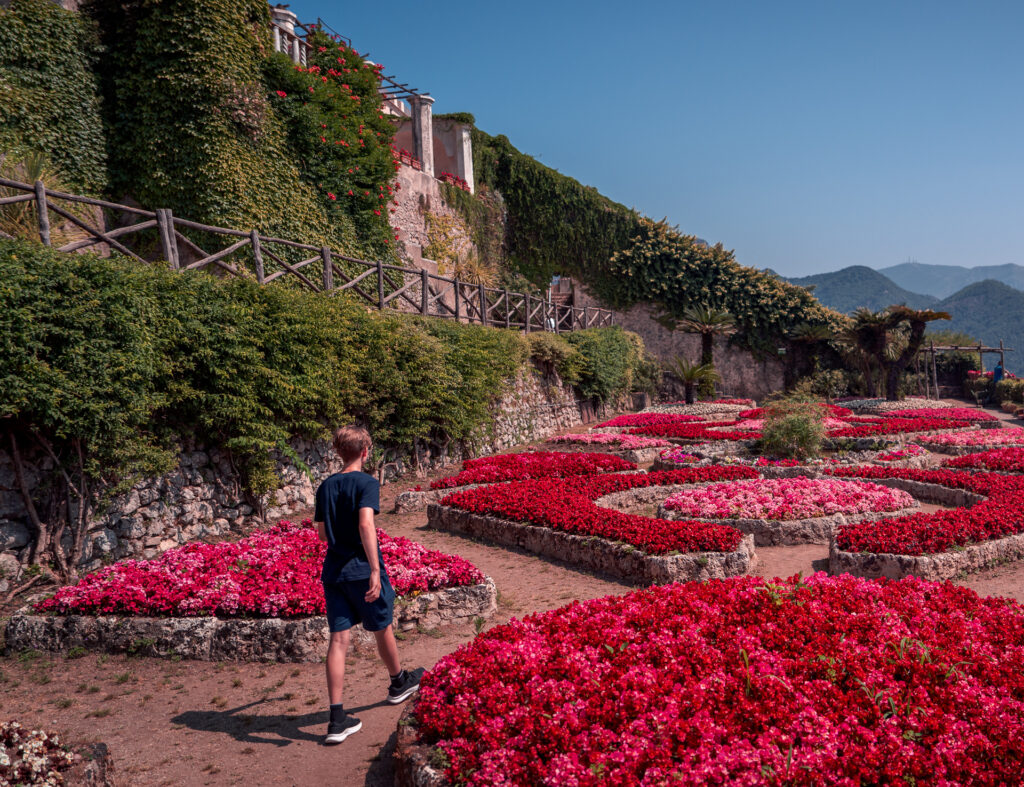

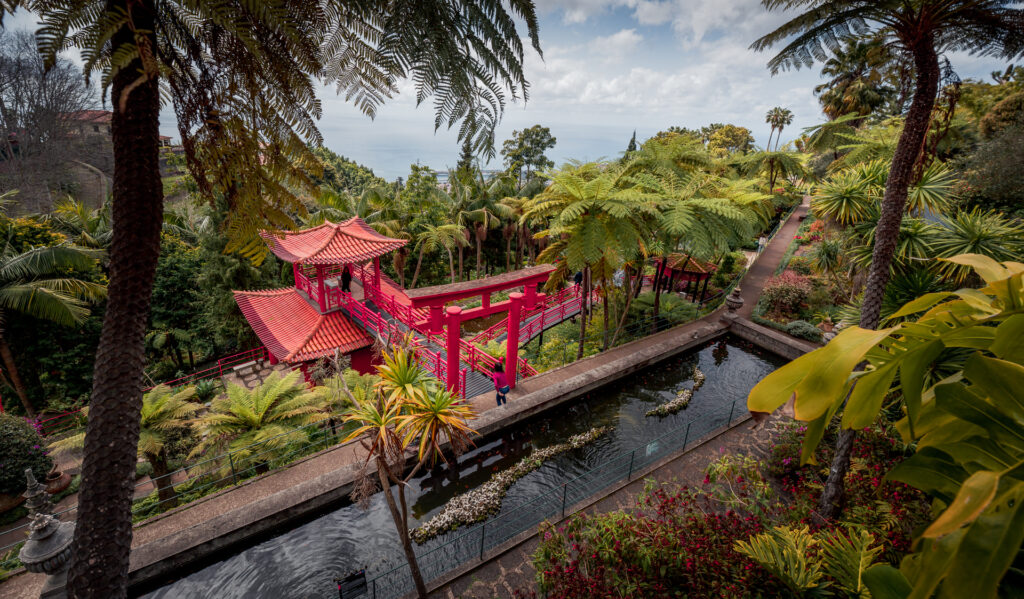
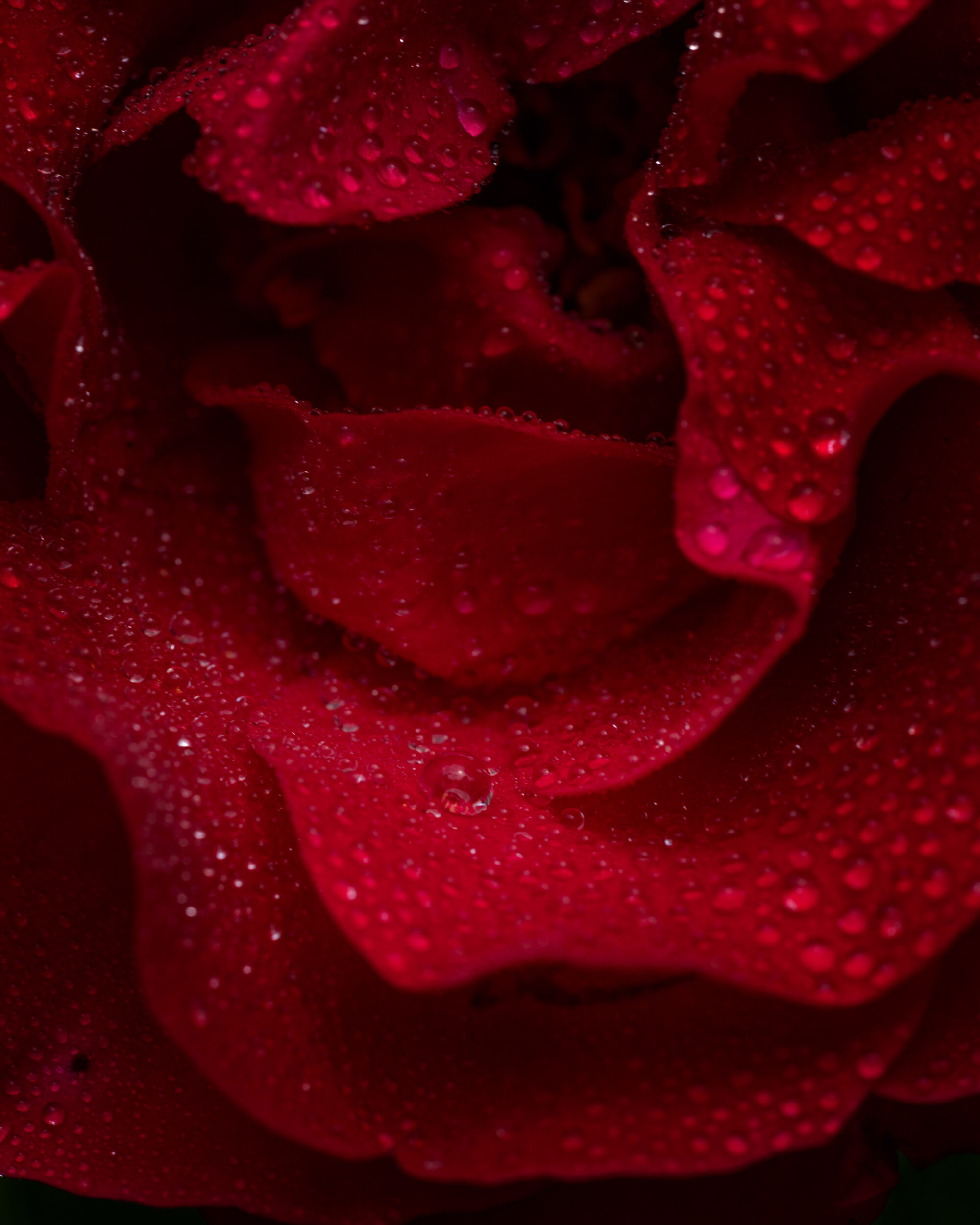
Summer gardens are a paradise for photographers. Explosions of color, intricate textures, buzzing pollinators, and ever-changing light create endless opportunities to capture beautiful images. As a travel photographer who spends a lot of time documenting gardens around the world, I can confidently say that summer garden flower photography offers some of the most rewarding subjects you’ll ever shoot.
Unlike wildflowers in remote landscapes, garden flowers provide controlled environments where composition, color combinations, and light can be carefully explored. From vibrant roses and towering sunflowers to delicate lavender and dahlias, summer gardens are filled with subjects that challenge both creativity and technical skill.
In this summer garden flower photography guide, I’ll walk you through everything you need to know — from when and where to shoot, to camera settings, lenses, composition techniques, and creative ideas that elevate your flower photography.
Whether you’re photographing your own backyard, botanical gardens, or historic estates, these techniques will help you capture stunning floral images all summer long.
Why Photograph Summer Garden Flowers
Summer gardens offer a unique mix of color, structure, and seasonal life, making them ideal for photographers of all skill levels.
Here’s why summer garden flowers are such compelling photography subjects:
1. Incredible Variety
Summer is peak bloom season for many popular garden flowers, including:
- Roses
- Dahlias
- Lavender
- Peonies (early summer)
- Sunflowers
- Coneflowers
- Hydrangeas
Each flower species offers unique shapes, textures, and colors that can dramatically change the feel of a photograph.
2. Controlled Environment
Unlike wild landscapes, gardens allow photographers to:
- Move around the subject freely
- Experiment with angles and perspectives
- Control background elements
- Revisit the same location multiple times
This makes gardens perfect for practicing both macro photography and artistic composition.
3. Pollinator Activity
Summer gardens attract bees, butterflies, and hummingbirds, which can transform a simple flower image into a dynamic wildlife photograph.
Capturing pollinators interacting with flowers adds life and storytelling to your images.
4. Beautiful Color Palettes
Garden designers intentionally combine flowers to create harmonious color schemes. This makes it easier to compose visually pleasing images.
Look for combinations such as:
- Purple lavender with yellow sunflowers
- Red roses with green foliage
- Pink dahlias against dark backgrounds
These combinations can produce striking photographs without extensive editing.
Where to Photograph Summer Garden Flowers
You don’t need to travel far to find great flower photography opportunities. Some of the best locations are surprisingly accessible.
Botanical Gardens
Botanical gardens are among the best places for summer flower photography.
Benefits include:
- Large collections of rare plants
- Carefully designed flower beds
- Seasonal blooms throughout summer
- Well-maintained paths and viewpoints
Botanical gardens also offer controlled environments that allow photographers to experiment with composition and lighting.
Historic Estate Gardens
Many historic estates feature beautiful summer gardens designed for aesthetics and symmetry.
These locations often include:
- Rose gardens
- Formal flower beds
- Decorative fountains
- Garden pathways perfect for leading lines
Estate gardens are ideal for storytelling and environmental flower photography.
Public Parks
Many parks plant colorful summer flower displays.
Look for:
- Flower beds near walking paths
- Decorative city gardens
- Urban botanical sections
These locations often provide great opportunities for combining flowers with urban elements or architecture.
Private Gardens
Sometimes the best flower photography location is your own backyard.
Advantages include:
- Complete control over shooting time
- Ability to experiment freely
- Access to the same flowers throughout the season
If you have a garden, you can document the entire life cycle of summer flowers, from bud to bloom.
When to Photograph Summer Garden Flowers
Timing plays a huge role in successful flower photography.
Best Time of Day
Golden Hour (Early Morning)
Morning light is often the best time to photograph garden flowers.
Benefits include:
- Soft, warm light
- Minimal harsh shadows
- Calm wind conditions
- Dew on petals
Dew drops can add beautiful highlights and textures to flower photographs.
Late Afternoon and Evening
Evening golden hour also produces beautiful results, especially when the sun backlights petals.
Backlighting can make flowers appear translucent and glowing.
Midday Photography
Midday light can be harsh, but it’s not always bad.
Use midday light when:
- Shooting macro images
- Photographing flowers in shade
- Creating high-contrast artistic images
Cloudy conditions make midday shooting much easier.
Best Weather and Conditions
Weather dramatically affects the look and feel of flower photographs.
Overcast Days
Overcast skies create soft, diffused light, which is ideal for flower photography.
Advantages include:
- Even lighting across petals
- No harsh shadows
- Rich colors
Cloudy conditions are often the best lighting for macro flower photography.
After Rain
Rain can transform a garden into a photographer’s dream.
Look for:
- Water droplets on petals
- Reflections in leaves
- Saturated colors
A light rain shower often produces some of the most dramatic flower photos.
Calm Wind Conditions
Wind is one of the biggest challenges in flower photography.
For sharp images:
- Shoot early morning when wind is calm
- Use faster shutter speeds
- Shield flowers from wind with your body
How to Photograph Summer Garden Flowers
Flower photography can be simple, but great images require thoughtful technique.
Start with a Strong Subject
Choose flowers that stand out because of:
- Color
- Shape
- Size
- Unique structure
Single flowers often make stronger subjects than crowded clusters.
Simplify the Scene
Busy backgrounds can ruin flower photos.
Try to:
- Move around the flower to find a clean background
- Use wide apertures to blur distractions
- Shoot upward toward the sky
Minimalism often produces more powerful images.
Experiment with Angles
Most beginners photograph flowers from above. Instead try:
- Eye-level shots
- Low angles
- Backlit perspectives
- Side profiles
Changing angles can dramatically improve your composition.
Photography Composition Techniques
Composition is what transforms an ordinary flower photo into an artistic image.
Use the Rule of Thirds
Place the flower slightly off-center to create balance.
This often feels more natural than placing the subject directly in the middle.
Create Depth
Depth adds dimension to flower photographs.
Techniques include:
- Foreground flowers
- Background blur (bokeh)
- Layered compositions
This technique works especially well in dense gardens.
Use Leading Lines
Garden paths, stems, or rows of flowers can lead the viewer’s eye into the image.
Leading lines create visual movement and structure.
Frame the Flower
Look for natural frames such as:
- Leaves
- Arching stems
- Garden structures
Framing draws attention to the main subject.
Light for Summer Garden Flower Photography
Light determines mood, color, and texture.
Golden Hour Light
Golden hour light creates:
- Warm tones
- Long shadows
- Dramatic highlights
This light is perfect for romantic flower images.
Backlighting
Backlighting can produce stunning effects when sunlight shines through petals.
It creates:
- Glowing petals
- Light halos
- Dramatic silhouettes
Sunflowers, poppies, and roses work particularly well with backlighting.
Diffused Light
Soft diffused light brings out delicate textures in petals.
This is ideal for:
- Macro photography
- Close-up flower portraits
- Detailed botanical images
Equipment Guide
You don’t need expensive gear for great flower photography, but the right equipment helps.
Cameras
Both DSLR and mirrorless cameras work well.
Key features to look for:
- Good dynamic range
- High resolution
- Reliable autofocus
However, even modern smartphones can capture beautiful flower photos.
Tripods
Tripods are useful for:
- Macro photography
- Low-light shooting
- Focus stacking
They help maintain sharp images.
Accessories
Helpful accessories include:
- Reflectors for controlling light
- Diffusers for harsh sunlight
- Spray bottles to simulate dew drops
These simple tools can dramatically improve results.
Best Lenses for Summer Garden Flower Photography
Different lenses create different visual styles.
Macro Lenses
Macro lenses are ideal for close-up photography.
Common focal lengths:
- 90mm
- 100mm
- 105mm
They allow you to capture tiny details like pollen, textures, and dew drops.
Telephoto Lenses
Telephoto lenses create beautiful background blur.
They also allow you to isolate flowers from busy backgrounds.
Great options include:
- 70–200mm
- 135mm prime lenses
Standard Lenses
Even a 50mm lens can produce beautiful flower images.
These lenses are great for environmental flower photography.
Seasonal Photography Opportunities
Summer gardens change dramatically throughout the season.
Early Summer
Common flowers include:
- Peonies
- Roses
- Foxgloves
- Delphiniums
Early summer gardens often have fresh, vibrant colors.
Mid-Summer
This is peak bloom season.
Look for:
- Dahlias
- Lavender
- Coneflowers
- Black-eyed Susans
Late Summer
Late summer gardens often feature:
- Sunflowers
- Zinnias
- Cosmos
- Rudbeckia
Each stage offers different photographic opportunities.
Location Guide for Summer Garden Flower Photography
Certain locations are famous for spectacular summer flower gardens.
Botanical Gardens Around the World
Many world-class botanical gardens offer incredible summer flower displays.
These gardens often feature themed sections such as:
- Rose gardens
- Pollinator gardens
- Wildflower meadows
European Summer Gardens
Europe has some of the world’s most historic and photogenic gardens.
Countries known for beautiful gardens include:
- England
- France
- Italy
- Sweden
Cottage Gardens
Cottage gardens are especially photogenic because of their natural, overflowing flower beds.
These gardens create a romantic, storytelling aesthetic that photographers love.
Advanced Photography Techniques
Once you’ve mastered the basics of summer garden flower photography, experimenting with advanced techniques can elevate your images from simple documentation to artistic storytelling.
Macro Photography
Macro photography reveals intricate details that the human eye often misses. Tiny textures, pollen grains, and water droplets can turn a common garden flower into a fascinating subject.
Tips for macro flower photography:
- Use a macro lens (90–105mm) for true 1:1 magnification
- Shoot with apertures between f/5.6 and f/11 for balanced sharpness
- Focus on the most important detail, usually the center of the flower
- Stabilize your camera with a tripod
Macro photography works especially well for flowers like dahlias, roses, and lavender, which have complex structures.
Focus Stacking
Flowers often have depth that cannot be captured sharply in a single shot.
Focus stacking solves this by combining multiple images taken at different focus points.
Steps for focus stacking:
- Use a tripod to keep the camera stable
- Take multiple shots while shifting the focus slightly
- Merge the images using editing software
This technique is excellent for extreme close-up flower photography.
Intentional Camera Movement
For creative and abstract flower images, try intentional camera movement (ICM).
This technique involves moving the camera during exposure to create artistic motion blur.
Try movements such as:
- Vertical sweeps through flower beds
- Circular motion around colorful blooms
- Slow panning across lavender fields
This approach works best with:
- Slow shutter speeds (1/4 to 1 second)
- Dense flower beds with strong color contrast
Creative Photography Ideas
If you want your flower photography to stand out, creativity is essential. Summer gardens provide endless inspiration.
Capture Pollinators
Bees, butterflies, and other pollinators add life to flower photos.
To photograph pollinators successfully:
- Use a telephoto or macro lens
- Shoot with a fast shutter speed (1/1000 or faster)
- Focus on flowers that attract insects like lavender or coneflowers
These images combine nature photography with macro storytelling.
Use Water Drops
Water droplets can dramatically enhance flower images.
You can capture them:
- After rain
- Early morning dew
- Using a spray bottle
Water drops create reflections and highlight textures in petals.
Photograph Flowers with Backlit Petals
Backlighting can make petals glow.
To create this effect:
- Position the sun behind the flower
- Slightly underexpose the image
- Use a lens hood to reduce flare
This technique works beautifully with thin-petaled flowers like poppies or cosmos.
Shoot Through Foreground Elements
Instead of photographing flowers directly, try shooting through nearby plants or leaves.
This technique creates:
- Natural framing
- Soft foreground blur
- Increased depth
It’s a simple trick that can make images feel more immersive.
Common Mistakes to Avoid
Even experienced photographers make mistakes when photographing garden flowers. Avoiding these common problems can significantly improve your results.
Shooting Only from Standing Height
Many photographers take photos from eye level.
Instead, experiment with:
- Ground-level angles
- Side perspectives
- Shooting upward toward the sky
Changing perspective often transforms an ordinary image.
Ignoring the Background
Busy backgrounds can ruin otherwise beautiful flower photographs.
Always check for:
- Bright distractions
- Cluttered foliage
- Unwanted objects
Use wide apertures or reposition yourself to simplify the scene.
Using Too Shallow Depth of Field
Extremely shallow depth of field can sometimes make flowers look unintentionally soft.
Instead:
- Focus carefully on the most important part of the flower
- Use apertures around f/5.6 to f/8 for balance
Photographing in Strong Wind
Wind can make flower photography frustrating.
Solutions include:
- Shooting early morning
- Using faster shutter speeds
- Shielding flowers from wind
Sharpness is much easier to achieve in calm conditions.
Editing and Post-Processing Tips
Editing can enhance flower photographs while preserving their natural beauty.
Adjust Color Carefully
Flowers often have strong colors already, so avoid oversaturation.
Instead:
- Slightly increase vibrance instead of saturation
- Fine-tune individual color channels
This keeps colors realistic.
Improve Contrast and Texture
Adding gentle contrast can help define petal shapes and textures.
Tools to use:
- Clarity
- Texture
- Local contrast adjustments
Be subtle to avoid unnatural results.
Crop for Composition
Cropping can dramatically improve a flower image.
Look for opportunities to:
- Remove distractions
- Strengthen composition
- Emphasize the subject
Sometimes a simple crop can transform the photograph.
Remove Small Distractions
Garden scenes often contain small imperfections like damaged petals or stray leaves.
Use tools such as:
- Healing brush
- Clone tool
Cleaning up minor distractions helps the flower stand out.
FAQs
What is the best lens for summer garden flower photography?
A macro lens between 90mm and 105mm is ideal for capturing detailed flower close-ups. Telephoto lenses like a 70–200mm also work well for isolating flowers and creating beautiful background blur. If you’re photographing entire garden scenes, a standard 35mm or 50mm lens can capture environmental flower photography effectively.
What camera settings are best for flower photography?
Start with these general settings:
- Aperture: f/4–f/8
- ISO: 100–200
- Shutter speed: adjust based on light and wind
For macro photography, slightly narrower apertures like f/8–f/11 help keep more of the flower in focus.
When is the best time to photograph garden flowers?
Early morning is usually the best time because the light is soft and wind conditions are calm. Morning also offers dew on petals, which can add beautiful detail. Late afternoon golden hour is another excellent time for warm lighting and backlit flower photography.
How do I get blurry backgrounds in flower photos?
To create background blur (bokeh):
- Use a wide aperture like f/2.8–f/4
- Choose a longer focal length lens
- Increase the distance between the flower and background
These techniques isolate the flower and produce soft, creamy backgrounds.
Can I photograph flowers with a smartphone?
Yes. Modern smartphones are surprisingly capable for flower photography. Use portrait mode or macro mode, shoot in good light, and keep the camera steady. Getting close to the subject and simplifying the background will significantly improve smartphone flower photos.
How do I photograph flowers in windy conditions?
Wind can cause motion blur. To manage it:
- Use faster shutter speeds (1/500 or faster)
- Shoot during calmer early mornings
- Shield flowers from wind with your body
Another option is to photograph sturdier flowers that move less in the wind.
What flowers are best for summer garden photography?
Popular summer garden photography subjects include:
- Roses
- Dahlias
- Lavender
- Sunflowers
- Zinnias
- Coneflowers
These flowers have vibrant colors and interesting shapes that photograph beautifully.
What aperture should I use for macro flower photography?
For macro photography, f/8 to f/11 often provides the best balance between sharpness and depth of field. Wider apertures like f/2.8 create dreamy blur but may leave only a tiny portion of the flower in focus.
Conclusion
Summer gardens offer some of the most rewarding opportunities in nature photography. With vibrant colors, diverse flower species, and ever-changing light, they provide endless inspiration for photographers.
By understanding lighting, composition, timing, and creative techniques, you can turn simple garden flowers into striking images. Whether you’re photographing roses in a botanical garden, sunflowers in a field, or lavender in your backyard, the key is to slow down, observe carefully, and experiment with different perspectives.
Great flower photography isn’t just about capturing a bloom — it’s about revealing the delicate details, textures, and beauty that often go unnoticed.
So grab your camera, head into a summer garden, and start exploring the incredible world of summer garden flower photography.
Related Internal Articles
- Ultimate Macro Flower Photography Guide
- Best Lenses for Flower Photography
- How to Photograph Wildflowers in Nature
- Lavender Field Photography Guide
- Rose Garden Photography Tips
External Resources
- Royal Horticultural Society – Garden plant database
- National Geographic – Flower photography tips
- Botanical Society of America
- Audubon Society – Pollinator gardening guides
- Smithsonian Gardens plant collections
Pingback:Best Flower Photography Destinations in Sweden in July