
Introduction
Stockholm is one of those cities that quietly overdelivers. Spread across 14 islands and surrounded by water, it offers a rare mix of historic charm, modern design, and clean Scandinavian light—all packed into a compact, walkable area.
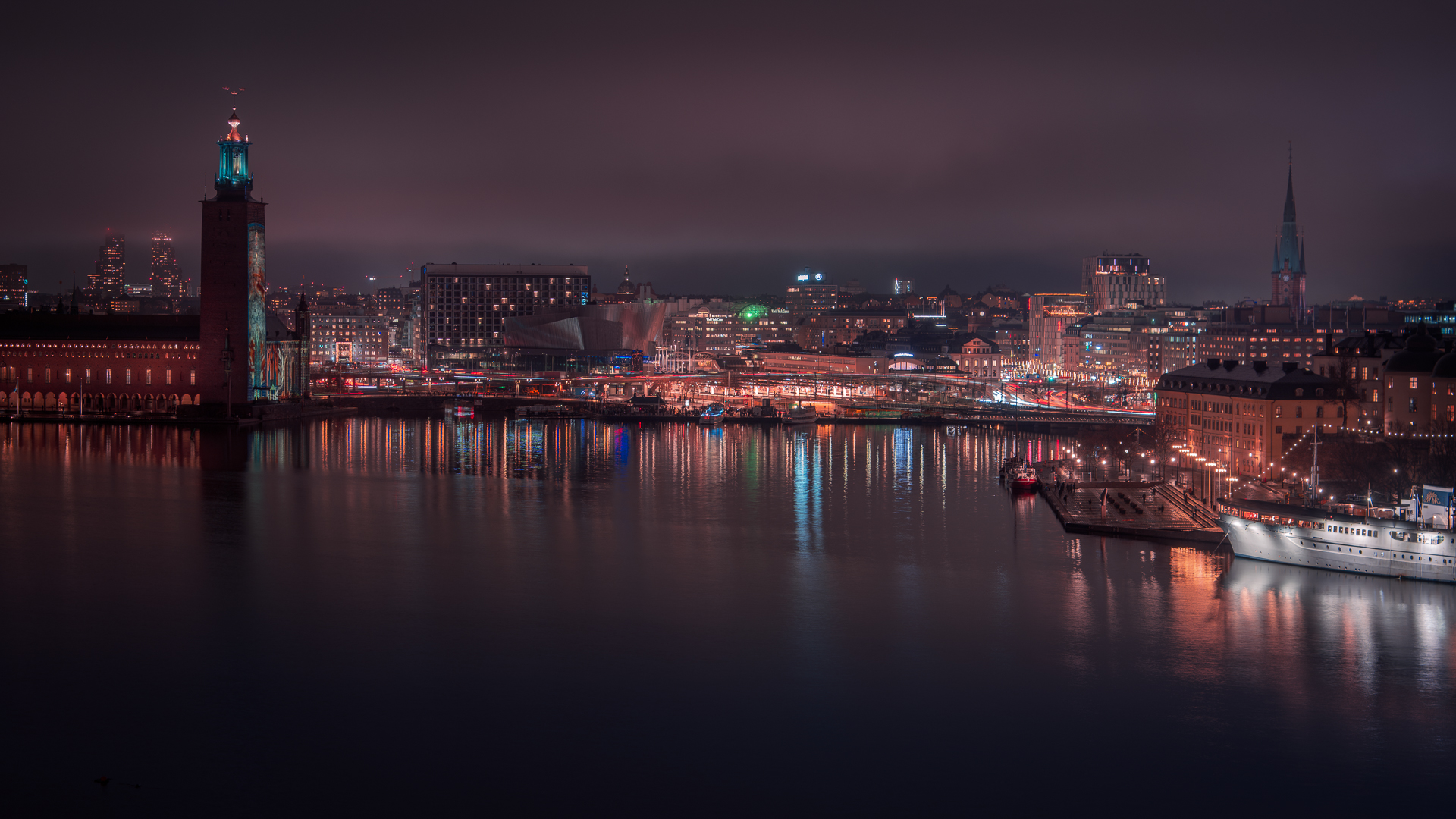
From a photography perspective, it’s one of the most versatile cities in Europe. You can shoot colorful old-town streets at sunrise, waterfront reflections by afternoon, and dramatic skyline views at sunset—all within a single day.
Having spent time photographing across Stockholm in different seasons, one thing becomes clear fast: this city rewards planning. The light shifts quickly, popular locations fill up, and the difference between a decent shot and a standout image often comes down to timing and positioning.
In this guide, I’ll show you exactly where to go, when to shoot, and how to capture Stockholm at its best—from iconic viewpoints to lesser-known photo spots.
Why Visit Stockholm
Stockholm stands out from other European capitals because of its balance. You get history, nature, and modern city life all in one place—and that’s incredibly valuable for photography.
A City Built on Light and Water
Water defines Stockholm. It opens up views, creates reflections, and allows light to travel in ways you don’t see in dense cities.
What this means for your photos:
- Constant access to reflections
- Clean horizons and open compositions
- Dynamic light throughout the day
Golden hour here is especially strong—the warm light hits rooftops and reflects across the water, creating layered, glowing scenes.
Compact and Easy to Explore
One of the biggest advantages of Stockholm is how easy it is to move between locations.
You can:
- Walk between major photo spots
- Shoot multiple locations in one session
- Adjust your route quickly based on light
This makes it ideal if you’re trying to build a strong portfolio in a short time.
Seasonal Variety
Stockholm changes dramatically depending on when you visit.
- Spring: Blossoms, soft light, fewer crowds
- Summer: Long golden hours and vibrant energy
- Autumn: Warm tones and moody атмосpheres
- Winter: Snow, minimalism, and contrast
If you’re visiting in spring, you’ll get the best results by combining this guide with a more focused approach like spring photography in Stockholm:
https://yourdomain.com/spring-photography-stockholm/
Best Photo Spots in Stockholm
These are the locations I consistently return to—they offer the strongest compositions and most reliable results.
Gamla Stan (Old Town)
Gamla Stan is the historic center of Stockholm, filled with narrow alleys, colorful buildings, and cobblestone streets.
What to photograph:
- Tight alleyways
- Colorful facades
- Architectural details
Best time:
- Early morning (before crowds)
How to shoot it:
- Use alleyways as natural frames
- Look for light hitting walls
- Keep compositions simple
Monteliusvägen Viewpoint
Monteliusvägen is one of the best viewpoints in the city.
What to photograph:
- Rooftop skyline
- Water + city layers
Best time:
- Sunset into blue hour
Pro tip:
Arrive early—this spot fills up fast.
Skeppsholmen
Skeppsholmen offers one of the cleanest skyline views.
What to photograph:
- Bridges
- Reflections
- Classic Stockholm skyline
Best time:
- Golden hour → blue hour
Djurgården
Djurgården is perfect if you want quieter, more natural scenes.
What to photograph:
- Tree-lined paths
- Waterfront scenes
- Lifestyle moments
Best time:
- Morning or golden hour
When to Visit Stockholm
Timing is everything here—especially for photography.
Best Time to Visit (Quick Answer)
The best time to visit Stockholm is April to September, when daylight is longer and conditions are more flexible.
Time of Day Breakdown
Sunrise
- Soft light
- Empty streets
- Best for clean compositions
Where to go:
- Gamla Stan
Golden Hour
- Warm light on buildings
- Strong shadows and depth
Best locations:
- Monteliusvägen
- Skeppsholmen
Blue Hour
- Balanced sky + city lights
- Perfect for reflections
Midday Strategy
Midday can be harsh, but still usable.
Focus on:
- Narrow streets
- Details and textures
- Café scenes
What to Photograph in Stockholm
To build a strong set of images, aim for variety.
- Colorful streets in Gamla Stan
- Skyline views at sunset
- Reflections along the water
- Bridges and leading lines
- Boats and harbor scenes
- Street life and cafés
- Minimalist compositions
Location Strategy (Advanced)
Stockholm is perfect for structured shooting.
Ideal 1-Day Route
Morning:
- Start in Gamla Stan
Midday:
- Move toward Djurgården
Afternoon → Sunset:
- Shoot at Skeppsholmen
Sunset:
- Finish at Monteliusvägen
Efficiency Tips
- Walk as much as possible
- Revisit key spots at different times
- Always check light direction before shooting
Advanced Photography Techniques (Stockholm-Specific)
Stockholm isn’t a difficult city to photograph—but it’s very easy to shoot it in a generic way. What separates strong images here is how you use water, layers, and light direction.
Use Water as a Primary Composition Tool
In Stockholm, water isn’t just a background—it’s often your strongest foreground.
Where this works best:
- Skeppsholmen
- Djurgården
How to approach it:
- Shoot low to strengthen reflections
- Wait for calm water (often just before sunset)
- Use long exposures to smooth the surface
If you’re focusing specifically on spring conditions, this becomes even more powerful—covered in detail here:
https://frewaphoto.com/spring-photography-stockholm/
Compress the City for Stronger Visual Impact
Stockholm’s rooftops and skyline look much more powerful when compressed.
Best location:
- Monteliusvägen
What to do:
- Zoom in instead of shooting wide
- Stack rooftops and buildings tightly
- Look for repeating shapes and patterns
This gives your images that dense, layered European feel that performs extremely well visually.
Control Light Direction in Gamla Stan
Gamla Stan is all about light direction.
What works:
- Shoot when light hits one side of the alley
- Use shadows to simplify compositions
- Avoid flat, evenly lit scenes
Real tip: Walk the same street twice—once in shadow, once when light hits—and compare results.
Build Depth Using Foreground Elements
Depth is what separates average shots from strong ones.
Look for:
- Railings
- Boats
- Trees
- Archways
Where this works best:
- Skeppsholmen
- Djurgården
Creative Photo Ideas (High-Impact Shots)
These are location-specific ideas that consistently work in Stockholm.
1. Classic Skyline Reflection
Where: Skeppsholmen
- Combine skyline + reflection + foreground
- Shoot during blue hour
2. Rooftop Compression Shot
Where: Monteliusvägen
- Zoom into rooftops
- Focus on patterns and density
3. Minimal Alley Shot
Where: Gamla Stan
- Find a narrow alley
- Place one subject far away
- Shoot vertically
4. Nature + City Blend
Where: Djurgården
- Frame trees with water and buildings
- Capture people interacting with the space
5. Bridge Leading Lines
- Use bridges to guide the eye into the frame
- Combine with sunset light for stronger impact
Common Mistakes to Avoid
1. Shooting Too Late in the Morning
- Crowds build quickly
Fix: Prioritize sunrise sessions.
2. Ignoring Weather Changes
Stockholm light changes fast.
Fix: Check forecasts before heading out:
https://www.smhi.se/en
3. Overusing Wide Angles
- Makes scenes feel empty
Fix: Mix in tighter compositions.
4. Not Revisiting Locations
- Light changes everything
Fix: Return to key spots at different times.
5. Shooting Without a Plan
- Leads to wasted time
Fix: Follow a structured route (from Part 1).
Editing & Post-Processing (Stockholm Look)
Stockholm has a clean, natural color palette—your editing should reflect that.
Color Style to Aim For
- Slightly warm highlights
- Neutral/cool shadows
- Natural blues and yellows
Practical Adjustments
- Reduce highlights (protect sky and buildings)
- Lift shadows slightly
- Avoid heavy clarity
Pro Tip
Stockholm already looks good—your job is to enhance, not transform.
Where to Stay in Stockholm
Choosing the right area saves time and improves access to key locations.
Grand Hôtel Stockholm
- Waterfront location
- Close to major photo spots
- Ideal for sunrise/sunset access
Hotel Rival
- Great location near viewpoints
- Stylish interiors
Generator Stockholm
- Budget-friendly
- Central and accessible
Ett Hem
- High-end boutique experience
- Beautiful design
Where to Eat (Photogenic & Local)
Vete-Katten
- Traditional Swedish café
- Great for lifestyle shots
Fotografiska Restaurang
- Incredible views
- Perfect for sunset
Greasy Spoon
- Popular brunch spot
- Relaxed atmosphere
Rosendals Trädgård
- Garden setting
- Very photogenic
How to Get There & Practical Info
Getting to Stockholm
- Fly into Stockholm Arlanda Airport
- Take Arlanda Express to the city center
Getting Around
- Walking is best
- Public transport is reliable
- Ferries offer unique photo angles
Practical Tips
- Bring layers (weather changes quickly)
- Tripod recommended for low light
- Start early, stay late
FAQs (Stockholm Travel & Photography)
What is the best time to visit Stockholm?
April to September offers the best light and conditions, especially for photography.
Where are the best photo spots in Stockholm?
Top spots include Gamla Stan, Monteliusvägen, and Skeppsholmen.
Is Stockholm good for photography?
Yes—it’s one of the most photogenic cities in Europe due to its mix of water, architecture, and light.
How many days do you need in Stockholm?
2–4 days is ideal for covering major locations and shooting in good light conditions.
Do I need a tripod?
Recommended for:
- Blue hour
- Long exposures
- Low-light scenes
What camera gear should I bring?
- Wide lens (16–35mm)
- Standard zoom (24–70mm)
- Telephoto (70–200mm)
Is Stockholm expensive?
Yes, but you can manage costs by choosing budget accommodation and free activities.
Can you walk everywhere?
Yes—Stockholm is very walkable, especially for photographers.
Conclusion
Stockholm is a city that rewards intention. If you plan your route, understand the light, and focus on composition, you can create an incredibly diverse set of images in a short time.
From quiet sunrise streets in Gamla Stan to glowing skyline views at Monteliusvägen, the opportunities here are endless.
If you want to go deeper into seasonal photography, especially during spring, this guide is worth reading next:
https://frewaphoto.com/spring-photography-stockholm/
Related Internal Articles
- https://frewaphoto.com/spring-photography-stockholm/
- https://frewaphoto.com/botaniska-tradgarden-lund-photography/
- https://frewaphoto.com/photographing-pansies-violas/
- https://frewaphoto.com/sweden-photography-locations/
- https://frewaphoto.com/lund-travel-guide/
External Resources
- https://visitsweden.com
- https://www.smhi.se/en
- https://sl.se/en
- https://www.arlandaexpress.com
- https://www.fotografiska.com