
Introduction
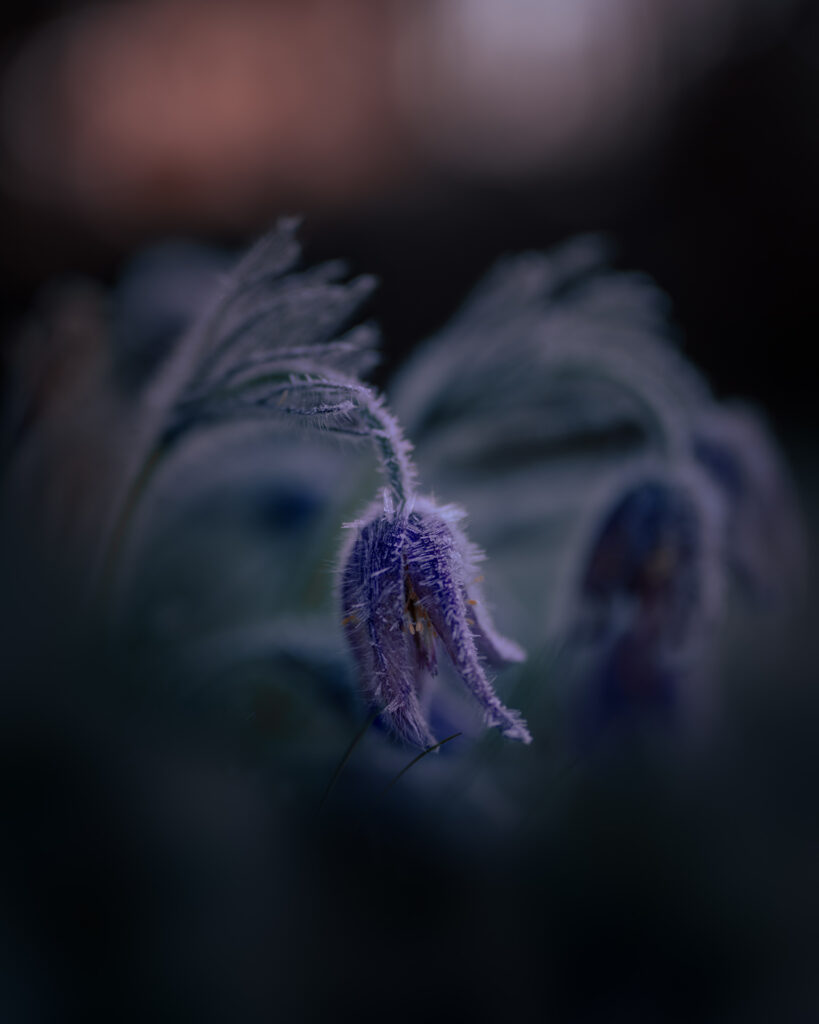
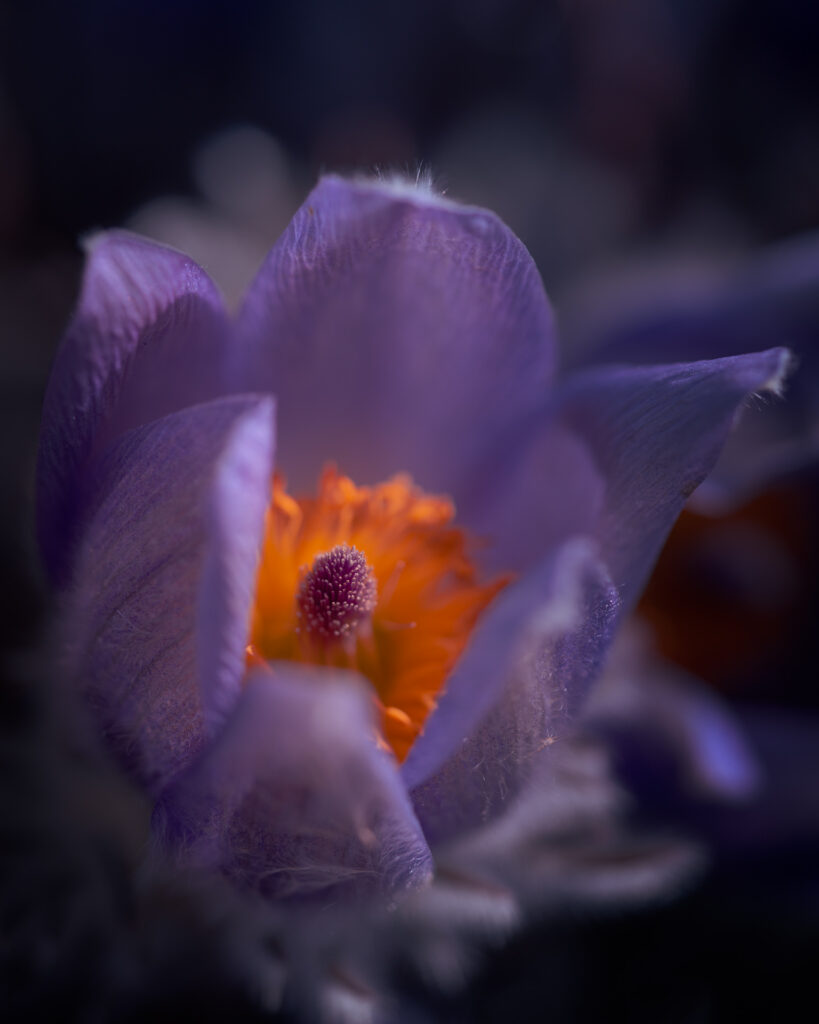
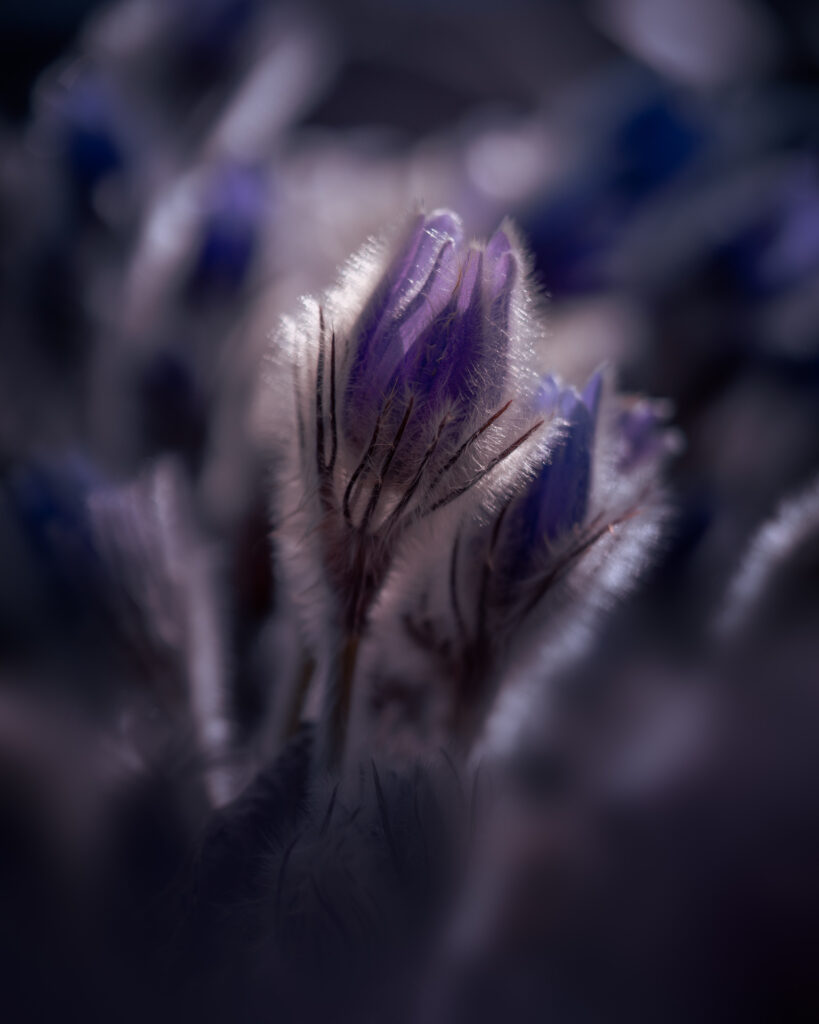
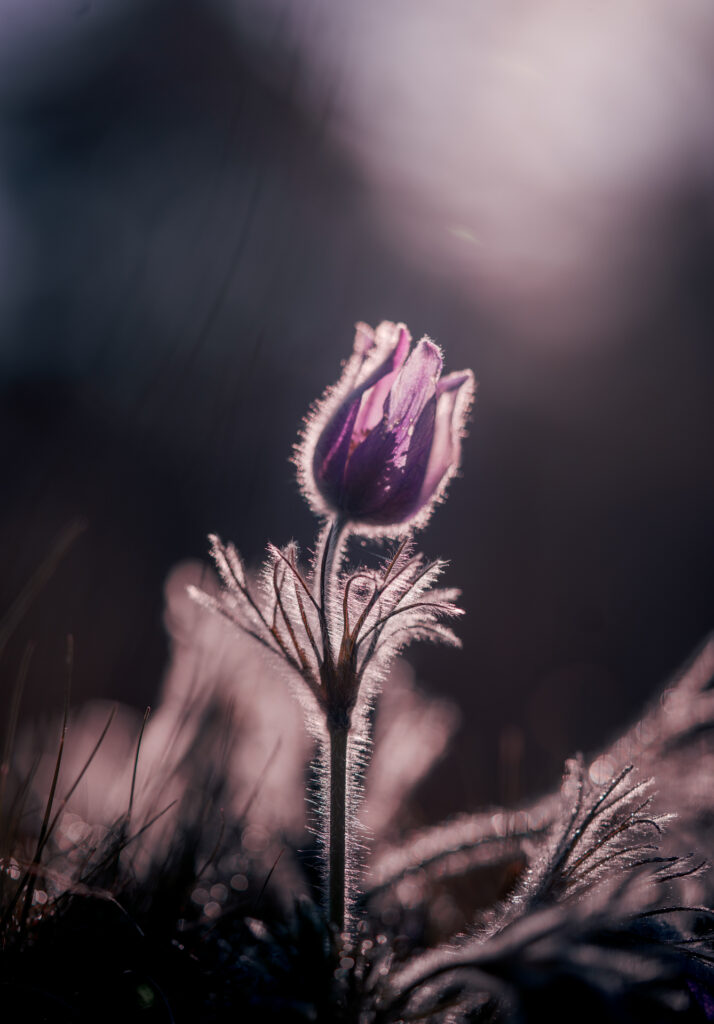
The delicate beauty of the Pasque Flower makes it one of the most rewarding subjects for spring photography. With its soft, hairy stems, vibrant purple petals, and golden center, this early-blooming wildflower offers a perfect combination of texture, color, and storytelling potential.
As an expert travel photographer, I can tell you this—photographing pasque flowers is less about technical perfection and more about patience, light, and observation. These flowers often grow in open landscapes where wind, shifting light, and changing weather conditions all play a role in your final image.
In many parts of Europe, including regions of Sweden, the pasque flower blooms early in spring, often appearing when the landscape still feels raw and untouched after winter. This contrast between fragile blooms and rugged surroundings is what makes them so visually compelling.
In this guide, you’ll learn exactly how to find, time, and photograph pasque flowers—with practical, field-tested advice that will help you create images that stand out.
Why Photograph Pasque Flowers
The Pasque Flower is one of those rare subjects that naturally lends itself to artistic photography.
Unique texture and detail
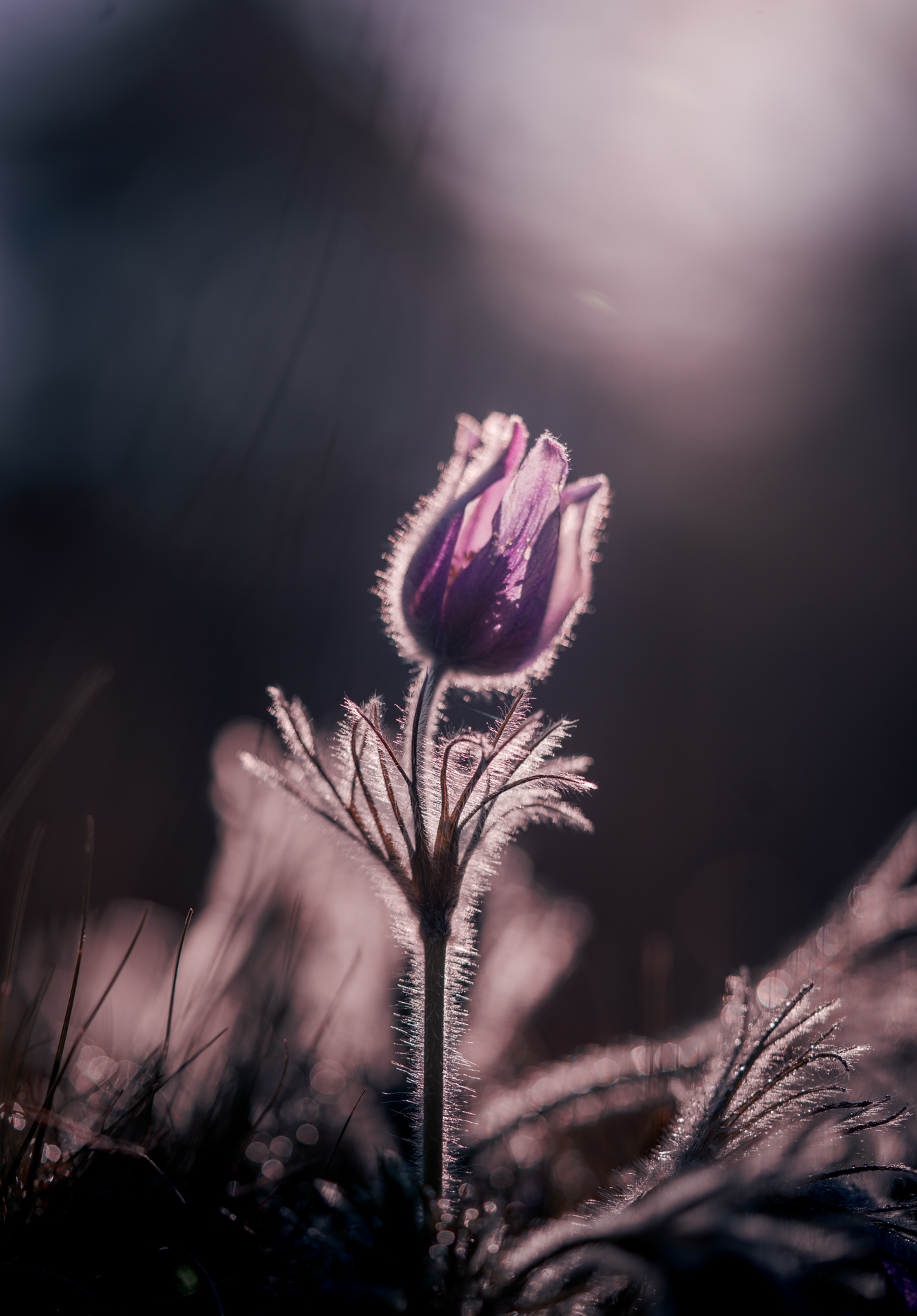
Unlike many flowers, pasque flowers are covered in fine, soft hairs that catch the light beautifully.
This creates:
- glowing edges during backlight
- visible texture even in soft light
- a dreamy, almost ethereal look
Few wildflowers offer this level of natural detail.
Early spring storytelling
Pasque flowers bloom early—often before most plants have fully awakened.
This allows you to capture:
- flowers emerging from dry grass
- frost-covered petals in early mornings
- dramatic contrast between life and leftover winter
It’s a perfect subject for telling the story of seasonal transition.
Minimalist compositions
Because they often grow in open areas, pasque flowers are ideal for clean, simple compositions.
You can easily isolate:
- a single flower against a blurred background
- small clusters with soft depth of field
- silhouettes during sunrise or sunset
Where to Find Pasque Flowers
Finding Pasque Flower is half the challenge—and part of the adventure.
Natural habitats
Pasque flowers typically grow in:
- dry meadows
- open grasslands
- limestone-rich soils
- sunny slopes and hills
They prefer well-drained soil and plenty of sunlight.
Locations in Sweden
In Sweden, pasque flowers are often found in specific regions.
Look for them in:
- parts of Mälardalen
- Gotland and Öland
- protected nature reserves with dry grassland
Because the flower is protected in many areas, always follow local guidelines and avoid disturbing the plants.
Scout in advance
Pasque flowers bloom for a short period, so timing is critical.
Tips:
- check local nature reports
- revisit known locations each year
- arrive early in the season
When to Photograph Pasque Flowers
Timing is everything when working with Pasque Flower.
Blooming season
The flowering period is short and varies depending on location.
Typically:
- late March to April in warmer regions
- April to early May in northern areas
Peak bloom often lasts just 1–2 weeks.
Best time of day
Lighting conditions dramatically affect your results.
Early morning
Morning is often the best time to shoot.
You may capture:
- dew on petals
- frost-covered flowers
- soft, diffused light
Golden hour (evening)
Evening light creates warm tones and dramatic backlighting.
Perfect for:
- glowing edges around petals
- silhouettes
- warm color contrast
Best Weather and Conditions
Weather plays a huge role in pasque flower photography.
Calm conditions
Wind is one of the biggest challenges when photographing flowers.
Choose:
- early mornings
- sheltered locations
- calm days
Even slight wind can ruin sharp images at close distances.
Soft light
Overcast days are excellent for capturing detail and color.
They provide:
- even lighting
- reduced shadows
- better control of exposure
Frost and dew
Some of the most unique images happen in colder conditions.
Look for:
- frost crystals on petals
- dew drops catching light
- misty backgrounds
These conditions add mood and storytelling to your images.
How to Photograph Pasque Flowers
Photographing Pasque Flower requires a thoughtful and patient approach.
Get low
To create intimate and immersive images, shoot at the same level as the flower.
This helps:
- isolate the subject
- create smooth backgrounds
- add depth to the image
Focus on a single subject
Avoid clutter by choosing one strong focal point.
Look for:
- the cleanest background
- the most symmetrical bloom
- the best light direction
Control your background
Backgrounds can make or break flower photography.
Aim for:
- soft, blurred backgrounds
- natural color contrast
- minimal distractions
Composition Techniques for Pasque Flower Photography
Composition is where you can elevate your images.
Use negative space
Pasque flowers work beautifully in minimal compositions.
Try:
- placing the flower off-center
- using empty space to create balance
- keeping the frame simple
Play with backlighting
Backlighting enhances the unique texture of the flower.
Position the sun behind the subject to create:
- glowing outlines
- translucent petals
- soft highlights
Create depth
Add layers to your composition by including:
- foreground elements (grass, buds)
- background blur
- multiple flowers at different distances
Light for Pasque Flower Photography
Light is everything when photographing Pasque Flower.
Golden hour
This is the most reliable time for beautiful results.
You’ll get:
- warm tones
- soft shadows
- gentle contrast
Backlight and rim light
This is where pasque flowers truly shine.
The fine hairs on the plant catch the light, creating a glowing halo effect.
Diffused light
Cloudy conditions are perfect for:
- capturing detail
- preserving color accuracy
- reducing harsh highlights
Seasonal Photography Opportunities
Pasque flowers evolve quickly throughout their short season.
Photographers can capture:
- early buds emerging from the ground
- fully open flowers in peak bloom
- seed heads later in the season
Each stage offers a completely different visual story.
(Part 2 will include advanced techniques, creative ideas, common mistakes, editing tips, FAQs, and SEO sections.)
Advanced Photography Techniques for Pasque Flowers
Once you’ve mastered the basics, photographing the Pasque Flower becomes a creative challenge. These techniques will help you elevate your images beyond simple close-ups.
Use selective focus for artistic results
Instead of aiming for full sharpness, experiment with shallow focus.
This allows you to:
- highlight just the center of the flower
- create dreamy, soft edges
- guide the viewer’s attention
This works especially well when shooting into the light.
Shoot through foreground elements
Adding layers can transform a simple shot into something more immersive.
Try shooting through:
- grass
- other flowers
- seed heads
This creates natural framing and adds depth without cluttering the image.
Embrace motion creatively
Wind is usually a challenge—but you can also use it creatively.
Instead of fighting it:
- use slower shutter speeds
- capture subtle movement
- create a painterly, artistic effect
Creative Photography Ideas
The Pasque Flower offers more creative potential than most photographers realize.
Capture silhouettes at sunset
Position the flower against the sky during golden hour.
This creates:
- clean, minimal compositions
- strong shapes
- dramatic contrast
Photograph the life cycle
Tell a complete story by capturing different stages:
- buds emerging
- full bloom
- seed heads glowing in backlight
This works beautifully as a photo series.
Include the environment
Instead of isolating the flower, step back and show its surroundings.
Capture:
- rolling grasslands
- rocky terrain
- wide landscapes with scattered blooms
This gives context and creates a stronger sense of place.
Common Mistakes to Avoid
Even experienced photographers struggle with Pasque Flower if they overlook key details.
Shooting in strong wind
This is the most common issue.
Even slight movement can ruin sharpness.
Solution:
- shoot early in the morning
- use natural windbreaks
- be patient
Ignoring the background
A distracting background can completely ruin an otherwise perfect subject.
Always check:
- colors behind the flower
- bright spots or distractions
- contrast with the subject
Shooting from above
This flattens the image and reduces impact.
Instead:
- get low
- shoot at eye level
- create depth
Overediting
It’s tempting to enhance colors and contrast, but this often removes the natural feel.
Keep edits subtle and realistic.
Editing and Post-Processing Tips
Editing is where you refine the mood of your pasque flower images.
Enhance texture carefully
The fine hairs on the Pasque Flower are a key feature.
Use:
- slight clarity adjustments
- gentle sharpening
- avoid over-processing
Keep colors natural
Pasque flowers already have rich tones.
Focus on:
- accurate purples
- balanced greens
- soft highlights
Use light adjustments for mood
Spring images often benefit from a softer look.
Try:
- lowering contrast slightly
- lifting shadows
- warming highlights for golden hour shots
FAQs About Pasque Flower Photography
When do pasque flowers bloom?
The Pasque Flower typically blooms between late March and early May, depending on the region and weather conditions.
Where can I find pasque flowers in Sweden?
In Sweden, they are often found in dry grasslands, especially in areas like Mälardalen, Gotland, and Öland.
What is the best time of day to photograph pasque flowers?
Early morning is ideal due to calm wind, soft light, and the possibility of dew or frost. Evening golden hour is also excellent for backlit images.
Are pasque flowers protected?
Yes, in many areas the Pasque Flower is protected. Always avoid picking or disturbing them and follow local regulations.
What makes pasque flowers unique for photography?
Their fine hairs, vibrant purple color, and early blooming season make them visually distinct and perfect for creative, atmospheric photography.
Can beginners photograph pasque flowers?
Absolutely. They are a great subject for learning composition, light, and macro techniques due to their strong visual characteristics.
How do I deal with wind when photographing flowers?
Shoot early in the morning, use natural shelter, or increase shutter speed. Patience is often the most effective solution.
Should I photograph single flowers or groups?
Both work well. Single flowers are ideal for minimalist compositions, while groups can create depth and storytelling.
Conclusion
Photographing the Pasque Flower is one of the most rewarding ways to capture the essence of early spring. It’s not just about the flower itself—it’s about light, atmosphere, and the quiet transition from winter to spring.
As a travel photographer, these are the moments I always look for: subtle, fleeting, and deeply connected to the season. Whether you’re shooting a single bloom glowing in backlight or a wide landscape dotted with flowers, the key is to slow down and really observe what’s happening around you.
With the right timing, patience, and creative approach, pasque flowers can help you create images that feel both simple and powerful—exactly what great nature photography is all about.
Related Internal Articles
- Cherry Blossom Photography in Sweden
- Spring in Mälardalen Photography Guide
- Wildflower Photography Guide
- Macro Flower Photography Tips
- Best Nature Reserves in Spring in Sweden
External Resources
- Swedish Environmental Protection Agency – https://www.naturvardsverket.se
- Visit Sweden – https://visitsweden.com
- Swedish Species Information Centre – https://artfakta.se
- Nature Conservation Society – https://naturskyddsforeningen.se
- Wildflower Identification Guide – https://wildflowerfinder.org.uk