
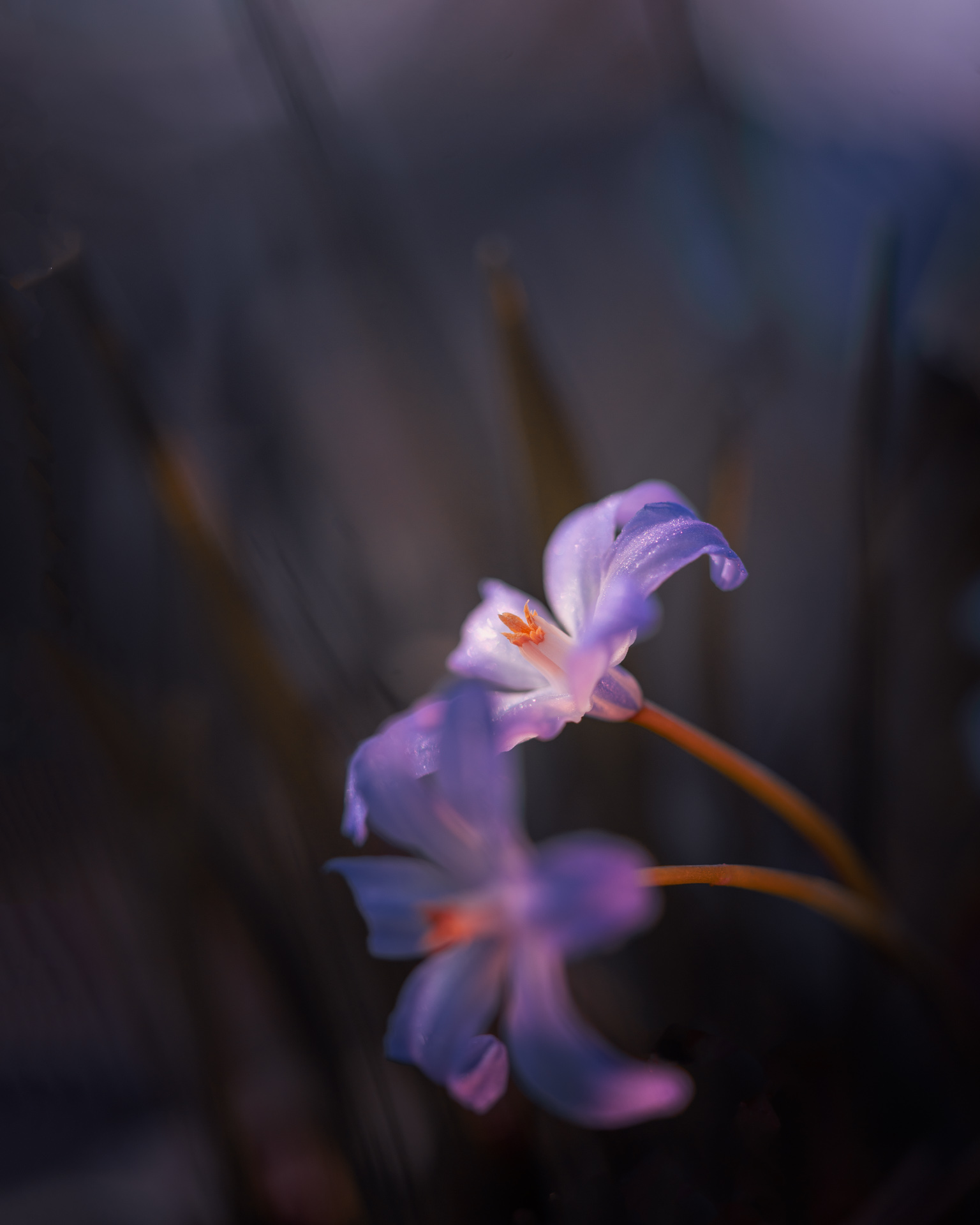
Bluebells are one of the most magical subjects in spring photography. When they bloom, forests transform into glowing carpets of violet-blue, creating scenes that feel almost unreal. For photographers, bluebell season offers a rare opportunity to capture color, atmosphere, and storytelling in one frame.
As a travel photographer, I return to bluebell forests every year. The combination of soft spring light, misty mornings, and endless waves of flowers creates perfect conditions for stunning images.
In this guide, I’ll share my best tips for where to find bluebells, when to photograph them, and how to capture beautiful compositions that stand out.
Where to Find Bluebells?
Bluebells thrive in ancient woodlands, where they form spectacular carpets beneath trees. These forests create perfect photography locations because the flowers grow in large clusters and the tree canopy filters sunlight beautifully.
Some of the most famous bluebell photography locations in Europe include:
Ashridge Estate, England
Ashridge Estate is one of the most famous bluebell forests in the UK. Every spring, the woodland floors transform into massive purple-blue carpets stretching for hundreds of meters.
Google Maps: https://maps.google.com/?q=Ashridge+Estate
Photography tip: Arrive early in the morning before crowds arrive.
Micheldever Woods, Hampshire
Micheldever Wood is known for some of the densest bluebell displays in southern England.
Google Maps: https://maps.google.com/?q=Micheldever+Wood
Photography tip: Long woodland paths make perfect leading lines through the flowers.
Hallerbos (The Blue Forest), Belgium
Hallerbos near Brussels is often called the Blue Forest thanks to its spectacular bluebell displays.
Google Maps: https://maps.google.com/?q=Hallerbos
Photography tip: Morning mist frequently forms here, creating magical atmosphere.
Blickling Estate, Norfolk
Blickling Estate features beautiful bluebell woods surrounding a historic estate.
Google Maps: https://maps.google.com/?q=Blickling+Estate
Photography tip: Combine flowers with historic architecture for storytelling compositions.
Winkworth Arboretum
Winkworth Arboretum offers scenic woodland slopes covered in bluebells.
Google Maps: https://maps.google.com/?q=Winkworth+Arboretum
Photography tip: Elevation changes allow for layered compositions with depth.
When to Photograph Bluebells?
Timing is everything with bluebell photography. The blooming window is relatively short, usually lasting two to three weeks.
Bluebell Season by Region
- Southern England: mid-April to early May
- Northern England: late April to mid-May
- Belgium and Netherlands: mid-April
- France: April to early May
Weather plays a huge role. A warm spring can bring blooms earlier, while cold weather delays the season.
Best Time of Day
The most beautiful bluebell images are almost always captured early in the morning.
Morning advantages:
- Soft, diffused light
- Calm wind conditions
- Morning mist
- No crowds
Evening can also work well, especially when golden light filters through trees.
Best Weather and Conditions to Photograph Bluebells
Many photographers assume sunny weather is best, but that’s rarely the case.
Bluebells look best under soft light conditions.
Overcast Days
Cloudy skies produce even lighting that enhances the blue tones of the flowers.
Benefits:
- No harsh shadows
- Richer colors
- Balanced exposures
Misty Mornings
Mist transforms bluebell forests into dreamlike scenes.
Look for:
- Cool nights followed by warm mornings
- Calm wind
- Low forest humidity
Mist creates depth and mood, making photos feel cinematic.
After Rain
Rain can add beautiful details:
- Water droplets on petals
- Fresh, vibrant colors
- Darker forest backgrounds
How to Photograph Bluebells
Bluebells are delicate flowers growing in protected woodland areas, so it’s important to photograph them responsibly.
Stay on Paths
Bluebells are fragile and can take years to recover if damaged.
Always:
- Stay on designated paths
- Avoid stepping into flower carpets
- Use longer lenses when necessary
Shoot From Low Angles
Getting low dramatically improves bluebell photos.
Low angles allow you to:
- Emphasize flower carpets
- Include tree trunks above
- Create depth through foreground blur
Use Foreground Layers
Layering adds depth and visual interest.
Look for:
- Flowers close to the lens
- Tree trunks framing the scene
- Curving paths
Foreground blur can make the scene feel immersive.
Photography Composition
Composition is what transforms a simple bluebell photo into a powerful image.
Leading Lines
Paths through forests make excellent leading lines.
Look for:
- Woodland trails
- Curving paths
- Tree lines
These elements guide the viewer’s eye into the frame.
Framing with Trees
Trees can frame bluebell carpets naturally.
Use trunks on either side of the frame to create visual structure.
Use Depth
Bluebell forests often stretch far into the distance.
Try compositions that include:
- Foreground flowers
- Midground tree trunks
- Background woodland
This layering gives images a sense of scale.
Minimalism
Sometimes the best image focuses on just a few flowers.
Look for:
- Single clusters
- Soft backgrounds
- Simple compositions
Minimalist bluebell photos can feel elegant and peaceful.
Light for Bluebell Photography
Light is the most important element in woodland photography.
Bluebell forests can be challenging because of high contrast between sunlight and shadows.
Soft Woodland Light
Soft light works best for capturing bluebell colors.
Ideal conditions include:
- Overcast skies
- Early morning sun
- Light filtering through trees
Backlighting
Backlighting can create glowing flowers.
Position the sun behind the flowers and shoot toward the light.
Benefits:
- Highlighted petals
- Dreamy atmosphere
- Natural glow
Avoid Harsh Midday Sun
Midday sun creates:
- Strong shadows
- Overexposed highlights
- Washed-out colors
If you must shoot midday, look for dense forest shade.
Equipment Guide
You don’t need complicated gear to photograph bluebells, but a few tools can make a big difference.
Camera
Any modern camera works well.
Important features include:
- Good dynamic range
- High resolution for detail
- Low ISO performance
Mirrorless and DSLR cameras both work perfectly.
Lenses
Several lenses work great for bluebell photography.
Wide-angle lenses (16–35mm)
Perfect for capturing flower carpets and forest scenes.
Standard lenses (35–70mm)
Great for natural-looking perspectives.
Telephoto lenses (70–200mm)
Ideal for isolating flowers and compressing layers.
Tripod
A tripod is extremely useful in woodland environments.
Benefits include:
- Sharp images in low light
- Precise compositions
- Lower ISO settings
Filters
A polarizing filter can improve bluebell images by:
- Reducing reflections on leaves
- Enhancing color saturation
- Deepening contrast
Location Guide
Some locations are particularly photogenic for bluebell photography.
These places combine dense flowers, beautiful forests, and accessible paths.
Hallerbos Forest
Hallerbos is one of the most famous bluebell locations in Europe.
The forest is known for:
- Massive bluebell carpets
- Tall beech trees
- Misty morning atmosphere
Google Maps: https://maps.google.com/?q=Hallerbos
Ashridge Estate
Ashridge Estate offers long woodland trails surrounded by flowers.
Perfect for:
- Leading line compositions
- Atmospheric forest scenes
Google Maps: https://maps.google.com/?q=Ashridge+Estate
Micheldever Wood
Micheldever Wood is famous among photographers for its incredible density of bluebells.
Google Maps: https://maps.google.com/?q=Micheldever+Wood
Early mornings here can produce spectacular images.
Winkworth Arboretum
Winkworth Arboretum provides varied terrain and beautiful woodland views.
Google Maps: https://maps.google.com/?q=Winkworth+Arboretum
The slopes allow for creative perspective and layered compositions.
Bluebell photography is about more than just flowers. It’s about capturing the magic of spring forests, the soft glow of morning light, and the peaceful atmosphere that only appears for a few weeks each year.
With the right timing, thoughtful composition, and patience, bluebell season can produce some of the most beautiful images in nature photography.
FAQs About Bluebell Photography
When is the best time to photograph bluebells?
The best time to photograph bluebells is typically mid-April to early May depending on the region and weather conditions. In warmer areas of southern England and Belgium, blooms often begin around mid-April, while northern regions may peak in early May.
To capture bluebells at their best, aim for the peak bloom period, when flowers form dense carpets across woodland floors.
What time of day is best for bluebell photography?
Early morning is the best time to photograph bluebells.
Morning offers several advantages:
- Soft, diffused light
- Calm wind conditions
- Possibility of mist or fog
- Fewer visitors in popular forests
Golden hour in the evening can also work beautifully, especially when sunlight filters through tree trunks and illuminates the flowers.
What camera settings are best for photographing bluebells?
For wide woodland scenes, try these starting settings:
- Aperture: f/8 to f/11
- ISO: 100–200
- Shutter speed: adjust depending on light
For close-up images:
- Aperture: f/2.8 to f/5.6
- ISO: 100–400
- Shutter speed: 1/125 or faster if handheld
These settings help capture either sharp landscapes or dreamy shallow depth-of-field images.
Do you need a macro lens to photograph bluebells?
A macro lens is helpful but not necessary. Many beautiful bluebell photos are taken with:
- 35mm lenses
- 50mm lenses
- 70–200mm telephoto lenses
Telephoto lenses are particularly useful for compressing layers of flowers and creating dreamy backgrounds.
How do you create depth in bluebell forest photos?
Depth can be created using layers in the composition:
- Flowers in the foreground
- Tree trunks in the midground
- Forest fading into the background
Using a slightly longer focal length and shooting through nearby flowers can create beautiful foreground blur.
Can you photograph bluebells in sunny weather?
Yes, but bright sunlight can be challenging.
Strong sunlight often creates:
- Harsh shadows
- High contrast between flowers and trees
If shooting on sunny days, look for soft woodland shade or photograph during early morning or late evening.
What weather conditions are best for bluebell photography?
Some of the best conditions include:
- Overcast skies
- Misty mornings
- Light rain
Mist adds incredible atmosphere and can transform a simple woodland scene into something magical.
Where are the best bluebell forests in Europe?
Some of the most famous locations include:
- Hallerbos in Belgium
- Ashridge Estate in England
- Micheldever Wood in Hampshire
- Winkworth Arboretum in Surrey
These locations are known for dense carpets of flowers and beautiful woodland settings.
How do you photograph bluebells without damaging them?
Bluebells are protected in many regions, especially native English bluebells.
Follow these ethical photography practices:
- Stay on paths
- Never step into flower carpets
- Use longer lenses if needed
Protecting these fragile ecosystems ensures they return every year.
Can you photograph people in bluebell forests?
Yes, portraits in bluebell forests can be beautiful.
For the best results:
- Position subjects on pathways
- Use shallow depth of field
- Avoid stepping into flowers
This creates respectful images that preserve the environment.
What focal length works best for bluebell forests?
Different focal lengths create different effects:
- 16–35mm for sweeping landscapes
- 35–50mm for natural perspective
- 70–200mm for isolating flowers and compressing layers
Many photographers carry two lenses to cover multiple perspectives.
How do you photograph bluebells with backlighting?
Backlighting creates glowing flowers.
To achieve this:
- Place the sun behind the flowers
- Shoot toward the light
- Use a wide aperture for soft glow
Backlighting works best in early morning or late afternoon.
How can you include leading lines in bluebell photos?
Look for natural paths through the forest.
Paths create:
- Leading lines into the frame
- Strong composition
- A sense of depth and storytelling
Many famous bluebell images use winding forest paths as the main compositional element.
Can you photograph bluebells with a smartphone?
Yes. Modern smartphones can capture excellent flower images.
Tips include:
- Shoot close to the flowers
- Use portrait mode for background blur
- Keep the phone steady
Morning light improves smartphone images significantly.
Why do bluebells grow in forests?
Bluebells thrive in ancient woodland ecosystems where they bloom before trees fully leaf out.
This timing allows them to receive sunlight in early spring before the forest canopy blocks light later in the season.
What makes bluebells so photogenic?
Bluebells create stunning photography subjects because they offer:
- Vibrant colors
- Repeating patterns
- Natural forest settings
- Seasonal rarity
The combination of flowers and woodland scenery creates powerful visual storytelling.
Can drones be used to photograph bluebell forests?
Drones are generally not recommended in bluebell forests.
Reasons include:
- Wildlife disturbance
- Visitor safety
- Restrictions in protected areas
Many famous bluebell forests prohibit drones entirely.
How do you photograph bluebells in fog?
Fog is perfect for woodland photography.
Tips for foggy conditions:
- Expose slightly brighter to maintain flower detail
- Use longer focal lengths to compress fog layers
- Include trees fading into mist for depth
Fog often creates the most atmospheric bluebell images.
What ISO should you use in bluebell forests?
Use the lowest ISO possible for clean images.
Typical values:
- ISO 100–200 with tripod
- ISO 400–800 handheld in darker forests
Woodlands can be darker than expected, especially under thick tree cover.
Why should photographers arrive early?
Bluebell forests can become crowded later in the day.
Arriving early allows you to:
- Capture undisturbed scenes
- Enjoy peaceful conditions
- Work with beautiful morning light
Professional photographers often arrive before sunrise during peak bloom.
Conclusion
Photographing bluebells is one of the most magical experiences in spring photography. For a short window each year, forests transform into glowing carpets of violet-blue, creating scenes that feel almost surreal.
Capturing these moments requires a combination of timing, patience, and thoughtful composition. The most memorable images often come from early mornings when soft light filters through trees and mist drifts across the woodland floor.
As a travel photographer, I’ve learned that bluebell photography is as much about atmosphere as it is about the flowers themselves. Look beyond individual blooms and focus on the larger story — the forest, the light, the depth, and the seasonal beauty that makes these locations so special.
Remember to photograph responsibly by staying on paths and protecting these fragile ecosystems. Bluebells take years to establish, and preserving them ensures future generations of photographers can enjoy the same breathtaking scenes.
With careful planning, the right light, and a creative approach to composition, bluebell season can produce some of the most stunning nature images you’ll ever capture.
Related Internal Pages
- Ultimate Guide to Photographing Snowdrops
- Ultimate Guide to Photographing Wood Anemones
- Ultimate Guide to Photographing Tulips
- Ultimate Guide to Garden Photography in Paris
- Best Time to Visit Paris for Photography
External Links for More Information
- Woodland Trust – https://www.woodlandtrust.org.uk
- National Trust – https://www.nationaltrust.org.uk
- Royal Horticultural Society – https://www.rhs.org.uk
- Visit Flanders – https://www.visitflanders.com
- Forestry England – https://www.forestryengland.uk