
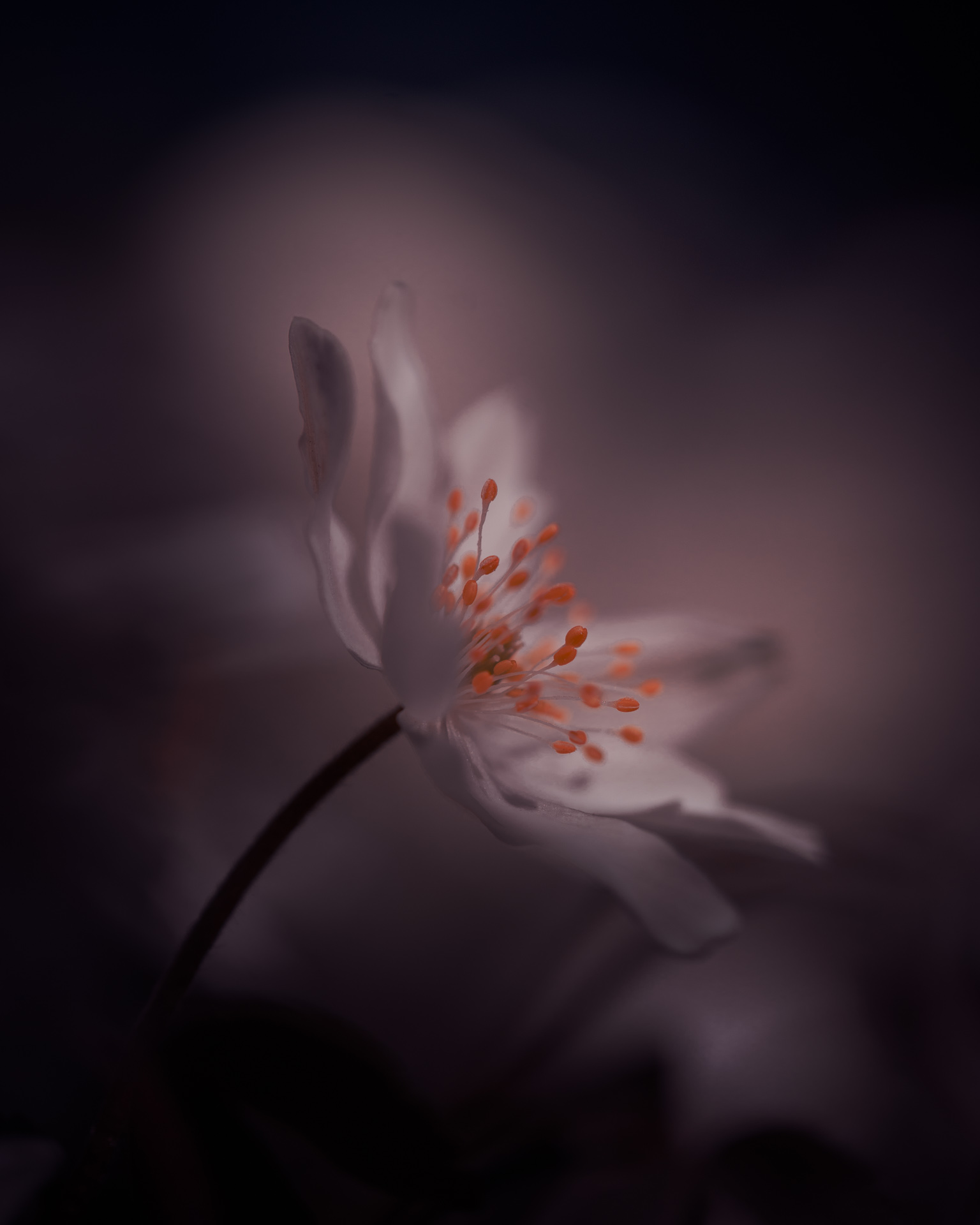
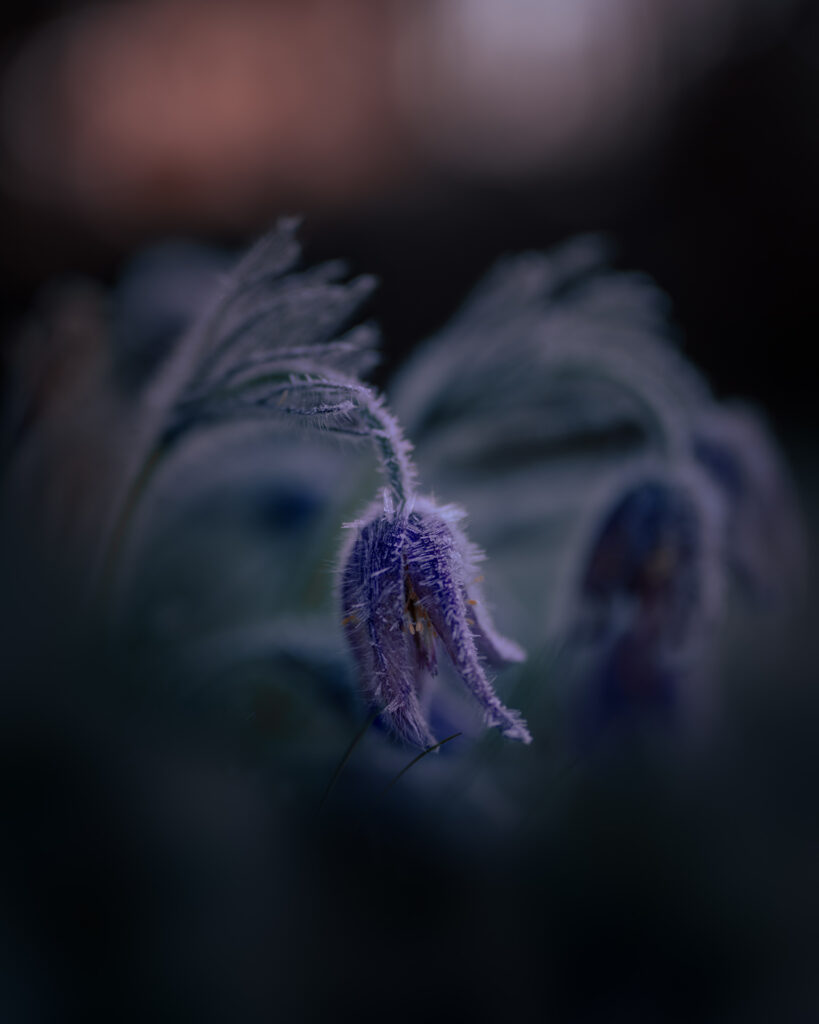
Spring is one of the most exciting seasons for photographers. After months of grey skies and dormant landscapes, color finally returns. Fields, forests, gardens, and parks suddenly burst into life with blossoms, delicate petals, and vibrant greens. For photographers, spring flowers offer endless creative opportunities — from sweeping floral landscapes to intimate macro portraits.
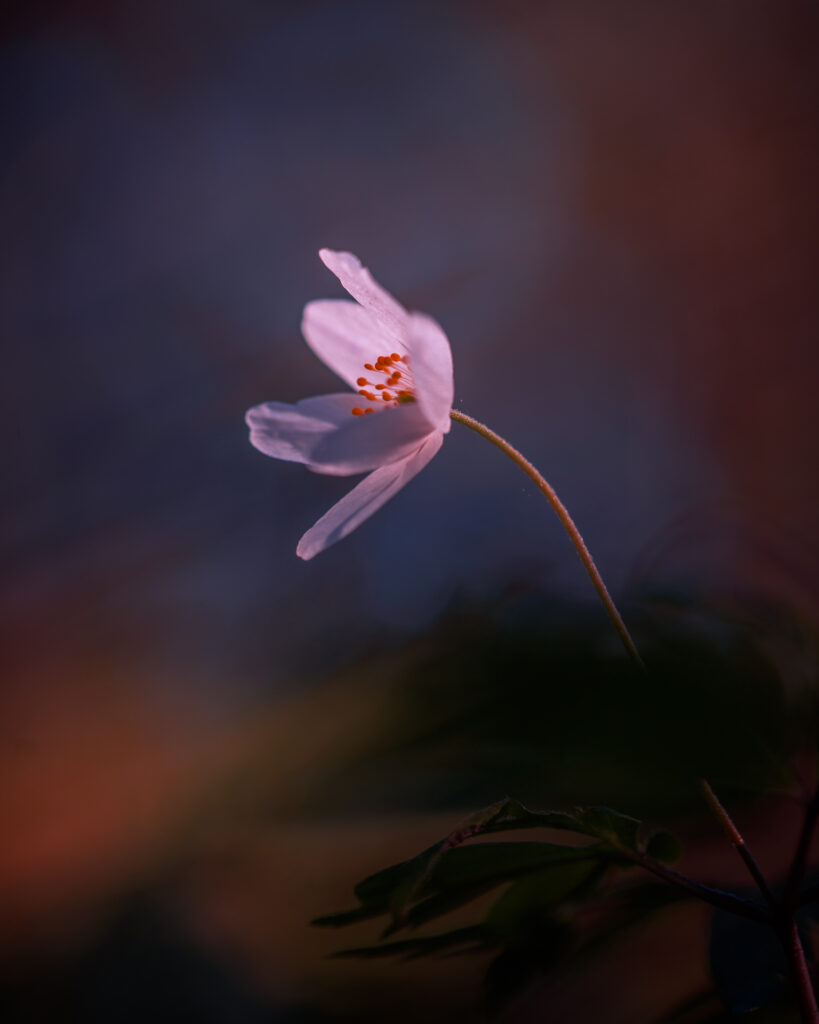
Photographing spring flowers isn’t just about pointing your camera at something colorful. The best images capture light, texture, atmosphere, and emotion. Timing, weather, composition, and equipment choices can transform a simple flower photo into something truly special.
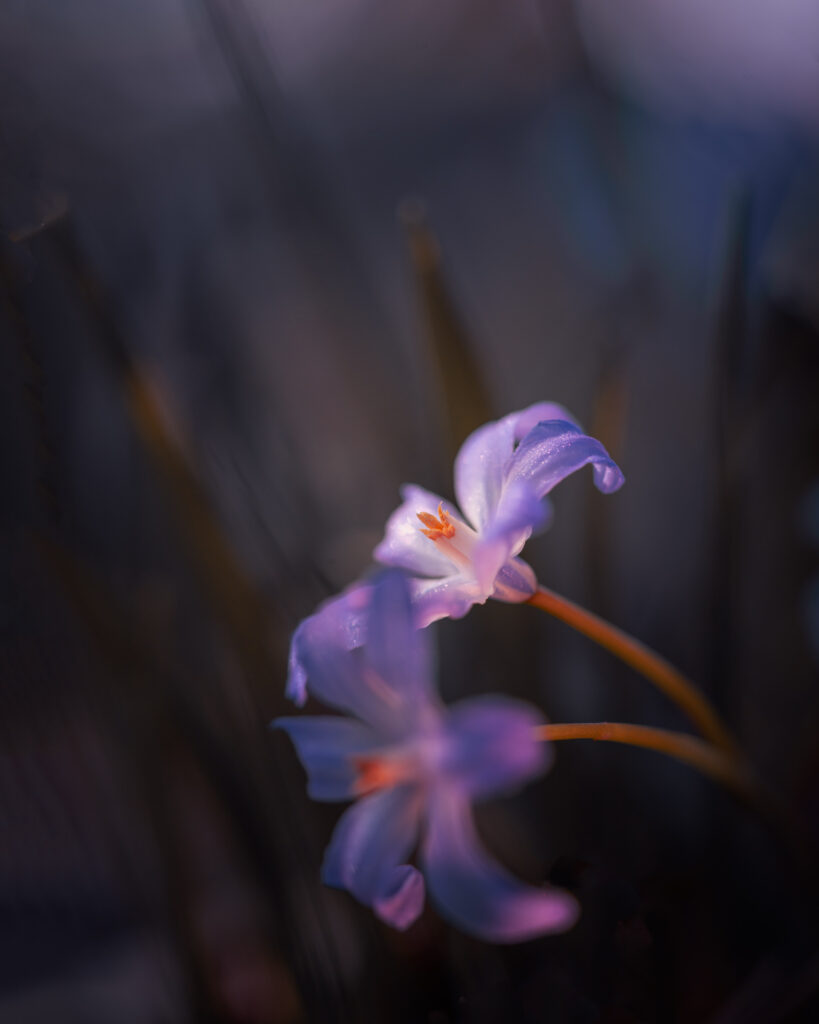
As a travel photographer, I’ve spent years chasing spring blooms across Europe and beyond. From quiet woodland carpets of wildflowers to perfectly manicured gardens in historic cities, spring offers some of the most rewarding photography opportunities of the entire year.
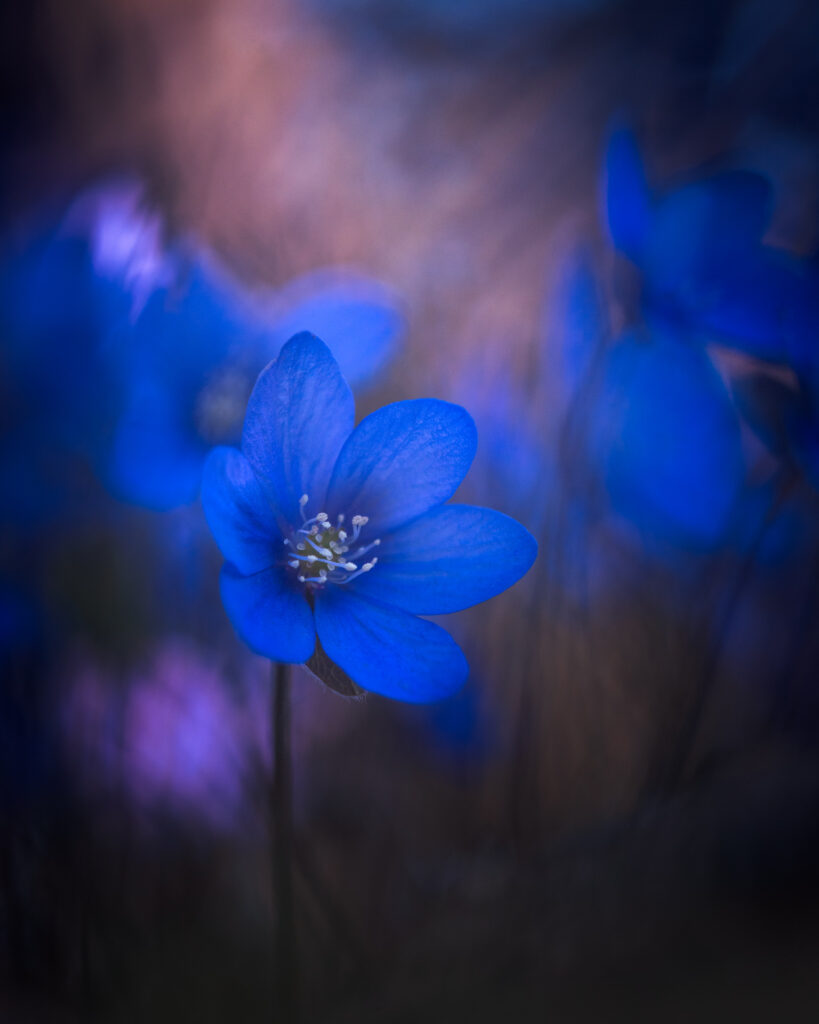
In this guide, I’ll walk you through everything you need to know about photographing spring flowers — where to find them, when to shoot them, and how to capture images that stand out.
Where to Find Spring Flowers
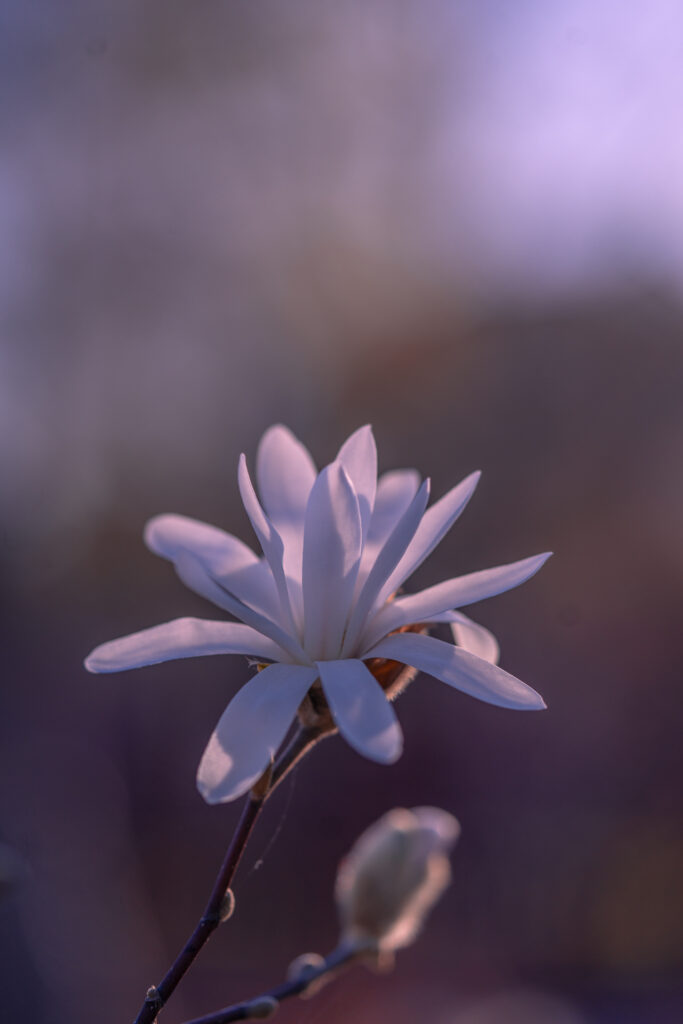
One of the joys of spring photography is that flowers appear almost everywhere. However, certain locations consistently provide the most photogenic displays.
Botanical Gardens
Botanical gardens are among the easiest places to photograph spring flowers because they are carefully designed for beauty and accessibility. Flower beds are well maintained, colors are coordinated, and paths allow photographers to move easily between scenes.
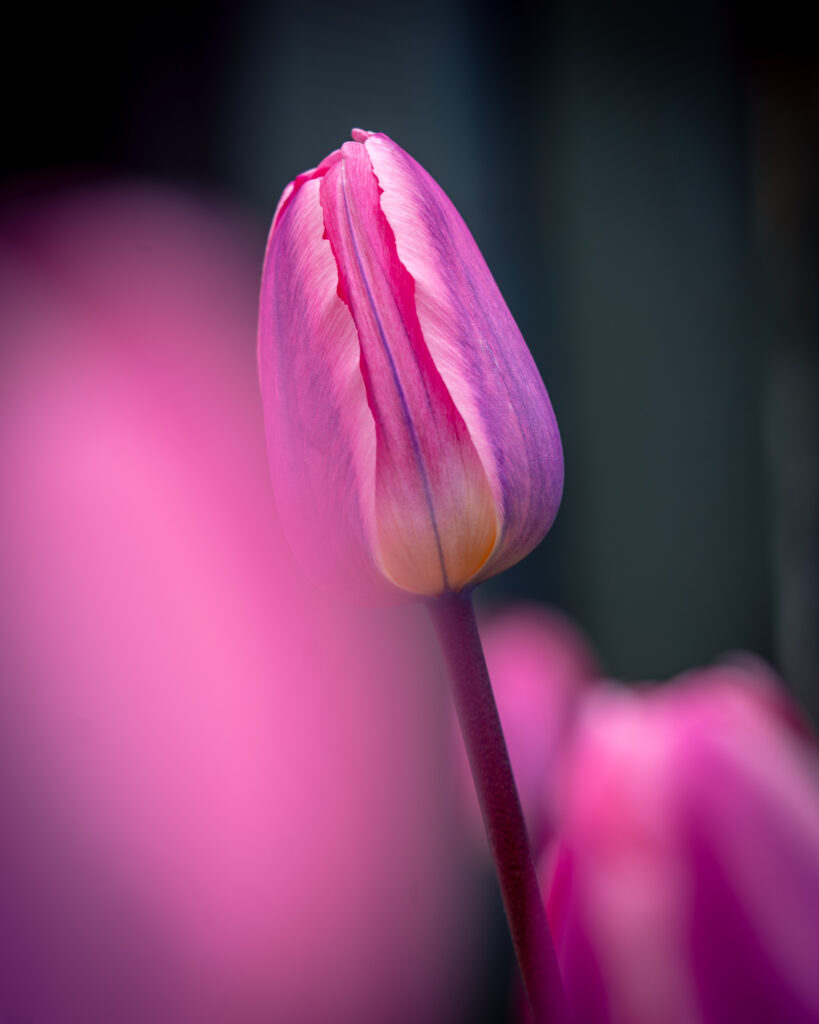
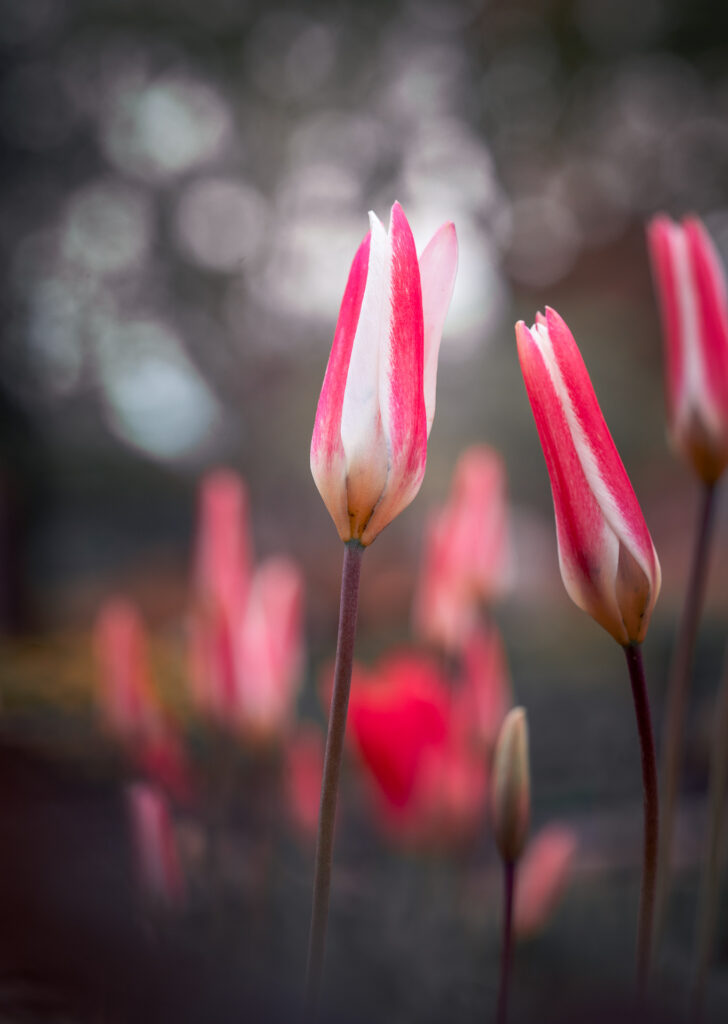
Some famous locations include:
- Jardin des Plantes in Paris
- Keukenhof Gardens in the Netherlands
- Kew Gardens in London
These gardens often feature tulips, cherry blossoms, magnolias, and early spring bulbs in carefully arranged displays.
Woodland Floors
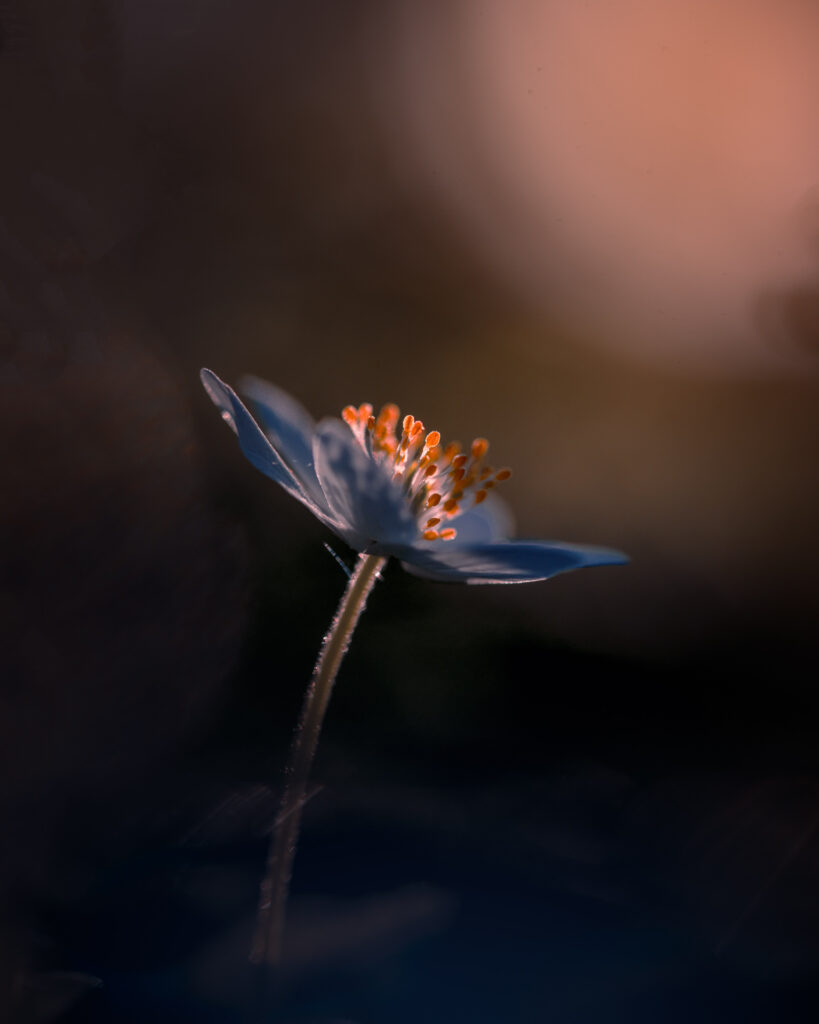
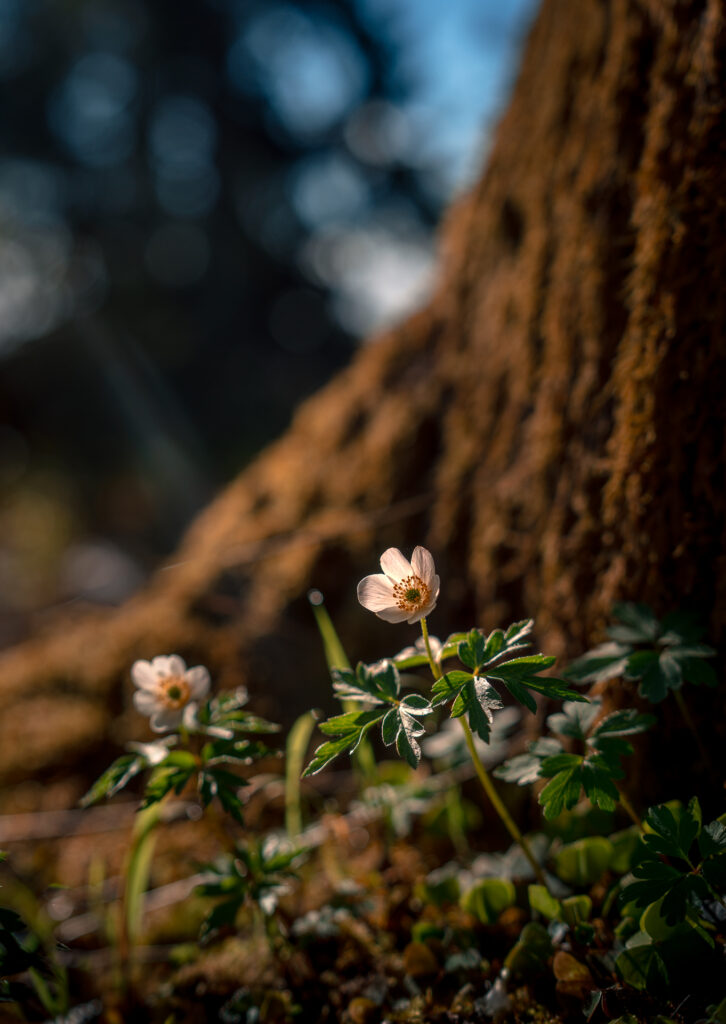
Woodlands can become magical in early spring when wildflowers bloom before the trees fully leaf out. This brief window allows sunlight to reach the forest floor, creating carpets of delicate flowers.
Look for species such as:
- Wood anemones
- Bluebells
- Snowdrops
- Wild garlic
These scenes can produce beautiful atmospheric photographs, especially when morning light filters through the trees.
Parks and Historic Estates
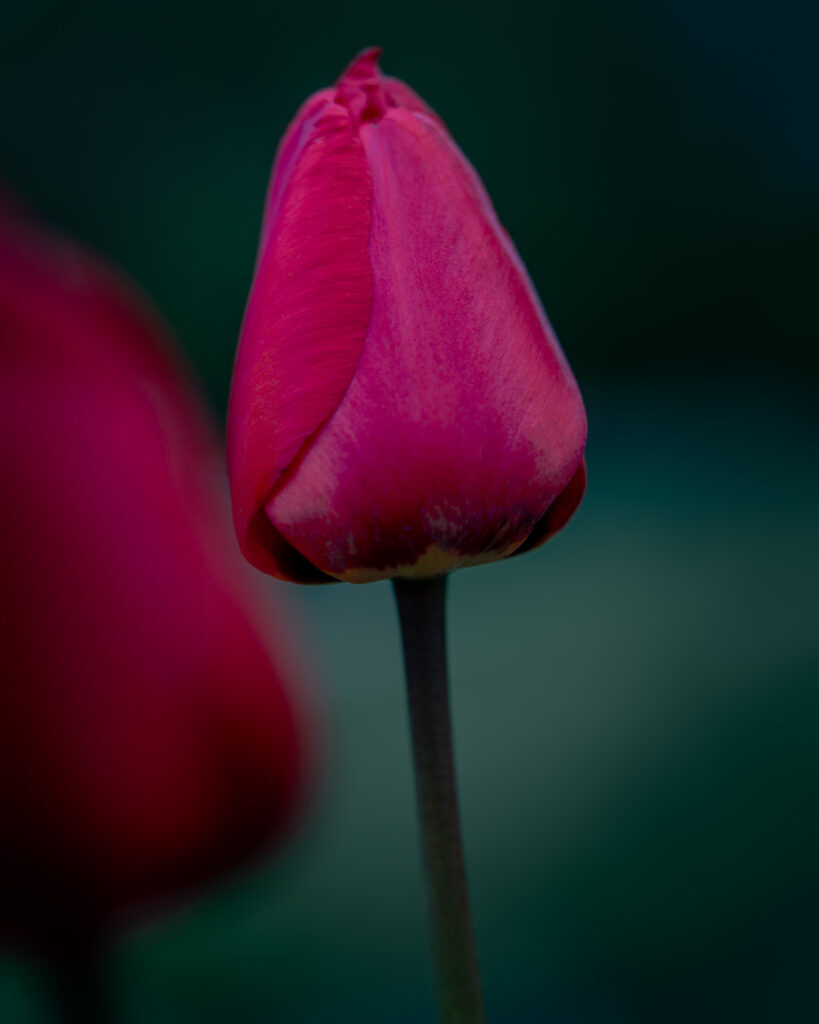
Public parks and historic estates often have spectacular spring flower displays. Landscaped lawns, tree-lined paths, and ornamental gardens create natural compositions.
Some excellent examples include:
- Parc de Sceaux near Paris
- Claude Monet’s Garden at Giverny
- Versailles Gardens
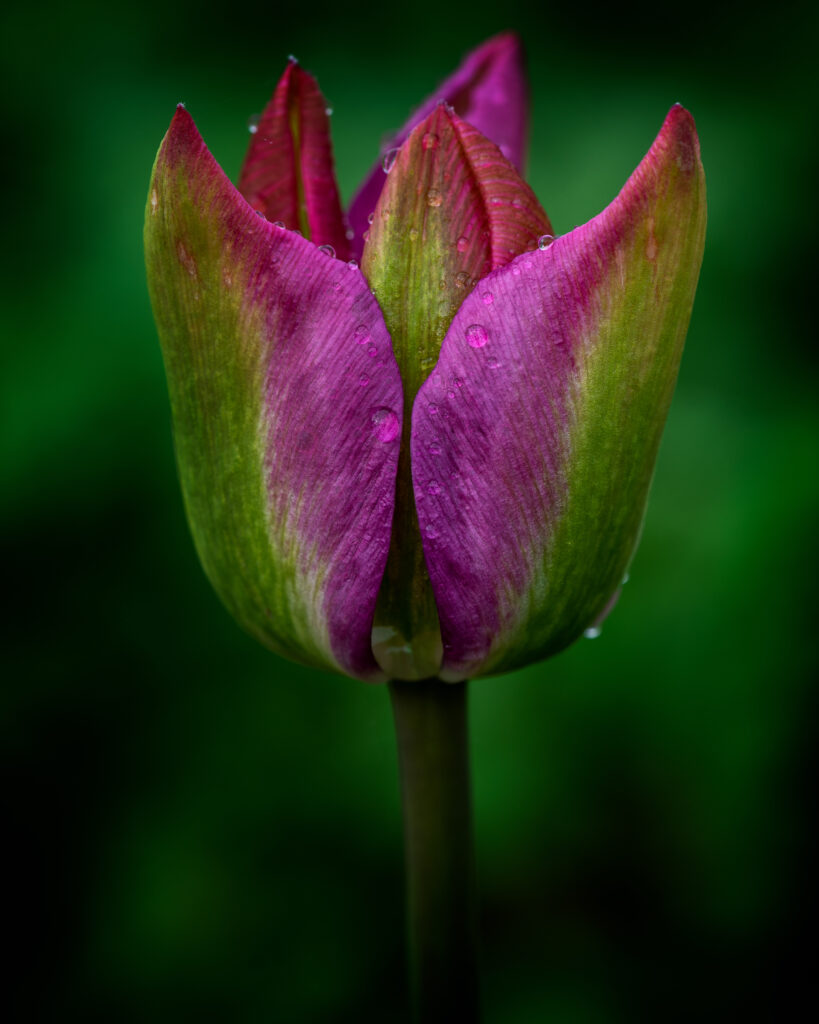
These locations combine architecture, landscaping, and flowers, which makes them perfect for storytelling photography.
Countryside Fields
Many farmers plant spring flower fields such as tulips, rapeseed, or poppies. These fields can create dramatic landscape photographs with strong color blocks and leading lines.
However, always respect private property and avoid stepping into planted rows. Shooting from paths or field edges is both respectful and often better for composition.
Urban Flower Displays
Cities also celebrate spring with colorful plantings in squares, boulevards, and riversides. Urban flowers allow you to combine nature with architecture, creating dynamic contrasts.
Paris, for example, offers incredible spring scenes along the Seine River and around historic landmarks.
When to Photograph Spring Flowers
Timing is everything when photographing spring flowers. Bloom periods can be surprisingly short, sometimes lasting only a couple of weeks.
Early Spring Blooms
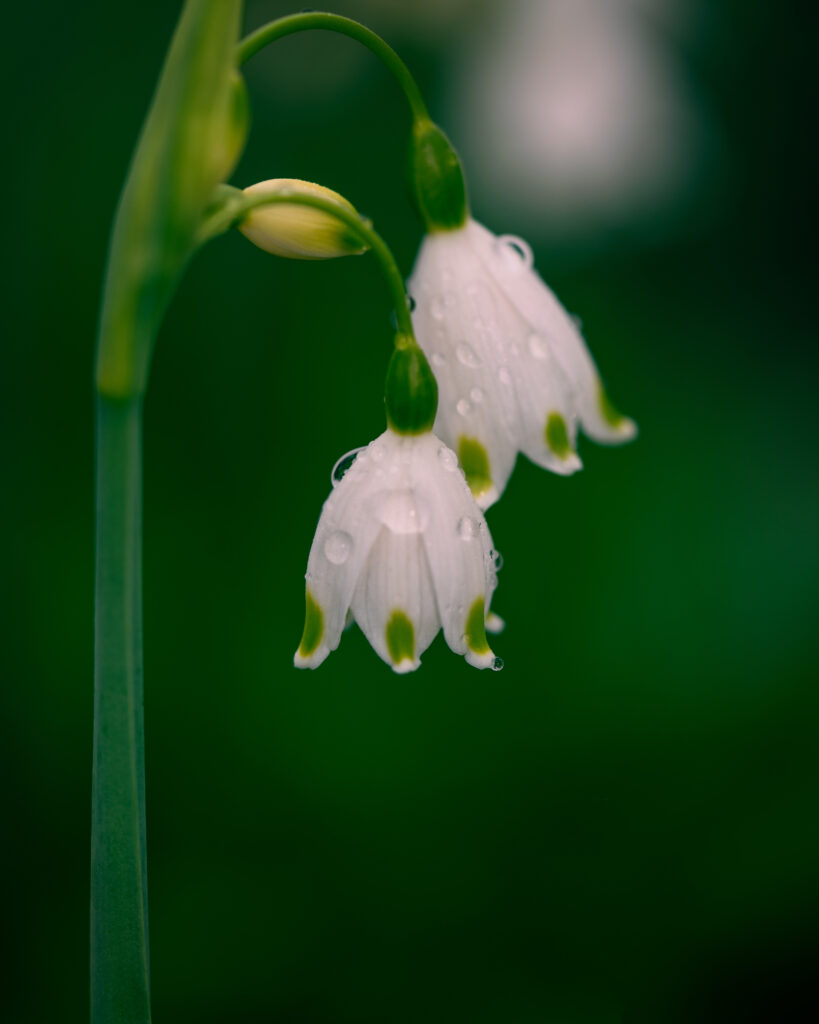
Early spring flowers often appear while temperatures are still cool. These species include:
- Snowdrops
- Crocuses
- Wood anemones
- Daffodils
These flowers often bloom between February and March depending on the climate.
Mid-Spring Blooms
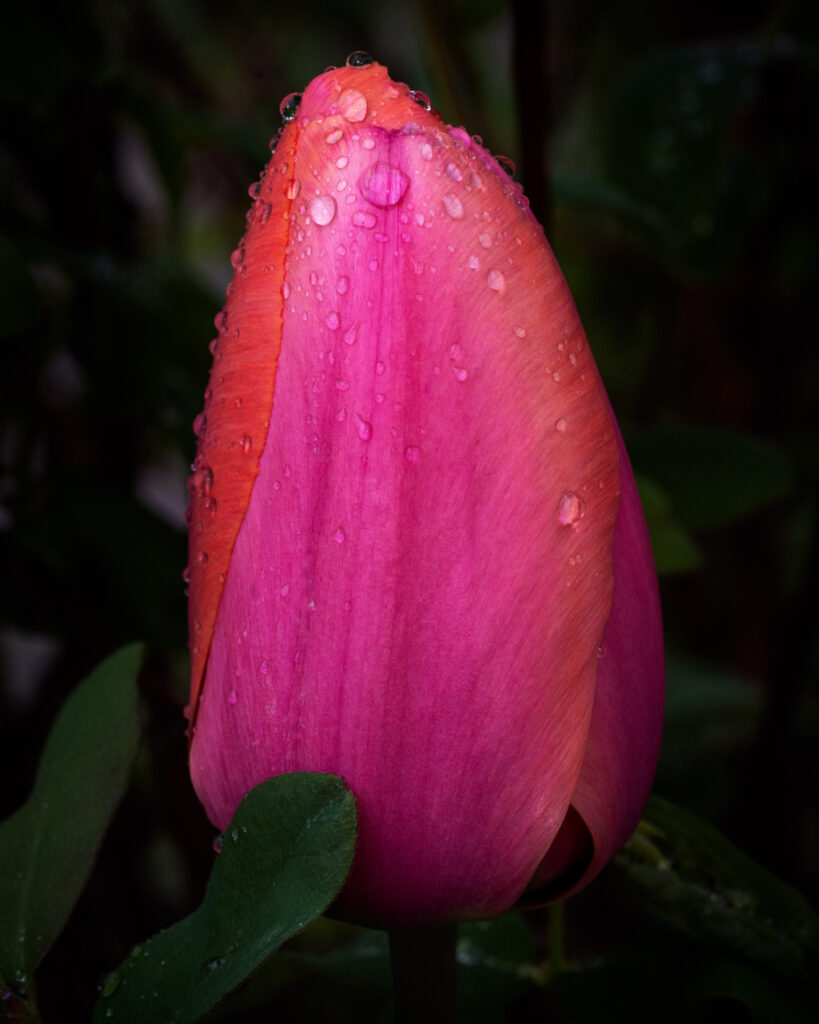
As temperatures warm, the most colorful displays appear.
Mid-spring flowers include:
- Tulips
- Cherry blossoms
- Magnolias
- Hyacinths
This period typically runs from late March through April.
Late Spring Flowers
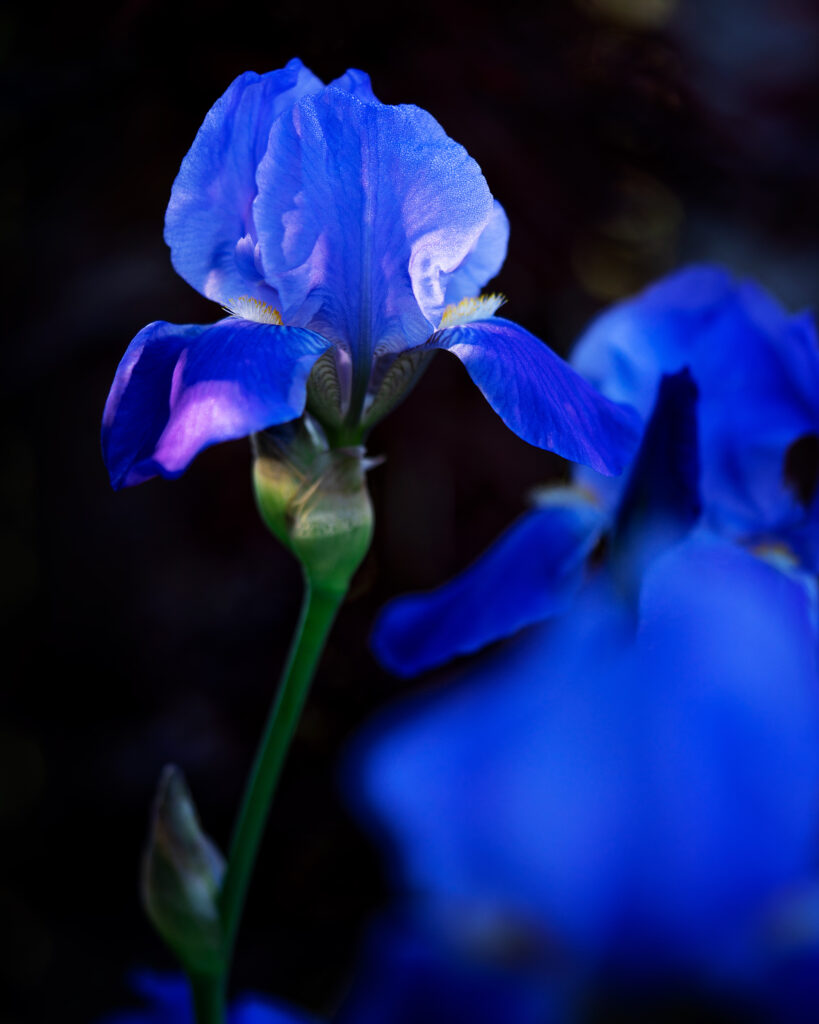
Late spring transitions toward early summer blooms.
Examples include:
- Peonies
- Irises
- Rhododendrons
These flowers often peak between May and early June.
The Importance of Monitoring Bloom Reports
If you’re planning travel photography around flowers, always check bloom forecasts. Botanical gardens and tourism boards frequently publish updates about bloom stages.
Flower photography often depends on being in the right place at the right time.
Best Weather and Conditions to Photograph Spring Flowers
Weather conditions can dramatically change the mood and quality of your images.
Soft Overcast Light
Cloudy skies are often ideal for flower photography. The clouds act like a giant diffuser, softening shadows and evenly illuminating delicate petals.
This type of light works especially well for:
- Macro photography
- Woodland flower carpets
- Colorful flower fields
Morning Light
Early morning is one of the best times to photograph flowers.
Benefits include:
- Calm wind conditions
- Soft golden light
- Dew drops on petals
- Fewer people in popular locations
Morning dew can add beautiful sparkle and detail to close-up images.
After Rain
Rain can dramatically enhance flower photography. Water droplets add texture and reflections while saturated petals become richer in color.
If the rain stops and sunlight breaks through, you may also capture atmospheric scenes with mist or backlit droplets.
Avoiding Wind
Wind is one of the biggest challenges when photographing flowers. Even a slight breeze can cause movement that ruins sharp macro shots.
Strategies include:
- Using natural windbreaks like hedges or trees
- Shooting early in the morning
- Increasing shutter speed
How to Photograph Spring Flowers
Great flower photography combines technical skill with creativity.
Start with Observation
Before taking a photo, spend time observing the flowers. Look for:
- Interesting shapes
- Unique colors
- Isolated blooms
- Patterns or clusters
Often the best compositions appear when you slow down and carefully explore a location.
Isolate Your Subject
A powerful technique is isolating a single flower against a blurred background.
Use:
- Wide apertures (f/2.8 – f/4)
- Longer focal lengths
- Clean backgrounds
This technique emphasizes delicate details and creates elegant images.
Capture Flower Groups
Sometimes the most dramatic photographs show many flowers together. Large clusters or carpets of flowers can create strong visual impact.
Look for:
- Repeating patterns
- Leading lines
- Color gradients
These compositions work well with wide-angle lenses.
Include Environmental Context
Environmental flower photography shows flowers within their surroundings.
Examples include:
- Tulips with windmills
- Cherry blossoms framing architecture
- Woodland flowers beneath tall trees
This approach helps tell a story about place.
Photography Composition
Strong composition transforms simple flower photos into compelling images.
Use Foreground Layers
Placing flowers in the foreground can add depth and dimension.
Try positioning the camera low to the ground so the flowers lead the viewer’s eye toward the background.
Leading Lines
Garden paths, rows of flowers, and tree-lined avenues can guide the viewer through the image.
Leading lines work particularly well in large flower fields.
Framing
Use branches, leaves, or other flowers to frame your subject. Natural framing adds depth and visual interest.
Rule of Thirds
Instead of placing flowers in the center, position them along the rule-of-thirds grid to create more dynamic compositions.
Light for Spring Flower Photography
Light plays a crucial role in revealing color, texture, and shape.
Backlighting
Backlighting can create glowing petals and luminous edges.
Position the sun behind the flower and expose carefully to avoid blown highlights.
This technique works beautifully with translucent petals like poppies and tulips.
Side Lighting
Side lighting reveals texture and depth. It emphasizes delicate details in petals and leaves.
Early morning and late afternoon sunlight often provides the best side lighting.
Soft Diffused Light
When photographing delicate flowers, soft diffused light often produces the most balanced results.
Cloudy skies or shaded gardens provide ideal conditions for capturing natural color.
Equipment Guide
You don’t need a huge amount of gear for flower photography, but certain tools can help improve your results.
Macro Lens
A macro lens allows you to capture extreme close-up detail in petals, pollen, and droplets.
Common focal lengths include:
- 90mm
- 100mm
- 105mm
These lenses provide excellent sharpness and background blur.
Telephoto Lens
Telephoto lenses help isolate flowers and compress backgrounds. They are also useful for photographing flowers in crowded gardens without stepping too close.
Wide-Angle Lens
Wide lenses allow you to capture dramatic environmental scenes, such as flower fields stretching toward the horizon.
They also work well when shooting low-angle perspectives with flowers in the foreground.
Tripod
A tripod helps stabilize your camera when shooting:
- Macro images
- Low-light conditions
- Focus stacking
However, when shooting in wind, handheld photography with faster shutter speeds may be more practical.
Polarizing Filter
A polarizer reduces glare on petals and enhances color saturation. It can also deepen blue skies in landscape flower photos.
Location Guide
Some destinations are particularly famous for spring flower photography.
Paris Gardens
Paris offers incredible opportunities to photograph flowers in historic settings.
Locations include:
- Luxembourg Gardens
- Tuileries Garden
- Parc Monceau
These parks combine flowers with elegant architecture and classic Parisian scenery.
Dutch Tulip Fields
The Netherlands becomes one of the most colorful places in the world during tulip season. Endless rows of vibrant flowers create spectacular aerial and ground-level compositions.
Japanese Cherry Blossoms
Spring cherry blossoms attract photographers from around the world. Parks and temples become covered in delicate pink petals during the short blooming season.
Alpine Meadows
Higher elevations experience spring later in the year. Alpine meadows can burst into bloom with wildflowers once the snow melts.
These locations offer dramatic mountain backdrops combined with colorful flowers.
Spring flower photography rewards patience, curiosity, and creativity. With the right timing, light, and techniques, you can capture images that truly celebrate the beauty of the season.
FAQs
When is the best time of day to photograph spring flowers?
The best time to photograph spring flowers is usually early morning. Morning offers several advantages for photographers:
- Soft, diffused light
- Calm wind conditions
- Dew drops on petals
- Fewer people in popular locations
Morning light creates gentle shadows and highlights that reveal texture without being too harsh. If you’re shooting in woodland environments or gardens, the low sun filtering through trees can produce beautiful atmosphere.
Late afternoon and golden hour can also be excellent, especially for backlighting flowers.
What camera settings work best for flower photography?
Camera settings will vary depending on the type of image you want to create, but some general guidelines include:
For close-up or macro shots
- Aperture: f/2.8 – f/5.6
- Shutter speed: 1/125 or faster
- ISO: As low as possible for clean images
For flower landscapes
- Aperture: f/8 – f/11
- Shutter speed: Adjust depending on light
- ISO: 100–200
A wider aperture helps isolate flowers from the background, while smaller apertures are useful for keeping entire flower fields sharp.
How do you keep flowers sharp in windy conditions?
Wind is one of the biggest challenges when photographing flowers. A few strategies can help:
- Shoot early in the morning when wind is minimal
- Use a faster shutter speed (1/500 or higher)
- Look for natural wind barriers such as trees or walls
- Photograph flowers growing close to the ground
Sometimes patience is the best technique — wait for brief moments when the wind pauses.
Do you need a macro lens for flower photography?
A macro lens is extremely useful but not essential.
Many beautiful flower images are captured using:
- Standard lenses (50mm)
- Telephoto lenses (70–200mm)
- Wide-angle lenses for environmental shots
Macro lenses simply allow you to capture fine details such as pollen, textures, and droplets.
What are the best flowers for spring photography?
Some of the most photogenic spring flowers include:
- Tulips
- Cherry blossoms
- Magnolias
- Daffodils
- Snowdrops
- Wood anemones
- Bluebells
- Crocuses
Each species offers different shapes, colors, and blooming periods, which makes spring an incredibly diverse season for photography.
Where are the best places to photograph spring flowers in Europe?
Europe offers many world-class flower photography destinations.
Some of the most famous include:
- Keukenhof Gardens in the Netherlands
- Claude Monet’s Garden at Giverny in France
- Parc de Sceaux near Paris
- Kew Gardens in London
These locations combine beautiful flower displays with scenic landscapes and architecture.
What weather conditions are best for photographing flowers?
The best conditions for flower photography are usually:
- Overcast skies for soft, even light
- Calm mornings with little wind
- Light rain that adds water droplets
Bright midday sun can be challenging because it creates harsh shadows and blown highlights on delicate petals.
Conclusion
Spring flower photography is one of the most rewarding genres of nature and travel photography. The season offers vibrant colors, delicate textures, and constantly changing landscapes as different flowers bloom throughout the months.
Whether you are photographing wildflowers in a quiet forest, tulip fields stretching across the countryside, or carefully designed gardens in historic cities, spring provides endless creative opportunities.
The key to great flower photography is patience and observation. Pay attention to light, weather, and composition. Arrive early, explore different perspectives, and experiment with both close-up and environmental images.
With the right timing and techniques, spring flowers can produce some of the most beautiful and memorable photographs of the year.
External Links
- Royal Horticultural Society – https://www.rhs.org.uk
- National Trust – https://www.nationaltrust.org.uk
- Keukenhof – https://keukenhof.nl
Pingback:Ultimate Guide to Photographing Snowdrops
Pingback:Ultimate Guide to Photographing Bluebells