
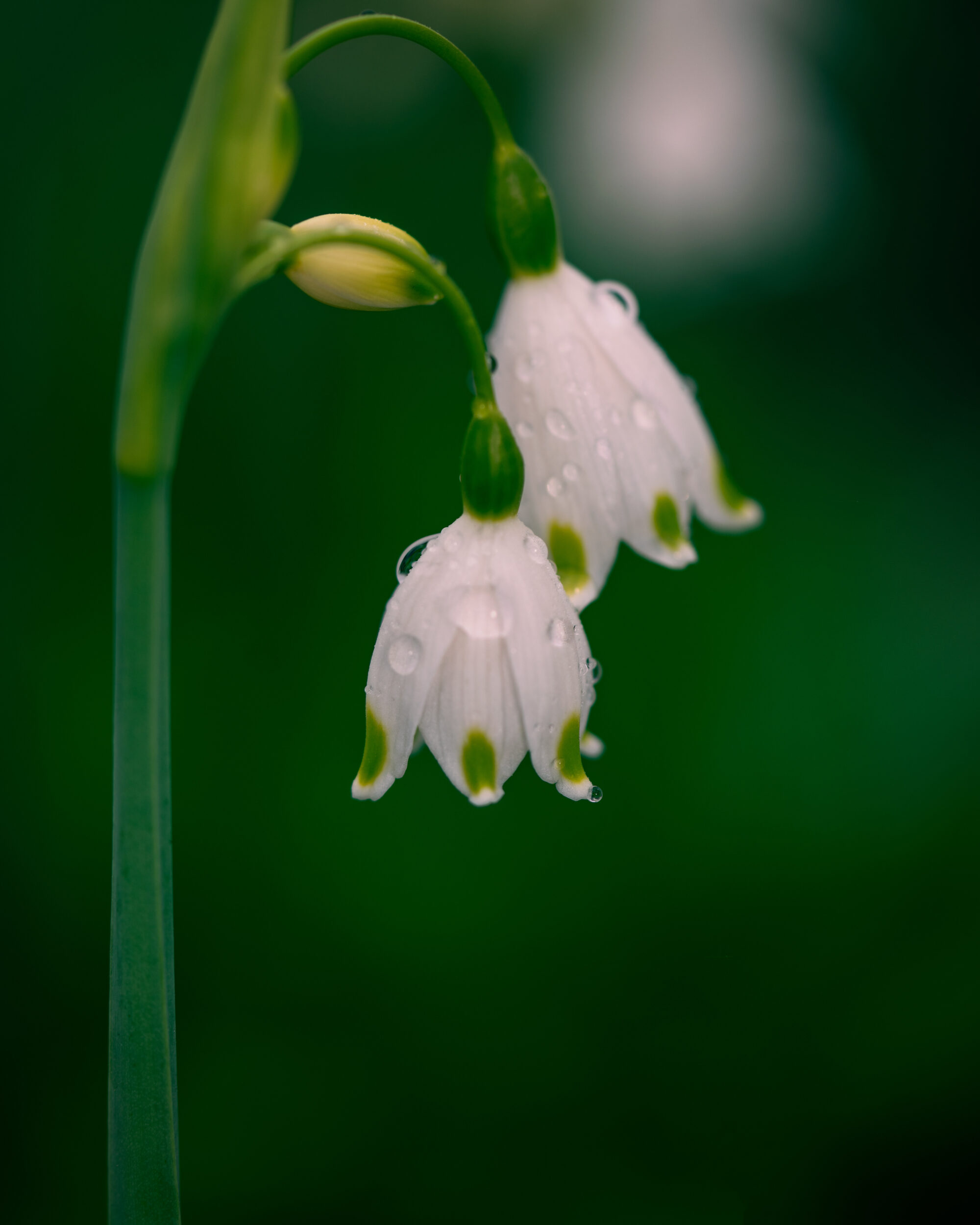
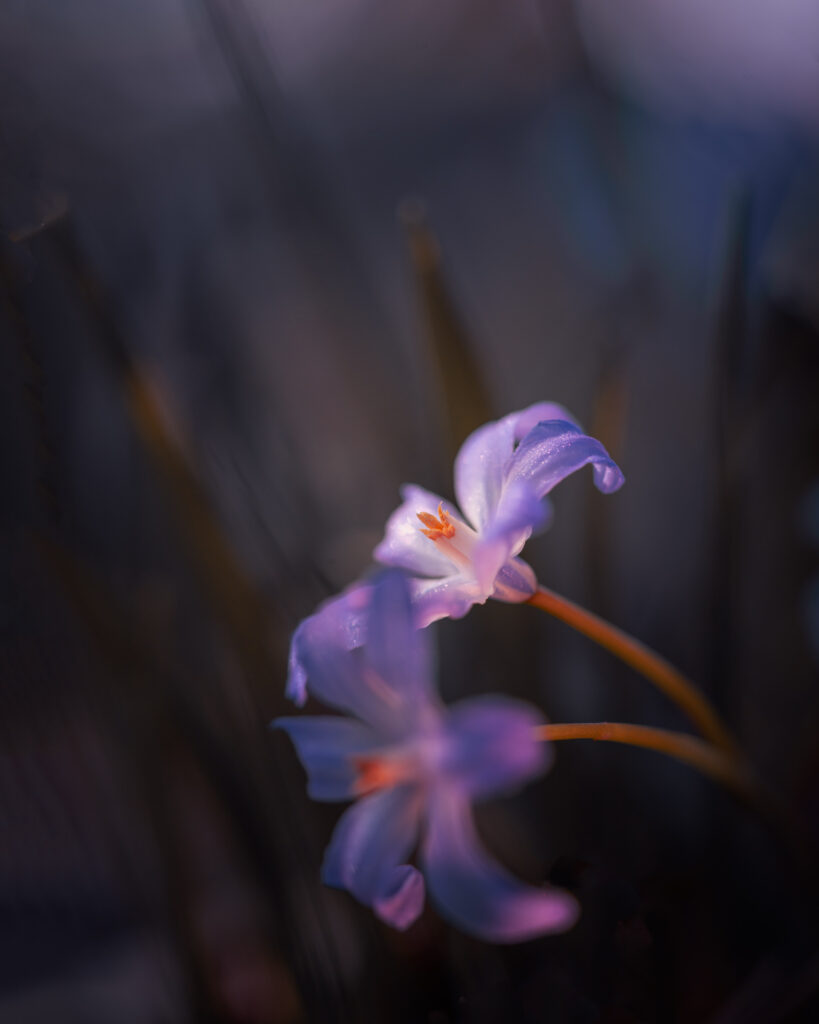
Early spring is one of the most exciting seasons for photographers. After months of grey winter light, the first flowers begin to appear — delicate, colorful, and full of life. These early blooms signal the changing season and provide incredible opportunities for nature and travel photography.
From quiet woodland carpets to elegant city gardens in Paris, early spring flowers offer endless creative possibilities. As a travel photographer, I always look forward to these first blossoms because they provide some of the most atmospheric and intimate images of the year.
In this guide, I’ll share how to find early spring flowers, the best conditions for photographing them, and the techniques that will help you capture stunning images. Whether you’re shooting snowdrops, crocuses, wood anemones, or early tulips, these tips will help you build a strong seasonal portfolio.
Where to Find Early Spring Flowers?
Early spring flowers appear in several different environments. Knowing where to look will dramatically increase your chances of finding photogenic blooms.
Woodland Floors
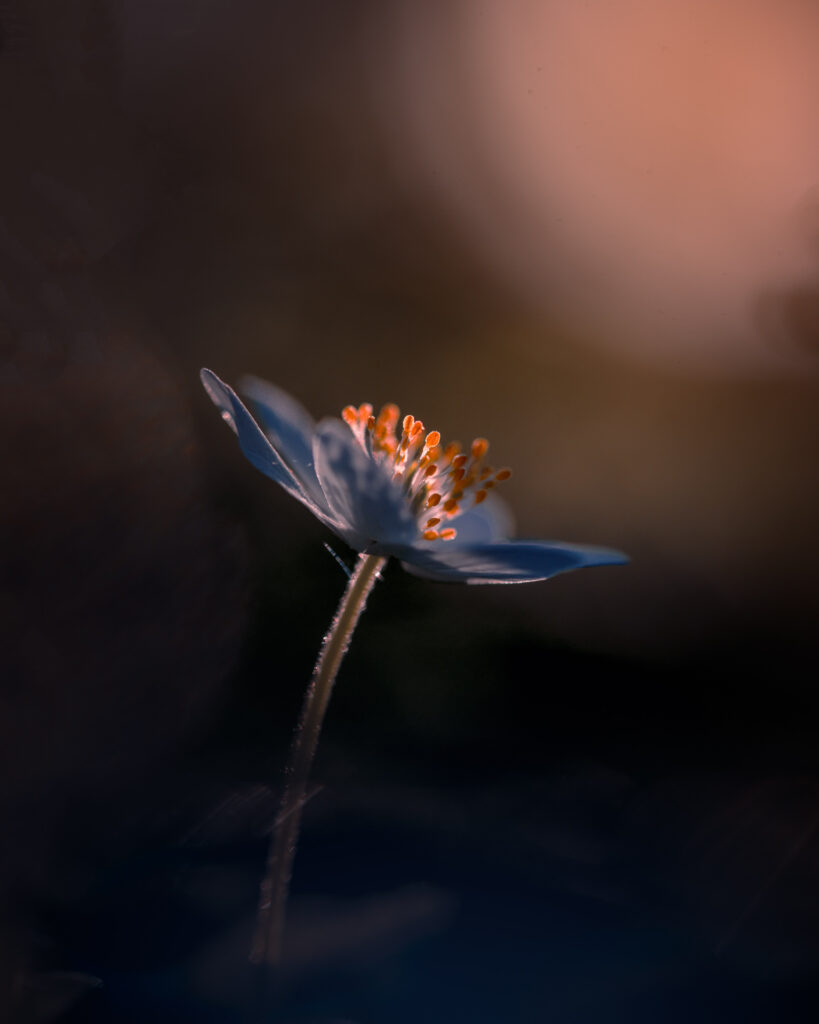
Many early spring flowers grow in deciduous woodlands where sunlight reaches the forest floor before tree leaves appear.
Some of the most beautiful woodland locations near Paris include:
- Bois de Vincennes
Google Maps: https://maps.google.com/?q=Bois+de+Vincennes+Paris - Bois de Boulogne
Google Maps: https://maps.google.com/?q=Bois+de+Boulogne+Paris - Forêt de Fontainebleau
Google Maps: https://maps.google.com/?q=Foret+de+Fontainebleau
These areas are excellent for photographing natural carpets of flowers like wood anemones and wild crocuses.
Botanical Gardens and City Parks
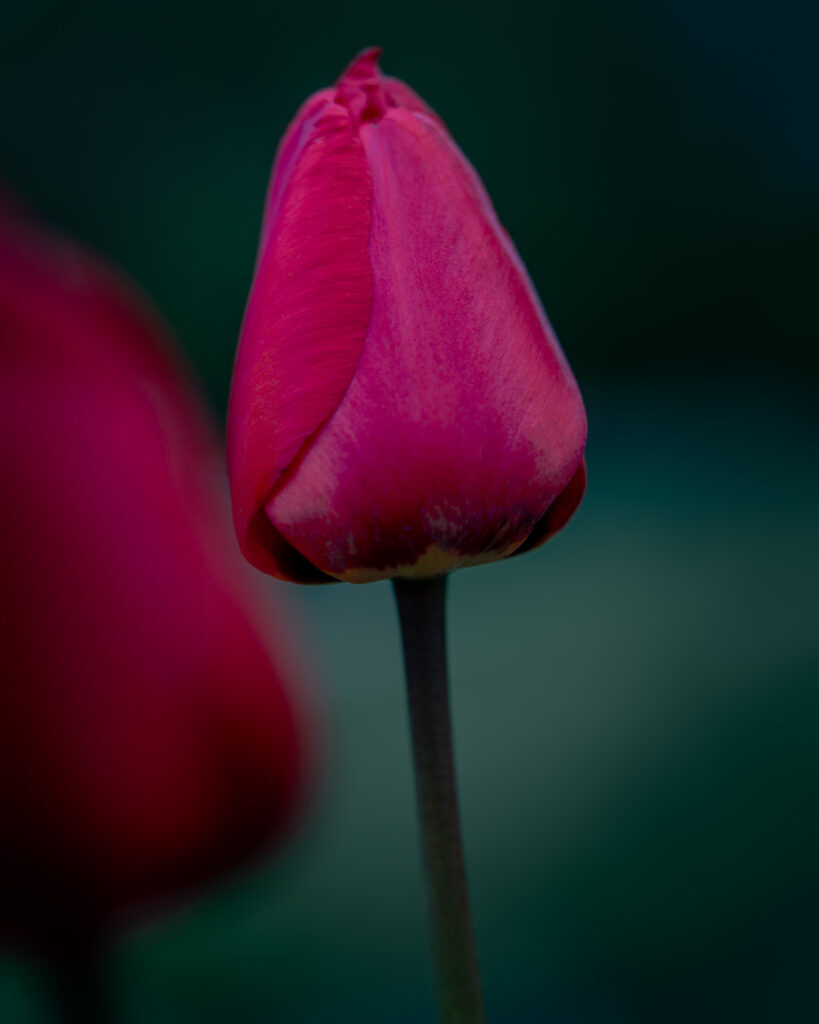
Formal gardens often plant early bloomers to create beautiful spring displays.
Some of the best gardens include:
- Jardin du Luxembourg
Google Maps: https://maps.google.com/?q=Jardin+du+Luxembourg+Paris - Jardin des Tuileries
Google Maps: https://maps.google.com/?q=Jardin+des+Tuileries+Paris - Parc de Bagatelle
Google Maps: https://maps.google.com/?q=Parc+de+Bagatelle+Paris
These locations offer structured flowerbeds, making composition easier for beginners.
Historic Estates and Gardens
Historic gardens often contain rare varieties and carefully designed seasonal plantings. Many estates across Europe open their gardens to visitors in early spring.
These spaces often offer:
- Large flower carpets
- Unique varieties
- Elegant backdrops like fountains or statues
When to Photograph Early Spring Flowers?
Timing is everything when photographing early bloomers.
Early spring flowers have relatively short flowering periods, sometimes lasting only a few weeks. Planning your visit around bloom timing dramatically improves your chances of capturing beautiful scenes.
Early Bloomers
The first flowers often appear in late winter or very early spring:
- Snowdrops – February to early March
- Crocuses – February to March
These flowers often appear while winter conditions still linger.
Mid-Spring Bloomers
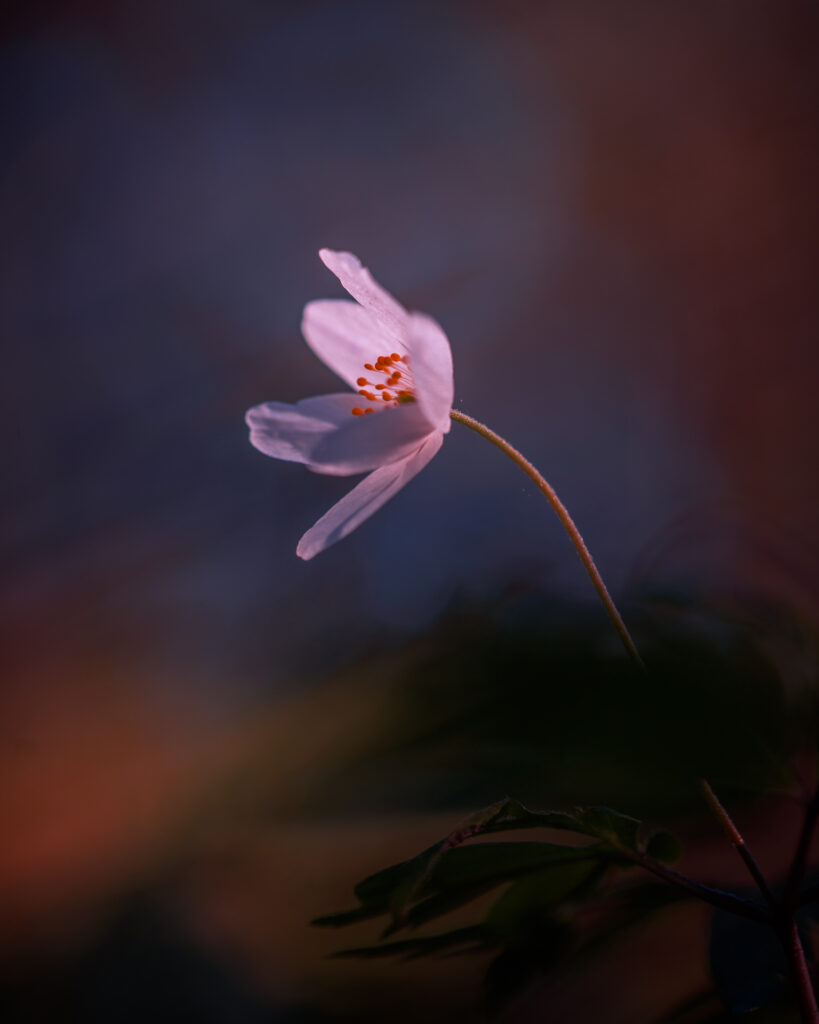
As temperatures rise, more species appear:
- Wood anemones – March to April
- Early daffodils – March to April
Woodlands can transform into stunning carpets during this period.
Late Early-Spring Flowers
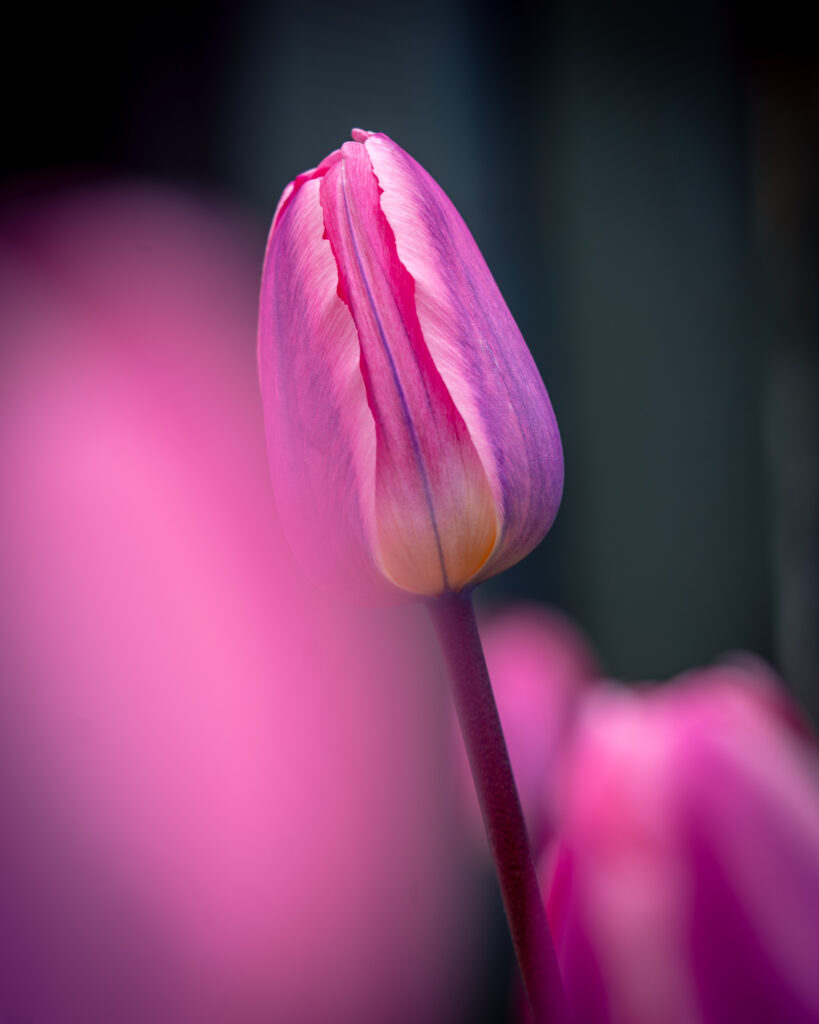
Toward mid-April and early May, larger garden blooms appear:
- Tulips
- Hyacinths
- Early cherry blossoms
This stage offers the richest colors and dramatic compositions.
Best Time of Day
Light matters more than almost anything else when photographing flowers.
Sunrise
Morning is usually the best time for flower photography.
Benefits include:
- Calm wind
- Soft light
- Dew on petals
- Fewer visitors in parks and gardens
Late Afternoon and Golden Hour
Late-day sunlight adds warmth and depth to flower photographs. This works particularly well with yellow and orange blooms.
Overcast Days
Cloud cover acts like a giant softbox, providing:
- Even light
- Rich color saturation
- Minimal harsh shadows
Overcast conditions are ideal for macro photography.
Best Weather and Conditions to Photograph Early Spring Flowers
Weather conditions significantly influence flower photography results.
Soft Sunlight
Gentle sunlight filtering through trees can produce magical images, especially in woodland environments.
Look for:
- Backlit petals
- Light beams through trees
- Warm highlights
Morning Dew
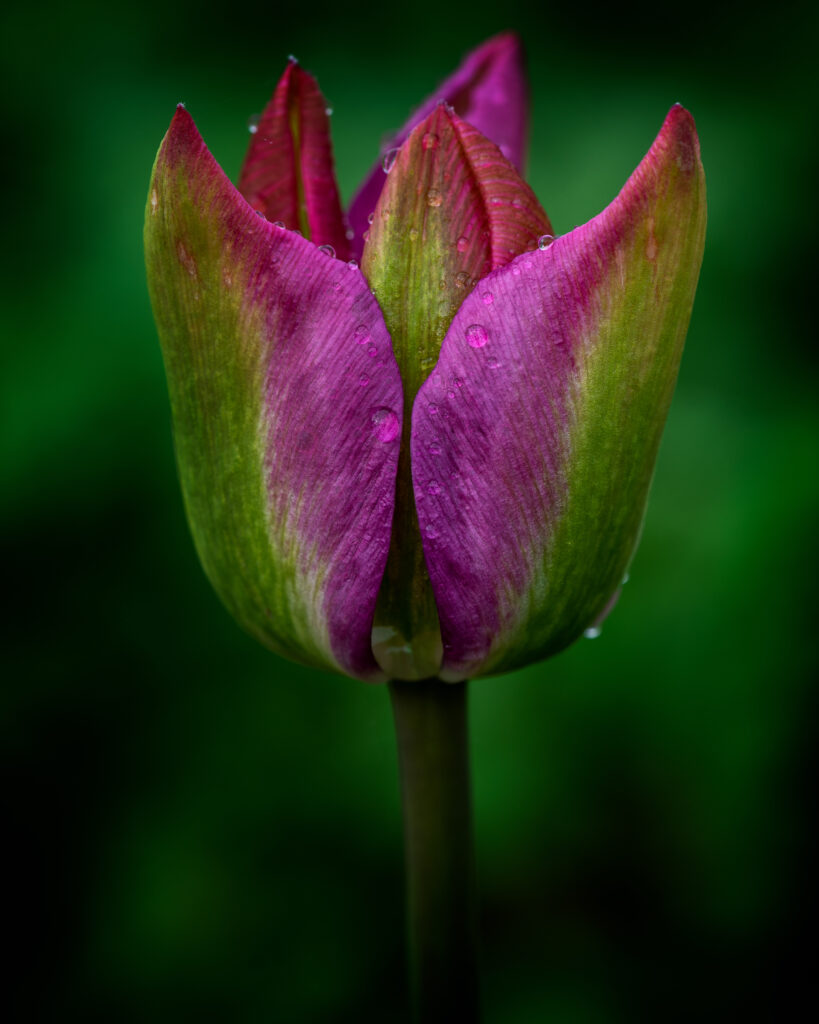
Morning dew can transform simple flowers into stunning macro subjects.
Water droplets create:
- Texture
- Reflections
- Light sparkle
Arrive shortly after sunrise to capture dew before it evaporates.
Mist and Fog
Foggy mornings add depth and atmosphere to landscapes filled with flowers.
This works especially well in woodland environments such as:
- Forêt de Fontainebleau
Mist creates soft backgrounds and dreamy compositions.
Avoid Strong Wind
Early spring flowers are delicate and move easily in wind.
To improve sharpness:
- Shoot early in the morning
- Increase shutter speed
- Use a tripod when possible
Even a light breeze can blur macro images.
How to Photograph Early Spring Flowers
There are several creative approaches to photographing spring flowers.
Single Flower Portraits
Focusing on one flower creates simple, elegant compositions.
Tips:
- Use a wide aperture (f/2.8–f/4)
- Choose a clean background
- Shoot at flower level
This style works well for snowdrops, crocuses, and tulips.
Flower Carpets
Woodland carpets are one of the most magical spring photography scenes.
Tips for photographing carpets:
- Use a slightly elevated perspective
- Include tree trunks for scale
- Shoot during soft light
Forests like Bois de Vincennes often provide beautiful spring carpets.
Macro Detail Shots
Macro photography allows you to capture:
- Petal texture
- Water droplets
- Flower centers
These images highlight details often missed by the naked eye.
Environmental Flower Photography
Instead of isolating flowers, include the surrounding environment.
This approach creates storytelling images showing:
- Gardens
- Forests
- Architecture
In places like Jardin des Tuileries, this technique works beautifully with historic backgrounds.
Photography Composition
Strong composition turns simple flower photos into powerful images.
Shoot Low
One of the most common mistakes is photographing flowers from above.
Instead:
- Get down to flower level
- Use a tilting screen if available
- Lie on the ground if necessary
Low angles create depth and intimacy.
Use Natural Framing
Trees, leaves, and branches can frame flowers beautifully.
Woodland environments offer excellent natural framing opportunities.
Use Layers
Create depth by including:
- Foreground flowers
- A sharp subject in the middle
- Soft background elements
Layering creates a more immersive image.
Look for Color Contrast
Color contrast makes flower images more dynamic.
Examples include:
- Purple crocus against green grass
- White flowers against dark soil
- Yellow daffodils against blue skies
Light for Early Spring Flower Photography
Light determines the mood of your images.
Backlighting
Backlighting creates glowing petals and soft halos around flowers.
To capture backlighting:
- Position the sun behind the flower
- Slightly underexpose
- Use a lens hood to reduce flare
Side Lighting
Side light emphasizes texture and petal structure.
This works particularly well with larger flowers like tulips and daffodils.
Diffused Light
Cloudy skies create soft, even lighting that preserves flower colors and delicate details.
This is ideal for macro photography.
Equipment Guide
You don’t need complicated gear to photograph spring flowers.
Camera
Any modern mirrorless or DSLR camera with good dynamic range will perform well.
Lenses
Different lenses create different styles of images.
Macro lens (90–105mm)
Best for close-up flower details.
50mm prime lens
Great for natural-looking compositions.
70–200mm telephoto lens
Perfect for layered woodland scenes and background compression.
Wide-angle lens (16–35mm)
Excellent for landscapes and flower fields.
Tripod
A tripod helps in several situations:
- Low light conditions
- Macro photography
- Focus stacking
It also allows more precise composition.
Accessories
Helpful accessories include:
- Knee pads for low shooting angles
- Lens cloth for dew or rain
- Polarizing filter to reduce glare
These small items make flower photography more comfortable and effective.
Location Guide
Some excellent early spring flower photography locations include:
Paris
- Jardin du Luxembourg
- Jardin des Tuileries
- Parc de Bagatelle
Forests Near Paris
- Bois de Vincennes
- Bois de Boulogne
- Forêt de Fontainebleau
These locations provide a wide variety of spring flowers and excellent photography opportunities.
Early spring flowers are fleeting but incredibly rewarding to photograph. With careful timing, attention to light, and thoughtful composition, you can create images that capture the quiet beauty of the season.
FAQs
When do early spring flowers start blooming?
Early spring flowers usually begin appearing between February and March in much of Europe. Around Paris, snowdrops and crocuses often bloom as early as late February, followed by wood anemones, daffodils, and early tulips through April.
Bloom timing varies every year depending on winter temperatures.
What are the most common early spring flowers to photograph?
Some of the most photogenic early spring flowers include:
- Snowdrops
- Crocuses
- Wood anemones
- Daffodils
- Tulips
- Hyacinths
Each species offers unique shapes, colors, and photographic opportunities.
What time of day is best for flower photography?
Sunrise is usually the best time.
Benefits include:
- Soft golden light
- Calm wind conditions
- Morning dew
- Empty gardens and parks
This combination makes early morning perfect for detailed flower photography.
Is cloudy weather good for flower photography?
Yes, overcast skies are excellent for photographing flowers.
Clouds act like a natural softbox, creating:
- Even lighting
- Rich color saturation
- Minimal shadows
These conditions are especially helpful for macro photography.
What camera settings work best for flowers?
Typical settings include:
- Aperture: f/2.8–f/5.6 for individual flowers
- Aperture: f/8–f/11 for flower fields or gardens
- ISO: 100–200
- Shutter speed: at least 1/200 in windy conditions
Always shoot in RAW for the most editing flexibility.
Do I need a macro lens?
A macro lens is helpful but not required.
Many beautiful flower photos are taken with:
- 50mm prime lenses
- 85mm portrait lenses
- 70–200mm telephoto lenses
A macro lens simply allows closer focusing and more detail.
How do I avoid blurry flower photos?
Flowers often move in the wind.
To improve sharpness:
- Shoot early when wind is minimal
- Increase shutter speed
- Use burst mode
- Stabilize your camera with a tripod
Even a light breeze can cause motion blur in macro shots.
Where are the best places to photograph spring flowers in Paris?
Some of the best locations include:
- Jardin du Luxembourg
https://maps.google.com/?q=Jardin+du+Luxembourg+Paris - Jardin des Tuileries
https://maps.google.com/?q=Jardin+des+Tuileries+Paris - Parc de Bagatelle
https://maps.google.com/?q=Parc+de+Bagatelle+Paris
These gardens plant beautiful spring flower displays every year.
Where can I find natural woodland flowers near Paris?
Natural carpets of spring flowers often appear in:
- Bois de Vincennes
- Bois de Boulogne
- Forêt de Fontainebleau
These forests provide excellent opportunities for atmospheric woodland photography.
How can I create professional-looking flower photos?
Focus on three things:
- Clean backgrounds
- Soft natural lighting
- Strong composition
Avoid cluttered scenes and distracting elements.
Should I photograph flowers from above?
Usually not.
Flower photos look more immersive when taken at flower level. Shooting low creates a stronger connection between the viewer and the subject.
Is backlighting good for flower photography?
Backlighting can produce stunning results.
It creates:
- Glowing petals
- Soft halos around flowers
- Beautiful translucency
Slightly underexpose to avoid blown highlights.
Can I photograph flowers after rain?
Rain often improves flower photography.
Water droplets add:
- Texture
- Reflection highlights
- Extra detail
Cloudy rainy weather also softens the light.
What focal length is best for flower photography?
Different lenses work for different styles.
- 100mm macro for close details
- 50mm for natural perspective
- 70–200mm for compression and background blur
- 16–35mm for landscapes and flower fields
Using multiple lenses gives your portfolio variety.
Are early spring flowers good for beginners?
Yes. Early spring flowers are excellent practice subjects.
They help photographers learn:
- Composition
- Lighting control
- Depth of field
- Background management
How long does early spring flower season last?
The season typically lasts six to eight weeks depending on climate.
Different flowers bloom at different times, allowing photographers to capture a variety of species throughout the season.
What editing style works best for flower photography?
Keep editing natural.
Recommended adjustments include:
- Slight contrast increase
- Gentle highlight recovery
- Natural color balance
Avoid extreme saturation or heavy clarity.
Should I include landscapes with flowers?
Yes, environmental images can tell stronger stories.
Including gardens, forests, or city backdrops around flowers creates a sense of place.
Locations like Jardin des Tuileries are perfect for this approach.
What are common mistakes in flower photography?
Common mistakes include:
- Shooting from standing height
- Ignoring backgrounds
- Over-saturating colors in editing
- Photographing in harsh midday sunlight
Improving these areas can dramatically improve your images.
How do I make flower photos more creative?
Try experimenting with:
- Extreme close-ups
- Backlighting
- Wide-angle flower landscapes
- Foreground framing with other flowers
Creativity often comes from exploring different perspectives.
Conclusion
Photographing early spring flowers is one of the most rewarding ways to reconnect with nature after winter. The season brings delicate colors, fresh textures, and soft light that create beautiful photographic opportunities.
From the quiet woodland carpets of Forêt de Fontainebleau to the elegant gardens of Paris, early spring flowers offer incredible variety for photographers. Whether you are capturing tiny snowdrops, vibrant crocuses, or structured tulip displays, each bloom provides a chance to experiment with composition, lighting, and perspective.
The key to successful flower photography lies in patience and observation. Arriving early in the morning allows you to take advantage of calm winds, soft light, and dew-covered petals. Shooting from low angles helps create immersive images, while careful attention to background and color contrast keeps compositions clean and powerful.
Early spring also encourages creativity. You can capture intimate macro details, sweeping woodland flower carpets, or environmental images that show flowers within gardens and landscapes. By experimenting with different lenses and perspectives, you can create a diverse and compelling photography portfolio.
Most importantly, remember that early spring flowers are fleeting. Their beauty lasts only a few weeks, which makes each opportunity to photograph them special. Take your time, explore new locations, and enjoy the quiet atmosphere of early spring mornings.
With thoughtful composition, soft natural light, and careful timing, you can create stunning images that celebrate the arrival of spring and the beauty of nature awakening after winter.
Related Internal Pages
Explore more photography guides and travel inspiration:
- https://frewaphoto.com/ultimate-guide-to-visit-lisbon-lisboa-portugal/
- Ultimate Guide to Garden Photography in Paris
- Paris Rain Photography Guide
- Paris Night Photography Guide
- One Week in Paris Photography Guide
These guides help you expand your travel and seasonal photography skills.
External Links
Helpful resources for planning flower photography trips:
- https://www.rhs.org.uk – Royal Horticultural Society flower guides
- https://meteofrance.com – Weather forecasts in France
- https://www.timeout.com/paris – Seasonal events and park updates
- https://www.parisinfo.com – Official Paris tourism site
- https://www.kew.org – Botanical research and plant information