
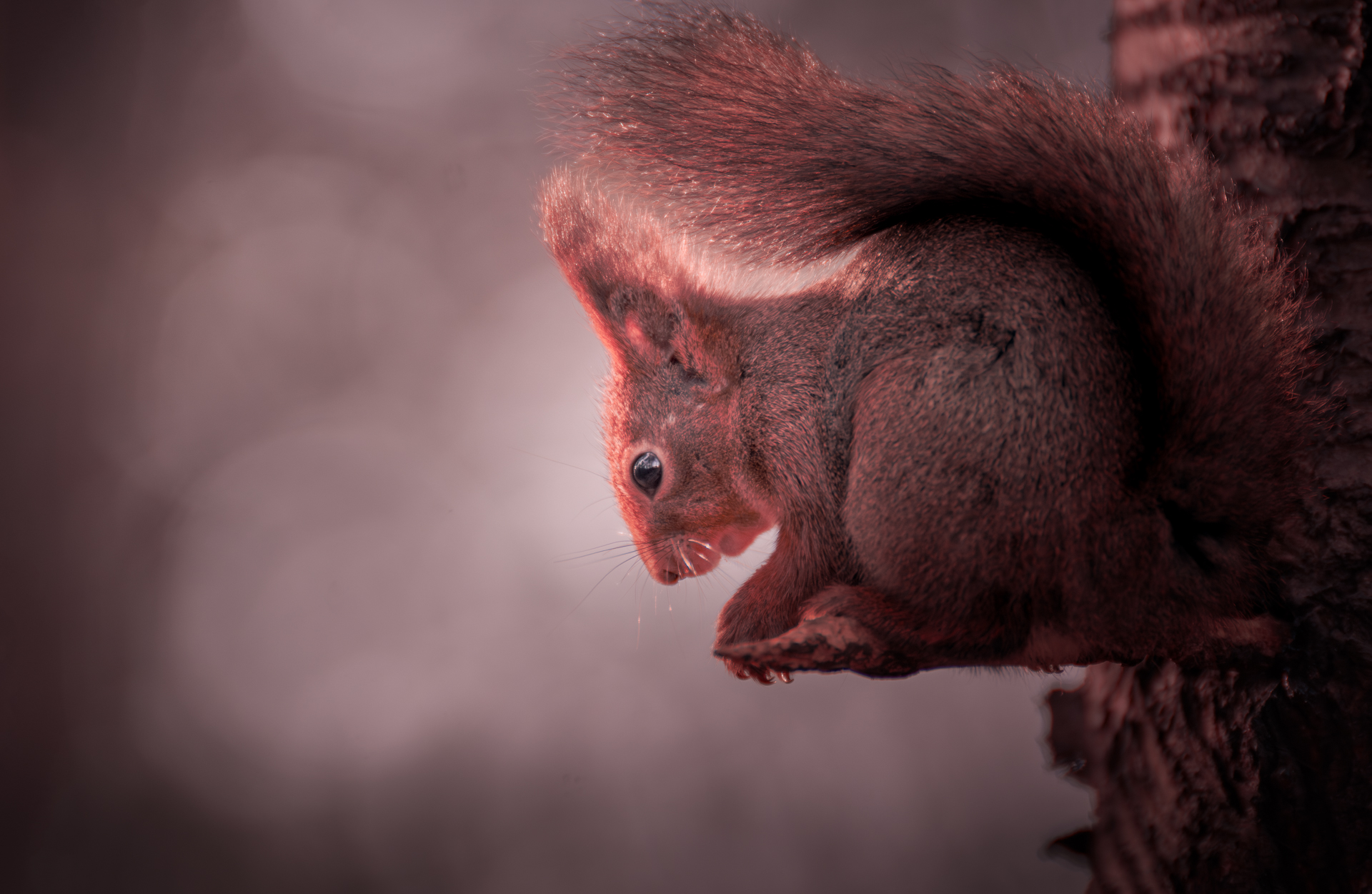
Techniques, Locations, Gear & Field Craft for Natural, Eye-Level Wildlife Images
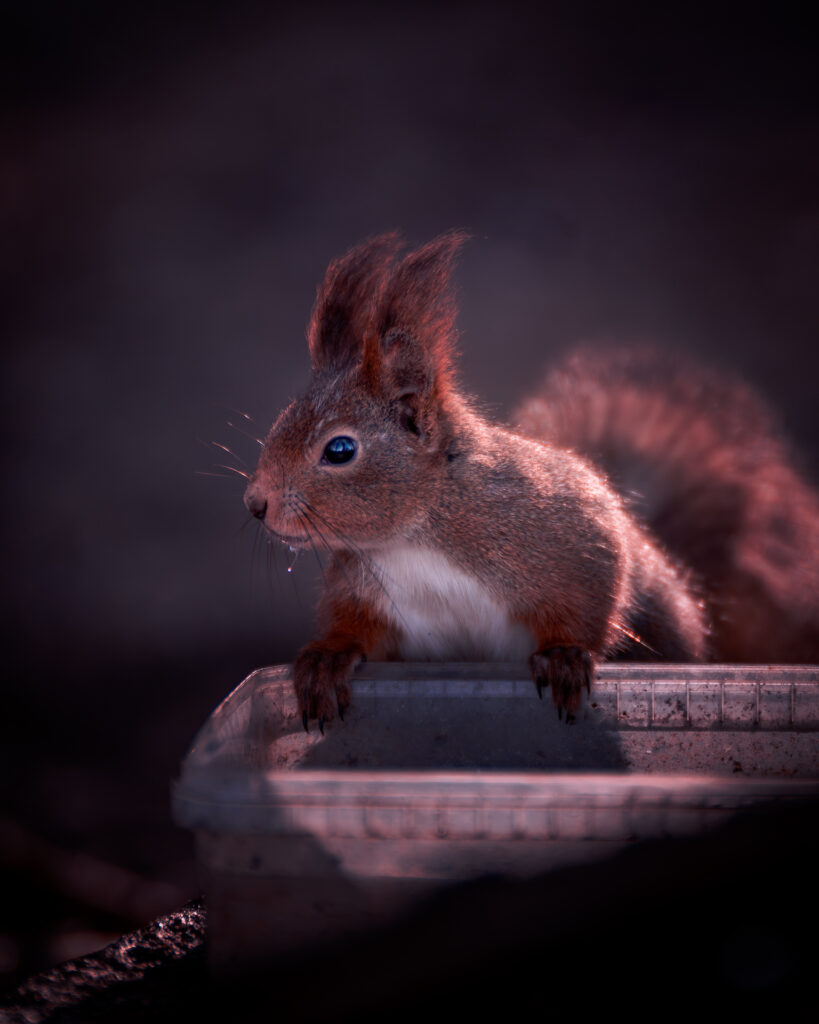
Squirrels are among the most accessible wildlife subjects in the world — yet truly compelling squirrel photographs are surprisingly rare. While they’re common in parks, forests, and even cities, photographing squirrels well requires patience, understanding behavior, mastering light at ground level, and learning how to work with small, fast-moving mammals.
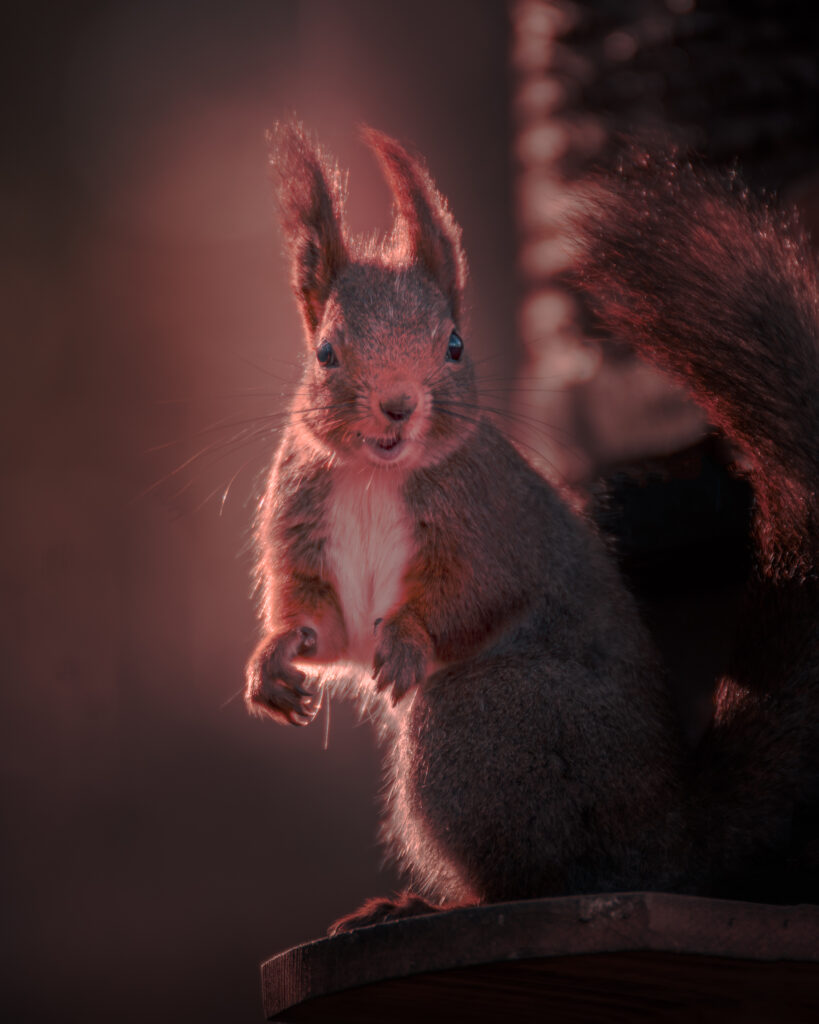
This ultimate guide covers everything you need to know to photograph squirrels, whether you’re shooting in urban parks, deep forests, or snowy winter landscapes. From camera settings and lenses to ethical field craft and seasonal behavior, this is a complete resource for creating professional-level squirrel images.
Why Photograph Squirrels?
Squirrels are ideal wildlife photography subjects because they offer:
- Year-round availability
- Expressive behavior and body language
- Action, portrait, and environmental compositions
- Opportunities to practice wildlife techniques close to home
They are also perfect subjects for learning anticipation, timing, and storytelling — skills that translate directly to larger and rarer wildlife.
Understanding Squirrel Behavior (The Key to Better Photos)
Great squirrel photography starts with behavior, not gear.
Common Squirrel Species to Photograph
- Red squirrel (Europe)
- Grey squirrel (Europe & North America)
- Fox squirrel (North America)
- Eurasian red squirrel (forest environments)
Each species behaves slightly differently, but they share common patterns.
Daily Activity Patterns
- Most active early morning and late afternoon
- Midday often spent resting
- Feeding peaks before weather changes
Behavioral Cues to Watch For
- Tail flicking = alert or stressed
- Upright posture = awareness of surroundings
- Pausing with food = portrait opportunity
- Repeated routes between trees = predictable movement
Learning these patterns allows you to pre-focus, pre-compose, and wait.
Best Locations to Photograph Squirrels
Urban Parks
- Very approachable subjects
- Ideal for beginners
- Clean backgrounds possible with careful positioning
Botanical Gardens & Arboretums
- Beautiful seasonal colors
- Controlled environments
- Excellent light and backgrounds
Forests & Woodland Trails
- More natural behavior
- Less human interaction
- Requires patience and stealth
Suburban Green Areas
- Often overlooked
- Surprisingly calm squirrels
- Good balance between wild and approachable
Best Seasons for Squirrel Photography
Spring
- Energetic behavior
- Nest building
- Fresh foliage for backgrounds
Summer
- Feeding young
- Long active periods
- Lush but sometimes cluttered backgrounds
Autumn (Best Season)
- Food caching behavior
- Nuts, mushrooms, berries
- Rich colors and storytelling opportunities
Winter
- Clean backgrounds
- Snow interaction shots
- Red squirrels stand out beautifully against white
Winter is often the most rewarding season for squirrel photography.
Light: The Difference Between Snapshots and Art
Best Light Conditions
- Early morning side light
- Overcast days for soft fur detail
- Backlight for glowing fur edges
Avoid
- Harsh midday sun
- Patchy light on fur
- Strong top-down shadows
Position yourself so the squirrel is between you and the light, not above it.
Camera Settings for Squirrel Photography
Shutter Speed
- Minimum: 1/800s
- Action shots: 1/1600–1/2500s
Aperture
- f/4–f/5.6 for subject isolation
- f/7.1–f/8 for environmental shots
ISO
- Let ISO float
- Grain is better than motion blur
Autofocus
- Continuous AF (AF-C / AI Servo)
- Small tracking zone
- Eye detection if reliable
Lenses for Squirrel Photography
Best Focal Lengths
- 200–300mm: Ideal for parks
- 300–400mm: Forests and shy squirrels
- 70–200mm: Environmental storytelling
You don’t need extreme telephoto lenses — squirrels often allow closer distances than birds.
Composition Techniques That Elevate Your Images
Shoot at Eye Level
This is the single most important rule. Get low.
Use Natural Frames
- Tree trunks
- Branch arches
- Foreground leaves
Leave Space for Movement
Anticipate jumps and direction changes.
Focus on the Eyes
Sharp eyes make the image work — everything else is secondary.
Capturing Action: Jumps, Chases & Feeding
Action shots require anticipation.
Tips
- Watch repeated routes
- Pre-focus on landing points
- Use burst mode sparingly
- Shoot sequences, not single frames
Feeding moments often produce the best storytelling images.
Background Control (Critical for Squirrel Photography)
Messy backgrounds ruin squirrel photos more than any technical mistake.
How to Improve Backgrounds
- Move your feet, not your zoom
- Lower your shooting angle
- Increase distance between subject and background
- Shoot through foreground elements
Clean backgrounds turn common subjects into portfolio images.
Winter Squirrel Photography Tips
Winter is exceptional for squirrel photography.
Advantages
- Snow simplifies backgrounds
- Slower movements
- Strong contrast for red squirrels
Challenges
- Cold drains batteries
- Limited daylight
- Condensation issues
Carry spare batteries and protect gear during temperature changes.
Ethical Considerations & Field Craft
Responsible wildlife photography matters.
Do:
- Respect natural behavior
- Keep distance when stressed
- Photograph feeding, not provoke it
Avoid:
- Chasing squirrels
- Blocking escape routes
- Excessive baiting
Natural behavior always produces stronger images than forced interactions.
Storytelling Through Squirrel Photography
Think beyond single frames.
Story Ideas
- Food gathering sequence
- Seasonal survival
- Interaction with environment
- Weather response
Series-based storytelling performs exceptionally well online and in print.
Editing Squirrel Photos
Key Editing Focus
- Eye sharpness
- Fur texture
- Natural colors
- Subtle background darkening
Avoid over-sharpening fur — it quickly looks artificial.
Common Mistakes to Avoid
- Shooting from standing height
- Over-cluttered backgrounds
- Missed focus on eyes
- Too tight crops
- Ignoring light direction
Fixing these alone dramatically improves results.
Related Photography Guides
- Ultimate Guide to Winter Macro Photography
https://frewaphoto.com/ultimate-guide-winter-macro-photography/ - Best Forests to Visit in Sweden
https://frewaphoto.com/best-forests-sweden/ - Nordic Wildlife Photography Guide
https://frewaphoto.com/nordic-wildlife-photography-guide/ - Best Nature Reserves in Sweden
https://frewaphoto.com/nature-reserves-sweden/
FAQ – Squirrel Photography
What is the best lens for squirrel photography?
A 200–300mm lens is ideal for most situations.
Are squirrels good beginner wildlife subjects?
Yes, they are among the best for learning wildlife photography skills.
Is winter good for squirrel photography?
Yes — winter offers cleaner backgrounds and slower behavior.
Do squirrels get used to photographers?
In parks, yes — but always respect boundaries.
Should I use bait?
Natural food sources are preferable to avoid altering behavior.
What time of day is best?
Early morning and late afternoon.
Can I photograph squirrels in cities?
Absolutely — urban parks often provide excellent opportunities.
Do I need camouflage?
Neutral clothing is usually enough.
Are squirrels active in cold weather?
Yes, especially red squirrels.
What makes a great squirrel photo?
Eye contact, clean background, and expressive behavior.
Conclusion
Squirrel photography is one of the most rewarding forms of accessible wildlife photography. It teaches patience, observation, light control, and composition — all while allowing you to practice close to home. By focusing on behavior, light, and storytelling rather than rarity, squirrels can become one of the strongest subjects in your wildlife portfolio.