
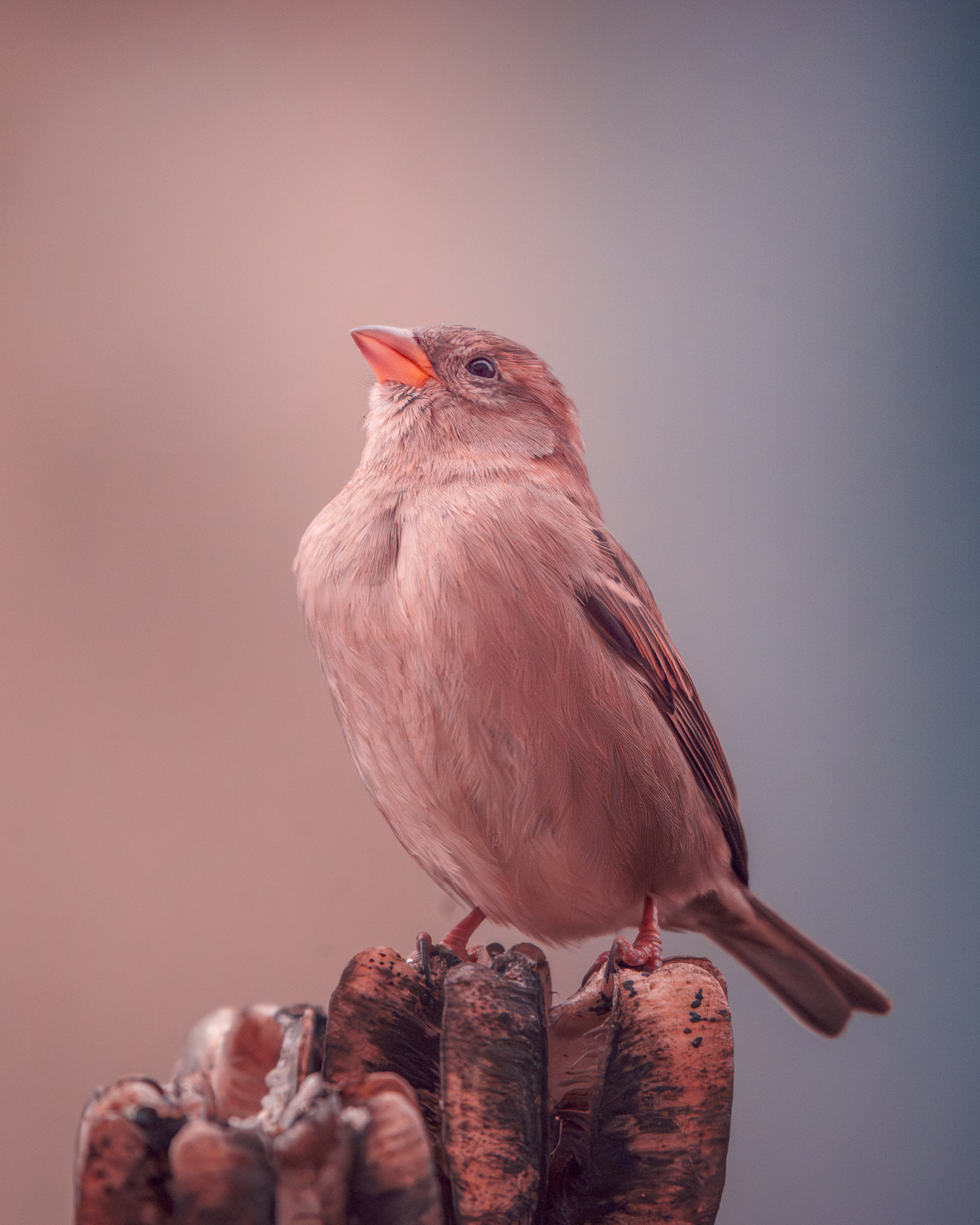
As a travel photographer, few experiences compare to capturing birds in their natural habitat. Europe is a paradise for bird photography: from dramatic coastal cliffs packed with seabirds to tranquil wetlands where rare species migrate every spring and autumn.
What makes Europe unique is its diverse habitats in close proximity — you can photograph puffins in Iceland, flamingos in Spain, cranes in Sweden, and golden eagles in Scotland, all within a single continent.
In this ultimate guide, I’ll share the top bird photography destinations in Europe, complete with tips on the best seasons, gear to bring, and the insider knowledge you’ll need to capture incredible avian images.
1. Farne Islands, England
(Keywords: puffin photography Europe, seabird colonies UK)
Why It’s Special:
Located off the coast of Northumberland, the Farne Islands are one of the best places in Europe to photograph Atlantic puffins. From May to July, thousands of puffins nest here, along with guillemots, razorbills, and Arctic terns.
Best Time to Visit: Late spring to early summer.
Photography Tip: Bring a telephoto lens (300mm+) to capture close-ups, but also experiment with wide-angle shots of puffins against the dramatic coastline.
2. Danube Delta, Romania
(Keywords: Danube Delta birdwatching, pelican photography Europe)
Why It’s Special:
A UNESCO World Heritage Site and Europe’s largest wetland, the Danube Delta is home to more than 300 bird species. White pelicans, glossy ibises, and pygmy cormorants are star attractions.
Best Time to Visit: Spring and early summer for nesting birds.
Photography Tip: Hire a local boat guide — you’ll get closer to the birds while respecting their habitats. Early morning light is ideal for soft reflections.
3. Lake Kerkini, Greece
(Keywords: bird photography Greece, pelicans Lake Kerkini)
Why It’s Special:
Lake Kerkini is world-famous for its Dalmatian pelicans, some of the largest freshwater birds in Europe. Winter and early spring are especially photogenic, with misty mornings and snow-capped mountains in the background.
Best Time to Visit: November–March for winter pelicans, May–June for diverse migratory birds.
Photography Tip: Use a low angle at water level to get eye-level shots of the pelicans.
4. Camargue, France
(Keywords: flamingo photography France, bird photography Camargue)
Why It’s Special:
The wetlands of southern France are home to huge colonies of greater flamingos, herons, and raptors. With its salt lagoons, reed beds, and wild horses roaming in the background, Camargue offers some of Europe’s most dramatic bird photography opportunities.
Best Time to Visit: April–June for nesting season.
Photography Tip: Sunrise and sunset provide fiery skies that pair beautifully with flamingo silhouettes.
5. Doñana National Park, Spain
(Keywords: bird photography Spain, migratory birds Doñana)
Why It’s Special:
This vast wetland in Andalusia is one of Europe’s top bird migration hotspots. Expect to see spoonbills, eagles, flamingos, and countless waders.
Best Time to Visit: Spring and autumn migrations.
Photography Tip: A 100–400mm zoom lens is perfect here, as birds can be both close and far across the marshes.
6. Varanger Peninsula, Norway
(Keywords: Arctic bird photography, sea eagles Norway)
Why It’s Special:
High above the Arctic Circle, this wild peninsula is home to king eiders, Steller’s eiders, puffins, and white-tailed sea eagles. The dramatic coastal cliffs and midnight sun create unique photography conditions.
Best Time to Visit: May–July for nesting seabirds.
Photography Tip: Be prepared for harsh weather — waterproof gear for both you and your camera is essential.
7. Hortobágy National Park, Hungary
(Keywords: crane migration Hungary, bird photography Central Europe)
Why It’s Special:
Europe’s oldest steppe national park, famous for the autumn crane migration, when tens of thousands of cranes gather in the wetlands.
Best Time to Visit: September–October.
Photography Tip: Shoot cranes at dawn or dusk when they take off in huge flocks against the colorful skies.
8. Skomer Island, Wales
(Keywords: puffin photography Wales, seabird colonies UK)
Why It’s Special:
Another puffin paradise, Skomer Island is more intimate than the Farne Islands, allowing close encounters with puffins, shearwaters, and gulls.
Best Time to Visit: May–July.
Photography Tip: Use a wide-angle lens for storytelling shots — puffins often come very close to visitors.
9. Trøndelag, Norway
(Keywords: golden eagle photography Europe, raptor photography Norway)
Why It’s Special:
One of the best places in Europe to photograph golden eagles, along with other raptors. Specialized photography hides offer close-up opportunities without disturbing the birds.
Best Time to Visit: Winter for dramatic snowy backdrops.
Photography Tip: Patience is everything — bring extra batteries and warm clothing for long waits in hides.
10. Lake Neusiedl, Austria/Hungary
(Keywords: bird photography Austria, birdwatching Hungary)
Why It’s Special:
A shallow steppe lake that is a key stopover for migratory birds. Expect herons, storks, and great bustards.
Best Time to Visit: Spring and early summer.
Photography Tip: The wide open landscapes are perfect for environmental bird portraits — use a wide-angle lens to show scale.
Essential Bird Photography Gear
(Keywords: best bird photography equipment)
- Telephoto Lens (300mm–600mm) – For close-ups without disturbing the birds.
- Wide-Angle Lens – To capture birds in their environment.
- Tripod or Monopod – Essential for stability during long shoots.
- High-Speed Memory Cards – Birds move fast; burst mode eats memory.
- Camouflage Clothing or Hide – Helps you blend into natural surroundings.
Bird Photography Tips in Europe
(Keywords: bird photography tips Europe)
- Research Seasons: Migration and nesting times vary — plan your trip accordingly.
- Respect Wildlife: Always keep distance; never disturb nesting birds.
- Golden Hour Magic: Early mornings and evenings offer the best light and bird activity.
- Fast Shutter Speeds: Birds are unpredictable; shoot at 1/1000s or faster.
- Use Local Guides: They know the best hides and birding hotspots.
FAQs – Ultimate Guide to the Best Bird Photography Spots in Europe
Q: What country in Europe is best for bird photography?
A: It depends — for seabirds, the UK and Norway; for flamingos, France and Spain; for raptors, Norway and Hungary.
Q: Do I need a special permit for bird photography?
A: Some reserves require permits, especially for hides or drone use. Always check in advance.
Q: Is winter good for bird photography in Europe?
A: Yes! Eagles, pelicans, and arctic species are at their most photogenic in snowy landscapes.
Q: Can I photograph birds with just a smartphone?
A: Yes, but you’ll be limited to wide shots. For close-ups, you’ll need a zoom lens or binocular-style attachment.
Q: What’s the best month overall for bird photography in Europe?
A: May–June, when many species are nesting and light conditions are superb.
More Resources
- BirdLife International
- European Bird Census Council
- RSPB (Royal Society for the Protection of Birds)
- Birding in Europe Travel Guides
- Nature Photography Tips – National Geographic