
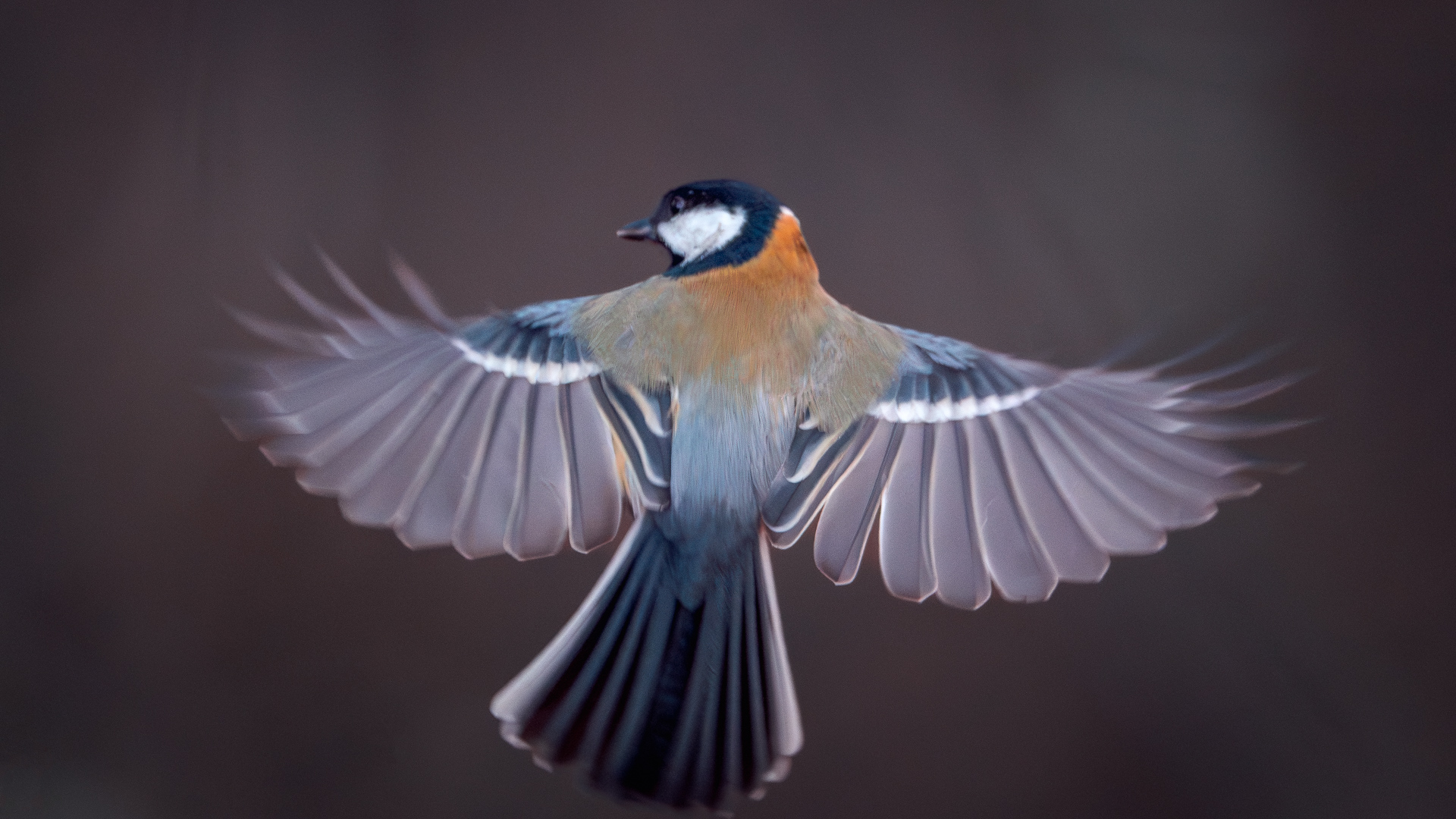
Sweden is a haven for bird photographers. With its diverse landscapes—from coastal wetlands to boreal forests and alpine tundra—this Scandinavian gem offers some of the best birdwatching and photography opportunities in Europe. This guide highlights the top 10 bird photography spots in Sweden, including the best times to visit, what species to expect, precise locations within each area, and tips for capturing award-winning shots.
1. Hjälstaviken Nature Reserve
Best Time to Visit: March to May for migrating geese, ducks, and waders. Autumn is excellent for cranes and raptors.
Where to Go: Start at the Hårby parking lot. From there, take the boardwalk trail through the reeds to the birdwatching tower for the best elevated views of the wetlands.
Photography Tips: Visit during early morning light. Capture flocks of feeding ducks and geese, as well as dramatic silhouettes of cranes at sunset. Bring a 300–600mm lens.
Best Parking Spot: Hårby parking lot
Wild Camping: Allowed under Allemansrätten in designated areas. Avoid camping in the parking lot.
2. Hornborgasjön
Best Time to Visit: Late March to mid-April when tens of thousands of cranes gather.
Where to Go: The best location is Trandansen, on the lake’s southwestern edge. Another great spot is Naturum Hornborgasjön for hides and interpretive trails.
Photography Tips: Use a tripod for distant cranes. Capture interaction, dance displays, and flight with a fast shutter speed.
Best Parking Spot: Trandansen and Naturum parking lots
Wild Camping: Not allowed. Use official campsites like Axevalla nearby.
3. Stora Karlsö
Best Time to Visit: May to July for puffins, razorbills, and guillemots.
Where to Go: The island cliffs and rock outcrops are best accessed via guided tours. The western cliffs offer close views of seabird colonies.
Photography Tips: Use low angles for cliff shots. Capture puffins with nesting material. A 70–200mm lens with teleconverter works well.
Best Parking Spot: Ferry terminal at Klintehamn
Wild Camping: Not permitted. Stay in guesthouses or cabins.
4. Getterön Nature Reserve
Best Time to Visit: Year-round. Spring and fall offer peak migration.
Where to Go: Begin at the Naturum Getterön visitor center. Several hides are placed along the walking trail that loops through the wetlands.
Photography Tips: Ideal for waders, ducks, and gulls. Use hide windows for low angles. Bring a beanbag or tripod for support.
Best Parking Spot: Large lot beside Naturum Getterön
Wild Camping: Not allowed in the reserve. Camp at Varberg Camping nearby.
5. Tärnasjön (Kungsleden Trail)
Best Time to Visit: June to August. Midnight sun allows extended shooting hours.
Where to Go: Access via Hemavan Fjällstation. Best spots are lakeside stretches and marshland plateaus along the trail.
Photography Tips: Capture waders, long-tailed jaegers, and willow ptarmigan. Golden hour lasts all night—use it!
Best Parking Spot: Hemavan Fjällstation trailhead
Wild Camping: Yes, allowed under Allemansrätten. Stay clear of nesting zones.
6. Lake Tåkern
Best Time to Visit: April to June for breeding marsh birds.
Where to Go: Naturum Tåkern has accessible paths, hides, and observation towers. The eastern shore is great for grebes and bitterns.
Photography Tips: Shoot early mornings from hides. Bring a long lens and record soundscapes of booming bitterns.
Best Parking Spot: Naturum Tåkern center
Wild Camping: Limited—ask landowners or stay nearby at Tåkern Vandrarhem.
7. Ottenby & Södra Udde (Öland)
Best Time to Visit: April–May and September–October
Where to Go: Begin at the lighthouse. Several hides and rocky coastlines offer ideal shooting conditions for seabirds and waders.
Photography Tips: Use dramatic lighting at sunrise or sunset for silhouettes. Focus on passerine migration and shorebird flocks.
Best Parking Spot: Lighthouse parking at Ottenby
Wild Camping: Permitted nearby but not at the lighthouse lot. Use marked zones.
8. Svartåmynningen
Best Time to Visit: April to June, and autumn for migrating waders.
Where to Go: Follow trails from the parking off Folkestaleden to small observation platforms and wet meadows.
Photography Tips: Shoot reflections in calm water. Backlight in the morning works beautifully with mist.
Best Parking Spot: Trailhead on Folkestaleden
Wild Camping: Not allowed in the reserve. Camp in nearby forest clearings or campgrounds.
9. Store Mosse National Park
Best Time to Visit: April–May and late summer
Where to Go: Svartgölsleden and Kävsjönleden trails offer birdwatching towers and swamp boardwalks.
Photography Tips: Best for cranes, owls, and woodpeckers. Bring waterproof footwear and protection for your gear.
Best Parking Spot: Naturum or Svartgölsleden trailhead
Wild Camping: Not allowed in the park. Use Kävsjö Camping nearby.
10. Fågelsundet Archipelago
Best Time to Visit: May to August for seabirds
Where to Go: Launch from Öregrund harbor. Kayak or boat to rocky islets around Fågelsundet.
Photography Tips: Stabilize from boat decks or bring a kayak mount. Capture dramatic low angles at sunrise.
Best Parking Spot: Öregrund harbor
Wild Camping: Allowed on outer islands under Allemansrätten. Avoid disturbing nesting colonies.
General FAQ
Can I wild camp anywhere in Sweden while birdwatching?
Sweden’s Right of Public Access (Allemansrätten) allows wild camping for one night in most natural areas. Respect private land, avoid nesting zones, and leave no trace.
Do all bird sites in Sweden have bird hides or towers?
Most top sites do, especially nature reserves and wetlands. Hides are ideal for low disturbance and better angles.
What lens should I bring for bird photography in Sweden?
A 400–600mm lens is ideal. A fast zoom like 100–400mm is versatile for hides and trails. Bring a tripod or monopod. I have just bought a 400-800 and will enjoy the extra reach instead of the 300/2.8 I used earlier.
Is it safe to park overnight in remote birdwatching areas?
Generally yes, but always check local signage. Avoid blocking access roads or parking in wildlife-sensitive zones.
Can I visit these sites with a camper van?
Yes! Many locations offer parking for camper vans, but not all allow overnight stays. Use nearby campsites where wild camping isn’t permitted.
Pingback:Visit North Dalarna: Ultimate Travel Guide for a Great Trip - Epic Travel Guides & Photography Inspiration
Pingback:Ultimate Guide to Photograph Autumn Bird Migration in Sweden