
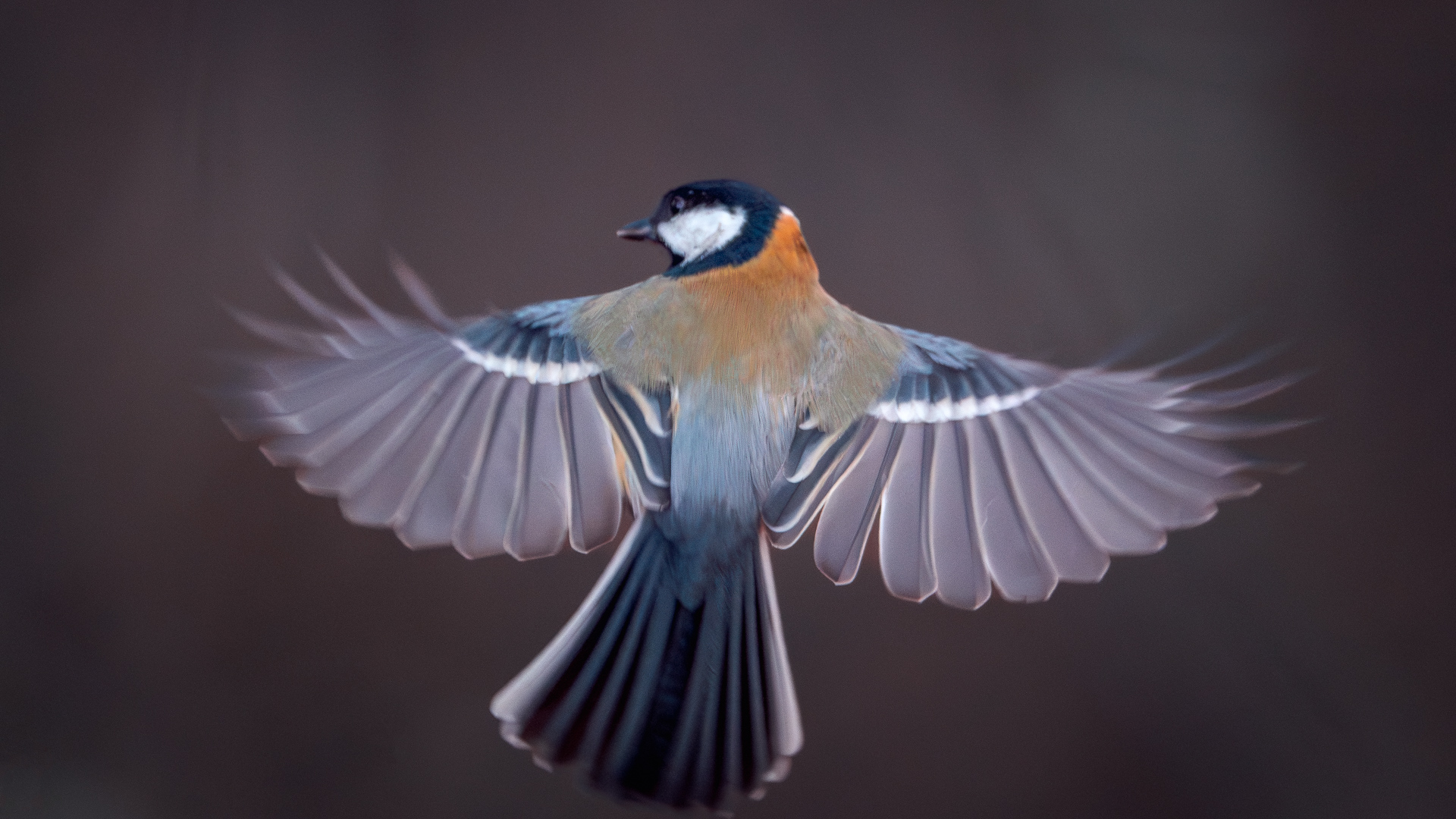
Capturing birds in action is one of the most rewarding challenges in wildlife photography. Around Uppsala, where wetlands, forests, and farmlands create ideal habitats, bird photographers have countless chances to document stunning behaviors and moments. This guide shares the most captivating bird photography shots you can aim for, from classic portraits to high-action scenes, along with tips on where and when to get them.
1. Birds in Flight (BIF)
What to Capture:
- Wings fully spread in glide or flap
- Eye sharp and head in focus
- Background blur (bokeh or motion)
Best Locations:
- Hjälstaviiken: Ospreys, marsh harriers, and geese taking off
- Vendelsjön: Migrating swans or cranes flying low over water
Tips:
- Use fast shutter speed (1/2000s+)
- Continuous autofocus with tracking
- Panning helps isolate the subject
2. Feeding Behavior
What to Capture:
- Parent feeding chicks
- Birds catching fish or insects
- Pecking or foraging in the ground
Best Locations:
- Ekoln Lake: Ducks and grebes diving for fish
- Årike Fyris: Songbirds and herons catching prey
Tips:
- Morning is feeding time
- Hide behind reeds or stay still near feeding grounds
- Use a telephoto to stay distant
3. Nesting and Courtship
What to Capture:
- Nest-building or mate-feeding
- Mating displays or dances (e.g., cranes, grebes)
Best Locations:
- Hågadalen-Nåsten: Jays and woodpeckers in forest hollows
- Hjälstaviiken: Waterbirds building floating nests
Tips:
- Keep a respectful distance (never disturb nesting birds)
- Long lens with teleconverter ideal
- Capture both action and context (e.g., nest location)
4. Silhouettes at Sunrise or Sunset
What to Capture:
- Birds flying or perched against colorful skies
- Reflections in still water
Best Locations:
- Vendelsjön: Tower views during sunrise
- Skarholmen at Ekoln: Sunsets over lake with swan silhouettes
Tips:
- Underexpose for a true silhouette
- Focus manually if light is low
- Use a tripod for precise composition
5. Water Interaction
What to Capture:
- Splashing, diving, bathing, drinking
- Water dripping off feathers
Best Locations:
- Ekoln and Hjälstaviiken: Ducks and grebes
- Årike Fyris: Swans and mallards in shallow areas
Tips:
- Shoot at burst mode to catch water droplets
- Use fast shutter speeds and angle for reflections
- Shoot at eye level if possible
6. Close-up Portraits
What to Capture:
- Intense eye contact
- Feather details and colors
- Clean, soft backgrounds
Best Locations:
- Anywhere with perches or feeders
- Forest edges in Hågadalen, open paths in Årike Fyris
Tips:
- Use low aperture (f/5.6 or less) for background blur
- Patience is key—let the bird come to you
- Watch for catchlights in the eyes
7. Interaction Between Birds
What to Capture:
- Fights, play, mating dances
- Flock dynamics in motion
Best Locations:
- Hjälstaviiken during spring or autumn migration
- Vendelsjön: Cranes and swans engaging socially
Tips:
- Burst mode is essential
- Observe patterns to anticipate action
- Watch and wait—moments happen fast
Bonus Ideas
- Birds in snow or rain
- Juvenile birds with downy feathers
- Backlit feathers in golden hour
- Reflections in still water
- Multi-species flocks in motion
Ethical Reminders
- Do not bait or disturb birds
- Stay hidden or use hides
- Respect breeding seasons and buffer zones
- Avoid flash photography
Conclusion
Whether you’re seeking sharp action shots or intimate portraits, the Uppsala region offers some of Sweden’s finest opportunities to photograph birds in their natural element. The key is patience, respect, and knowing when and where to be. With the right light, lens, and timing, you can create powerful images that tell the story of Sweden’s wild feathered life.