
Introduction
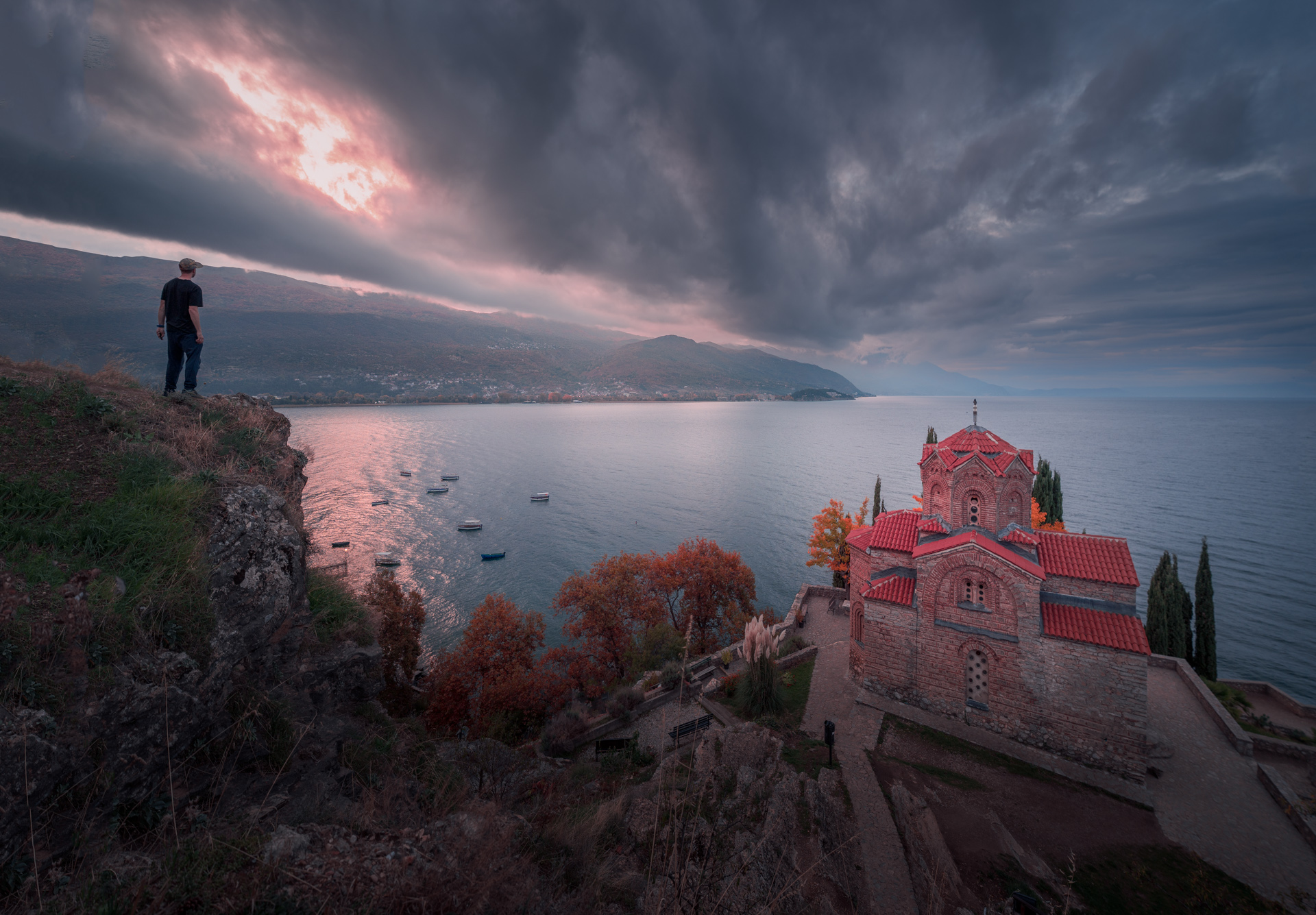
If there’s one place in North Macedonia that travelers never forget, it’s Lake Ohrid. This ancient lake — shared with Albania — is one of the oldest and deepest in Europe, estimated to be over 1.3 million years old. Its clear waters, medieval churches perched above cliffs, and charming cobblestone towns make it a UNESCO World Heritage Site for both its natural and cultural value.
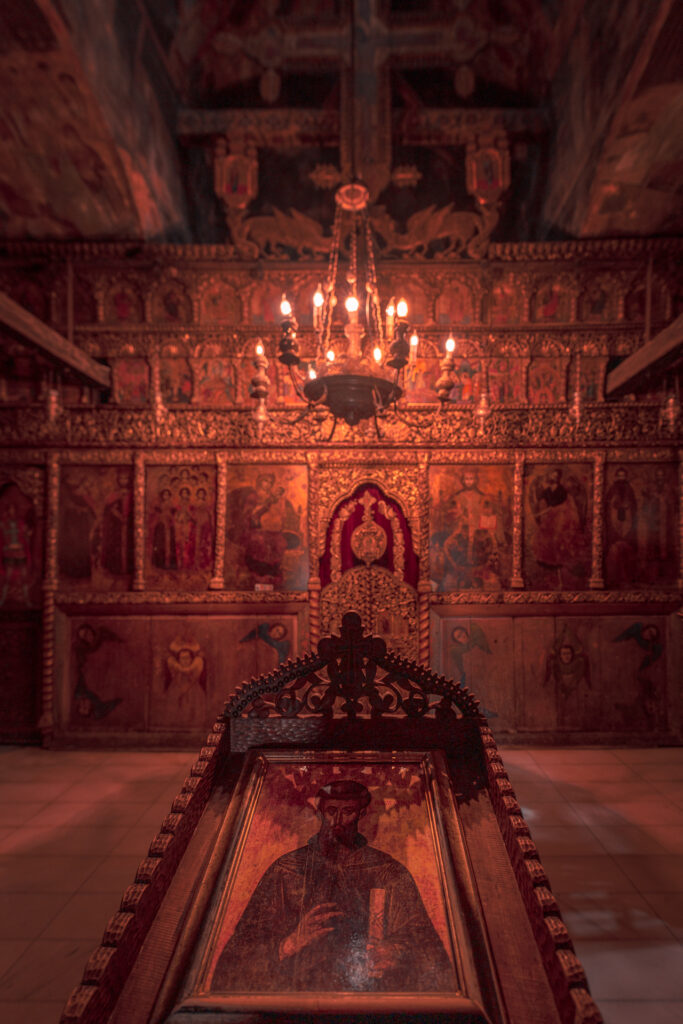
As a travel photographer, Lake Ohrid is a dream. Every corner offers a frame: fishermen casting nets at dawn, Byzantine icons glowing in candlelight, sunsets over Kaneo Church, or night skies mirrored in the still water. But to make the most of your trip, you’ll want more than just pretty views — you’ll need practical tips, hidden gems, and the best times to shoot.
This ultimate guide gives you everything you need: when to visit, where to stay, what to do, the best photo spots, and insider advice for capturing the magic of Lake Ohrid.
What to Know Before You Go
- Location: Southwestern North Macedonia, shared with Albania.
- Getting there: Skopje to Ohrid is 3–3.5 hrs by car or bus. Ohrid also has a small airport (seasonal international flights).
- Currency: Macedonian Denar (MKD). Cash is useful for small shops and local boats.
- Language: Macedonian (Cyrillic), but English is widely spoken in Ohrid town.
- Best time to visit:
- Spring (May–June): Pleasant weather, fewer tourists, wildflowers.
- Summer (July–August): Beach season, lively nightlife, but busiest.
- Autumn (Sept–Oct): Warm water, golden forests, quieter.
- Winter: Calm and atmospheric, but many services closed.
- Length of stay: Ideally 3–4 days to balance culture, nature, and relaxation.
Orientation
Lake Ohrid stretches 30 km long and 14 km wide, with half the shoreline in North Macedonia and half in Albania. On the Macedonian side, most travelers base themselves in:
- Ohrid Town: The cultural hub, full of historic churches, cafés, and cobbled streets.
- Struga: Quieter, with river views and a local feel.
- St. Naum / Trpejca villages: Small lakeside retreats closer to the Albanian border.
How to Get There
- By car: The easiest way, with scenic drives via Bitola or Skopje.
- By bus: Skopje–Ohrid buses run frequently (3.5 hrs).
- By plane: Ohrid St. Paul the Apostle Airport offers summer flights from European hubs.
- From Albania: Cross at St. Naum (Naum border) or Sveti Naum near Pogradec.
What to Do Around Lake Ohrid
1. Explore Ohrid Old Town
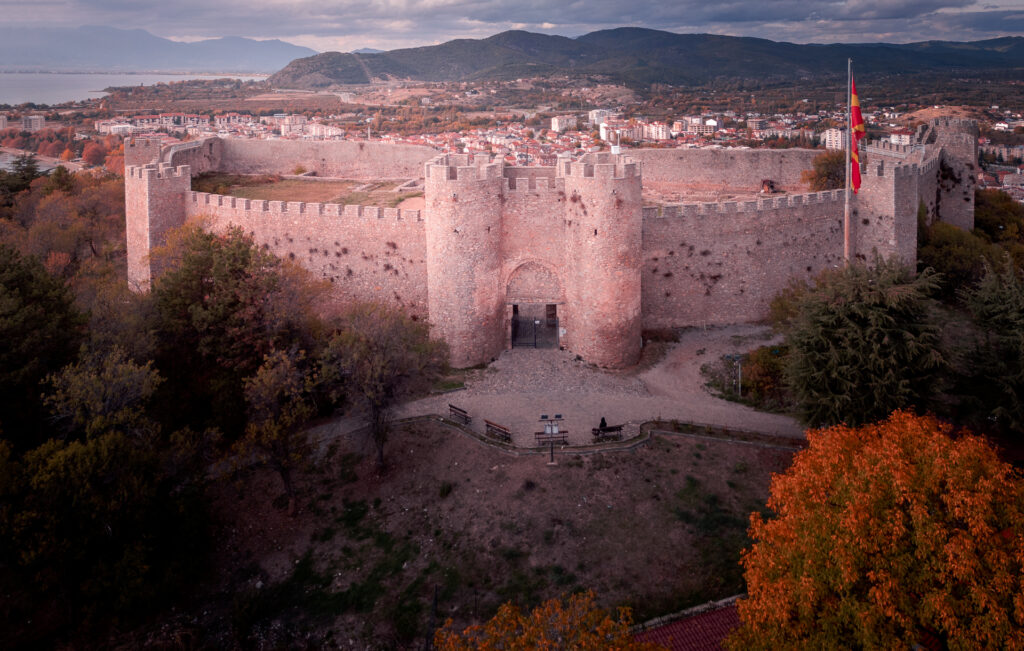
Wander cobblestone alleys, Ottoman houses, and lakeside promenades. Don’t miss Samoil’s Fortress for sweeping views.
📸 Best photo tip: Golden hour light over terracotta rooftops.
2. Visit the Churches (UNESCO gems)
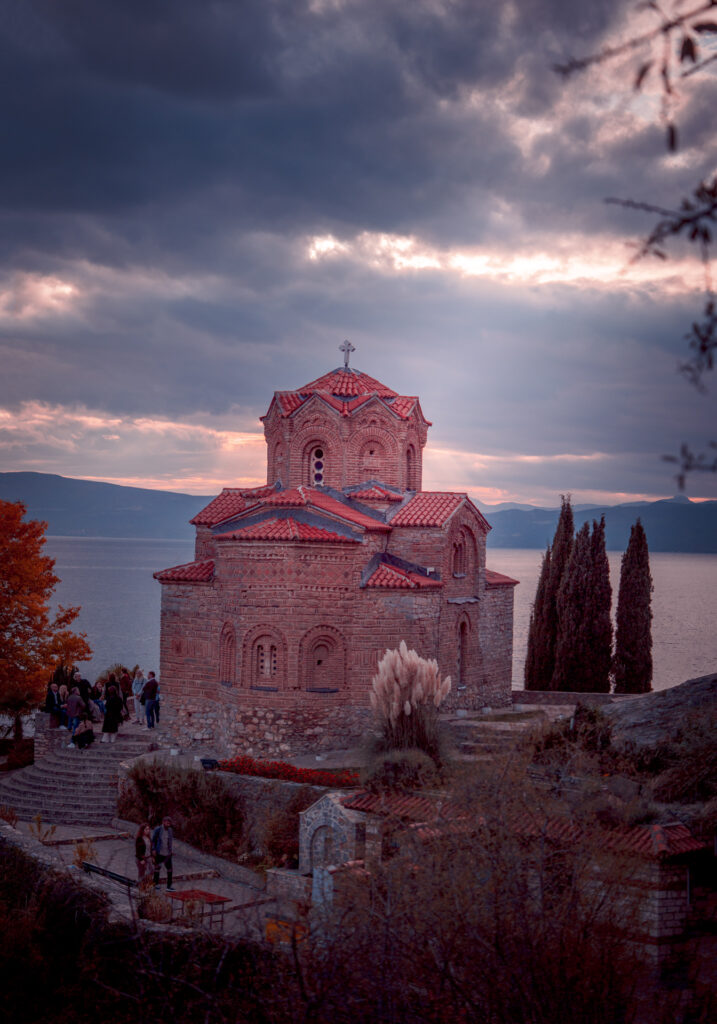
Ohrid once had 365 churches. The most iconic are:
- St. John at Kaneo – the postcard shot, perched over the lake.
- St. Sophia – stunning medieval frescoes.
- Plaošnik (St. Panteleimon) – a rebuilt Byzantine site with history.
📸 Best photo tip: Shoot Kaneo at sunset for soft pastel skies and reflections.
3. Boat Trip to St. Naum Monastery
Take a boat from Ohrid to the St. Naum Monastery (9th century), famous for its springs and peacocks.
📸 Best photo tip: Arrive early for reflections before tourist crowds.
4. Bay of Bones (Museum on Water)
A reconstructed prehistoric pile-dwelling village built on stilts above the lake.
📸 Best photo tip: Late afternoon side-light warms the wooden structures beautifully.
5. Swim & Relax in Trpejca Village
A small fishing village with turquoise waters — nicknamed the “Macedonian St. Tropez.”
📸 Best photo tip: Capture fishermen boats moored along the crystal-clear shallows.
6. Hike in Galicica National Park
From Lake Ohrid’s shore you can hike into Galicica National Park for panoramic views of both Lake Ohrid and Lake Prespa.
📸 Best photo tip: Sunrise from Magaro Peak is unforgettable.
7. Struga & the Black Drim River
Struga has a laid-back riverfront vibe where the Black Drim flows out of Lake Ohrid.
📸 Best photo tip: Sunset over the river bridges with silhouettes of locals.
Best Tours
- Lake Cruises: From Ohrid town to St. Naum, Bay of Bones, or private sunset tours.
- Cultural tours: Guided walks of Ohrid’s Old Town to understand its UNESCO status.
- Hiking tours: Into Galicica or to remote monasteries.
- Birdwatching tours: Lake Ohrid is a habitat for endemic species like Ohrid trout and Dalmatian pelicans.
Where to Stay
- Ohrid Old Town: Boutique hotels and guesthouses with lake views.
- Struga: Quieter stays with river views.
- St. Naum / Trpejca: Lakeside retreats for sunrise/sunset lovers.
- Budget: Guesthouses (pansions) starting from €20–30/night.
- Luxury: Lakeside resorts (€80–150/night).
Where to Eat & Drink
- Eat: Try Ohrid trout, tavče gravče (beans), and local pastries.
- Drink: Macedonian wine (Tikveš region) and rakija.
- Best spots:
- Kaneo lakeside restaurants for sunset dinners.
- Old Bazaar cafés in Ohrid for Turkish coffee.
- Trpejca beach bars for chill drinks.
Best Photo Spots at Lake Ohrid
1. St. John at Kaneo
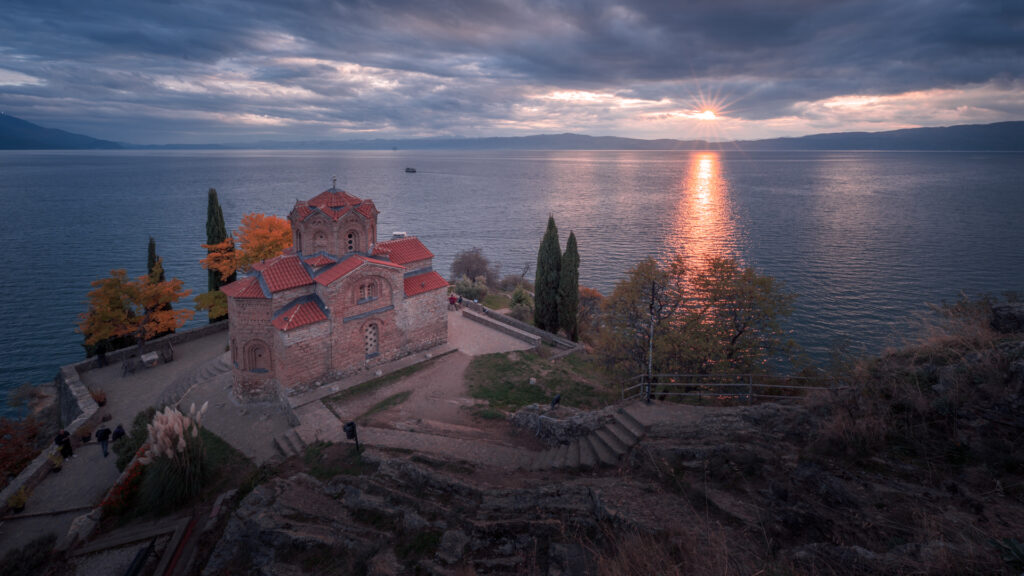
What to photograph: The classic postcard — church, lake, and mountains.
When to go: Sunset.
2. Ohrid Fortress
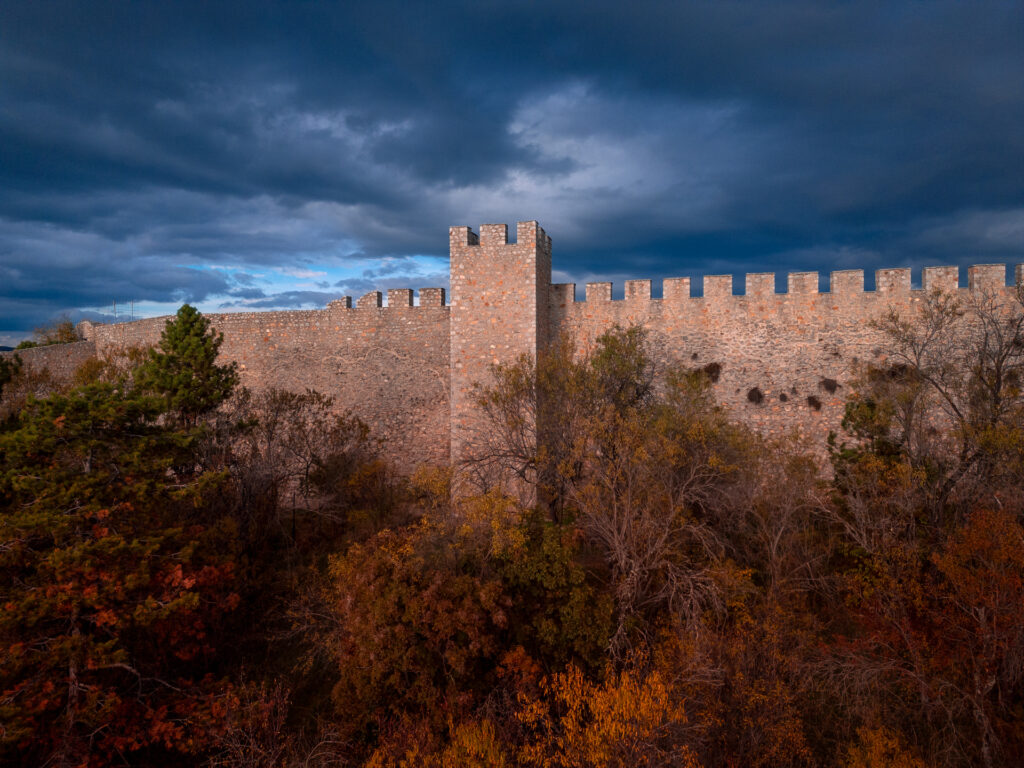
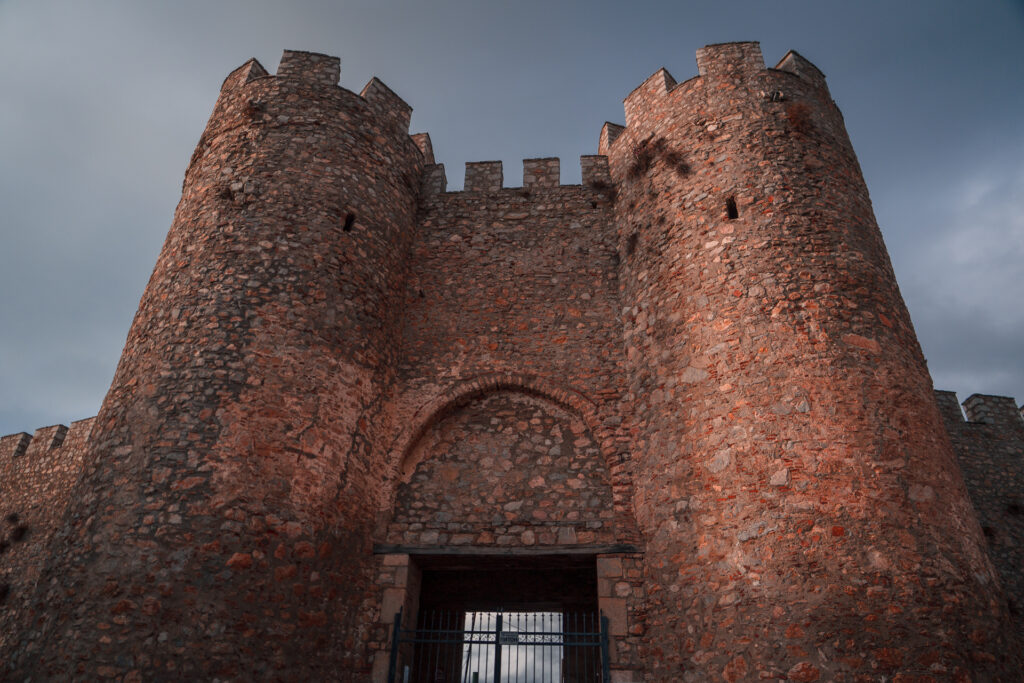
What to photograph: Lake panoramas, rooftops, and the entire town.
When to go: Morning for soft side-light.
3. Trpejca Village
What to photograph: Colorful boats, turquoise water.
When to go: Midday or early afternoon.
4. St. Naum Monastery
What to photograph: Stone walls, peacocks, and lakeside views.
When to go: Early morning.
5. Bay of Bones
What to photograph: Stilt houses against the lake.
When to go: Late afternoon.
6. Ohrid Old Town Streets
What to photograph: Ottoman houses, narrow lanes.
When to go: Evening blue hour with lanterns.
7. Galicica Summit
What to photograph: Both Ohrid and Prespa Lakes from one ridge.
When to go: Sunrise.
When to Go & How Long to Stay
- For photographers: Spring and autumn have the best light and fewer crowds.
- For swimmers & nightlife: July and August.
- How long: 3–4 days allows you to cover the lake, Old Town, a monastery, and a hike.
Costs
- Accommodation: €25–120 per night depending on comfort.
- Food: €5–15 per meal.
- Boat trips: €10–20 per person.
- Entry fees: Most churches €1–3, Bay of Bones €2–3.
What a Trip Here Will Give You
Visiting Lake Ohrid is more than sightseeing — it’s about experiencing a living piece of European history in harmony with stunning landscapes. You’ll leave with not only photographs, but also memories of fishermen at dawn, bells ringing from cliffside churches, and sunsets that turn the water into molten gold.
FAQs about Visiting Lake Ohrid
1. Is Lake Ohrid safe to swim in?
Yes, the water is very clean — just avoid private fish farms.
2. Can I cross to Albania from Lake Ohrid?
Yes, via the border near St. Naum (to Pogradec).
3. Do I need a car to explore the lake?
Not mandatory, but highly recommended. Buses run, but a car gives freedom to reach hidden coves.
4. What’s the best time to photograph Kaneo Church?
At sunset — golden light on the church with pastel skies behind.
5. Is Ohrid crowded in summer?
Yes, July and August are peak season. Visit in May/September for a calmer experience.
External Resources (More Info)
- UNESCO World Heritage Centre – Ohrid Region
- Lake Ohrid Conservation Project
- Ohrid Tourist Info
- Galicica National Park Official Site
- North Macedonia Travel Portal
Related Reads on FrewaPhoto.com
- Ultimate Guide to North Macedonia
- Best Photo Spots in Skopje
- Ultimate Guide to Prespa National Park
- One Night in Mavrovo National Park