
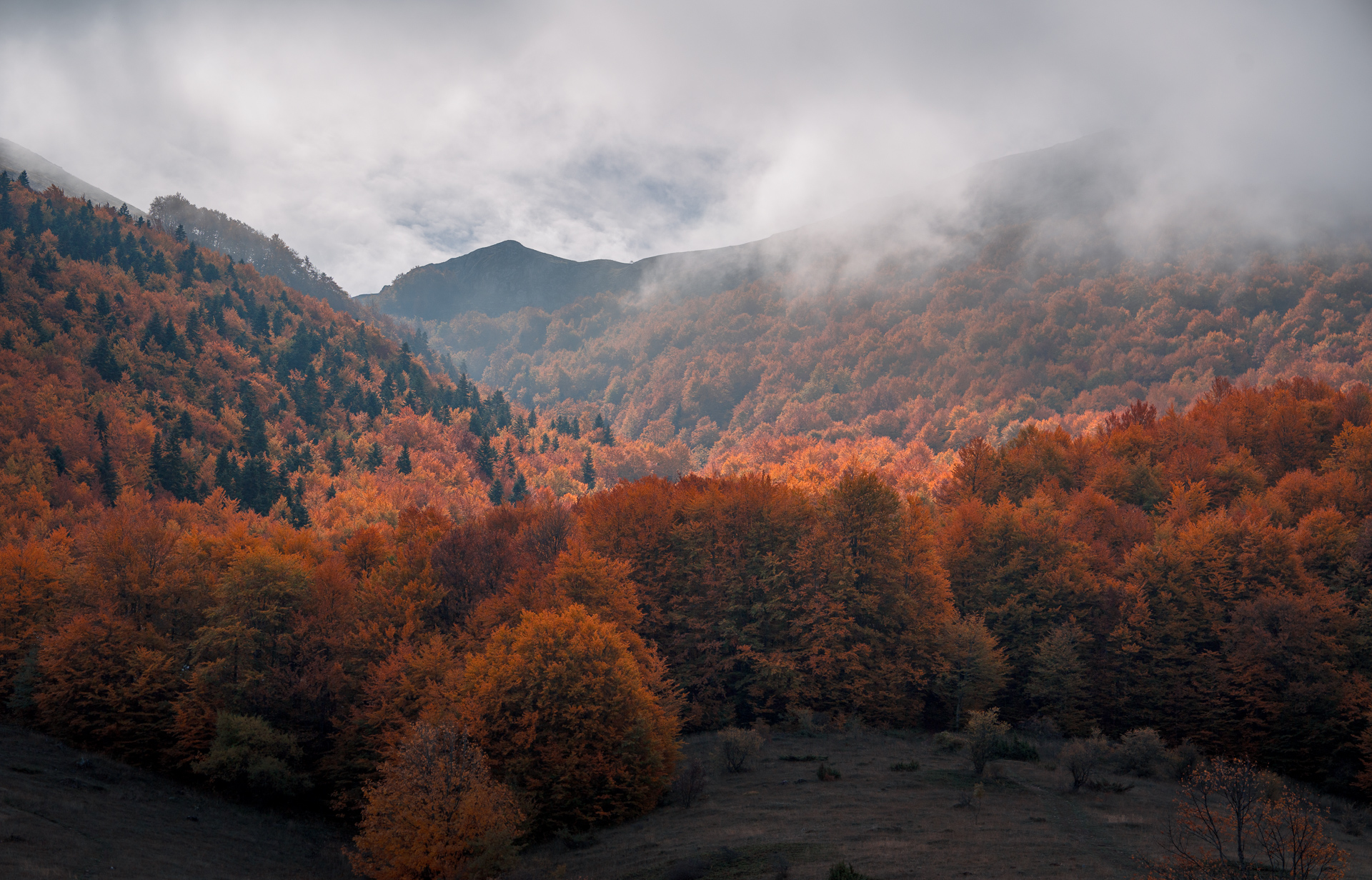
North Macedonia packs a surprising amount of wilderness into a small country — alpine ridges, deep canyons, ancient beech forests, and two lakes so old they’re UNESCO-listed. Its national parks are compact, accessible and wildly photogenic. In this guide I cover everything you need to plan trips to the country’s national parks: what to know before you go, how to get there, when to visit, highlights for each park, best hikes & photo spots, wildlife to watch for, practical tips, sample itineraries, and gear advice — written from the perspective of a travel photographer who wants great light and empty trails.
Quick fact: North Macedonia currently has four official national parks — Mavrovo, Pelister, Galicica, and the Šar Mountains — each offering very different landscapes and photographic moods. (Wikipedia, nationalparksmacedonia.com)
What to know before you go
- Small country, big variety. In a few hours’ drive you can move from lake-shore sunsets to alpine peaks. That makes multi-park loops realistic.
- Seasons matter. Spring and autumn are the photographer’s sweet spots — wildflowers in May–June, and crisp color / clear light in September–October. Winter brings snow and empty trails but some roads or huts may close.
- Infrastructure is basic outside main towns. Expect family-run guesthouses and limited ATMs in mountain villages; a rental car gives huge flexibility.
- Conservation & rules. National parks protect fragile habitats; follow park rules, don’t feed wildlife, and stick to marked trails. For the newest park (Šar), management and protection measures are evolving — check local resources before visiting. (Global Conservation, UNEP – UN Environment Programme)
Orientation: where the parks sit on the map
- Mavrovo National Park — the largest park; rugged mountains and the famous Mavrovo Lake in the northwest. Best base: the village/town of Mavrovo or Debar.
- Pelister National Park — on the Baba massif, south of Ohrid/Bitola. Famous for ancient Molika (Bosnian pine) and the twin lakes (Pelister Lakes).
- Galicica National Park — the ridge between Lake Ohrid and Lake Prespa; short drives from Ohrid. Epic ridge views where you can see both lakes in a single frame. (nationalparksmacedonia.com, ResearchGate)
- Šar Mountains National Park (Šar Planina) — in the northwestern highlands bordering Kosovo; wild, high-altitude meadows and remote peaks (recently formalized as a national park). (nationalparksmacedonia.com)
How to get around
- Best base towns: Ohrid (for Galicica & Prespa), Bitola (south, for Pelister), Mavrovo / Debar (for Mavrovo), and Tetovo / Prizren area access for Šar (note cross-border options).
- Car hire: Highly recommended. Roads to main viewpoints are in good condition; mountain side-roads may be rough.
- Public transport: Buses connect major towns (Skopje–Ohrid, Skopje–Tetovo, Skopje–Mavrovo), but services to remote trailheads are sparse.
- Guides & transfers: For Šar and remote Mavrovo trails, local guides and 4×4 transfers are useful, especially in shoulder seasons.
When to visit (season guide)
- Spring (April–June): Wildflowers, flowing waterfalls, mild temps — ideal for Mavrovo and Galicica meadows.
- Summer (July–August): Best for high alpine hiking (Ģalicica ridge, Pelister peaks) — but can be busy near Ohrid lake shores.
- Autumn (September–October): My favorite — golden forests, clear air, fewer hikers; excellent for Pelister, Galicica, and lower Mavrovo valleys.
- Winter (Nov–Mar): Skiing and snow photography at Mavrovo and Popova Šapka (Šar area); be ready for closures and limited services.
Park-by-park: highlights, hikes, photo spots, wildlife, where to stay
Mavrovo National Park — big mountains, lakes & valleys
Why go: Mavrovo is the country’s largest park — dramatic canyons, forested slopes, corrie lakes and Mt. Korab (highest peak of North Macedonia). It’s the place for broad alpine panoramas and dramatic weather. (Our Wanders)
Top hikes & experiences:
- Lake Mavrovo loop — easy, photogenic shorelines at sunrise.
- Hike toward Mt Korab — for serious hikers wanting high-alpine ridgelines (multi-day).
- Galin Kamen viewpoint — great for late-afternoon light.
Best photo spots: reflection shots on Lake Mavrovo at dawn; dramatic canyon cuts along streams; shepherds and stone huts in summer meadows.
Wildlife: Brown bears, chamois, wolves (rare), eagles. Always photograph at a respectful distance and consider booking a wildlife guide.
Where to stay: Mavrovo village guesthouses, Debar for larger services. For winter photography, Popova Šapka ski area is a base.
When to go: Late June–September for open high trails; autumn for colors in the valleys.
Pelister National Park — ancient pines & mountain lakes
Why go: Pelister is small but incredibly scenic — home to the ancient molika (Balkan pine), alpine lakes (Babin Kuk, Malé), and rugged peaks offering wide vistas. It’s a photographer’s dream in autumn when the needles and shrubs change tone. (ResearchGate)
Top hikes & experiences:
- Babino and Malé lakes: short hike to two postcard alpine tarns.
- Pelister summit ridge: panoramic views over Pelagonia plain; sunrise shots are outstanding.
- Explore the molika forests for intimate nature and macro photography.
Best photo spots: up-close with knotted molika trunks at golden hour; reflections in the alpine lakes; panoramic ridge lines over Bitola and beyond.
Wildlife: Roe deer, foxes, many bird species. Good for quiet nature photography.
Where to stay: Bitola (closest town) — charming historic center, good restaurants and accommodation.
When to go: May–October; autumn is especially rewarding.
Galicica National Park — two-lake panoramas & ridgeline magic
Why go: Galicica is uniquely placed between Lake Ohrid and Lake Prespa — many ridgeline viewpoints let you photograph both lakes in a single frame. It’s an easy win for photographers who want epic views without long trekking. (nationalparksmacedonia.com)
Top hikes & experiences:
- Magaro Peak (the ridge): 360° views, sunrise over Prespa/ sunset over Ohrid.
- Galicica pass viewpoints: short walks off the road deliver sweeping vistas.
- Prespa wetlands: birdwatching and reflective landscapes.
Best photo spots: Magaro Summit for twin-lake panoramas; windy passes for moody weather drama; Prespa wetlands at dawn for birdlife and mirror-like reflections.
Wildlife: Wetland birds (pelicans), mountain raptors, orchids and endemic flora.
Where to stay: Ohrid is the obvious base — mix cultural shots in night-lit old town with morning trips to Galicica. For Prespa exploration, villages like Stenje are quieter.
When to go: Spring to autumn; autumn light is spectacular for lakes and forests.
Šar Mountains National Park (Šar Planina) — high meadows & wild ridges
Why go: The Šar Mountains (Šar Planina) were formalized as a national park recently; they are high, wild, and relatively remote — home to glacial lakes, alpine pastures, and a growing conservation effort for species like the Balkan lynx. This is the most rugged of the four parks. (nationalparksmacedonia.com, Wikipedia)
Top hikes & experiences:
- Rugged ridgelines and glacial lakes — ideal multi-day trekking.
- Popova Šapka area — ski-resort access with high-elevation photography.
- Traditional shepherd huts and summer pastures — cultural documentary photography.
Best photo spots: alpine lakes at dawn, rolling high pastures with scattered stone huts, dramatic aerial views of steep valleys — great for drone work if regulations permit.
Wildlife: Balkan lynx (critically endangered — sightings rare), chamois, golden eagles, bearded vultures (occasionally). Conservation efforts are active; respect rules and closures. (Global Conservation)
Where to stay: Tetovo/Polog valley bases, or mountain huts and guesthouses near Popova Šapka.
When to go: Summer alpine months (July–September) for open ridges; autumn for fewer crowds but check for early snow.
Practical tips: permits, fees, safety & responsible travel
- Park fees: Most parks in North Macedonia have minimal or symbolic entrance fees. Confirm current prices at official park websites (Ohrid & park portals are good starting points). (nationalparksmacedonia.com)
- Guides: For Šar and some high Mavrovo routes, hiring a local guide enhances safety and enriches photography with local knowledge.
- Weather & clothing: Mountain weather changes fast — pack waterproof layers, warm mid-layers, and solid boots.
- Respect nature & culture: Stick to trails, take all waste with you, and ask permission before photographing people in small villages.
- Wildlife safety: Keep distance and never attempt to feed or approach animals. For lynx or bear photography, use guides and long lenses.
- Drone rules: Regulations vary — check park rules and local authorities. Some parks permit drones only with permission to avoid disturbing wildlife and villages.
Suggested itineraries (3–10 day options)
3-Day Quickloop (Ohrid + Galicica + Pelister lite)
Day 1 — Arrive Ohrid: sunset shots on the lake; night in Ohrid.
Day 2 — Magaro sunrise; Galicica ridgeline walks; drive to Bitola, sunset at Pelister foothills.
Day 3 — Pelister lakes hike; afternoon transfer back to Ohrid or Skopje.
7-Day Nature & Peaks (Mavrovo + Šar + Galicica)
Day 1 — Arrival in Skopje → drive to Mavrovo, lakeside sunset.
Day 2 — Mavrovo full day: Korab valley views.
Day 3 — Transfer north to Šar region, evening at Popova Šapka.
Day 4 — Šar ridgeline hikes.
Day 5 — Drive south to Ohrid via scenic routes; evening in Ohrid.
Day 6 — Galicica: Magaro sunrise & Prespa wetlands.
Day 7 — Relax in Ohrid, cultural shots, depart.
10-Day Photo Expedition (All four parks)
Start in Skopje → Mavrovo (2 days) → Šar (2–3 days) → drive to Bitola/Pelister (2 days) → Ohrid/Galicica/Prespa (3 days).
Photography: tips, timing & gear
- Timing is everything. Sunrise and sunset give the richest light; blue hour is fantastic at lakes. For wildlife, early morning is prime.
- Lenses to pack: wide-angle (16–35mm), standard zoom (24–70mm), telephoto (70–200mm or longer for birds/wildlife), macro if you love flowers.
- Filters: polariser for lakes and foliage; graduated ND for dramatic skies; ND for long exposures at waterfalls and at lake shores.
- Tripod: essential for low-light, landscapes, and star photography.
- Backup & power: bring spare batteries and a charger; remote areas may lack electricity. Carry a portable SSD or multiple cards — you’ll shoot a lot.
- Composition: use foreground elements (rocks, flowers, huts) to add depth; look for leading lines in mountain passes and roads; compress layers with telephoto to emphasize ridgelines.
Conservation & how to travel responsibly
- Use local guides and guesthouses — your money supports local economies and conservation.
- Stick to marked trails; off-trail walking damages alpine plants and rare orchids.
- Leave no trace: pack out what you pack in.
- Support park initiatives and NGOs working on lynx protection and sustainable tourism where possible. Recent expansion of protections in the Šar region reflects growing conservation priorities — read up before you go. (UNEP – UN Environment Programme, Global Conservation)
Frequently asked questions (FAQs)
Q — How many national parks are in North Macedonia?
A — Four: Mavrovo, Pelister, Galicica and the Šar Mountains (recently formalized). (Wikipedia, nationalparksmacedonia.com)
Q — Can I visit multiple parks in one week?
A — Absolutely. The parks are compact and a well-planned driving loop can cover two or three in a week.
Q — Are the parks family-friendly?
A — Yes — many short, easy trails, picnic spots, and cultural attractions make them great for families, though some ridgelines and peaks require fitness.
Q — Do I need special gear for wildlife photography?
A — A telephoto lens (300–600mm range ideal) and a hide or long patience; hire local wildlife guides for best results.
Q — Is it safe to hike solo?
A — Many trails are safe, but in Šar and high Mavrovo environments a guide is recommended, especially in shoulder seasons.
Useful resources & official links
- National Parks of North Macedonia (central resource): nationalparksmacedonia.com. (nationalparksmacedonia.com)
- Galicica NP official info and visitor resources. (nationalparksmacedonia.com)
- Recent conservation and park status updates on Šar Mountains (UNEP reporting). (UNEP – UN Environment Programme, Global Conservation)
Final photographer’s note
North Macedonia’s parks are small in area but huge in photographic potential. The magic here is variety: one morning you shoot mist over a glassy alpine lake, the next you’re on a ridgeline with twin-lake panoramas, and by evening you’re framing a village chapel with a mountain backdrop. Travel slowly — linger for weather changes, get up before sunrise, and you’ll come home with images that feel rare because the crowds still haven’t discovered most of these views.