
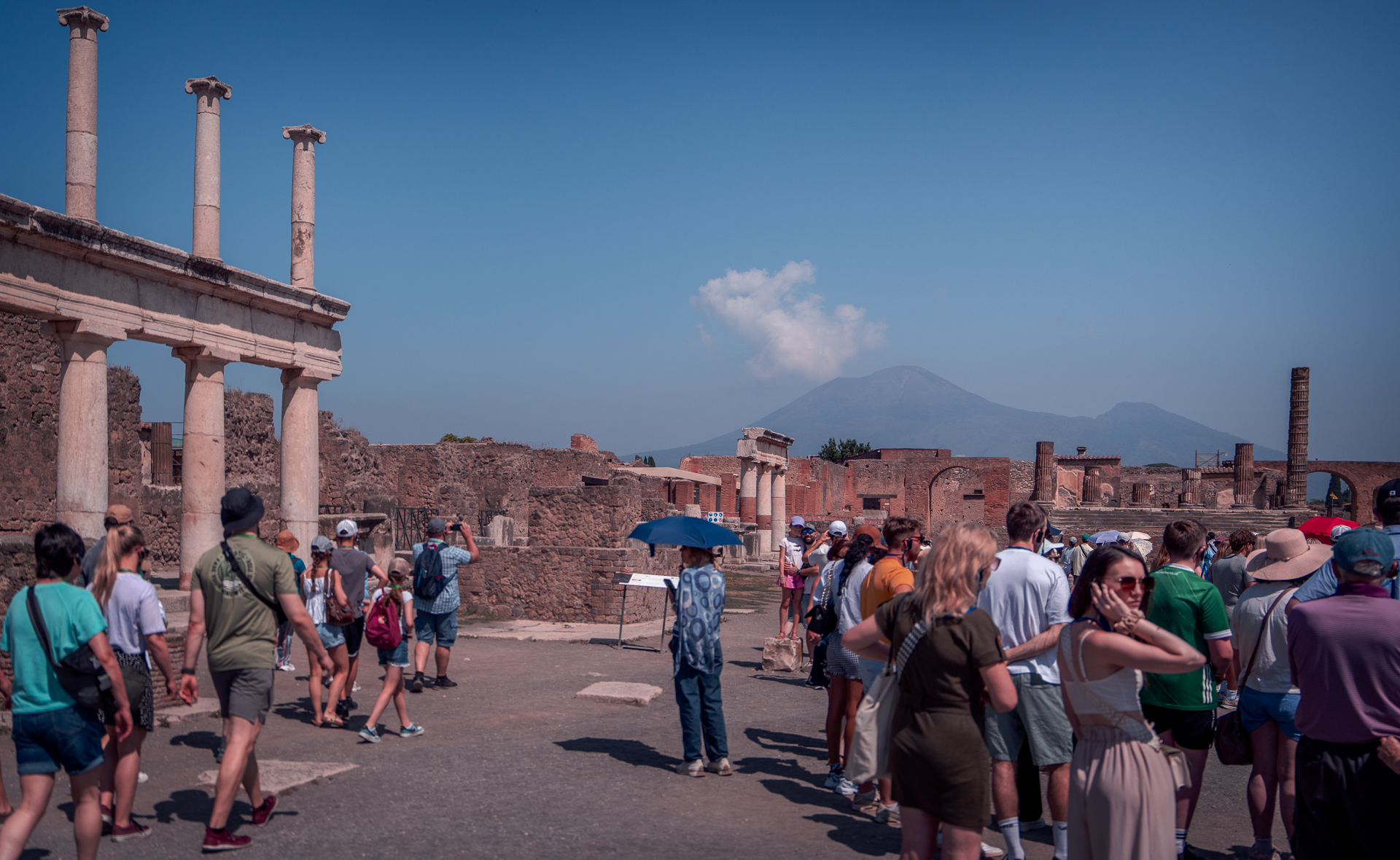
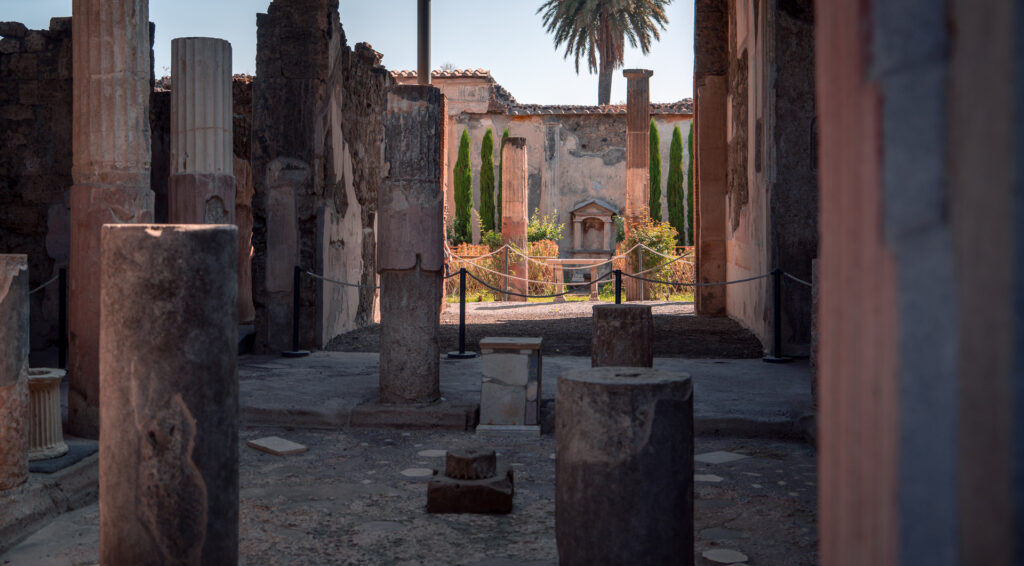
Few places in the world allow you to walk through the echoes of history quite like Pompeii. This ancient Roman city, frozen in time by the catastrophic eruption of Mount Vesuvius in 79 AD, is one of Italy’s most evocative archaeological sites. From stunning frescoes to haunting ruins, Pompeii offers an unparalleled glimpse into life nearly 2,000 years ago. Whether you’re a history buff, a curious traveler, or a photographer chasing moody ruins, this guide has everything you need to plan your unforgettable journey to Pompeii.
A Brief History of Pompeii
Founded in the 7th century BC, Pompeii became a thriving Roman city by the 1st century AD, with a population of about 11,000 people. It was a center of commerce, art, and culture until tragedy struck in 79 AD when Mount Vesuvius erupted, burying the city under 4 to 6 meters of volcanic ash. Rediscovered in the 18th century, the site has been meticulously excavated and is now one of the world’s most important archaeological areas.
UNESCO World Heritage Site since 1997
How to Get to Pompeii
- From Naples:
- Take the Circumvesuviana train from Napoli Garibaldi to Pompeii Scavi – Villa dei Misteri (approx. 35 mins).
- By car: about 30 minutes drive via A3 Autostrada.
- Take the Circumvesuviana train from Napoli Garibaldi to Pompeii Scavi – Villa dei Misteri (approx. 35 mins).
- From Sorrento:
- Circumvesuviana train (about 35 minutes).
- Circumvesuviana train (about 35 minutes).
- From Rome:
- Train to Naples (1-2 hours), then transfer to Circumvesuviana.
- Train to Naples (1-2 hours), then transfer to Circumvesuviana.
Tip: Buy train tickets in advance and avoid traveling during peak commuter hours.
When to Visit Pompeii
- Best Time: April to June or September to October
- Mild weather and manageable crowds.
- Mild weather and manageable crowds.
- Summer (July–August):
- Very hot and crowded. Start early in the morning.
- Very hot and crowded. Start early in the morning.
- Winter (November–March):
- Quiet, cooler weather, but shorter daylight hours.
- Quiet, cooler weather, but shorter daylight hours.
Hours: 9 AM to 7 PM (last admission 5:30 PM). Closed on some holidays.
Entry Fee: General admission around €18. Check official site for current pricing and discounts.
What to See in Pompeii: Must-Visit Highlights
1. Forum
The heart of public life in Pompeii. Surrounded by temples, marketplaces, and administrative buildings.
- Photo Tip: Early morning gives beautiful directional light across the ruins.
2. Amphitheatre
One of the oldest surviving Roman amphitheaters. Once seated 20,000 spectators.
- Best Shot: Stand on the top steps for a symmetrical view across the arena.
3. Villa of the Mysteries
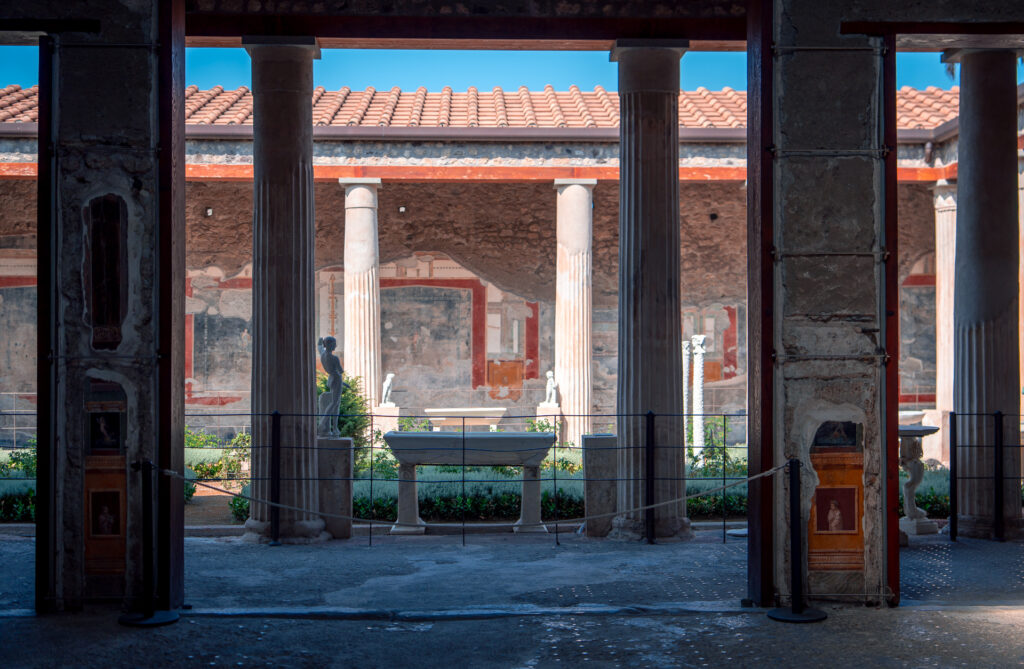
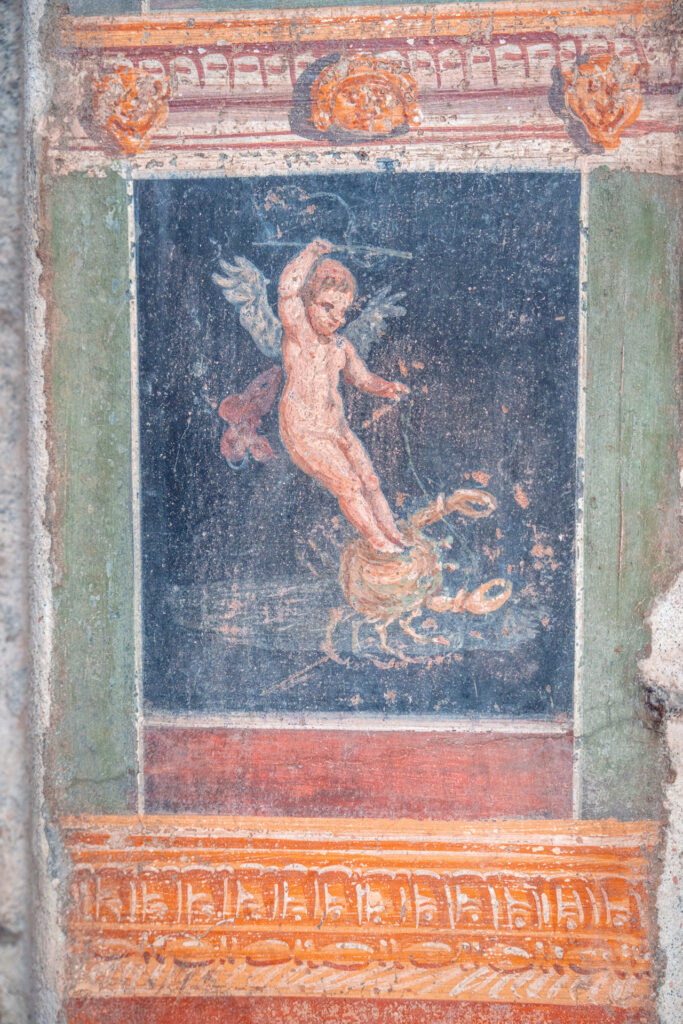
Famous for its remarkably preserved frescoes depicting Dionysian rituals.
- Don’t Miss: The vibrant reds and fine details in the murals.
4. House of the Faun
One of the largest and most luxurious homes, featuring mosaics like the “Alexander Mosaic.”
5. Lupanar (The Brothel)
Tiny rooms and erotic frescoes give insight into the city’s social life.
- Note: This site can get crowded, so visit earlier in the day.
6. Baths (Stabian, Forum, Suburban)
Marvel at Roman engineering, with complex heating systems and frescoed walls.
7. Street of Tombs
This grand avenue lined with monumental tombs leads to Herculaneum Gate.
- Photo Tip: Great for leading-line compositions.
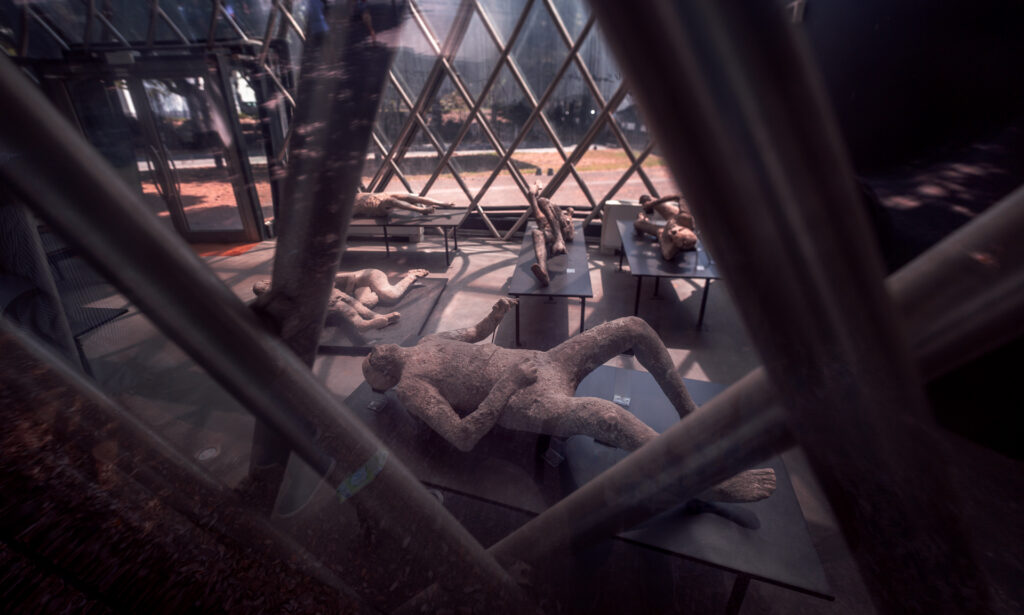
8. Cast of Victims
Plaster casts made from voids left by bodies give a haunting reminder of the eruption.
- Emotional Impact: Approach with sensitivity and respect.
Practical Tips for Visiting Pompeii
- Wear Comfortable Shoes: You’ll be walking on uneven ancient roads for hours.
- Bring Water and Snacks: Especially in summer. There are fountains, but limited food options inside.
- Download a Map: Or use an official audio guide app to help navigate.
- Hire a Guide: Adds depth and understanding to what you’re seeing.
- Photography: Tripods are not allowed without special permission. Use handheld stabilization techniques.
Pompeii for Travel Photographers
Pompeii is a playground for storytelling through images. The interplay of light and shadow in ruined spaces, textured stone, ancient art, and human remains makes for dramatic shots.
Best Lenses:
- Wide-angle for capturing full buildings and landscapes.
- 50mm prime for details and portraits.
Top Photography Spots:
- Forum at sunrise
- Mosaic floors in Villa of the Faun
- Frescoes in Villa of the Mysteries
- Amphitheatre from the top row
Golden Hour: Morning is best for cooler light and fewer people.
Where to Stay When Visiting Pompei
- Pompei Town Center: Great for early access to the ruins.
- Hotel Forum Pompei – 4-star comfort near the entrance.
- B&B Eco – Budget-friendly with clean, modern rooms.
- Hotel Forum Pompei – 4-star comfort near the entrance.
- Naples: For city amenities and nightlife.
- Easy train access.
- Easy train access.
- Sorrento: For a more relaxed base with scenic views.
Where to Eat Near Pompeii
- Caupona Restaurant: Roman-themed meals near the ruins.
- Ristorante President Pompei: Fine dining with a creative twist on Italian classics.
- Alleria Pizzeria: Great for post-tour pizza.
FAQs About Visiting Pompeii
How long should I spend at Pompeii?
Plan for at least 3–4 hours. A full day is ideal.
Can I bring kids?
Yes, but bring snacks and prepare for a lot of walking.
Is it accessible?
Some parts are wheelchair accessible. Check with staff at the gate.
Can I take photos?
Yes, photography is allowed. No flash in some indoor areas.
Tickets and Entry Info
- Standard Entry: Around €18 for adults.
- Combo Tickets: Include nearby Herculaneum or Oplontis.
- Free Entry Days: Typically the first Sunday of each month.
- Audio Guides: Available at the entrance or as downloadable apps.
- Guided Tours: Highly recommended to understand the site’s context.
Official Website: Pompeii Archaeological Park
What to See Inside Pompeii
1. The Forum
The heart of public life in Pompeii, surrounded by temples, markets, and administrative buildings.
- Photo Tip: Shoot wide for architectural drama or zoom in on statue details.
2. The Amphitheatre
One of the oldest Roman amphitheaters still in existence, it could hold up to 20,000 spectators.
- Fun Fact: Pink Floyd held a famous concert here in 1971.
3. House of the Faun
A sprawling aristocratic villa known for its mosaics, including the famous “Alexander Mosaic.”
4. Villa of the Mysteries
Located outside the city walls, this villa is famed for its frescoes depicting Dionysian rituals.
- Photography Tip: Use natural light streaming in to capture the rich red walls.
5. Lupanar (Brothel)
Fascinating and controversial, the Lupanar is decorated with erotic frescoes and was Pompeii’s most famous brothel.
6. Baths
There are several baths (Stabian, Forum, Suburban) showcasing Roman engineering with heated rooms and frescoes.
7. Plaster Casts
The haunting figures of Pompeii’s residents, frozen in their final moments. Created by filling voids in the ash with plaster.
- Emotional Moment: These casts give a powerful, human touch to the tragedy.
Suggested Itinerary for 1-Day Visit
Morning:
- Arrive at opening (8:30 am)
- Start at the Forum
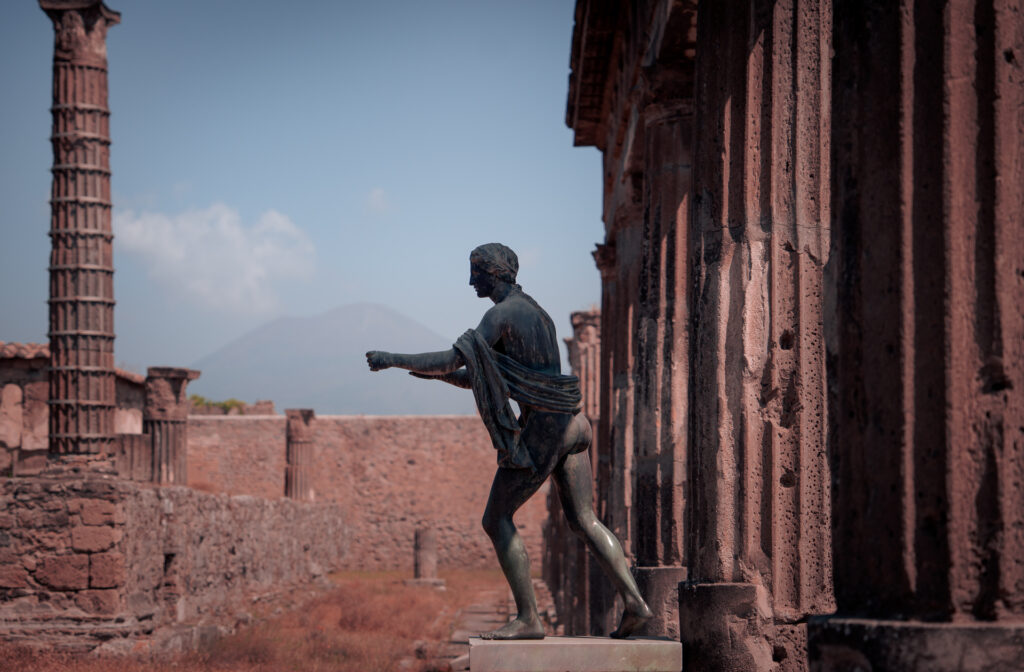
- Visit the Temple of Apollo and Basilica
- Explore the House of the Faun
Midday:
- Take a break near the cafeteria or bring a picnic (outside food is allowed)
- Visit the Amphitheatre and nearby gladiator barracks
Afternoon:
- See the Lupanar and the Stabian Baths
- End at the Villa of the Mysteries
- Stop by the museum for final exhibits and cast displays
Tip: The site is vast—wear comfortable shoes, bring water, and use sunscreen.
Travel Photography Tips
- Wide Angles for Ruins: Use a wide lens to capture the scale of buildings.
- Details Matter: Zoom in on mosaics, frescoes, and carvings.
- Golden Hour Light: Plan your entrance or exit near sunrise/sunset.
- People as Scale: Include tourists in shots to show size and depth.
- Respect the Space: No climbing or touching artifacts—and drones are not permitted.
Where to Eat Near Pompeii
1. Caupona
A themed restaurant that recreates a Roman tavern with ancient recipes.
2. Ristorante President
Fine dining with a modern Italian twist, located a short walk from the ruins.
3. Vincanto Wine & Food
Perfect for local wine tasting and fresh pasta.
4. Bar Sgambati
Casual stop near the station—great for espresso and panini.
Nearby Attractions
1. Herculaneum
Another Vesuvius-buried city, smaller but better preserved in some areas.
2. Mount Vesuvius
Hike to the crater for sweeping views of the Bay of Naples and the ruins below.
3. Naples Archaeological Museum
Home to original artifacts from Pompeii and Herculaneum.
4. Oplontis
Lesser-known but stunning Roman villa, believed to belong to Nero’s wife.
FAQs: Visiting Pompeii
How much time should I spend in Pompeii?
Allow at least 4–6 hours to explore the major highlights.
Is Pompeii suitable for kids?
Yes! Kids often love the drama of the ruins and plaster casts. Consider a family-friendly guide.
Can I visit Pompeii without a guide?
Yes, but a guide (or app) will enhance your understanding significantly.
Is it accessible for people with mobility issues?
Some accessible paths are available, but many areas are uneven.
Can I bring food inside?
Yes, picnics are allowed in designated areas.