
Introduction

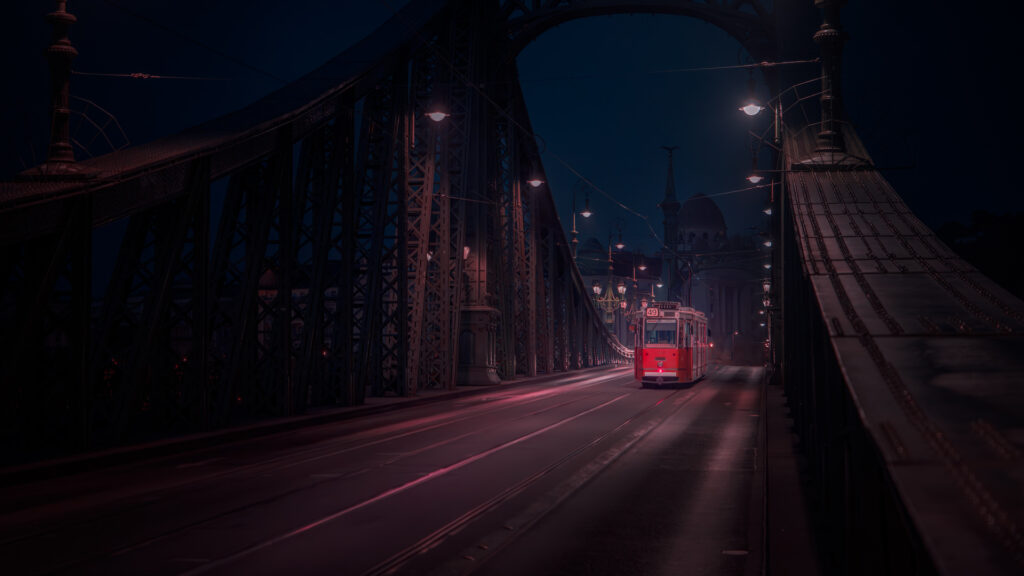


Few cities in Europe offer as many spectacular photography opportunities as Budapest. Split by the majestic Danube River, Budapest combines dramatic architecture, historic bridges, thermal baths, and panoramic viewpoints that make it a dream destination for travel photographers.
From the fairy-tale terraces of Fisherman’s Bastion to the glowing riverside lights around the Hungarian Parliament Building, the city offers incredible scenes at every time of day. Sunrise paints the skyline with soft golden light, while sunset reflections shimmer along the Danube and nighttime reveals some of the most beautiful illuminated architecture in Europe.
What makes Budapest especially appealing for photography is the diversity of scenes within a compact area. You can photograph grand historic buildings, vibrant markets, charming streets, hidden courtyards, and panoramic viewpoints all within walking distance.
In this Ultimate Photography Guide to Budapest, I’ll share the best locations, the ideal lighting conditions, practical photography techniques, and gear recommendations to help you capture stunning images across the city.
Why Budapest Is Perfect for Photography
There are many reasons photographers love visiting Budapest.
Dramatic Architecture
Budapest is home to some of the most beautiful architecture in Europe.
Highlights include:
- Hungarian Parliament Building
- Buda Castle
- St. Stephen’s Basilica
These landmarks feature ornate facades, domes, towers, and intricate details that photograph beautifully in different lighting conditions.
Iconic Bridges and River Views
The Danube River flows through the center of Budapest, dividing the historic hills of Buda from the lively streets of Pest.
Some of the most photogenic viewpoints feature bridges crossing the river, including the iconic Széchenyi Chain Bridge.
From riverside promenades to elevated viewpoints, the Danube provides endless opportunities for reflections, long exposures, and panoramic cityscapes.
Elevated Viewpoints
Budapest’s hills offer incredible perspectives over the city.
Photographers can capture sweeping views from locations like:
- Gellért Hill
- Fisherman’s Bastion
- Citadella
These viewpoints are perfect for sunrise, sunset, and night photography.
Beautiful Night Illumination
Budapest is often called one of the most beautiful illuminated cities in Europe.
At night, many landmarks are lit dramatically, including:
- Hungarian Parliament Building
- Buda Castle
- Matthias Church
These glowing landmarks create spectacular night photography opportunities along the river.
Best Photography Locations in Budapest
Fisherman’s Bastion
Google Maps:
https://maps.google.com/?q=Fishermans+Bastion+Budapest
One of the most famous photography locations in Budapest is Fisherman’s Bastion.
This fairy-tale terrace sits high above the Danube and offers some of the best views in the city.
What Makes It Special
From the bastion you can photograph:
- The Hungarian Parliament Building
- The Danube River
- The skyline of Pest
The arches, staircases, and towers of the bastion also create beautiful framing elements.
Photography Tips
- Visit at sunrise to avoid crowds
- Use the arches as natural frames for the parliament building
- Try both wide-angle and telephoto lenses for different perspectives
Hungarian Parliament Building
Google Maps:
https://maps.google.com/?q=Hungarian+Parliament+Budapest
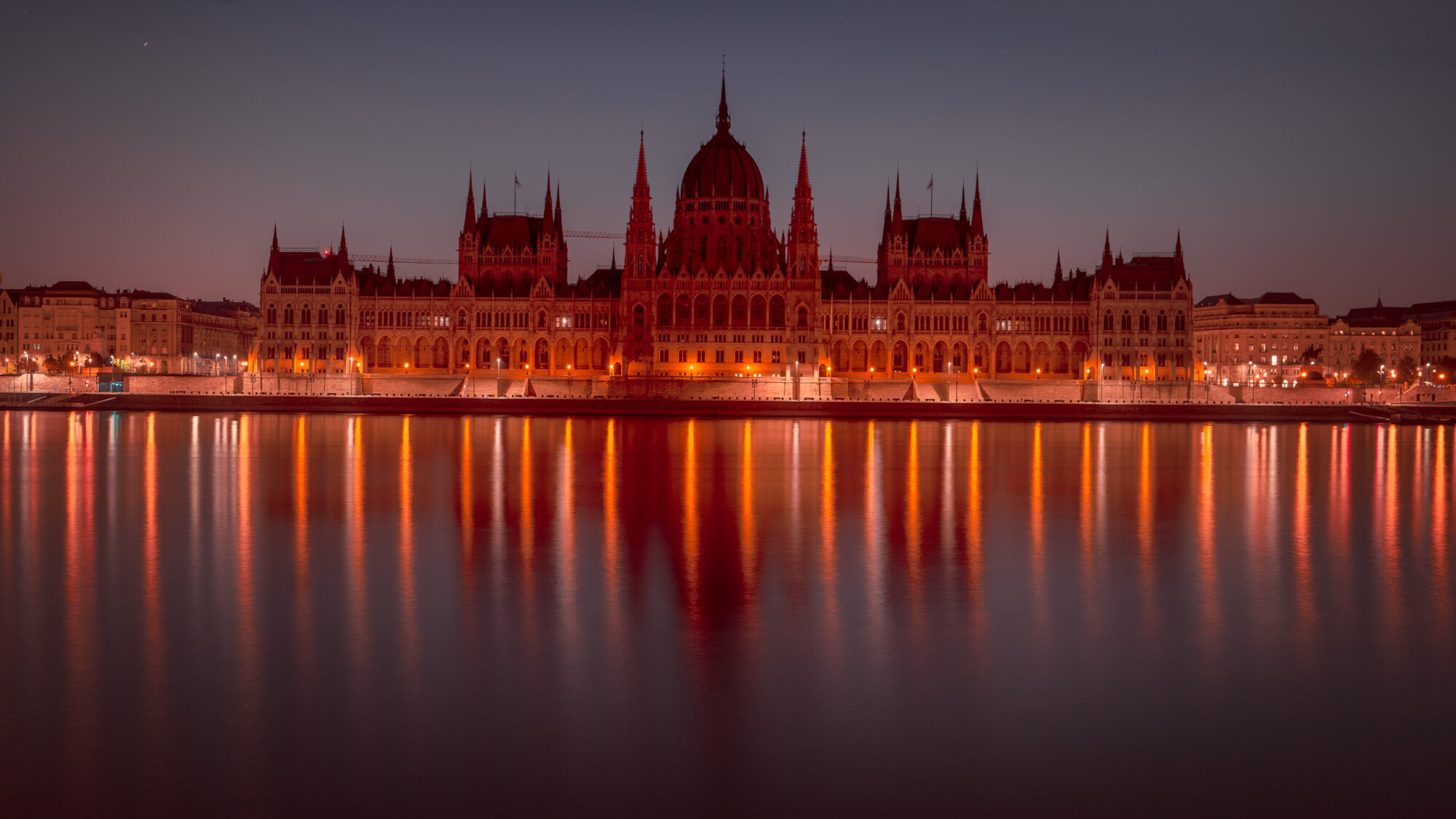
The Hungarian Parliament is arguably the most iconic photography subject in Budapest.
Located directly along the Danube, this massive Gothic Revival building is incredibly photogenic from multiple angles.
Best Photography Angles
Some of the best viewpoints include:
- The riverbank promenade
- Bridges crossing the Danube
- Elevated viewpoints in Buda
The building looks particularly dramatic at night when illuminated.
Photography Tips
- Capture reflections along the river
- Use long exposures after sunset
- Include boats on the river for dynamic compositions
Széchenyi Chain Bridge
Google Maps:
https://maps.google.com/?q=Chain+Bridge+Budapest
The Chain Bridge is one of Budapest’s most famous landmarks and connects Buda and Pest across the Danube.
Why It’s Great for Photography
The bridge features:
- Large stone towers
- Decorative chains
- Symmetrical architecture
These elements create strong leading lines and dramatic compositions.
Photography Tips
- Photograph the bridge at blue hour when lights illuminate the structure
- Use a tripod for long exposures
- Stand in the center walkway for symmetrical shots
Gellért Hill
Google Maps:
https://maps.google.com/?q=Gellert+Hill+Budapest
Gellért Hill offers one of the best panoramic views in Budapest.
From the top you can photograph:
- The entire Danube river bend
- The Parliament building
- The Chain Bridge
- The rooftops of Pest
Photography Tips
- Visit at sunset for warm golden light
- Bring a telephoto lens to compress the skyline
- Stay after dark for incredible night photography
St. Stephen’s Basilica
Google Maps:
https://maps.google.com/?q=St+Stephens+Basilica+Budapest
This stunning basilica is one of Budapest’s most impressive architectural landmarks.
What Makes It Photogenic
The basilica features:
- A massive central dome
- Elegant neoclassical design
- Large open plaza in front
The square provides plenty of space for creative compositions.
Photography Tips
- Photograph the basilica at sunrise when the square is quiet
- Use wide-angle lenses to capture the entire facade
- Try reflections after rain for unique compositions
Best Time of Day for Photography in Budapest
Lighting dramatically affects your images in Budapest.
Sunrise
Sunrise offers:
- Soft golden light
- Fewer tourists
- Calm atmosphere
Some of the best sunrise locations include:
- Fisherman’s Bastion
- Buda Castle
- The Danube riverbank
Sunset
Sunset produces warm light that enhances Budapest’s architecture.
Great sunset locations include:
- Gellért Hill
- Citadella
- Bridges along the Danube
Sunset also creates beautiful reflections on the water.
Blue Hour and Night
After sunset, Budapest becomes even more magical.
Many landmarks light up including:
- Hungarian Parliament Building
- Buda Castle
- Matthias Church
Long exposures during blue hour can produce some of the most dramatic photos in the city.
Best Weather for Budapest Photography
Weather conditions can dramatically affect your photos.
Clear Skies
Perfect for:
- Sunrises and sunsets
- Clean skyline views
- City panoramas
Cloudy Weather
Clouds add texture and drama to the sky.
This is ideal for photographing landmarks like the Parliament building or Chain Bridge.
Rainy Conditions
Rain can create incredible reflections on streets and pavements.
Wet surfaces often reflect lights and buildings, adding depth to night photography.
Advanced Photography Techniques for Budapest
Once you’ve visited the main viewpoints and landmarks in Budapest, you can start experimenting with more advanced techniques to capture unique and professional-looking images.
Long Exposure Photography Along the Danube
The Danube River is perfect for long-exposure photography, especially during blue hour and night.
Long exposures allow you to capture:
- Smooth water reflections
- Light trails from boats
- Dramatic illuminated architecture
Some of the best locations include viewpoints facing the Hungarian Parliament Building and the Széchenyi Chain Bridge.
Tips for long exposures:
- Use a tripod for stability
- Try shutter speeds between 5–20 seconds
- Use ISO 100 for maximum image quality
Capture Reflections in the River
Reflections are one of the most beautiful elements of Budapest photography.
During calm evenings, the lights of the Buda Castle and the parliament building reflect beautifully in the Danube.
To capture strong reflections:
- Shoot during blue hour
- Look for calm water conditions
- Compose your image so the reflection fills the lower part of the frame
This creates balanced, symmetrical compositions.
Use Architecture to Frame Your Subject
Budapest’s historic architecture offers many opportunities for creative framing.
At Fisherman’s Bastion, the arches and columns are perfect for framing the parliament building across the river.
Try these framing ideas:
- Photograph through arches or staircases
- Use railings and columns as natural frames
- Capture silhouettes of people against architectural features
Framing helps guide the viewer’s eye toward the main subject.
Capture Street Life in Historic Districts
Street photography is another powerful way to capture the atmosphere of Budapest.
Historic neighborhoods around Buda Castle and the Jewish Quarter offer excellent opportunities for storytelling images.
Look for scenes such as:
- Street musicians and performers
- Cafés and outdoor markets
- Locals walking through historic streets
These images capture the everyday life of the city.
Best Camera Settings for Budapest Photography
Choosing the right camera settings will help you capture the city’s architecture and landscapes with maximum clarity.
Aperture
For most cityscape and architecture photography:
- f/8 – f/11 provides excellent sharpness and depth of field.
If you want to isolate a subject or create background blur:
- Use f/2.8 – f/4.
Shutter Speed
Shutter speed depends on your subject.
Examples:
- 1/125 – 1/500 seconds for handheld shots during the day
- 1–10 seconds for long exposures at night
- 15–30 seconds for dramatic river reflections
Using a tripod is highly recommended for night photography.
ISO
Keep ISO as low as possible for the best image quality.
Typical ranges:
- ISO 100–200 in daylight
- ISO 400–800 during sunset
- ISO 800–1600 at night if shooting handheld
Best Lenses for Budapest Photography
The right lenses will help you capture different perspectives of the city.
Wide-Angle Lens (14–24mm)
Wide-angle lenses are ideal for:
- Cityscapes
- Architecture
- Viewpoints such as Gellért Hill
They allow you to capture dramatic foreground elements and expansive skylines.
Standard Zoom Lens (24–70mm)
A 24–70mm lens is one of the most versatile travel photography lenses.
It works well for:
- Street photography
- Landmarks
- Markets and daily life scenes
This is often the best all-around lens for city photography.
Telephoto Lens (70–200mm)
Telephoto lenses help compress perspective and isolate distant subjects.
They are great for photographing:
- Details of the Hungarian Parliament Building
- Layers of buildings across the Danube
- Architectural details on bridges and churches
Seasonal Photography Opportunities in Budapest
Each season offers different photography opportunities.
Spring
Spring brings blooming trees and fresh greenery to the city.
Great locations include parks near Buda Castle and gardens surrounding historic buildings.
Summer
Summer offers long days and vibrant street life.
You can photograph:
- Outdoor cafés
- River cruises on the Danube River
- Golden hour sunsets over the skyline
Autumn
Autumn colors appear in many parks and along hillsides such as Gellért Hill.
The warm colors of fall contrast beautifully with Budapest’s historic architecture.
Winter
Winter offers atmospheric scenes with fewer tourists.
You may capture:
- Christmas markets
- Snow-covered rooftops
- Dramatic fog over the Danube
Night photography becomes especially beautiful during winter months.
Creative Photography Ideas in Budapest
If you want to capture unique images, try experimenting with creative approaches.
Ideas include:
- Silhouettes of pedestrians on the Széchenyi Chain Bridge
- Long exposures of river traffic on the Danube
- Architectural patterns on historic buildings
- Reflections in puddles after rain
Small creative choices can transform ordinary scenes into compelling photographs.
Common Mistakes to Avoid
Even experienced photographers sometimes make mistakes when photographing new cities.
Here are a few to avoid in Budapest.
Arriving Too Late at Popular Locations
Places like Fisherman’s Bastion can become crowded quickly.
Arriving early allows you to capture clean compositions.
Ignoring the Direction of Light
Pay attention to where the sun rises and sets.
Lighting direction dramatically affects how landmarks like the parliament building appear in photos.
Not Staying for Blue Hour
Many photographers leave too early.
Some of the best photos happen after sunset when the city lights illuminate buildings and bridges.
FAQs
What is the best photography location in Budapest?
One of the most famous photography spots is Fisherman’s Bastion, which offers incredible views of the parliament building and the Danube River.
When is the best time to photograph Budapest?
Sunrise and sunset are the best times because the light is soft and warm. Blue hour and night photography are also excellent thanks to the city’s beautiful illumination.
Do I need a tripod for Budapest photography?
A tripod is highly recommended for night photography and long exposures along the Danube River, especially when photographing illuminated landmarks.
What lens is best for city photography?
Wide-angle lenses (14–24mm) are excellent for cityscapes and architecture, while a 24–70mm lens is a versatile option for general travel photography.
Is Budapest good for beginner photographers?
Yes. The city offers easily accessible viewpoints, iconic landmarks, and beautiful lighting conditions that make it a great destination for photographers of all levels.
Where can I photograph the Hungarian Parliament Building?
Some of the best views are from the riverbanks of the Danube, from bridges such as the Széchenyi Chain Bridge, and from viewpoints like Fisherman’s Bastion.
Conclusion
With its stunning architecture, dramatic viewpoints, and beautiful river scenery, Budapest is one of the most photogenic cities in Europe.
From sunrise at Fisherman’s Bastion to night photography along the Danube River, the city offers endless opportunities to capture unique and memorable images.
Whether you’re photographing iconic landmarks, vibrant street scenes, or panoramic city views, Budapest provides a rich and inspiring environment for travel photography.
Related Internal Articles
- Gellért Hill: The Complete Guide to Budapest’s Most Iconic Viewpoint
- How to Get to Gellért Hill by Public Transport
- Botanical Garden in Budapest: A Photographer’s Guide
- Central Market Hall Budapest: A Photographer’s Guide
- Top Instagram Photography Spots in Hungary
External Resources
- https://visithungary.com
- https://www.budapestinfo.hu
- https://photographylife.com
- https://www.lonelyplanet.com/hungary/budapest
- https://www.nationalgeographic.com/travel
Pingback:10 Best Flower Photography Destinations in Europe - Epic Travel Guides & Photography Inspiration