
Introduction
Paris may be famous for iconic landmarks like the Eiffel Tower and the Louvre, but surprisingly, it’s also a fantastic city for wildlife photography. Hidden among historic gardens, forest parks, rivers, and urban green spaces are a wide variety of animals—from colorful birds and butterflies to foxes, bats, and swans.
As a travel photographer, I’ve learned that photographing wildlife in Paris requires a slightly different approach than in national parks. The key is knowing where to look. Large urban forests, botanical gardens, and quiet canals offer some of the best opportunities to photograph animals right in the heart of the city.
Paris’s parks host many species, including kingfishers, robins, woodpeckers, swans, bats, foxes, and hedgehogs, while butterflies and dragonflies are common near ponds and gardens.
In this guide, I’ll show you the best wildlife photography locations in Paris, complete with Google Maps links and practical tips for photographing animals in the city. Whether you’re interested in birds, urban mammals, or macro wildlife like insects and butterflies, these locations offer some of the best opportunities for wildlife photography in the French capital.
If you enjoy nature photography while traveling, you might also enjoy my guides on https://frewaphoto.com/summer-garden-flower-photography-guide/ and https://frewaphoto.com/autumn-flower-photography-guide/ which cover techniques for photographing flowers and insects in natural environments.
Why Paris Is Surprisingly Good for Wildlife Photography
Many people assume wildlife photography requires remote landscapes, but cities like Paris have become important habitats for animals.
Here’s why Paris works well for wildlife photographers.
Large Urban Forest Parks
Paris contains two huge forest parks:
- Bois de Boulogne
- Bois de Vincennes
These parks are large enough to support birds, mammals, and aquatic wildlife.
Extensive Green Spaces
The city has more than 400 parks and gardens, creating a network of habitats where wildlife can thrive.
River and Canal Ecosystems
The Seine River and surrounding canals attract water birds and insects, making them excellent places for wildlife photography.
Urban Rewilding
Some parts of the city, like abandoned railway corridors, have been rewilded to encourage biodiversity, supporting species such as bats, foxes, and hedgehogs. (The Guardian)
Best Wildlife Photography Locations in Paris
Bois de Vincennes
Google Maps:
https://maps.google.com/?q=Bois+de+Vincennes
Located on the eastern edge of Paris, Bois de Vincennes is one of the best places in the city to photograph wildlife. The park covers nearly 1,000 hectares, making it one of the largest green spaces in Paris.
Wildlife You Can Photograph
You’ll commonly find:
- Swans
- Ducks and geese
- Kingfishers
- Woodpeckers
- Dragonflies
- Foxes (occasionally)
Red foxes have been spotted in the park, showing how urban wildlife adapts to city environments. (Moving to EU Made Simple)
Best Photography Spots in the Park
Focus on these areas:
- Lac Daumesnil – great for swans and water birds
- Forest trails – good for woodpeckers and robins
- Wetlands around the lakes – dragonflies and insects
Photography Tips
- Visit early morning for birds and calm water reflections
- Bring a telephoto lens (200–400mm) for bird photography
- Watch for wildlife near the quieter forest paths
Bois de Boulogne
Google Maps:
https://maps.google.com/?q=Bois+de+Boulogne
On the western edge of Paris lies Bois de Boulogne, another massive park that feels more like a forest than a city park.
For wildlife photographers, this park offers some of the best bird photography opportunities in the city.
Wildlife You Can Photograph
Look for:
- Swans
- Ducks
- Herons
- Woodpeckers
- Owls (occasionally)
The lakes and wooded areas create ideal habitats for birds and aquatic wildlife.
Best Areas for Wildlife Photography
Focus on:
- Lac Inférieur
- Lac Supérieur
- Quiet woodland trails
These areas offer calm water surfaces that are perfect for photographing birds and reflections.
Photography Tips
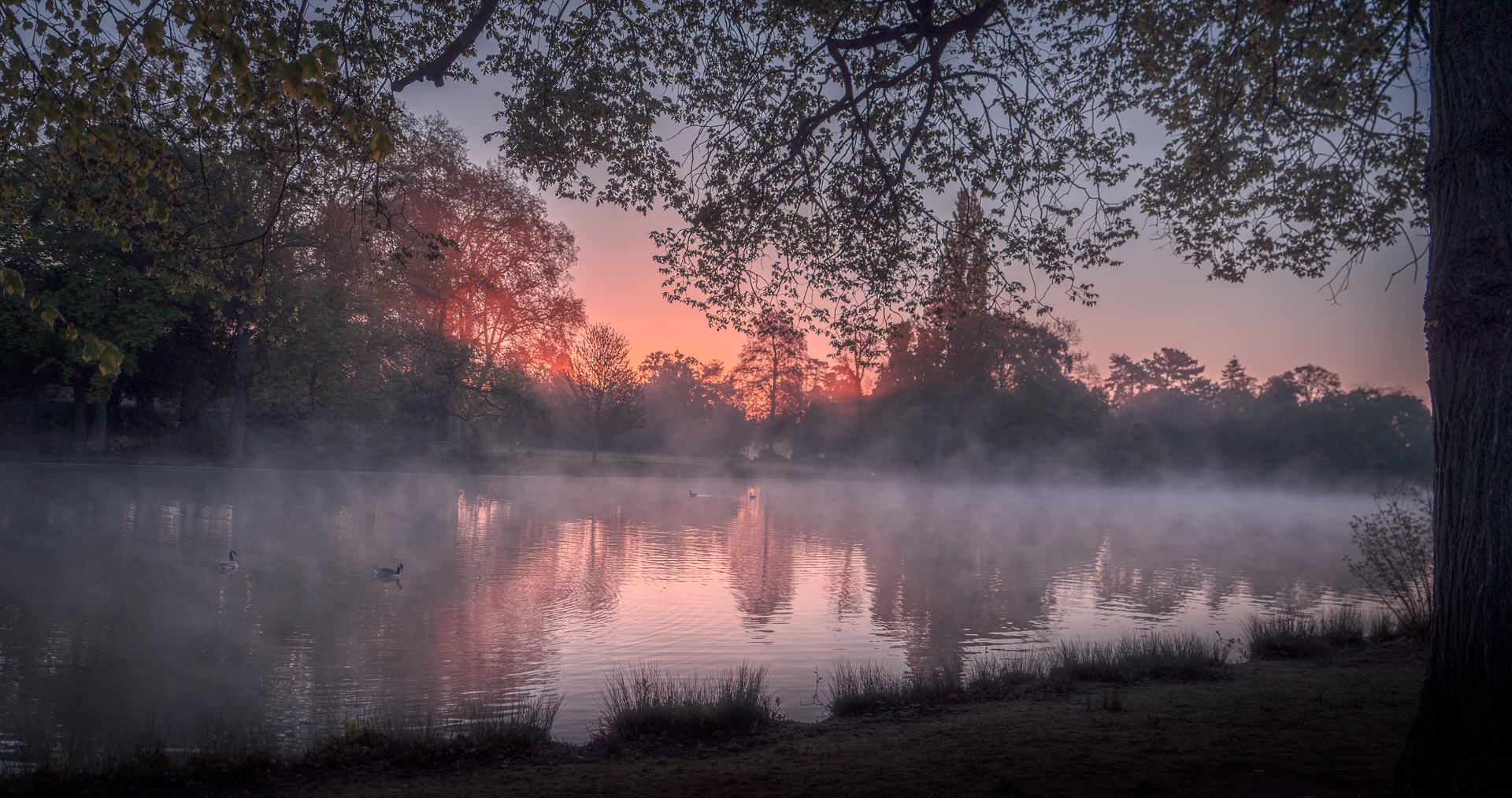
- Early morning fog often creates beautiful atmospheric images
- Use a tripod for low-light bird photography
- Look for birds perched near the lake edges
Jardin des Plantes
Google Maps:
https://maps.google.com/?q=Jardin+des+Plantes+Paris
The Jardin des Plantes is one of the most historic botanical gardens in Europe and an excellent place for macro wildlife photography.
Inside the garden is the famous Ménagerie du Jardin des Plantes, a zoo founded in 1794 and one of the oldest zoological gardens in the world. (Wikipedia)
Wildlife to Photograph
In the gardens themselves, you can find:
- Butterflies
- Bees and pollinators
- Dragonflies
- Songbirds
These small subjects are perfect for macro and close-up photography.
Best Photography Locations
Look for:
- Flower gardens
- Pond edges
- Shaded pathways
These areas attract insects and birds.
Photography Tips
- Use a macro lens (90–105mm) for insect photography
- Photograph butterflies during warm sunny afternoons
- Look for dragonflies near water
If you enjoy photographing flowers and insects together, check out my guide to https://frewaphoto.com/macro-flower-photography-guide/ for techniques and gear recommendations.
Parc des Buttes-Chaumont
Google Maps:
https://maps.google.com/?q=Parc+des+Buttes+Chaumont
One of the most dramatic parks in Paris, Parc des Buttes-Chaumont features cliffs, lakes, bridges, and lush vegetation.
This park is fantastic for combining wildlife and landscape photography.
Wildlife You Can Photograph
Common animals include:
- Ducks
- Swans
- Songbirds
- Butterflies
- Dragonflies
The lake and surrounding vegetation attract many bird species.
Best Photography Spots
Look for wildlife around:
- The central lake
- Rocky cliffs
- Tree-lined walking paths
Photography Tips
- Shoot during golden hour for dramatic lighting
- Use reflections in the lake for composition
- Combine wildlife with landscape elements
La Petite Ceinture (Paris Rewilded Railway)
Google Maps (example section):
https://maps.google.com/?q=Petite+Ceinture+Paris
One of the most unusual wildlife photography locations in Paris is La Petite Ceinture, an abandoned railway line that has been partially transformed into a rewilded nature corridor.
Sections of the line have become habitats for bats, foxes, and hedgehogs, along with hundreds of plant and insect species. (The Guardian)
Wildlife You Can Photograph
Depending on the section, you may find:
- Urban foxes
- Hedgehogs
- Butterflies
- Bees
- Small birds
Because parts of the railway are less manicured than city parks, wildlife thrives here.
Photography Tips
- Visit during early morning or sunset
- Use longer lenses for shy animals
- Focus on macro wildlife like insects and butterflies
Parc Floral de Paris
Google Maps:
https://maps.google.com/?q=Parc+Floral+de+Paris
Located within Bois de Vincennes, this botanical park is one of the best places for butterfly and pollinator photography in Paris.
The park features seasonal flower gardens that attract insects and birds.
Wildlife to Photograph
- Butterflies
- Bees
- Dragonflies
- Songbirds
Photography Tips
- Visit during summer bloom season
- Use macro lenses for insect photography
- Look for flowers that attract pollinators
If you enjoy photographing flowers and insects together, you may also like my guide to https://frewaphoto.com/wildflower-photography-guide/.
Advanced Wildlife Photography Techniques
Once you’ve explored the main wildlife photography locations in Paris, applying more advanced techniques will help you capture more compelling images. Urban wildlife can behave differently from animals in remote landscapes, so adapting your approach is important.
Use Patience and Observation
Wildlife photography in cities often requires patience. Birds and animals move quickly, and opportunities can appear suddenly.
A useful strategy is to:
- Find a promising location
- Stay still for 10–20 minutes
- Watch animal behavior patterns
Birds often return to the same perches, especially near water or feeding areas.
For example, in Bois de Vincennes or Bois de Boulogne, birds frequently land on the same branches near lakes.
Anticipate Animal Movement
Instead of reacting after an animal moves, try to predict where it will go next.
Examples include:
- Ducks swimming toward food sources
- Birds flying between trees
- Dragonflies returning to the same perch
Pre-focusing on likely landing spots can dramatically increase your chances of getting sharp images.
Shoot in Burst Mode
Burst shooting is extremely helpful for wildlife photography.
When photographing:
- Flying birds
- Animals in motion
- Birds taking off from water
Use continuous shooting mode to capture multiple frames.
This increases your chances of getting a perfectly timed shot.
Use Natural Cover
Urban wildlife can still be cautious around humans.
To avoid disturbing animals:
- Photograph from behind trees or bushes
- Stay low when approaching birds
- Move slowly and quietly
This helps animals behave naturally, resulting in better photographs.
Creative Wildlife Photography Ideas in Paris
Paris offers unique opportunities to combine wildlife with iconic urban scenery.
Wildlife with Parisian Architecture
Try composing images where wildlife interacts with the city environment.
Examples include:
- Birds flying above bridges
- Ducks swimming near historic buildings
- Swans with reflections of Parisian trees
Combining wildlife with architecture creates strong storytelling images.
Reflections on Water
Many Paris parks contain lakes and ponds that produce beautiful reflections.
You can photograph:
- Swans mirrored in calm water
- Ducks surrounded by autumn leaves
- Birds landing on lakes during golden hour
These reflections add symmetry and visual interest.
Wildlife in Seasonal Settings
Seasonal elements can dramatically change the feel of wildlife images.
Examples include:
- Spring blossoms with birds
- Summer insects around flowers
- Autumn leaves surrounding ducks
- Winter frost on branches
For example, you can combine bird photography with flower photography techniques from https://frewaphoto.com/spring-flower-photography-guide/ or https://frewaphoto.com/autumn-flower-photography-guide/.
Macro Wildlife Photography
Small wildlife like butterflies, bees, and dragonflies are common in Paris parks.
Macro photography subjects include:
- Pollinators on flowers
- Dragonflies near ponds
- Beetles and insects in gardens
These subjects work particularly well in locations like Jardin des Plantes and Parc Floral de Paris.
Best Camera Settings for Wildlife Photography
Wildlife photography often requires fast camera settings to capture movement.
Here are reliable starting settings.
Birds and Fast-Moving Animals
Use settings such as:
- Shutter speed: 1/1000 – 1/2000
- Aperture: f/5.6 – f/8
- ISO: adjust depending on lighting
These settings freeze motion and keep animals sharp.
Perched Birds or Still Animals
If your subject is stationary, you can use slightly slower settings:
- Shutter speed: 1/250 – 1/500
- Aperture: f/6.3 – f/8
This allows lower ISO and better image quality.
Macro Wildlife Photography
For insects and butterflies:
- Aperture: f/8 – f/11
- Shutter speed: 1/500 or faster
Macro subjects require good depth of field to keep the insect sharp.
Best Lenses for Wildlife Photography in Paris
Lens choice can greatly influence your success when photographing animals in urban environments.
Telephoto Lenses
Telephoto lenses are essential for wildlife photography because they allow you to photograph animals from a distance.
Recommended focal lengths include:
- 200mm
- 300mm
- 400mm
These lenses are ideal for photographing birds in places like Bois de Boulogne or Bois de Vincennes.
Zoom Telephoto Lenses
A versatile option is a telephoto zoom such as:
- 70–200mm
- 100–400mm
Zoom lenses are useful in parks where animals may suddenly move closer or farther away.
Macro Lenses
Macro lenses are ideal for photographing insects, butterflies, and dragonflies.
Common macro focal lengths include:
- 90mm
- 100mm
- 105mm
These lenses work well in gardens such as Jardin des Plantes.
Seasonal Wildlife Photography Opportunities in Paris
Wildlife activity changes significantly throughout the year.
Understanding these seasonal patterns can improve your photography success.
Spring Wildlife
Spring is one of the most active seasons.
You can photograph:
- Nesting birds
- Butterflies emerging
- Pollinators visiting flowers
Many photographers combine wildlife and flower photography during spring.
Summer Wildlife
Summer offers excellent opportunities for insect and bird photography.
Look for:
- Dragonflies around lakes
- Bees and butterflies in gardens
- Birds feeding chicks
Locations like Parc Floral de Paris become especially vibrant.
Autumn Wildlife
Autumn introduces dramatic colors and seasonal atmosphere.
Great subjects include:
- Ducks surrounded by fallen leaves
- Migrating birds
- Squirrels gathering food
Autumn colors can create striking wildlife images.
Winter Wildlife
Winter may seem quiet, but wildlife photography is still possible.
You may find:
- Swans and ducks on frozen lakes
- Robins and small birds
- Dramatic foggy landscapes
Winter also offers fewer crowds in parks.
Common Mistakes to Avoid
Even experienced photographers sometimes struggle with urban wildlife photography.
Avoiding these mistakes will improve your results.
Getting Too Close to Animals
Approaching wildlife too closely often scares animals away.
Instead:
- Use longer lenses
- Move slowly
- Respect animal behavior
Keeping distance also helps animals behave naturally.
Ignoring Backgrounds
Busy backgrounds can distract from your subject.
Always check for:
- Bright objects
- People walking behind animals
- Cluttered vegetation
Changing your angle can dramatically improve the composition.
Photographing Only at Eye Level
Most photographers shoot from standing height.
Try experimenting with:
- Low angles near the ground
- Eye-level perspectives with birds on water
- Shooting upward toward the sky
These perspectives often create more engaging wildlife photographs.
Shooting Only in the Middle of the Day
Midday light is often harsh.
Better lighting conditions occur during:
- Early morning
- Golden hour
- Overcast days
These conditions produce softer, more flattering light.
FAQs
Where can you photograph wildlife in Paris?
Some of the best wildlife photography locations in Paris include Bois de Vincennes, Bois de Boulogne, Jardin des Plantes, Parc des Buttes-Chaumont, and Parc Floral de Paris. These areas offer lakes, forests, and gardens that attract birds, insects, and small mammals.
What animals can you photograph in Paris parks?
Common wildlife includes swans, ducks, woodpeckers, robins, butterflies, dragonflies, bees, and occasionally foxes or hedgehogs. Large parks and lakes provide ideal habitats for many species.
What is the best time for wildlife photography in Paris?
Early morning is usually the best time because animals are more active and parks are quieter. Golden hour in the evening can also produce beautiful lighting for wildlife photography.
What lens is best for wildlife photography in Paris?
A telephoto lens between 200mm and 400mm works best for bird photography. Macro lenses around 90–105mm are ideal for photographing insects and butterflies in gardens.
Can beginners photograph wildlife in Paris?
Yes. Paris parks make excellent locations for beginners because wildlife is relatively accessible. Ducks, swans, and birds are easy to photograph while learning wildlife photography techniques.
Do you need expensive gear for wildlife photography?
Not necessarily. While telephoto lenses help, many great wildlife photos can be taken with entry-level cameras or even smartphones if you get close enough to the subject.
Is wildlife photography allowed in Paris parks?
Yes, photography is generally allowed in public parks. However, photographers should always respect wildlife, avoid disturbing animals, and follow park rules.
Conclusion
Paris may not be the first place that comes to mind for wildlife photography, but the city offers surprising opportunities for photographers who know where to look. Large forest parks, botanical gardens, canals, and rewilded spaces support a wide range of birds, insects, and small mammals.
By exploring locations like Bois de Vincennes, Bois de Boulogne, and Jardin des Plantes, photographers can capture unique images of wildlife thriving in an urban environment. Combining these animals with the city’s beautiful parks and seasonal scenery can produce photographs that are both natural and distinctly Parisian.
Whether you’re photographing swans on a peaceful lake, butterflies in a botanical garden, or birds among autumn trees, Paris provides endless inspiration for wildlife photographers.
Related Internal Articles
- https://frewaphoto.com/summer-garden-flower-photography-guide/
- https://frewaphoto.com/autumn-flower-photography-guide/
- https://frewaphoto.com/macro-flower-photography-guide/
- https://frewaphoto.com/wildflower-photography-guide/
- https://frewaphoto.com/spring-flower-photography-guide/
External Resources
- https://www.paris.fr/pages/les-parcs-et-jardins-209
- https://www.parisinfo.com/paris-guide/paris-parks-gardens
- https://www.lpo.fr (French Bird Protection League)
- https://www.nationalgeographic.com/photography
- https://www.rspb.org.uk/birds-and-wildlife