
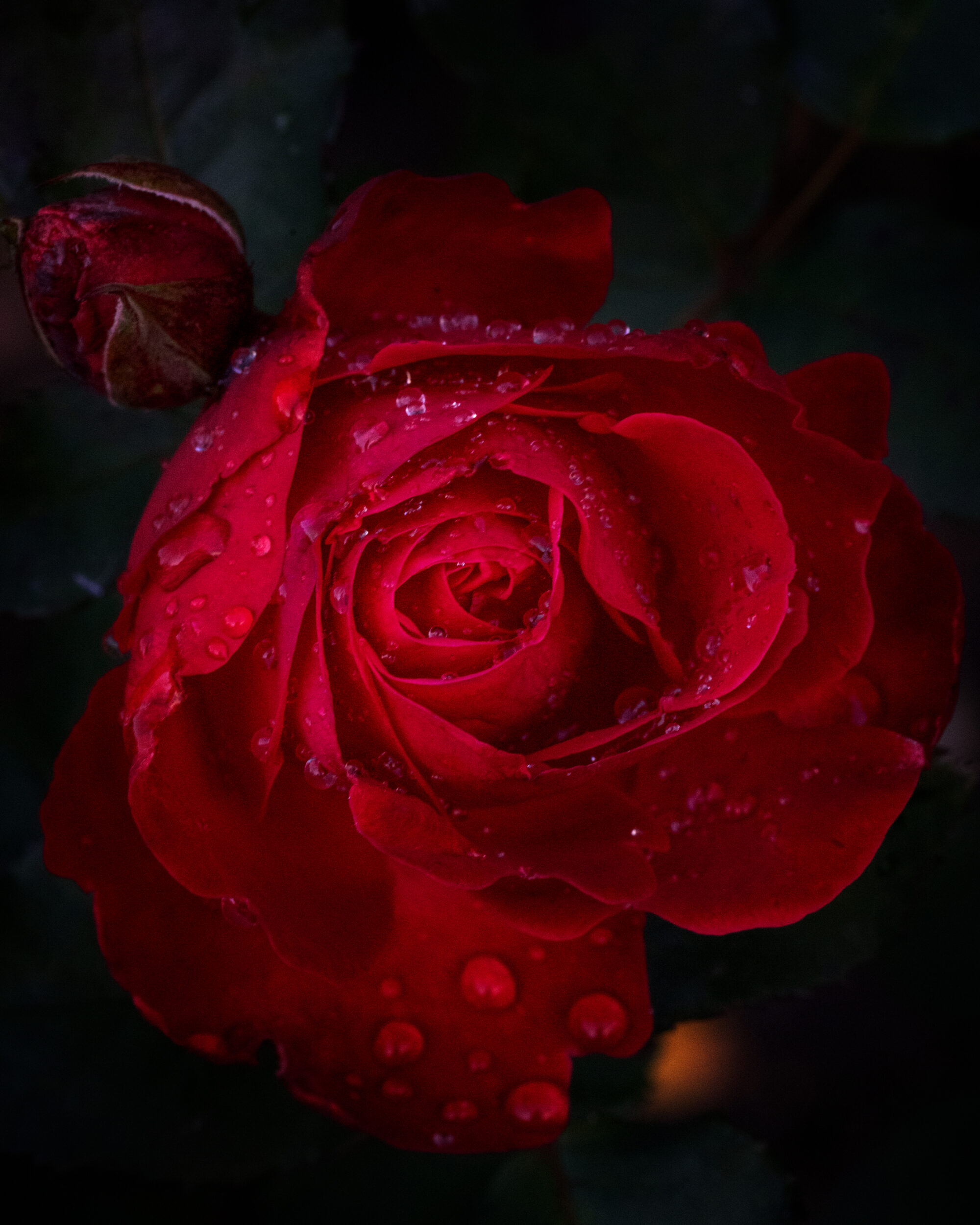
Introduction
Paris is known for its grand architecture, historic streets, and world-famous landmarks—but if you slow down and look closer, the city also offers incredible opportunities for macro photography. From tiny insects on garden flowers to intricate textures on historic buildings, Paris is full of fascinating small details waiting to be captured.
As a travel photographer, I often find that macro photography reveals a completely different side of a destination. While many photographers focus on landmarks like the Eiffel Tower or the Louvre Museum, macro photography encourages you to explore gardens, parks, markets, and quiet corners where tiny subjects become the stars of the image.
In this macro photography in Paris guide, I’ll show you the best places in the city to capture close-up images of flowers, insects, textures, and small natural details. You’ll also learn practical techniques for shooting macro images while traveling.
Whether you’re photographing butterflies in botanical gardens, bees on flowers, raindrops on leaves, or artistic textures around the city, Paris offers endless inspiration for macro photographers.
If you enjoy photographing flowers and insects together, you might also enjoy this related guide on Frewa Photo:
https://frewaphoto.com/macro-flower-photography-guide/
Why Paris Is Great for Macro Photography
Macro photography is about discovering details most people walk past. Cities with large parks, gardens, and historic architecture—like Paris—offer surprisingly rich opportunities for close-up photography.
Diverse Macro Subjects
Paris contains an impressive range of macro photography subjects, including:
- Pollinating insects
- Butterflies and dragonflies
- Dew drops on plants
- Flower textures and pollen
- Moss, bark, and fungi
- Architectural patterns and stone textures
Because the city combines urban nature and historic architecture, photographers can capture both natural and artistic macro subjects.
Extensive Parks and Gardens
Paris has hundreds of green spaces that attract insects and plants ideal for macro photography. Botanical gardens, flower beds, and lakes create habitats for pollinators and small wildlife.
These locations often feature:
- Flower gardens
- Wildflower areas
- Pond ecosystems
- Tree-lined paths
These environments create perfect conditions for macro photography.
Seasonal Variety
Macro photography subjects change dramatically throughout the year.
For example:
- Spring brings fresh flowers and emerging insects
- Summer offers butterflies and bees
- Autumn produces interesting plant textures and fungi
- Winter reveals frost patterns and plant structures
This seasonal variety means you can photograph macro subjects in Paris year-round.
Best Macro Photography Locations in Paris
Jardin des Plantes
Google Maps:
https://maps.google.com/?q=Jardin+des+Plantes+Paris
One of the best macro photography locations in Paris is the historic botanical garden Jardin des Plantes, located in the Latin Quarter. The garden contains thousands of plant species and attracts many insects, making it a paradise for macro photographers.
Macro Subjects You Can Photograph
Common macro photography subjects here include:
- Bees and pollinators
- Butterflies
- Dragonflies
- Flower petals and pollen
- Water droplets on leaves
Because the garden contains ponds and dense flower beds, insects gather in large numbers during warmer months.
Best Areas for Macro Photography
Focus your exploration on:
- Flower gardens
- Pond edges
- Tropical greenhouse surroundings
- Pollinator-friendly plant beds
These areas attract insects and offer colorful backgrounds.
Photography Tips
- Visit during late morning or early afternoon when insects are active
- Use a macro lens (90–105mm) for detailed close-ups
- Look for flowers with multiple pollinators
For more flower photography tips, see:
https://frewaphoto.com/summer-garden-flower-photography-guide/
Parc Floral de Paris
Google Maps:
https://maps.google.com/?q=Parc+Floral+de+Paris
Located inside Bois de Vincennes, Parc Floral de Paris is one of the best places in the city for photographing flowers and insects.
The park is famous for its seasonal gardens, including rose gardens, dahlia collections, and butterfly-friendly flower beds.
Macro Photography Subjects
You’ll commonly find:
- Butterflies
- Bees
- Hoverflies
- Dragonflies
- Flower textures
Because of the large flower displays, this park is excellent for combining macro insect photography with colorful floral backgrounds.
Best Areas to Explore
Look for macro subjects around:
- The rose garden
- Dahlia displays
- Pollinator flower beds
- Small ponds and water features
These locations often attract insects searching for nectar.
Photography Tips
- Visit during summer bloom season
- Use wide apertures for beautiful background blur
- Photograph insects while they feed on flowers
You may also enjoy this guide:
https://frewaphoto.com/wildflower-photography-guide/
Bois de Vincennes
Google Maps:
https://maps.google.com/?q=Bois+de+Vincennes
Although it’s known as one of the best wildlife photography locations in Paris, Bois de Vincennes is also excellent for macro photography.
This massive park contains forests, lakes, meadows, and gardens—each offering different macro subjects.
Macro Photography Subjects
Look for:
- Dragonflies near lakes
- Butterflies in meadow areas
- Bees visiting wildflowers
- Moss and plant textures
Wetland areas around the lakes are especially productive for dragonfly photography.
Best Locations in the Park
Explore:
- Lake edges
- Meadow areas
- Flower beds along walking paths
- Shaded forest areas with moss and fungi
Each habitat provides unique macro opportunities.
Photography Tips
- Dragonflies are easiest to photograph on warm sunny afternoons
- Use fast shutter speeds for insects in flight
- Look for dew drops early in the morning
Parc des Buttes-Chaumont
Google Maps:
https://maps.google.com/?q=Parc+des+Buttes+Chaumont
One of the most dramatic parks in Paris, Parc des Buttes-Chaumont features cliffs, waterfalls, and lush vegetation that provide interesting macro photography subjects.
While many photographers visit for landscape images, macro photographers can find fascinating details throughout the park.
Macro Subjects
Look for:
- Moss textures on rocks
- Insects on wildflowers
- Water droplets on plants
- Patterns in leaves
The varied terrain creates many micro-habitats for insects.
Best Photography Areas
Explore:
- Near the waterfall
- Around the lake
- Along shaded walking trails
These areas often contain plants and insects perfect for macro photography.
Photography Tips
- Bring a macro lens or extension tubes
- Look for insects resting on plants early in the morning
- Use soft diffused light on cloudy days
Jardin du Luxembourg
Google Maps:
https://maps.google.com/?q=Jardin+du+Luxembourg
The Luxembourg Gardens are one of the most beautiful parks in Paris and surprisingly productive for macro photography.
The gardens feature carefully maintained flower beds that attract pollinators throughout the warmer months.
Macro Photography Subjects
You can photograph:
- Bees on flowers
- Butterfly species
- Flower textures
- Water droplets after rain
These subjects are perfect for close-up photography.
Best Areas for Macro
Look around:
- Flower beds near walking paths
- Garden borders
- Decorative flower displays
These areas often attract pollinators.
Photography Tips
- Visit early morning before crowds arrive
- Look for flowers with multiple insects
- Use shallow depth of field for artistic results
For more ideas on photographing flowers and insects, see:
https://frewaphoto.com/autumn-flower-photography-guide/
La Petite Ceinture
Google Maps (example access point):
https://maps.google.com/?q=Petite+Ceinture+Paris
One of the most unique macro photography locations in Paris is La Petite Ceinture, a former railway line that has been partially transformed into a rewilded nature corridor.
Because these areas are less manicured than traditional parks, they support many insects and wild plants.
Macro Subjects
You may find:
- Wildflowers
- Bees and butterflies
- Beetles
- Grasshoppers
- Spider webs
These subjects are perfect for macro photography.
Photography Tips
- Explore slowly and watch for movement
- Use a macro lens for insect detail
- Look for morning dew on spider webs
When to Shoot Macro Photography in Paris
Timing can dramatically improve your macro photography results.
Early Morning
Early morning is one of the best times for macro photography because:
- Wind is usually calm
- Dew forms on plants
- Insects move more slowly
These conditions make it easier to photograph sharp close-ups.
Late Morning and Afternoon
Insects such as bees and butterflies become more active once temperatures rise.
These times are ideal for photographing pollinators interacting with flowers.
After Rain
Rain can create beautiful macro photography opportunities.
Look for:
- Water droplets on leaves
- Reflections in petals
- Fresh, vibrant plant colors
These elements add texture and visual interest to close-up photographs.
Advanced Macro Photography Techniques
Once you’ve explored the best locations for macro photography in Paris, the next step is using techniques that help you capture sharper, more creative close-up images. Macro photography is all about precision, patience, and careful observation.
Focus on the Most Important Detail
In macro photography, depth of field is extremely shallow. This means only a small part of your subject will be sharp.
For the best results:
- Focus on the most visually important part of the subject
- For insects, focus on the eyes
- For flowers, focus on the center or pollen
This ensures the image feels intentional and visually balanced.
Use Manual Focus for Accuracy
Autofocus can struggle when shooting extremely close subjects.
Manual focus often gives better control when photographing:
- Small insects
- Flower details
- Water droplets
- Textures
Many macro photographers slightly move the camera forward or backward instead of turning the focus ring.
Try Focus Stacking
Focus stacking is an advanced technique where multiple images are taken at different focus points and combined into one sharp photo.
This is especially useful when photographing:
- Complex flowers
- Mushrooms
- Detailed textures
Steps for focus stacking:
- Mount your camera on a tripod
- Take multiple shots while adjusting the focus slightly
- Merge the images using editing software
This technique produces incredibly sharp macro images.
Creative Macro Photography Ideas in Paris
Macro photography encourages you to see familiar places differently. Even famous locations in Paris can reveal fascinating small details.
Photograph Water Droplets on Flowers
After rain showers, many gardens in Paris become perfect macro photography environments.
Look for droplets on flowers in locations such as:
- Jardin des Plantes
- Jardin du Luxembourg
Water droplets can create:
- Reflections
- Sparkling highlights
- Beautiful textures
These elements add depth and visual interest.
Capture Pollinators in Action
Bees and butterflies are some of the most dynamic macro subjects.
You’ll often find them in flower-rich parks like:
- Parc Floral de Paris
- Bois de Vincennes
To capture them successfully:
- Use fast shutter speeds (1/500 or faster)
- Focus on flowers they repeatedly visit
- Shoot in burst mode
Patience is essential when photographing pollinators.
Photograph Textures in Historic Architecture
Macro photography in Paris isn’t limited to nature.
Look closely at architectural details around historic landmarks such as the Louvre Museum or the Notre-Dame Cathedral.
Interesting macro subjects include:
- Stone carvings
- Decorative ironwork
- Weathered textures
- Sculptural details
These textures can create artistic abstract images.
Use Backlighting for Artistic Effects
Backlighting can make macro subjects glow.
For example:
- Leaves lit from behind
- Insects with glowing wings
- Translucent flower petals
Backlighting works beautifully during golden hour in parks and gardens.
Best Camera Settings for Macro Photography
Macro photography requires careful camera settings to achieve sharp images.
Aperture
Depth of field is extremely shallow in macro photography.
Good starting apertures include:
- f/8 – f/11 for general macro work
- f/11 – f/16 for maximum depth of field
Smaller apertures help keep more of the subject in focus.
Shutter Speed
Use faster shutter speeds when photographing moving subjects.
Recommended settings:
- 1/500 or faster for insects
- 1/250 for still subjects
Wind and small movements can blur macro subjects.
ISO
Use the lowest ISO possible while maintaining proper exposure.
Typical ranges include:
- ISO 100–200 in bright sunlight
- ISO 400–800 in shade
Higher ISO values may be necessary in low light.
Best Lenses for Macro Photography
Lens choice plays a huge role in macro photography results.
True Macro Lenses
The best lenses for macro photography offer 1:1 magnification, allowing subjects to appear life-size on the camera sensor.
Common macro focal lengths include:
- 90mm
- 100mm
- 105mm
These lenses allow you to photograph insects without getting too close.
Telephoto Macro Lenses
Longer macro lenses (150mm or 180mm) provide even more working distance.
These are useful when photographing:
- Skittish insects
- Butterflies
- Dragonflies
Extension Tubes
Extension tubes are a budget-friendly way to achieve macro magnification.
They attach between your camera and lens, allowing closer focusing.
These tools are great for travel photographers who want a lightweight macro setup.
Seasonal Macro Photography Opportunities in Paris
Macro photography subjects change throughout the year.
Spring Macro Photography
Spring is one of the most active macro seasons.
Look for:
- Fresh flowers
- Emerging insects
- New plant growth
Gardens like Jardin des Plantes are especially vibrant during this time.
Summer Macro Photography
Summer offers the highest insect activity.
You can photograph:
- Butterflies
- Bees
- Dragonflies
- Pollinators on flowers
Flower gardens become incredibly productive macro photography locations.
Autumn Macro Photography
Autumn introduces interesting textures and seasonal details.
Look for:
- Dew-covered plants
- Fungi and mushrooms
- Fallen leaves with water droplets
Autumn macro photography can produce atmospheric images.
Winter Macro Photography
Winter may seem quiet, but it offers unique macro opportunities.
Subjects include:
- Frost patterns
- Ice crystals
- Bare plant structures
These minimalistic subjects create artistic compositions.
Common Macro Photography Mistakes
Avoiding these mistakes can greatly improve your macro images.
Not Checking the Background
Even in macro photography, backgrounds matter.
Look for:
- Distracting bright spots
- Cluttered vegetation
- Overlapping plants
A clean background helps your subject stand out.
Ignoring Wind
Wind can easily ruin macro shots.
Solutions include:
- Shooting early morning
- Using faster shutter speeds
- Shielding plants with your body
Stable conditions are essential for sharp macro images.
Shooting Too Wide Open
Very wide apertures like f/2.8 can leave most of the subject out of focus.
Instead try:
- f/8
- f/11
These apertures balance sharpness and depth of field.
FAQs
Where can you do macro photography in Paris?
Some of the best macro photography locations include Jardin des Plantes, Parc Floral de Paris, Parc des Buttes-Chaumont, and Jardin du Luxembourg.
What is the best time for macro photography?
Early morning is usually best because wind is calm and insects move more slowly. Morning also offers beautiful dew drops on plants.
What lens is best for macro photography?
A true macro lens between 90mm and 105mm is ideal. These lenses provide 1:1 magnification and allow photographers to capture detailed close-up images.
Can beginners try macro photography?
Yes. Macro photography is actually a great genre for beginners because subjects like flowers and insects are easy to find in parks and gardens.
Do you need expensive gear for macro photography?
No. Many photographers start with extension tubes or macro filters. Even smartphones with macro modes can capture impressive close-up images.
What are good macro subjects in Paris?
Common macro subjects include:
- Bees and butterflies
- Flower textures
- Water droplets
- Dragonflies
- Moss and plant details
These subjects can be found throughout Paris parks and gardens.
Conclusion
Macro photography allows photographers to discover a completely different side of Paris. Instead of focusing on famous landmarks, you begin to notice the tiny details that make the city’s parks, gardens, and historic architecture so fascinating.
By exploring locations such as Jardin des Plantes, Parc Floral de Paris, and Parc des Buttes-Chaumont, photographers can capture beautiful images of insects, flowers, textures, and small natural details.
The key to successful macro photography is patience, observation, and experimentation. Slow down, explore carefully, and you’ll discover that even a famous city like Paris holds an entire miniature world waiting to be photographed.
Related Internal Articles
- https://frewaphoto.com/macro-flower-photography-guide/
- https://frewaphoto.com/summer-garden-flower-photography-guide/
- https://frewaphoto.com/autumn-flower-photography-guide/
- https://frewaphoto.com/wildflower-photography-guide/
- https://frewaphoto.com/spring-flower-photography-guide/
External Resources
- https://www.paris.fr/pages/les-parcs-et-jardins-209
- https://www.parisinfo.com/paris-guide/paris-parks-gardens
- https://www.nationalgeographic.com/photography
- https://www.macroworld.org
- https://www.rhs.org.uk