
By an expert travel photographer who loves chasing early‑morning magic and turning frozen moments into art.
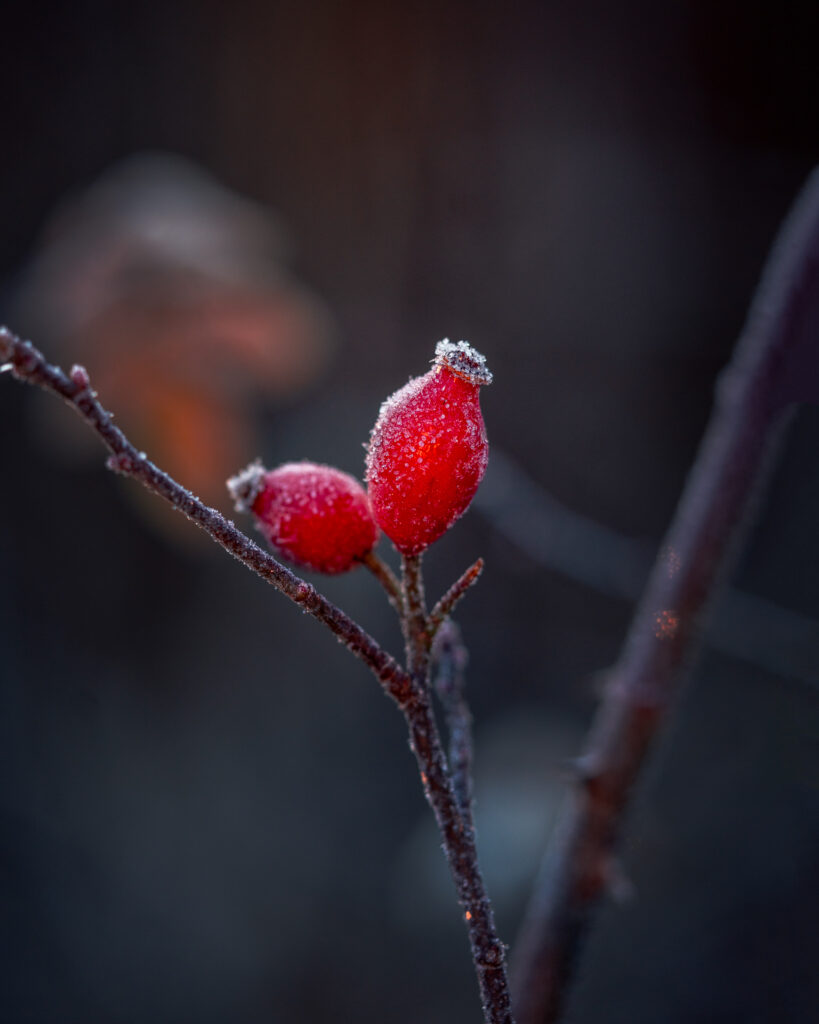
Introduction: Where Winter Turns Into Art
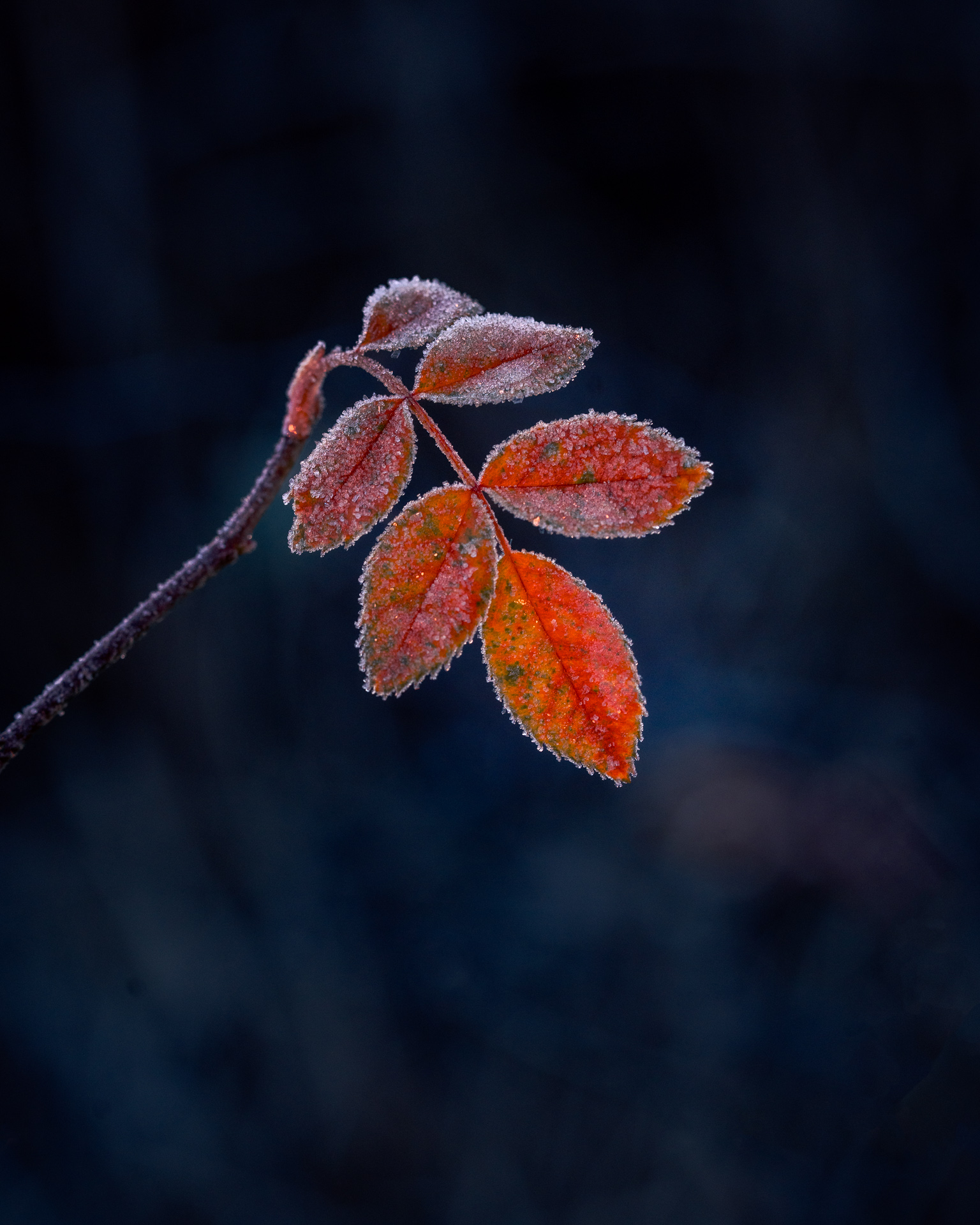
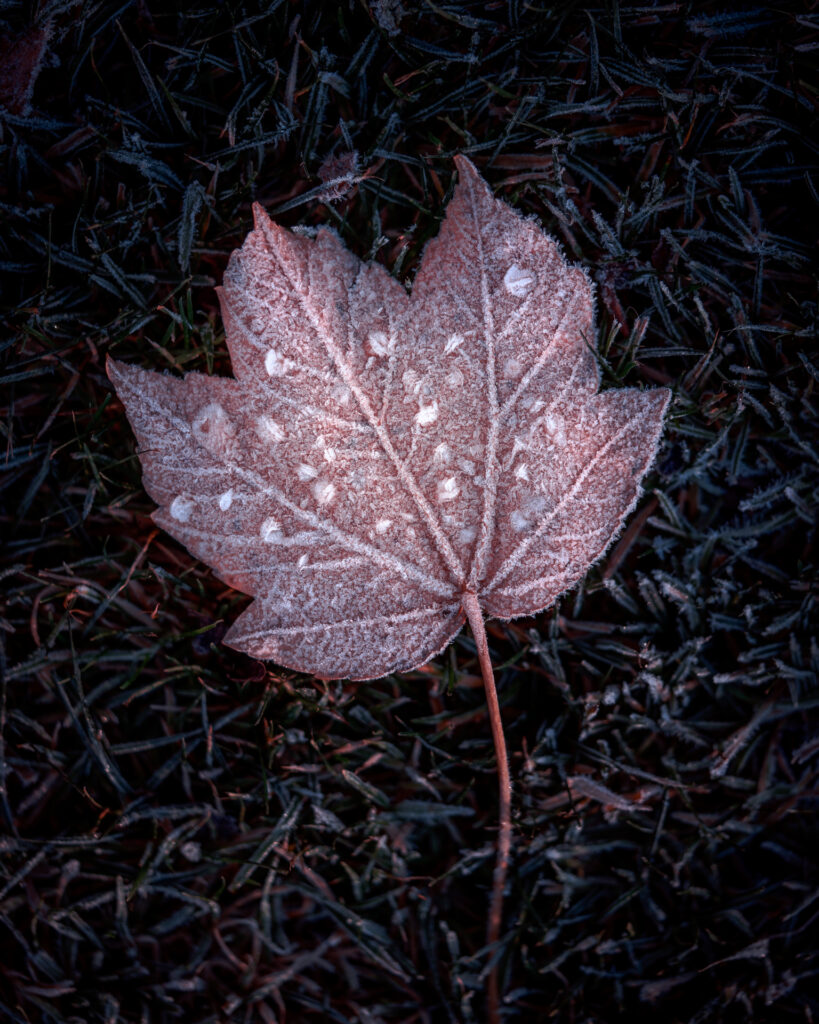
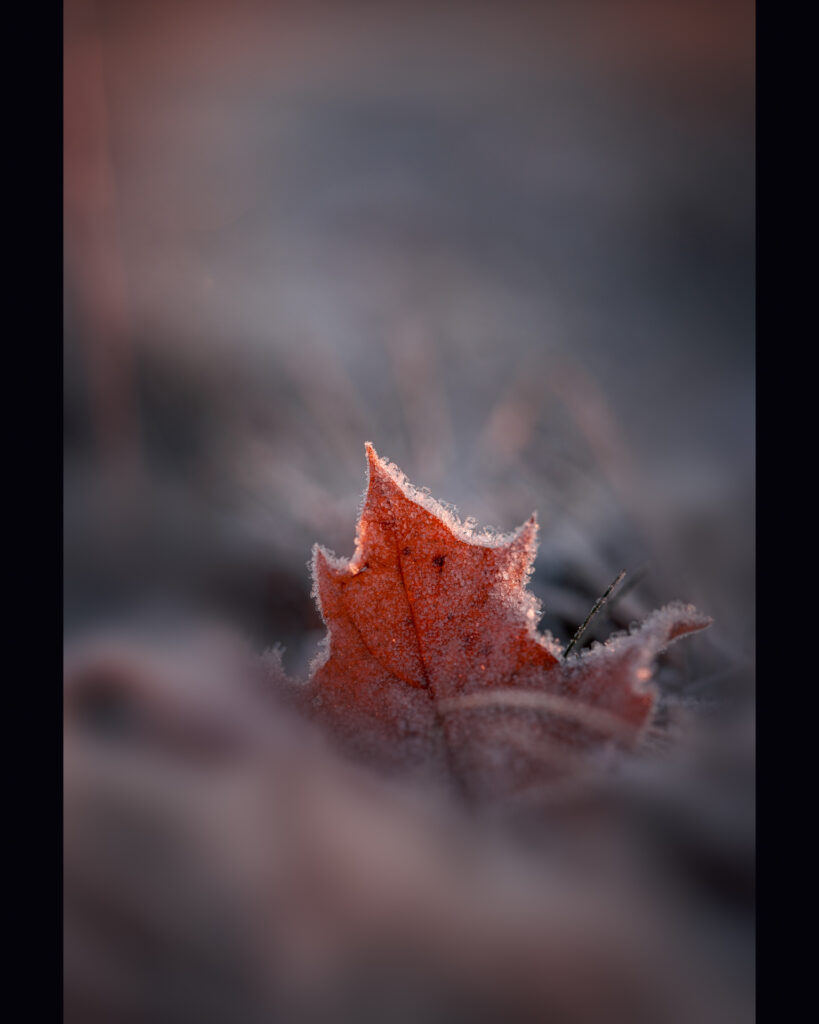
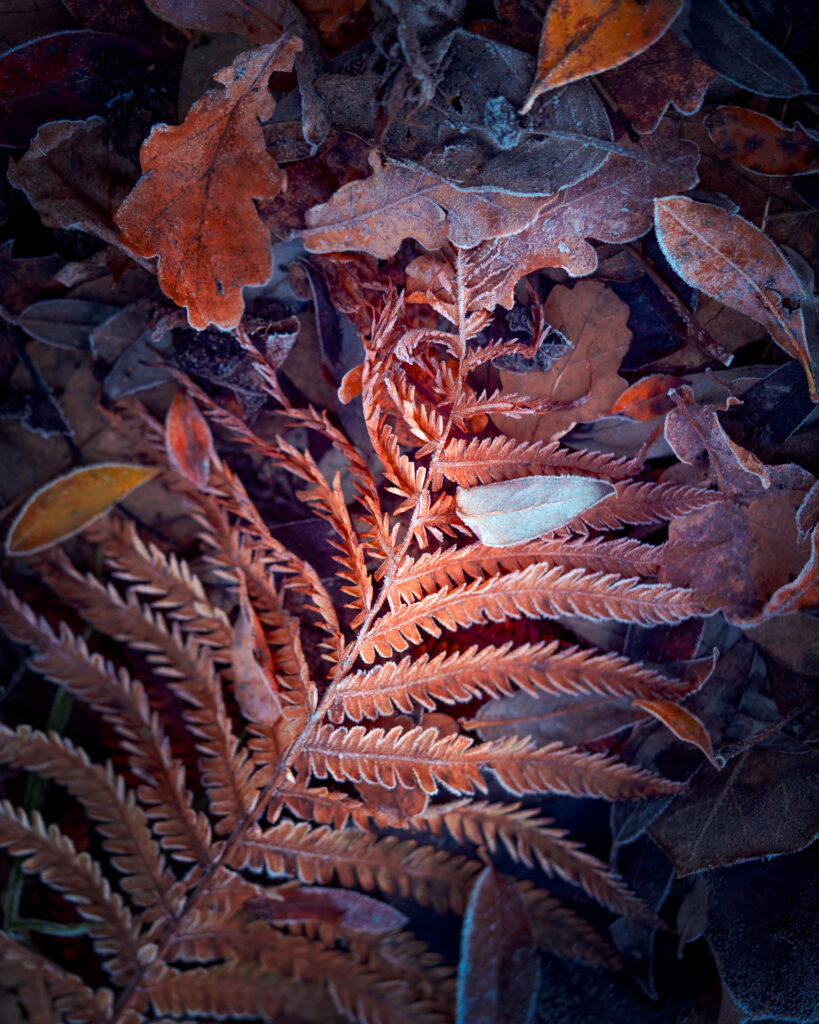
Frost is one of nature’s most underrated masterpieces. Those tiny ice crystals catching morning light? Pure magic. Whether you’re shooting from your backyard, a forest trail, or a windowpane at home, frost photography lets you capture delicate details that vanish as the sun rises.
In this guide, I’ll show you exactly how to photograph frost like a pro — from gear and techniques to composition tricks, editing tips, and how to keep your hands from freezing off.
Quick Overview
- Best frost conditions
- Ideal camera settings
- Lenses for macro and landscapes
- How to find frost patterns
- Composition techniques
- Creative lighting ideas
- Editing tips
- Seasonal and weather-specific approaches
Understanding Frost: When and How It Forms
Frost typically appears when:
- Humidity is high
- Temperatures drop below freezing
- The night is clear and wind is low
Best Times for Frost Photography
- Early morning — just before sunrise
- After clear nights in late autumn, winter, and early spring
Types of Frost
- Hoarfrost: Feathery, dramatic ice crystals
- Rime frost: Soft, opaque frost formed in fog
- Window frost: Delicate leaf-like patterns on glass
- Ground frost: Perfect for landscape detail shots
Gear for Frost Photography
Camera & Lenses
- Macro lens (90–105mm) for up-close details
- Telephoto lens (70–200mm+) for isolating icy textures
- Wide-angle lens (16–35mm) for frosty landscapes
Helpful Accessories
- Tripod
- Remote shutter
- Hand warmers
- Microfiber cloth
- Knee pad for low-angle shots
Frost Photography Settings
Start with these beginner-friendly settings:
- Aperture: f/2.8–f/5.6 for close-ups; f/8–f/11 for landscapes
- ISO: 100–400
- Shutter speed: 1/125–1/500s
- Focus: Manual focus for macro; AF‑C/AI Servo for distance subjects
- White balance: Shade or cloudy for softer tones
Use focus peaking if your camera supports it — it’s a game-changer for macro frost.
Finding Frost Patterns
Look for frost on:
- Leaves and grass
- Car windows
- Wooden fences
- Metal surfaces
- Windowpanes
- Spider webs (my personal favorite)
Pro tip: Walk in the opposite direction of the light first to spot reflective frost catching the sun.
Composition Tips
- Use backlighting for glowing, magical crystals
- Try ultra-low angles to create icy foregrounds
- Focus on repeating patterns
- Use negative space for minimalist winter shots
- Capture frost melting for storytelling sequences
Lighting Techniques
- Backlight: Creates sparkle
- Side light: Reveals texture
- Diffuse light: Best for close-ups
- Artificial light: LED panels for control in shade
Editing Frost Photos
- Increase texture and clarity moderately
- Lower highlights to maintain detail
- Add a soft cool tint for a wintry feel
- Use radial filters to highlight crystal clusters
Seasonal Considerations
- Autumn: First frost on colored leaves
- Winter: Hoarfrost and frozen landscapes
- Spring: Last frosts mixed with early flowers (incredible contrast!)
Common Mistakes to Avoid
- Overexposing highlights
- Handholding macro shots at too slow shutter speeds
- Forgetting that frost melts FAST
- Breathing too close — it fogs everything!
FAQs (Extended)
What temperature is best for frost photography?
Anything below freezing (0°C/32°F), but the best crystals appear between –2°C and –8°C.
What’s the best time to photograph frost?
Right before and during sunrise — frost glows beautifully in golden light.
How do I stop my lens from fogging?
Keep your camera in your bag until it acclimates. Use lens wipes sparingly.
Do I need a macro lens?
It helps, but you can shoot frost with extension tubes or even a telephoto.
Why does frost sometimes look dull?
You’re likely shooting in flat light. Switch to side or backlighting.
Can smartphones capture frost?
Yes — use a clip-on macro lens for best results.
Is frost photography dangerous?
Only if you ignore icy paths. Move slowly and wear good boots.
External Links
- https://www.audubon.org — Birding & nature photography resources
- https://www.metoffice.gov.uk — Weather forecasting for frost conditions
- https://www.nationalgeographic.com/photography — Pro photography tips
- https://www.rspb.org.uk — Wildlife and winter nature insights
Travel Photography Blog
- How to Photograph Snow Like a Pro (coming soon)
- Ultimate Guide to Winter Landscape Photography
- Macro Photography Tips for Beginners
- How to Stay Warm Shooting in Cold Weather