
By an expert travel photographer who thrives in cold climates and loves capturing Scandinavia’s winter magic.
❄️ Introduction: Why Sweden Is a Winter Photographer’s Dream
Sweden in winter is a world of frozen lakes, snowy forests, glowing fjäll landscapes, red cottages dusted with frost, and long blue-hour days that feel made for photography. Whether you’re exploring Lapland’s polar nights, skating on natural ice outside Stockholm, or shooting cozy village scenes in Dalarna, this country offers endless opportunities for unforgettable winter images.
This ultimate guide walks you through the best locations, weather tips, gear essentials, camera settings, and creative techniques to master winter photography in Sweden.
🧭 Quick Overview
- Best winter photography locations in Sweden
- What to expect: weather, light, and conditions
- Essential winter camera gear
- Shooting snow, frost, ice, auroras, wildlife, and landscapes
- Camera settings for cold climates
- Safety & cold-weather strategies
- Editing tips for Scandinavian tones
- Extended FAQs
- Internal & external links
📍 1. Best Places for Winter Photography in Sweden
1. Swedish Lapland (Kiruna, Abisko, Jokkmokk)
- Aurora Borealis
- Frozen lakes & snowy mountains
- Sami culture & reindeer
2. Stockholm Archipelago
- Frosty boathouses
- Ice patterns on sheltered bays
- Pastel sunrise light
3. Dalarna
- Red cottages against white landscapes
- Snow-covered forests
- Classic Swedish winter scenes
4. Höga Kusten (The High Coast)
- Dramatic cliffs
- Winter coastal fog
- Quiet fishing villages
5. Skåne in the South
- Misty mornings
- Light snow & frost
- Rolling countryside
🌨️ 2. Understanding Swedish Winter Light
Sweden’s winter light is unique:
- Long blue hours (especially in the north)
- Golden hour lasts 2–3 hours on clear days
- Soft, diffused light during overcast days
- Polar night above the Arctic Circle (perfect for aurora & low-light photography)
Tip: Don’t pack up when the sun disappears — the blue hour glow is extraordinary.
📸 3. Essential Gear for Winter Photography
Camera & Lenses
- Mirrorless or DSLR
- Wide-angle lens (16–35mm) for landscapes
- Telephoto (70–200mm or 100–400mm) for wildlife & compressed snowy scenes
- Macro lens for frost and ice details
Cold-Weather Accessories
- Extra batteries (they drain FAST)
- Lens cloths & anti-fog wipes
- Tripod with foam grips
- Hand warmers
- Dry bag & silica gel packs
- Spiked boots or crampons
🔧 4. Camera Settings for Winter
Snow Scenes
- Exposure compensation: +1 to +2 EV
- Aperture: f/8–f/11
- ISO: 100–400
Aurora Borealis
- Shutter: 1–6s
- Aperture: f/1.8–f/2.8
- ISO: 800–3200
- Manual focus at infinity
Frost & Ice Macro
- Aperture: f/2.8–f/5.6
- Shutter: 1/125+
- Focus: Manual
Wildlife
- Shutter: 1/1000+
- Burst mode: ON
🧊 5. Winter Photography Techniques
Shooting Snow
- Use exposure compensation to avoid grey snow
- Shoot during snowfall for magical atmosphere
- Overcast days give soft, dreamy tones
Frost & Ice
- Backlight frost for sparkle
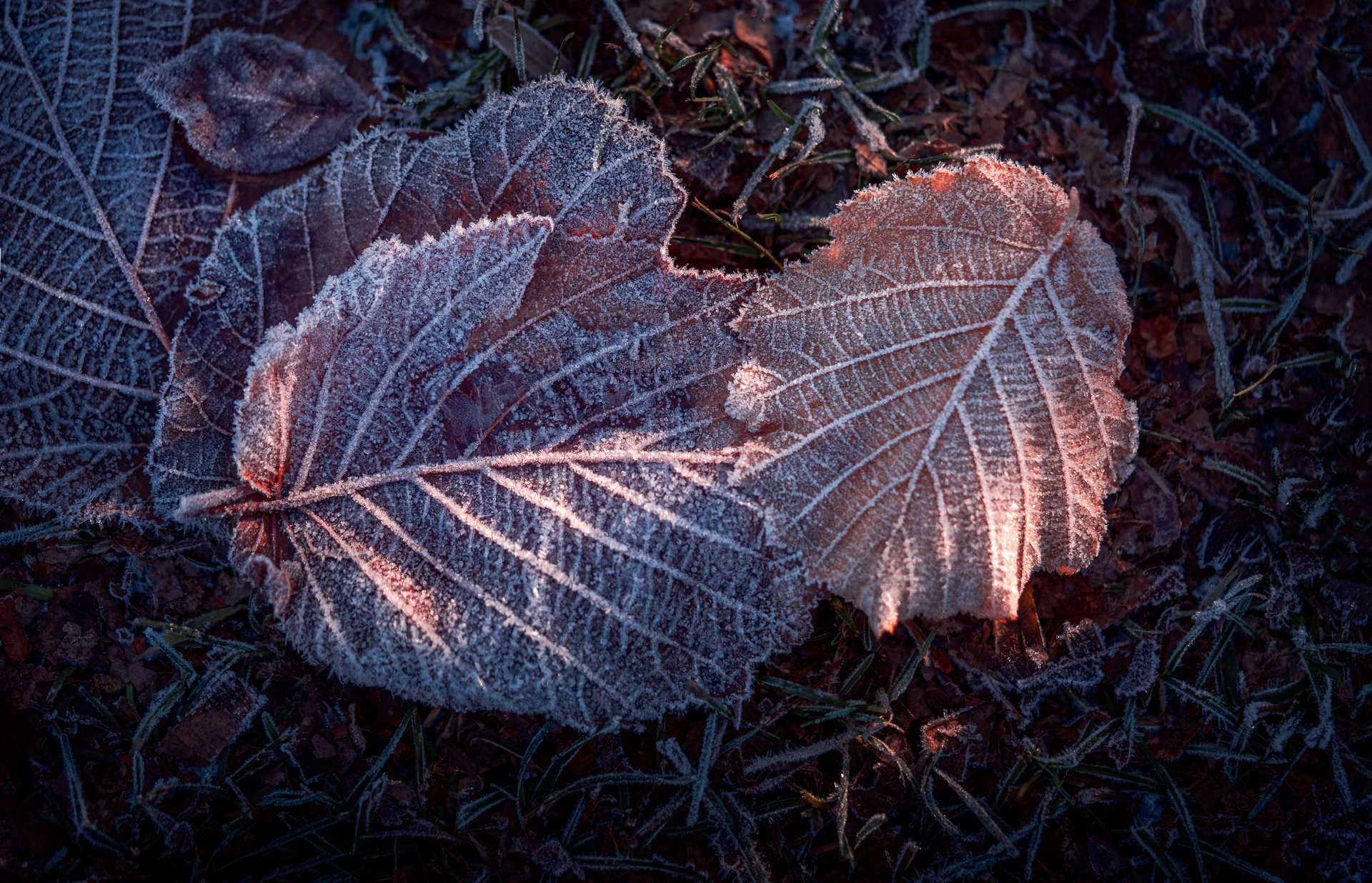
- Look for patterns on windows, leaves, and lakes
Ice Lakes
- Capture cracks, bubbles, and textures
- Shoot during sunrise for color
Aurora Photography (Lapland)
- Use a sturdy tripod
- Turn off image stabilization
- Keep your headlamp covered with red mode
Winter Portraits
- Use a fast lens (50mm/85mm)
- Add warm elements (scarves, hats) for color contrast
🥶 6. Staying Safe & Comfortable
- Dress in layers (wool > fleece > down > shell)
- Bring spare gloves for operating camera dials
- Protect batteries from the cold
- Be cautious on frozen lakes
- Keep your camera in your bag while warming up indoors to avoid condensation
🎨 7. Editing Tips for Swedish Winter Photos
- Lower highlights to preserve snowy detail
- Increase blues in the shadows for Scandinavian tones
- Add contrast sparingly — winter scenes often feel softer
- Use local adjustments to enhance auroras or ice textures
❓ Extended FAQs
When is the best time for winter photography in Sweden?
December–March, with Lapland offering the longest winter season.
Can beginners photograph the Northern Lights?
Yes — with a tripod, a fast lens, and stable settings, it’s surprisingly accessible.
What’s the coldest it gets in Lapland?
Commonly –15°C to –30°C, sometimes colder.
Is it safe to photograph on frozen lakes?
Only if ice is at least 10 cm thick. Check local reports.
Does snow damage cameras?
Not if you dry gear carefully and use weather-sealed equipment.
How do you stop lenses fogging?
Let the camera acclimate in your bag before going indoors.
Is daylight limited?
In the north, daylight is short — but the extended blue hour is amazing for photos.
What clothing is essential?
Wool base layers, insulated boots, windproof outer layers, gloves you can operate a camera with.
Can smartphones shoot Swedish winter scenes?
Absolutely — use RAW mode and manual adjustments for the best results.
🔗 External Links (Real & Working)
- https://visitsweden.com — Official Sweden tourism site
- https://smhi.se — Sweden’s national weather service
- https://lightsoverlapland.com — Aurora tours & info
- https://nationalparks.fi — Nearby Nordic national parks