
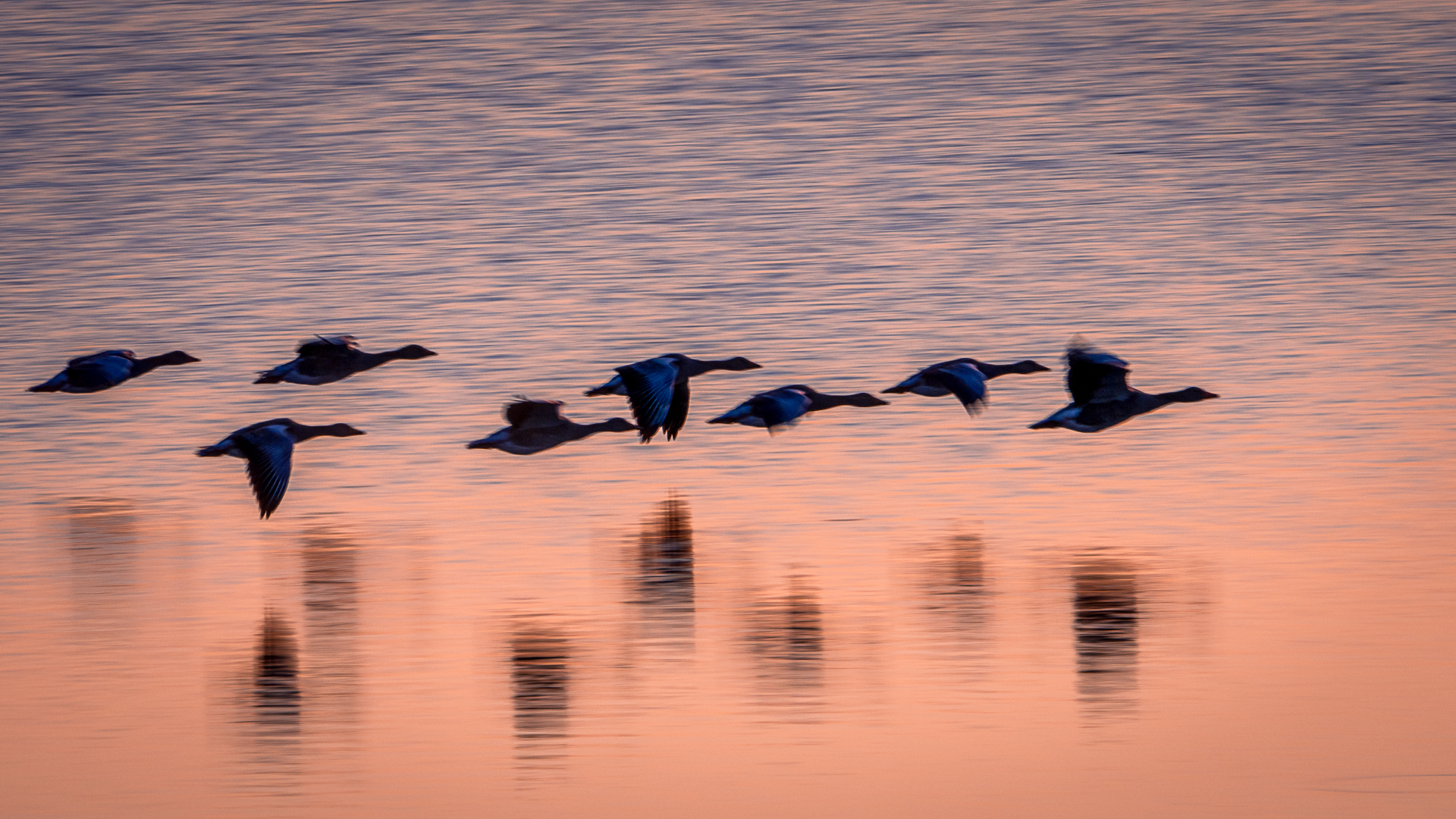
As a travel photographer, some of my most rewarding images have come from bird hides. These quiet shelters, tucked away in wetlands, forests, and lakeshores, let you observe wildlife at close range — without disturbing them. And in Sweden, a country famous for its vast wilderness and thriving bird populations, bird hides are an absolute dream for photographers.
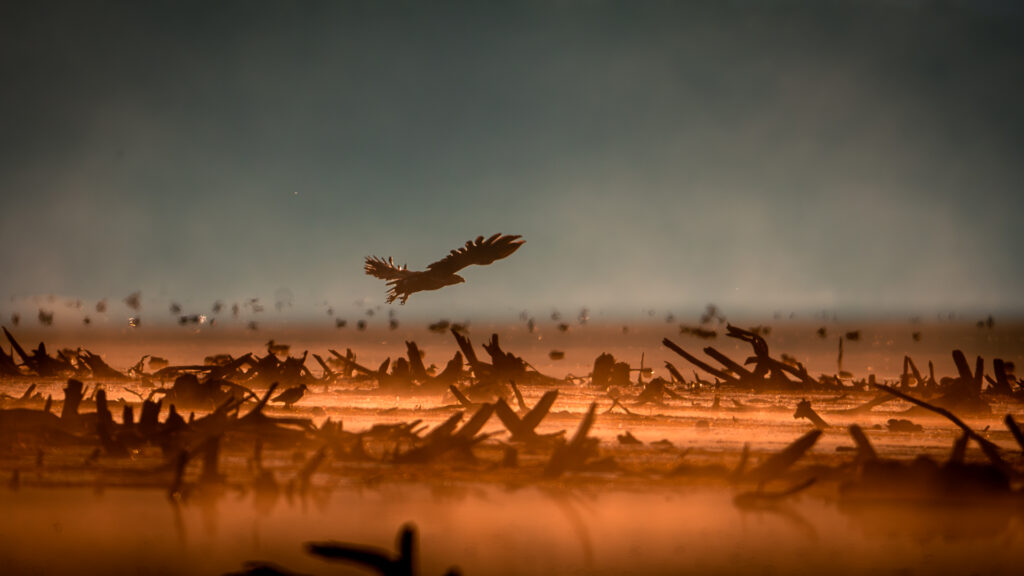
Whether you’re chasing white-tailed eagles in winter, cranes during migration, or simply want to spend a peaceful morning in a wetland, Sweden has bird hides for every season and skill level. This guide takes you through the best bird hides in Sweden, with tips on when to go, what species to expect, and how to get the best shots.
Why Use Bird Hides in Sweden?
- ✅ Close encounters with shy species like cranes, owls, and eagles.
- ✅ Natural backgrounds for clean, distraction-free photography.
- ✅ All-weather protection so you can shoot rain or shine.
- ✅ Sustainable birding — hides minimize human disturbance.
1. Lake Hornborga (Hornborgasjön) – Crane Migration Spectacle
Best for: Spring crane photography (March–April)
Every spring, tens of thousands of cranes stop at Lake Hornborga during their northward migration, making it one of Europe’s greatest bird spectacles. The area is dotted with several hides and observation platforms, some placed directly by the water.
What to photograph:
- Migrating cranes in huge flocks.
- Cranes dancing and calling in meadows.
- Ducks, geese, and swans in surrounding wetlands.
Tips for photographers:
- Arrive before sunrise for golden light and foggy landscapes.
- Use a long lens (400–600mm) for portraits, and a wide-angle for flocks in flight.
- Book a photography hide pass during peak crane season for the best positions.
Location of Lake Hornborga (google maps)
https://www.naturkartan.se/sv/vastra-gotalands-lan/hornborgasjon
2. Getterön Nature Reserve – Wetland Birds on the West Coast
Best for: Waders, ducks, and migratory birds
Located just outside Varberg, Getterön is one of Sweden’s top bird reserves, with multiple hides offering panoramic views over shallow lagoons. It’s a hotspot during spring and autumn migrations.
What to photograph:
- Avocets, stilts, sandpipers, and plovers.
- Ducks in breeding plumage.
- White-tailed eagles hunting in winter.
Tips for photographers:
- In spring, focus on displaying waders with their striking plumage.
- Bring binoculars to scout, then set up your camera before the birds approach.
- Early mornings and evenings offer the best light and bird activity.
3. Öland Island – Birding Paradise of the Baltic
Best for: Rare migrants and diverse species
Öland is Sweden’s birding mecca, and its southern tip, Ottenby Nature Reserve, has hides overlooking wetlands and meadows. With its location along a key flyway, Öland attracts thousands of migratory birds in both spring and autumn.
What to photograph:
- Raptors during autumn migration.
- Shorebirds and ducks in wetlands.
- The famous long-eared owls that occasionally roost nearby.
Tips for photographers:
- Autumn is best for migration shots of hawks, falcons, and eagles.
- Spring brings songbirds and breeding plumage waders.
- Pack both telephoto and wide-angle lenses for varied perspectives.
4. Svartådalen – Cranes, Owls & Winter Eagles
Best for: All-year bird photography in varied habitats
The Svartådalen Valley, north of Västerås, is a mosaic of wetlands, forests, and meadows — perfect for both birding and photography. Several hides are positioned near feeding stations and wetlands.
What to photograph:
- Cranes in spring.
- White-tailed eagles in winter.
- Great grey owls and other forest species.
Tips for photographers:
- Visit in March for early-arriving cranes.
- In winter, eagle hides are baited for close action shots.
- Use snow as a natural reflector for crisp, bright images.
5. Kvismaren Nature Reserve – Autumn Migration Hotspot
Best for: Geese and cranes in autumn
Near Örebro, Kvismaren is a classic Swedish wetland with hides overlooking reed beds, lakes, and meadows. It’s especially known for crane and goose gatherings in autumn.
What to photograph:
- Cranes and geese in massive flocks.
- Marsh harriers and eagles hunting.
- Reed-dwelling species like bitterns and bearded tits.
Tips for photographers:
- Go in September–October for migration action.
- Position yourself for backlit silhouettes at sunset.
- Try sound recordings (if permitted) to anticipate crane calls.
Map of Kvismaren Naturreservat: https://www.naturkartan.se/sv/orebro-lan/kvismaren-naturreservat
Location of Kvismaren Naturreservat (google maps)
6. Tåkern Lake – Wetland Gem in Southern Sweden
Best for: Herons, bitterns, and warblers
Tåkern is one of Sweden’s most biodiverse wetlands and home to an impressive network of well-maintained hides. It’s a paradise for photographers looking to capture both iconic and elusive species.
What to photograph:
- Great bitterns booming in spring.
- Marsh harriers soaring over reeds.
- Abundant songbirds around the edges.
Tips for photographers:
- Dawn is the best time for atmospheric shots of herons and harriers.
- Use long lenses with a monopod for flexible movement in hides.
- Visit in May–June for peak bird activity.
Map of Lake Tåkern nature reserve
Location of Lake Tåkern (google maps)
7. Lapland & Northern Sweden – Hides for Owls & Grouse
Best for: Boreal species and winter photography
In Swedish Lapland, local guides run photography hides specifically for owls, capercaillie, black grouse, and golden eagles. These hides often require booking but provide unmatched access to rare northern species.
What to photograph:
- Great grey owl in snowy forests.
- Black grouse lekking in spring.
- Golden eagles on baited perches.
Tips for photographers:
- Dress warmly — many hides are unheated.
- Book in advance as owl and eagle hides are limited.
- Use silent shutter modes to avoid disturbing lekking birds.
8. Falsterbo – Raptor & Seabird Migration
Best for: Raptor migration in autumn
At Sweden’s southern tip, Falsterbo is a legendary migration site, especially for raptors. While hides are fewer here, observation shelters provide cover and great vantage points.
What to photograph:
- Thousands of raptors including honey buzzards, red kites, and hawks.
- Seabirds passing along the coast.
- Shorebirds on the beaches.
Tips for photographers:
- Bring a spotting scope to scan migration waves.
- Long lenses (500–600mm) essential for raptors in flight.
- Autumn (Sept–Oct) is peak season.
Best Time of Year for Bird Photography in Sweden
- Spring (March–May): Crane migration at Hornborgasjön, displaying grouse, owls.
- Summer (June–July): Wetland birds, chicks, and long daylight hours.
- Autumn (Sept–Oct): Mass migrations of cranes, geese, and raptors.
- Winter (Nov–Feb): Eagles and owls in snowy landscapes.
Tips for Using Bird Hides in Sweden
- Arrive early — birds are most active at dawn.
- Keep noise to a minimum to avoid spooking wildlife.
- Dress in layers — mornings can be cold even in summer.
- Bring snacks and water — once inside, you’ll want to stay put.
- Respect local regulations (some hides require permits).
FAQs – Ultimate Guide to Bird Hides in Sweden
1. Do I need to book hides in Sweden?
Some (like eagle hides) require booking, while public hides in reserves are usually free.
2. Are hides suitable for beginners?
Yes, many reserves have accessible hides close to parking lots.
3. Can I visit hides year-round?
Yes, but the best bird activity varies by season.
4. What camera gear works best in hides?
A telephoto lens (300–600mm), beanbag or tripod, and extra batteries.
5. Are hides family-friendly?
Many reserves have easy trails and hides suitable for families.
Perfect! Let’s expand the Ultimate Guide to Bird Hides in Sweden into a month-by-month seasonal calendar — this way, your readers can plan exactly where and when to go for the best bird photography opportunities. This section will make your guide even more SEO-rich, practical, and shareable.
Bird Hides in Sweden – Month-by-Month Guide
January – Eagles in the Snow
- Where to go: Eagle hides in Svartådalen and Swedish Lapland.
- Why go: White-tailed eagles and golden eagles are actively feeding, and snowy backdrops make for striking photography.
- Tips: Short daylight hours mean plan carefully; use high ISO for low light.
February – Owls and Winter Birds
- Where to go: Northern Sweden (Lapland hides) for great grey owls, hawk owls, and northern forest birds.
- Why go: With snow cover, owls are easier to spot against bare trees.
- Tips: Silent shooting mode is a must when photographing owls.
March – Cranes Begin Returning
- Where to go: Lake Hornborga (Hornborgasjön).
- Why go: First wave of cranes arrives, sometimes tens of thousands. Early spring also sees eagle activity continue.
- Tips: Arrive before dawn for foggy, golden scenes with cranes calling.
April – Peak Crane Migration
- Where to go: Hornborga, Kvismaren.
- Why go: Absolute peak crane season, with over 20,000 birds dancing and calling. Ducks and geese also in full migration.
- Tips: Book hides early, especially at Hornborga, as it’s very popular.
May – Wetland Explosion
- Where to go: Tåkern Lake, Getterön, Kvismaren.
- Why go: Marsh harriers, bitterns, and a chorus of warblers fill the wetlands. Waders in breeding plumage pass through.
- Tips: Early mornings deliver incredible light and bird activity.
June – Long Summer Days
- Where to go: Tåkern, Öland, Svartådalen.
- Why go: Breeding season in full swing, with chicks, herons, and owls feeding young. 18+ hours of daylight for photographers.
- Tips: Use the soft midnight sun for unique low-light photography.
July – Young Birds & Wetlands
- Where to go: Öland, Getterön, coastal reserves.
- Why go: Young birds are fledging, wetlands alive with activity, and butterflies and flowers add color.
- Tips: Focus on storytelling shots with both birds and landscapes.
August – Early Migration Starts
- Where to go: Ottenby (Öland), Getterön, Kvismaren.
- Why go: Shorebirds begin moving south, raptors start migrating. Waders gather in lagoons.
- Tips: Look for reflections of birds in still summer water at sunrise.
September – Raptor & Crane Spectacle
- Where to go: Falsterbo (raptors), Hornborga & Kvismaren (cranes, geese).
- Why go: Thousands of raptors funnel south through Falsterbo, while cranes and geese gather in huge numbers inland.
- Tips: Use wide angles for flocks and long lenses for migrating raptors overhead.
October – Geese Gatherings
- Where to go: Kvismaren, Svartådalen.
- Why go: Tens of thousands of geese stage here before migrating south. Eagles patrol wetlands.
- Tips: Evenings are spectacular when geese return to roost at sunset.
November – Eagle Season Returns
- Where to go: Eagle hides in Svartådalen, Västmanland, Lapland.
- Why go: Feeding stations attract white-tailed eagles, and snow often arrives.
- Tips: Bring extra batteries – the cold drains them quickly.
December – Northern Magic
- Where to go: Lapland hides.
- Why go: Golden eagles, owls, capercaillie, and grouse. Snow and low sun create dramatic photography conditions.
- Tips: Tripods and fast glass are essential in dim winter light.
Best Months for Each Birding Highlight
- Cranes: March–April (Hornborga, Kvismaren)
- Raptors: September–October (Falsterbo)
- Owls: February–April (Lapland, Svartådalen)
- Eagles: November–March (Svartådalen, Lapland)
- Wetland Birds: May–July (Tåkern, Getterön)
More Resources
- BirdLife Sweden (SOF BirdLife)
- Naturum Hornborgasjön
- Getterön Nature Reserve
- Ottenby Bird Observatory
- Kvismaren Nature Reserve
Hello Fredrik,
Nice website and photos! I was searching on Google for bird hides in Sweden and your website / article popped up. In januari I will be in Uppsala and Svartådalen seems exciting. Can you give me some more information about the hides? On which website can they be booked? I am especially interested in the grey owl and eagles. Thank you in advance for your reply!
Greetings, Erik
Hi Erik,
Thanks for your comment.
In Uppsala go to Övre föret bird tower: https://www.google.com/maps/place/%C3%96vre+f%C3%B6ret/@59.8266301,17.6625842,2152m/data=!3m1!1e3!4m6!3m5!1s0x465fc967a5057b53:0xc1a6e39beea2afad!8m2!3d59.8277289!4d17.6667621!16s%2Fg%2F1tfzqjv2?entry=ttu&g_ep=EgoyMDI1MTIwOS4wIKXMDSoKLDEwMDc5MjA3MUgBUAM%3D
In Svartådalen you can book hides on this site: https://www.wildnaturefotoresor.se/en/photo-hide-eagle/
Best,
Fredrik
Pingback:Best Free Bird Hides in Sweden for Bird Watching
Pingback:Best Paid Bird Hides in Sweden for Great Photography
Pingback:Ultimate Guide to Visiting Lake Hornborga for Great Shots
Pingback:Ultimate Guide to Visiting Hjälstaviken for Great Shots
Pingback:Ultimate Guide to Visiting Lake Tåkern for Great Shots
Pingback:Ultimate Balkan Photo Road Trip for Great Shots
Pingback:Kvismaren Nature Reserve – Bird Photography Guide
Pingback:Store Mosse Photography Guide: Best Instagram Spots
Pingback:Ultimate Guide to Bird Photography at Lake Hornborga
Pingback:Ultimate Guide to Visiting Kvismaren for Bird Watching