
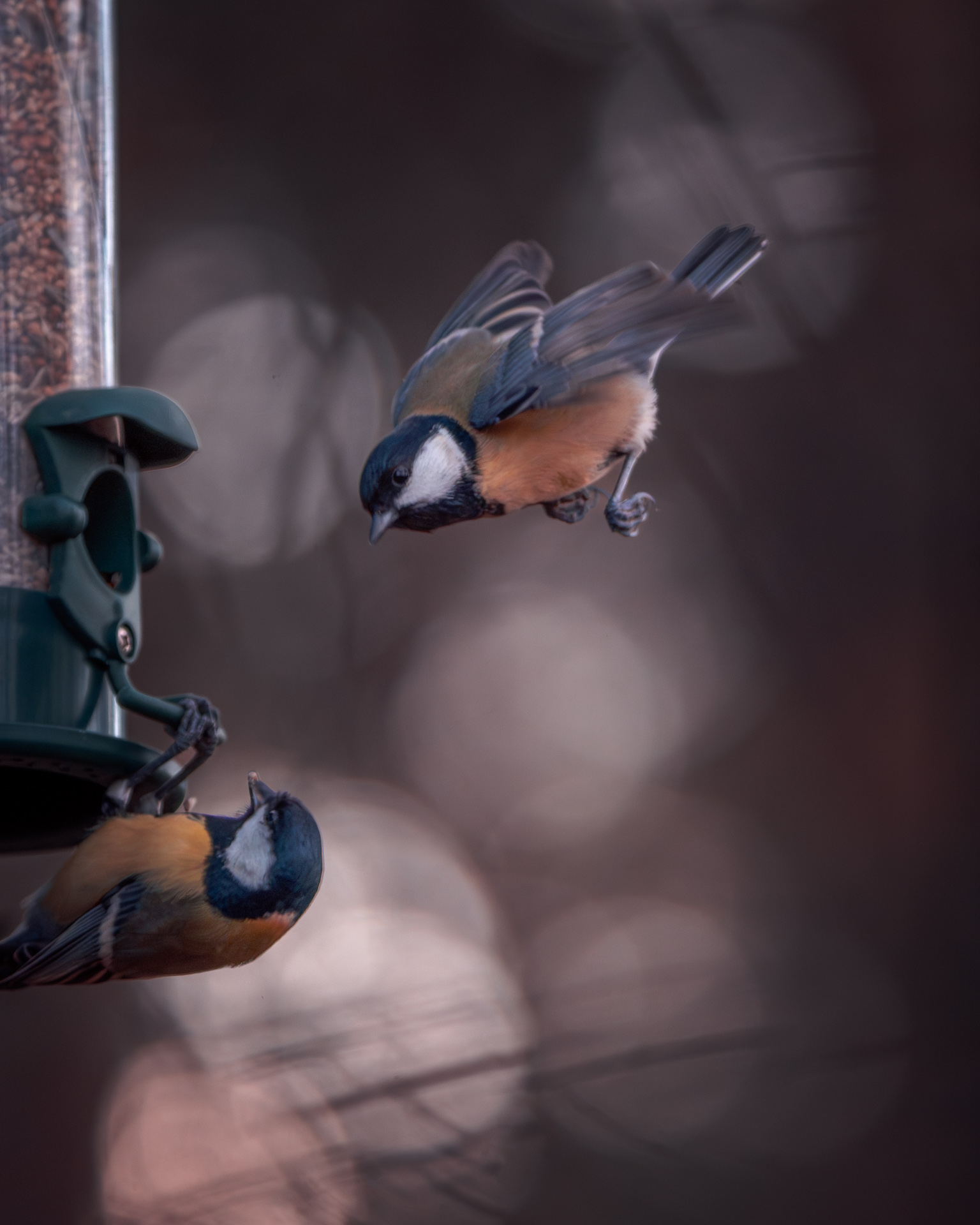
Europe is one of the most exciting continents for bird photographers. From puffins on Scottish cliffs to crane migrations over Hungarian plains, each season brings new opportunities to capture unique avian spectacles.
The trick? Timing your photography trips around bird migration, breeding, and seasonal changes.
Here’s a complete month-by-month calendar of the best bird photography spots in Europe — including tips, species highlights, and reasons why each destination shines during that time of year.
January – Winter Eagles and Arctic Birds
Why January is great:
With snow-covered landscapes, January creates minimalist backdrops perfect for isolating birds. Winter also concentrates species in key feeding grounds, making photography easier.
Best Locations & Highlights:
- Lake Kerkini, Greece – Dalmatian pelicans in near-breeding plumage. Their curly feathers and bright orange pouches glow against the frosty lake.
- Trøndelag, Norway – Golden eagles at feeding hides in stunning snowy fjords.
- Scottish Highlands, UK – Red kites and ptarmigans in winter plumage.
- Northern Germany & Denmark – Huge flocks of wintering geese and swans.
Tip: Use the snow as a natural reflector for soft light on your subjects.
February – Owls and Winter Seabirds
Why February is great:
It’s the peak of winter, but with longer daylight than January. Many owls and raptors are active, and seabirds gather in photogenic coastal locations.
Best Locations & Highlights:
- Finland & Lapland – Great grey owls and snowy owls in boreal forests.
- Varanger Peninsula, Norway – King and Steller’s eiders against icy seas.
- The Netherlands (Flevoland, Oostvaardersplassen) – Barnacle geese and winter ducks in foggy marshes.
- Scotland’s coasts – Long-tailed ducks and divers close to shore.
Tip: Snowy owls are easier to spot against landscapes in February — but use telephoto lenses to minimize disturbance.
March – Early Migrants Arrive
Why March is great:
The first signs of spring migration begin. Birds return to Europe, often in vibrant pre-breeding plumage, making them stunning photography subjects.
Best Locations & Highlights:
- Spain (Extremadura) – White storks return to nest on church towers and rooftops.
- Camargue, France – Greater flamingos begin courtship dances.
- Portugal (Algarve wetlands) – Early waders and spoonbills arriving.
- Greece (Messolonghi lagoons) – Early herons and egrets in golden light.
Tip: Migration happens in waves — check local birding reports to time your trip with peak arrivals.
April – Peak Spring Migration
Why April is great:
This is one of the most exciting months in Europe. Species diversity peaks, and behavior such as courtship and territory battles offer great action shots.
Best Locations & Highlights:
- Danube Delta, Romania – Pelicans, ibises, and herons flood into Europe’s largest wetland.
- UK Wetlands (Slimbridge, Norfolk Broads) – Ducks and warblers arrive en masse.
- Hungary (Kiskunság National Park) – Rollers and bee-eaters return.
- Spain (Tarifa) – Raptors crossing the Strait of Gibraltar.
Tip: Use a fast shutter speed to freeze raptors mid-migration against dramatic skies.
May – Nesting Season Begins
Why May is great:
Birds are at their most colorful, pairing up, and defending territories. Colonies of seabirds and waterbirds are full of energy and drama.
Best Locations & Highlights:
- Farne Islands, UK – Puffins return in full force, carrying sand eels for chicks.
- Skomer Island, Wales – Puffins, guillemots, and razorbills up close.
- Poland (Biebrza Marshes) – Aquatic warblers, white-tailed eagles, and storks.
- Germany (Schleswig-Holstein Wadden Sea) – Nesting terns and gulls.
Tip: Respect nesting colonies — long telephotos let you capture intimate behavior without causing stress.
June – Summer Bird Paradise
Why June is great:
The longest days of the year and the midnight sun in Scandinavia mean endless hours of golden light. Young birds hatch, and colonies are bustling.
Best Locations & Highlights:
- Iceland – Puffins, Arctic terns, skuas, and golden plovers in surreal volcanic landscapes.
- Lofoten Islands, Norway – Midnight sun over seabird cliffs.
- Sweden (Lake Hornborga & Öland) – Cranes, whooper swans, and summer warblers.
- Scotland (Outer Hebrides) – Corncrakes calling in wildflower meadows.
Tip: Take advantage of “double golden hours” around midnight in the north.
July – Seabird Spectacles
Why July is great:
Chicks are visible in seabird colonies, providing opportunities for interaction shots. Seabirds are still feeding young before heading out to sea.
Best Locations & Highlights:
- Bass Rock, Scotland – World’s largest gannet colony.
- Skellig Michael, Ireland – Puffins with ancient monastic ruins.
- Sept-Îles, France (Brittany) – Razorbills and guillemots on rugged cliffs.
- Norway (Røst Island) – Puffins and guillemots with fjord backdrops.
Tip: Focus on feeding behavior — parents delivering fish to hungry chicks makes fantastic storytelling shots.
August – Wader Migration South
Why August is great:
Huge flocks of waders stage on mudflats and wetlands before migrating south. Juvenile birds often look fresh and photogenic.
Best Locations & Highlights:
- Wadden Sea (Germany, Denmark, Netherlands) – Tens of thousands of red knots, dunlins, and oystercatchers.
- Doñana National Park, Spain – Flamingos and migratory waders.
- Finland (Gulf of Bothnia) – Shorebirds preparing for long journeys.
- Estonia (Matsalu Bay) – Stopover for geese and sandpipers.
Tip: Low tide reveals feeding waders — go at sunrise or sunset for dramatic light on mudflats.
September – Crane Migration
Why September is great:
September is crane month in Europe. Huge flocks gather before migrating south, and the sounds are unforgettable.
Best Locations & Highlights:
- Hortobágy, Hungary – Tens of thousands of cranes roost at sunrise.
- Lake Hornborga, Sweden – Cranes staging in breathtaking numbers.
- Champagne Wetlands, France – Cranes and geese stopping before heading south.
- Germany (Brandenburg & Mecklenburg) – Crane roosting in marshes.
Tip: Wide-angles work well — capture silhouettes of cranes against orange dawn skies.
October – Raptors and Mass Migration
Why October is great:
Migration is in full swing. Raptors, passerines, and waterbirds move south, offering variety and action.
Best Locations & Highlights:
- Gibraltar – Raptors funnel south to Africa — booted eagles, buzzards, and kites.
- Italy (Po Delta) – Waterfowl arriving from the north.
- Greece (Evros Delta) – Migratory storks, pelicans, and spoonbills.
- UK (Spurn, Fair Isle) – Songbirds and rarities blown in by autumn storms.
Tip: Keep an eye on weather systems — storms can push rare birds onto coastlines.
November – Wintering Flocks Arrive
Why November is great:
Wintering geese, swans, and cranes create incredible mass-flocking scenes. Landscapes often feature mist and frost, adding mood to photos.
Best Locations & Highlights:
- Norfolk & Lincolnshire, UK – Pink-footed geese in massive dawn flights.
- Extremadura, Spain – Thousands of cranes in oak meadows.
- Lake Kerkini, Greece – Dalmatian pelicans in fresh winter plumage.
- France (Der Lake) – Cranes roosting in thousands.
Tip: Foggy mornings add atmosphere — use silhouettes and layers to emphasize scale.
December – Arctic Beauty
Why December is great:
Harsh conditions bring dramatic light and unusual species closer to people. Starlings and eagles dominate the month.
Best Locations & Highlights:
- Norway (Flatanger) – Sea eagles hunting over fjords.
- Finland (Kuusamo & Oulu) – Boreal owls, great grey owls, and hawk owls.
- UK (Somerset Levels) – Starling murmurations at dusk.
- Iceland – Gyrfalcons, snow buntings, and winter seabirds.
Tip: Bring a tripod and wide-angle for murmurations — long exposures create incredible wing patterns.
Essential Seasonal Gear Tips
- Winter (Dec–Feb): Cold-resistant batteries, fast glass for low light.
- Spring (Mar–May): Waterproof covers, zooms for versatility.
- Summer (Jun–Aug): Polarizers for bright skies, mosquito repellent.
- Autumn (Sep–Nov): Tripods for low-light, wide-angle for flock shots.
FAQs – Bird Photography Calendar in Europe
- What’s the best season overall for bird photography in Europe?
Spring (April–June) for nesting activity, and autumn (September–October) for migrations. - Where can I photograph puffins?
Iceland, Farne Islands (UK), Skomer Island (Wales), Norway, and Ireland. - Which countries are best for beginner bird photographers?
Spain, France, and the Netherlands — excellent infrastructure and easy access. - Do I need a huge telephoto lens?
Not always. A 100–400mm zoom covers most needs; 500–600mm is ideal for shy species. - Can I photograph birds in winter in Europe?
Yes! Pelicans in Greece, owls in Finland, and starlings in the UK are winter highlights.
More Resources
- BirdLife International – Europe
- European Crane Migration Data
- RSPB Migration Guide
- Nature Photography Tips
- Fatbirder Travel Directory