
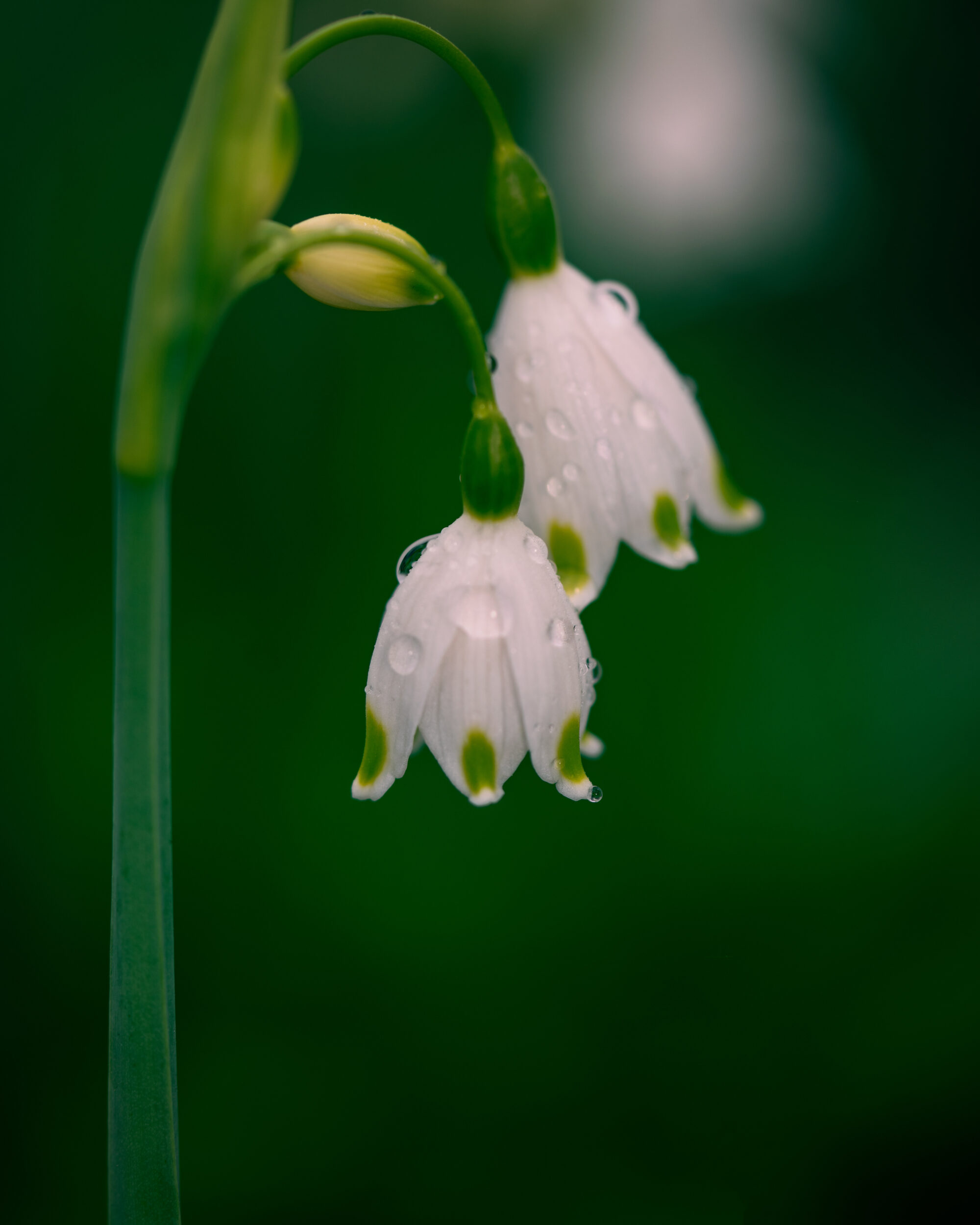
Snowdrops are quiet.
They don’t dominate a landscape the way cherry blossoms do. They don’t shout like tulips. They appear softly, often when winter still lingers — delicate white bells pushing through frost and fallen leaves.
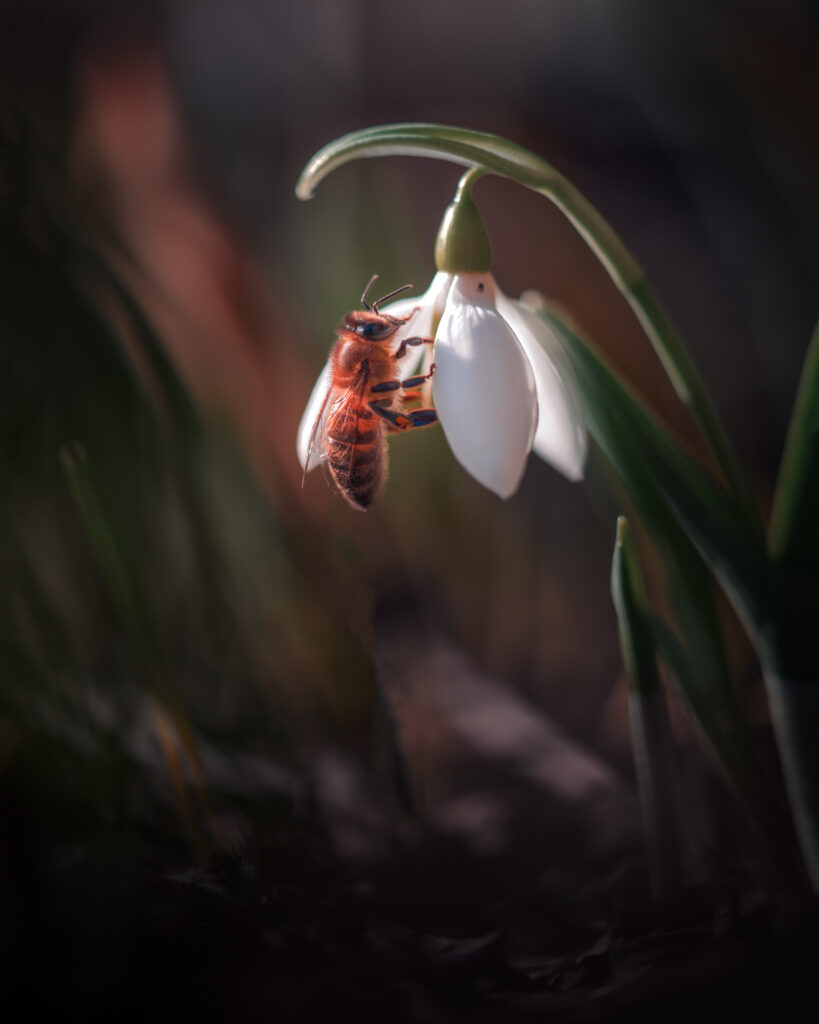
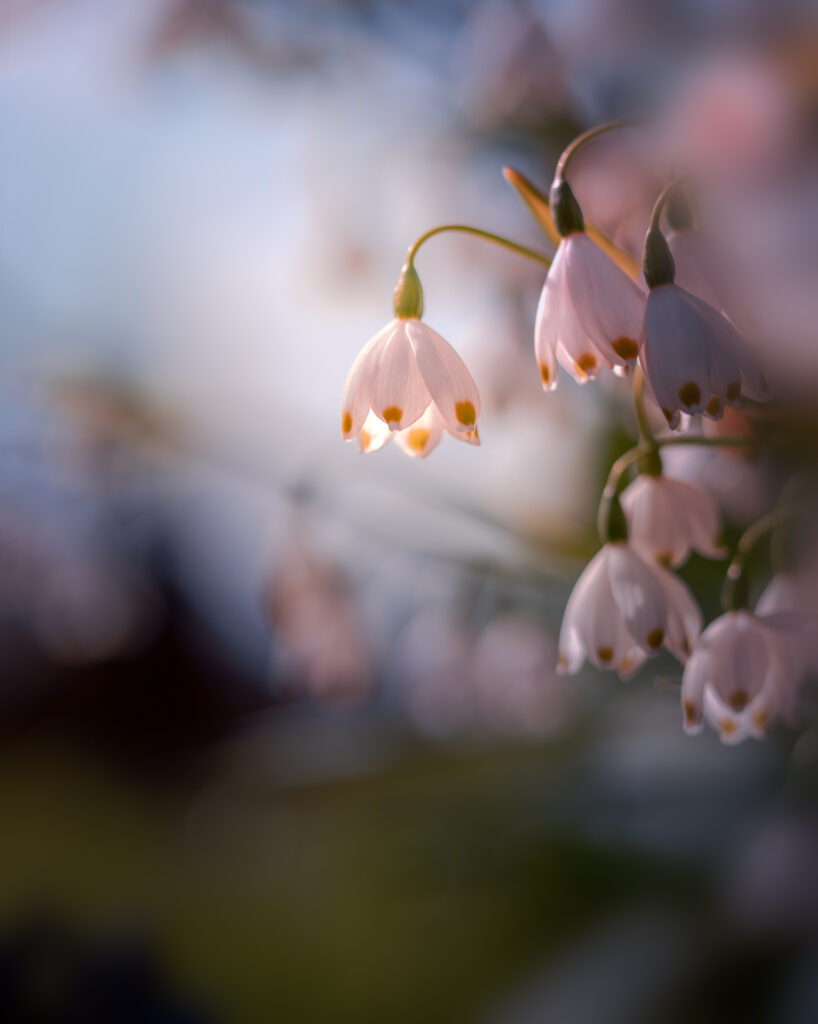
As a travel and garden photographer, snowdrops are some of my favorite flowers to photograph. They signal transition. They reward patience. And when shot correctly, they produce images that feel intimate, minimal, and deeply atmospheric.
This ultimate guide covers everything you need to know about photographing snowdrops — from finding them to mastering composition and light.
Where to Find Snowdrops?
Snowdrops (Galanthus) thrive in temperate climates and are most commonly found across Europe.
In and around Paris, you can often spot them in late winter at:
- Jardin des Plantes
- Parc Monceau
- Jardin du Luxembourg
- Parc de Sceaux
Beyond Paris, snowdrops flourish in:
- Woodland edges
- Historic estates
- Botanical gardens
- Churchyards
- Shaded parks
They prefer:
- Moist but well-drained soil
- Partial shade
- Deciduous woodland environments
The most photogenic snowdrops often appear in large drifts beneath bare trees, creating white carpets against muted winter tones.
Pro Tip
Look for locations with slightly elevated terrain. Gentle slopes allow you to shoot at eye level without lying completely flat on the ground.
When to Photograph Snowdrops?
Timing is everything with snowdrops.
They bloom early — often between late January and March depending on the climate.
Peak Bloom Window
- Late January: Early varieties
- February: Peak bloom in many European regions
- Early March: Final displays
In Paris and northern France, February is typically ideal.
Because snowdrops bloom during transitional weather, you may have only a 2–4 week window to capture them at their best.
Best Time of Day
Early morning is ideal.
Why?
- Calm air (less movement)
- Dew or frost potential
- Fewer visitors
- Soft, low winter light
Late afternoon can also work well when sunlight angles through trees, backlighting petals.
Avoid harsh midday light unless it’s fully overcast.
Best Weather and Conditions to Photograph Snowdrops?
Snowdrops shine under specific conditions.
Overcast Skies
This is the most forgiving condition.
Cloud cover provides:
- Even exposure
- Reduced contrast
- Soft white petal detail
- Cleaner background tones
Because snowdrops are white, harsh sunlight easily blows out highlights. Overcast days protect delicate detail.
Frosty Mornings
Magical.
When frost settles on petals or surrounding grass, it adds texture and sparkle.
Shoot quickly — frost melts fast once sunlight intensifies.
Light Rain or Post-Rain
Moisture adds:
- Reflective surfaces
- Droplets on petals
- Rich soil tones
Rain also reduces foot traffic in public gardens.
Snowfall
Rare but extraordinary.
A light snowfall combined with snowdrops creates a powerful seasonal contrast — winter meeting spring.
Wind Conditions
Snowdrops are fragile and sway easily.
Look for:
- Sheltered woodland
- Calm early mornings
- Low wind forecasts
Even slight movement can blur macro shots at shallow depth of field.
How to Photograph Snowdrops?
Snowdrops demand patience and a low perspective.
They hang downward, meaning you must get below or level with them for impact.
Step 1: Slow Down
Don’t rush between clusters.
Observe:
- Direction of light
- Background distractions
- Petal condition
- Flower spacing
Choose the strongest individual bloom or grouping before setting up.
Step 2: Get Low
This is essential.
Eye-level perspectives create intimacy.
Options:
- Lie flat
- Use a ground pod
- Tilt-screen camera
- Shoot uphill if terrain allows
Shooting from above flattens the flower and loses its character.
Step 3: Isolate or Tell a Story?
You have two main creative directions:
Isolation
- One flower
- Shallow depth of field
- Soft background bokeh
Environmental storytelling
- Drifts of snowdrops
- Woodland setting
- Leading lines through trees
Both approaches work — but mixing them builds a stronger portfolio.
Photography Composition
Composition is what separates casual flower photos from refined botanical imagery.
Rule of Thirds (But Gently)
Position the flower slightly off-center for balance.
Avoid rigid grid alignment — snowdrops feel more organic when composition breathes.
Negative Space
Snowdrops pair beautifully with muted winter backgrounds.
Use:
- Soft soil tones
- Fallen leaves
- Moss
- Blurred woodland
White petals against dark backgrounds create striking contrast.
Framing
Use surrounding elements:
- Leaves arching overhead
- Twigs forming natural frames
- Foreground blur
Shoot through nearby flowers for dreamy depth.
Layering
Position yourself so that:
- One flower is sharp
- Others fade into soft blur behind
This builds dimension.
Foreground Interest
Add subtle blur in the foreground to create a painterly look.
Move slightly side to side until foreground shapes enhance rather than distract.
Diagonal Flow
Tilt slightly to create diagonal compositions — especially when photographing small clusters.
Diagonal lines add movement to otherwise static scenes.
Light for Snowdrop Photography
Light is everything with white flowers.
Backlighting
One of the most beautiful techniques.
Position the sun behind the snowdrop.
Result:
- Glowing petals
- Visible veining
- Soft halo edges
Be careful not to overexpose. Slight underexposure preserves detail.
Side Lighting
Enhances texture and petal layering.
Works especially well in early morning when sun sits low.
Diffused Top Light
On cloudy days, shoot confidently from various angles.
This light reduces harsh shadow and maintains petal detail.
Avoid Harsh Direct Midday Light
White petals lose detail quickly under strong sun.
If midday shooting is unavoidable:
- Seek shaded woodland
- Use reflectors carefully
- Lower exposure compensation
Background Control
Snowdrop backgrounds matter more than the flowers themselves.
Dark Background Strategy
Position yourself so distant trees or soil create a dark canvas behind white petals.
This makes flowers pop dramatically.
Distance = Blur
The further your background from the subject, the smoother your bokeh.
Choose flowers with clean separation from background clutter.
Color Harmony
Look for complementary tones:
- Deep browns
- Muted greens
- Soft grays
Avoid bright distractions in the frame.
Equipment Guide
Snowdrop photography benefits from specific gear — but it doesn’t have to be excessive.
Camera
Any DSLR or mirrorless with good dynamic range works well.
Dynamic range is important for handling white highlights.
Lenses
Macro Lens (90–105mm)
Ideal for close-up detail.
50mm Prime
Great for environmental portraits of flowers.
70–200mm Telephoto
Excellent for compression and layered woodland scenes.
Tripod
Highly recommended.
Snowdrops bloom in low-light winter conditions.
Tripods allow:
- Lower ISO
- Precise framing
- Focus stacking if desired
Accessories
- Knee pads or ground mat
- Microfiber cloth (for moisture)
- Lens hood
- Reflector (optional)
Avoid flash unless used very subtly.
Technical Settings
Aperture
- f/2.8–f/4 for isolation
- f/8 for small group detail
- f/11+ for environmental context
ISO
Keep as low as possible (100–400 ideally).
Winter light may require raising ISO slightly.
Shutter Speed
Ensure at least 1/200 if handheld.
If windy, increase speed to freeze movement.
Location Guide
If you’re planning a snowdrop photography trip, here are environments to prioritize:
Botanical Gardens
Controlled settings.
Well-maintained clusters.
Clear pathways.
Examples in Paris:
- Jardin des Plantes
Historic Parks
Look for established trees and gentle slopes.
Examples:
- Parc Monceau
- Parc de Sceaux
Woodland Estates
Outside major cities, snowdrop “walks” are common at historic estates across the UK and northern Europe.
These often offer the most dramatic mass plantings.
Common Mistakes to Avoid
- Shooting from standing height
- Overexposing white petals
- Ignoring background distractions
- Using too much clarity in editing
- Rushing between clusters
Snowdrops reward slowness.
Creative Ideas to Try
- Shoot dew drops with macro detail
- Capture snowdrops emerging through fallen leaves
- Experiment with black & white
- Try intentional camera movement
- Use a wide aperture for abstract blur
Snowdrops may be small, but they offer enormous creative potential.
When photographed thoughtfully — with patience, intention, and respect for light — they become symbols of quiet resilience and seasonal transition.
FAQs
When is peak snowdrop season in Europe?
Peak season typically falls between late January and early March, depending on latitude and winter severity. In and around Paris, February is usually the most reliable month.
How long do snowdrops bloom?
Individual flowers last around 1–2 weeks, but staggered blooms in a large area can extend displays to 3–4 weeks.
What time of day is best for snowdrop photography?
Early morning is ideal for:
- Calm air
- Frost or dew
- Soft directional winter light
- Fewer visitors in public gardens
Late afternoon can work beautifully for backlighting effects.
Can I photograph snowdrops in full sun?
You can — but be cautious.
White petals easily lose detail in harsh sunlight. If shooting in full sun:
- Slightly underexpose
- Use exposure compensation (-0.3 to -1)
- Watch your histogram carefully
Overcast conditions are often more forgiving.
Do I need a macro lens?
A macro lens (90–105mm range) gives you flexibility and detail control. However, a 50mm prime or 70–200mm telephoto can also produce beautiful environmental flower portraits.
It’s more about perspective and light than lens cost.
How do I avoid blurry images in wind?
- Shoot at sunrise when air is calm
- Increase shutter speed (1/250+ if handheld)
- Use a tripod and wait for still moments
- Position yourself in sheltered woodland areas
Snowdrops are delicate and move easily.
What aperture is best for snowdrops?
- f/2.8–f/4 for dreamy isolation
- f/5.6–f/8 for small group clarity
- f/11+ for environmental context
Choose based on storytelling intention.
Should I focus stack snowdrops?
Focus stacking can be helpful for close macro work where you want full petal sharpness. However, many snowdrop images benefit from shallow depth and softness — stacking is not always necessary.
Is it okay to move flowers for a better shot?
No.
Never bend, pick, or disturb snowdrops. Stay on marked paths in parks such as Jardin des Plantes or Parc Monceau.
Respect for the environment preserves access for everyone.
Can snowdrops work in black & white photography?
Absolutely.
Their white petals against dark soil or tree trunks create strong tonal contrast, especially in winter woodland settings.
What editing mistakes should I avoid?
- Over-brightening whites
- Over-saturating greens
- Adding heavy clarity
- Excessive HDR
Snowdrops photograph best with subtle, natural editing.
Are snowdrops good for beginners?
Yes.
They are forgiving subjects that encourage:
- Slower shooting
- Light awareness
- Background control
- Patience
They’re an excellent way to build foundational botanical photography skills.
Conclusion
Photographing snowdrops is an exercise in restraint.
They don’t overwhelm the frame.
They don’t dominate the landscape.
They invite you closer.
From woodland carpets to intimate macro portraits, snowdrops offer quiet storytelling opportunities during one of the softest seasons of the year. Whether you’re shooting in the gardens of Paris or exploring countryside estates across Europe, success comes down to three principles:
- Get low
- Control light
- Simplify the background
Snowdrops are subtle. Your photography should be too.
When you slow down and observe carefully, these early bloomers become some of the most rewarding flowers you’ll ever photograph.
Related Internal Pages
If you’re building a strong flower and garden photography portfolio, these guides will help:
- Ultimate Guide to Garden Photography in Paris
- Best Time to Visit Paris for Photography
- One Week in Paris Photography Guide
- Paris Slow Travel Guide
- Ultimate Guide to Photographing Cherry Blossoms
- Macro Photography Tips for Travel Photographers
External Links
For bloom timing and botanical information:
- Royal Horticultural Society (RHS) – Snowdrop growing advice
- Kew Gardens – Galanthus species guide
- Meteo France – Weather forecasts for planning frost mornings
- The Woodland Trust – Snowdrop woodland walks
Always check official park websites for bloom updates before planning a trip.